
The first thing you need to understand is that I am incredibly bad at watching TV. For example, the Gormenghast miniseries only has four episodes. I watched three in quick succession, and then forgot about it until several months later, and watched the fourth one without realizing it was the last episode. The other thing you have to understand is that my taste is terrible by normal metrics. I am having the best time with a TV show or movie when something is kind of off or slightly broken in a way that gives the entire experience texture. I also prefer it if the costumes look like they were made on purpose by someone who took every opportunity to add more lace, velvet, leather, or spikes (as the situation may or may not call for it), or, alternatively, like they had no money and raided the closet of a long-neglected community theater group.
For these reasons I pretty much only watch shows found on Tubi. Also for these reasons, I absolutely loved Gormenghast.
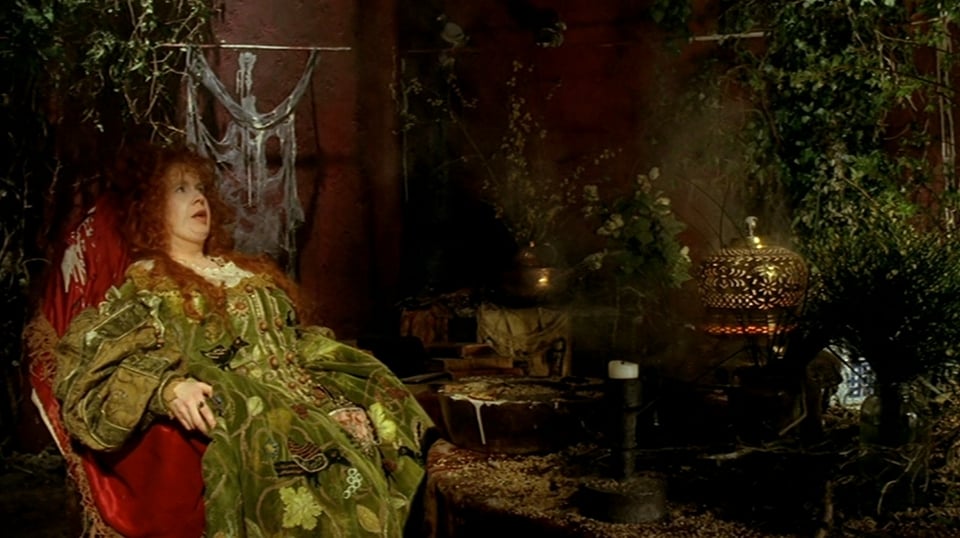
The Gormenghast miniseries came out in 2000, and is based on the series of novels written by Mervyn Peake, published in the late 1940s-50s. I read the first one and a half books several years ago1 but was utterly unaware that the miniseries existed until I came across a screencap of Jonathan Ryhs Meyers as Steerpike on Pinterest.2 I am not sure if this is due to my general obliviousness RE television, or because it wasn’t easily available in the US.
Now I was pretty obsessed with the books (as far as I got) when I read them; they are idiosyncratic, to say the least. The pace is slow and you will be forced to learn new words. They are not books I would have considered suitable for adaptation to film. So it was probably fortunate that several years elapsed between reading and watching, because I’m not sure that you could call this a faithful adaptation.
What it is, however, is an incredible adaptation.
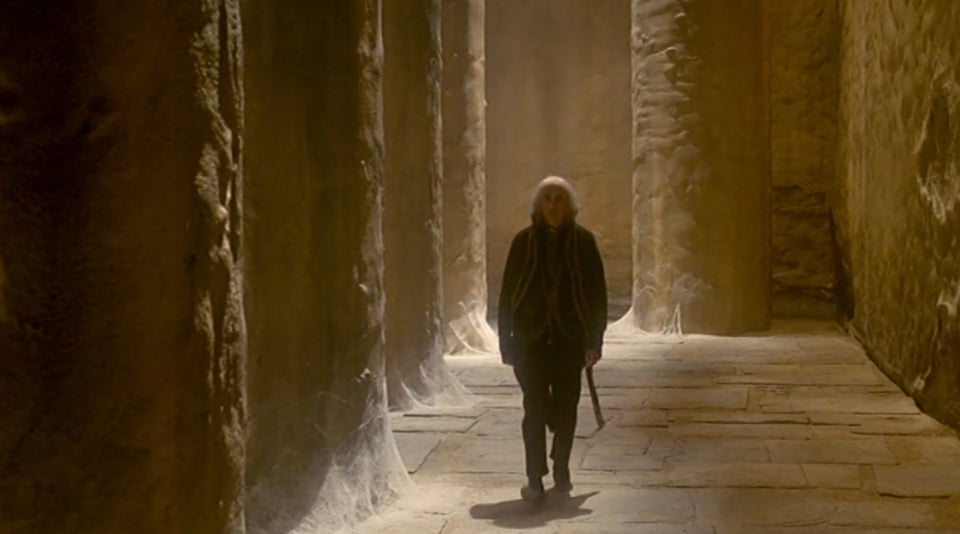
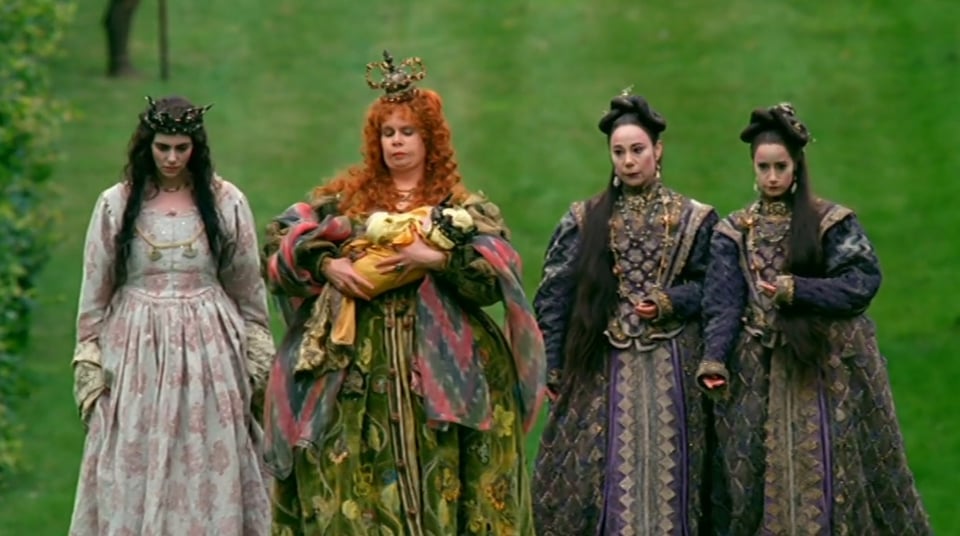
The plot of the books and series follows the inhabitants of Gormenghast, seat of the Earls of Gormenghast, who have spent the centuries adding more hallways and becoming ensnared in never-ending rituals. The story begins with the birth of the future Earl, Titus Groan. Since the first novel (and several of the ones that follow) are named after Titus, you might be mistaken in assuming he is the main character, or otherwise important to the story.
He is not. He is a baby for the entire first novel and half the miniseries. After that he is mostly useless and annoying. The real driving force is Steerpike, a kitchen boy turned social climber turned agent of chaos.
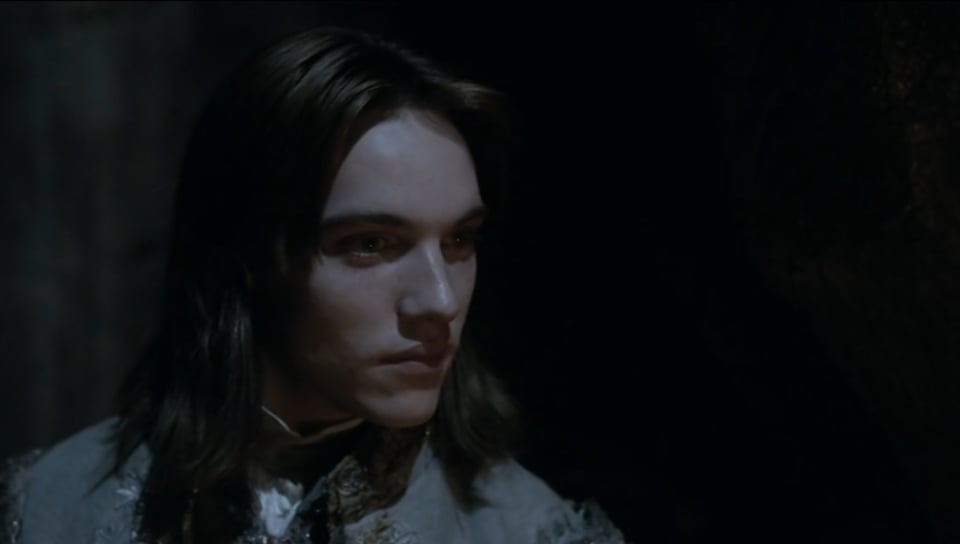
Steerpike moves with the calculation of a cat knocking things off shelves, followed by the equally cat-like shock at the results of his actions. He does not learn from any of this, obviously. This is pretty consistent between the books and the TV show. Where they begin to diverge is in terms of tone. The books are nuts, but the show manages to be unhinged in a completely different way. This is more a question of pacing and tone. The characters feel right to me, though if I had watched this right after reading I suppose I might feel differently. Steerpike, Fuchsia, and the Countess are particularly good, and they were my favorite characters in the books too. There are no unproblematic faves; every character is completely absorbed in their own world, to the general detriment of everyone around them. But it’s amazing to witness.
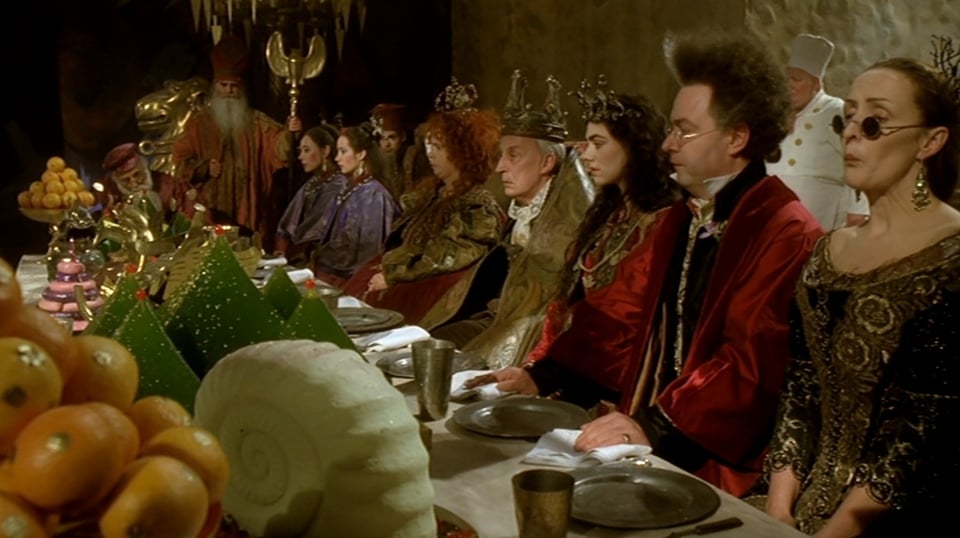
Everyone in this show is acting with their entire face, and sometimes quite a bit more. It’s less chewing the scenery and more baking the scenery into a three-decker cake and then taking a huge bite out of it. I cannot begin to tell you if this is “good.” Along with the sets and costuming, it contributes to the baroque style of the series while also being very funny. And when you’re adapting a book that uses the word “circumfusion” in the opening line, you have to do something.
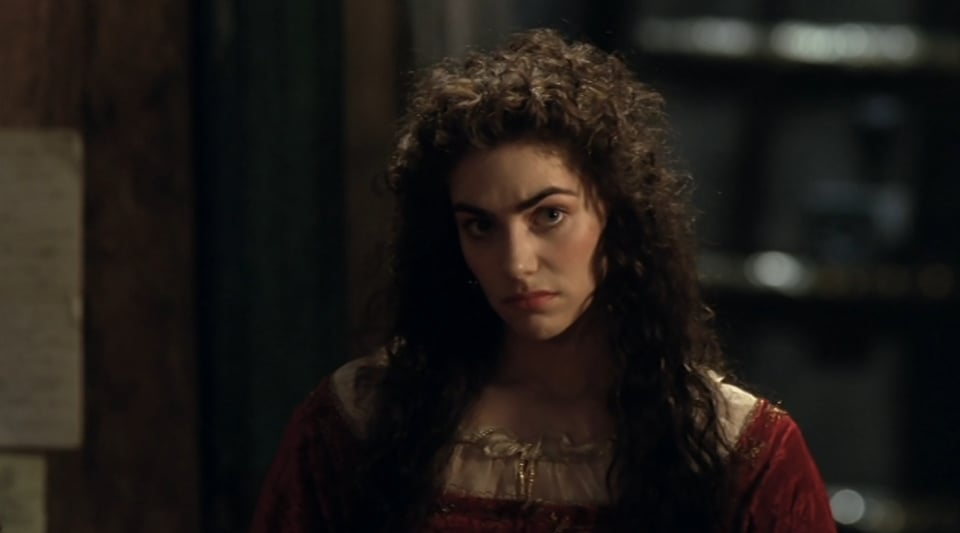
There was a time in my life3 when I cared deeply about film adaptations of novels, and how they should be done, and what made one good or bad. At this point, I think it’s more important that the film tries to do its own thing that, at best, might capture the spirit of the source material. A bad adaptation fails on its own merits, not because it didn’t replicate the source material perfectly. As far as I’m concerned, Gormenghast succeeds immensely.
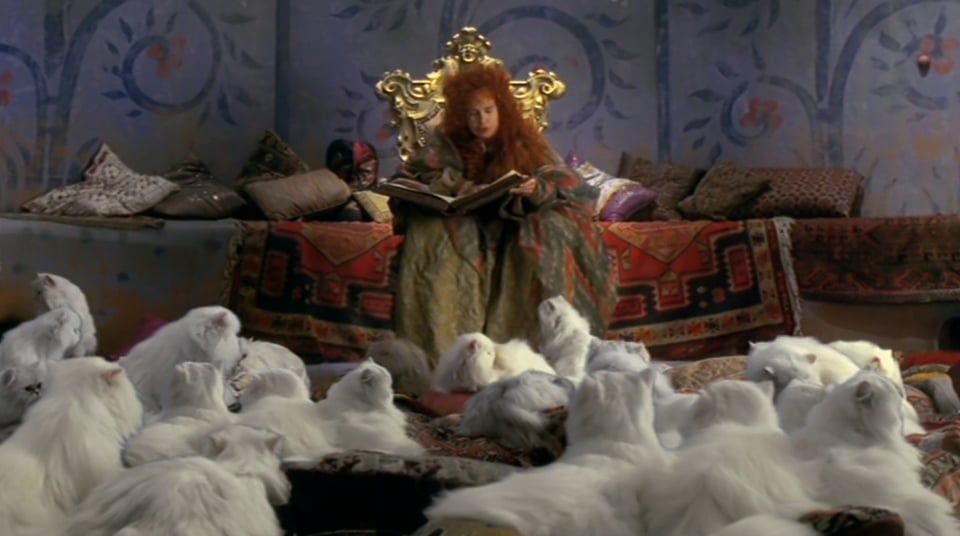
The miniseries benefits from having been filmed in 2000, when CGI was only suitable for light applications and people still believed in building sets and sewing costumes. It is worth watching for the aesthetics alone. Also, Christopher Lee is in it. Unfortunately, Stephen Fry is in it too, but that’s another byproduct of British television in the early 2000s.4 At any rate, I highly recommend both the show and the books if you want fantasy that’s a little off-kilter and dripping with texture.
Let me know if you have recommendations for other weird old fantasy movies/TV shows! Especially if they’re on Tubi.
If you’re new, please subscribe! I post reviews and updates about once a month. You can check out my previous review, on Molly Tanzer’s novella And Side by Side They Wander, here.
Subscribe nowI meant to finish it, but the book was due back at the library. I have since purchased my own copies of the trilogy, which means it will take approximately another ten years for me to finish reading them. ↩
Subtly malevolent-looking men wearing a lot of embroidery are relevant to my interests. ↩
High school ↩
I can’t remember if Stephen Fry did something problematic or if I just got sick of seeing him around lol ↩
You just read issue #5 of Vespertine Dispatch. You can also browse the full archives of this newsletter.
