Updates from the Science Journalism Trenches
What I've been up to as Things Here get weirder.
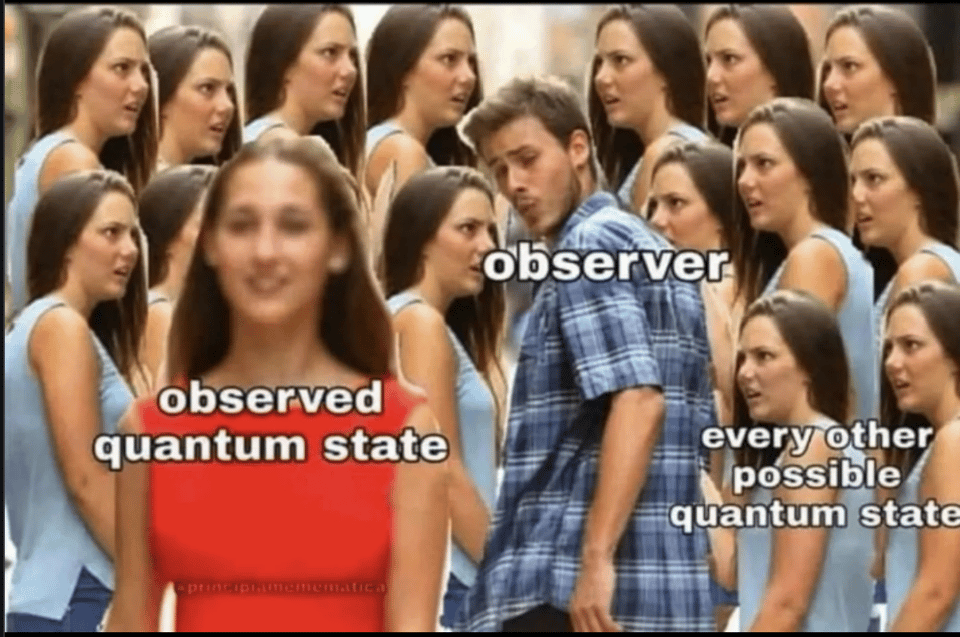
(Read to the end for a super nerdy version of the Distracted Boyfriend meme.)
I wrote for the NYT!
When I learned that I lived near the only person to successfully breed hermit crabs in captivity--and WHY she was pursuing such a quirky and painstaking endeavor--I knew it was a story I could pitch somewhere big. I also was intimidated about how to do that. When my local friend Rebecca Byerly said her editor for the NYT's Great Read was looking for character-driven stories, I told her about Mary Akers, the hermit crab lady. Rebecca introduced me to her editor, Mike Wilson. He recommended we work on the story together. I rarely get to see how another journalist works, and the opportunity to collaborate with Rebecca was a gift. We have particularly complementary skillsets for a story like this one. I'm thrilled with how the article turned out.
The federal cuts came for me.
You may notice that I haven't been publishing tip sheets with AHCJ in 2026—although I still lead the occasional webinar or conference session for them. AHCJ cut the environmental health beat leader position, the one I filled. That beat was hard to fund in the best of times, which is frustrating because study after study highlights its importance. But the federal cuts that began in 2025 jeopardized that funding like never before. I know that the leadership at AHCJ would like to publish this beat again, so it's possible I'll return at some point. But for the time being, I have picked up other work. Figuring out what’s next while working on my first NYT article and finishing up my NPR series is why I’ve been hidden under a rock for several months. AHCJ was my most regular client. I was able to fill this gap with a new technical editing client. The pay is much higher, and I like the researchers I am editing and the work they are doing. But I want to highlight what my little microcosm shows about the impact of federal cuts. The work I am doing now is not about serving the public while centering the most vulnerable, and it’s especially not about serving local journalism. During the past year and a half, I have learned about many impacts of the federal cuts. Sources have told me tips off the record, but they know that it's bad marketing to talk about one's funding losses. The cuts I see especially disadvantage already disadvantaged places like southwestern Virginia. I don't think people in my home recognize the extent of the losses, because in many cases the programs they funded just won't ever exist. It's a challenge to communicate. The people who lost the funding don't want to go on the record. The people who would have benefited from the funding will never fully witness what they lost. I grapple everyday with the emotional weight of that knowledge. I don't know how we come back from the loss of public service in this country, because most people don't seem concerned enough. And the impacts continue. Who knows how much longer vulnerable institutions and programs that have made it so far can continue to hold on?
That's why I visited Austria!
My husband is a dual citizen in Austria, and my family and I visited Viennese and Alpine landscapes this summer for several weeks. We want our daughter to have a connection to the country, in case ours continues to tank its own future. She'll have another place to go. I'm afraid it will take a generation to rebuild and reform U.S. higher education. Most parents with college-aged children in America probably don't realize that college now is worse. I know it is worse, because I am intimately connected with higher education, and I have seen the deaths by a thousand cuts. So, we want our daughter to one day have options at universities outside the United States. I love our home and don't want to be far from family and friends. But it's time to have an escape hatch.
On why pitching is so onerous right now.
Usually, when an editor turns down my pitch, the rejection is kind. I don't get the impression that editors don't want to work with me. Instead, editors seem overwhelmed by the amount of content that they handle and wary of any new person who might introduce curveballs in how they work. I get it. These are hard times. I also sense that editors are aware that the pitching process is unfair. It's unpaid labor, and even if the pitch is accepted, I will be underpaid for the work, because of entrenched wage stagnation. Editors are trying to be as supportive as they can to freelancers while also working within their own institutional constraints to protect themselves from an onerous editorial process. As a freelancer, I will do anything to avoid the pitching process, because it's not a prosperous use of my time. I prioritize work that comes to me and I only tend to spend time pitching passion projects. Even pitching a few projects has been insanely difficult this year. I had pre-pitched two stories to Scientific American and developed relationships with two editors I respect there. They both were laid off earlier this month. That means if I am to salvage the stories I had begun to work on for them, I will need to restart this unpaid work all over again. Realistically, I probably will move on. Soon after, National Geographic announced layoffs; I hadn’t realized there was anyone left to cut there and still produce a magazine tbh. I keep thinking it feels like we’re in a recession, and surprised that the economy’s data do not yet bear that out. Sure feels like one to me. I don’t know anyone in science or journalism who isn’t in austerity; most of us have been for years. Still, our skeleton crews are battening down the hatches once again, especially the saltiest sailors still left among us.
Recent Things I Wrote:
Saving Hermit Crabs by Breeding Them in the Suburbs, The New York Times
Shelter from the Storm: The Only Black Church in Dante, NPR and Climate Central
Weather Data Inequity in a Flash Flood Hotspot, NPR and Climate Central
Neighbors Raise Funds to Help Local Asylum Seeker Appeal Case, The Floyd Times
Recent Things I Recommend:
Season 8 of Scene on Radio: The News, by John Biewen and Chenjerai Kumanyika
The Origin of American Authoritarianism, First America, Rebecca Nagle
Scientific American and the Collapse of Science Journalism, John Horgan
Is AI Making Faculty More Likely to Retire, Karen Kelsky, The Professor Is Out
Tell Us What You Think
Please tell us here what sorts of content and subscriber perks you suggest. In the meantime, please subscribe to the free version and buy me a coffee here.
Something Fun:
About Me:
https://authory.com/KatieBurke
Add a comment: