
Future Visions: Hospitality with Koen Malfait
An interview with Koen Malfait, ex-Google and currently creative director at Airbnb. We talk about the future of hospitality, leadership across scales and email as a brand channel.
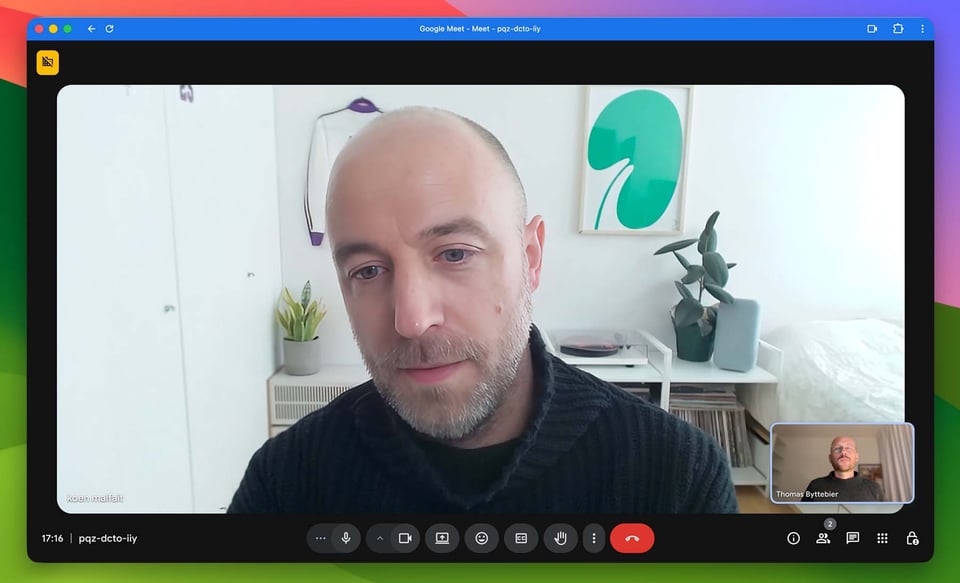
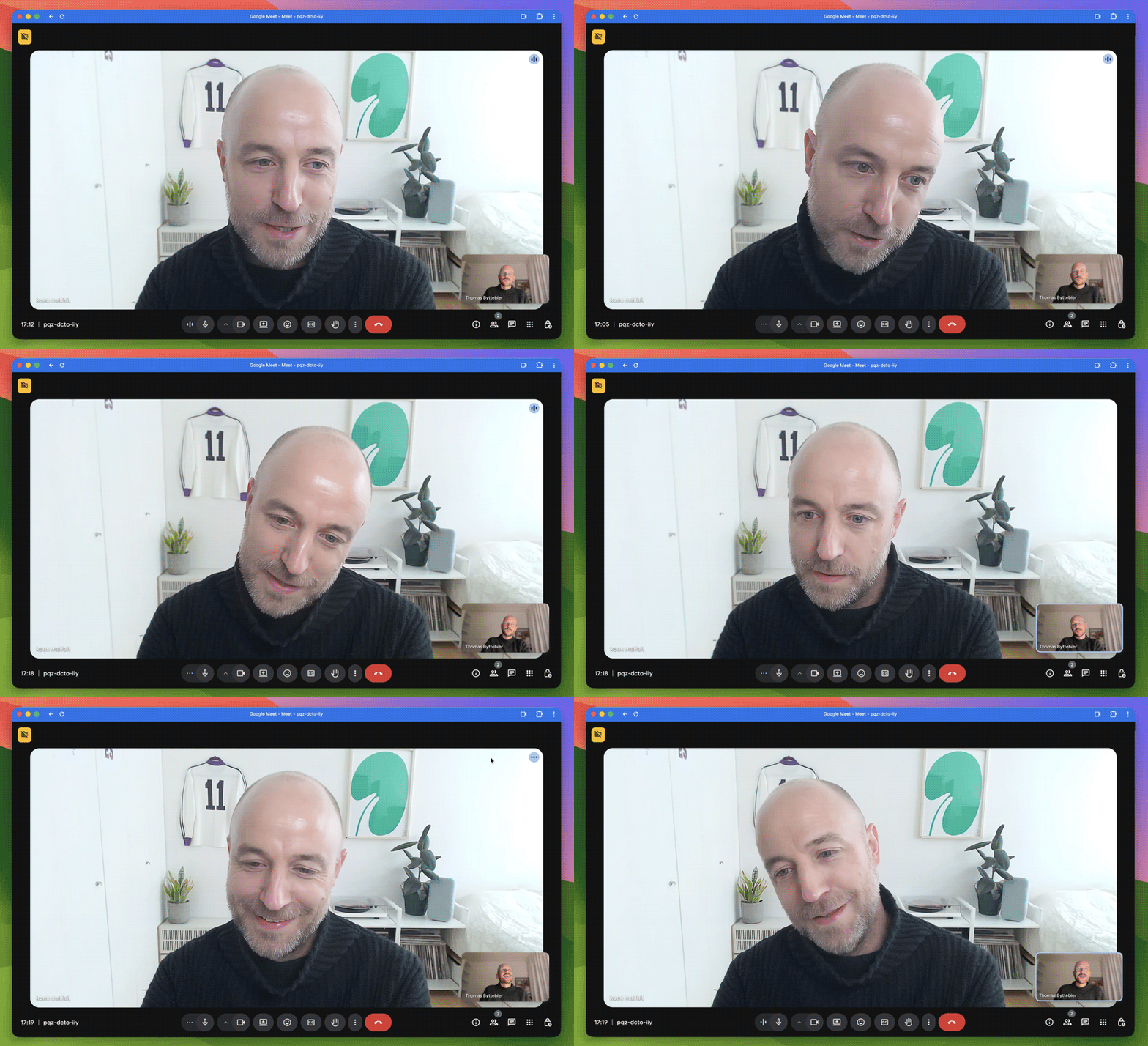
You are reading Future Visions, a newsletter by Uncommon Practice. This edition looks at the future of Hospitality. I spoke with Koen Malfait, currently Creative Director at Airbnb, about email as a brand channel, the tech reshaping how we connect, and how creative leadership differs between giants and small studios.
Email as a steady channel
You're working on email campaigns at Airbnb. I find email such a peculiar channel. It’s been around for 30 years and hasn’t really changed much since. That in itself is unusual in digital. What have you learned about the role of email communication at Airbnb?
Koen Malfait: I’m currently working on a quarterly email for airbnb and I love to obsess over these very clear metrics that email has. We just try to beat the results every quarter: unique open rate, conversion lift, or global net bookings lift.
Email has always been such an interesting channel. It would be very easy to build a case around how it’s the most effective channel out there. And I recently saw a study that showed that about 70% of people prefer email as a communication tool with brands.
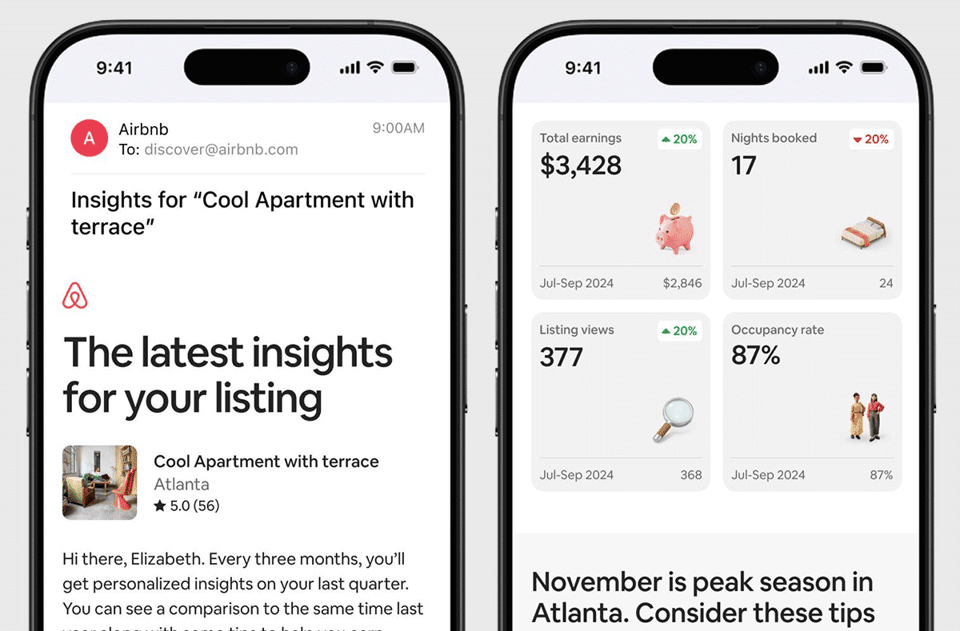
At the same time, it’s crazy how antiquated email still is. How hard it is to do very basic things, like using your own brand typeface. Or adding a video. It’s probably its rudimentary nature that is making it so successful. Everyone knows how to use it. And you don’t have to go anywhere. It just comes to you. Part of the reason why it’s a good way to reach people of all ages.
What I find interesting is the different perspectives you get when you talk about emails. To creatives, it feels like a medium that has barely evolved. But when you talk to engineers, they struggle because of the constant iOS and Android updates that they have no control over.
What's next in Hospitality?
Hospitality used to be about face-to-face care. Today much of it happens through apps and platforms, and Airbnb set that standard. What do you see as the next evolution in hospitality? Any tech you are excited about that could shift standards once again?
Koen Malfait: I don’t look at it as different waves or evolutions in hospitality. When you break it down, people want to be seen, they want to be heard and they want to be understood. I think there’s an underlying mega wave, a tsunami, there that sits at the core of all of that.
To me, hospitality has always been about personalization. That hasn’t changed. What has changed is that in the distant past, you had to have a conversation with someone to actually figure out their needs and make them feel understood. Today, you don’t. There are many ways to get to that level of personalization.
It doesn’t mean it’s replacing face-to-face care. But it means you can now be smarter about when to make something face-to-face and when to make it a digital experience. Any new tech that hits the market can play a role in that story. That’s also why I have a very modernist view on new technology.
A modernist view?
Koen Malfait: Generally speaking, modernism was optimistic about technological progress, but they were also attentive to the dangers involved.
Branded experiences
Airbnb is known for continuously aiming to make its user experience as frictionless as possible. But if everything is seamless, it can also feel generic. How do you leave enough space for brand, for something others can’t just copy?
Koen Malfait: I honestly think frictionless experiences should be the baseline for any brand. While I say that, I have to note that I’m constantly amazed about how much work it is to get to that baseline.
But to answer your question, I would say airbnb has always been very good at leaving enough space for the brand. If you don’t know the story of how they started selling cereal in the early days to pay off $30k in debt, you should definitely look that up. It’s very entertaining. (You can read the story here.)
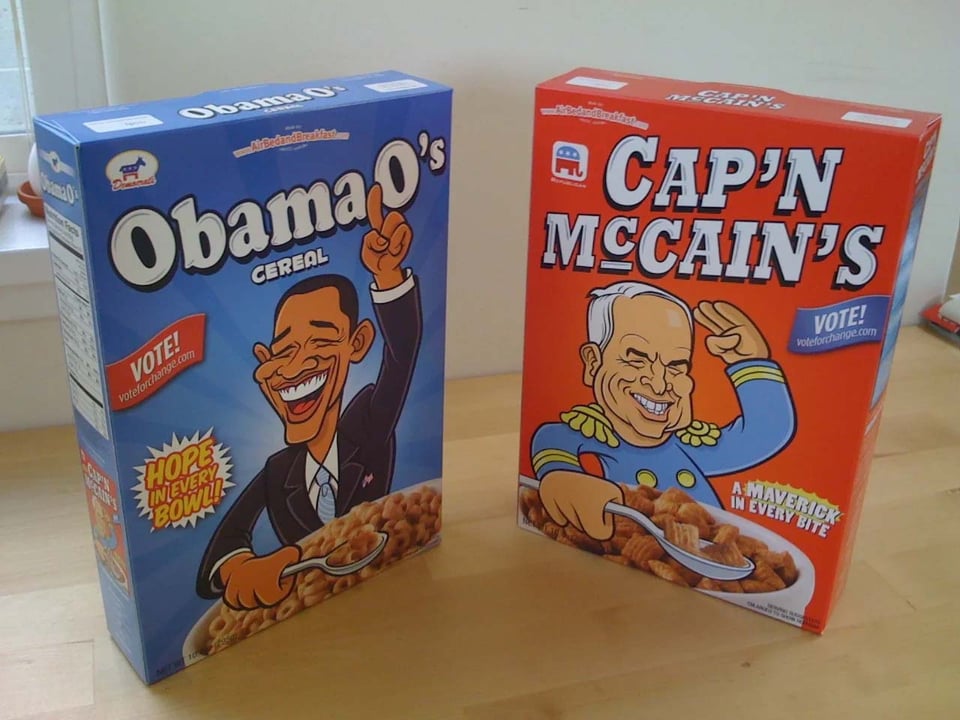
But that’s just one of the places where you can see how Brian Chesky, the founder, is a creative (he went to RISD). There’s been IKEA showrooms converted as airbnb’s, there’s been the last blockbuster store that was converted as an airbnb. And even just last year, with the huge launch of Icons, where airbnb brought to life once-in-a-lifetime experiences and stays. All of a sudden you were able to stay in a real-life version of the house in the movie UP or in the Ferrari museum or Prince’s Purple Rain house.

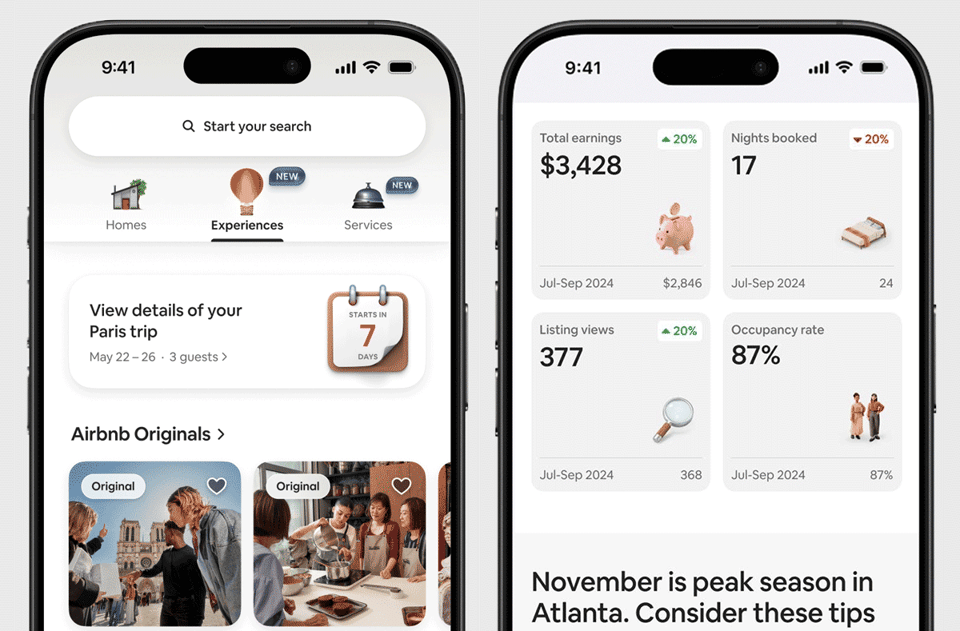
But I think you can also find it in smaller things. Like the very maximalist UI icons in the airbnb app, an intentional shift away from generic geometric designs and toward texture and form.
On creative leadership
You’ve worked at giants like Google and Airbnb. But you’ve also worked in smaller creative studios. What’s the biggest difference between leading teams in these huge organizations versus in smaller companies?
Koen Malfait: I would say the most obvious general difference would be the difference in agendas. At smaller creative studios, every single person has the same focus: create groundbreaking creative work.
When you’re part of those giants, you all of a sudden find yourself in a full ecosystem of agendas. Creative still wants to create groundbreaking creative work. But now you have the legal and policy teams whose main concern is to not get sued. There’s a research and insights team that wants to make sure you build all the work on the research and insights they pulled. There’s a marketing team, that wants to make sure their okr’s for the year are met. There are the regional teams, who want to make sure your work translates for their markets, etc. It’s a very different dedication of your time.
But even between Google and Airbnb for example, there are huge differences. Where Google was an engineering-led company, I always say jokingly that 75% of my time was spent on making people understand what creative is and why it matters. Airbnb, being founded by a designer has the complete opposite reality.
Before we go
We teamed up with creative developer Laura Conant to imagine what might happen if websites could truly listen. See the videos or Read the story.
ROI definitely matters. But now there’s ROI Plus, an elevated kind of ROI: Return on Intention. Read our ethos.
Our next Future Visions interview will discuss the future of cultural institutions. If you know anyone that might be interested, they can subscribe to Future Visions here.
Until next time,
Thomas Byttebier
Uncommon Practice