
Fluidwise: visuals reacting to presence
The next experiment from our ongoing research into how technology could change the way brands express themselves, in digital, spatial, and sensory ways.
You are reading Future Visions, a newsletter by Uncommon Practice. This edition shares from our ongoing research into how technology could change the way brands express themselves, digitally, spatially and sensorially. Each experiment starts with curiosity and ends with a glimpse of what’s next.
Taps, swipes and scrolls may be efficient, they're not how we naturally interact with the world. What happens when a screen reacts to simple human presence, instead of to a click or touch?
To research this question, we teamed up with creative developer Ant Barras. The result is Fluidwise, an interactive prototype that explores how a visual can respond directly to your body.
No taps or clicks. Only when hands are detected, a liquid visual appears on the screen. It can then be controlled by gestures.
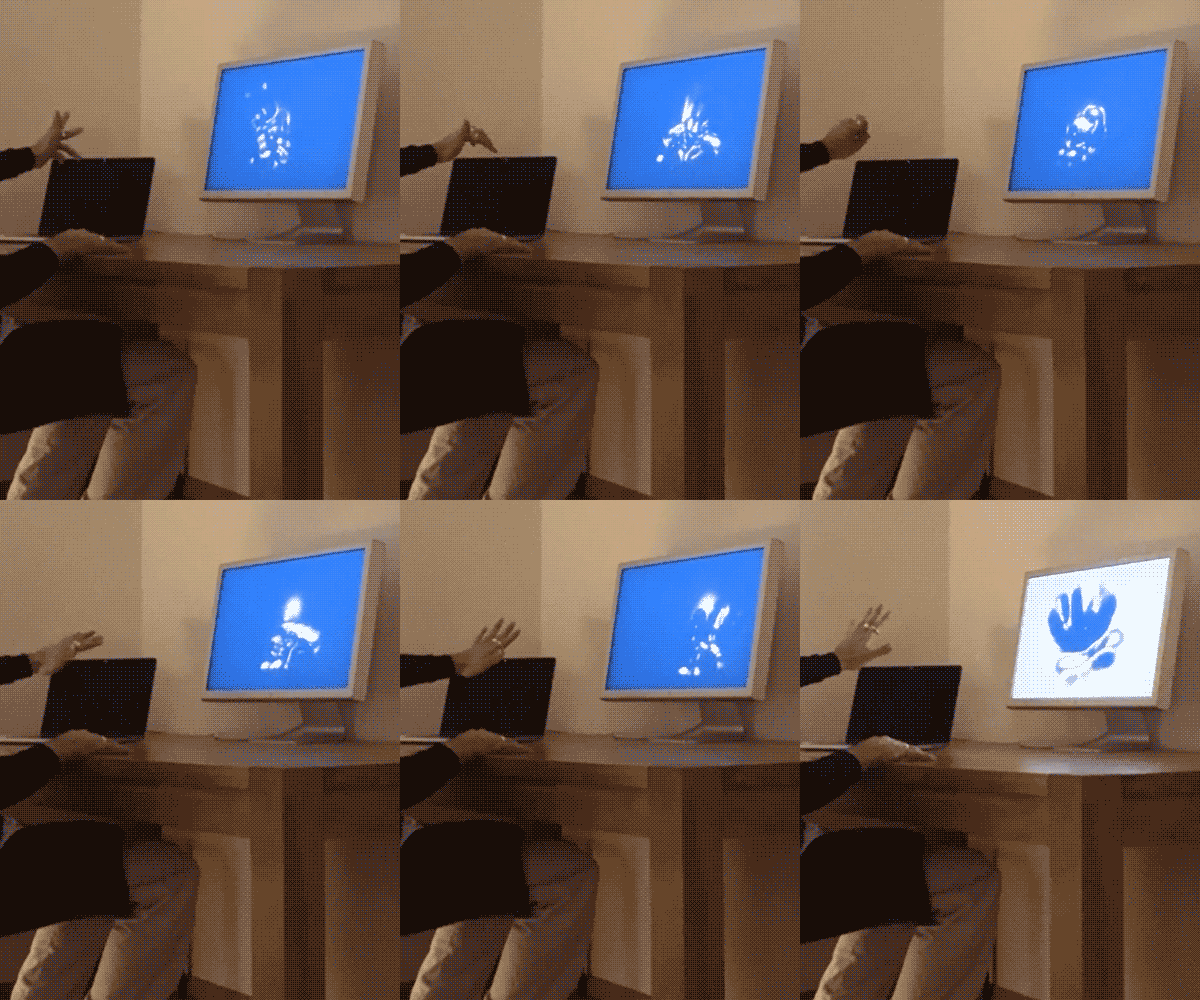
Like when you stretch and hold your fingers, the screen will flash.
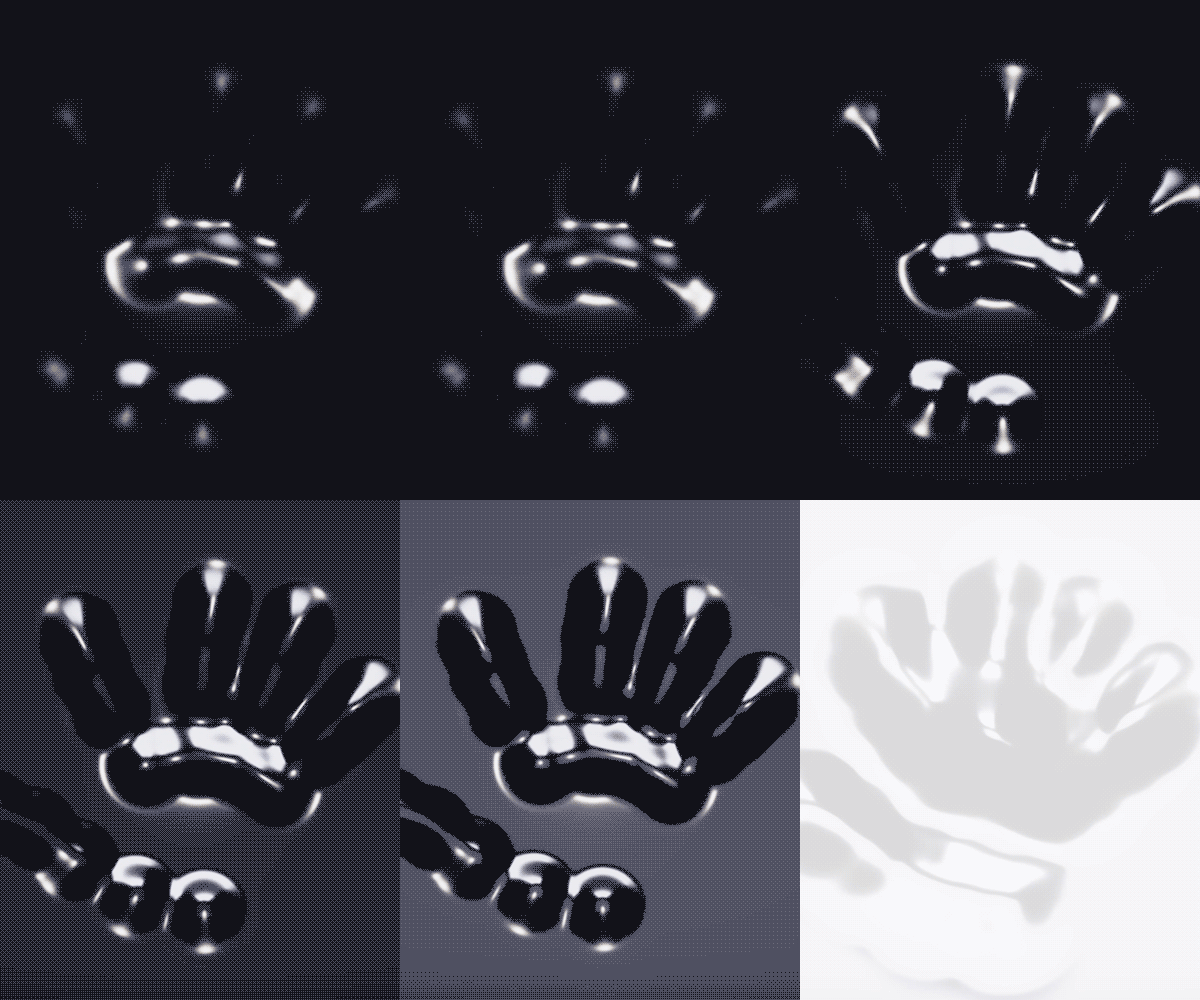
👉 See it in action on our Instagram.
Try it yourself
You can try the live demo here.
Why we built it
We wanted to see how gestures could shape visual expression in real time. This is exciting to us, as it unlocks many new possibilities for brands to interact with audiences.
How it works
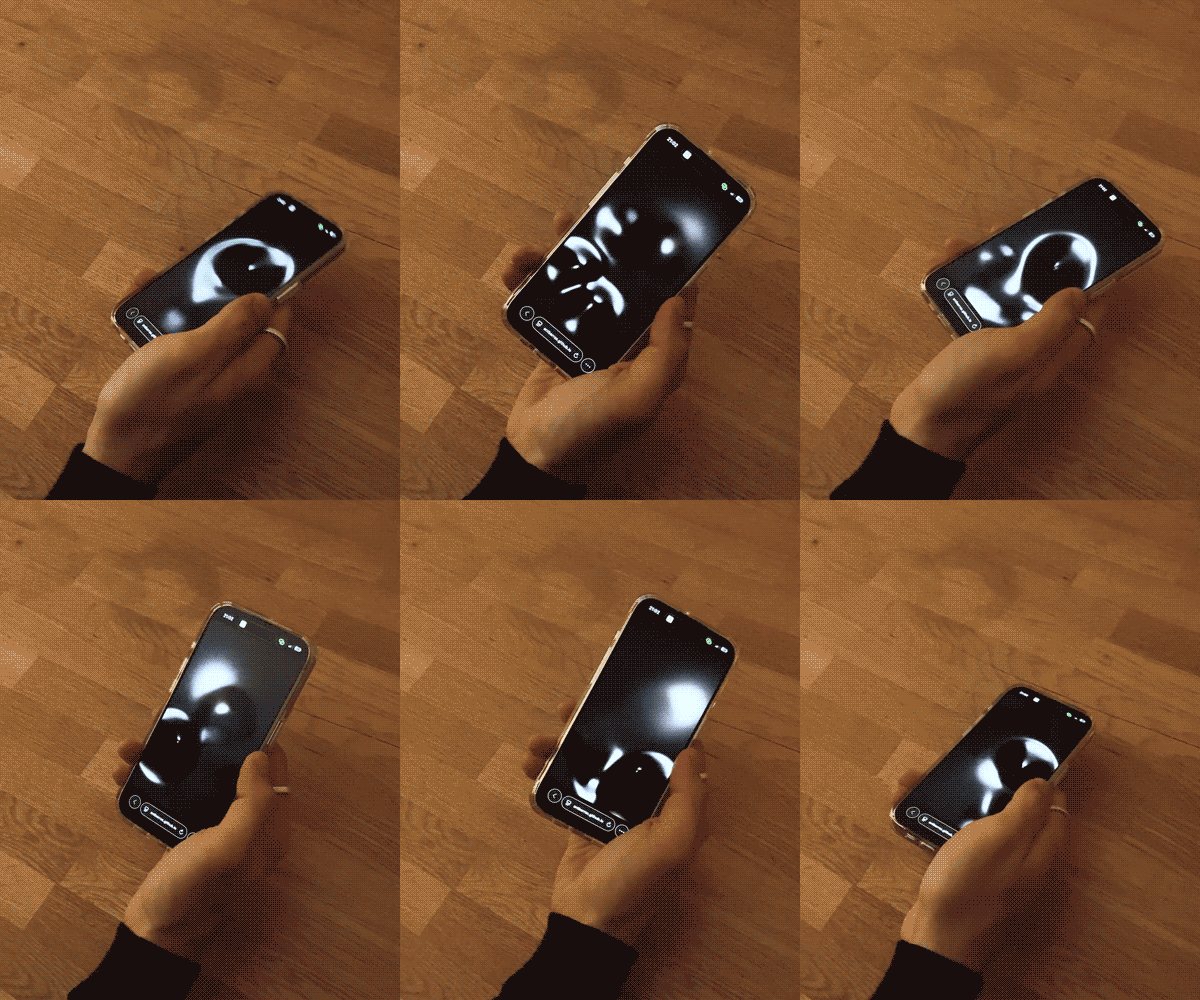
Ant: “The interface tracks the palm with MediaPipe Hands and transforms it with a GLSL shader in Three.js. On desktop you can combine hand gestures with your mouse cursor for different results. On mobile the device's gyroscope is the input.
What I personally like most? The experiment materializes hands and cursor movements into the most essential element: fluids.”
Before we go
Our previous research experiment explored how interfaces can react to sound. See it in action.
Last week we asked Koen Malfait, creative director at Airbnb, about the future of hospitality. Read the interview, or watch a short snippet.
Our next Future Visions dives deep into Arts & Culture, and Fashion. Stay tuned. And please forward if you think someone needs to see this. It helps!
Until next time,
Thomas Byttebier,
Uncommon Practice