Thanks to Matthew Broome for recommending a starting point for Camus. The Outsider, or The Stranger. The difference seems to stem from the translation of the original French L’Étranger. But as Camus himself says, it is about a man who defies social conventions and is disconnected from his own life. Feel free to argue either way!
The Outsider by Albert Camus
We follow a man named Meursault, who remains disconnected and ambivalent about life. We start at the funeral of his mother, and he tramples over the expected conventions and ceremony, showing little emotion, whilst others are tearful, emotional and respectful.
Meursault continues to be cold and indifferent as he takes a lover but feels no commitment to love, and helps a fairly despicable neighbour write a cruel letter to punish an Arab girlfriend.
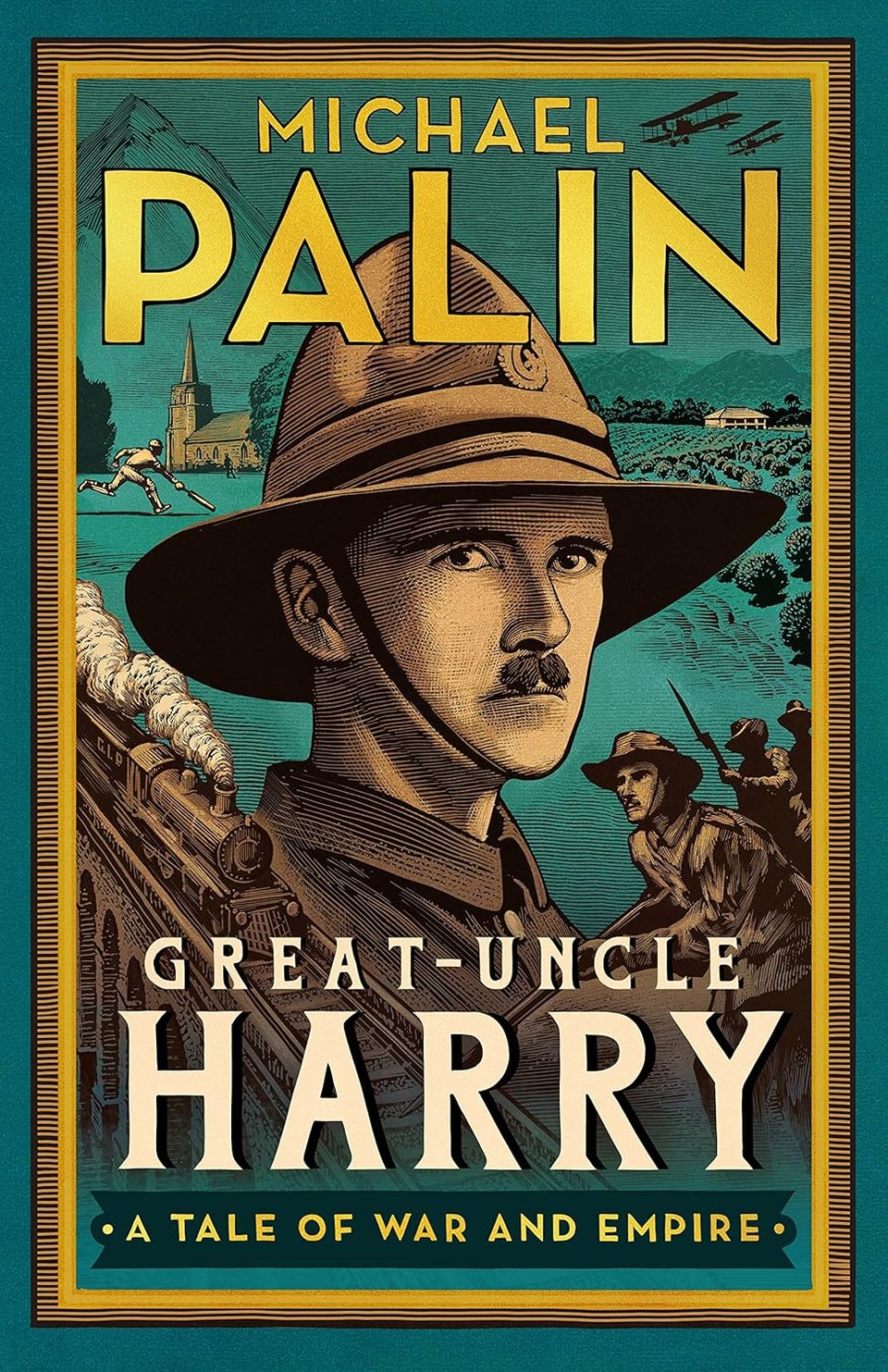
The full title is Great-Uncle Harry: A Tale of War and Empire. Another Michael Palin tour de force, where he delves deep and wide to find out the background of one of his relatives who died in the First World War.
Great-Uncle Harry by Michael Palin
My Great-Uncle Charlie also died in the First World War; he was 24, so there are some very similar memories reading this book, due in the main to talking to my mum and helping my son do some research into Charlie on my son’s school trip to Belgium.
Reading the book, you can’t help but think that Michael was lucky to have so much support in researching this, well, he IS Michael Palin, national treasure, etc. So he ropes in Peter “Lord of the Rings” Jackson, using his wonderful They Shall Not Grow Old resources to trawl through picture archives to pick out various photos of Harry and his mates on the front line. Michael also gets his hands on the complete set of war diaries and various archives of reports from the front, a veritable treasure trove that seemed to have kicked off the whole, “Could I make a book out of this?”
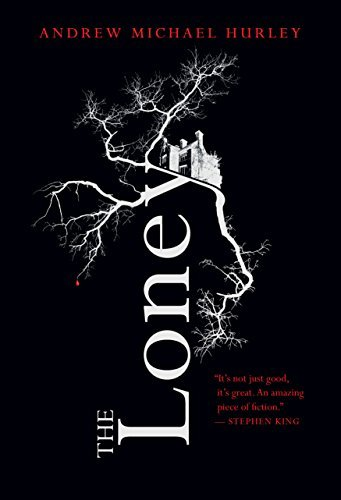
I bought The Loney in 2016, read a few chapters, got bored, put it away, felt guilty after a few months, started it again, got more bored and decided Andrew Michael Hurley was not for me.
The Loney by Andrew Michael Loney
However, the Reading Challenge I started in 2025 is precisely designed for circumstances like this. I’m putting myself through the pain so I can gain a bit of understanding about my reading habits.
So, in returning to this, the familiar feelings of dread also returned, it… was… so… slow. I almost gave up again, but I persevered; something had struck a chord. My grandfather was a vicar in Norfolk, and I remember visiting his house in the 1970s. It was bleak and isolated; the house was all dark wood and low lighting inside. He was a peculiar man, a history, if not of criminal activity, then actions that bordered on what was the very edge of morality. I came away, though very young, with a feeling that I’d had a lucky escape, a person, supposedly holy and good, who didn’t come across like that, cold, cynical, a little bit cruel but with a practised wit and charm.
These diaries were written after each session by Alex Marchant, who played Nantz in the game. With Alex’s permission, I’m reposting them here on the blog. They brought a wonderful sense of atmosphere to the sessions, and I always looked forward to reading them, so I’m delighted they’re now preserved here for posterity.
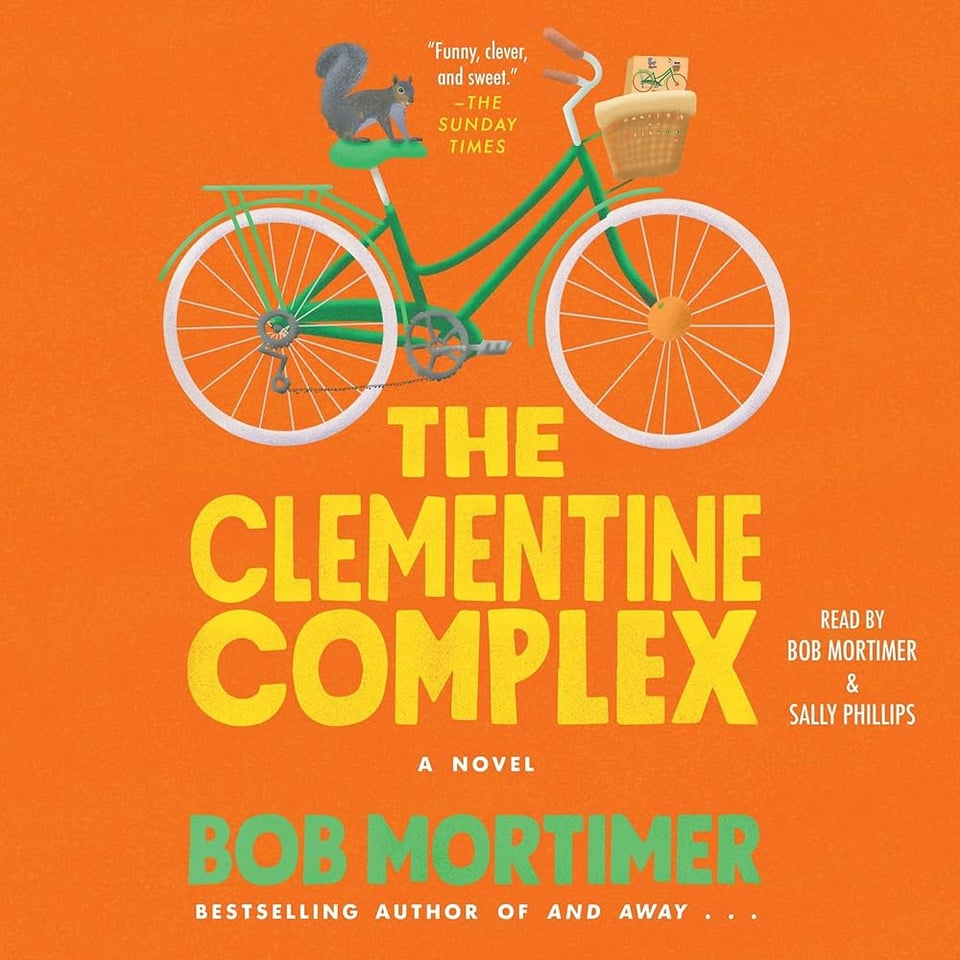
A man goes for a drink with an acquaintance in a pub and also meets the woman of his dreams and wishes, but she disappears. He is determined to find her. Thus follows mystery, corruption, death and squirrels.
The Satsuma Complex (unless you are American) by Bob Mortimer
If you have seen Bob Mortimer on telly, then you know what to expect; it’s like an extended episode of Would I Lie to You? But amongst the funniest things in the book is the fact that Americans can’t cope with something being called Satsuma. In typical Bob style, the main narrator, Gary, seamlessly blends the mundane and the surreal into a readable murder mystery and romantic comedy.
There are some lovely, well-drawn characters, as you would expect, no Gary Cheeseman, the sniper’s dream, on account of his large head, but there is Grace, his spiky elderly next door neighbour with a dodgy hip, a pie fetish and her dog Lassoo. There are more menacing and unpleasant characters than you’d usually get in a Bob anecdote, so it is pleasing to see him stretch himself into real drama.
We’ve now completed Into the Dust, having travelled through the three Stops that shaped our Journey. Some characters reached their destination, chasing dreams they finally grasped. Others found a quiet contentment in simply arriving — not where they had intended, perhaps, but somewhere that felt enough.
It has been a few weeks since we finished, time enough to decompress and reflect on the setting, the mechanics, and the strange, quiet emotional pull of the game itself.
Again, the group make progress down the road, until they are waved down by some hill billy types. Getting out of the car, they see the group they have encountered have patriot badges and baseball caps on. Things seem to be turning nasty, a possible interrogation, when Willy turns on the waterworks and the patriot’s mamma takes pity on him, berates her sons and sends the team on their way.
This could have been quite a nasty Encounter and there is a growing mantra with the players, “Never get out of the car.” But some excellent empathy rolls from Jon, Willy’s player and to then I invented the character of Mamma to get them out of trouble after such a roll.
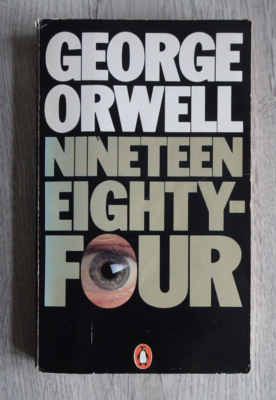
I bought the book in 1984 when the movie featuring John Hurt and Richard Burton came out, and The Eurythmics’ Sex Crime, also from the movie, was on Top of the Pops. There was an alternative title to 1984 or Nineteen Eighty Four, and that was 1948. Right? No. 1948 is just a myth; there is no evidence that Orwell called this novel after the year in which he wrote it and then, under pressure from publishers, reversed the last two digits - even if my Dad presented this to me as fact, it’s just quite well-reasoned speculation. One title, documented by Orwell, that he did consider was The Last Man in Europe. But all this is just one of many, many untruths that have grown up around the background and writing of the book, a book that is intrinsically about truth and who decides what the truth is.
1984 concerns Winston Smith and his life, serving INGSoc, the Party, a totalitarian government of Oceania. Life is bleak, regimented and likely to end in death by firing squad for real or imagined traitorous activities or through malnutrition and illness. Winston hates this life, but the only steps towards rebellion are a few scratched thoughts in a diary. That is, until he meets the mysterious Julia and falls in love.
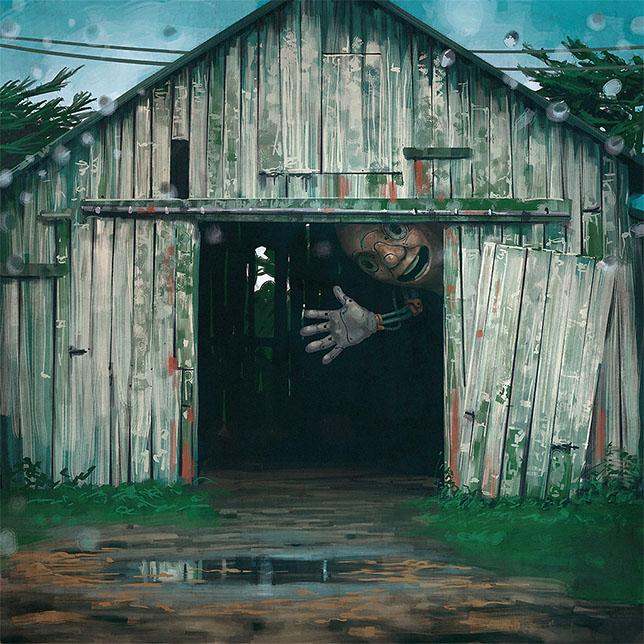
2.2 is Stop Two of Three, and it’s called Roadside Murder. Time to throw in some oddities, a large Drone pokes its head out of a barn as the group stops to stretch their legs. The Drone beckons to them.
The Barn
Session Four
Cade is, of course, the first to go and investigate. He tries speaking to the Drone or its operator, the Drone gestures that it will hide, Willy also joins in this impromptu game of hide and seek. After a few games, they start to leave, and the Drone grabs Cade. Billy-Lee intervenes and is thrown bodily through the air, landing with a grunt as the Drone starts squeezing out of the barn.
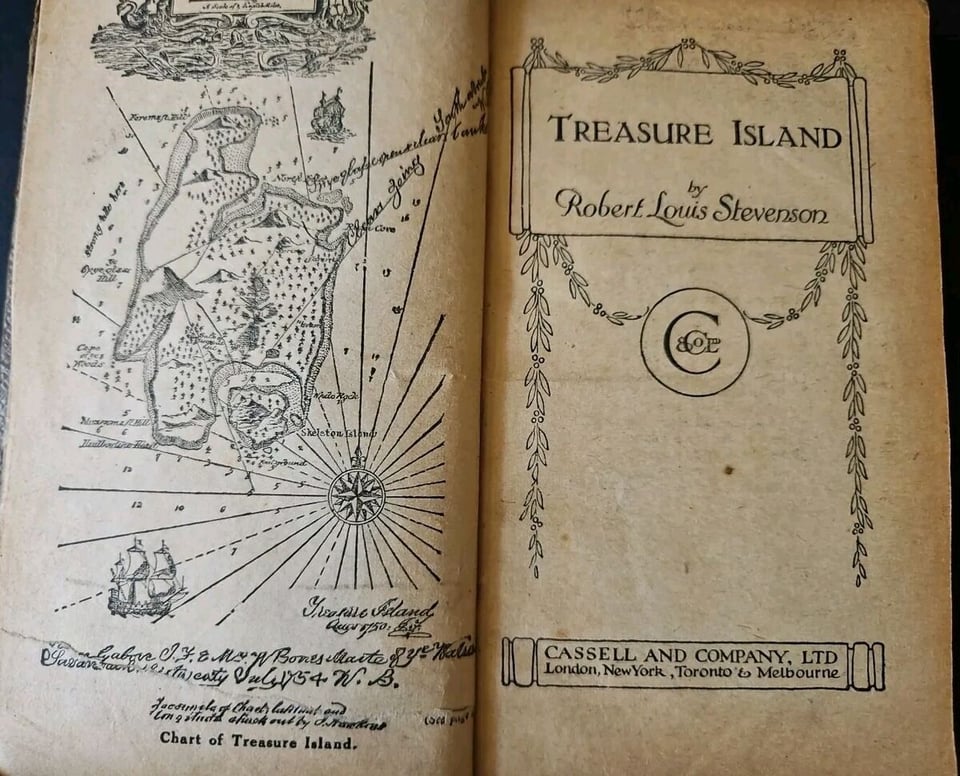
I remember that as a kid, my dad had walls of bookshelves in the living room, dining room, and upstairs. Many of the books were collections, like Punch, The Strand, but also a vast amount of boys’ adventures, like G. A. Henty and his ode to colonialism 😬 By Right of Conquest: With Cortez in Mexico. Within this mishmash, it was easy to find the odd classic, including Treasure Island. I remember reading it through in a few days during one long school summer holiday.
Treasure Island by Robert Louis Stevenson
Some of the most memorable passages in the book are at the start as Jim Hawkins entertains a collection of pirates in his parents’ remote Inn: Billy Bones, Black Dog and Blind Pew. I remember the description of Pew sending shivers up my spine: “He was hunched over and moved quickly, with a cruel, silent precision,” and his icy, cold hands that grabbed hold of Jim. Reminds me of a spider, waiting to pounce on some unsuspecting prey. All senses bar the eyes are operating beyond their maximum.
It’s not long before Jim is dragged into this adventure by way of the most excellent McGuffin, the treasure map. Jim heads off to find gold doubloons along with Doctor Livesy and the squire, coming across the infamous Long John Silver.
Now, on to the mini campaign, Into the Dust. I will break this down into the sessions that covered each of the three stops, so 2.1 equals Stop One.
We played these eight sessions between February to July 2025, a fortnightly two-hour game with a few life breaks.
I’d already run the first stop, The Angel in the Machine, and it had gone down better than expected, so I felt confident that a mini campaign of three stops and up to six encounters would be enjoyable, even if I had misgivings about the Tension Mechanics and long-term play.
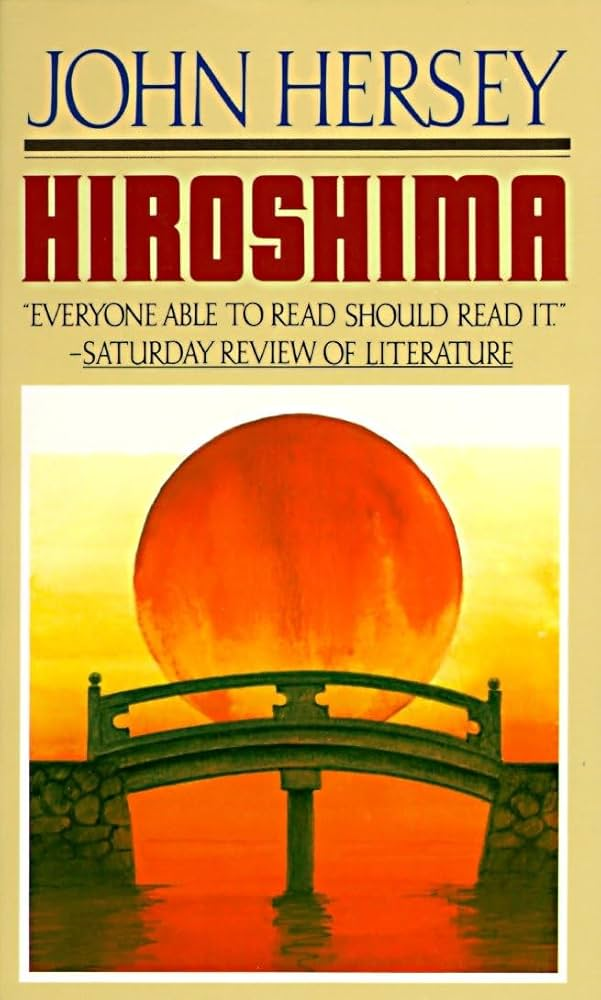
The book begins on Monday, August 6, 1945, at 8:15 a.m. as we enter the life of Toshiko Sasaki, a twenty-year-old clerk in the employment of the East Asia Tin Works.
THERE ARE SOME GRAPHIC AND UNSETTLING PASSAGES BELOW.
Hiroshima by John Hersey
This matter-of-fact prose is repeated for five more citizens of Hiroshima;
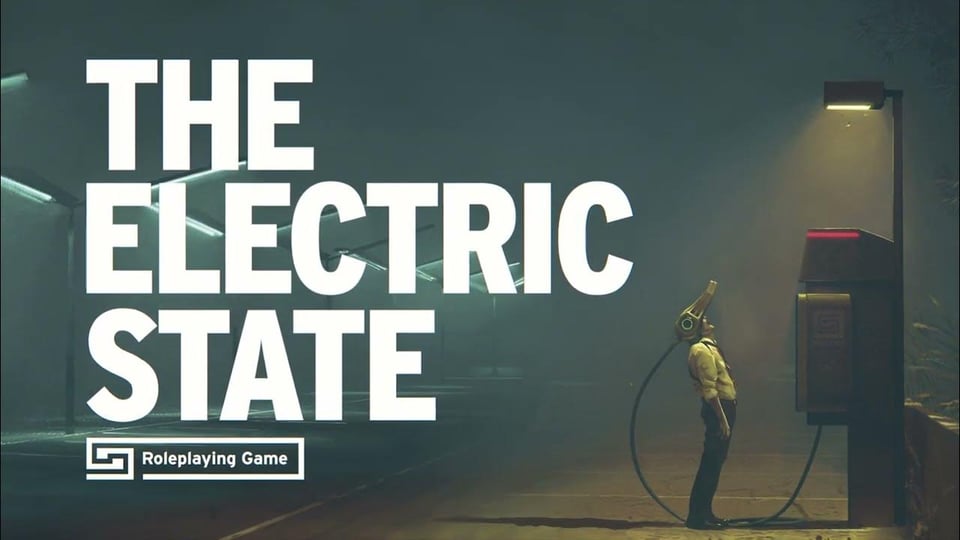
Back in February, I called on four travellers - Martin, Jon, Alex and Gareth to join me on a road trip into an alternate 90s dystopian landscape. The Electric State. It is now July, our Journey is at an end.
Into the Dust
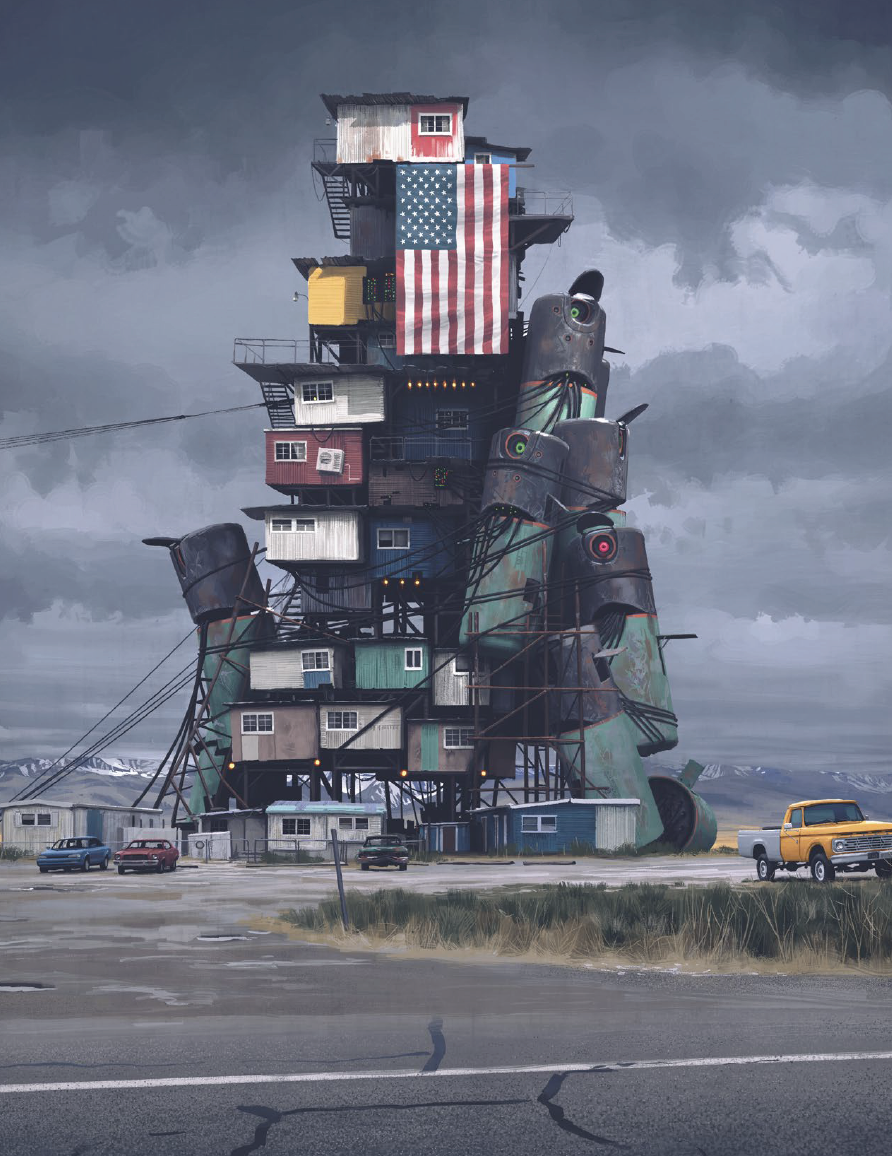
I was excited by this Kickstarter as it felt Free League were becoming the IP RPG provider of choice, with such fantastic games, who can complain? But I loved their original stuff like Coriolis and Tales from the Loop. The Electric State seemed to call back to that, sourcing the amazing artistic inspiration of Simon Stålenhag.
This was all before a Netflix movie was even on the horizon, of which I’ll avoid too much comment, only that for me, it didn’t inspire me the way the original art book and the RPG had.
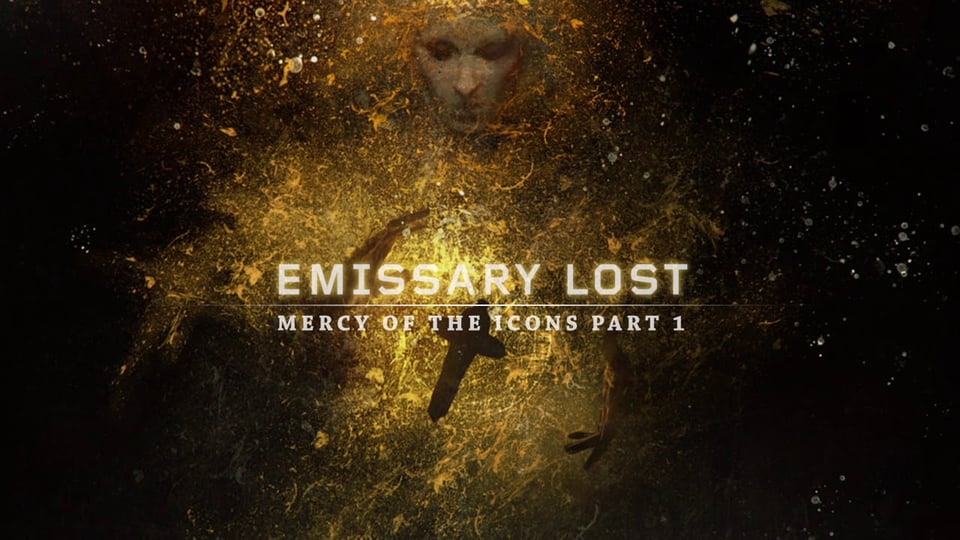
On Monday, the 30th June 2025, our group finished Emissary Lost. We’ve been playing for 336 days, comprising 18 sessions, each lasting two hours, 36 hours in total. We ran alternate Mondays and ran for at least a minimum of 4 players.
This is part one of the Mercy of the Icons campaign for Coriolis: The Third Horizon. Something that had been on my bucket list of RPG experiences for many years.
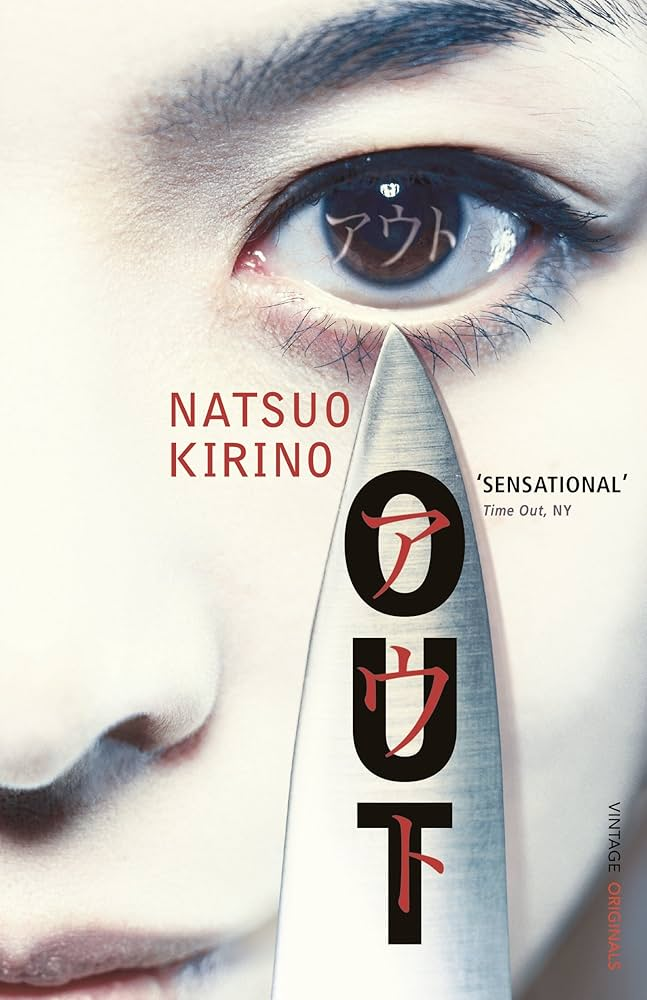
Out is a 1997 Japanese modern, feminist, crime novel written by Natsuo Kirino and translated by Stephen Snyder. It concerns four work colleagues on the night shift of a factory line producing Bento lunches.
Out by Natsuo Kirino
The colleagues are Masako (cold, scary, commanding), Yayoi (attractive, lost, passive), Yoshie (exhausted, experienced, burdened) & Kuniko (plump, vain, chaotic).
Before I go further, this novel is hardcore and at times a difficult read; death, dismemberment, violence, sexual assault and torture.
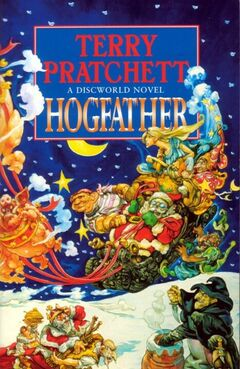
It has been a long time since I read any Terry Pratchett. I used to read his books religiously as and when they came out in paperback. I loved the Corgi releases with the Josh Kirby covers, so from 1985 until around the mid-90s, I’d be picking these up on the day of release. But after this time, I sort of fell out of love with the books, finding them repetitive, wanting more serious novels, keen to read about certain Discworld characters and less of others, but I’ve come back to them over the years, and I’ve learnt to appreciate just how well written they are, less a knockabout fantasy comedy series.
Hogfather by Terry Pratchett
I’d read Hogfather, and I had a distant memory of the plot and characters. To summarise, when the Discworld’s version of Father Christmas goes AWOL, Death takes his place to keep belief alive, while his granddaughter races within time to save reality from unravelling.
The book started well and introduced a cast with favourites of mine being Arthur and Susan Sto Helit (DEATH’s granddaughter) and their ascerbic interactions. For me, it loses the plot somewhat through the middle sections, the pace of the novel becoming bogged down in side quests and a slightly overly educational treatise on belief.
I grew up listening to music and going to gigs in the 90s, when that much criticised genre of music, shoegaze, was in full swing. I probably loved as much as I loathed in terms of bands, but Lush and their music, in my opinion have stood the test of time and it is great that guitarist and singer Miki Berenyi is now back and releasing, again in my opinion, the best music of her career with Miki Berenyi Trio aka MB3. So I was keen to give her autobiography a read and see how she experienced things from the other side of the stage.
Fingers Crossed by Miki Berenyi
The book begins at the Tokyo Olympics of 1964, tracing the meeting between Miki’s mother, a Japanese model and actress and her father, a Hungarian womanising journalist. The childhood is unconventional, and the marriage doesn’t last. Miki is born into an exciting world, with a lot of freedom, but also things a child should never have to go through, with emotional and physical child abuse from her grandmother and other “friends” of the family.
Yasuko Nagazumi, Miki’s mum, also appeared in Space 1999
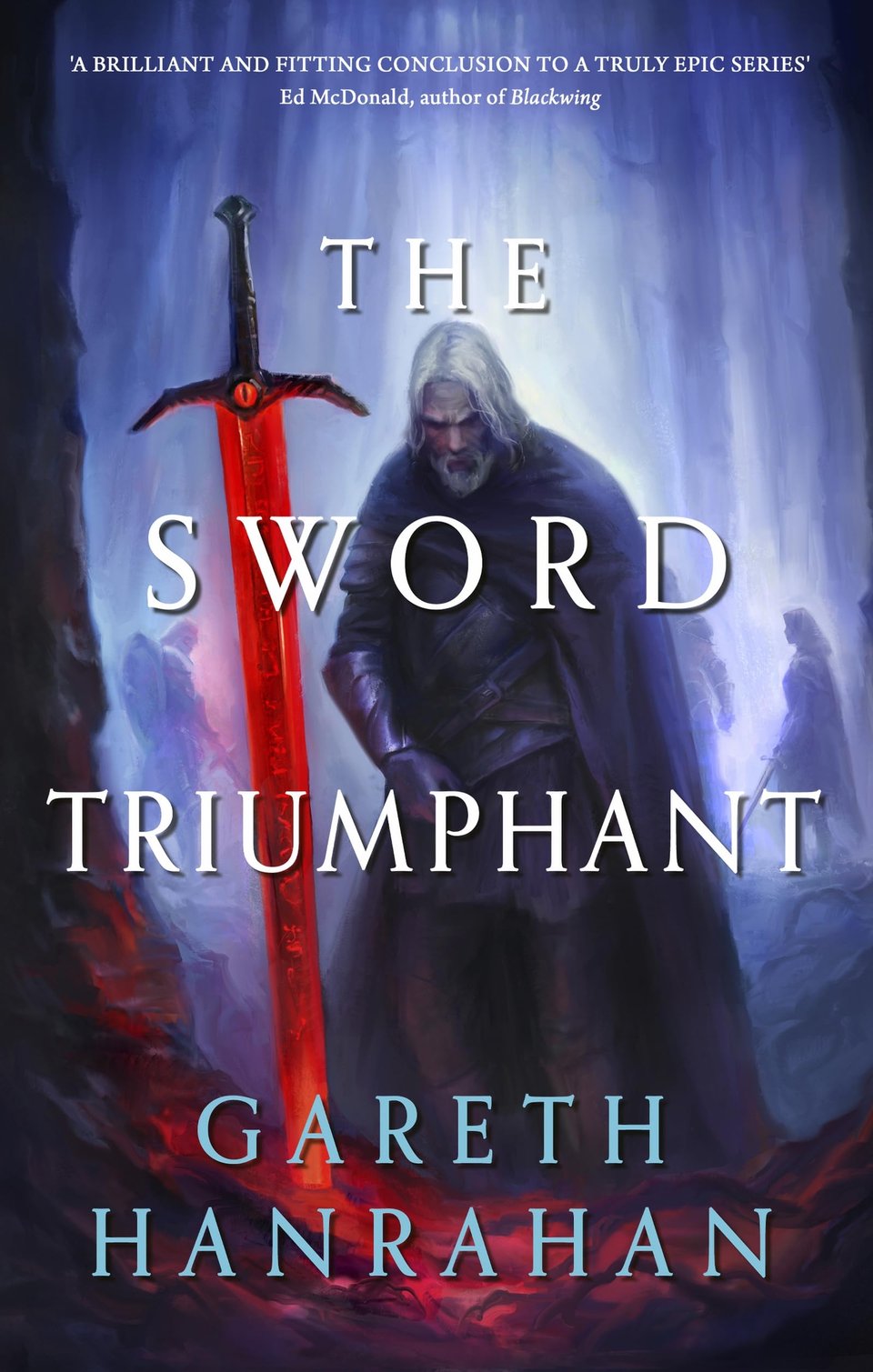
I’ve been listening to the Gareth Hanrahan trilogy, Lands of the Firstborn, on audiobook, but I pre-ordered a print copy of the final part to complete this trilogy.
The Sword Triumphant
The trilogy tells of what happens to the legendary Nine after a world-ending threat has passed. The nine are a group of heroes with differing talents and weapons. For the first threat, Lord Bone, they were all young, overcoming incredible odds, becoming legends, but twenty years have passed when we catch up with one of them and the main character, Alf. He’s middle-aged, he aches, he moans - mainly to his black, demonic sword, Spellbreaker - he’s cynical, but book one introduces a new threat to the land, so off he sets.
It’s hard to detail the final book in this trilogy without spoilers, but the background is all about the peace, war and interactions between the Firstborn (Elves) and the Secondborn (Humans). The book casts lots of shades on familiar tropes, and over the trilogy, it is hard not to grow fond of certain characters, SPOILER, not all of them make it to the end!
This is game designer and writer (or is it writer and game designer?) Robin D. Laws second non-RPG foray into The Yellow King mythos, after a collection of short stories New Tales of the Yellow Sign. Picked from the Aftermath setting of his The Yellow King RPG, this book concerns post revolutionary America; alternate history, modern day, fifties styling and eighties tech. It's complicated. An alien backed dictatorship has fallen. Remnants of the Castaigne regime remain, causing paranoia and uncertainty. There is no government yet, elections are promised, different factions want different things, let's face it it's chaos.
The Missing and the Lost
Into this world comes The Technician, he services the Lethal Chambers, suicide booths, but he was also a key figure in the insurgency, leading his cell in the rebellion and gaining a level of notoriety that he could well do without. Now he wants these chambers dismantled, but is struggling to find someone in the Interregnum Administration to help him.
Not to give too much away the book concerns labyrinthine political manuevering, kidnapping, parageometry (Carcosan magic), Castaigne terrorist cells, Heat style gun battles and various protagonists who may or may not be on the side of The Technician including his own family.