This is as far away from tabletop roleplaying games as I can think. I’ve been wanting to read this novel for a while. It seems Sally Rooney is everywhere (Waterstones book of the year 2018!), and everyone has an opinion about her and her novels, so I dived in.
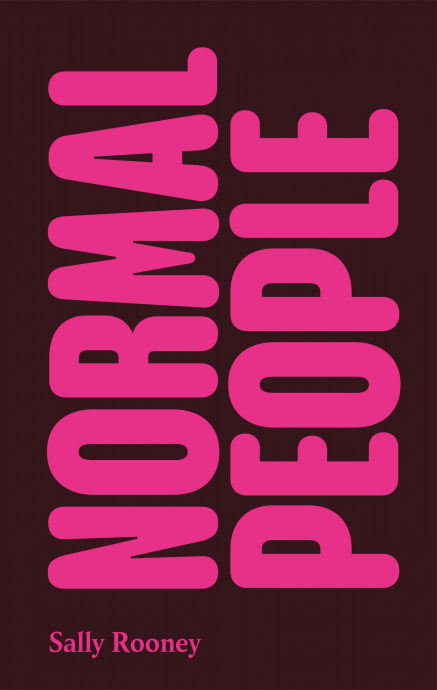
Normal People by Sally Rooney
This is not a book with a plot; it is about characters and specifically relationships between characters, and initially, I struggled with this. I focus a lot on the story in the things I read, and along the way, the story defines the characters in many of the novels I enjoy.
After a while, though, I picked up the beat of the novel and started to enjoy the snapshots through time of the characters Marianne and Connell. It’s extremely well written and reminds me of school, or probably more of university. It’s that uncertain time, when you don’t really know yourself but are charging ahead, beginning relationships with strangers, incredibly exciting but fraught with fear and uncertainty.
This was a last-minute swap in as I found I was going to be losing a weekend to an RPG con. Just seventy-odd pages, but he’s a writer I’ve loved since I first read The Trial back in my teens, and it was a real pleasure to reacquaint myself with him.
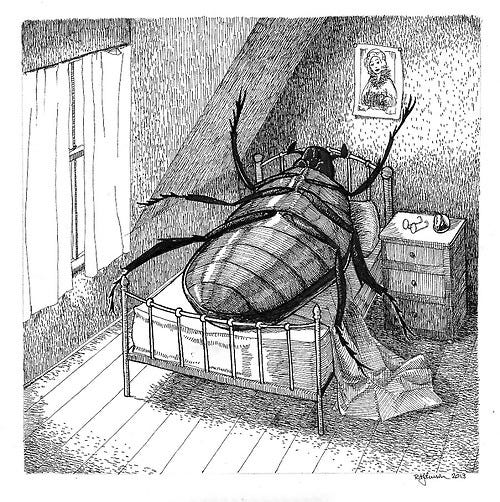
Metamorphosis by Franz Kafka
Okay, the story: a salesman wakes up and finds out he’s been transformed into an insect. His family and work colleagues are at turns shocked, sad, frustrated, angry and indifferent. He dies.
So why is this book so well regarded? Like Hemingway, it’s what’s not said that is important. As the bizarre but simple story unfolds, you find yourself questioning your own humanity and what makes society value you. Love seems to dissipate as soon as our form changes so drastically, it is incredibly disturbing.
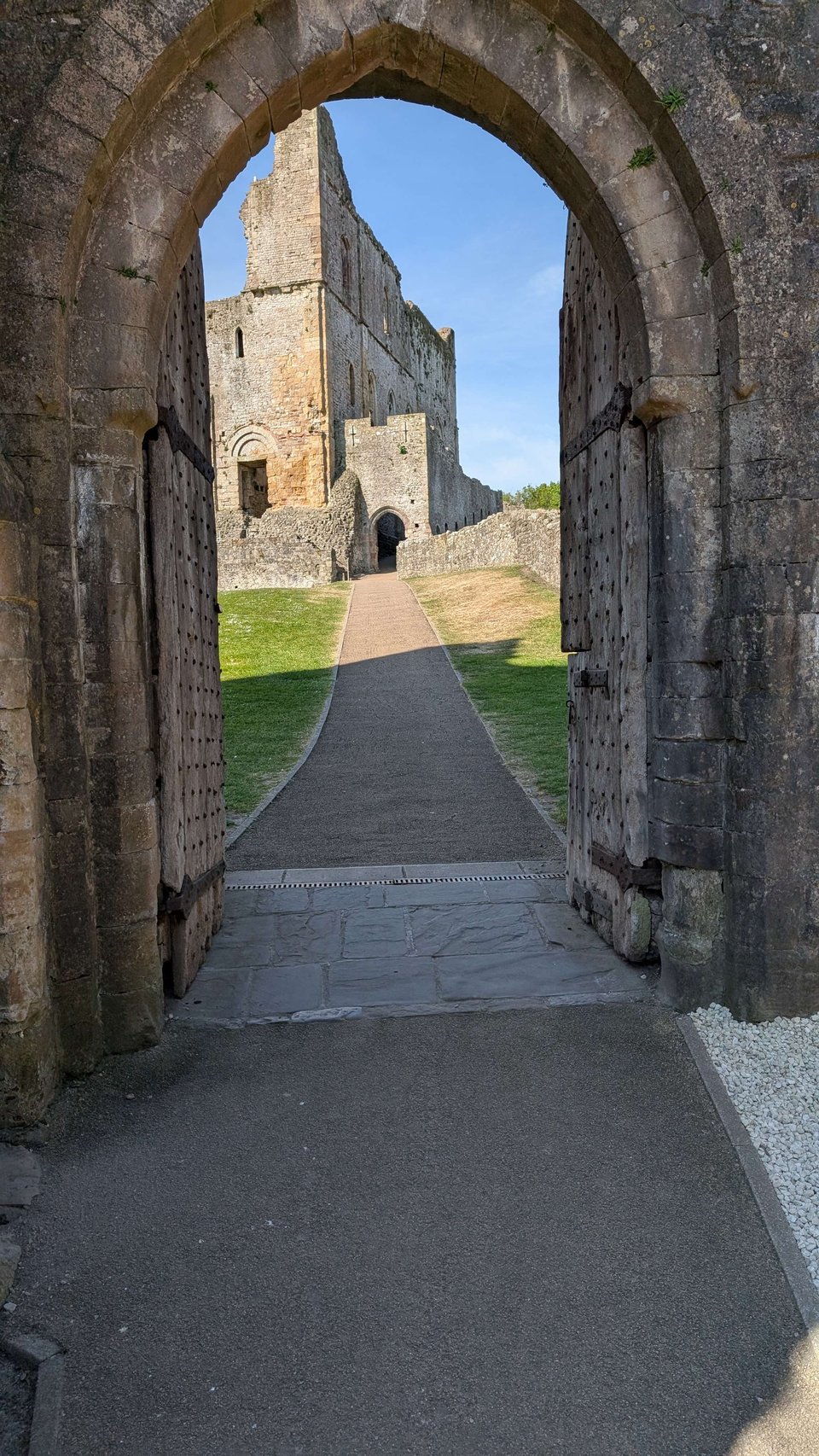
Glorious sun and blue skies saw 40-odd nerds pay their £10 toll and enter through the imposing wooden gates, traverse the crumbling ruins and ascend into the impressive Earl's Chamber.
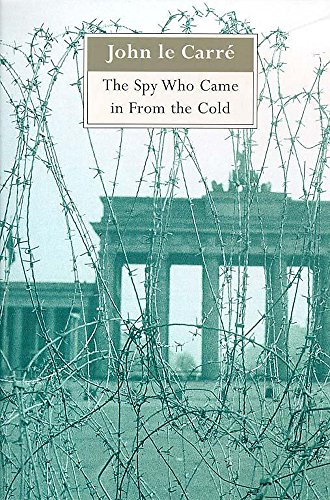
Whilst I had the title The Spy Who Loved Me (cheesy 70s Roger Moore Bond flick) dancing around in my head, this is almost the antithesis of a Bond film. No glamour. No gadgets. No single villain. This is about paperwork, desperate figures, unclear objectives, impossible moral situations and where death is almost a blessed release from the constant stress and jeopardy of their position.
The Spy Who Came in From the Cold by John le Carré
The book features Alec Leamas, a burnt-out spy chief who’s seen his Berlin cell systematically exterminated by his opposite number in the Stasi, Hans-Dieter Mundt. This culminates in the death of Karl Riemeck as he tries to make his way across the no-man’s land between the Wall, and Alec swears vengeance on Mundt. Alec is recalled to London and expects to be retired as he is “brought in from the Cold”, but Control has one last job for him.
The rest of the book sees Leamas fall from grace, reaching rock bottom in his work and personal life, with the only bright spot a brief liaison with a librarian communist(!) Liz Gold.
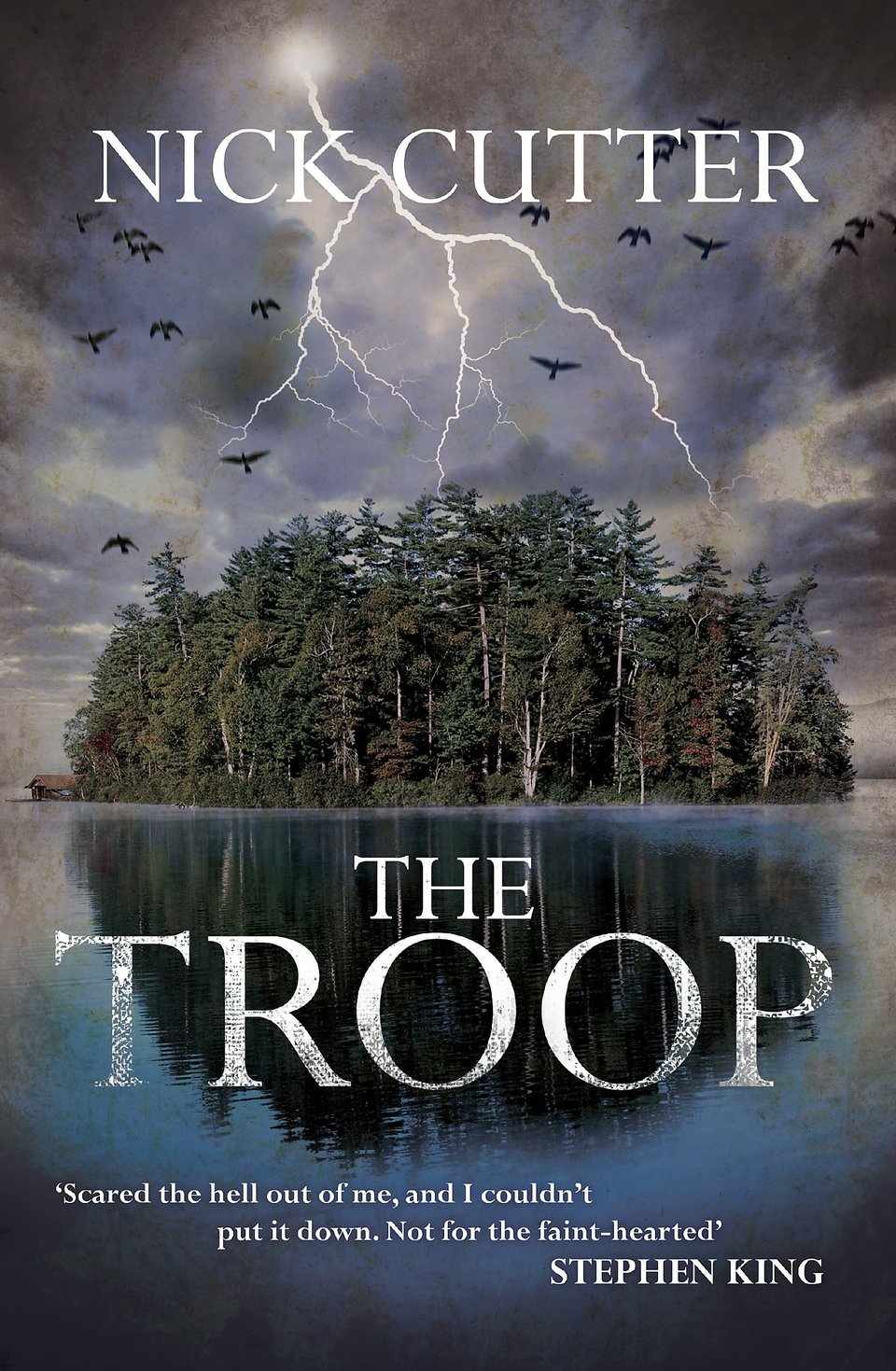
A switch to more modern horror. I knew nothing about this. Somehow, it made its way into social media adverts, but it seemed like a bit of a successor to James Herbert and that ilk. Note that Nick Cutter is a pseudonym of Craig Davidson, a Canadian author whose written some pretty diverse and challenging stuff under a range of different names and his own.
The Troop by Nick Cutter
The Troop follows a group of scouts and their scout master as they plan for a weekend of dib-dib-dob-dob adventures on a small deserted island. Some teen tensions develop amongst the smores and woggles, that is, until a very sick man arrives by boat.
There are some small-town musings on the relationships between the boys and the scout master, which is prime Stephen King. Settling you into a cosy, comfy story of good neighbours and a wholesome society, just before it all collapses into a pile of blood, offal and inhuman screams.
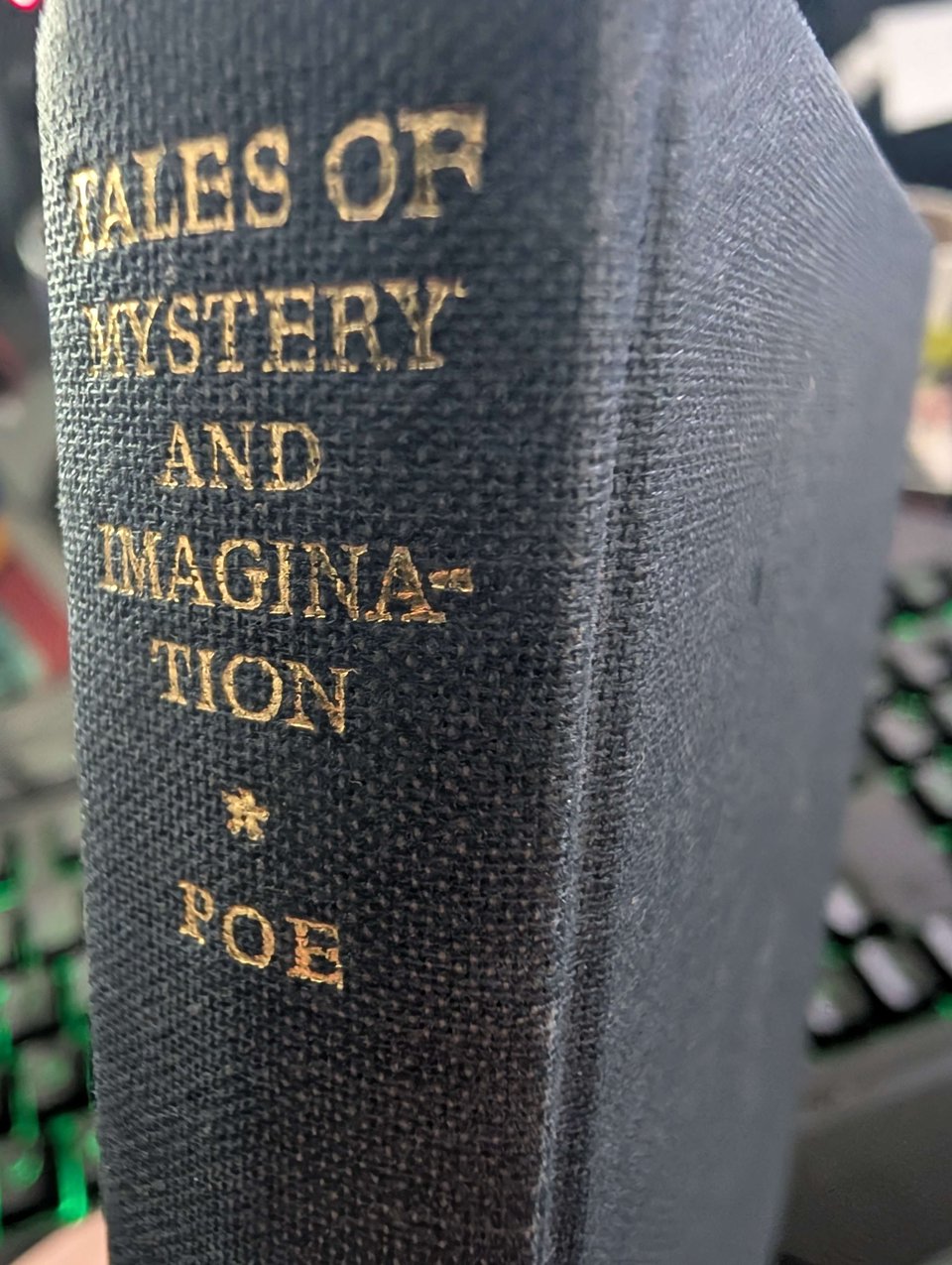
A penny in the honesty box, this was my emergency, get out of jail book. A mere eight pages, but I’ve also been dipping into other stories from Poe in this £1 bargain. So why the Emergency? Off on a walking holiday with space limited, I only wanted to take a single book, so the book that should have finished on Tuesday (my weekly reading challenge runs Wednesday-Tuesday) is finished early and I can pick up a chunky one to see me through the whole of next week. Don’t judge me. It still counts.
Tales of Mystery and Imagination by Edgar Allan Poe
Edgar Allan Poe was still in poverty, struggling to make it as a writer and a critic, when he was completing this book. In addition, his beloved wife (and cousin 😬) Virginia slowly succumbed to tuberculosis, a bloody and harrowing death. TB and cholera were rife in the 1830s-40s, more colouring of the short story he was writing, that colouring being assuredly red and black. As Poe quotes, “The death of a beautiful woman is, unquestionably, the most poetical topic in the world.”
The story describes Prospero and his retinue as they hide out in a monastery, enjoying food, dance and other entertainment, whilst his country suffers under the disease, the Red Death.
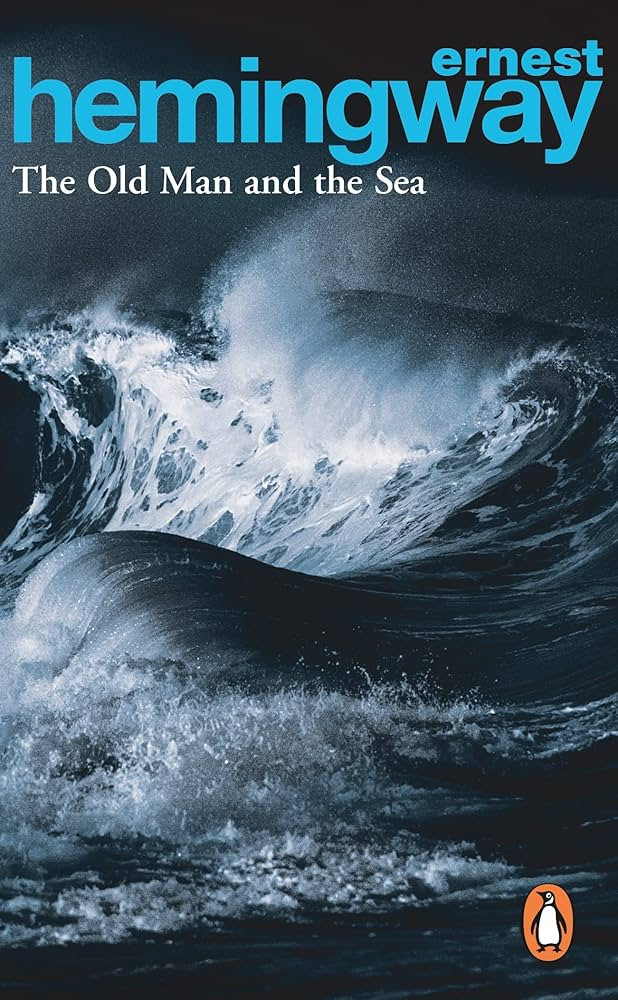
Picked up one of the big dogs, Ernest Hemmingway. It is one of my “cheat” books, a short hundred-page-or-less book that allows me to get through busy weeks.
The Old Man and the Sea by Ernest Hemmingway
A simplistic tale of an old fisherman who tries to regain some respect by landing the big one. The tale begins with Santiago, the old man, talking with Manolin, a young boy whose mother has forbidden him to work with Santiago on account of Santiago’s unlucky streak, eighty-five days and counting without a catch.
The rest of the story focuses on Santiago’s attempt to haul in a “man in the blue suit”, a Marlin and return it to the village in triumph. Or at least with a little pride restored.
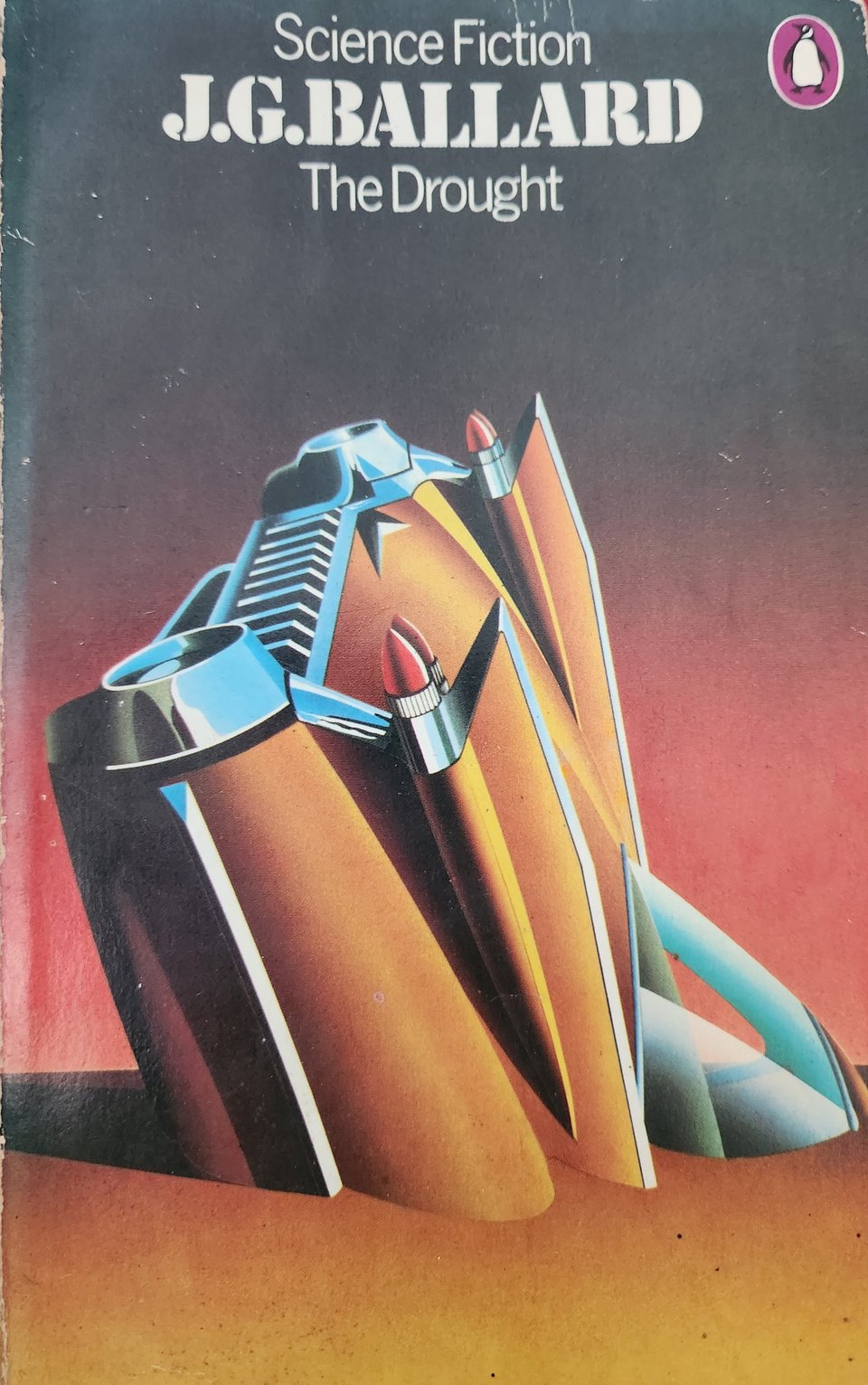
I picked this book because I knew I’d be running Cosmic Dark, the soon-to-be-released TTRPG from Graham Walmsley. Graham had mentioned that he’d been influenced in writing this scenario by reading a lot of J. G. Ballard. So I picked this off the shelf, a welcome Help the Aged purchase!
The Drought (aka The Burning World) by J. G. Ballard
The story follows Doctor Charles Ransom, who is an archetypical “cool observer”, and the eyes with which you view what is happening to this outcome of Earth. In summary, a vast chemical spill into the oceans prevents evaporation, and therefore, rain no longer falls. Water is fast disappearing.
You follow Ransom as he performs his daily tasks and interacts with various characters: a bible bashing leader, his ex-wife, a mad old woman and her deformed son. Ransom is much a static figure of inaction, thinking and observing, only rarely being forced into doing something.
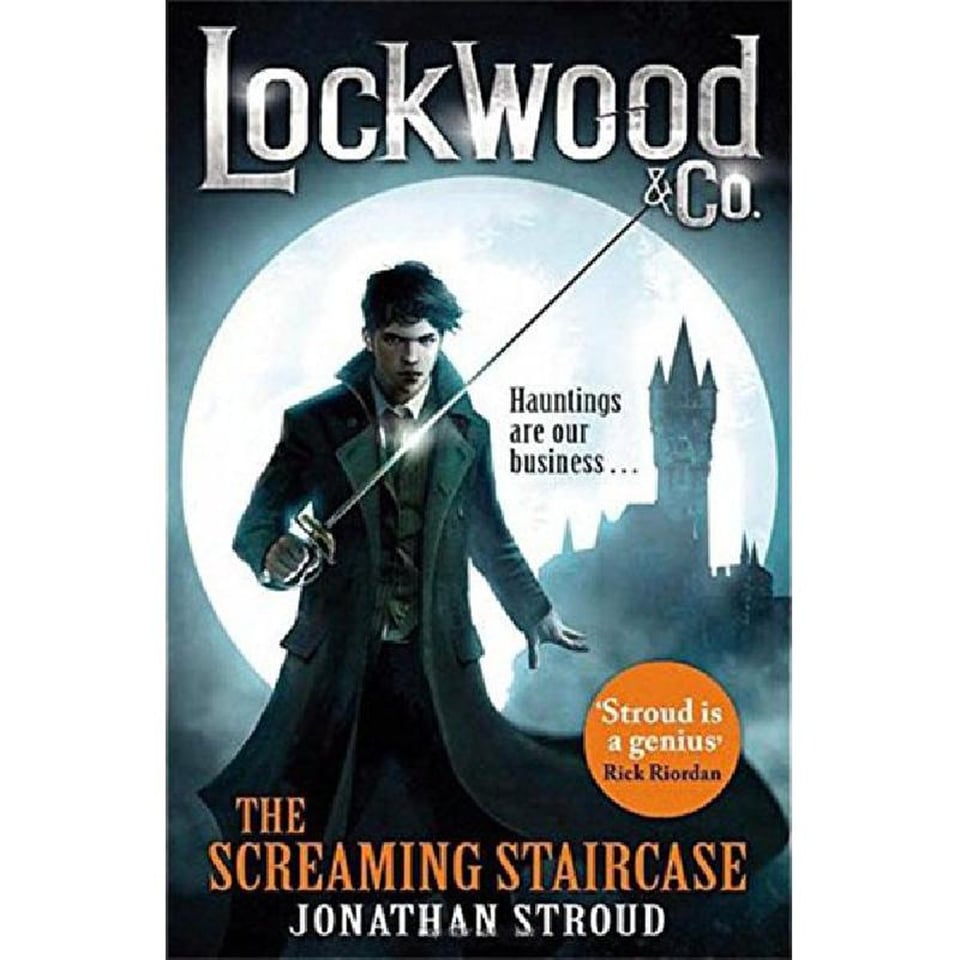
For the record, I loved the Netflix series Lockwood & Co., and it was only after getting into it that I realised it was also a series of books. A deep shame is cast on Netflix for not renewing it.
The Screaming Staircase by Jonathan Stroud
This micro-review is challenging as it’s hard to separate the writing and characters on the page from the TV series. Someone on Bluesky highlighted that the TV series does a lot to flesh out the blank canvas of the characters. Certainly, there is some truth to this, but then, as a starting novel in a series, it is perhaps helpful to have that development stretch across the novels. Whereas the TV series doesn’t have that luxury.
The main element that struck me was the background, the premise of the book. Many decades ago, ghosts became real, attacking and killing the living. Only children and teenagers were able to see or interact with ghosts and so were employed in agencies to counteract this threat. As they became adults, this power deserted them, whereupon they took on management and administration roles in the ghost-hunting organisations.
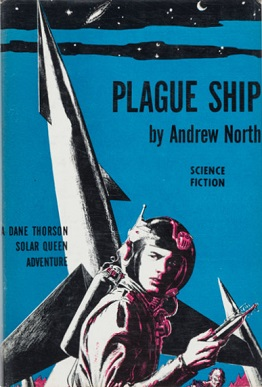
Thanks to Ian Cooper, the design lead for Questworlds who ran a brilliant playtest of Pioneer Space, his Rocket Punk genre pack, and introduced me to Andrew Norton. I searched out some of Andre’s golden age of sci-fi books. In particular, I was after something from the Solar Queen sequence. Luckily, in Help the Aged, Market Harborough, I picked up a copy of Plague Ship, it’s book two, but you can read them out of sequence.
Plague Ship by Andrew North/Andre Norton
These books were written in the 1950s, and though there are some dated terms and technology, they do hold their own in the sci-fi adventure stakes. The hero of the story is Dane, a cargo master-apprentice on the Solar Queen, a free trader spaceship currently on the remote planet of Sargol.
The first part of the story concerns the Solar Queen trying to broker a trade deal with the scent-obsessed Salariki, mainly trying to get their gems and find out what they want in return- as it turns out, catnip, of course, as they’re some kind of cat-human hybrid! Whilst they do this, they try and fend off the “eyesies” i.e. I-S, a much larger trading corporation who try and get one up on them throughout the book.
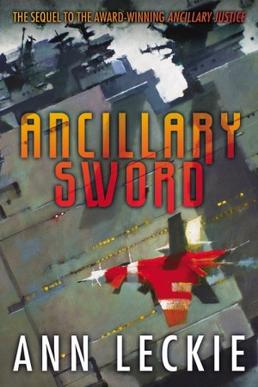
I was looking forward to coming back to the Imperial Radch universe having read Ancillary Justice when it came out and enjoying a unique and thought-provoking sci-fi story on gender, AI and the identification of self, but…
Ancillary Sword by Ann Leckie
…I’m afraid this was a real letdown, I so nearly gave up on this but struggled to the end.
Now Ancillary Sword worldbuilding is brilliantly realised and there are moments when it teeters on the edge of something grand and important, but even with a compelling and complex character like Breq, there are so many naval gazing moments and internal monologues that it made me want to scream out loud at times.
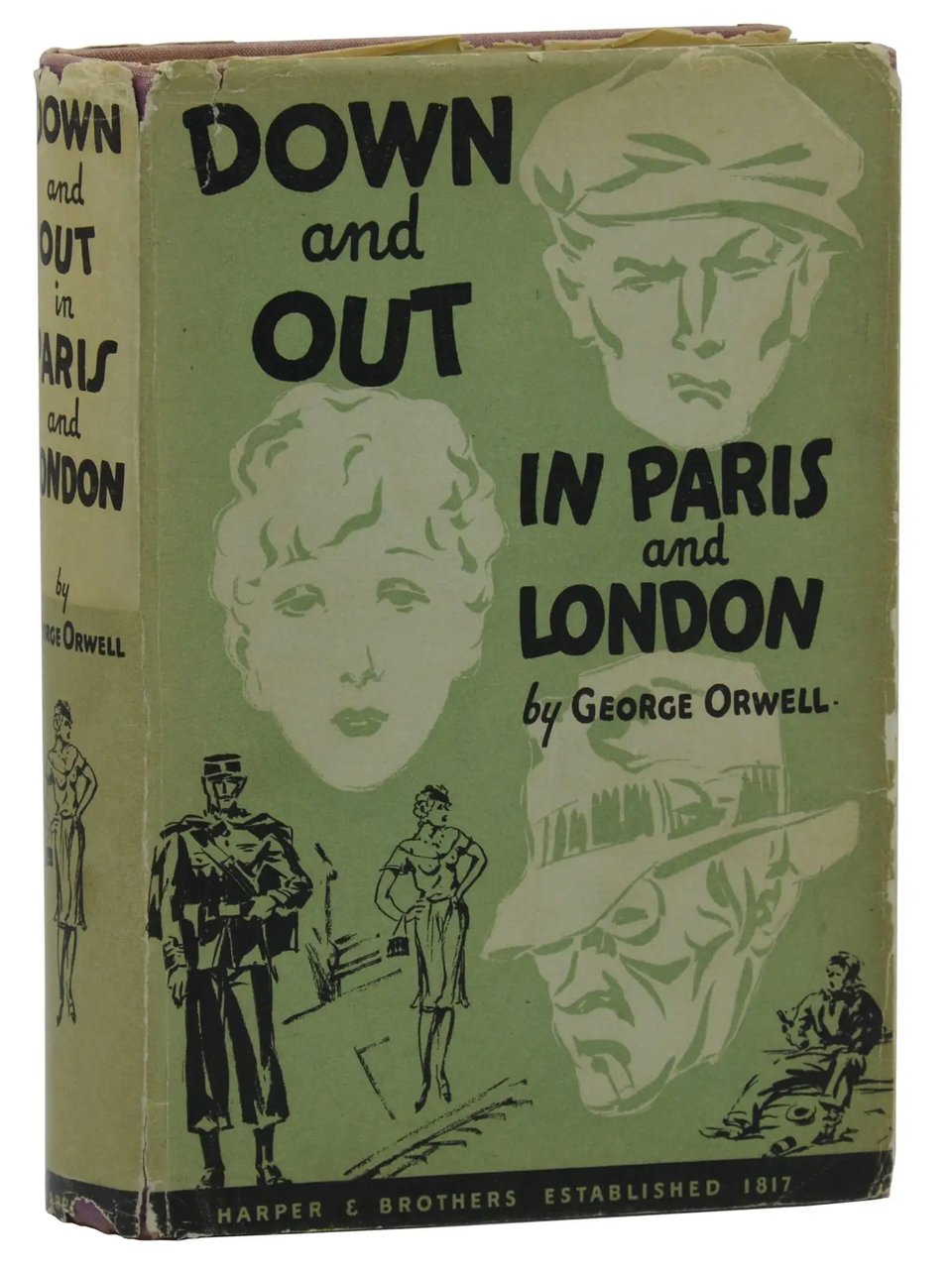
I’ve got a few George Orwell books on my reading list. Still, this one is new to me. I’ve often been fascinated and appalled by how society treats the lowest echelons and how you can escape from what seems an impossible situation.
Down and Out in Paris and London by George Orwell, 1933
The first half concerns Paris as the author takes on the role of a Plongeur, the lowest of the low in the hotel trade; washing dishes, fetching and carrying and generally sworn at and abused. Much of these scenes concern the basic necessity of food and drink, and the destruction of shoe leather to get jobs, for money, to achieve a full belly. There are several at turns sad, humorous and unpleasant events before the author ups and leaves for London. Boris, the Russian ex-soldier, is an excellent character, everyone needs a guardian angel in their lives like Boris, even if he has many weaknesses.
London is less about hotels and more about finding somewhere to sleep, the Spikes, a workhouse or hostel for the homeless. Camaraderie is stronger in London, with bonds being formed and, on the whole, the sharing of what little the tramps have with each other.
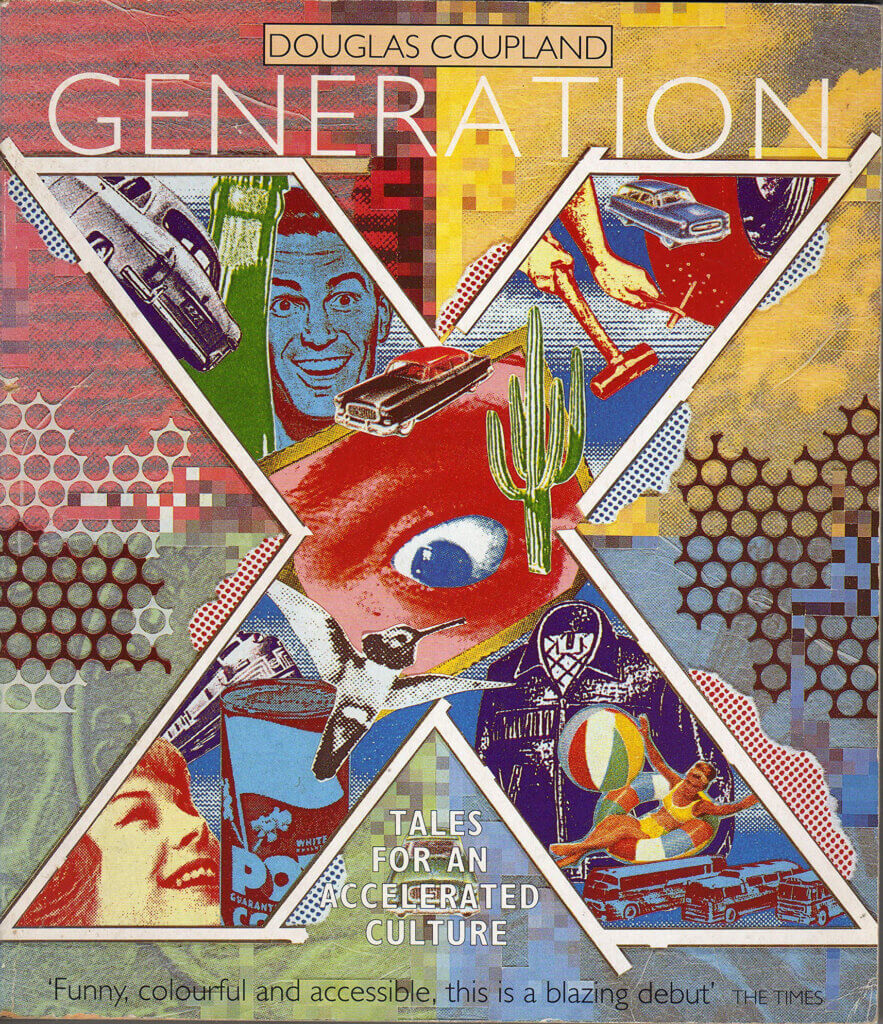
I picked up and first read Generation X as a disaffected youth looking for a job. I'd left university and was taking on various McJobs, whilst trying to find a career, a home, a lovelife.
Generatipn X: Tales for an accelerated culture by Douglas Coupland
When I read the book first time round, I strongly remember it as a love story, unrequited, between Andy and Claire, latterly Dag. But re-reading I think that was minimal, the bigger life issues lost on someone who hadn't experienced life but it was definitely about finding some kind of love or connection as the final scene highlights.
The book concerns the life of three twenty something's as they try to resolve their place in society, with their family and each other. Inventing stories to try and make sense or just entertain. It's all very matter of fact coolness but has heart stopping moments, laugh out loud lines and quotable, thought provoking prose.
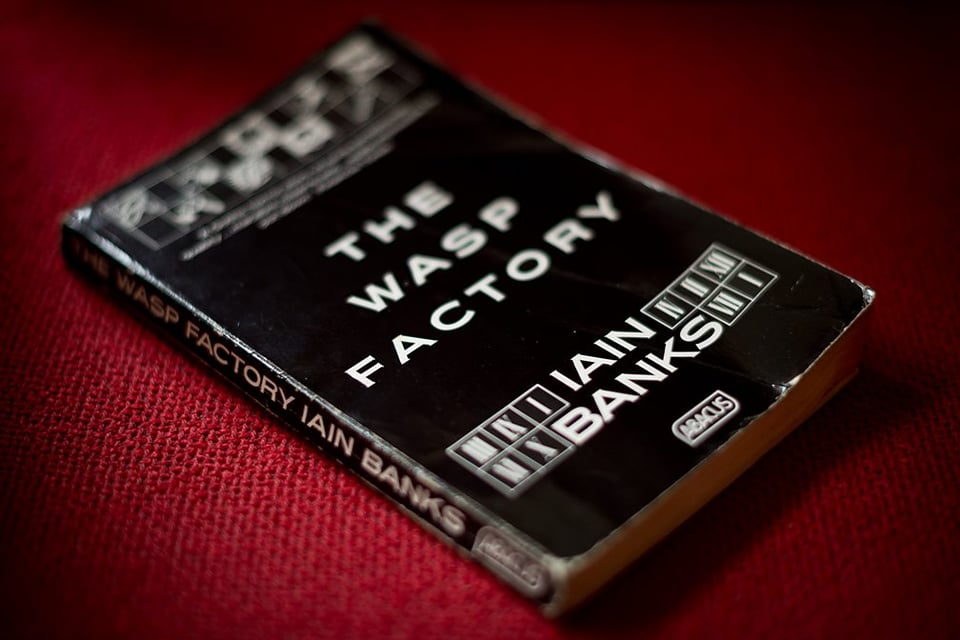
A writer who is still close to my heart, Iain Banks with or without the M left us on 9 June 2013. A massive gap in British literature and a small one in my life.
The Wasp Factory which I picked out to reread this week, was voted one of the top 50 books that helped shape and inspire teenage lives the most as part of a World Book Day poll. It certainly impacted me; shocking, funny, scary, sad and above all cut through with Bank’s rogueish charm and easy-going writing style.
The Wasp Factory by Iain Banks, 1984
It’s Sunday and I have already finished the book, the most hated word in the English language unputdownable proved apt. I read it through early mornings and late nights entering an immersive virtual world that only the best books enable.
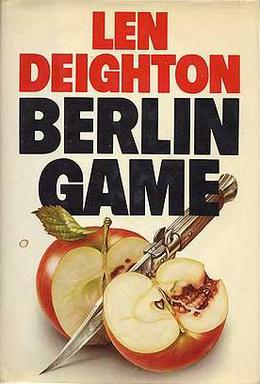
Not exactly hitting “The Wall” but Berling Game was a struggle, I’d envisioned a slightly more modern and action-packed version of The Human Factor, but it wasn’t to be…
Berlin Game by Len Deighton
My struggle was probably the pacing, which is perhaps my expectation more than anything else. Cold War thrillers are slower-paced and involve more human drama than action-orientated scenes.
There are elements of the British class system, that feel outdated, too many upper-class twits at the top of MI6, actually, maybe it’s not changed too much.
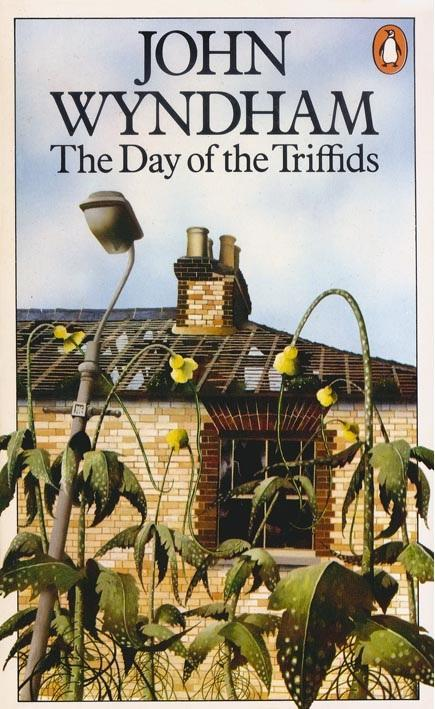
I’m convinced I’ve read this book before, the John Wyndham classic is ingrained in us, or is it? I found myself discovering a fairly new story of grim post-apocalyptic survival.
The Day of the Triffids by John Wyndham
There are some excellent initial scenes as the protagonist, Bill Masen, awakens in the hospital after an eye operation, unaware of the devastation around him, his gradual discovery of the horrors and their effect on the population of London are well described and lead us into his journey to… happiness?
Each month I’ll share the goings-on of various members of my Tabletop Roleplaying Game Discord, The Raspy Raven.
The majority of these folks are solo RPG designers, writers and artists, passionate about the games and cons they put together, largely only able to do this part-time. So if you do have a few pennies to spare please buy or back their games and attend their cons.