Going way, way back to 1896, 130 years ago, for this classic Gothic Horror/Sci-Fi.
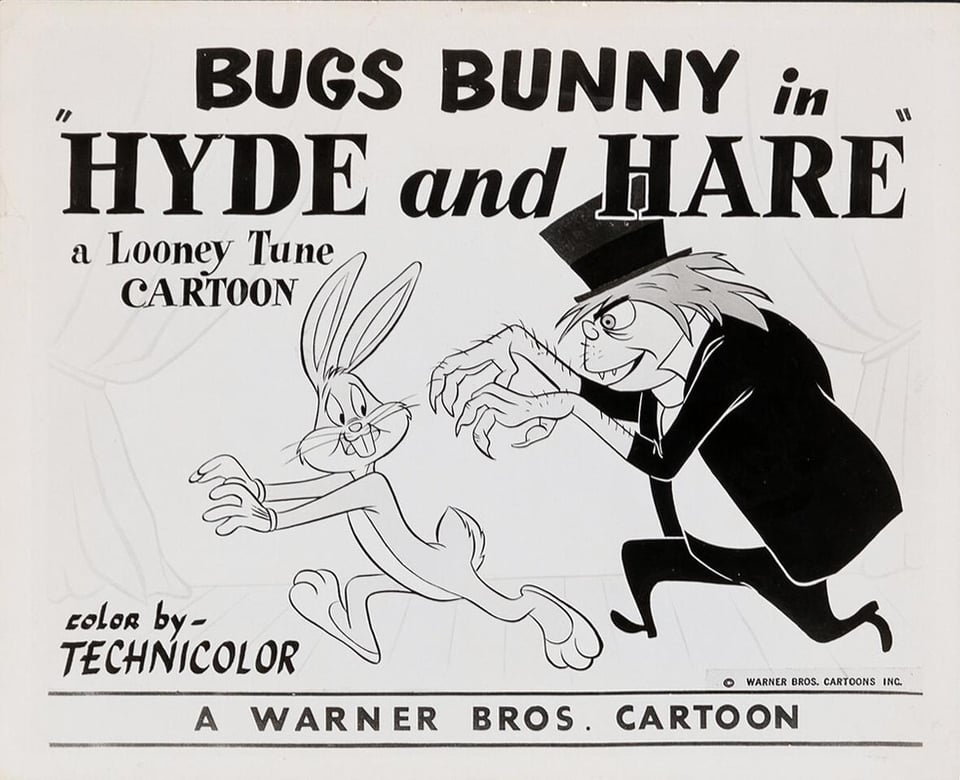
The Strange Case of Dr Jekyll and Mr Hyde by Robert Louis Stevenson is one of those books that you are bound to know, or have heard of. The central idea has become part of popular culture, making it difficult to approach the story without already knowing where it is heading. Who can forget the classic Bugs Bunny cartoon, Hyde and Hare?
Re-reading this, what stood out most to me was the Gothic atmosphere, possibly tainted by trying to write something for an up-and-coming Raspy Raven Gothic writing season. Stevenson presents London as a place of fog, darkness and hidden lives. Much of the story takes place behind closed doors, with characters trying to make sense of events that never neatly align.
Hyde remains an effective antagonist. People react to him with immediate unease, yet struggle to explain exactly why. Stevenson wisely leaves much of this unexplained, allowing the reader's imagination to do the work, much talk of “vices” and “depravity”. Of course, this changes when he gleefully stomps a victim to death. Wildly disproportionate actions, “as bones audibly shattered”.
The most interesting aspect of the novel is that Jekyll does not initially regard his transformation as a curse. Hyde allows him to indulge impulses that his respectable public life keeps hidden. When reflecting on Hyde's emergence, Jekyll writes, "My devil had been long caged; he came out roaring." Later, as Hyde's influence grows, he describes "the animal within me licking the chops of memory" I particularly like this line, animalistic, hedonistic and primal. These moments hint at something darker than a simple good-versus-evil struggle and are among the strongest passages in the book.
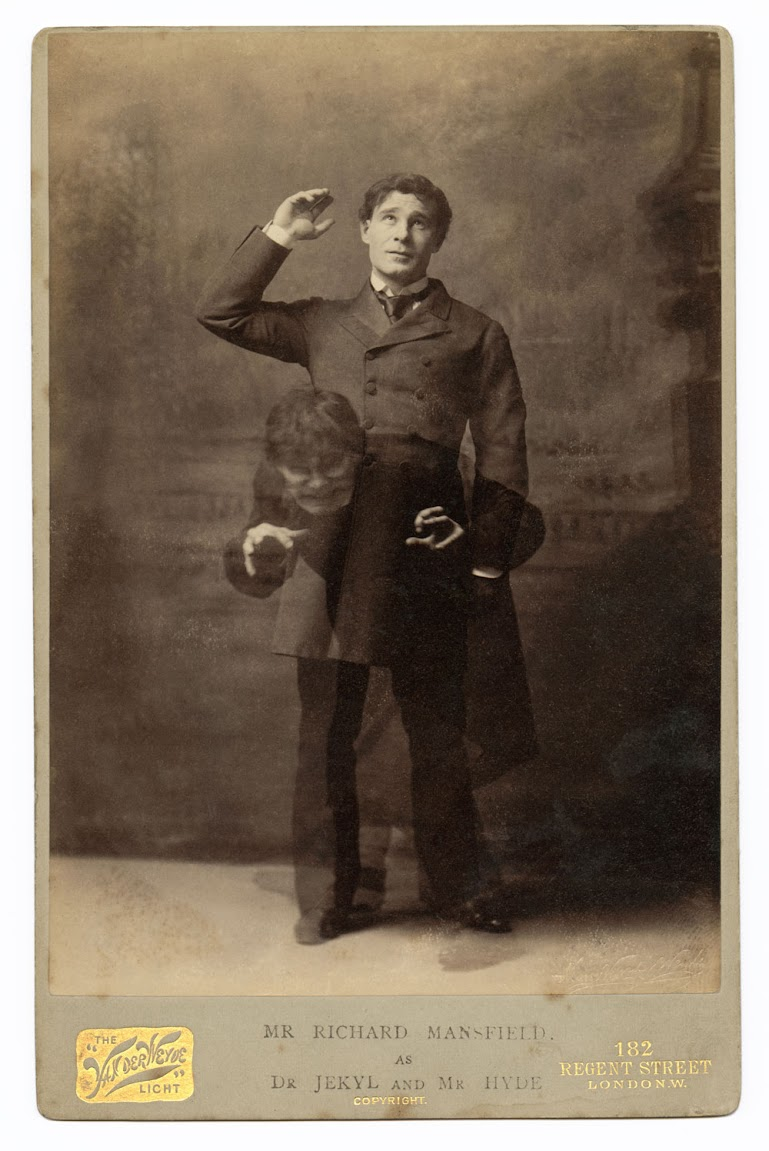
As a novel, I found it a little dry. The prose is clear enough, but the pace is slow and much of the story unfolds through conversations, statements and letters. Modern readers may find it more interesting as a piece of literary history than as a gripping read in its own right; it’s very much of its time, and I don’t doubt that if I’d soaked up similar books of the 19th century as preparation, I may well have found it easier going.
That said, its influence is impossible to ignore. The idea of a respectable man concealing a darker self has shaped horror, crime and fantasy fiction for well over a century. Many of the themes still feel relevant today, even if the storytelling feels dated.
I'm pleased to have read it, but I admired it more than I enjoyed it.
I gave it 6.5 out of 10.
TTRPG Thoughts
There are a few useful lessons here for role-playing games.
First, mystery is often more effective than explanation. Hyde is unsettling because nobody can clearly define what is wrong with him. Roll Sense Trouble Gumshoe fans!
Second, the story shows how well horror can work when it is personal. The threat is not a monster or an ancient evil, but something much closer to home.
Finally, Dr Jekyll and Mr Hyde offers a good model for scenarios built around hidden identities, secret lives and gradual revelations. The structure would work particularly well in investigative games, where players uncover the truth piece by piece rather than confronting it head-on.
On a dog walk, I was pondering how to present a sequel to the book. Here is my attempt;
Hyde and Seek
Fifteen years after the death of Dr Jekyll, a series of violent crimes across London bear an unsettling resemblance to those committed by Edward Hyde. The victims have no apparent connection, the killers are ordinary people with no history of violence, and yet witnesses describe the same sudden outbursts of cruelty and rage. An investigator is drawn into the case after receiving an invitation marked simply: Hyde and Seek.
As the investigation unfolds, the truth emerges. Hyde did not survive as a man, but as an idea. Unpublished papers recovered from Jekyll's estate contain something dangerous: a way of thinking that strips away restraint and feeds anger, selfishness and hatred. Those exposed to the writings begin to change, and acts of violence spread the corruption further. The investigators must trace the source of the infection before it reaches London's upper society, while resisting its influence themselves.
I’d definitely like to bring back an ageing Utterson, Mr Poole and the unnamed housekeeper of Hyde’s, “an ivory-faced and silvery-haired old woman“ to get involved in the mystery, perhaps one of them is patient zero.
You just read issue #168 of The Raspy Raven Rag. You can also browse the full archives of this newsletter.
