
A house built on dead people’s things
Plus: What's behind electricity prices today.
The shop owner was apologetic about charging me money.
A few years ago, right after we returned to DC, a friend turned me on to a vintage home goods store operating out of the ground floor of a row house in one of DC’s oldest neighborhoods. The owners had bought it two decades ago, when the neighborhood wasn’t as fancy, and renovated it. They spent their free time going to auctions, estate sales and flea markets, and now were reselling items out of that first floor, a long and narrow single room with brick walls, stuffed to every corner with mid-century modern furniture, lamps, chests, tableware and art of all eras. The rugs overlapping each other on the floor weren’t even for sale.
We had just bought our first home, and while we had collected enough along our renting way to not have immediate needs, there was now the possibility of extra flourishes and decorations. On one trip to this store, I saw this table lamp, covered in multi-toned geometric panels designed to look like stained glass: something between art deco and 90s Pizza Hut decor. It was old, but I couldn’t tell how old.
 (the photo I took inside the store)
I usually must know everything about something. I love looking up a provenance, understanding the context for people, objects, places. It’s why I know the name of every single person who owned our house before us and why we have grape vines occasionally sprouting up from our backyard. If it can be known, I want to know it. Especially if it reveals the invisible layers present in all places and things.
Sometimes it can’t be known, and I feel the mystery even more heavily: a dated, 75-year-old inscription in a book I can’t deduce, the sequence of events that brought a USPS employee cardigan to the second-hand store in Tokyo where I found it.
I asked about the lamp; the shop owner showed me how the two lights, one inside the base, one under the lampshade, worked. He had put a new bulbs in it, he said, but hadn’t really been able to figure out if the wiring was still stable, hence his hesitance and apology for putting it up for sale. The price was decent and I liked it, and to my own surprise I didn’t even try to do quick internet research about the lamp.
Three years later, the light still works and I still don’t know a single extra thing about it. It sits on top of a sideboard a friend wasn’t using in her own home, a piece of furniture bought by her in-laws years ago in Nepal, across from the kitchen table my parents bought in the mid-90s, sturdy as ever despite crossing the country twice. Layers and layers of a story.
For a while now, I’ve defaulted to buying used, secondhand, vintage, whatever you want to call it. A house built on dead (or other) people’s things. Is it because I’ve read and thought so much about reuse? How, especially in clothing, we already have way, way more things than more than several generations of all of us will ever need or want? To avoid waste or buy things more cheaply? Sure, maybe all of the above.
But it’s also because I like knowing or imagining the residue of a story of an object, even if the only part I know is: somebody else owned this lamp, and it sat somewhere specific in their own home, and part of their life passed around it.
There is a danger in romanticizing other people's objects as much as there is thinking something new will solve all your problems, avoiding the things you have right in front of you. I have my own pile of things I'm trying to give away: perhaps I hope they'll be part of someone else's story one day.
(The story of this month so far in energy and climate has been the extremely dangerous and deadly war the US and Israel is fighting against Iran. Frankly, its been too overwhelming for me to summarize or curate for this space, but suffice to say, it has destroyed lives, broken geopolitics as we know it, and immensely damaged the energy status quo in a way that will be far more wide spread than the numbers you see at the gas station. Anyone who tells you confidently What The War Means for the energy transition is perhaps too confident in their divining skills.)
Reading
In his "Equinox Greeting": Probable Futures co-founder Spencer Glendon talks about how human desire for a new-ness, how the financialization of that desire has infected climate efforts, and staying steady in the face of it:
Some of the folks who correctly anticipated the 2008 crash are creating investment funds to catalyze a crisis. That may sound harsh, but it’s a social positive: The sooner people realize that we are all taking dangerous risks, the better. But waiting for financial markets to tell us that we face tough moral, ethical, and cultural decisions is a bad way to engage with the future.

They Just Wanted to Grow Food. Their Suburban Neighbors Declared War. – Mother Jones
“We are a sustainable community, but we are not a rural community.”
Local action

Did fake comments sink SoCal clean heat rules?… | Canary Media
Last year, Southern California regulators rejected rules that would have phased down gas heaters after an industry-tied campaign generated 20,000+…

Tiny Texas School District Rejects Tax Deal with $6 Billion LNG Project - Inside Climate News
Officials in Port Isabel and nearby towns have consistently opposed plans to build large industrial complexes at the mouth of the Rio Grande.
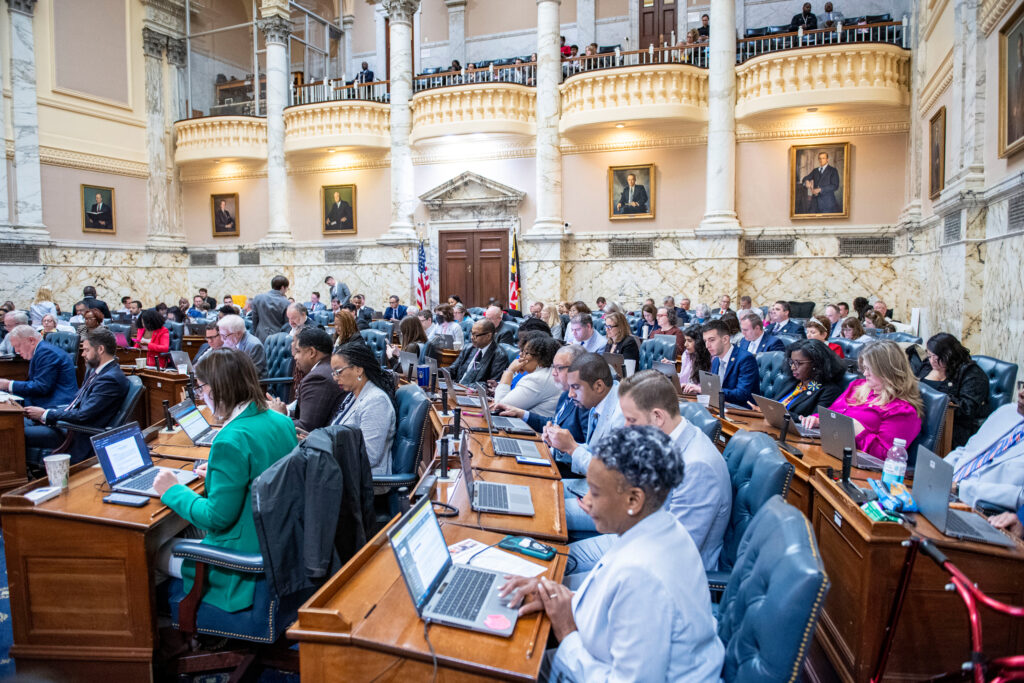
Lobbyist Disclosure Failures Disadvantage Maryland Climate Advocates, According to Audit - Inside Climate News
The opaque system allows industry operatives to shape legislative decisions with little public oversight, a nonprofit research group has found.

A new Ohio bill could be a de facto statewide ban on… | Canary Media
The state is mulling a bill that calls for all new generation to be “affordable, reliable, and clean” — but its strained definitions would exclude…

These Local Governments in Colorado Bucked the Federal Climate Fund Clawback
The Denver Regional Council of Governments has received $200 million in federal funds to grow heat pump adoption across the Denver area. It's a rare example of a Biden-era climate grant moving forward under Trump.

'Energy coach' programs expand in Maine | Maine Public
Local volunteers offer guidance and recommendations to help homeowners lower their energy costs and reduce climate-warming pollution.

Illinois cities move to cut ties with a massive coal… | Canary Media
Two communities seeking cleaner, cheaper energy are resisting pressure to extend deals that bind them to getting power from one of the nation’s dirtiest…
Electricity

What’s behind your soaring power bill? We broke it down by region. | Grist
The culprit depends on where you live — but it’s probably not data centers (yet).
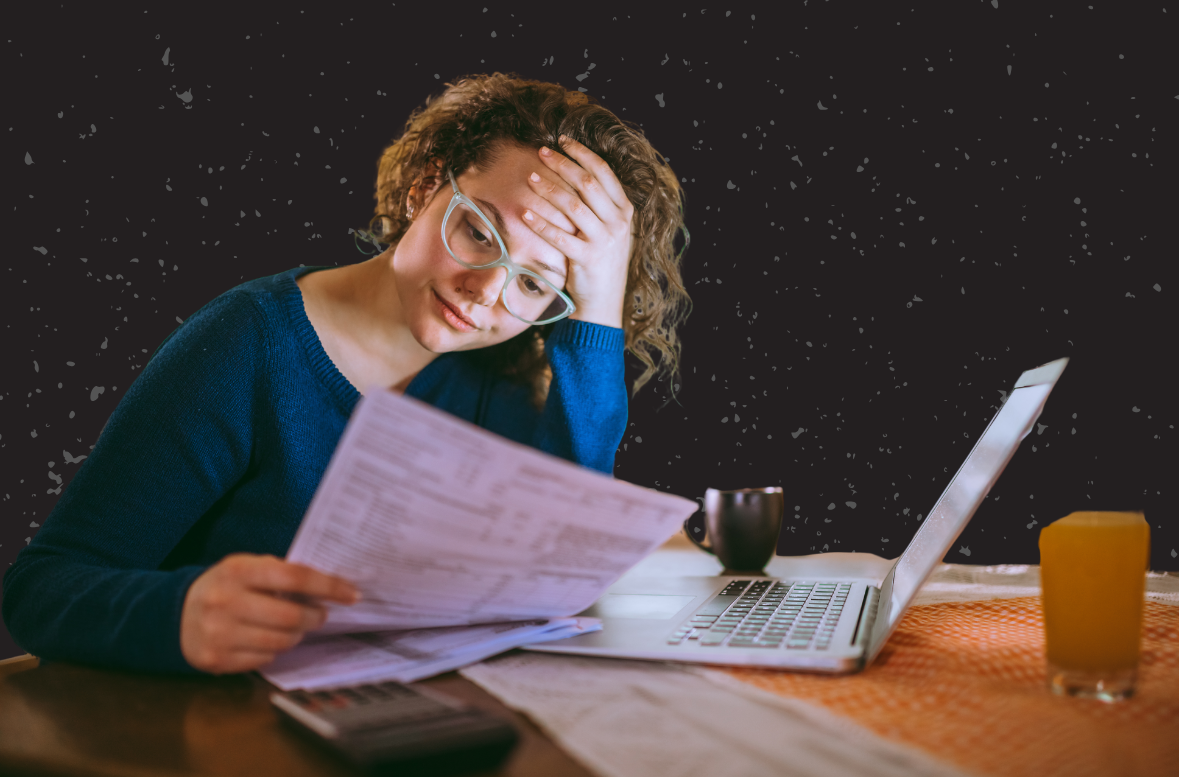
What You Can Do About High Pepco Electricity Bills in D.C.
Financial assistance, energy audits, and avoiding third-party suppliers can help.
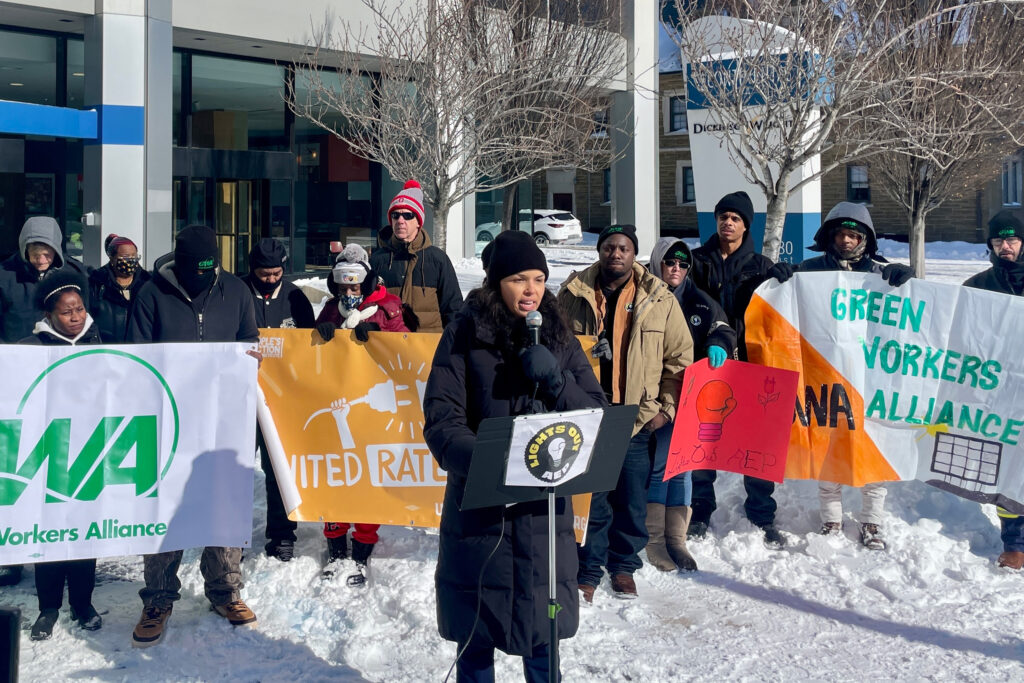
Why Electricity Bills Are So High—and How the Blowback Could Hit Trump - Inside Climate News
As Democrats and climate activists seize on energy costs as a political issue, new data shows electricity rates rose 5 percent nationwide in 2025. The figures were much higher in some states.
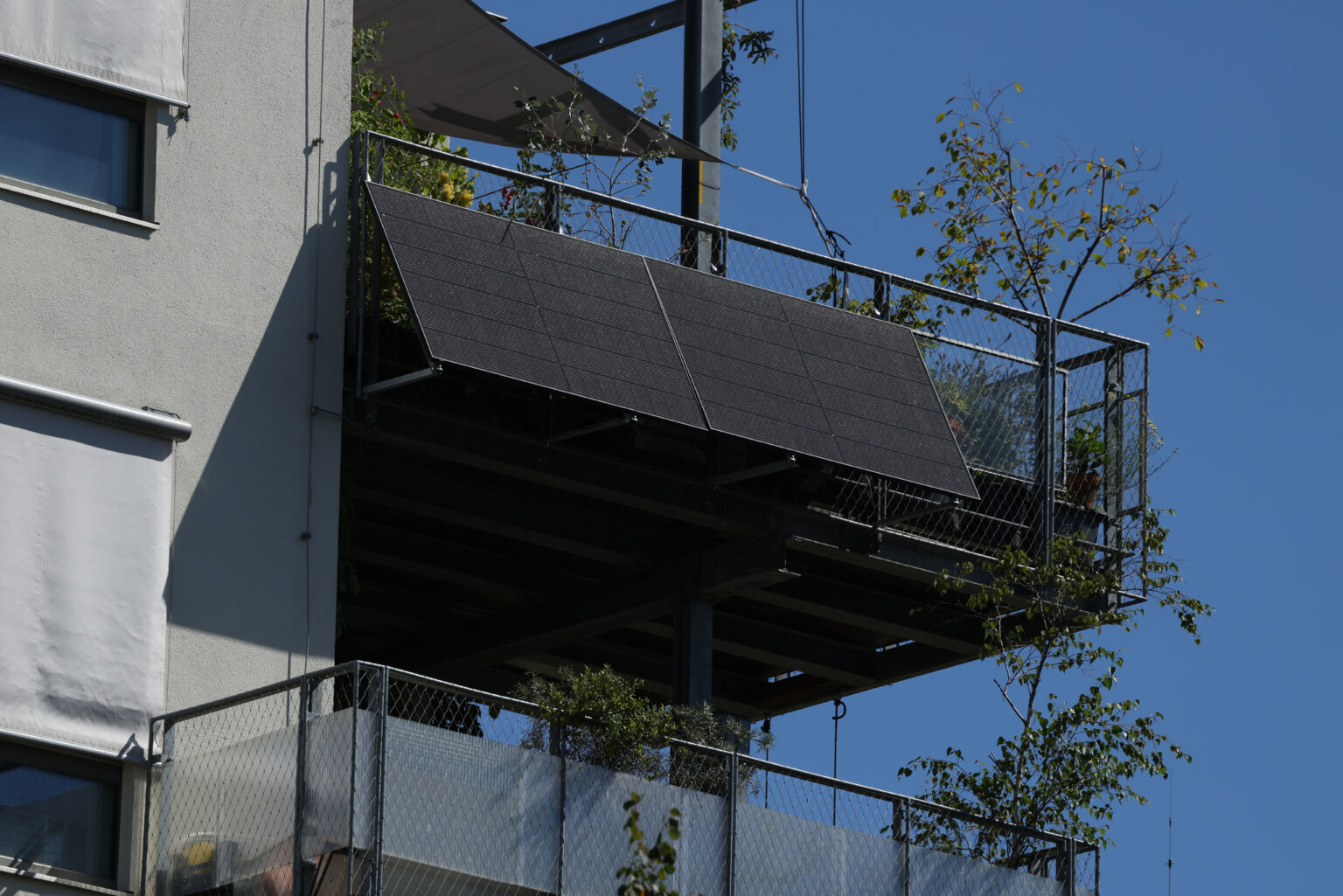
Bill allowing balcony solar kits in Virginia awaits governor’s signature - WTOP News
Virginia appears ready to flip the switch and let residents use small solar panels to provide power to their home or apartment to shrink their electric bills.
Data centers and AI

Is your data center getting a big discount on electricity? That’s redacted. » Yale Climate Connections
A look at secret agreements in Montana.
Listening
From the podcast Zero:
How can music be used to communicate the climate crisis and its solutions? This week on Zero, Akshat Rathi talks with Pulitzer Prize winning composer Julia Wolfe about her recent work, unEarth, which explores climate change and habitat loss through orchestra, voice and poetry. Wolfe discusses how she did her research, captured the clash between humanity and nature, and what the piece means at a time when her home country of the US seems to be moving ever further from climate action.
Thinking
On publishing scams: "The expertise I share and the knowledge that credentials me is being used against me and against you, the reader." (NB: The author is a newsletter strategy client).


Add a comment: