
My new novel A Wall Is Also a Road is being described as a first contact story, which is funny because I never thought of it that way despite it being true. I grew up on movies like Close Encounters and Independence Day, where “first contact” between humans and people from beyond Earth is a scary, violent, existential threat. The War of the Worlds trope – where an extraterrestrial civilization with superior weaponry is poised to destroy humanity – has generally overshadowed the genre.
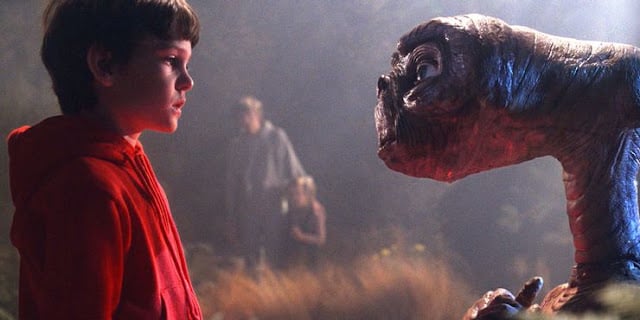
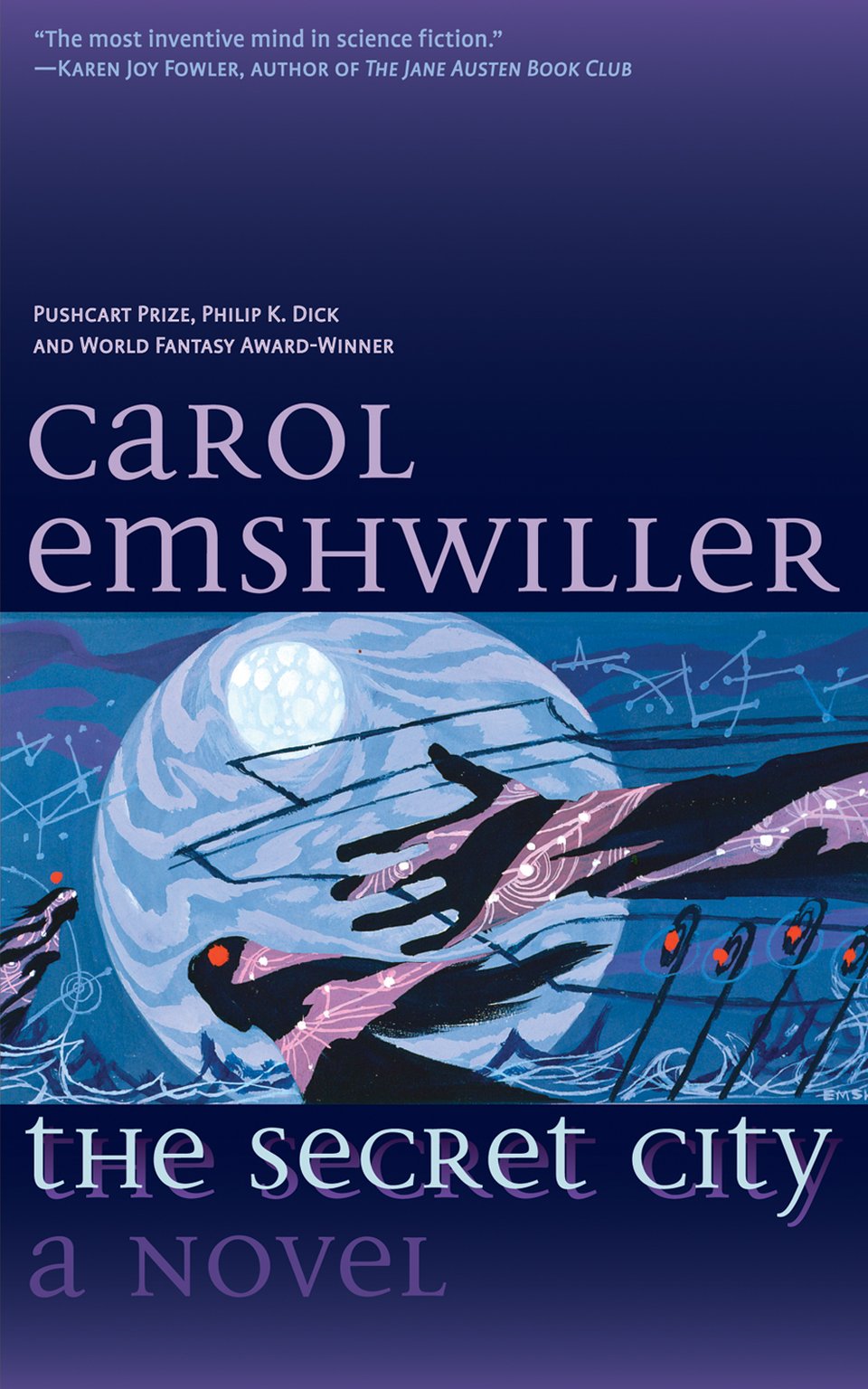
And yet there has always been a counter-trope of the lonely, singular visitor from beyond the stars who just wants to study us or get back home. There’s Genly Ai in Ursula Le Guin’s The Left Hand of Darkness, E.T. in the iconic, eponymous 80s movie, and the weirdo romantics in Starman and The Man Who Fell to Earth. And, of course, there are the hidden and closeted aliens in Men in Black, Brother from Another Planet, and a million other stories including Carol Emschwiller’s criminally neglected The Secret City, about stranded aliens who disguise themselves as awkward tourists to pass as human.
These two approaches to first contact grow right out of the subgenre’s origins in the West during the age of European imperial expansion. Tales of exotic creatures beyond Europe gradually morphed into tales of exotic creatures beyond our planet, but almost always we find ourselves walking down one of two narrative paths: colonial war or academic exploration, which often turn out to be versions of the same impulse.
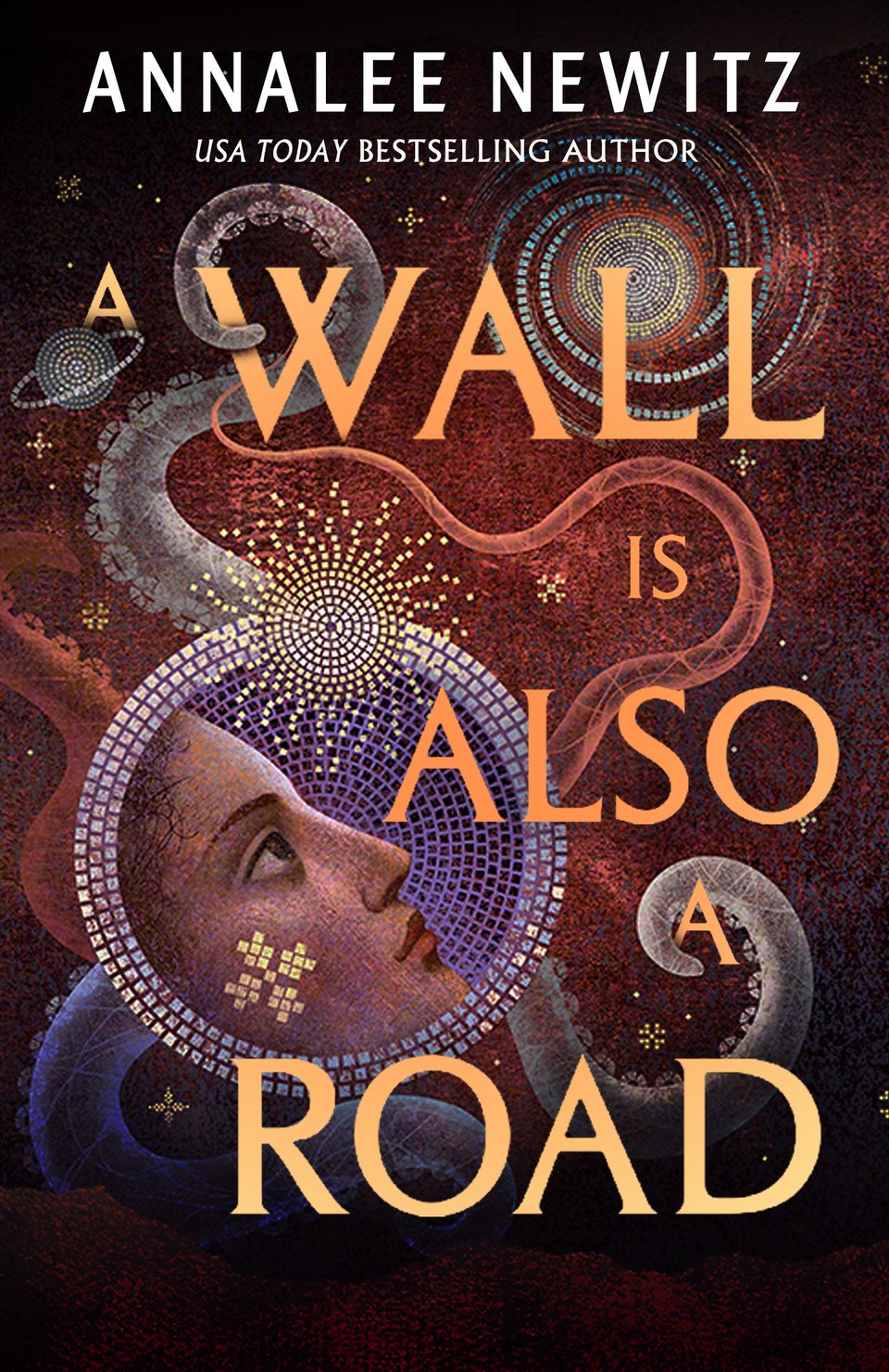
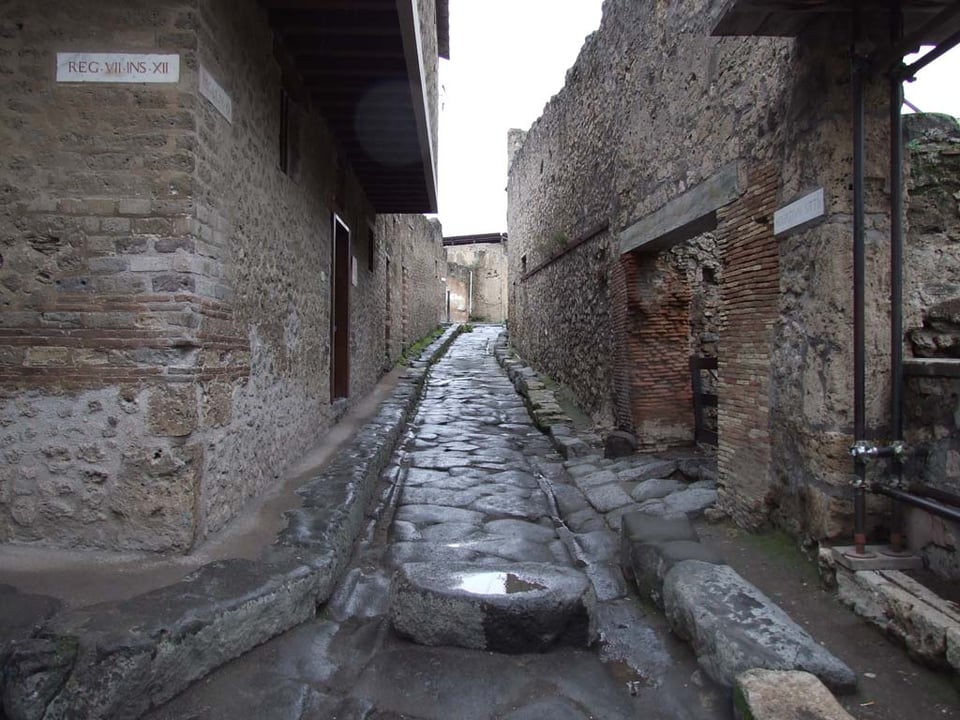
That is certainly the case in A Wall Is Also a Road, where a graduate student named Gardenpath teleports from their university beyond the galaxy to Earth, where they hope to do fieldwork on terrestrial ecosystems. As a single-celled slime mold, Gardenpath is unprepared for what they find: A thriving civilization of multicellular creatures who live in a bizarre walled city known as Pompeii. Gardenpath’s professors back home refuse to believe that multicellular organisms could harbor intelligence. But they are fascinated by an element of human physiology that they believe could be weaponized in the distant Cloud Wars being fought in what we call the Magellanic Clouds.
In short, the imperial aspirations of Gardenpath’s civilization prevent them from recognizing another civilization exactly like their own. It is first contact between two colonial powers, whose ability to engage in scientific observation has been destroyed by their own rotten politics. Though it sounds like a recipe for war, this is exactly why the first contact between humans and an extraterrestrial in my novel is so mundane. Imperial powers often meet for the first time at the fringes of their civilizations, where the marginalized and outcast reside.
Gardenpath is a classic example of a low-ranking scholar sent ahead of a colonizing force to scout for valuable resources. I was thinking of how geologists traveled from Europe to the Americas seeking gold for their monarchs, and various Christian churches sent monks and priests to their colonies as a form of soft power. Some of these emissaries understood the political stakes of their missions, but many of them were true believers who simply wanted to study or preach (or both). Gardenpath is definitely among the latter. They don’t realize they’re being used, until it’s almost too late.
The human that Gardenpath meets in Pompeii is a sex worker named Murtis, a liberta (freed slave) who grew up in Mactar, a Punic city in the region known today as Tunisia. Like many people who lived in Pompeii 2,000 years ago, she is an immigrant who arrived as a slave. She takes Gardenpath under her wing and eventually the two outcasts fall in love, finding familiarity in each other’s alienness.
I wanted to tell a story of first contact that is mundane and small-scale. No freakouts, no wars, no civilizational turmoil. A Wall Is Also a Road is fundamentally about two people finding solace in one another, and learning to see their familiar worlds from a radically alien perspective.
Outside empire, first contact doesn’t have to involve conquest. It can simply be an education. And that is what Gardenpath and Murtis discover, for a brief moment in time, on a remote planet, in an extremely unimportant region of the galaxy. Perhaps because this meeting is so small, its ripple effects are felt most by subversives and reformers, not senators and department heads. And maybe, just maybe, academia will be changed forever.
Guess What???
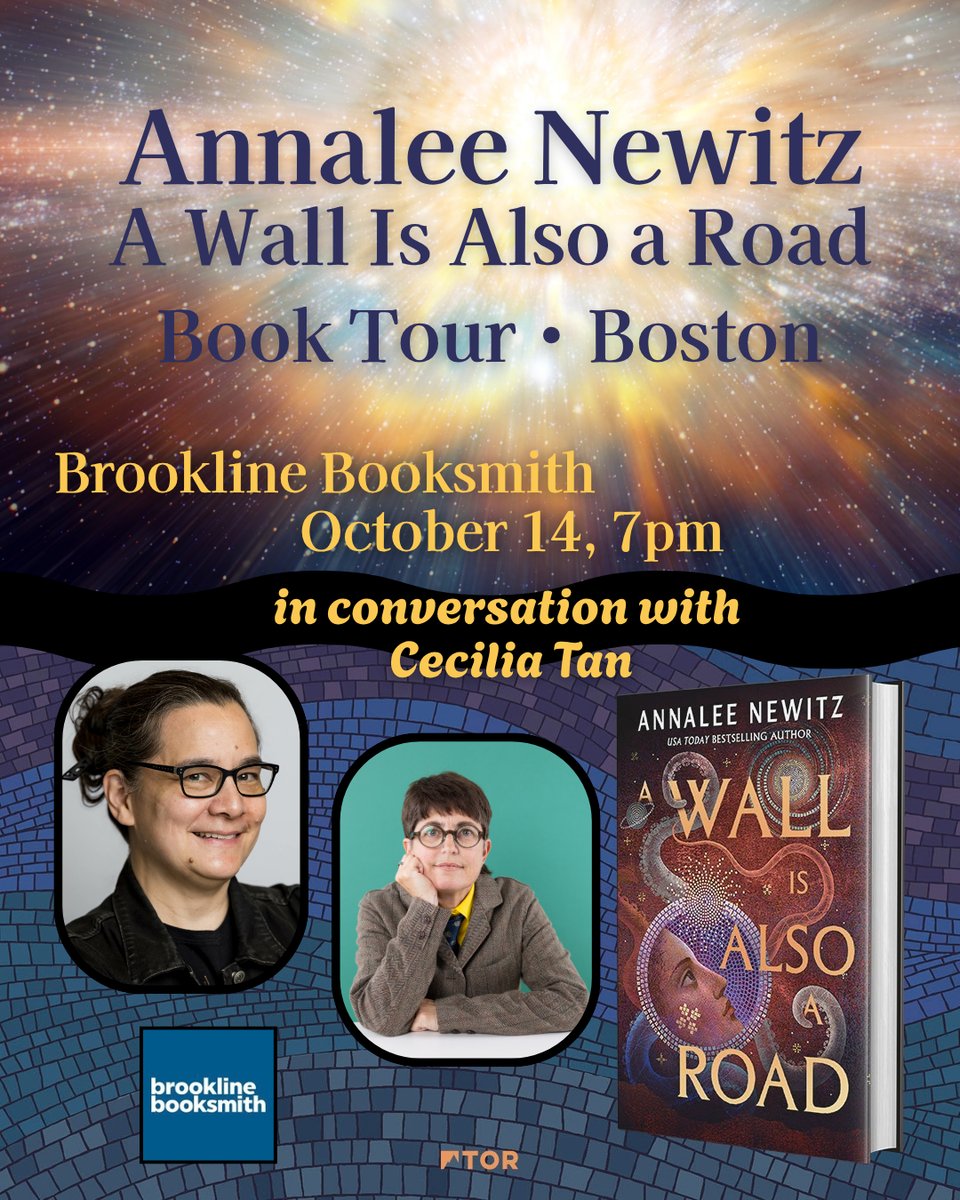
You can see me in person in Boston and Burlington, VT next week! I’ll be at Brookline Booksmith in Boston on Weds., 10/14, at 7pm, in conversation with Cecilia Tan.
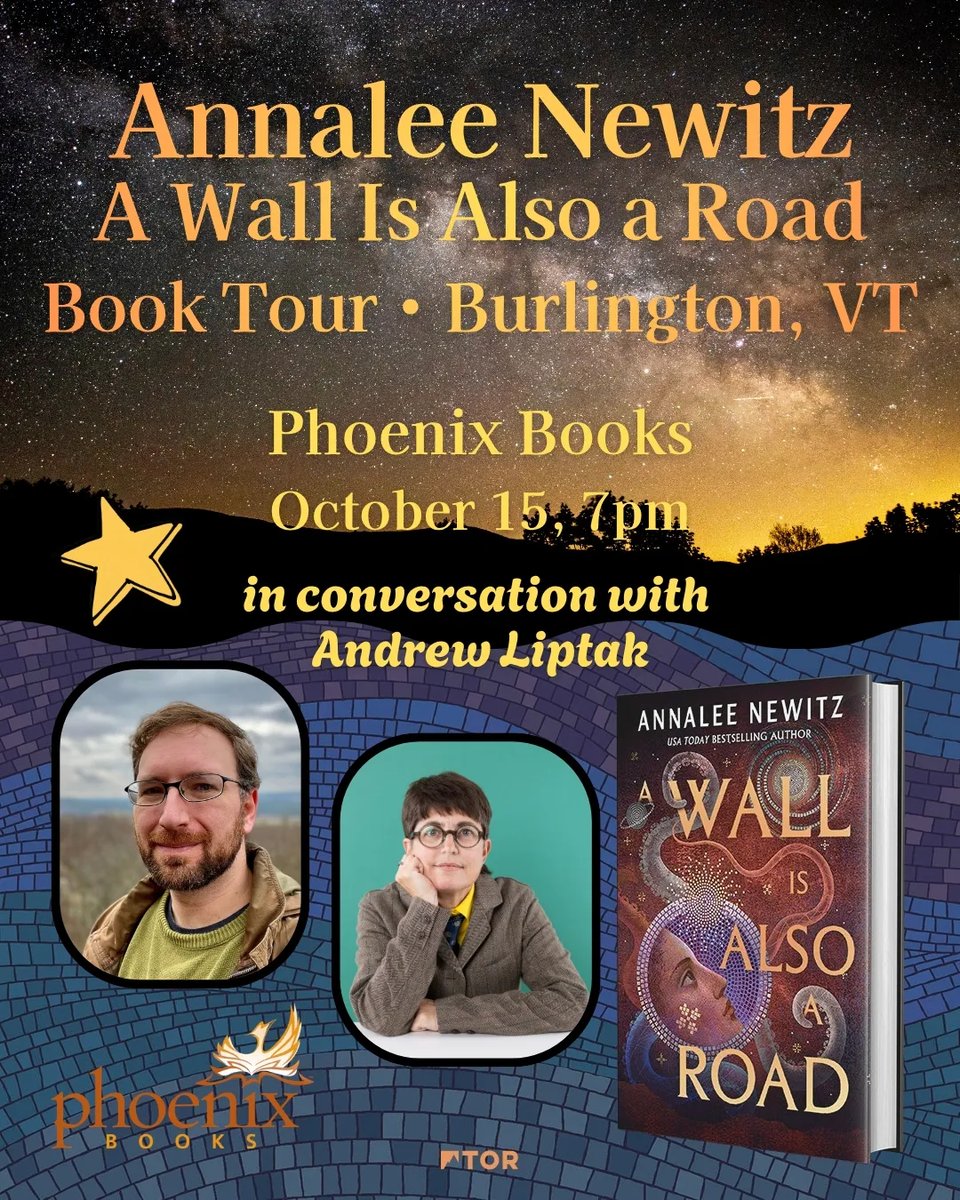
And on Thursday, 10/15, I’ll be at Phoenix Books in Burlington at 7pm, in conversation with Andrew Liptak. After that, I’m heading to Can*Con in Ottawa, where I’ll be on some amazing panels.
Also…
You can check out my latest essay for Flaming Hydra, “Academia Broke My Heart,” about graduate school and intellectual trauma.
You just read issue #44 of The Hypothesis. You can also browse the full archives of this newsletter.

