From Macabre to Elegance: The Evolution of Gothic Fashion in Film
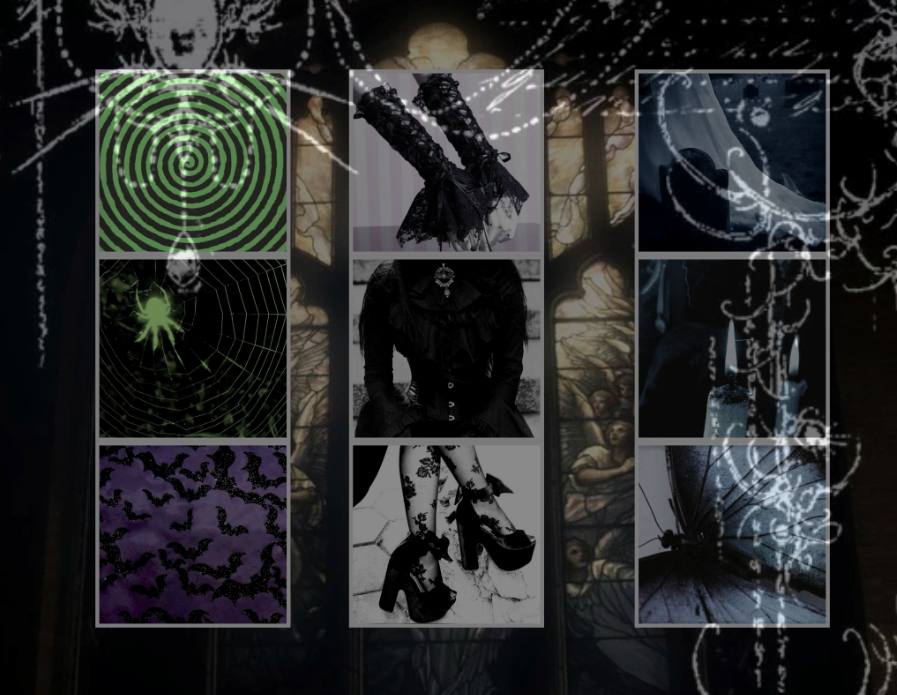
Goth fashion has been around for decades, evolving in the 1970s from post-punk style and expanding into branches of sub cultures such as cybergoth or Victorian goth. A unique aspect of goth fashion was their dramatic elements that contradicted current trends of every decade, the most recognizable of such being from black and dark colours, heavy theatrical makeup, fishnets, and tight leather.
Goth fashion has become more incorporated in films, which in turn allows for its resurgence into modern culture. Its dramatic costume design and dark themes have been executed well, contributing to the overall aesthetic of a film. A very remarkable example is Tim Burton, who had helped popularize dark fantasy and gothic horror by including said themes in his movies, giving more recognition to gothic subculture in Hollywood and film industries. Some notable films embodying these genres are Edward Scissorhands, Sweeney Todd and Sleepy Hollow.
On the note of fashion however, when Burton directed Beetlejuice (1988) and released it in theatres, it became a revolutionary play on gothic fashion, as well as its surreal approach to capture ideas that are often associated with gothic subculture. Mixing into the themes of decay and death, the film’s been able to display gothic fashion in the characters by including garments such as theatrical stripes showing visual distortion, striking lime green hair, and a bold red dress with a Victorian-inspired gothic silhouette and veil – symbolizing corrupt marriage. These pieces of clothing also embody traits from the 80s because of its highly stylized dramatic aesthetic blended with goth elements.
In the years following the 80s, its hallmark bold, stylized costumes shifted from relevance. In the late 90s to early 00s when stop motion films from Tim Burton gained popularity, they also managed to successfully capture gothic fashion and present goth as a genre in family films as well. He was able to capture the same authenticity in his take on gothic themes. In contrast to Beetlejuice, the film Corpse Bride has become widely appreciated within gothic subculture with its more romanticized take on death and the afterlife. The most distinguishing feature of the movie is often viewed as its color palette of pale blue and grey tones. The costumes take inspiration from Victorian era corsets while the movie creates a wedding scene contrast to Beetlejuice's, complete with colors that beautifully blend together in melancholic harmony. The colour of the wedding outfits chosen for Victor and Emily clash both physically and metaphorically, as their opposing shades symbolize and shape the "never meant to be" trope that the story follows, and as a whole, adds onto the topic of unrequited love.
In the present day, it's no secret that gothic fashion has gained more recognition and been embraced in fashion trends. The latest produced Tim Burton work, Wednesday, has given recognition to gothic influences by connecting to an audience and expanding on social media platforms more rapidly, which evolved into a subculture of coquette goth online. Evolution of gothic fashion in film has been heavily infiltrated in mainstream media, and the works of Tim Burton in particular have drastically changed filmmaking as a whole, inspiring other creators into including gothic elements into their work.