Post-Cayce Food Additives: Detergent Emulsifiers
A caution about post-1945 food additives that are wrecking intestinal health
One of Edgar Cayce’s oft-repeated insights into human health was the importance of being able to assimilate nutrients and eliminate wastes. Cayce often recommended interventions to improve the function of the small intestine and large intestine/colon.
Modern doctors have started noticing that a lot of younger people are getting colorectal cancers, which was formerly considered an old-person’s disease.
One of the main unrecognized factors in the current collapse of young people’s intestinal health is the extensive use of emulsifiers in both ultraprocessed and other everyday foods. The extensive and growing use of synthetic emulsifiers in the post-1980 food marketplace is a health burden that previous generations were not exposed to.
Emulsifiers are molecules that keep oil and water blended together. Mayonnaise is the classic use of egg yolks to mix oil and a water-based acid such as vinegar or lemon juice. Other common emulsions in European cooking are hollandaise and béarnaise sauces.
Classic Emulsifiers
When Edgar Cayce gave his health readings from 1901 to 1944, the only emulsifiers available were natural: Egg Yolks, Milk Proteins (Casein & Whey), Cream & Butter. Egg yolks are emulsifiers because they are a rich source of lecithin, which is a fatty substance that attracts both water and fats.
Soy lecithin started to be used as a replacement for egg yolks in the 1920s. Similar to the lecithin in egg yolk, soy lecithin is also a source of the nutrient choline. While it undergoes modern processing, multiple studies have found that it does not trigger the inflammation associated with synthetic emulsifiers. Sunflower lecithin is basically the same substance, but it’s extracted from sunflower oil rather than soybean oil. Soy and sunflower lecithins are a safe way to blend the oil and water fractions in foods when the use of an egg yolk is not indicated.
Gum Arabic (Acacia Gum) is the natural sap harvested from Acacia trees, and is African cuisine’s traditional emulsifier. The active component is called Arabinogalactan. Gum Arabic is highly water-soluble and does not cause gas or bloating. Gum Arabic has potential as a prebiotic (fiber that feeds beneficial gut bacteria in the colon).
Europeans originally sourced their Gum Arabic from Arab traders, which is how the substance got its name.
Gums and Emulsifiers: stabilizers and presentation-enhancers
Dill pickles need an emulsifier to prevent the dill flavoring from floating at the top of the water in the jar. The grocery store chain Kroger has two kinds of dill pickles: conventional and kosher. Kroger’s conventional dill pickles use polysorbate 80 as the emulsifier, while the kosher jar uses Gum Arabic.
The gold-standard in modern grocery store ice cream is Häagen-Dazs, which uses egg yolks as the emulsifier and does NOT use gums to prevent ice crystals from forming. If you re-freeze a container of Häagen-Dazs, you’ll get an icy block of cream.
Some mid-tier ice creams use egg yolks as the emulsifier (e.g., Tillamook ice cream), while others use mono- and diglycerides to keep the fat/oil and water components of the ice cream mixed. Most mid-tier ice creams use a variety of gums to prevent ice crystals from forming and to use slightly less cream.
Cheap ice creams or “dairy desserts” use a mix of synthetic emulsifiers and gums to substitute for cream. Carrageenan and cellulose gum are used to thicken water or skim milk to make it feel like cream.
Modern Synthetic Emulsifiers
Starting in the post-WWII era, the chemical industry came up with artificial emulsifiers to facilitate the mixing of fats and oils. The food industry gradually incorporated these chemicals into a variety of everyday products. Ultraprocessed foods use emulsifiers to make products that sit on the shelf for months or years retain the exact same appearance and mouthfeel as when they first shipped from the factory.
The Hazard of Synthetic Emulsifiers
In my readings about synthetic emulsifiers, I noticed the term “aggressive surfactant properties”. This refers to synthetic emulsifiers’ detergent-like ability to both keep fats and oils mixed and break down the mucus lining of our intestines.
These types of emulsifiers or “surfactants” are basically soaps that the regulatory authorities have decided are safe to consume in small quantities.
A surfactant is a chemical compound that decreases the surface tension or interfacial tension between two liquids, a liquid and a gas, or a liquid and a solid. The word surfactant is a blend of "surface-active agent", coined in 1950. As they consist of a water-repellent and a water-attracting part, they are emulsifiers, enabling water and oil to mix. They can also form foam, and facilitate the detachment of dirt.
— Wikipedia: Surfactant (emphasis added)
Our small and large intestines depend on a thin mucus layer to protect our intestinal cells from bacteria and other problematic substances in the foods that we’ve eaten.
The following is a list of modern emulsifiers that have “aggressive” properties. I think these should be avoided to improve gut health. These substances act as detergents on your gut’s mucus layer:
Polysorbates (20, 60, 80): These chemicals are commonly added to ice cream to make it resist melting.
Carboxymethyl Cellulose (CMC / Cellulose Gum): This substance is made by processing cellulose (sourced from wood pulp or cotton linter) with chloroacetic acid.
Carrageenan (E407) is made by boiling certain kinds of seaweed in sulfuric acid. Perhaps the most tragic use of carrageenan is for the “stabilization” of non-organic heavy whipping cream sold at most grocery stores.
Sucrose Esters of Fatty Acids (E473) is made by connecting sucrose with fatty acids.
Synthetic Detergents / Sulfates (e.g., Sodium Lauryl Sulfate) is mostly used as a foaming agent in soaps and toothpastes. Some of the foods that might have trace amounts of Sodium Lauryl Sulfate include marshmallows, egg white products, drink powders, and some fruit drinks.
Less-common synthetic emulsifiers include DATEM (an industrial dough conditioner), Sorbitan Monostearate (sometimes referred to as a “synthetic wax”), and Propylene Glycol Esters [PGME] & Sodium Stearoyl Lactylate (these are mostly used in commercial cake mixes, frostings, and whipped toppings).
There’s another synthetic emulsifier that is not so aggressive, but which can still cause problems:
Mono- and Diglycerides of Fatty Acids (MDGs / E471): Ubiquitous in packaged foods, such as prepared mashed potatoes. MDGs allow gut bacteria to move closer to the intestinal wall, via the phenomenon known as “microbiota encroachment”.
Cautions about gums that are used as food additives
The food industry has also started to incorporate gums as thickeners/stabilizers. These are NOT emulsifiers or chemical detergents, and do not directly strip away the mucus lining of your intestines.
But they are still industrially-produced food additives. They are fibers that feed undesirable bacterial strains. This contributes to gas and bloating, can suppress beneficial bacteria, and can promote an inflammatory intestinal environment.
Xanthan Gum, Guar Gum, & Tara Gum: These are fibers commonly used as stabilizers in ice creams. Xanthan gum is used in many gluten-free breads to simulate the texture of wheat bread.
Edgar Cayce’s Countermeasure for Enhanced Intestinal Health
Edgar Cayce didn’t cover the problems of synthetic emulsifiers in his readings because they didn’t exist before 1945. There’s no need for a psychic solution to this problem: look on the ingredients list of the foods you’re considering for the ‘detergents’ listed above. Don’t buy a product if you see polysorbates, carrageenan, carboxymethyl cellulose, or the less-common detergent emulsifiers. Avoid the gums if you can - I don’t let myself get too worked up over these.
Cayce’s core recommendation for improving intestinal health was the use of slippery elm bark powder. This is sold as a standalone ingredient from many vendors. Slippery elm powder is also included in many ‘gut health’ supplements.
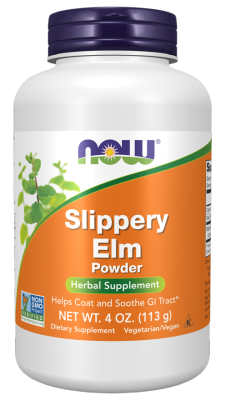
Science has caught up to Cayce's advice. We now know that slippery elm powder has components that form a protective gel for the intestines. It stimulates mucus secretion and can reduce intestinal inflammation. Drinking a simple tea of slippery elm powder is an effective way to rebuild the gut lining and address leaky gut syndrome.
Conclusion
In the modern world, taking care of our intestines involves a step that Edgar Cayce never covered in the readings: avoid eating detergent food additives. Restoring more normal intestinal function uses the same basic intervention as was recommended 100 years ago: slippery elm powder.
Sincerely,
James Knochel
P.S. I have plenty of respiratory therapy barrels and grounding coins in stock on the web store.
To learn more about my personal journey into the ‘dissident’ health movement, My Referral to Dissident Medicine posted to my new website recently.