Patch notes: Lazygit + Orbital Resonance
Lazygit is the best client for git repos, in or out of the terminal; planets emerging from the chaos of stellar birth often learn how to dance.
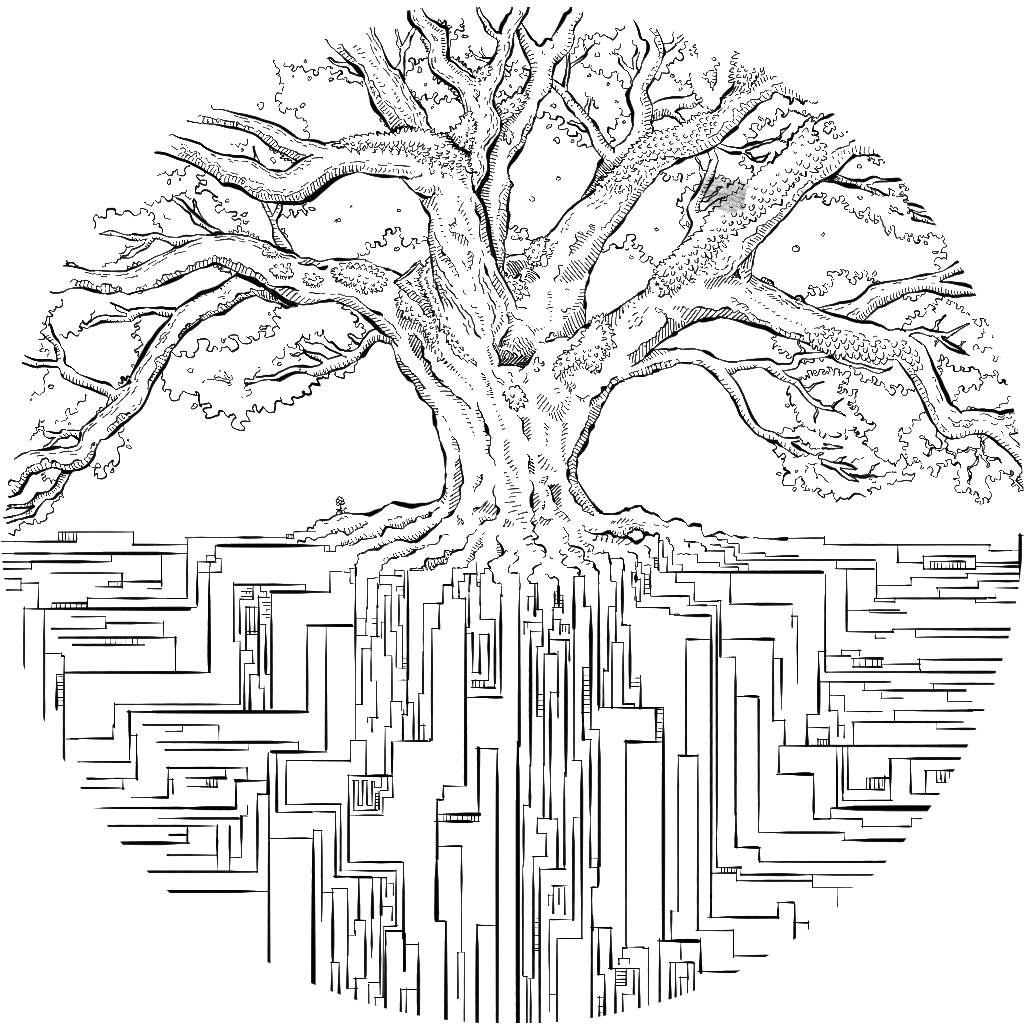
Today we introduce the patch notes, your weekly delivery of short, interesting tidbits each Friday between longform essays. Those essays ("features" -- see what I did there?) will be delivered on the last Friday of every month. Normally that would be today, but that feature came out last week instead.
Tool of the Week: Lazygit
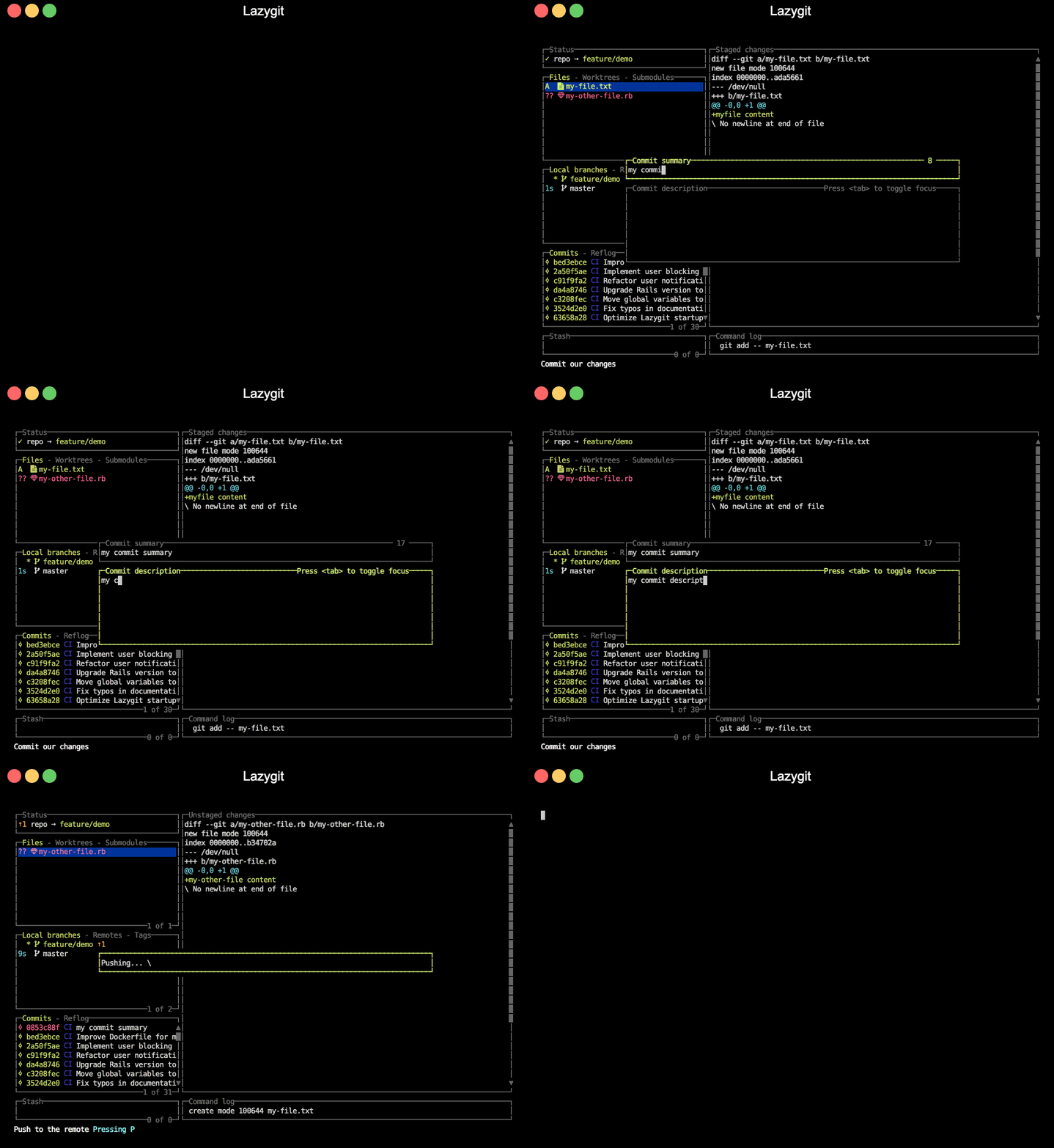
Lazygit, my favorite Git interface of all time. I paid $70 for a Tower license and I still switched to this. Lazygit gives you a clear, easily navigable interface for looking at a repo, viewing commits, looking at diffs, resolving merge conflicts, and doing basically everything you can do in git. Bonus tip: once you've pushed a branch in the branches panel, hit o to jump to its PR in your default browser, or open a new one if a PR doesn't exist yet.
Something Interesting: Orbital Resonance
When I was a kid, I was told by various creationist dipshits that entropy meant a system starts in a state of "order", and degrades into "disorder" over time.
The actual definition is more technical: a closed system will evolve toward a state of thermodynamic equilibrium over time, which is to say, a boring uniform stew of matter that's all roughly the same temperature. The thing that simplistic definition of entropy misses is that this is not a linear process!
We, for instance, are still basking in the warm glow of the ancient and spectacular ongoing nuclear reaction that is our sun. The tiny little bits of matter (like us, the moon, and the planet Jupiter) that are not part of the sun make up only 0.14% of the total mass in our solar system, and all of these are still wobbling down from the chaos that was stellar birth.
What is interesting is that the insane early chaos that had entire planets slamming into each other (creating our moon in the process) shows a tendency to self-organize or "spontaneously order" into oddly uniform positions -- circular orbits that have "cleared their neighborhood" and are now safe, planetary-collision-free places to live and thrive.
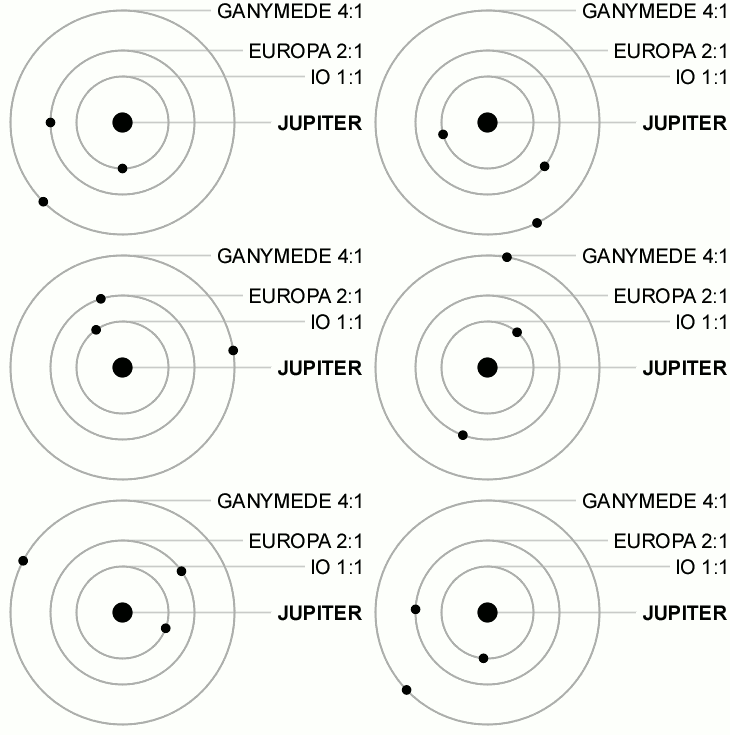
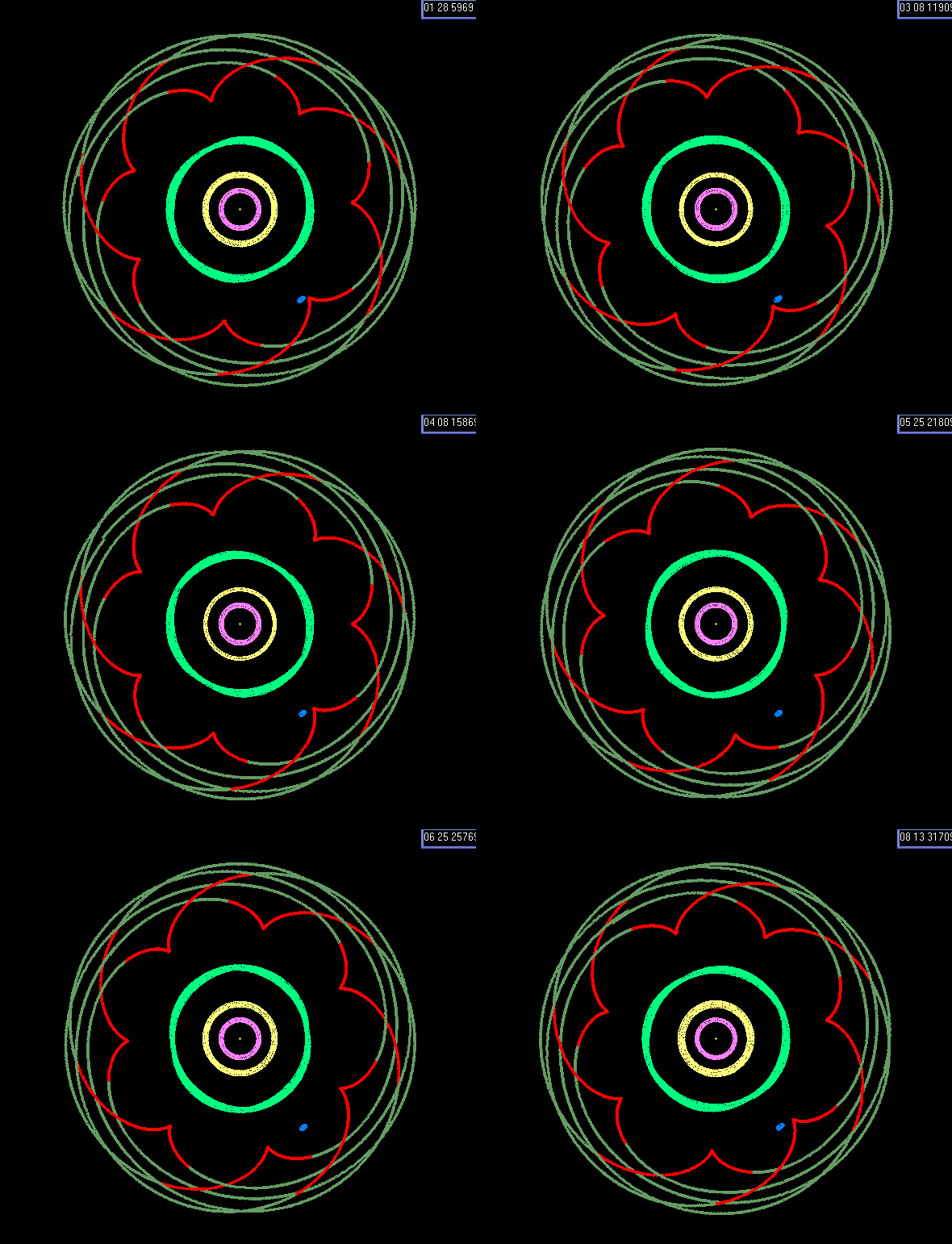
Some orbital bodies go even further. The Galilean moons of Jupiter have a shockingly organized relationship to each other. For every four circuits Io (the volcanic innermost moon) makes around Jupiter, Europa (the icy second sibling) makes exactly two. And Ganymede, the third and largest of the three (the largest moon in the system, even larger than our own Luna) makes exactly one orbit in this same time. (Note: Callisto, the fourth moon, is too far out from its parent to be a part of this resonant system.)
This 1:2:4 orbital ratio is an example of Laplace Resonance, a subcategory of orbital resonance generally. While the math is very complicated, the idea is simple: every time two bodies pass, they exert an influence on each other. If the inner body is going a little faster, the outer one slows it down; likewise if the inner body is slower, it gets a little push. The interaction goes both ways, and over time the bodies fall into a natural harmony -- a sustainable rhythm often compared to the periodic nature of pushing a child on a swing, where a specific rhythm becomes the most "natural" (aka the lowest cost from an energetic perspective) to sustain.
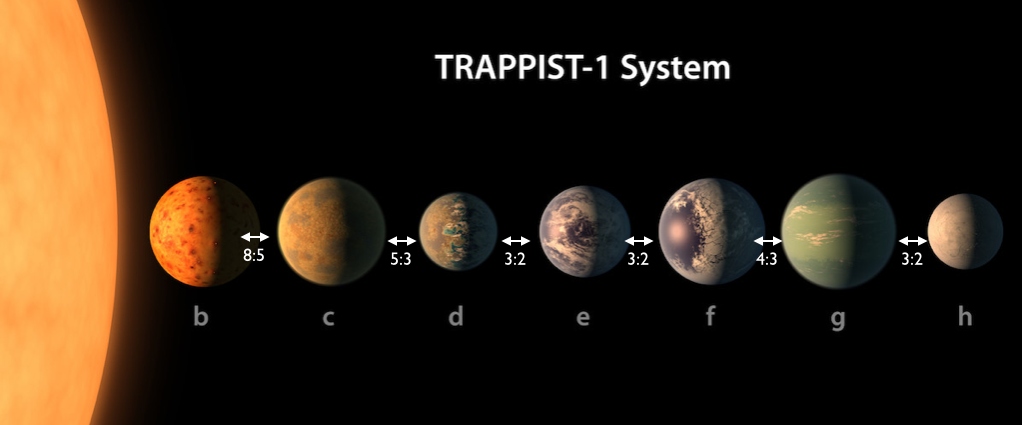
This harmonic point is not only sustainable, it's self-enforcing; once bodies fall into this pattern it can only really be disrupted by the long decay of old age, or a massive external interloper during system formation. In our system, that might be Jupiter itself -- so enormous compared to all of the other planets that it prevents a resonant system from forming around our sun. The TRAPPIST-1 system, by contrast, has a seven-planet (!) resonant system.
Our own system, while not showing perfect resonances in the planets themselves, does have resonant moon orbits around Jupiter, Saturn, and Neptune, as well as a number of resonances between planets and various intraplanetary bodies like Haumea.
In nature, there are harmonies, resonances, symbiotic relationships, and other mutual interactions that cause systems to self-organize and find sustainable balance. Orbital resonance is just a particularly elegant example of this.
You just read issue #8 of The Changelog. You can also browse the full archives of this newsletter.
