Patch notes: Kew + The Taiping Civil War
A music player for the terminal, and the largest revolution in human history.
Hi everyone! Today we have a music player for the terminal, and the largest revolution in human history.
Tool of the Week: Kew

Kew is a recent addition to my toolbox. I love listening to music while I work or draw, and as streaming services have gotten shittier, I've returned to buying my own music and storing it all in a ~/media folder locally (with Syncthing to sync to my other devices, but that's a topic for another time).
Kew lets you specify a music folder, and then simply do e.g. kew beatles to play any Beatles albums in your library, kew albums to play whole albums in a random order, kew radiohead:portishead:massive attack to play those bands in that order, or kew . to play your favorites (which you add to by hitting . on a track while listening). There's also a TUI interface for all of this, or for adding to playlists while listening, and so on.
And finally, unlike mpd (which I used for a long time before this), Kew hooks into your laptop's music system in a modern way -- it fluidly handles music source changes, autopauses when you take your headphones off, and works with your keyboard's built-in music controls.
Something Interesting: The Taiping Rebellion
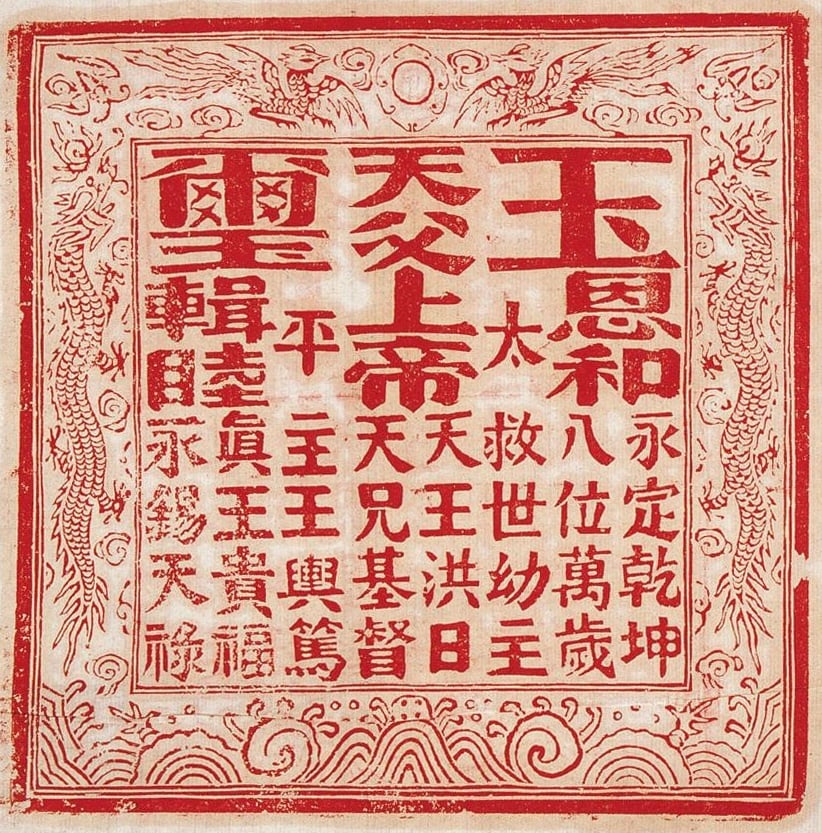
I had never heard of this before coming across mention of it in James Scott's The Art of Not Being Governed -- but the Taiping Rebellion was the largest (and bloodiest) revolution in all of human history. It lasted for 14 years, and cost the lives of 20-30 million people (by most estimates; some historians believe the death toll was as high as 70 million).
It came about because the Qing Dynasty had become greatly weakened due to famine, natural disasters, and that greatest blight of all: the British, who had just wreaked vast destruction on the Qing imperial engine in the First Opium War. People were desperate and unhappy, and the state was weak.
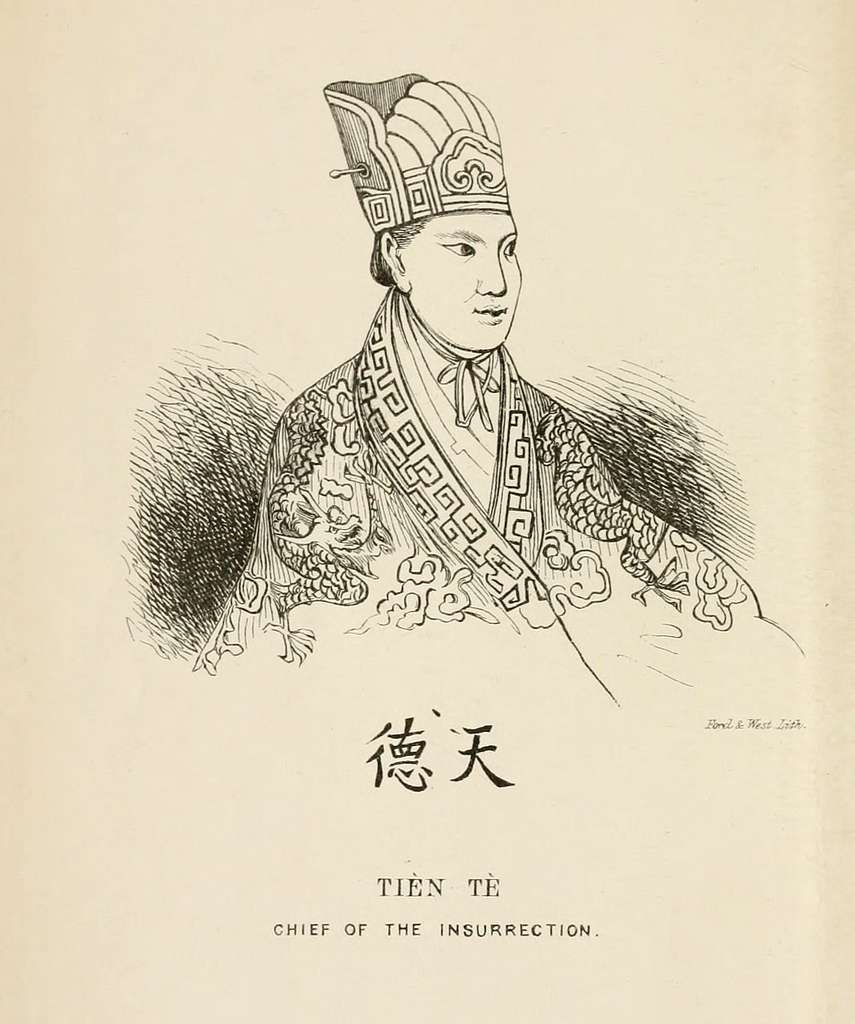
Enter Hong Huoxiu (soon to be known as Hong Xiuquan following his cult conversion), a Hakka person from a poor village who had repeatedly failed to pass the examination to become a mandarin, and found solace in the loving arms of fringe Christianity instead. Hong decided quickly that he himself was the brother of Jesus Christ and the second son of the Christian deity. A violent cult accreted around him, at first gaining fame and popularity by fighting and murdering the bandits and pirates that roamed the countryside in the Qing power vacuum.
But quickly the Qing took notice, and attempted to suppress the new religious movement, which was now calling itself the Taiping Heavenly Kingdom. The rapidly growing cult army fought back, the rest of China took sides, and what had started as a minor provincial insurrection rapidly spread into a civil war that spanned China and would last for more than a decade.
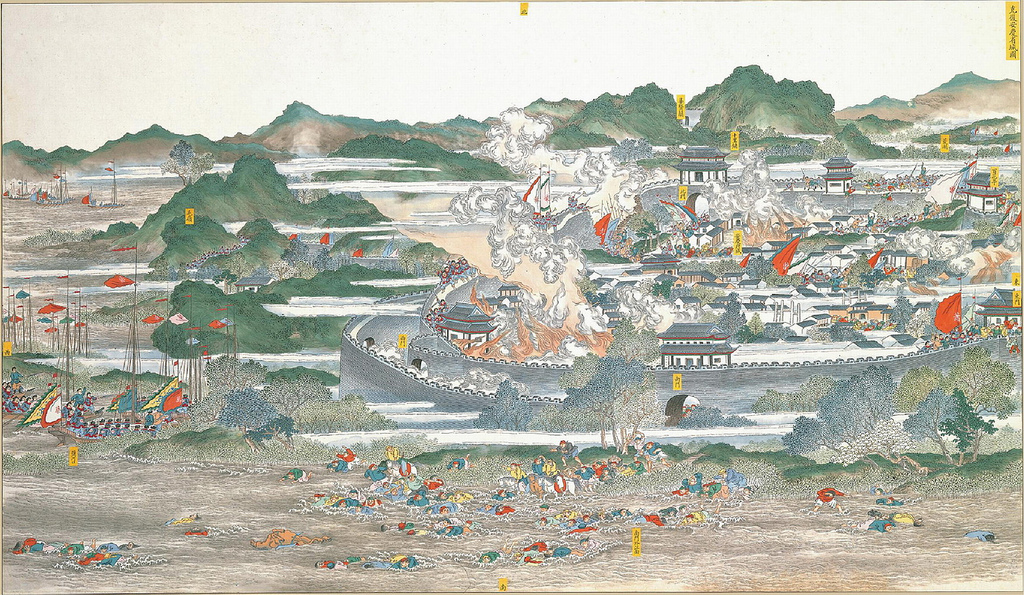
The details of what came next are worth reading more about, but involved everything from tense alliances with the Triads, to internal conflicts and schisms, failed overtures to the European powers (who declared neutrality but tacitly backed the Qing), and a host of sibling rebellions taking place everywhere else.
I'm not sure what to make of this. The Taiping were in many ways a classic cult -- burning sacred texts (Confucian and Buddhist primarily, as well as many others), destroying religious sites, and exerting extreme control over their members' sex lives, even down to banning sex between married partners (with exceptions for cult leadership, obviously). But the scale of this movement is orders of magnitude greater than almost anything else of its kind. And it says something about the scale of China itself, and the chaos of this period, that the Taiping Rebellion was swallowed historically by the events of the next century: the tail end of British colonialism, the Japanese occupation, and finally the rise of the PRC following Japanese surrender.
Today, the Chinese Communist Party celebrates the Taiping as a "proto-revolution" because (like the communists) it sought to overthrow the entire social order, rather than just supplanting its leadership. That might not be wrong: the violent, self-righteous, cultic similarities between Hong's Taiping Heavenly Kingdom and Mao's Communist Party are hard to miss, as is the fact that in both cases, much of the populace were so entirely dissatisfied with the status quo that they were willing to take a bet on a violent cult leader instead.
You just read issue #9 of The Changelog. You can also browse the full archives of this newsletter.
