Writing Descriptions
The amount of description you will want to include in your writing depends on several factors.
Here are just a few of them:
How familiar is the setting to your target audience? Most readers are likely able to picture a bustling city, the suburbs, or a small town with minimal details. Including only those that your POV character would notice and those that propel the story forward keep readers from getting bogged down with unnecessary details. (Note: This, of course, is a matter of taste. This is one reason knowing your readers’ preferences is beneficial.)
Are your characters’ physical features important to your story? I’ve heard of one author who doesn’t even include her characters’ ethnicities in her stories. Of course, others include detailed descriptions, especially of the main characters.
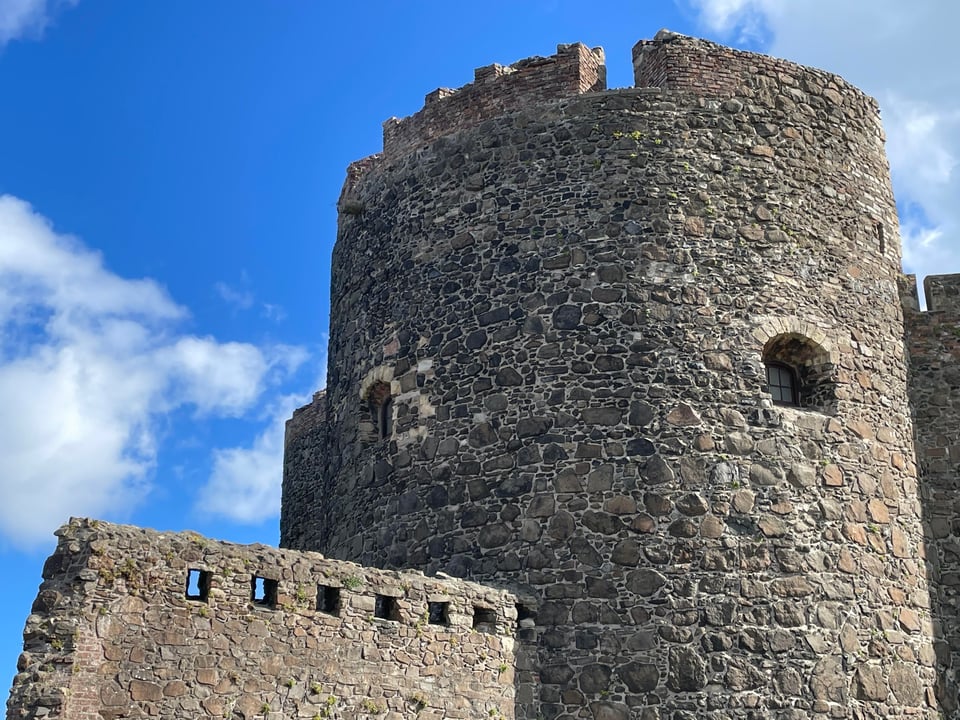
What genre are you writing in? If you are creating a fantasy or science fiction world or setting your work in a location several of your readers have likely not visited, you’ll want to include more details. (My husband and I visited Iceland in 2024. It is like no other place I’ve been to. And because “castle” means different things to different people, I would likely describe the Irish castle pictured above if I was going to include it in my writing.)
Even if your work includes a significant amount of dialogue, it’s best to “ground” your characters in their setting. Including enough details for your readers to picture the setting and understand how your characters are moving through/in that space is helpful. You’ve likely heard of “talking heads,” including too much dialogue and no action. Without any reference to what your characters are doing or what your POV character notices about their surroundings, you run the risk of including these talking heads.
Another term you may be familiar with is “info dump.” When including a description of your setting, especially if you’ve build a world from scratch as it were, you run the risk of pouring out too much info all at once. One way to avoid this is by having a newcomer to the setting highlight specific details that will at least paint a rough sketch of their surroundings. You can include inner dialogue or conversation to do so. And as characters move through this world, you can include relevant details that will paint a more detailed mental picture for your readers.
Pacing is something else to consider when including description. If your characters are engaged in an argument or running for their lives, you won’t want to include a detailed description of the flora and fauna surrounding them. On the other hand, if they’re lying back in a meadow watching the clouds, it makes sense to include more details.
How about you? Do you like to read books with extensive details about the setting and the characters’ physical features, or do you prefer ones that only include those that are particularly relevant to the story? Which type of story/nonfiction work do you prefer to write?
-
Lots of excellent information and I am grateful for the deeper thoughts
Reply: