
Cumbia Villera or crush out
Instagram always makes me crush out, this time was about cumbia villera, so here go my thoghts.
Hello, hello, friends, besties, and dear readers. Hope summer its been kind to you, and you have been able to find sleep between the gay festivities, and if not, hope it is worth it!
I’m coming back to my desk after a weekend of 24 hours awake. Sunday I received the We Txipantu from the beach rave, foot in muddy water, hugging bunch of friends, laughing, leaving the past year behind. I was able to see the first sun rays, and celebrate We Txipantu, Into Raymi and on this side, in the north hemisphere the summer solstice. Thanks to Sabina who convinced me to stay up and go with her. Then Folsom… a different story, that I won’t tell here.
And so my summer starts.
I wanted today write about my beloved cumbia villera, some thoughts on influencers, culture and context.
On my lethargy of being exhausted from the weekend, I saw the content about Argentinean Cumbia made by @aranivah, a fellow immigrant person who kinda got famous during the pandemic doing videos and online classes of learning how to dance ska, northern soul and cumbia. From a latinamerican skinhead perspective. I learn about her by a homie from Chile who really liked their style, content. Usually I wouldn’t write about influencers and the world of instagram, that in a way pushed me to start this newsletter, and this not from a superiority space. More in a “don’t understand it, find it stressful way”. Usually the videos are cumbia dance videos with some explanation and they’re cute. Today I saw one that was showing types of cumbia in Argentina. I clicked and kinda got threw off, triggered maybe? But it was super inaccurate, which I think is kinda a serious thing when you describe yourself as an culture educator or archivist. But I also think is culturally irresponsable as a person who has kinda like a big audience from this and the other side of the border. Non of the styles, besides two, were accurate, Nene Malo was put as cumbia cheta, not to mention cumbia jujeña or santa fesina. Then on the bottom some paragraph how she hates cumbia villera because is misoginistic… and sorry, as someone who grew up close to this culture, and context and it kinda upsetted me.
So wanted to write a little bit about this - that’s the context.
There’s many, many cases where the music from poor people is misinterpreted and worse taken away from them. When we forget the context, we allow for people to simplify it or disney-fy it. “Everybody was friends, but life was hard, the end and that’s how XYZ style of music was born in the ghetto of ___(You-name-it)___”. Talking about the context where a style, a culture, some music was born helps a lot to understand it, why it sound the way it sound, the lyrics and the looks. Music styles aren’t dead things, are alive because they were created by people, and stuff was happening to that people. This is how I like to think the music I love. If you didn’t personally grew immerse in that culture, I believe you will never fully, fully understand it, and that is not something negative, is just there was experiencial parts that will be missing for you.
I think saying Cumbia Villera is misoginystic is irresponsible if you’re a public character, idk internet clout falls in that umbrella. But not just irresponsable and simplistic, I think it is also aporobhobic.
Why are so many other popular rhythms that have been created in similar contexts of Cumbia Villera but they don’t get labeled as misoginystic?
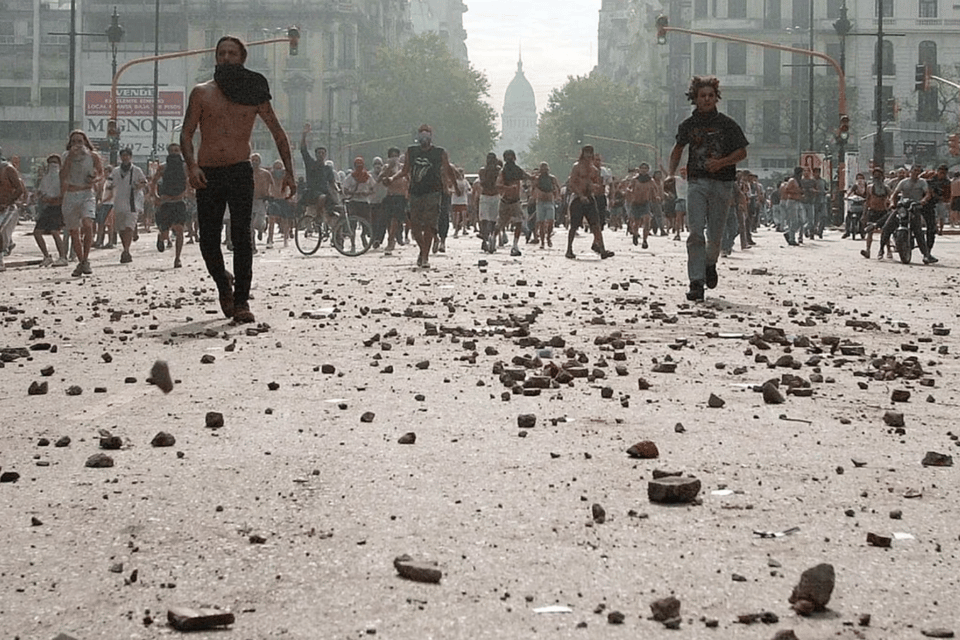
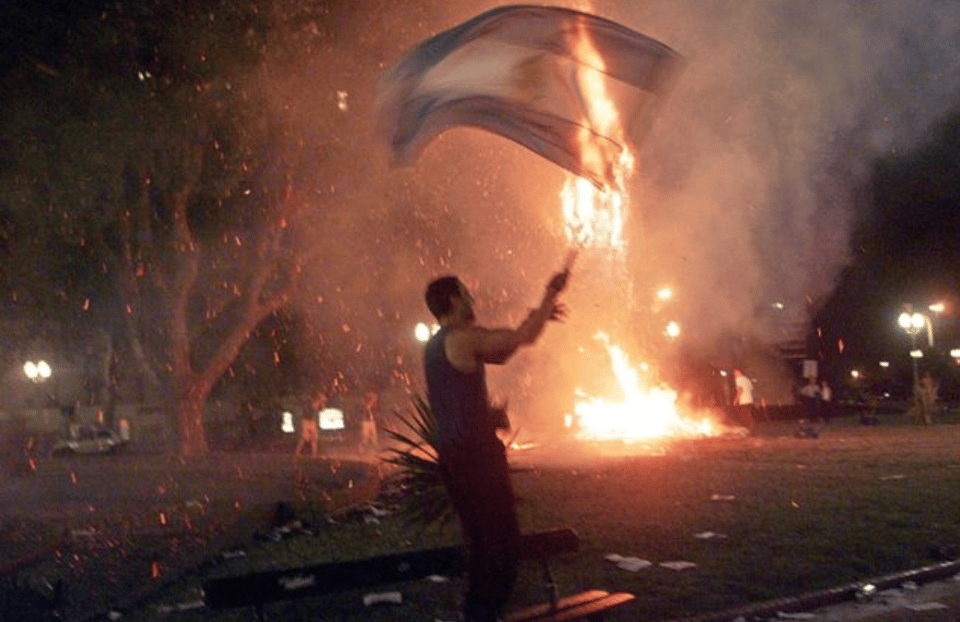
To understand Cumbia Villera it is important to understand El Corralito Argentino and the December 2001 riots in Argentina. This is very brief but will put some wikipedia links if u wanna understand deeper. So basically in 2001 Fernando De la Rua (ex in law of Shakira) in the face of a bank run decided that no one could withdraw more than $250 dollars weekly (at the time $1ARS = $1USD). This freaked out the middle class already coming from an insane inflation that devaluated the Argentinean peso in a matter of a week and this triggered some of the most violent riots, that extended in the country. Known as the riots of December 2001, where President De la Rua ended running away from the presidencial palace, La Casa Rosada, in an helicopter (Argentineans have excellent irl telenovela shit). In the next week Argentina will have 5 different presidents, and the population energy was pretty much “down with all of them!” - “Que se vayan todos!”. Of course, this was in the capital and cities, where most of the middle class lived.
Here is a documentary with english subtitles about the crisis of 2001 in Argentina.
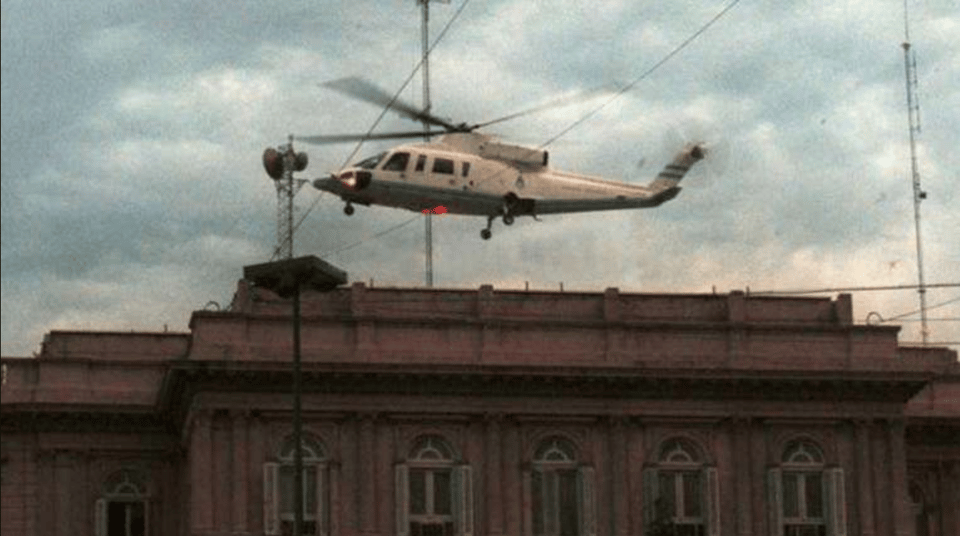
But what happened in the hood during this time of civil unrest? During the crisis and the next few years, Argentinean hood, la villa, home of countryside migrant families, immigrants, brown Argentineans erased by this idea of the white European Argentina.
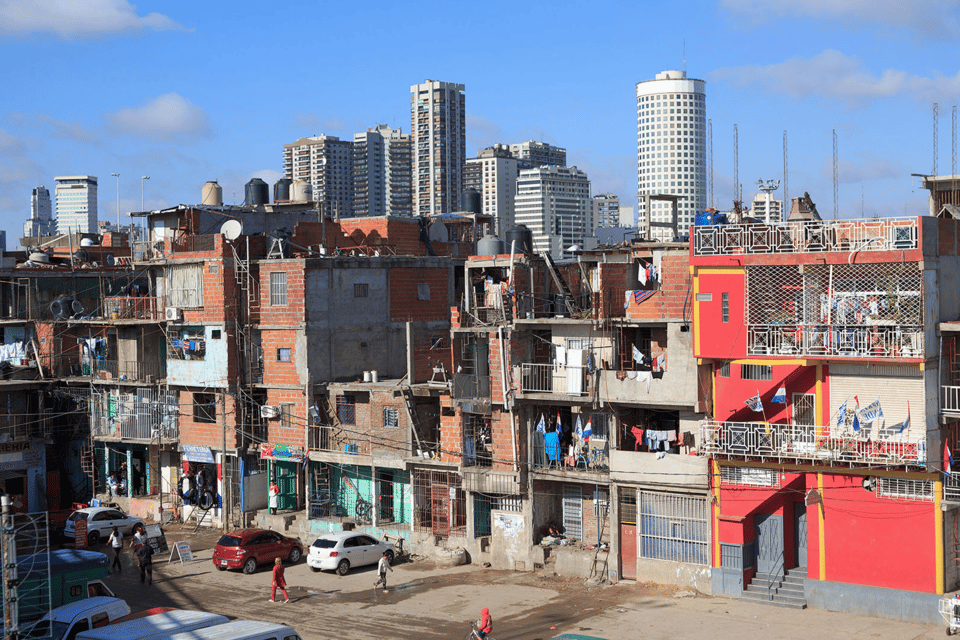
Most of the villas where built under squatted lands; around state owned land, train tracks, in between buildings little brick towns found their place. Like meta cities, with different law than the rest of the white civilized Argentina. There hunger thrived, 27.5% of the population lived in conditions of extreme poverty, child hunger/malnutrition was 20%. There was no jobs, no money, no food, no hope in any political class. In this context crack (el paco) extended, addiction rose and criminality. Argentina was still also extremely racist.
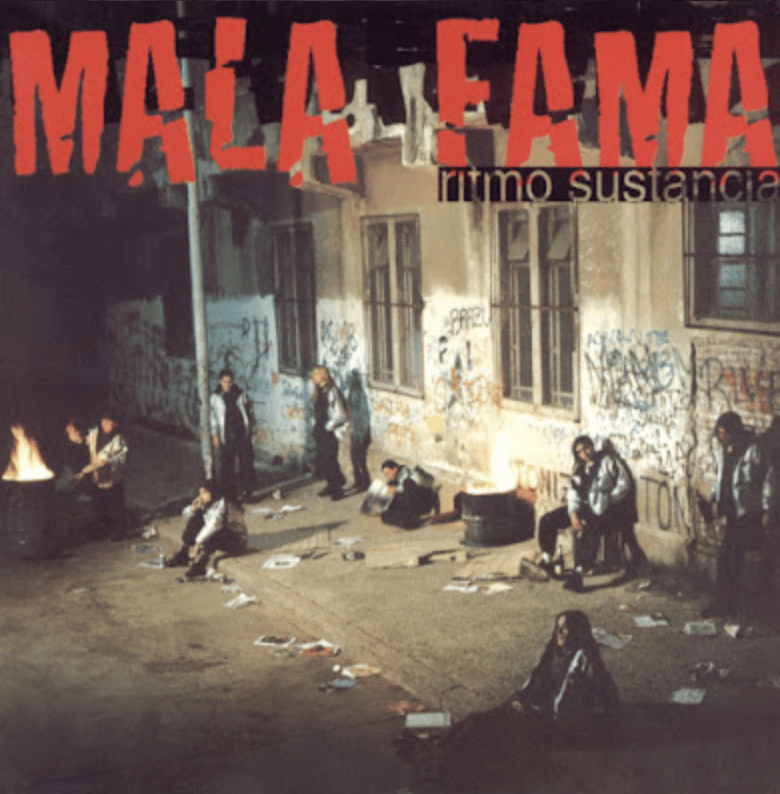
And in this context is where in la villa, it starts what it will be known as cumbia villera. It was the pibes de la esquina, the kids from the corner, that didn’t had anything to do, they didn’t worked, they were young, nihilistic, the city had forgotten of them. They were the brown and mestizo face of Argentineans that has always gotten erased since that settler project was constituted.
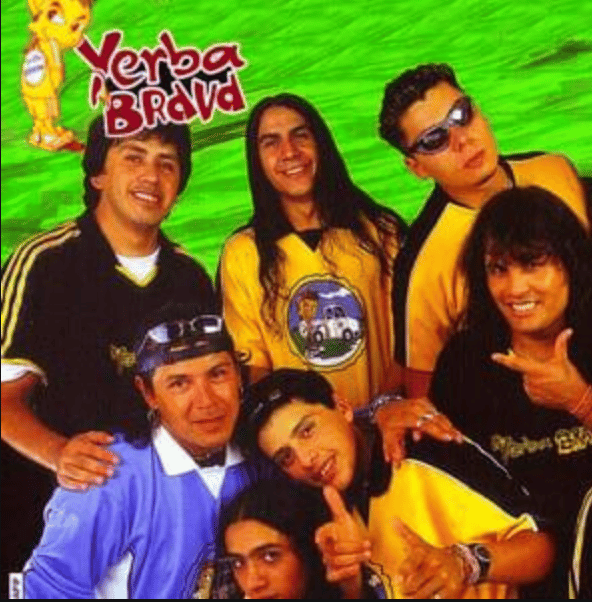
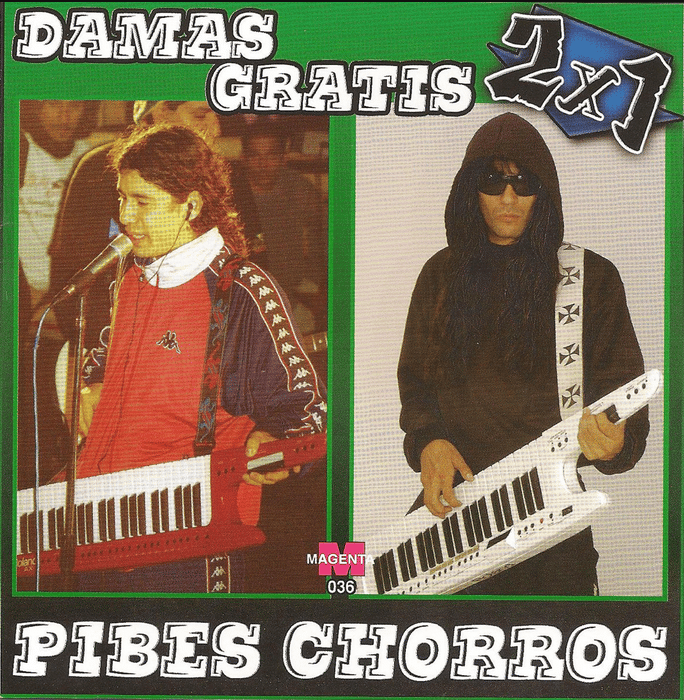
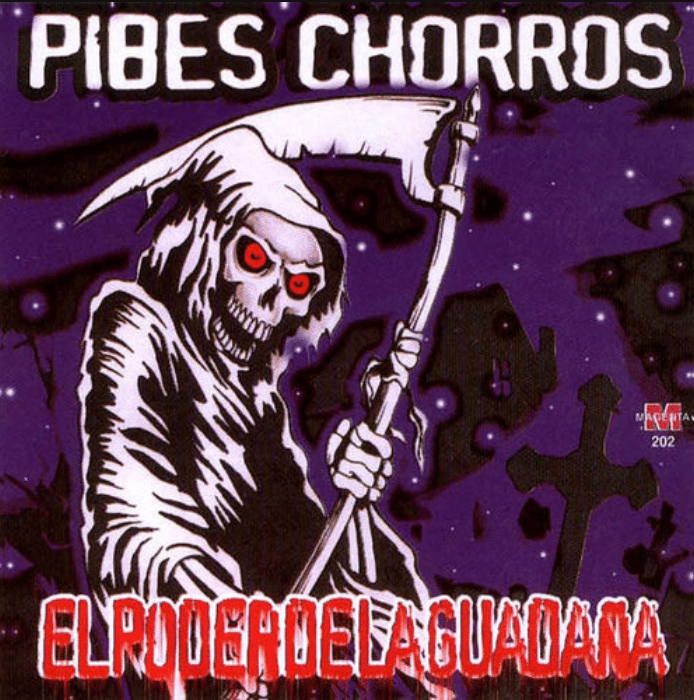
These kids started making cumbia (bunch of them were also super into rock and metal, so they had long hair and references to Iron Maiden -see Pibes Chorros-). A rhythm that by then has been already very popular between mostly working class people. This cumbia was not happy, festive or simply sad or romantic. It was slower, with elements from classic Colombian cumbia, like the accordion that in some cases will get replaced by the keytar or keyboard. The guitar points of cumbia so explicit in cumbia chicha are replaced by the swirl of keys. It was slow and kitch, it was dark, nihilistic and sarcastic. Its nasty. The lyrics were about the life in the hood, their problems, their happiness, addiction, crime, sex work. They became a testament of a sector of the population that has been always perceived as inferior, a sector chronically, discriminated, chronically incarcerated, chronically criminalized.
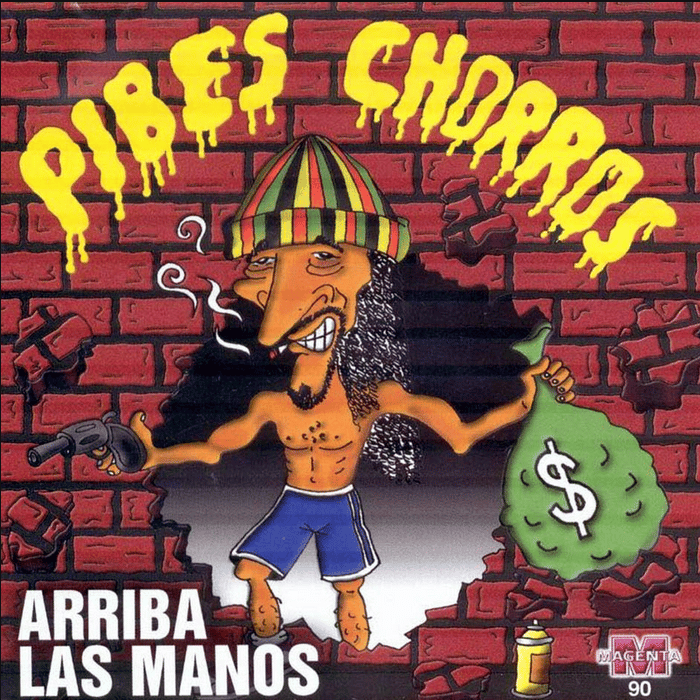
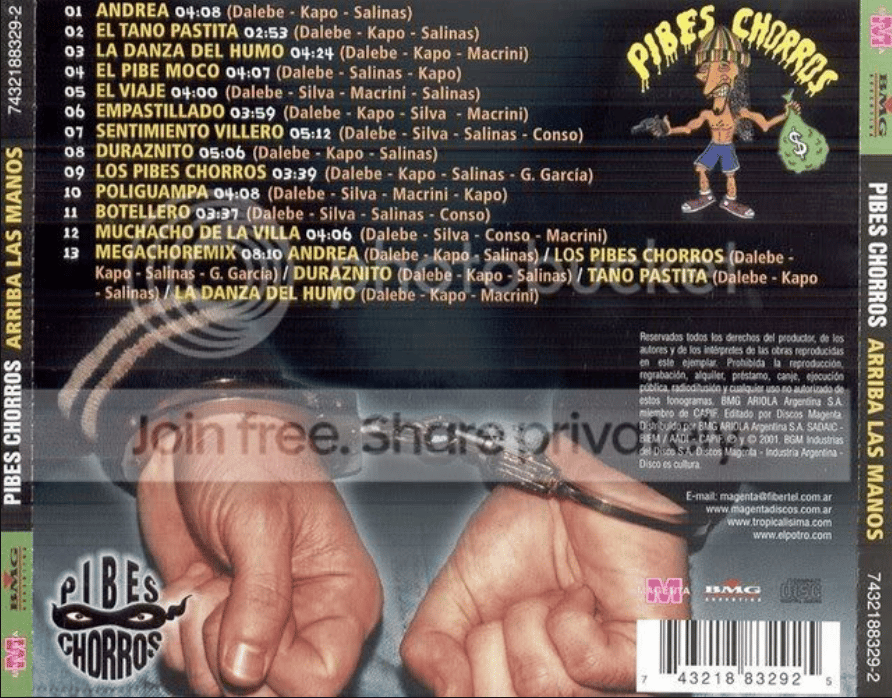
When we talk about the villa we talk about browness, about the blackness argentina as a country couldn’t erase. To me the critique of “I hate it because is misoginistic” its too simple, it has this taste for hate of the poor… it bothers me the expectation of purity of the hood, of the villa, of the barrio. Yikes, purity.
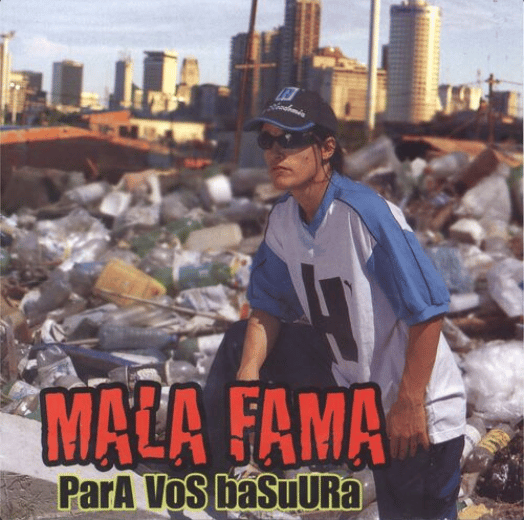
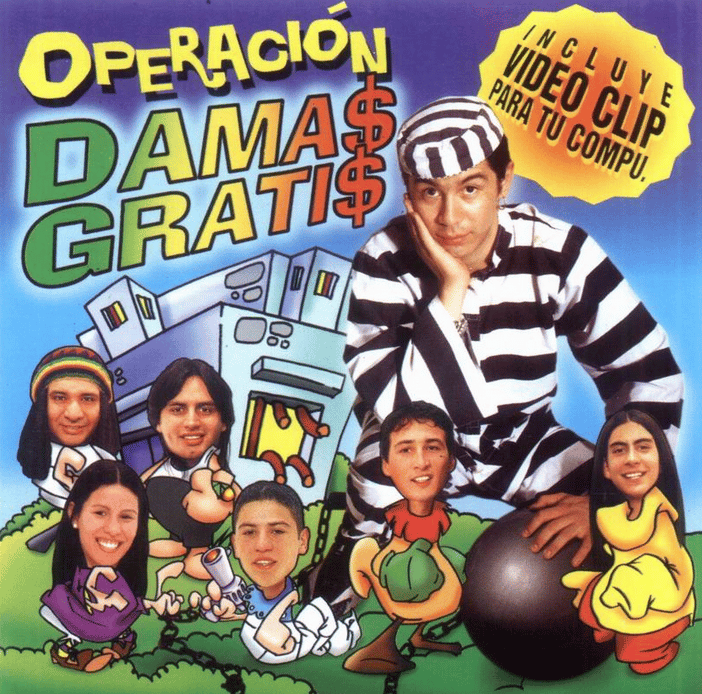
La cumbia villera extended to other villas across the country, it extended to the sibling countries next to argentina via the jail culture. I came to it as a tween, when I started to be into punk, around 12-13 years old, my hood punk friends were burning CDs that would have Eskorbuto, la Polla Records, Sin dios, Dos minutos and Flema, and some times some Pibes Chorros, some Damas Gratis. The rhythm was different, the feeling was the same. Anti cop, anti jail, anti state, criminal, drunk, drugged… My dad who woke me up all my life at 6am whistling loudly all kinds of cumbia Amar Azul, Rafaga, Los Mirlos, La sonora de Tommy Rey, Los Palmeras, and a long ass fucking etcetera, used to hate when I listened to cumbia villera. And would look at me with disapproval face, “why are you listening to this shit this jail shit?”, meanwhile I would scream with my friend Lolo “LAURAAAAA SE TE VE LA TANGA”.
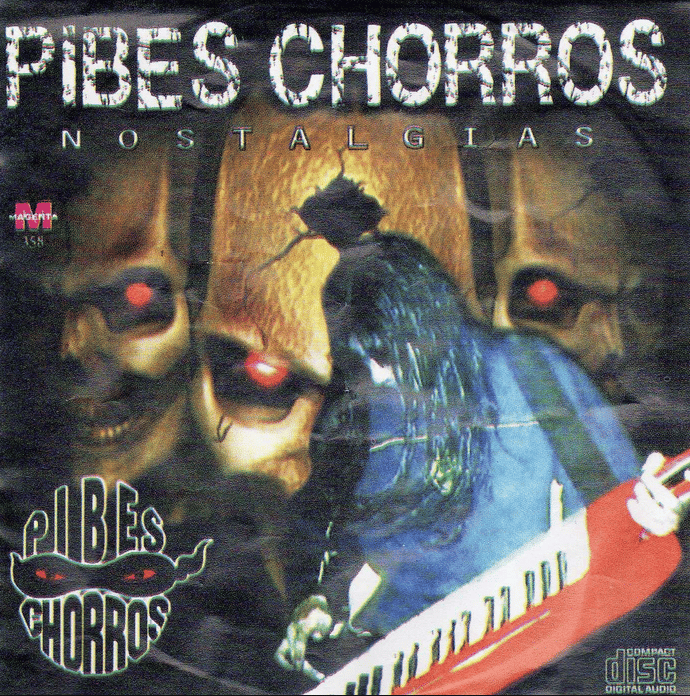
A while ago a lot of Latinxs from this side of the border where sharing this girl from Mexico who did a TikTok saying that “Cumbia was the new punk”… and I also crashed out. Lol. Because… number 1 cumbia is cumbia, cumbia doesn’t HAVE to be punk, because already IS cumbia. And number 2, because of …. CUMBIA VILLERA. Cumbia has been the punk sister of cumbia.
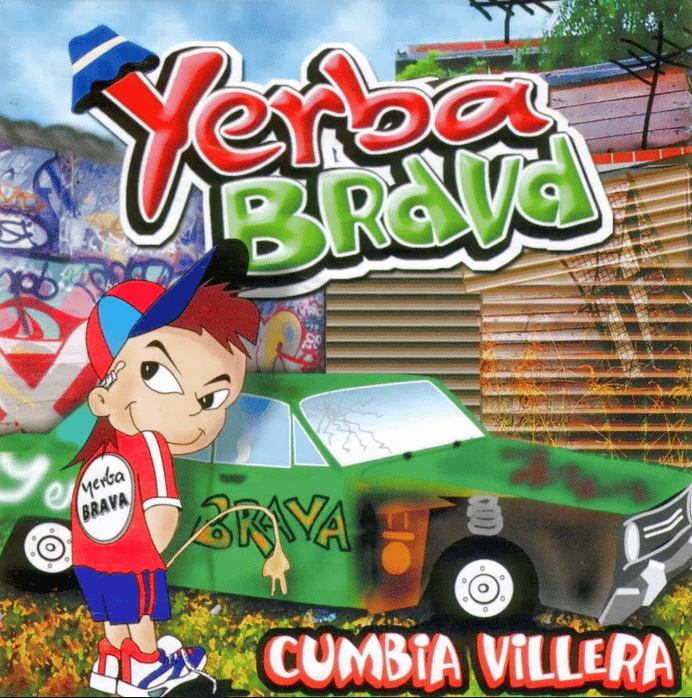
Cumbia Villera created a sense of identity in the villa, of togetherness, of pride. In Valparaiso cumbia villera will sound after punk shows, in fruit markets, streets and buses. And when I started listening cumbia villera around 2006 in argentina it already had a TV show, that me and some skinhead friends would watch in their hood in Belloto, in Chile. In the show, different hoods will be in the crowd and different bands will play. At that time there was many Argentinean Cumbia Villera sites and forums, where you could download all the cumbia you could imagine.
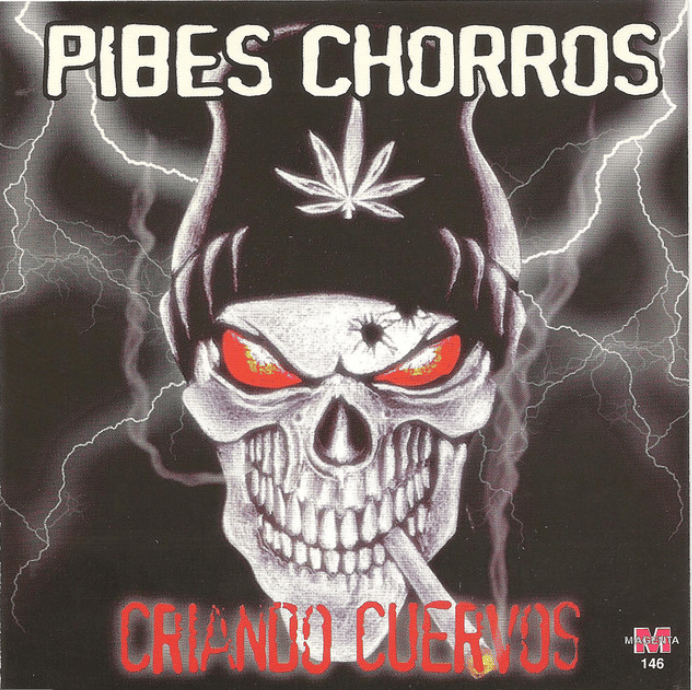
By then, cumbia villera already had begun to shift, into something more celebrity, hot boy, thing, personally I love the melodrama of the songs and the style of the singers… something that in this last 20 years of cumbia is also important cuz is gonna be the context where cultura turra from the 2011 will born… maybe I will leave this writing for some other time.
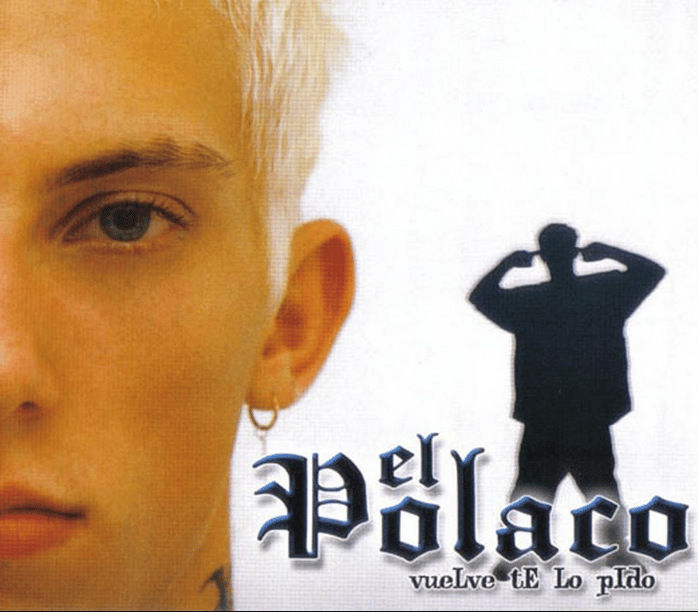
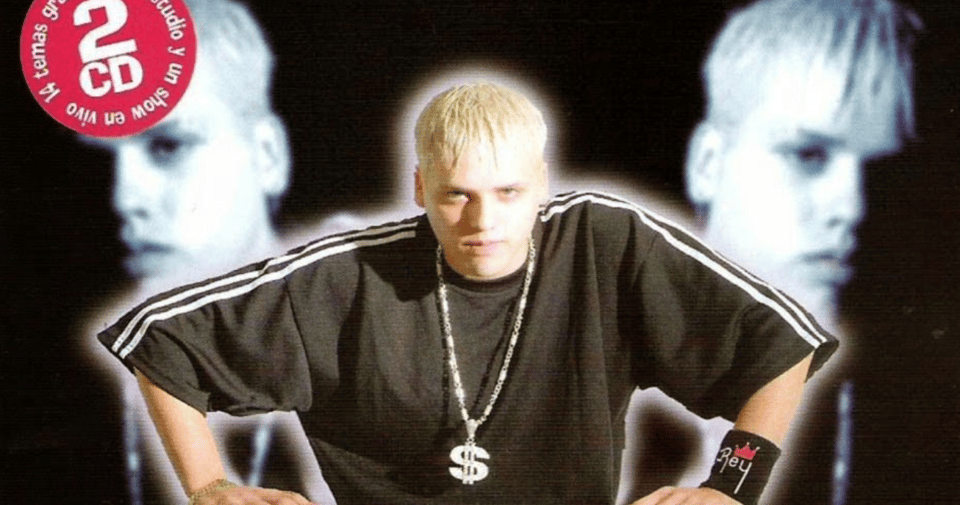
After 2011 you’ll have wachiturros, the turro and turra culture. Some kid of a boy band era heavily influenced by reggaetob and the Facebook era. Loved it, lived it in high school.


Then around those years europeans “discovered” (like Columbus discovered these lands) cumbia Chicha and that made cumbia more appealing to the white, European descendant high classes. Cumbia will be something more accepted, because will have the European validation. And so posh people will start to play it at their parties, and more hygienic cumbia (that’s another way to say WHHHHHHITE), this will be the peak era of Nene Malo, and Rochas y Chetas (something that would mean Ratchet vs boogie) is a testimony of this time. Close after this will be follow by cumbia cheta, literally bougie cumbia.
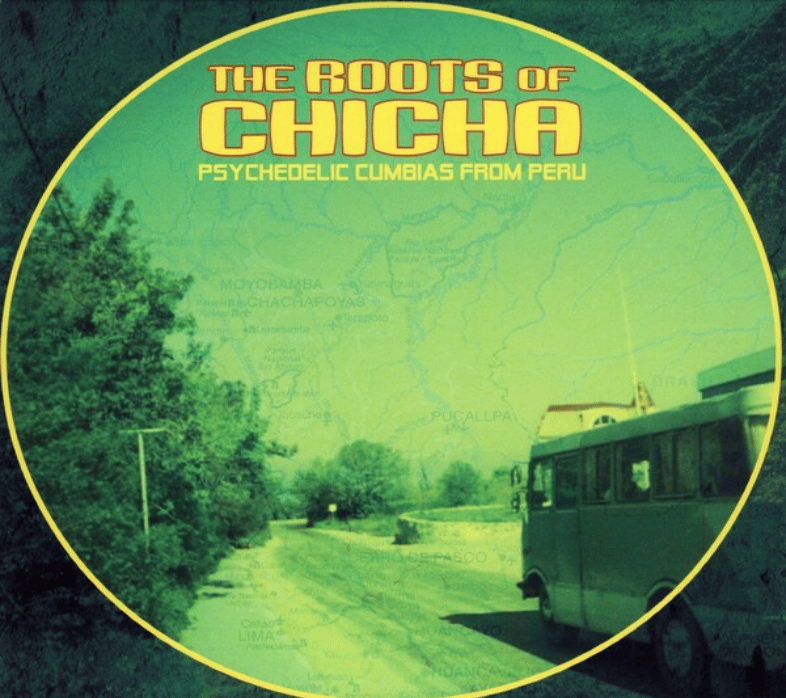

To me cumbia villera is nihilistic, from the squatted lands, lawless, criminal, anti cop, anti jail, anti rich, brown as fuck. Pablo Lescano the singer of Damas Gratis has always been for squatter rights, and some punk friends have meet them while documenting squats in latinamerica.
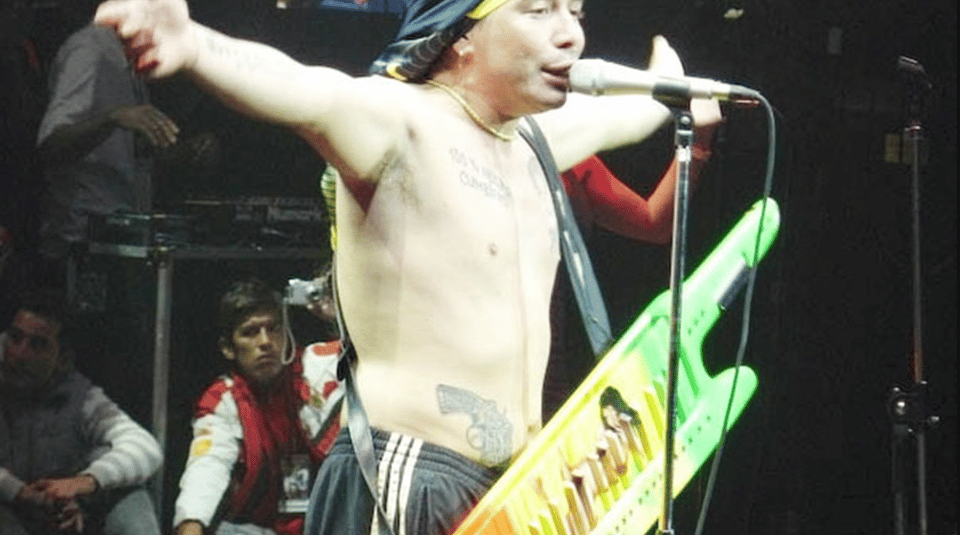
This here is a selection of songs and subjects I think are relevant:
Context:
Pibes Chorros - Muchacho De la Villa: a clear testimony of the life and context of the kids from the villa.
Damas Gratis - Quieren Bajarme: Tells how his identity gets him arrested, and explains the racial discrimination from cops and the justice.
Damas Gratis - Laura Se te ve la tanga: A look into the life of girls from the villa, a song about sex work.
Yerba Brava - La cumbia de los trapos: The relationship of the hood and soccer culture. Whistles from hoolingans will appear in hood cumbia, also influenced by the whistles of “la murga” the carnival from afro origins from argentina and uruguay.
Yerba Brava - Pibe Cantina: How someone who left the villa forgets the neighborhood where it comes and now behaves like rich. I love this keyboard, is magical.
Pibes Chorros - El Prisionero: how romantic the relationship of this guy with drugs took him to steal and ended in jail.
Pibes Chorros - Botellero: Song about a scrapper looking for bottles, metal and clothes to smoke weed and drink wine.
Pibes Chorros - Somos 5 amigos: about the reality and the values of his group of chorros (criminals)
Anti-cop:
Yerba Brava - Sos Boton: Transition of a villa kid to become a rat, a cop. This band till today is super anti cop.
Mala Fama - La Marca de la Gorra: a subject that will repeat between cumbia villera and also punk from the time in argentina, a class traitor, a kid of the villa who became a cop.
Damas Gratis - Ahora nosotros tomamos el control: super hard song about a mutiny in a jail.
Pibes Chorros - Poliguampa: Hating cops and revenging them by fucking their wife when the cop is out policing. Okay fine, this one is misogynistic.
Drugs:
Mala Fama - Me hice mala fama: He tells how he got the fame he has, he started to hang with the vagancia (the corner kids), and he started taking drugs and wine.
Damas Gratis - Yo tengo una piedra: song about the relationship of Pablo Lescano and cocaine.
Damas gratis - El boxeador: Also about Pablo lescanos love to cocaine, but the metaphor is sick “I wanna be a boxer so I can hit the bag”.
Pibes Chorros - Empastillado: Amazing song about tweaking.
Pibes Chorros - El tano pastita: song about crack (pasta). “My friend nano prepares pasta (crack) with love he never cuts it because it loses taste, eats raviolis all week, pasta drives him crazy night and day, nobody makes it like him, that’s why the vagancia hangs at his house”. Literally chefs kiss.
These are all the ones ill put for now, I know that there’s so many I haven’t put yet and if you wanna reply to this and send me the ones you like and why I would absolutely love to share those songs on a next email.
I will also add at the end of this email a few of my favorite Argentinean cumbia, is is and that is not necessarily cumbia villera.
Los Palmeras - cumbia santafesina
Adrian y los dados negros - a classic from my childhood
Amar Azul - a classic of busses, and a song my dad used to drive me to school to
Gilda - the soundtrack of slutty argentinean ladies, gone to early became a saint
Rafaga - classic romantic cumbia anthem, the music video goes hard
Grupo Red - reminds me to my friend Sinsi
Agrupacion Marilyn - the golden era of the TV Pasion de Sabado
El Polaco - hot white boy celebrity era of hood cumbia, here cumbia becomes less political and more towards teenagers, more romantic
Johny El Polaquito - teenager cumbia singer
Nestor en Bloque - i love most of his songs, songs to sing out loud also fan of his style during this era.
Puro movimiento - hymn from my highschool era
El original - this and puro movimiento go back and forth. Love this lyric
Re piola - from the boy band era of villera, still with the nihilism of og cumbia villera
supermerka2 - super villera keys, like mega villera
Club Atletico Chanchin - other band of supermerka2, mega hood, crazy keys
Wachiturros - boy band of hood cumbia heavily influenced by reggaeton and facebook era, it started a subculture with style, dance steps, and such a heavily influence that the urban legend says Lacoste payed them so they didnt used the brand.
Culisueltas - girl band where their dj was trans and they threw hands on TV defending her friend from some transphobes
Nota Lokos - mega facebook turro era
Nene Malo - response to the era where cumbia became accepted by the bougie
El Apache Ness - same era
Los Turros - this song was super playing when i was in college in Buenos Aires and me and my friend Luna used to sing it lol
Mak Donal- i loooooove this song, turro version of reggaeton song
Rombai - technically not argentinean, they from uruguay but is the biggest example of cumbia cheta
Sara Hebe - alt indie vibes, woke
and so, so many more… these is just a few.

I need to say two things to end this email, first one is cumbia villera misogynistic or isn’t the world that’s surrounding it misogynistic? is the context of so many music we love and like crossed by that same context, and we don’t seem to point fingers to it. One could argue that in context of patriarchy men will make misoginystic music. Maybe on this point I am wrong. But I’m starting to get tired.
And last thing when more than someone is telling you, you were inaccurate with your analysis, or that that was fucked up, it pisses me off the classic “stop crying”. Like if we’re immigrants in this context of fascist anti immigrant America can we stop using the same tools of white supremacy to avoid being accountable.
In America the hate for Argentineans is extended, and there’s many reasons, one of the biggest behind it the explicit racism. But I never get tired of saying, that argentina isn’t white, and the white Argentineans here are the ones who can cross the border and afford a flight here. I had a beautiful time living in Buenos Aires when I tried to study medicine there, what I ended doing was connecting with the culture and its people and understanding even deeper what is today the culture behind the relationships of Argentineans and cumbia. I don’t consider myself owner of all the truth, in 2001 I was a kid anyway I was in Chile during that time, and Ive learned all this through the hood in Chile and migrating and living for a few years in Buenos Aires. So don’t take my word so heavily, I’m just sharing you the little bit I understand about it. And I hope this can just extend this conversation about culture, context and the information we share.
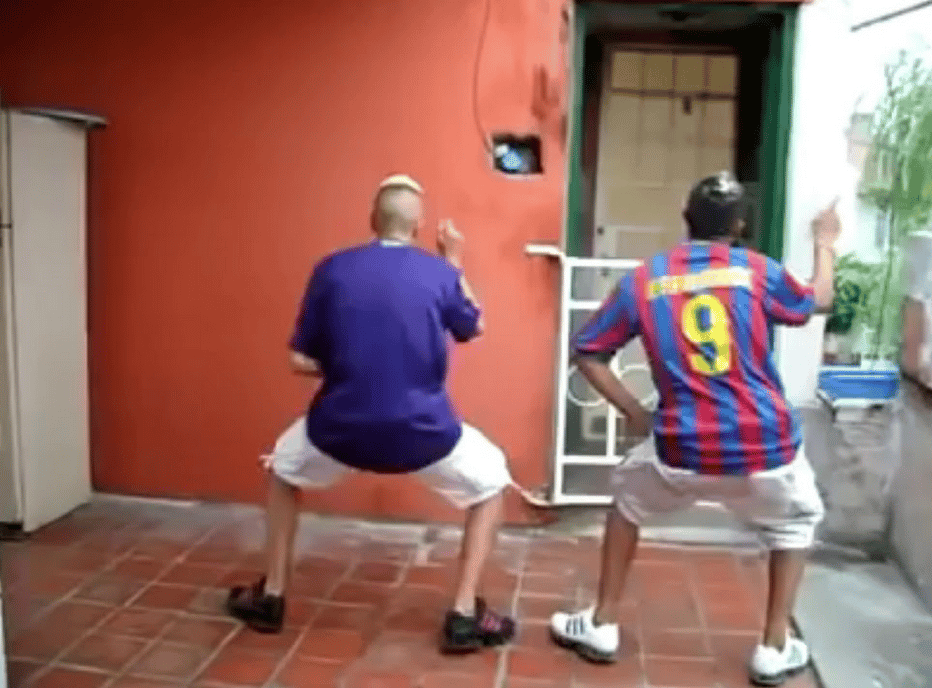
I hope you enjoyed this newsletter as much as I enjoyed writing it. This is my cultural crash out and for sure a dr bronner. I hope you enjoy the art of the album covers and the songs I add.
This is for educational purposes not for kids like Sarah Broski to pretend theire from la villa and talk in a slang they dont understand - yes this is pointed. Theres also lack of understanding and power dynamics in caricaturizing la cultura del barrio. xoxo
anyway, as always much love!
and enjoy pride weekend
Article from 2003 about the economy in Argentina - https://www.lanacion.com.ar/economia/la-pobreza-afecta-ya-a-casi-21-millones-de-personas-nid470589/


Add a comment: