The Fold: Palettes, Pigments, Protests
This issue of The Fold includes info about a natural dye show, pigment-making history, and protest quilts in America.
Welcome to another edition of The Fold! Pull up a chair, there’s plenty of room. I have some juicy stuff to share with you this week.
In this issue:
Palette Swap opens soon!
Documenting Natural Dyers in America
New Protest Quilt in Minnesota
Good Trouble Quilts
Palette Swap Opens October 2nd
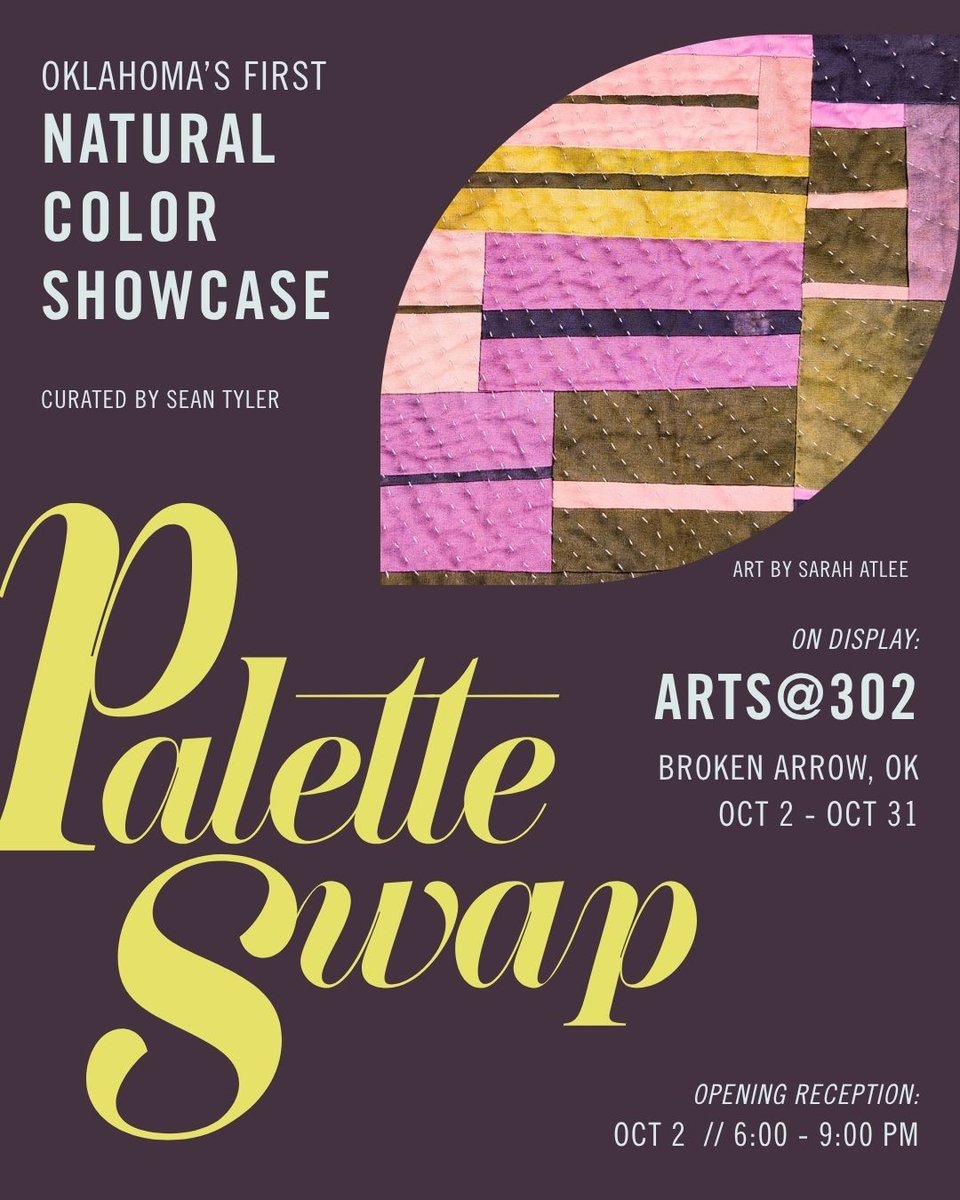
What: Palette Swap, a group exhibition showcasing natural dyes, curated by Sean Tyler.
When: 2-31 October 2026
Where: Arts @302 in Broken Arrow, Oklahoma.
Opening Reception: Friday, October 2nd, 6:00 - 9:00 pm. Free to attend!
Broken Arrow is about a 90 minute drive from Oklahoma City and about a 30 minute drive from central Tulsa.
From the curator, Sean Tyler:
Palette Swap is the first Oklahoma art show to focus entirely on natural color sources. Palette Swap features artists working with natural dyes and other organic art materials and reimagines the color palette of the art world. The show has been organized and curated by the artist and dyer Sean Tyler. The exhibition will be on display at Arts@302 in Broken Arrow Oklahoma from October 2nd through October 31st.
This group exhibition is curated of craft and mixed media artists. 30+ artists will be sharing naturally colored pieces, with many creating entirely new works for the occasion. The colors featured will come from a combination of grown, foraged, and purchased natural dyes, soils, earth pigments, and more. Many colors come directly from plant sources, including wildflowers, shrubs, heartwood, and roots. Artists are also using cotton, silk, wool, paper, soil, and ash to create their pieces.
I have two brand new quilts in this show, along with some potholders and coasters I made for the gift shop (pictured at the top of this post). I hope you get a chance to visit!
Documenting Black Dyers
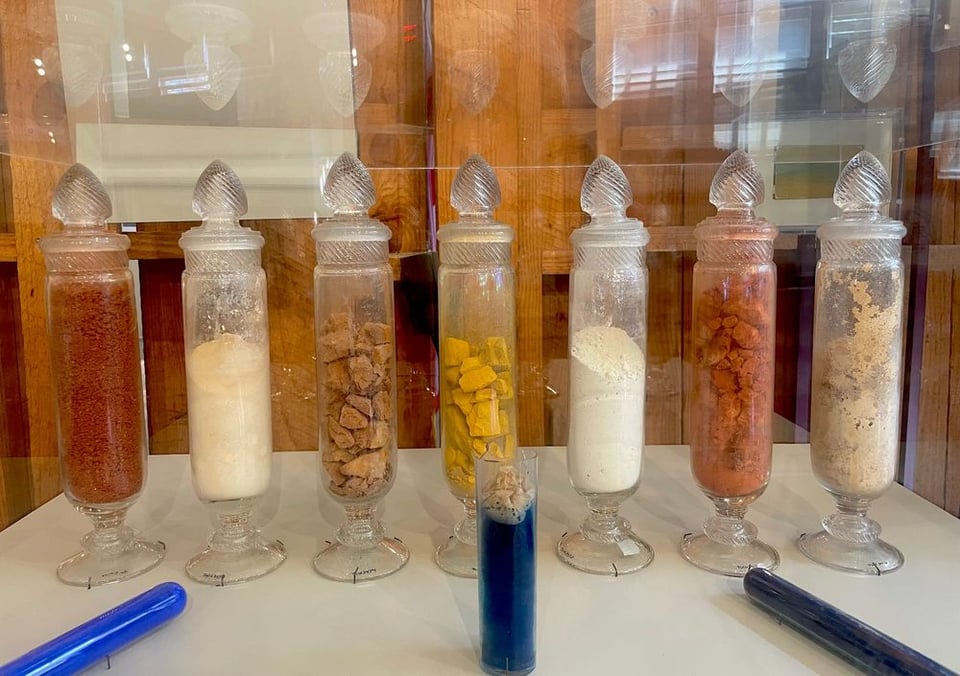
Hyperallergic has a great article by Teju Adisa Farrar about the lack of historical documentation surrounding Black American natural dyers. I didn’t know that this includes George Washington Carver!
Despite its foundational role in art and everyday life, natural pigment-making remains largely absent from institutional craft archives. As a researcher and environmental designer, I am deeply invested in Black people’s relationships to plant dyes, sustainable materials, and natural fibers. Yet, in searching for these histories, it seems that the archives fail to fully document the depth and breadth of this knowledge. What I found instead reminds us that pigment-making is an environmental craft tradition worthy of preservation, study, and contemporary revival.
You can read the whole article for free by creating an account on Hyperallergic.
New Protest Quilt Just Dropped in Minnesota
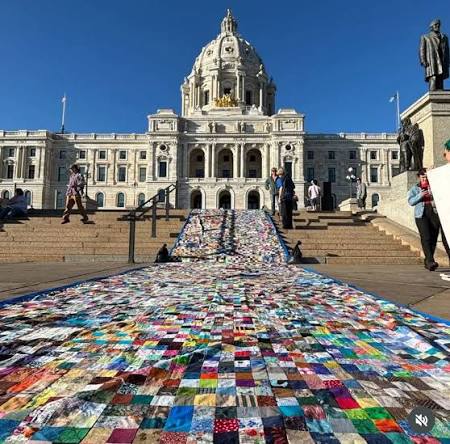
Quilters have a long history of using their medium in service of social justice. An amazing new example was unveiled in Minnesota this week.
Every square of fabric in this quilt represents a person who was abducted, detained and/or deported by ICE. The people of Minnesota, the target area of Operation Metro Surge (an ICE operation during which Renee Good, Julio Cesar Sosa-Celis, and Alex Pretti were killed by agents), have worked together to represent ICE’s terrifying (and often illegal) activities as a tangible object.
In a post on the @stolenneighborsquilt Instagram account, the organizers note how the community came together to support this project.
“So many contributors made this project possible, from the dozens of neighbors who cut out, decorated, and sewed the components; to the local sewing shops who donated fabric (@lakesmakerie, @knitandbolt, and @sewingloungemn), to @textilecentermn , which served as a pick-up/drop-off hub; to @artbuddies and the Whittier Elementary School summer program, which helped us organize a workshop there; to the Whittier students who illustrated more than 100 squares that are now in the quilt. Tremendous work, everyone!
The quilt as a physical object may be completed, but what it represents is not: an ongoing, and in fact perpetual, project of solidarity. Each square represents a real person who was torn away from their life and home. Thousands have been deported. Many others are trapped in concentration camps. We have a duty to continue supporting them and the families left with their absence. And we have a duty to our neighbors who are still here: don’t let the people in power rest until Minnesota is safe for all of us.”
Related: This year’s Minnesota State Fair art exhibitions received a record-breaking number of submissions, many in protest of ICE and Operation Metro Surge. Read more at Minnesota Public Radio’s website.
Good Trouble Quilts Honoring John Lewis
In 2023, the Southern Poverty Law Center (SPLC) launched a traveling exhibition of quilts inspired by civil rights activist John Lewis (1940-2020). From what I can find online, the exhibition is still traveling, so if it comes to your area, don’t miss it!
You can see images of several of the quilts and read the stories behind them on the SPLC’s website. (Thanks to my friend Linda T. for sending me this story!)
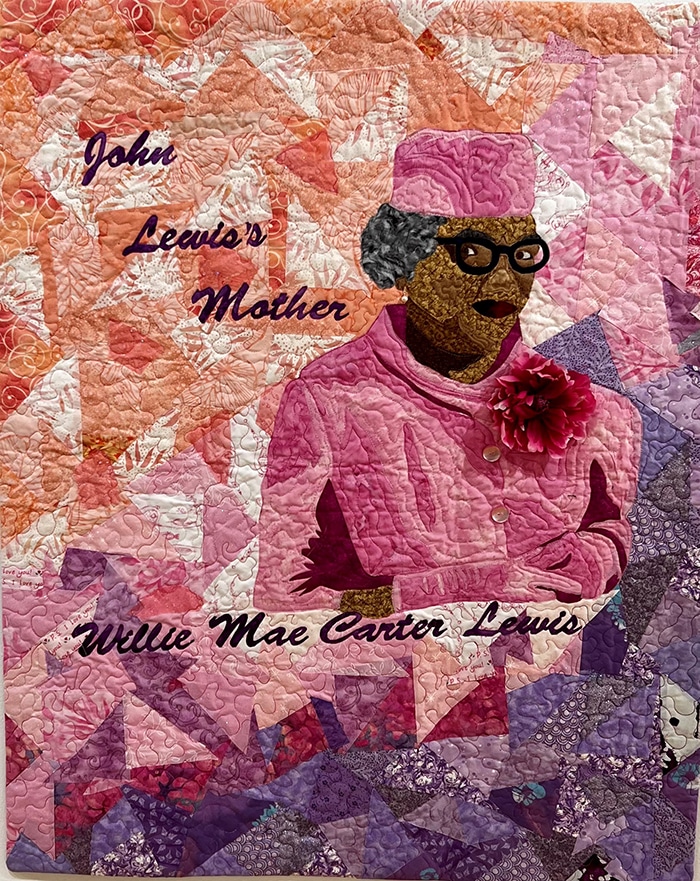
Ora Clay, creator of this quilted portrait of John Lewis’ mother, says, “We can’t depend on others to tell our story. This is my story. They can’t tell it as we can. Through our arts and quilts, we can do that.”
A GIF For Those Who Read This Far
Until next time,
xoxo Sarah