Idle thoughts
Idle animations are everywhere in games, but these are the ones that stick out to us.
by Rollin Bishop, Kambole Campbell, and Toussaint Egan
This is part of re:frame's Per Second, a month of coverage focused on all the ways animation touches video games, from the culture surrounding the medium to high-profile outliers to the everyday bread and butter of video game animation.
Put reductively, animation is all about movement, about bringing objects and characters to life through the variance in frames. Since animation is such a big part of video games, naturally, we in the Re:Frame braintrust thought, "yeah, cool, but what about standing still?" 'Idle animation' is a bit of an oxymoron and an incredibly minute part of the visual language of video games, but one which feels tailored to this environment.
In the space of TV or film or a short this probably would just be called "acting," but video games are part function and consumer product and so the tone of the language tends to match this. The idle animation is basically proof of life, a way to make these characters exist in the absence of player input, or even just to add personality in a game where more traditional animated expression outside of combat is a little more limited (say, a fighting game).
Back in 2019, Heather Alexandra wrote for Kotaku on the importance of these moments to video games, stating that "it is during idle animations that those characters most successfully get to be themselves". Video games are so often talked about in terms of player expression, player interactions with a 'sandbox' which they can manipulate at will. But, such as in Alexandra's piece, it's also important to think of how the developers express their interpretation of these characters, how they bring them to life.
Here are some which have lingered, dramatically posed, in our memory.
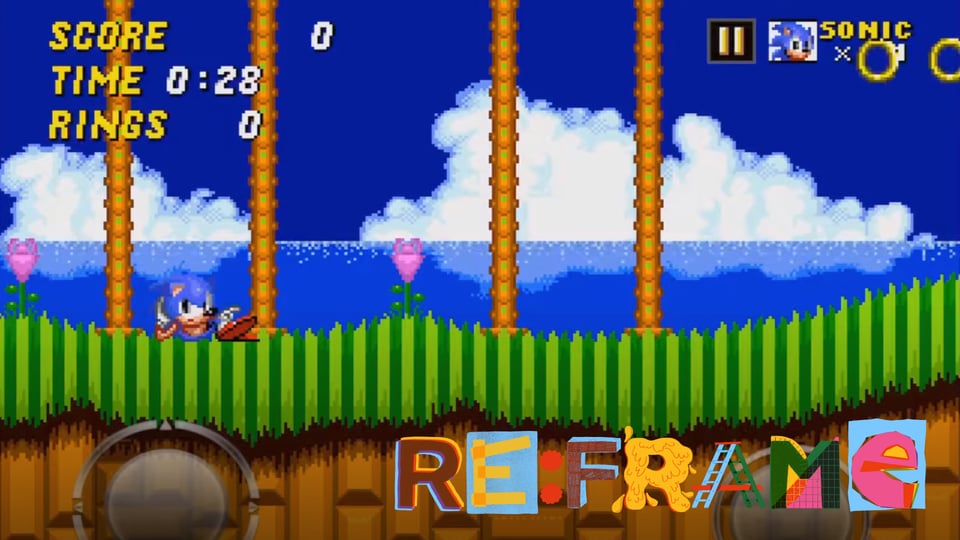
Sonic the Hedgehog 2
This, for me, defines idle animation in video games. It's part nostalgia, sure, but I would argue 100% stands the test of time. Particularly Sonic's idle animation, where he taps his foot, looks at the player, checks his wrist — assumedly to see how long it's been — and so on.
While minimalistic, it conveys a lot about Sonic's personality in a video game that otherwise eschews putting much onus on defining who or what Sonic is. But between the mechanical aspects of the game (gotta go fast, you can literally turn into a ball of speed and zoom around) and the brief interaction here, it's clear: Sonic values speed. Sonic doesn't like to waste time. And, when he is forced to waste time, he is impatient about it. - Rollin
Genshin Impact
On the exact opposite end of the spectrum, Genshin Impact is, for my money, the modern benchmark for idle animations. There are over 100 different, distinct playable characters with their own designs, voice actors, backgrounds, and abilities. That's not counting the various alternate outfits that are also available for purchase, though these don't functionally alter the idle animations of the characters.
But each and every one of those playable characters has its own set of idle animations. The quality and complexity varies, but developer Hoyoverse has increasingly been going above and beyond with the idle animations of each new character. Columbina, who released earlier this year, is a personal favorite. - Rollin
Jak and Daxter trilogy
Video games take themselves way too seriously nowadays, and I say that as someone who thoroughly enjoys dark brooding narratives set in bleak apocalyptic worlds. The very best idle animations offer a glimpse into a character's personality, and there are few better examples of this than in the odd couple dynamic of platformer protagonists like Jak and Daxter.
Over the course of the series' three tentpole installments, Jak and Daxter's idle animations offer a glimpse into the evolution of their friendship. Where Jak might have been willing to goof off and dance alongside his ottsel (half otter, half weasel) sidekick in the first game, the span of time between The Precusor Legacy and Jak 2 sees Jak undergo a noticeable shift in his demeanor, either outright refusing to play along or reluctantly laughing at Daxter's shenanigans despite himself. Naughty Dog may have left the series behind, but the thoughtfulness that went into Jak and Daxter's animations stands the test of time. - Toussaint
Magneto (X-Men: Children of the Atom, Marvel vs Capcom 2: New Age of Heroes, more)
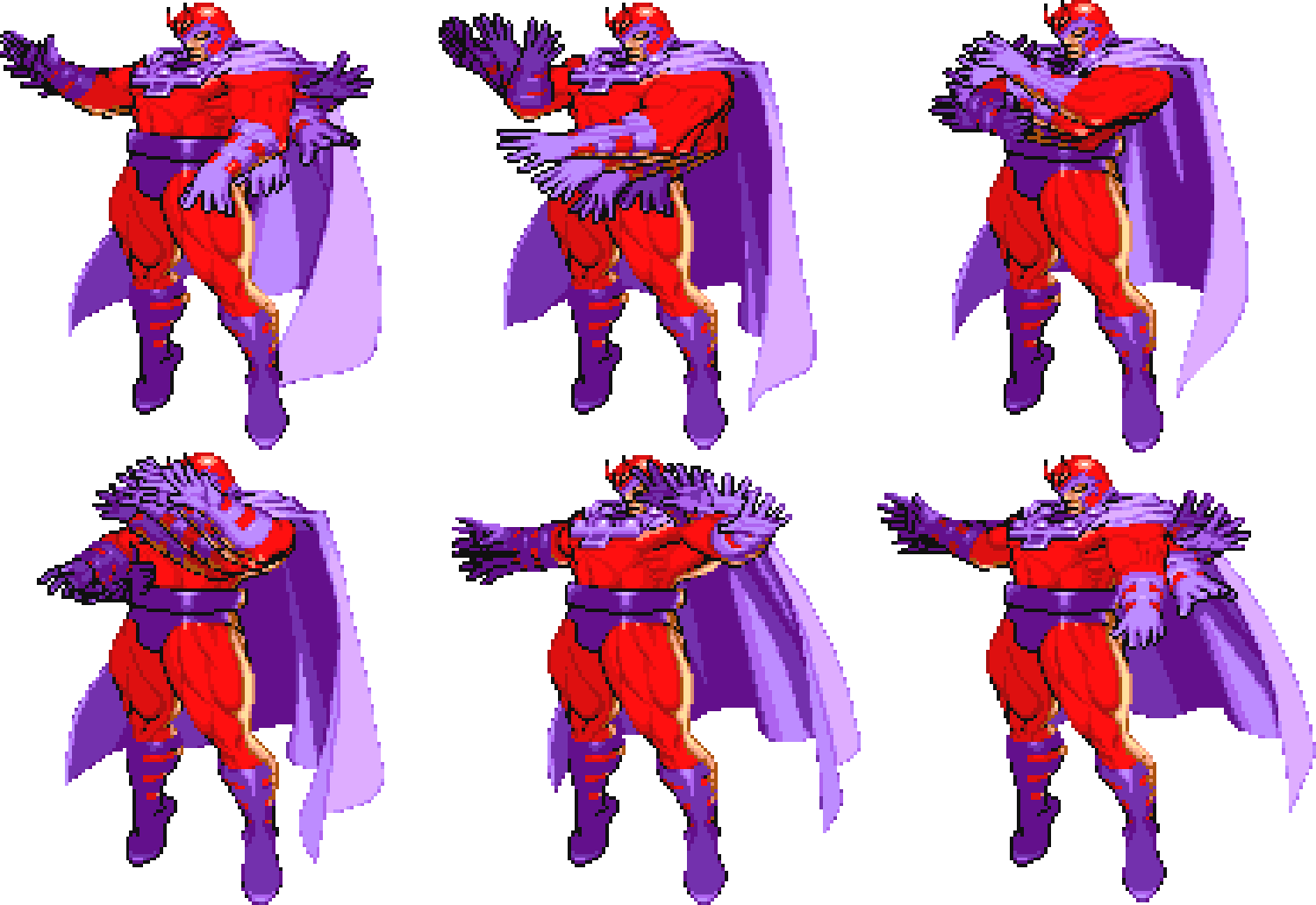
There's not a lot of time for stillness in fighting games, so idle animations here don't typically have very long loops, and a fairly limited scope of movement. It’s not quite the same as leaving Mario (or Sam from Death Stranding) long enough that he takes a nap. A further consequence of that is that if you want to convey personality (beyond the taunts and oft-repeated lines of dialogue), you need to encapsulate the tone and style of your character through the pose, posture and (relatively) minimal gestures and effects. This is part of why I'm thinking about Magneto in the fighting game Marvel vs Capcom 2, which is already known for very striking art as well as the chaotic fun of its crossover roster.
Magneto's pixel sprite floats and rotates his hands as though manipulating the air around him – light work for the master of magnetism – but what enhances the animation is the use of multiples, turning a simple movement into a pretty awe-inspiring one. The animation actually originated with the earlier Capcom game, X-Men: Children of the Atom, and the longevity of it speaks to how big an impression it makes: even being recalled in this year's Marvel Tōkon: Fighting Souls. Even with the higher fidelity visuals, without the multiples it's not quite as impressive, a rather remarkable testament to the power of some of 2D animation's oldest techniques. - Kambole