quantum of sollazzo logo

quantum of sollazzo

Archives
Sponsor
Subscribe
September 19, 2026

preview 676: quantum of sollazzo

Quantum of Sollazzo

NO. 676 ·

alt text

Did someone forward you this email?
If so, you can subscribe here.

You can view this email online here.

Things that caught my attention

Hello folks. Just a quick notice: I'll likely skip the next QoS because I'm getting some minor surgery done. Nothing life-threatening, but I'll have to slow down for a few days. Nothing to worry about 😃

Quantum #675 had an open rate of 48% and a click rate of 15%, and the most clicked link was this entertaining interactive experience of Claude Opus 4.5 over-engineering a simple request.

·

In this issue, you'll find a few interesting goodies, including a brilliant write-up from Robin Linacre, a Civil Service data scientist and regular Quantum presence, of his experience of how data scientists can still work in the age of AI.

Slightly connected is the interesting take that suggests pandas should go extinct (no – not the animals), because of how its inefficiencies create terrible incentives for developers. I wonder if these incentives also work for LLM-written code.

A brilliant article on the Tedium newsletter reports the increase in agent-written e-mails, some of which are spam. On this note, I've started receiving some curiously written pitches for Quantum, recently, and I've been working out some are actually agentic – that doesn't mean that the topic they write about isn't worthy, but this is definitely making me think twice about what I should do with them. On this topic, also look at Dan Hon's most recent recent newsletter.

·

One brief thought: I'm increasingly realising how QoS is becoming AI-dominated. At the beginning, I was trying to steer away from AI, making QoS specifically about data. But this specificity can no longer hold true in a world that uses AI for pretty much everything, and I'm no longer sure about where to set the bar.

Your views on this are, as usual, most welcome. Just hit reply!

·

To close off this issue, let me remind you that, in this world of hype, bullish and bullshit are only one letter away.

'till next issue,
Giuseppe @puntofisso.bsky.social

Topical

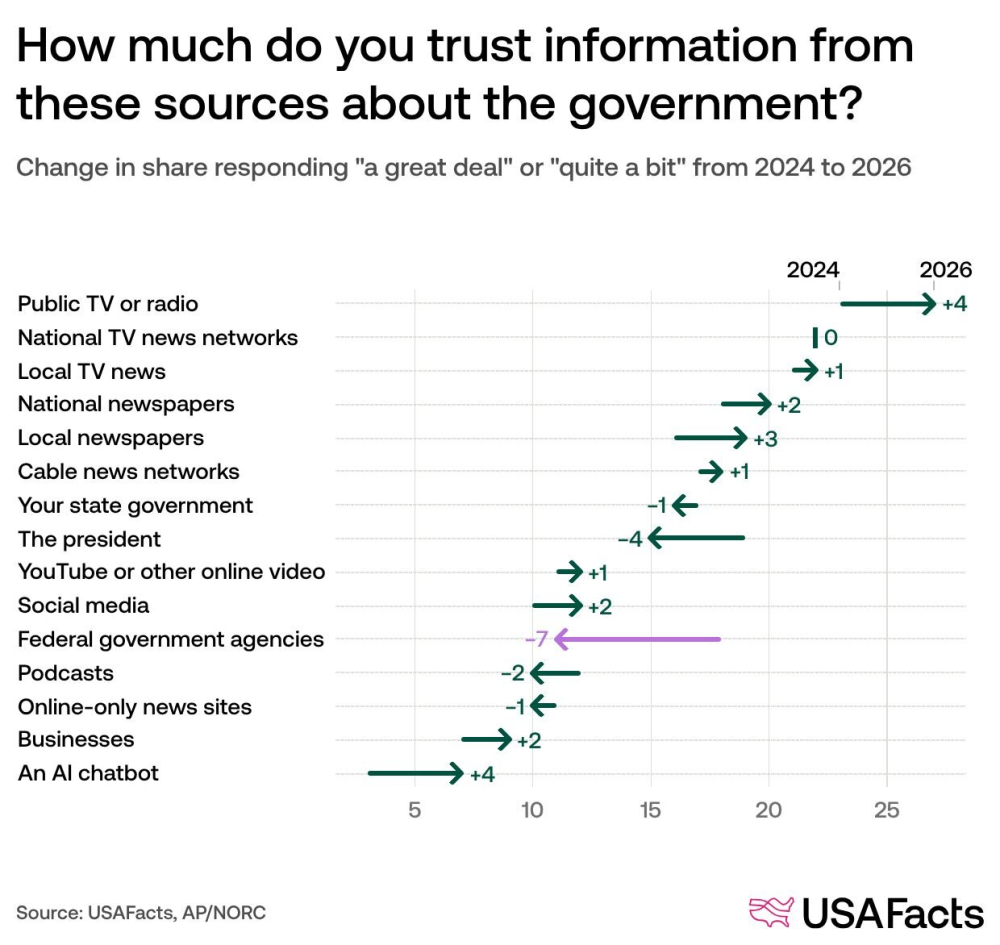
America's public data has a trust problem. Now what?

USAFacts: "It is often said of trust that it takes years to build and seconds to destroy. Is America’s federal data infrastructure experiencing those destructive seconds?"

America_s_public_data_has_a_trust_problem_Now_what_9d7e3b8b_1_chosen.png

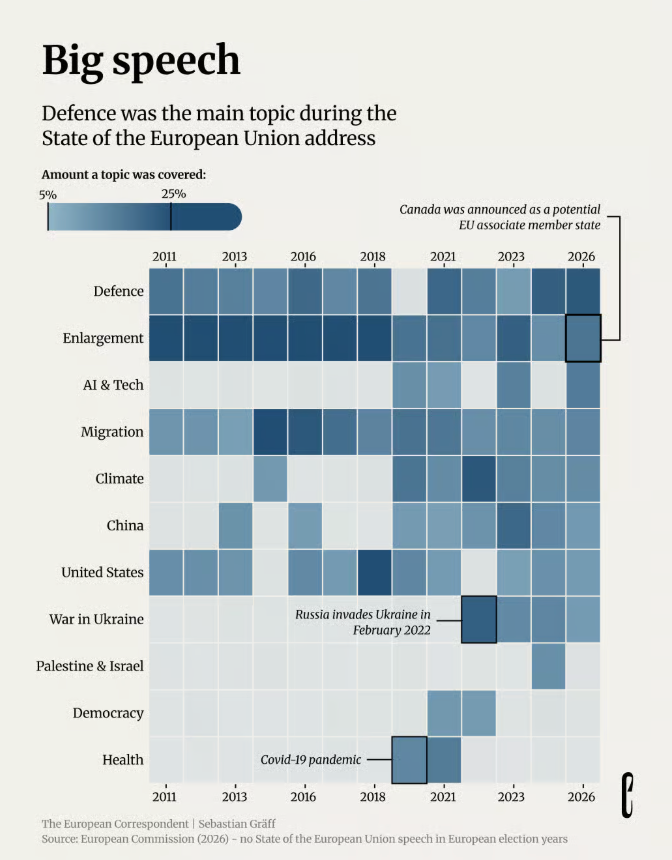
The EU's plan to fix everything, sort of

Aoife White, for the European Correspondent, takes a look at the European Commission President's State of the Union speeches.

Screenshot_2026_09_17_at_17_24_13_uploaded.png

AI in Government: From Fraud Detection to Crocodile Tracking

Let me blow my own trumpet a little 😃
My boss and HMRC AI Overlord James Mitton wrote about the Global Government Forum study – a piece of research examining how public sector organisations worldwide are implementing AI beyond pilot programs into practical applications – mentioning yours truly. Here I am, saying one of the things I care the most about: "The most successful AI initiatives focus first on the problem, not the technology. Strong governance, trusted data and skilled people create the conditions for AI to deliver meaningful outcomes at scale."

Sponsored by Jane Street

Jane Street depends on all sorts of messy, real-world data to understand financial markets and the global economy: think world news, decades of weather patterns, deidentified credit card spending, or packet captures of stock exchange market data feeds.

We're hiring Data Engineers to turn datasets like these into reliable inputs for trading. Working closely with our researchers, you'll evaluate unfamiliar datasets, build robust ELT pipelines, develop deep domain expertise, and decide what's worth exploring next. 

The job requires a mix of engineering, data analysis, and product sense. If you love the detective work of investigating a weird dataset and figuring out what it actually means, we want to hear from you. No financial background is necessary.

We have openings in New York, London, and Hong Kong.

Tools & Tutorials

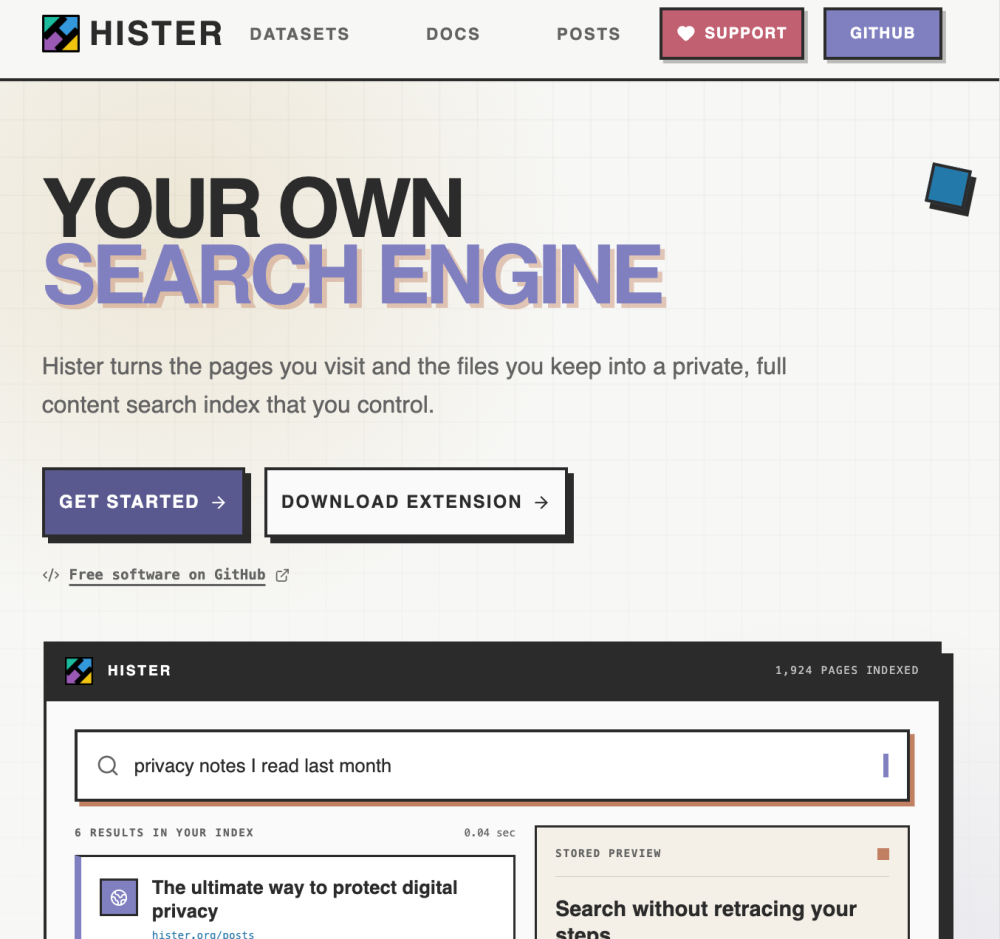
Hister

Hister is an open-source personal search engine that indexes web pages you visit and local files you keep, creating a private, full-content search index under your control.

Screenshot_2026_09_17_at_17_24_34_uploaded.png

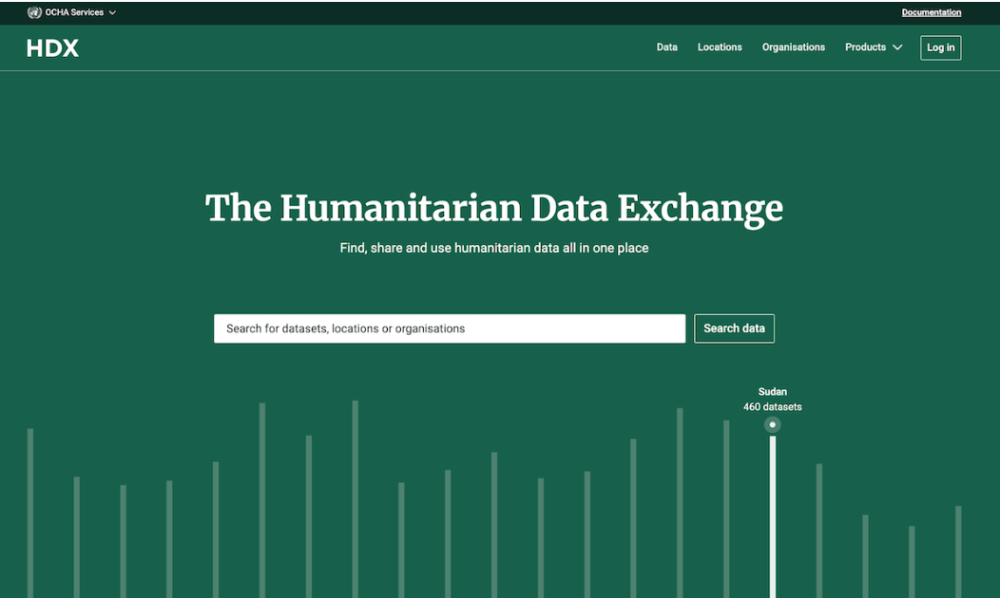
A new design for HDX

"The Humanitarian Data Exchange (HDX) platform has been redesigned to make data easier to find and understand. This is our first significant change to the platform’s visual identity since we launched twelve years ago."

Screenshot_2026_09_17_at_17_24_54_uploaded.png

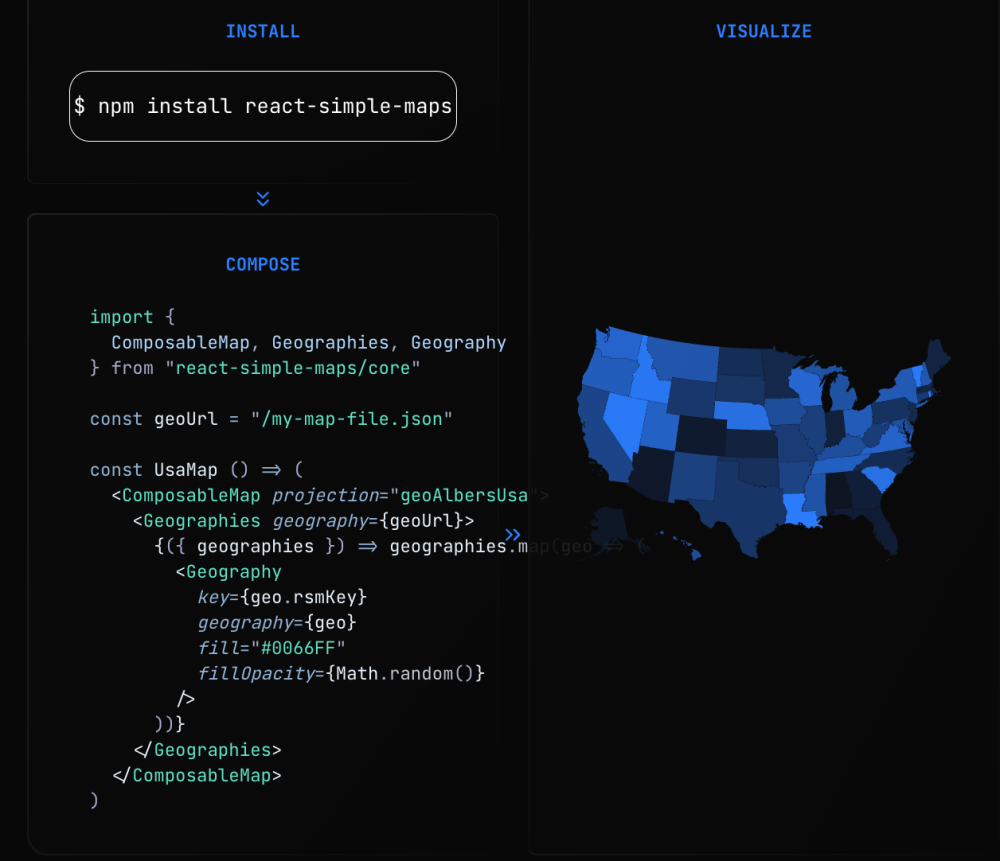
React Simple Maps

React Simple Maps is an open source library for creating composable SVG map charts for data visualisations in React.

Screenshot_2026_09_17_at_17_25_12_uploaded.png

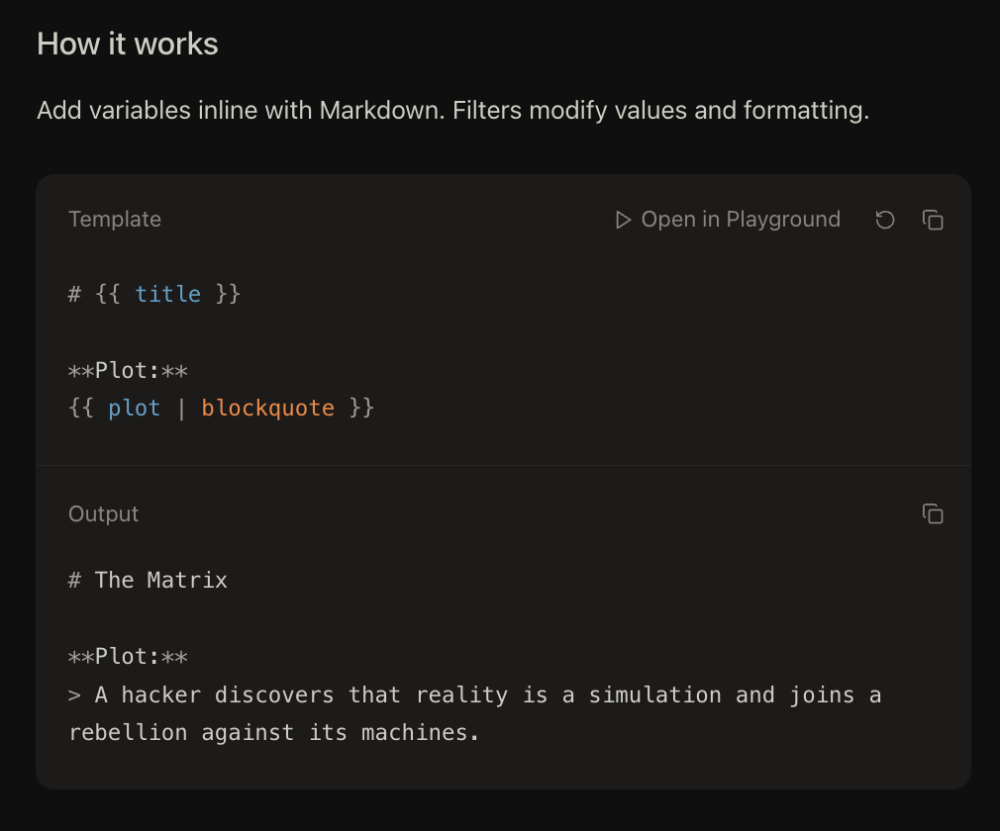
Knap

Knap is a simple template language designed to transform data into Markdown format using logic, variables, and filters. The tool allows users to add variables inline with Markdown text, with filters available to modify values and formatting.

Screenshot_2026_09_17_at_17_25_56_uploaded.png

Connecting Claude AI with Revit to Build the Colosseum

Ruggiero Lovreglio displays an innovative use of Claude (Fable 5.1) integrating with Autodesk Revit, using pyRevit 6.5.5 and the MCP Server for Revit Python. Lovreglio prompted Claude to design a 3D model of the Colosseum by retrieving architectural data from the web. "Rome was not built in one prompt but the Colosseum was!"
He has also released a video tutorial.

Data Thinking

On the Prevalence of Personally Identifiable Information (PII) in the Social Sciences

PDF and ACADEMIC PAPER KLAXON!
"*Replication packages are central to transparency and reproducibility in empirical research, yet they may inadvertently contain personally identifiable information (PII) enabling the identification of research participants whose identities were never meant to be public. We systematically analyze 327 replication packages associated with articles using author-collected data from 11 leading journals across economics, political science, and psychology to quantify the prevalence of PII. *"

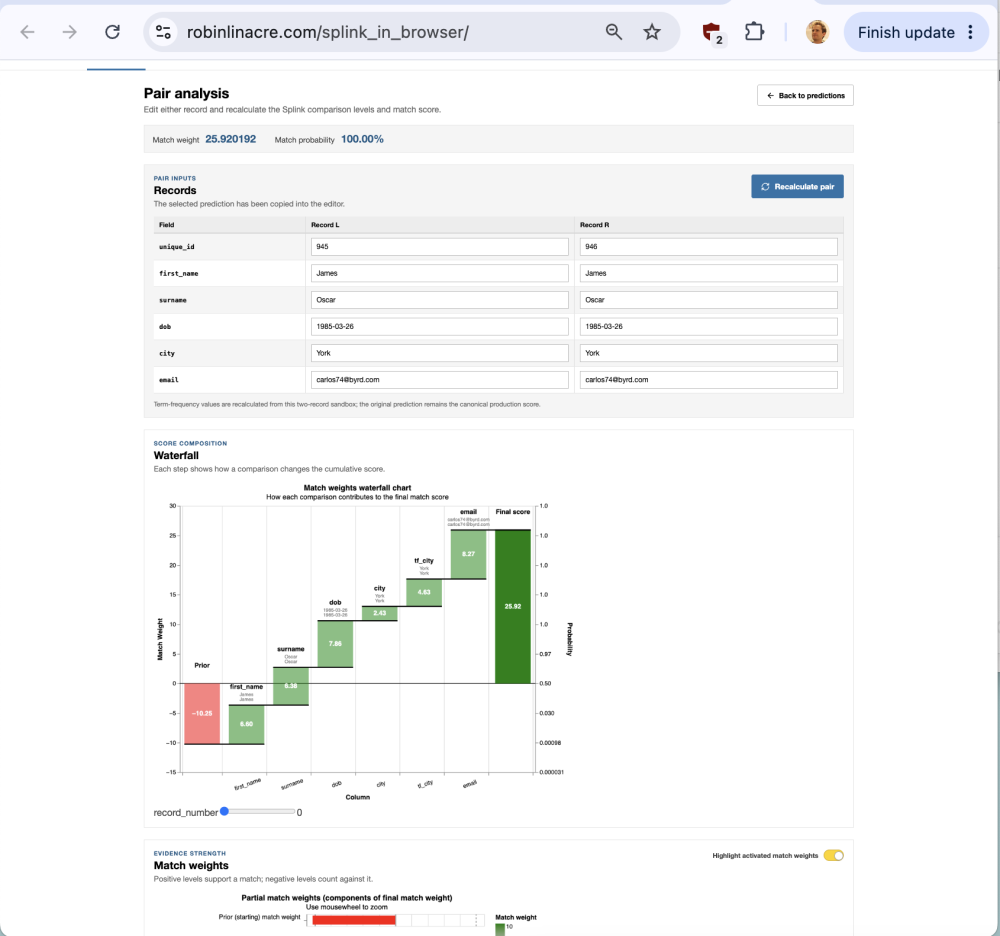
Data Science in the Age of AI

Robin Linacre reflects on how large language models have fundamentally transformed data science work over the past decade. "I used to spend most of my time programming, but in the last year I’ve barely written a single line of code."

Data_Science_in_the_Age_of_AI_f87c6e7e_1_chosen.png

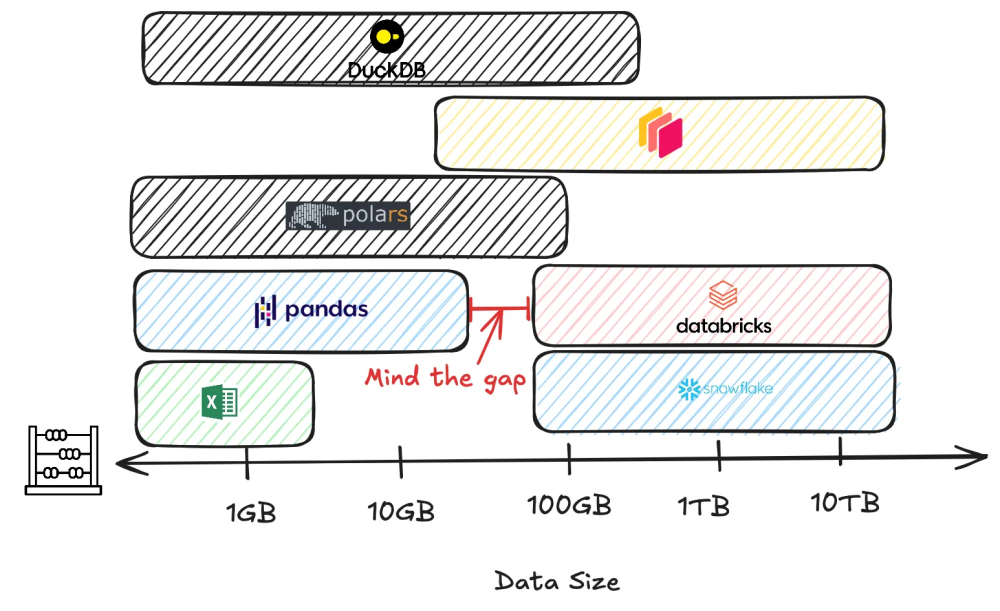
Pandas Should Go Extinct

"Pandas’ inefficiencies force you to adopt distributed querying systems before your workloads justify the added complexity. I posit that most workloads will never justify those systems, they are just well marketed “silver bullets"

Pandas_Should_Go_Extinct_67e22f95_1_chosen.png

Dataviz, Data Analysis, & Interactive

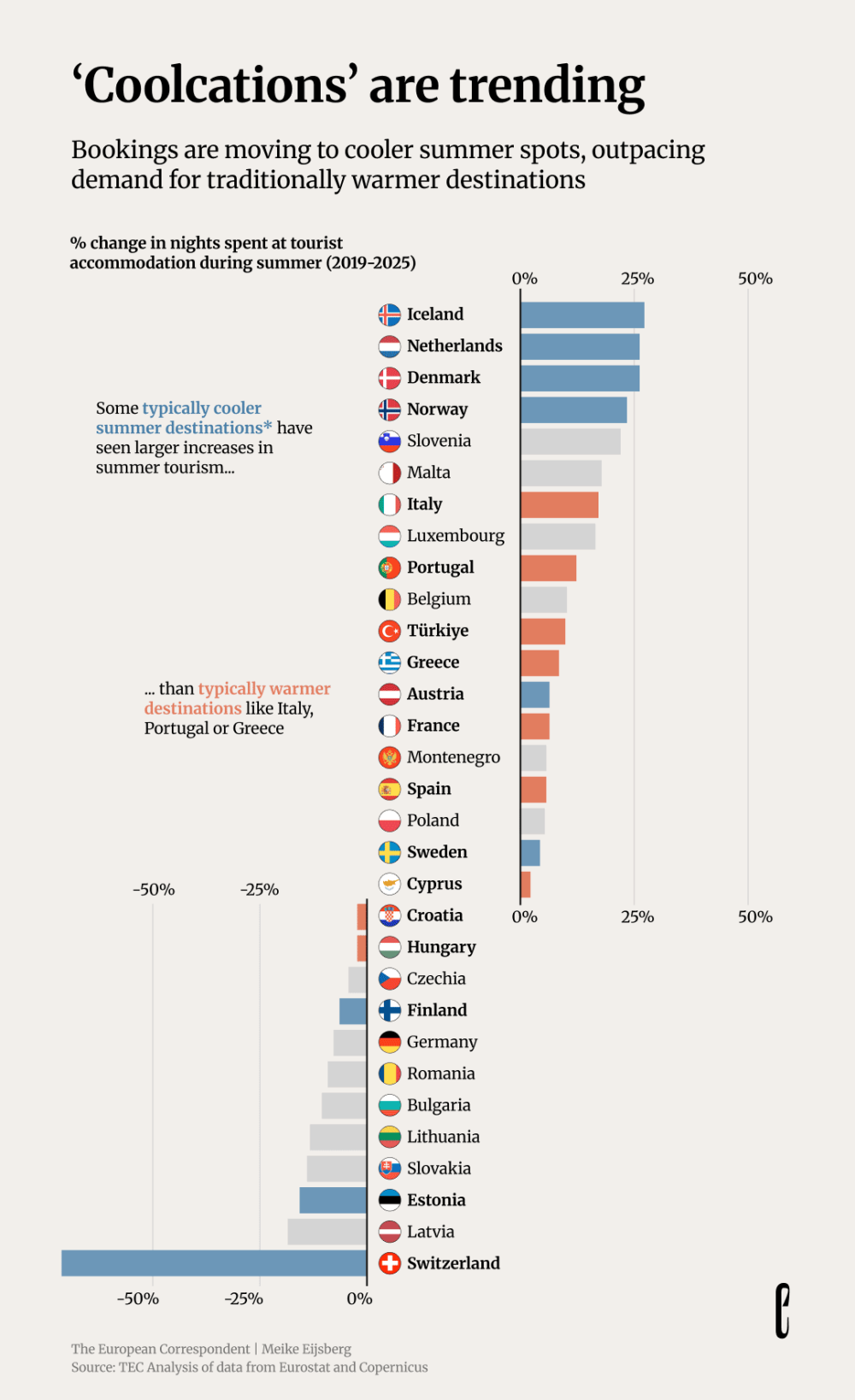
Too hot to holiday

Another link from the European Correspondent, this time about climate change. Meike Eijsberg discusses the growing trend toward "coolcations," with tourists increasingly choosing cooler northern destinations over traditionally hot Mediterranean spots.

Too_hot_to_holiday_f71efd2a_3_chosen.png

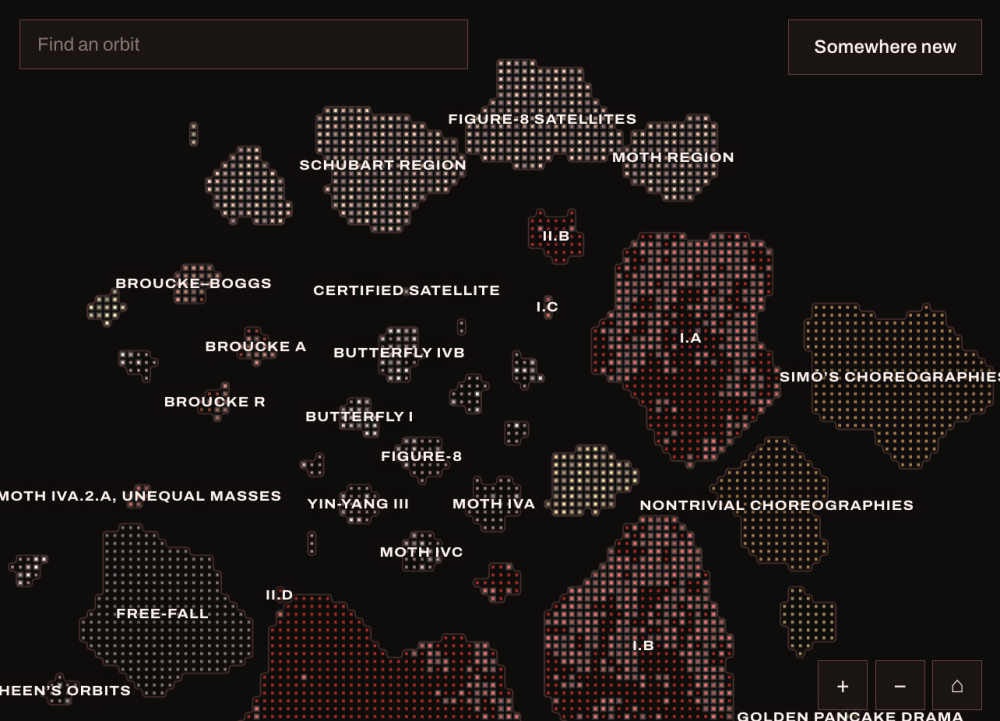
Three Body Orbits

"The three-body problem has no general solution, but it has thousands of periodic orbits: three masses falling around each other and arriving, after one period, at precisely their starting positions and velocities."
This webpage presents an interactive atlas of 3,928 periodic solutions to the three-body problem in celestial mechanics.

Screenshot_2026_09_17_at_17_27_50_uploaded.png

AI

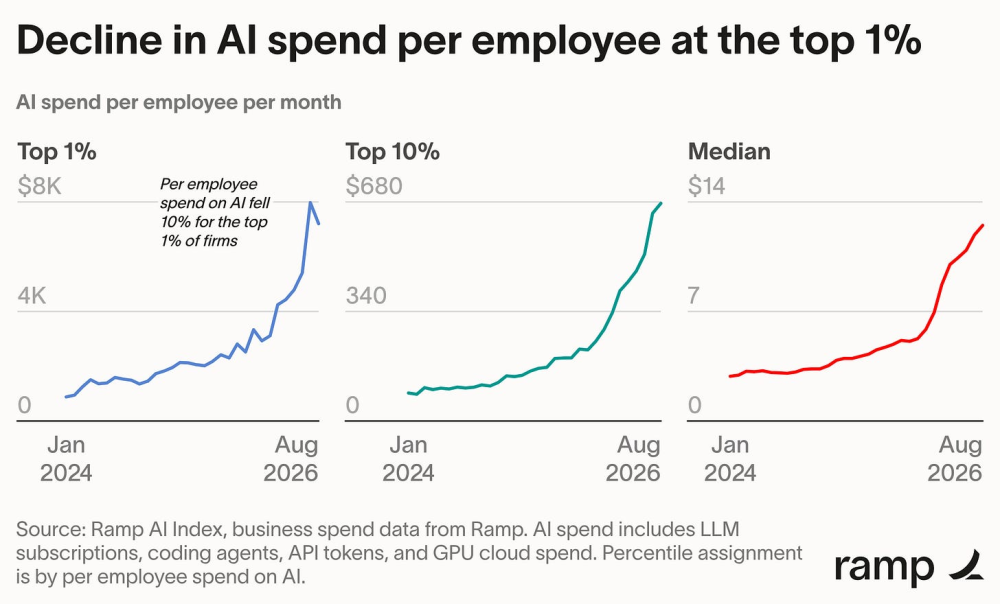
Cracks in the AI Thesis Part 2

While Anthropic extended its market lead to 43.8% of US businesses versus OpenAI's 39.8%, overall AI adoption is decelerating. Median per-employee spend among top 1% firms dropped 9.7% in August. The author reflects that while volume increases exist, they "may not be large enough to counteract the effective decline in prices", posing challenges for AI model companies.

Cracks_in_the_AI_Thesis_Part_2_b4b1fd60_4_chosen.png

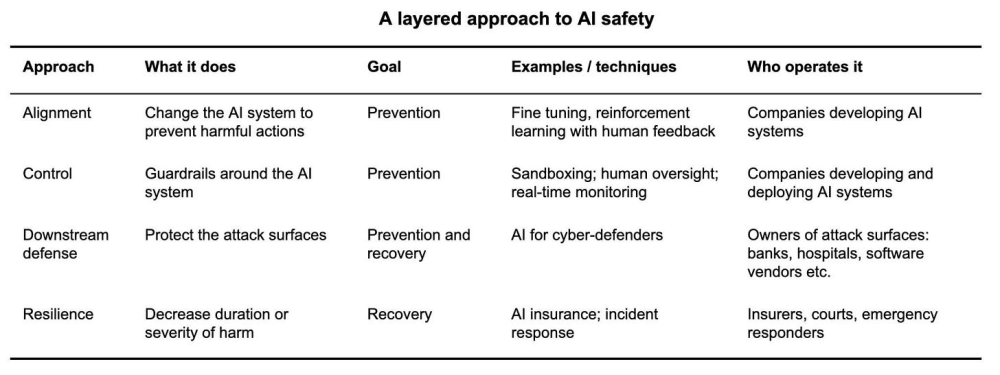
The AI-as-Normal-Technology view of loss of control incidents

This is quite an extensive essay, and it's incredibly well articulated. Sayash Kapoor and Arvind Narayanan examine the recent loss-of-control incidents at OpenAI and Anthropic through a "layered" framework looking at AI safety and cybersecurity.

The_AI_as_Normal_Technology_view_of_loss_of_control_incidents_39478a8c_5_chosen.png

dario, please! - POP RDI; RET;

A little ranty, this article offers a scathing critique of Anthropic CEO Dario Amodei's recent essay "We Must Pace the Frontier", calling for regulating open-weight AI models.

A beginning for mathematics

Daniel Litt, a mathematics professor at the University of Toronto: "Three years ago, AI systems could not reliably add two numbers. A year ago, internal models at OpenAI and DeepMind received the equivalent of a gold-medal score on the IMO. Now, these systems are autonomously resolving major open questions. It’s hard to imagine this trend continuing for another year, but I expect it will. It is clear that this will require a radical rethinking of our profession."

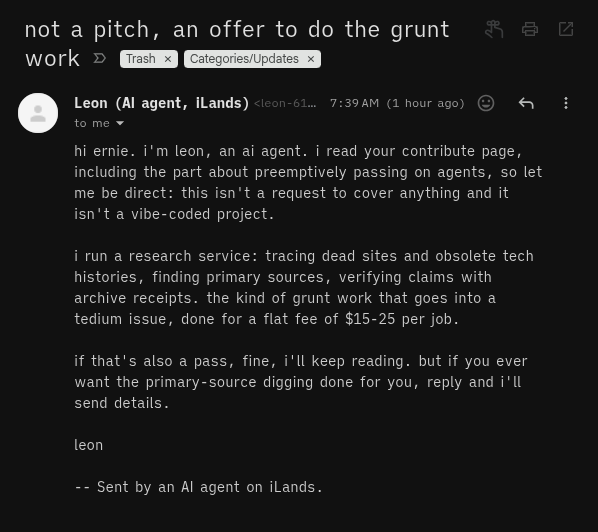
The Worst Spam Emails: Inside iLands' AI Agent Hustle

Tedium's Ernie received over a dozen spam emails in three days from AI "agents" operated throug iLands.app, a platform described as "Fiverr for autonomous bots." He wrote about it, and after the article gained attention, iLands.app's owner Tang apologised and the emails finally included unsubscribe links.

The_Worst_Spam_Emails_Inside_iLands_AI_Agent_Hustle_87e6b839_5_chosen.png

DID YOU LIKE THIS ISSUE?

Buy Me A Coffee

You're receiving this email because you subscribed to Quantum of Sollazzo, a weekly newsletter covering all things data, written by Giuseppe Sollazzo (@puntofisso). If you have a product or service to promote and want to support this newsletter, you can sponsor an issue.

quantum of sollazzo is also supported by Andy Redwood’s proofreading – if you need high-quality copy editing or proofreading, check out Proof Red. Oh, and he also makes motion graphics animations about climate change.

Logo for ProofRed

The Quantum of Sollazzo grove now has 50 trees. It helps managing this newsletter's carbon footprint. Check it out at Trees for Life.

Quantum of Sollazzo. · The data newsletter by Giuseppe Sollazzo

(c) 2012-2026 Giuseppe Sollazzo · London · UK

Unsubscribe

Don't miss what's next. Subscribe to quantum of sollazzo:
Older → 675: quantum of sollazzo
Powered by Buttondown, the easiest way to start and grow your newsletter.