quantum of sollazzo logo

quantum of sollazzo

Archives
Sponsor
Subscribe
August 18, 2026

671: quantum of sollazzo

Quantum of Sollazzo

NO. 671 ·

alt text

Did someone forward you this email?
If so, you can subscribe here.

You can view this email online here.

In this issue...

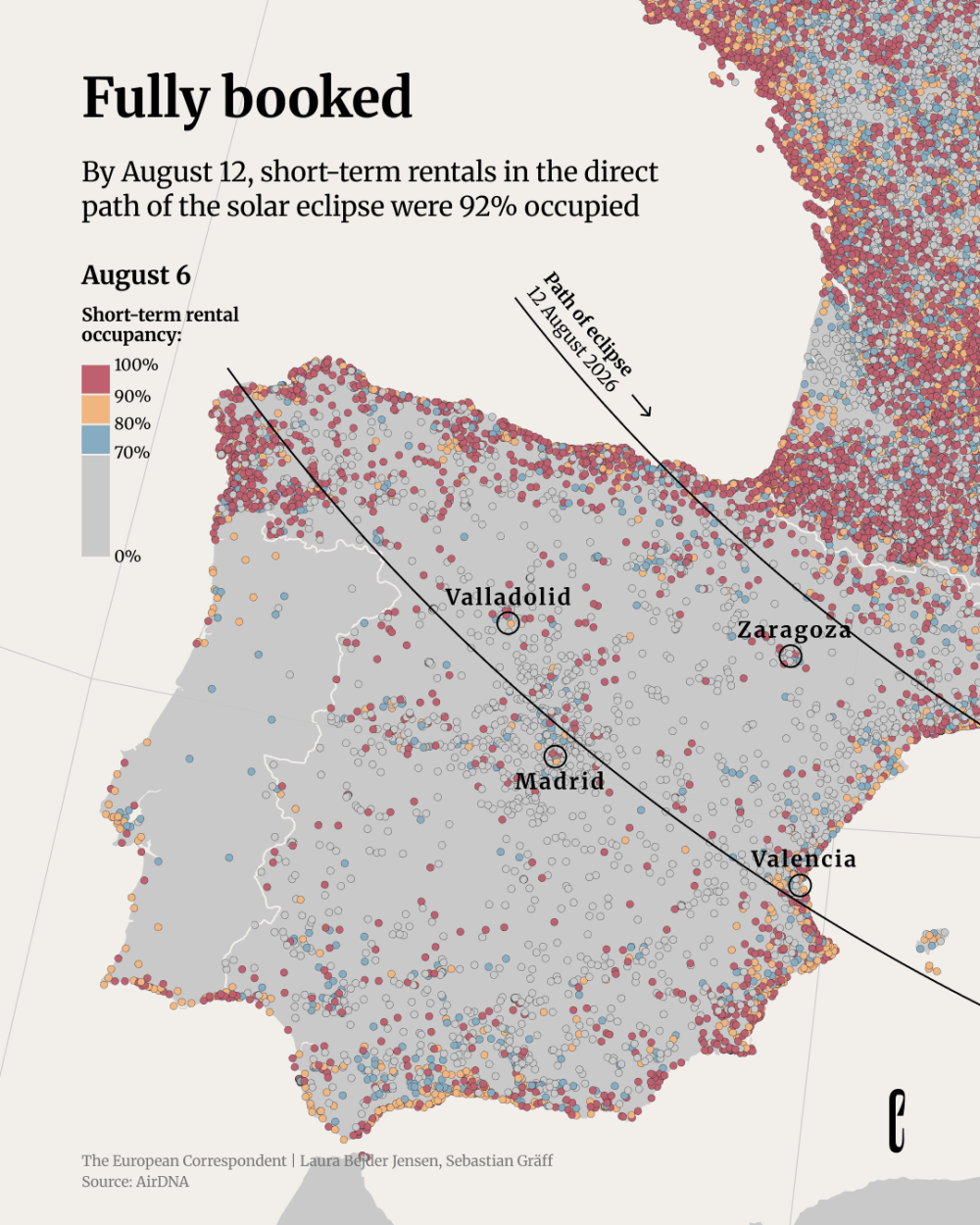
Quantum #670 had an open rate of 31% and a click rate of 10%. The most clicked link was (unsurprisingly) this Eclipse Map.

·

Over the past few weeks, I've created MapSplit, an interactive online tool that allows you to select statistics across the UK, and play with splitting them geographically North/South or East/West.

It was inspired by the numerous maps that show where the UK is 50/50 on population (most recently by Quantum-featured Alasdair Rae's population centre of the North).
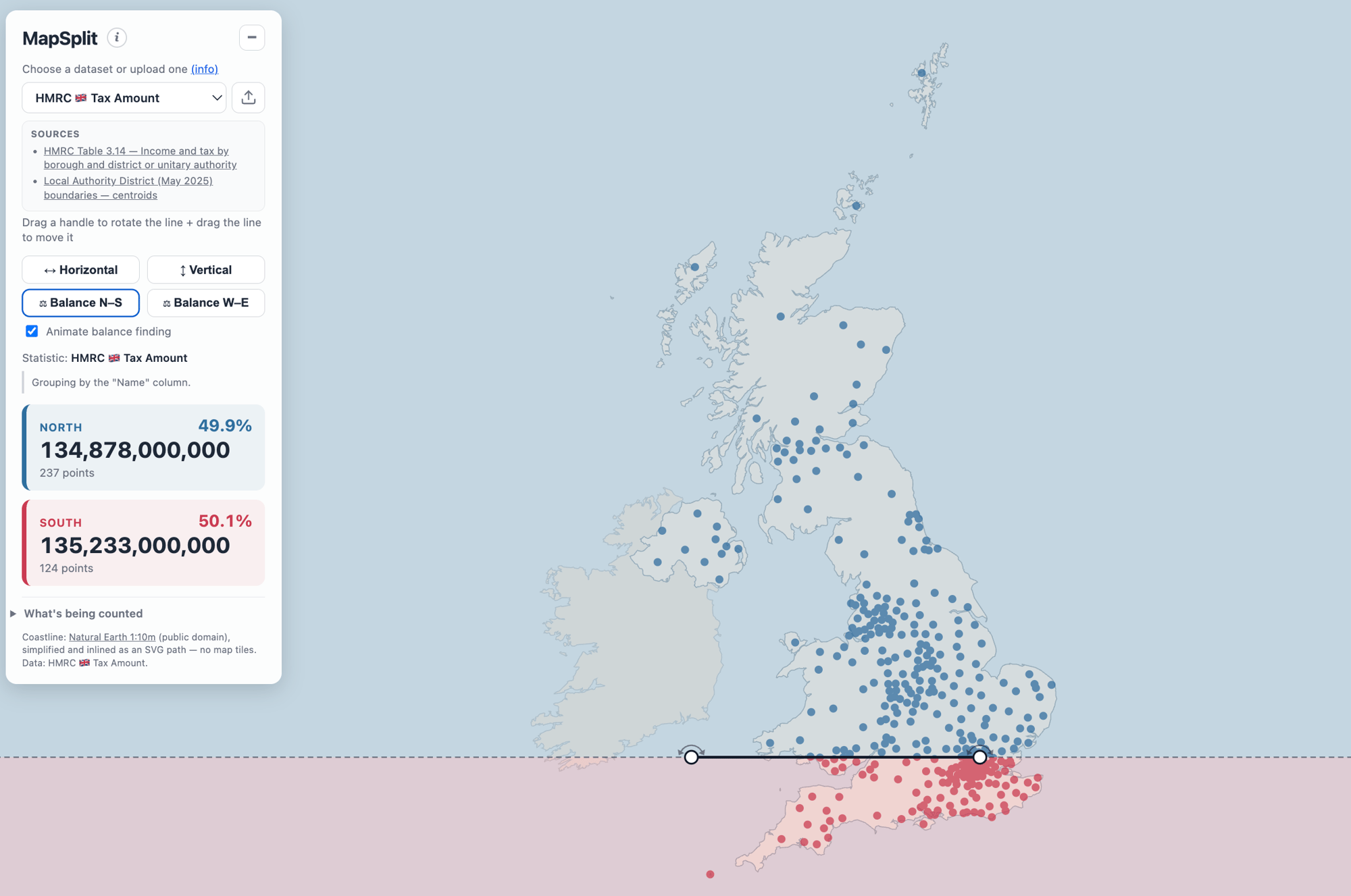
LinkedIn post

Please share on your social media, and please share your favourite maps and splits 😃

·

Don't miss the opening and closing articles about coding being the easy part of implementing software. Opinions vary, but I think one of the articles is missing the point by focusing on "easy" in absolute terms: no one really thinks that coding is easy generally speaking, but anyone who's put software into production will know that the slow part of the process is elsewhere (governance, support, etc).

On a similar note, there's a brilliant little article that suggests that LLMs reward expertise, and I can't disagree with it, at least at this stage of the development of AI. This applies both at a small scale (e.g. if I use Claude Code to develop software, I'm going to be much better with a programming language that I know than with one I don't) and at a larger scale (I can definitely use it better for computer science than for civil engineering). There is a subtle difference in saying that this is about "good prompting": anyone can write good prompts, but writing good prompts with experience of the subject matter makes a difference. However, I can also say that with models like Opus 5 this gap seems to be reducing, at least anecdotally.

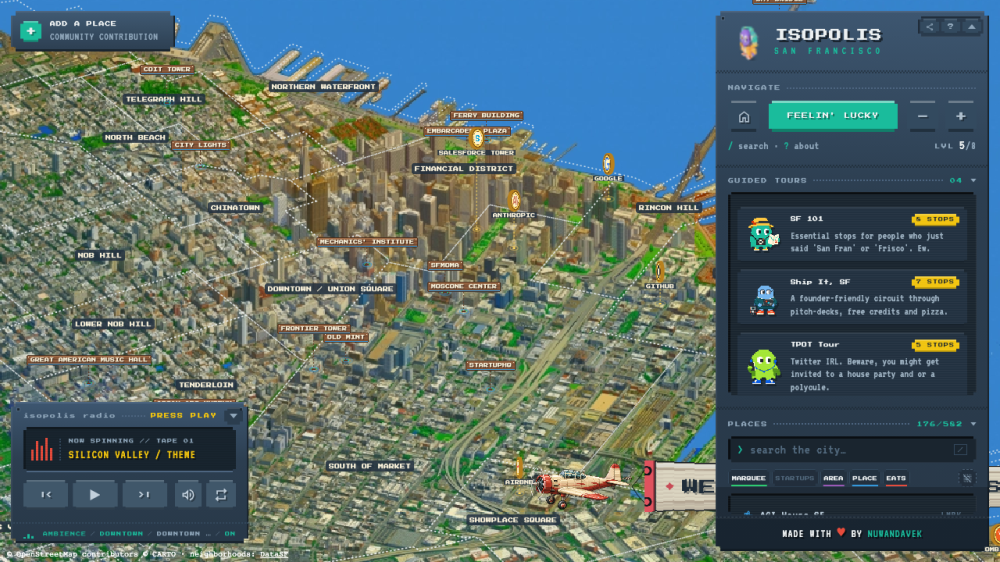
Of particular interest: John Gruber's article retraction (about an interesting App Store rejection), and the San Francisco version of an AI-generated isometric map.

'till next week,
Giuseppe @puntofisso.bsky.social

Topical

"Code was never the hard part" is an insult to all programmers

The author challenges the increasingly common dismissal in the AI world that implementing software is hard but that coding was always the easy part. There are some good thoughts in here, but I also think that this article misses the point: it's not that coding is easy (it's not); the problem is that putting software into production is very complicated, clunky, and slow - in ways that can't be really automated, unlike coding.
Also see "The Prototype Isn't the Product" in the AI section.

Spanish solar hat-trick

Spain will see three solar eclipses within three years, the one just gone, then a total in 2027, and an annular eclipse covering Spain and Portugal in early 2028. According to NASA data, "the last time Europe experienced a solar eclipse three years in a row was between 966 and 968".

Spanish_solar_hat_trick_c741ce7a_4_chosen.png

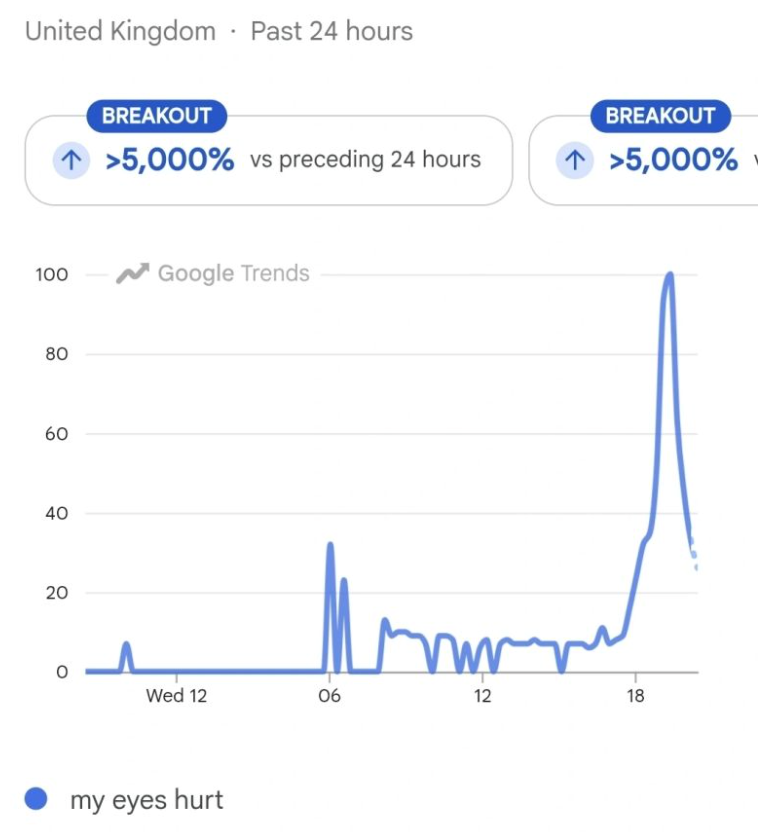
Google searches for "my eyes hurt" spiked in the UK, France and Spain just after the eclipse. Iceland saw no such increase. Well done Iceland.

The Economist's Alex Selby-Boothroyd observes a curious pattern in Google Trends: searches for "my eyes hurt" experienced significant spikes in the United Kingdom, France, and Spain immediately after the eclipse occurred. This pattern did not repeat in Iceland. (A commenter notes that Iceland experienced cloudy weather, but...)

Screenshot_2026_08_13_at_16_21_55_uploaded.png

Sponsored by Jane Street

Jane Street depends on all sorts of messy, real-world data to understand financial markets and the global economy: think world news, decades of weather patterns, deidentified credit card spending, or packet captures of stock exchange market data feeds.

We're hiring Data Engineers to turn datasets like these into reliable inputs for trading. Working closely with our researchers, you'll evaluate unfamiliar datasets, build robust ELT pipelines, develop deep domain expertise, and decide what's worth exploring next. 

The job requires a mix of engineering, data analysis, and product sense. If you love the detective work of investigating a weird dataset and figuring out what it actually means, we want to hear from you. No financial background is necessary.

We have openings in New York, London, and Hong Kong.

Tools & Tutorials

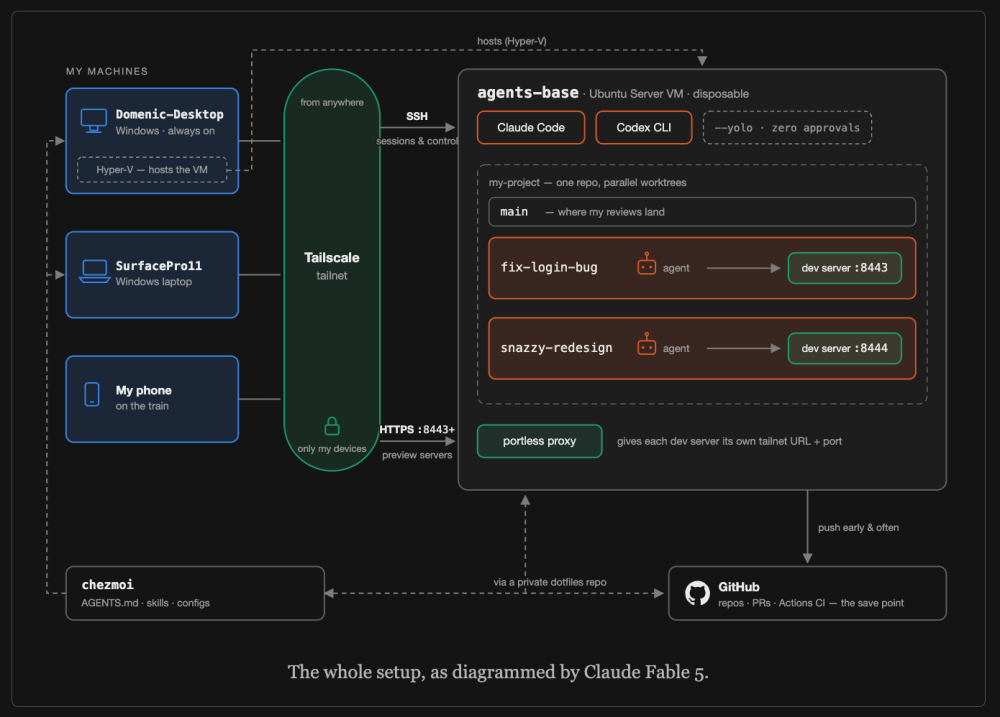
My Agentic Coding Setup, July 2026

The author shares an optimised setup for AI-assisted development, centred aroundautonomous coding from anywhere. The starting point is a disposable Linux VM running on his home desktop, connected via Tailscale VPN to enable seamless access across devices. "I've ended up with the ability to have frontier models fix production bugs from my phone, on a train."

Screenshot_2026_08_13_at_16_22_11_uploaded.png

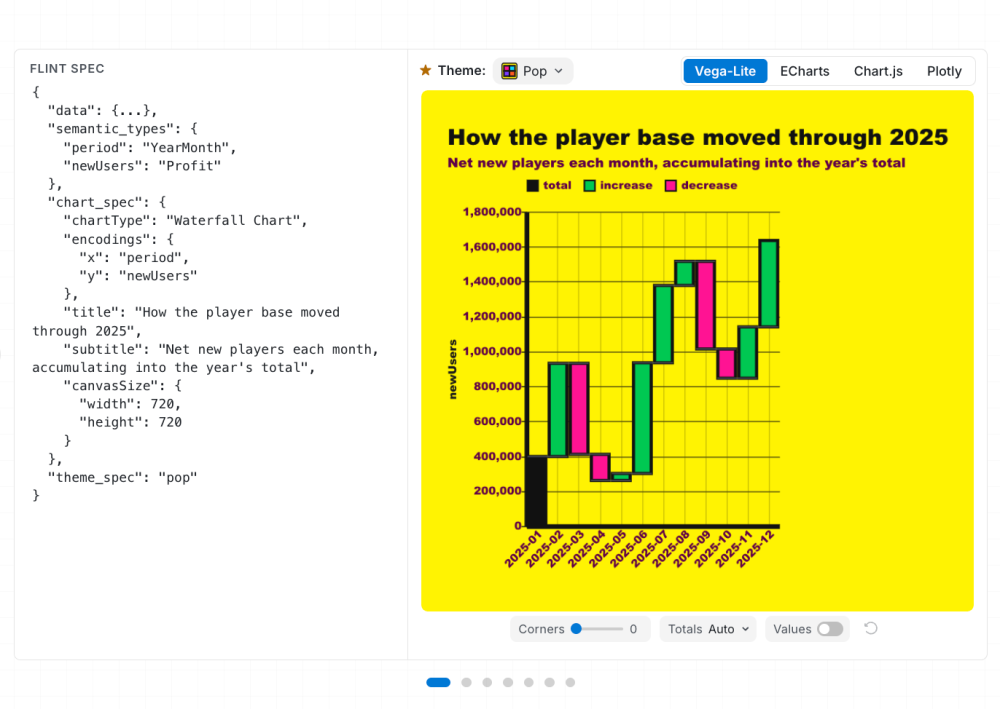
Flint: A Visualization Language for the AI Era

Flint is a new visualisation language designed specifically for the AI era, prioritising both human readability and machine interpretability.

Screenshot_2026_08_13_at_16_24_46_uploaded.png

Programming principles for self taught front-end developers

This article addresses self-taught front-end developers who lack formal computer science training, offering practical programming principles that genuinely improve day-to-day coding: "Make it work, make it right, make it fast".

bonsai

Bonsai is an OCaml UI library for building performant, reactive web applications, partly inspired by Elm. It is developed by (Quantum sponsors) Jane Street Capital, and it powers almost all their internal web applications.

GitHub_janestreet_bonsai_A_library_for_building_dynamic_webapps_using_Js_of_ocaml_3eb15d54_3_chosen.png

Categorization with NLP

Ivan Sagalaev describes the custom NLP algorithm he developed for Shoppy, a grocery categorisation tool that suggests product categories for a shopping list app.

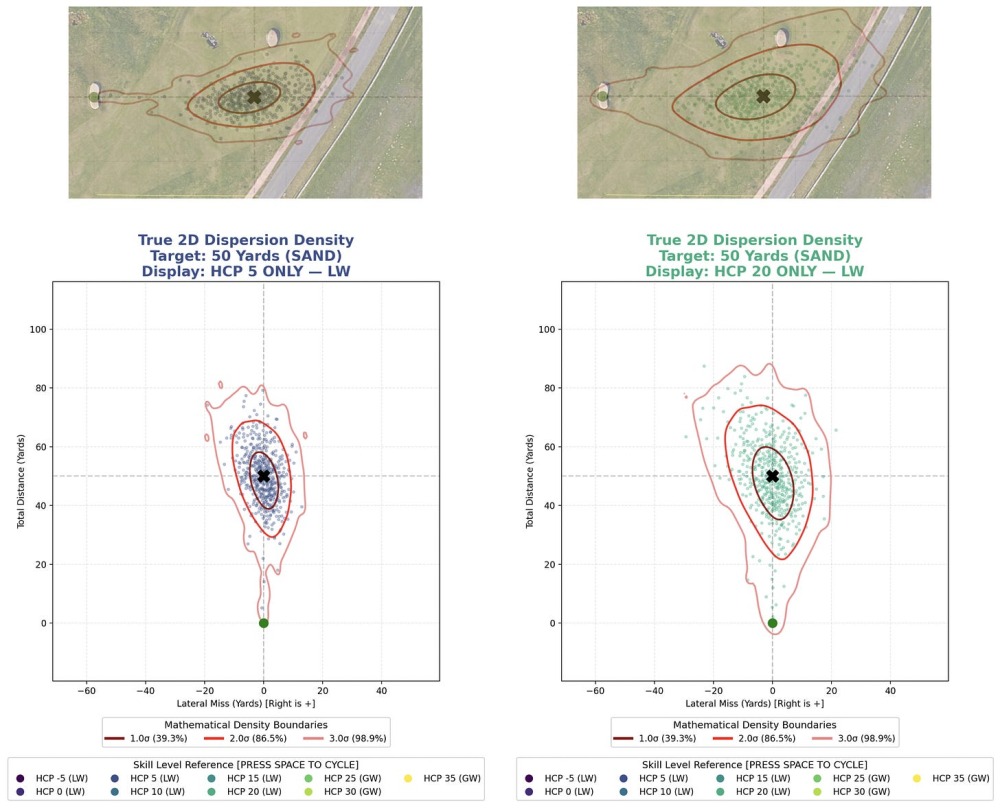
How to Bake a Dispersion Pattern from Scratch

Matthew Schoolfield has developed this realistic golf shot dispersion simulator to model variance in the game, sharing the open-source code publicly.

How_to_Bake_a_Dispersion_Pattern_from_Scratch_d7f1fb68_12_chosen.png

HTML over WebSockets: real-time SPAs with barely any JavaScript

This article explores HTML over WebSockets as an alternative to traditional Single-Page Application (SPA) architecture. The server sends pre-rendered HTML directly to the client over a persistent WebSocket connection. Despite its many advantages, this approach also requires more server resources to maintain open connections and client state in memory.

Data Thinking

Why 'Provable Data Erasure' Is Really Hard, Actually

This article looks at why organisations cannot truly prove data has been completely erased. The problem is "fractally complex": finding data is difficult in organisations without good data management practices, especially when data is scattered across departments, applications, and shadow IT systems.

Dataviz, Data Analysis, & Interactive

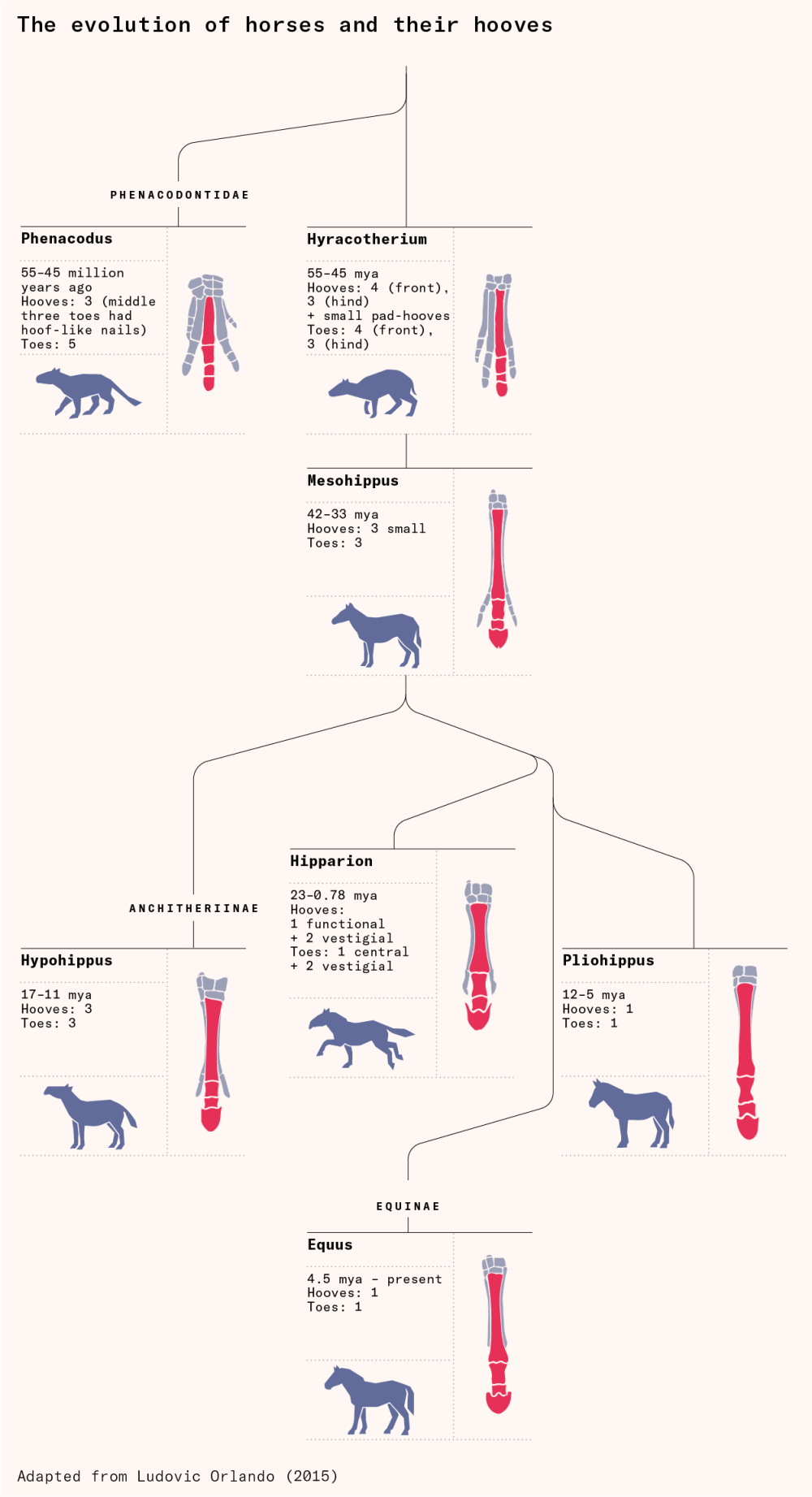
The upper limits of biology

Works In Progress looks at the evolutionary history of horses and the paradox of modern thoroughbred breeding.

The_upper_limits_of_biology_017f6a7d_5_chosen.png

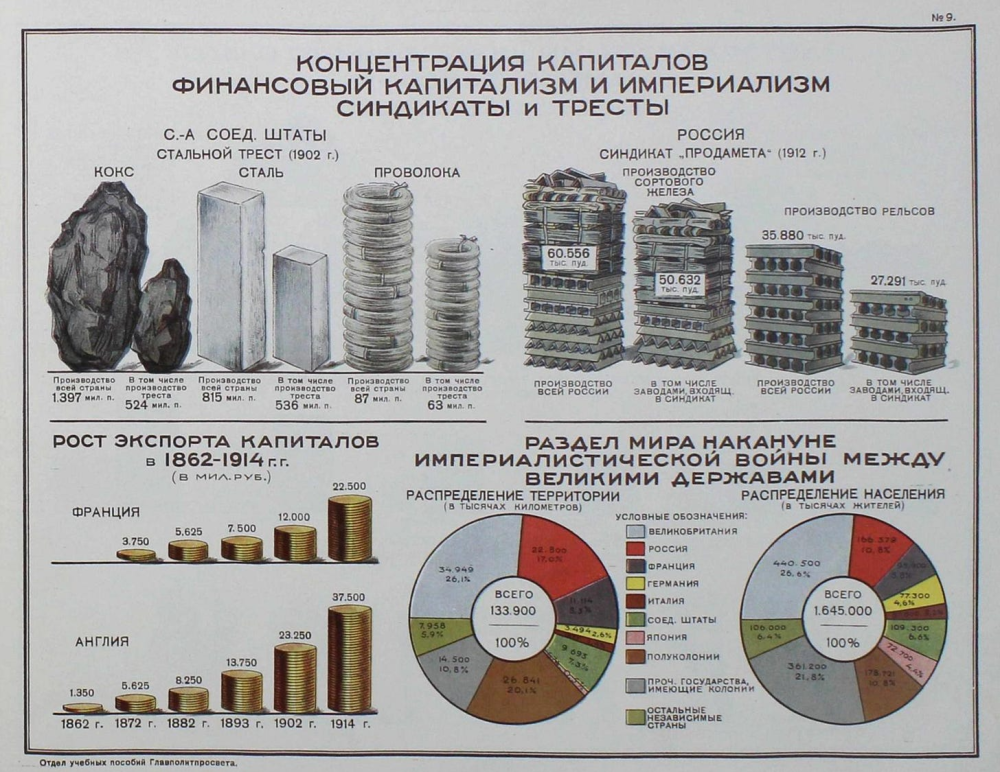
Hickmann's influence

This newsletter post examines the influence of Czech geographer and statistician Anton Leo Hickmann (1834-1906). Hickmann's most influential work was the Geographisch-statistischer Universal-Taschen-Atlas, first published in 1894 and translated into multiple languages, featuring elaborate 3D graphics depicting economic data.

Hickmann_s_influence_e306c0e7_15_chosen.png

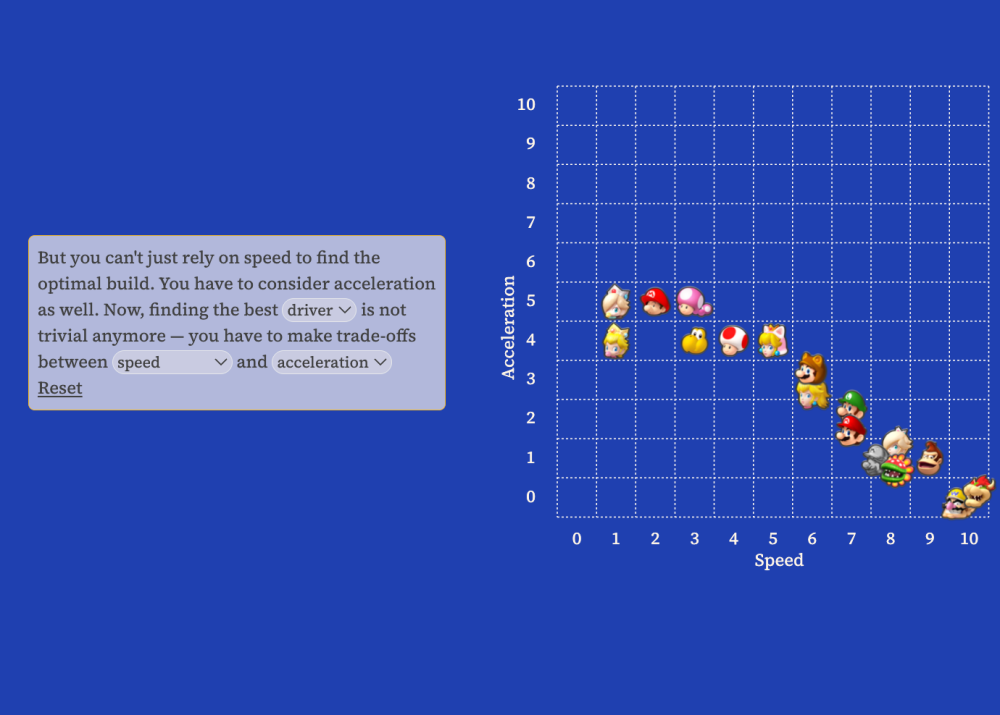
Mario meets Pareto

Nice scrollytelling article using Mario Kart 8 as an engaging example to explain Pareto efficiency and multi-objective optimisation.

Screenshot_2026_08_13_at_16_31_42_uploaded.png

isopolis – san francisco

After the famous Isometric New York City map, a similar page for San Francisco.

isopolis_san_francisco_0bbbad00_screenshot_chosen.png

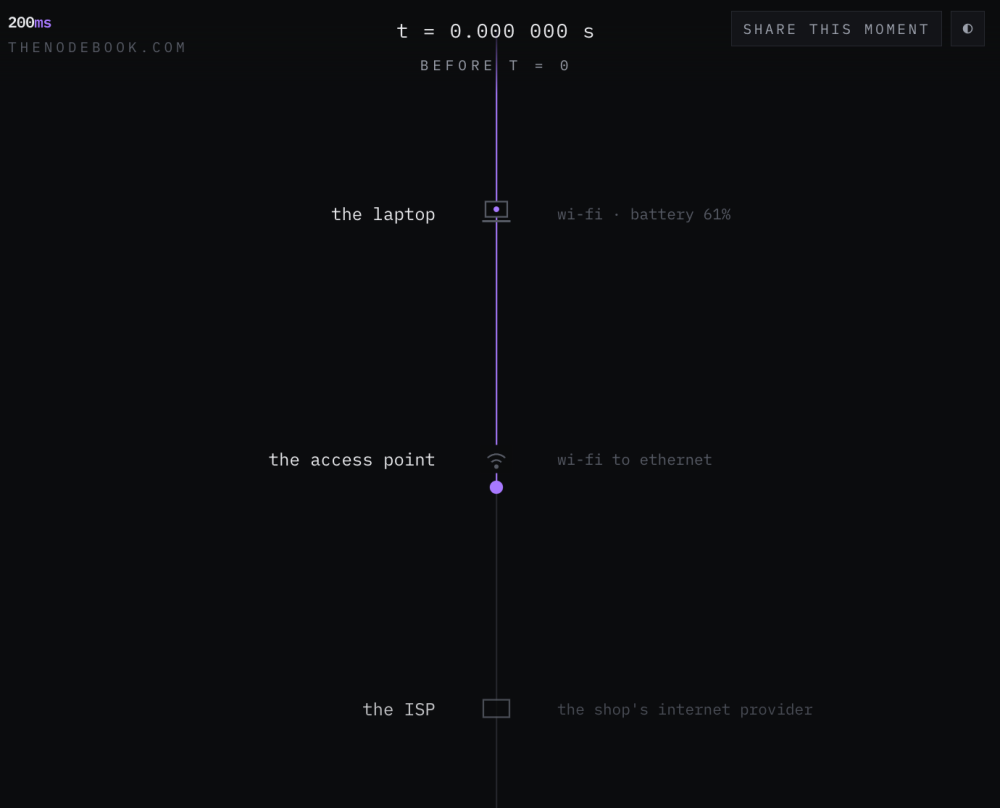
An interactive visualization that follows a single HTTP request through its entire ~200ms life — DNS, TCP, TLS, the kernel, Node's event loop, Postgres, and back

This is an interactive visualisation that traces the complete journey of a single HTTP request over approximately 200 milliseconds.

Screenshot_2026_08_13_at_16_32_40_uploaded.png

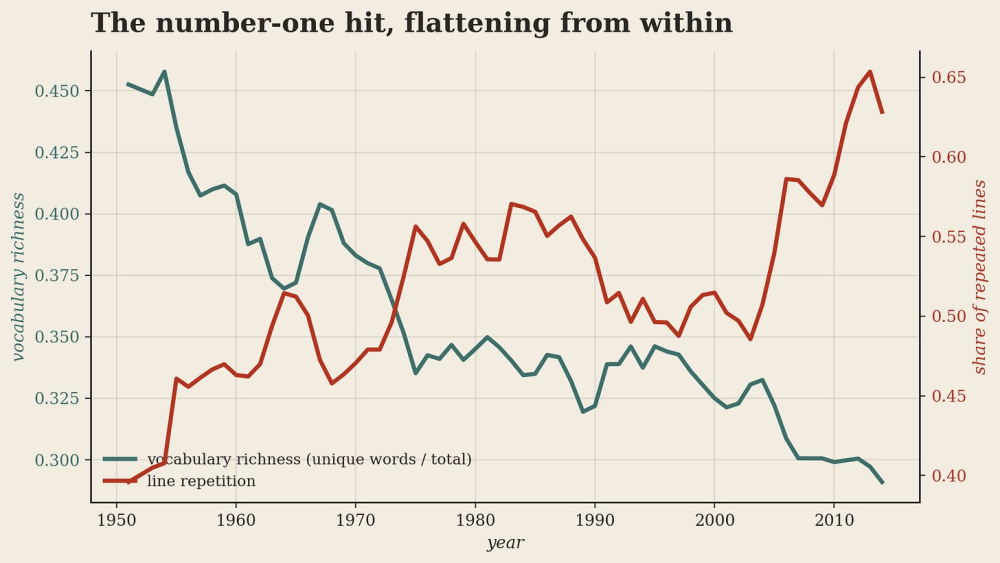
Temperature Zero for Culture: Why Everything Is Starting to Look the Same

Lauren Leek examines how algorithmic recommendation systems are producing cultural and physical homogenisation. "Here is what puzzled me. We have never had more individual data and naive intuition says all that granular personal data should fragment us, splinter the world into a billion niches. And yet the opposite is happening. The more the machines learn about us as individuals, the more alike our worlds look."

Temperature_Zero_for_Culture_Why_Everything_Is_Starting_to_Look_the_Same_68eaa7ae_6_chosen.png

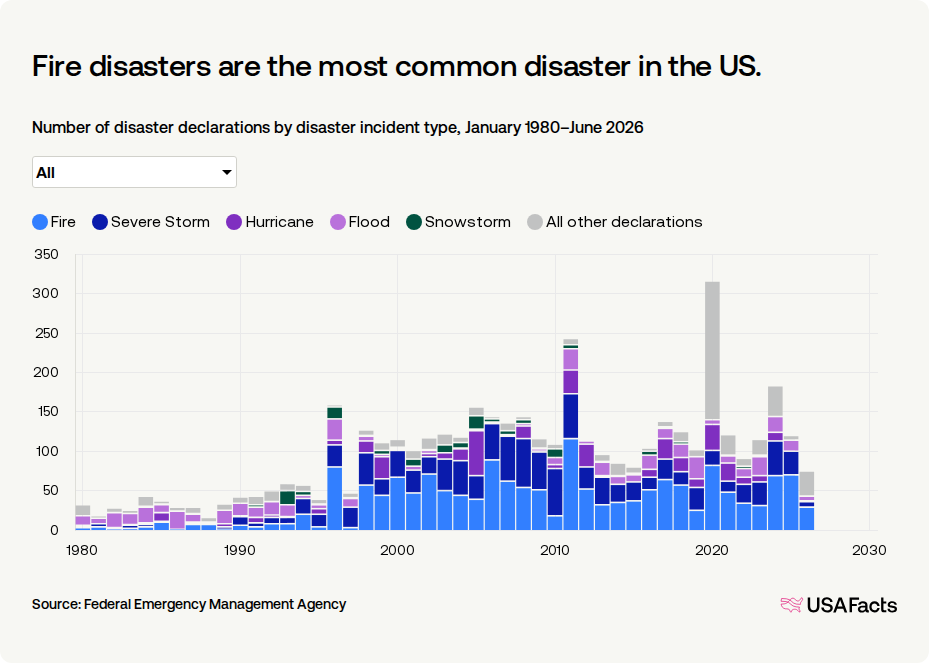
How many disasters are declared in the US? | USAFacts

USAFacts: "On average, 125 disasters are declared per year. This figure is based on the most recent five full years of Federal Emergency Management Agency (FEMA) data.
A disaster declaration is more than just recognizing an event — it's a formal request for federal aid when state, local, or tribal resources are overwhelmed. The president approves these declarations when they determine that federal support is necessary.
Declarations vary due to the type and severity of disasters, whether the president approves requests for federal assistance, and other factors.
"

How_many_disasters_are_declared_in_the_US_USAFacts_b522f5a7_2_chosen.png

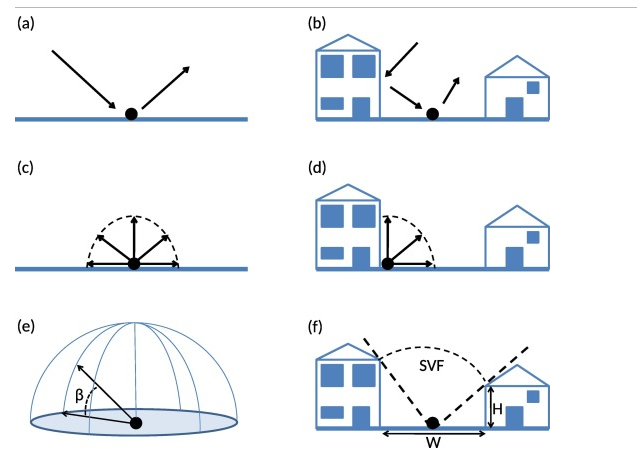
Measuring how much of the sky is visible

Growing up in New York City, Randy Au felt unsettled by how the sky appeared "too big" when visiting less urban areas. To quantify this difference, the author explored "Sky View Factor" (SVF), a metric measuring what percentage of the celestial hemisphere is visible from a given location, with applications in climate research, urban heat island studies, and solar output analysis.

Measuring_how_much_of_the_sky_is_visible_3f90cd84_2_chosen.png

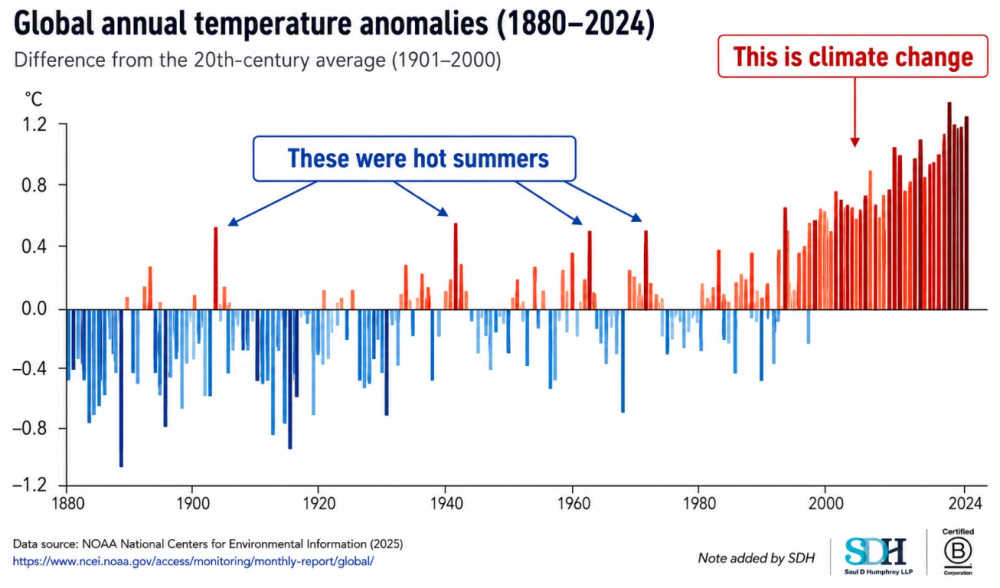
We've always had hot summers

A brilliant visualisation of the difference between normal climate with hot summers, and what we're living through now.

Screenshot_2026_08_13_at_16_33_55_uploaded.png

The Water Century, Part One: We're Running Out

A brilliant interactive article that examines the global water crisis.
(via Durand D'souza)

Screenshot_2026_08_13_at_16_38_49_uploaded.png

Mapping Maps in the Wild - a complex collaborative project

Steven Feldman chronicles the development of a custom WordPress plugin for Mappery, his website built with fellow geo geek Arnaud Ferrand featuring 2,500 posts of "Maps in the Wild", photographs of maps found on streets, clothing, furniture, and other unexpected places.

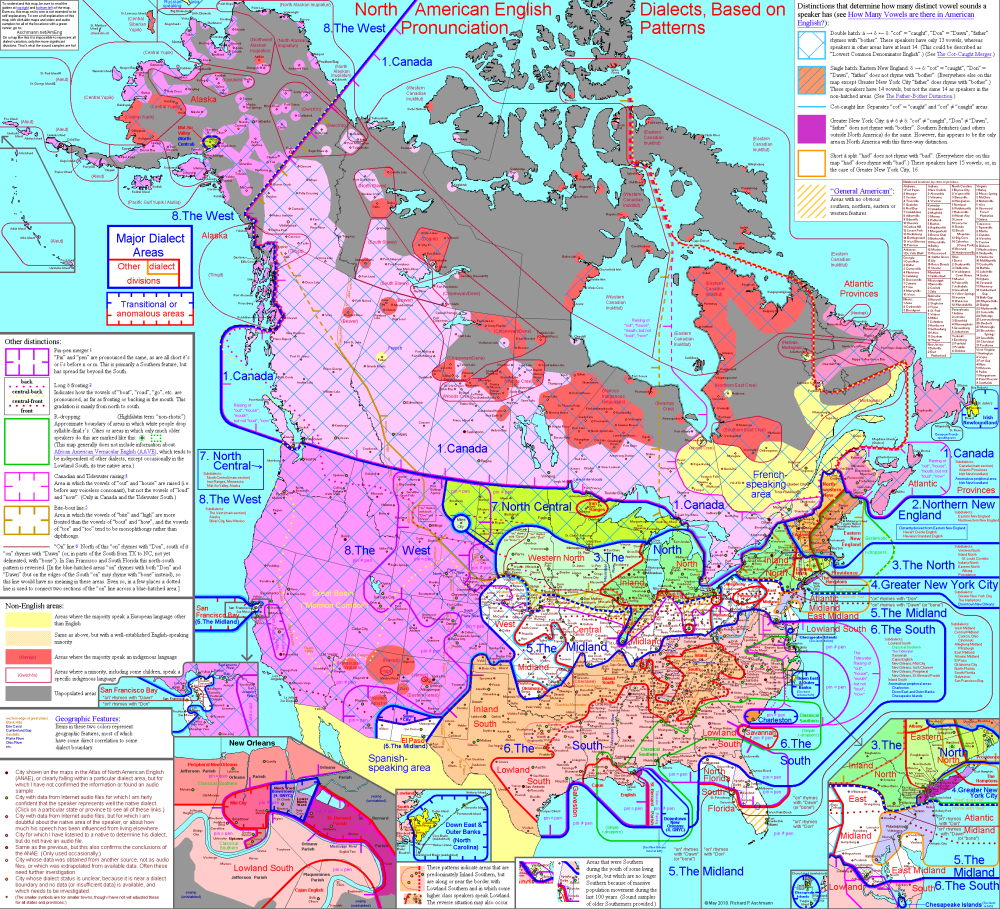
North American English Dialects, Based on Pronunciation Patterns

What. A. Map! (And website). Created by Rick Aschmann as a personal hobby, he says: "Some people collect stamps. Others collect coins. I collect dialects".
(via Guy Lipman)

American_English_Dialects_e195026b_1_chosen.png

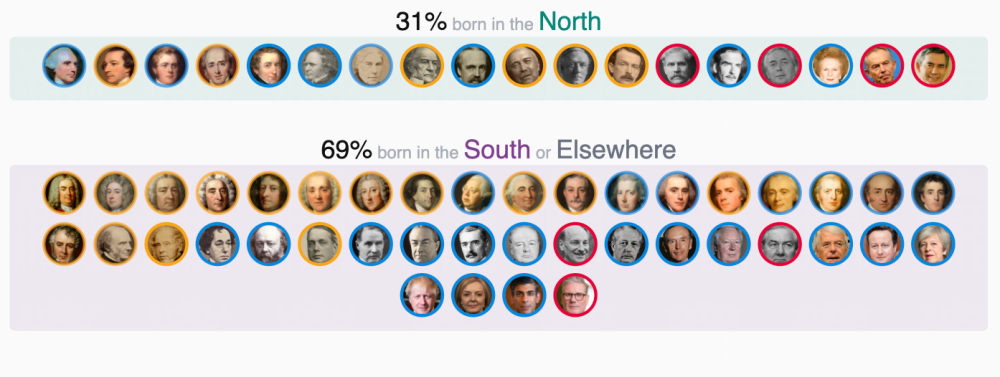
Will Andy Burnham be the 1st Northern Prime Minister?

The geographic origins of British Prime Ministers.

Screenshot_2026_08_13_at_16_39_58_uploaded.png

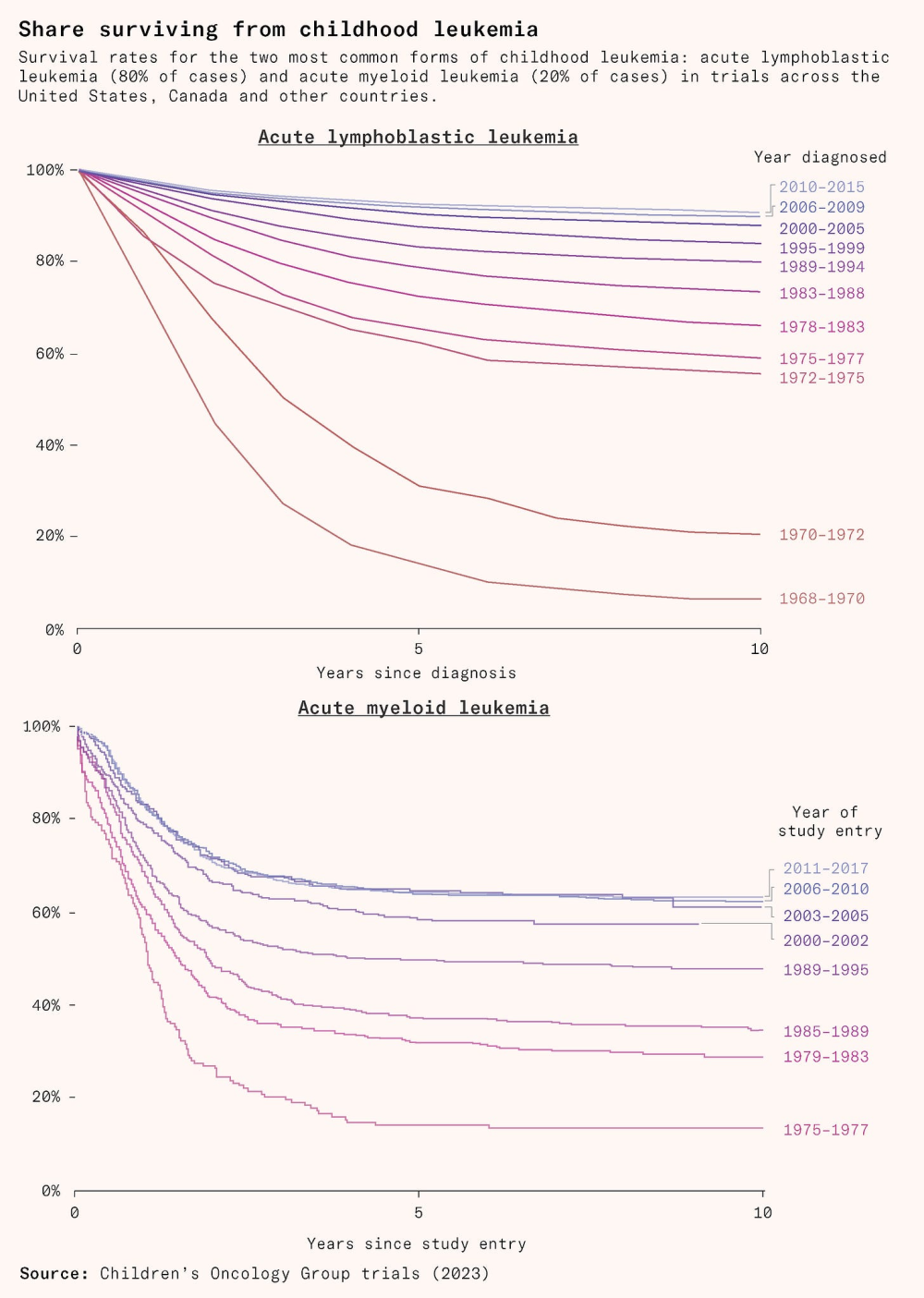
Cure all diseases

Another great Works In Progress article, showing how dramatically medicine has progressed in the past century alone.

Cure_all_diseases_7976eb6f_8_chosen.png

AI

AI Mania Is Eviscerating Global Decision-Making

This essay argues that organisations worldwide are experiencing "mass psychosis" over AI adoption, with catastrophic effects on rational decision-making.

LLMs reward expertise

This article argues something that I tend to agree with: domain expertise, rather than general prompting skills, is the key to effectively using large language models. "The human is the bottleneck, not the model, because the difficult part is in communicating to the model exactly what kind of solution the human wants."

The Prototype Isn't the Product

AI has made building software prototypes remarkably accessible. However, this ease creates a dangerous illusion that the hard work of software development has vanished. A similar take on the opening article of this issue, albeit a bit less technical. "The hard problems of building software were never primarily about writing syntax. They were about judgment: what to build, how to structure it, what to defer, when to say no."

Retraction: The App Store Rejection of the Week That Was, in Fact, a Correct Rejection

John Gruber retracts his first article in 24 years after fundamentally misrepresenting an App Store rejection case, alleging being misled. It's an interesting story of AI, plagiarism, and the limitations of LLMs.

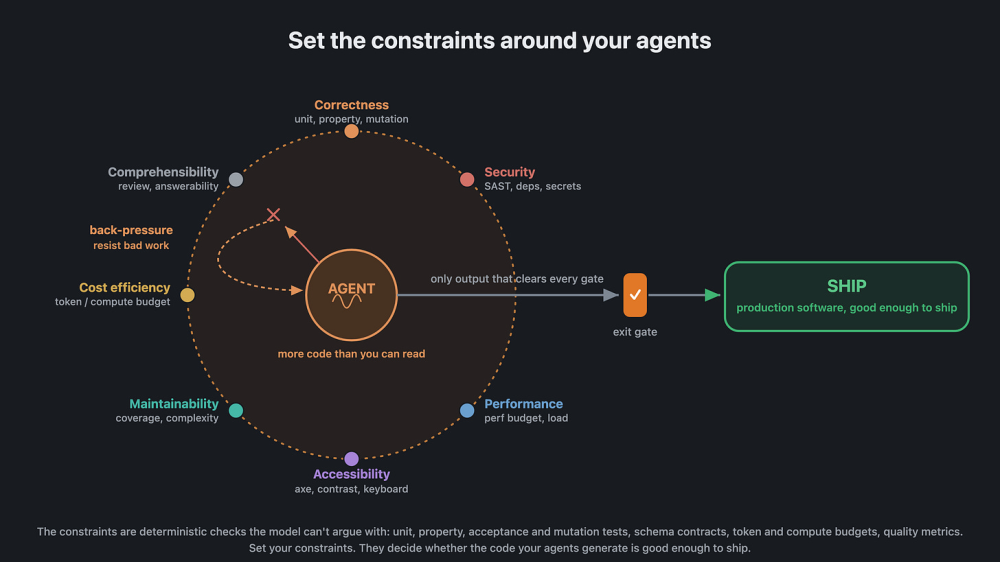
Agentic Code Quality

As AI agents increasingly write code at massive scale, traditional human code review becomes impractical. Addy Osmani argues that "software quality now depends on the constraints you set around your agents".

Agentic_Code_Quality_aac3cd1b_5_chosen.png

No, local models will not win

An article against the popular view that locally-run AI models will dominate the future of AI inference, suggesting that the lag in capability can't be bridged.

DID YOU LIKE THIS ISSUE?

Buy Me A Coffee

You're receiving this email because you subscribed to Quantum of Sollazzo, a weekly newsletter covering all things data, written by Giuseppe Sollazzo (@puntofisso). If you have a product or service to promote and want to support this newsletter, you can sponsor an issue.

quantum of sollazzo is also supported by Andy Redwood’s proofreading – if you need high-quality copy editing or proofreading, check out Proof Red. Oh, and he also makes motion graphics animations about climate change.

Logo for ProofRed

The Quantum of Sollazzo grove now has 50 trees. It helps managing this newsletter's carbon footprint. Check it out at Trees for Life.

Quantum of Sollazzo. · The data newsletter by Giuseppe Sollazzo

(c) 2012-2026 Giuseppe Sollazzo · London · UK

Unsubscribe

Don't miss what's next. Subscribe to quantum of sollazzo:
← Newer preview 672: quantum of sollazzo Older → 670: quantum of sollazzo
Powered by Buttondown, the easiest way to start and grow your newsletter.