quantum of sollazzo logo

quantum of sollazzo

Archives
Sponsor
Subscribe
July 21, 2026

667: quantum of sollazzo

Quantum of Sollazzo

NO. 667 ·

alt text

Did someone forward you this email?
If so, you can subscribe here.

In this issue...

You may have noticed something different 😃 I have, after a long reflection, decided to refresh Quantum's template. I haven't made major changes to the structure, other than a few cosmetic choices, with the goal of making it more readable and slightly less amateurish. I hope you like it. As usual, my inbox is open, feel free to send a message 😃

·

Quantum #666 had an open rate of 50% and a click rate of 14%. The most clicked link was... the Wikipedia page about the number 666. You're an odd bunch, sometimes. That's why I love you all.

·

I had a great workshop at London's Design Museum, as part of a series for HMRC's senior leaders. The workshop was focussed on innovation, and it involved an interesting exercise where we were encouraged to see the section of the museum that presents technology evolution, and select an item that resonated with our view of innovation and explain why.

As I can never stick to the instructions, I selected two objects: an AK-47 assault rifle, and the famous One Laptop Per Child.

Looking at them in comparison and close to one another made me think about what drives innovation and how to deliver it well.

The AK-47 is a perfectly designed object: it's effective at what it does, it's got great usability, and its design is sound functionally. Apparently it's close to impossible to break it, and it works very well in sandy or wet conditions. It excels at good design, and its design is grounded in the reality of those who're meant to use it (these days, mostly irregular forces and insurgents, who may be working in very tough conditions). Obviously, it doesn't escape my attention that this is an item designed to kill human beings and, as such, deeply troubling from an ethical point of view.

What to say about the One Laptop For Every Child? It was conceived with a fantastic idea in mind: transforming education for children in the developing world so that they could become more self-sufficient in finding content via the laptop, with software specifically designed for it. Its prototype also came with a brilliant innovation: a hand-crank charger, and it was beautifully design. Where it failed was at its contact with the real world, maybe because of lack of contact between the West-based designed and the intended users: the hand-crank charger was not viable to really charge a battery, and with lack of infrastructure in the target communities, it became impossible to use.

So what do good products look like?
  1. they embed ethical thinking in their design, and they only exist for reasons that serve communities without damaging others
  2. they are designed well, with user needs in mind, together with the intended users, and those who might be subject to their use
  3. they are grounded in a deep understanding of the reality around them.

And this, of course, is a subtle metaphor for how to do AI well today, avoiding the hype: trying to solve real problems, with real users, understanding the context around them.

·

Regarding the previous discussion on tokens, I found something tangential but useful on Dense Discovery (issue 397):

The old rule of software was simple: as you scale, cost goes down, profit goes up:

“You write the code once. The ten thousandth customer costs you almost nothing to serve. Marginal cost trends toward zero, margins trend toward heaven, and the spreadsheet curves apart into that beautiful pair of diverging lines that venture capitalists have tattooed on their hearts.” But AI doesn’t do this. Every query burns real electricity, real water, real chips. Revenue and cost haven’t diverged, they hold hands.

This is true and the biggest financial and cultural challenge, because most of us (I include myself) still think of AI as "another IT system". It is, but it's also very much not operating as one. Obviously, desktop software still used electricity, and cloud-based software did too. But the scale is so different with AI that it can no longer be considered "just another IT system". And I fear the lack of appreciation (see Uber's recent running out of AI budget).

·

On October, 21, I'll be speaking at Think AI for Government. Join if you're in London!
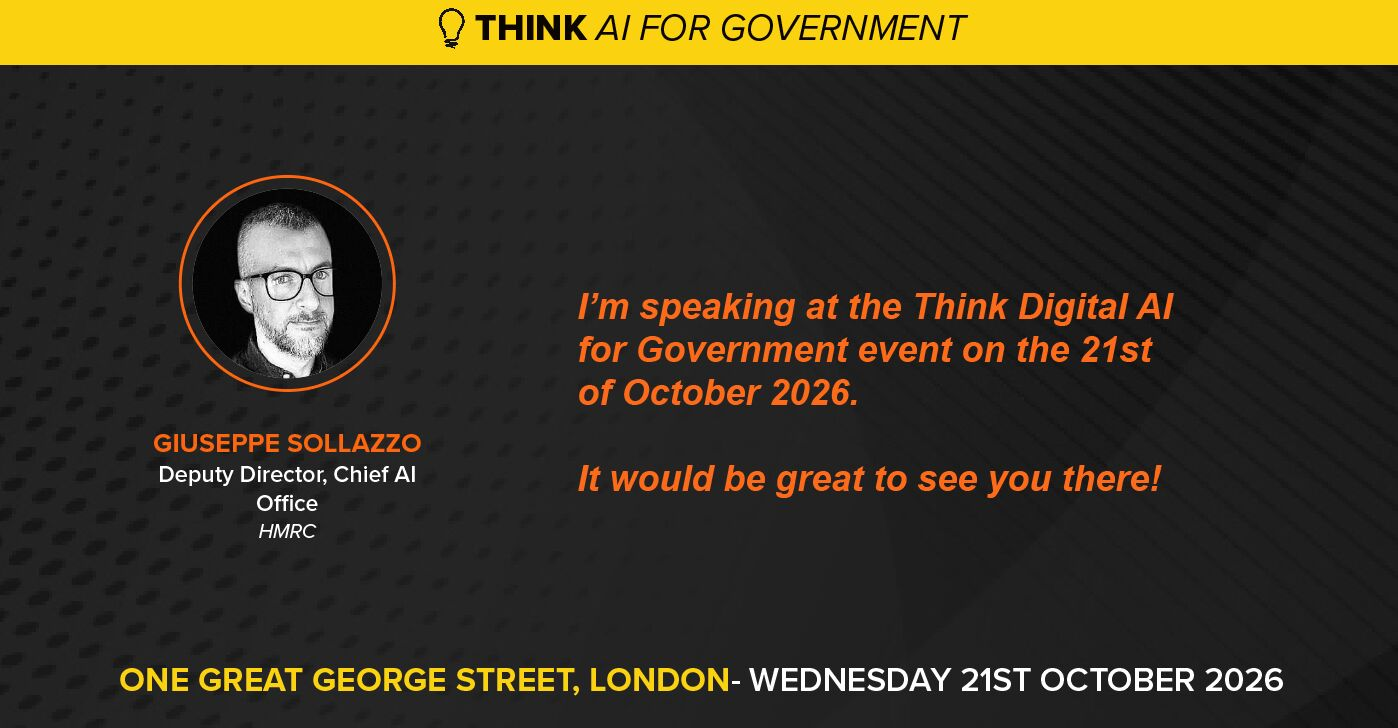
image.png

667 is a lazy caterer's number.

And now for this week's links.

Topical

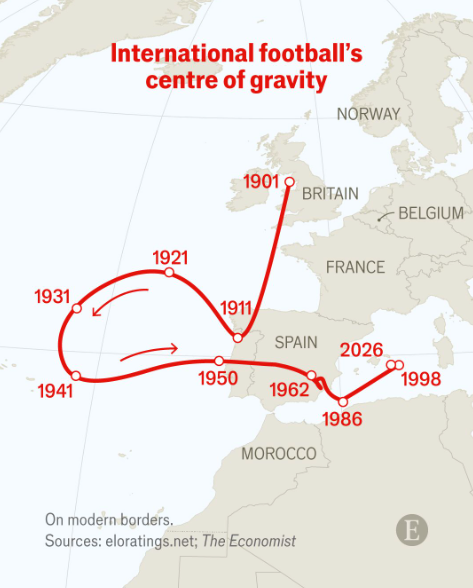
International football's centre of gravity

"Is it coming home?", asks The Economist. (By the time this issues goes out, we already know.)

Screenshot_2026_07_18_at_11_56_12_uploaded.png

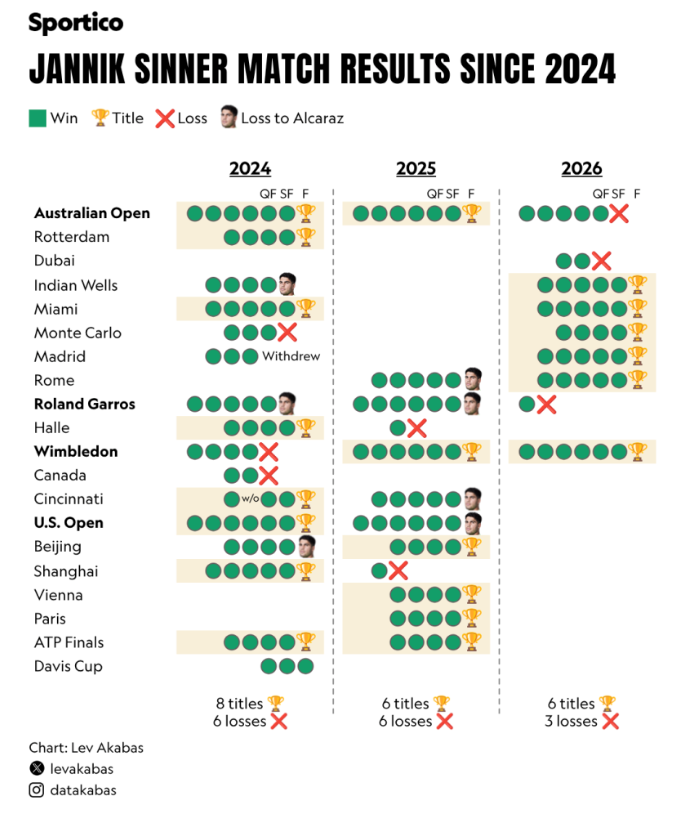
Jannik Sinner's dominance

Sportico's Lev Akabas: "Aside from Alcaraz, Sinner has largely trampled over the current men’s field. Since the start of 2024, Sinner is 172-8 in matches not against his rival—that includes a loss due to injury retirement as well as his recent struggle with the heat at Roland Garros. Against the Spaniard, he’s just 3-7.".

Screenshot_2026_07_18_at_11_57_06_uploaded.png

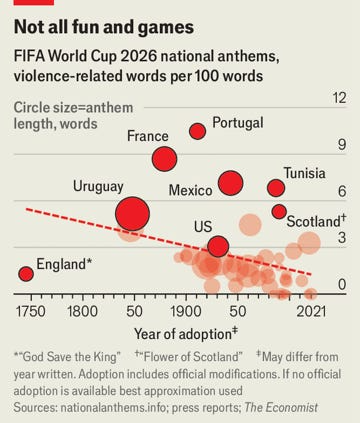
Our AI-aided analysis of national anthems

Another topical entry from The Economist: their amazing data journalism team used AI to analyse the lyrics of national anthems from World Cup teams. Michelle Hennessy explains their methodology for examining which anthems were... the most violent. Maybe you don't know this, but Italy's national anthem's fifth stanza mentions Austrians drinking Italian and Polish blood together with cossacks... certainly an odd recipe for a cocktail.

Our_AI_aided_analysis_of_national_anthems_80e88510_7_chosen.png
Sponsored by Jane Street

Jane Street depends on all sorts of messy, real-world data to understand financial markets and the global economy: think world news, decades of weather patterns, deidentified credit card spending, or packet captures of stock exchange market data feeds.

We're hiring Data Engineers to turn datasets like these into reliable inputs for trading. Working closely with our researchers, you'll evaluate unfamiliar datasets, build robust ELT pipelines, develop deep domain expertise, and decide what's worth exploring next. 

The job requires a mix of engineering, data analysis, and product sense. If you love the detective work of investigating a weird dataset and figuring out what it actually means, we want to hear from you. No financial background is necessary.

We have openings in New York, London, and Hong Kong.

Screenshot 2026-07-03 at 14.08.35.png


Tools & Tutorials

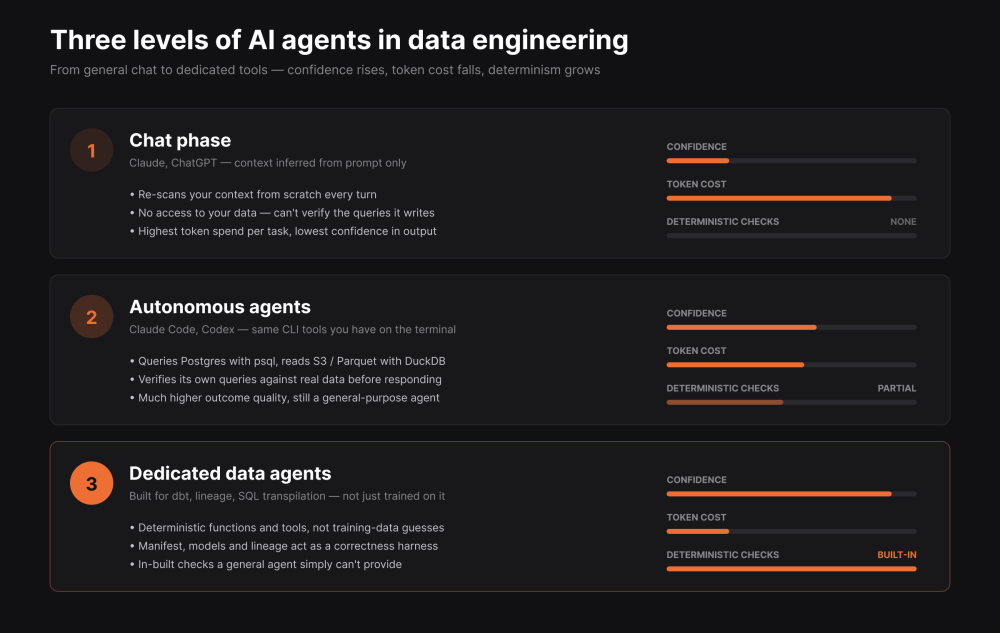
Where AI Agents Belong in Data Engineering: The Correctness Layer

"A deterministic harness for reproducible, cacheable results — sitting between a probabilistic agent on top and a deterministic core underneath."
This article examines how AI agents can be effectively deployed in data engineering through three distinct levels: chat-phase development with models like Claude or ChatGPT, autonomous approaches with CLI tool access, and dedicated agents with deterministic tooling.

Where_AI_Agents_Belong_in_Data_Engineering_The_Correctness_Layer_0b2ca93f_2_chosen.png

How to build robust data pipelines with AI

"Writing a data pipeline with AI has never been easier. You type a prompt, wait a minute, and something that runs shows up. The pipeline is green. The number it returns is... wrong." The author presents four systematic approaches to transform unreliable AI-generated code into trustworthy pipelines.

geosql

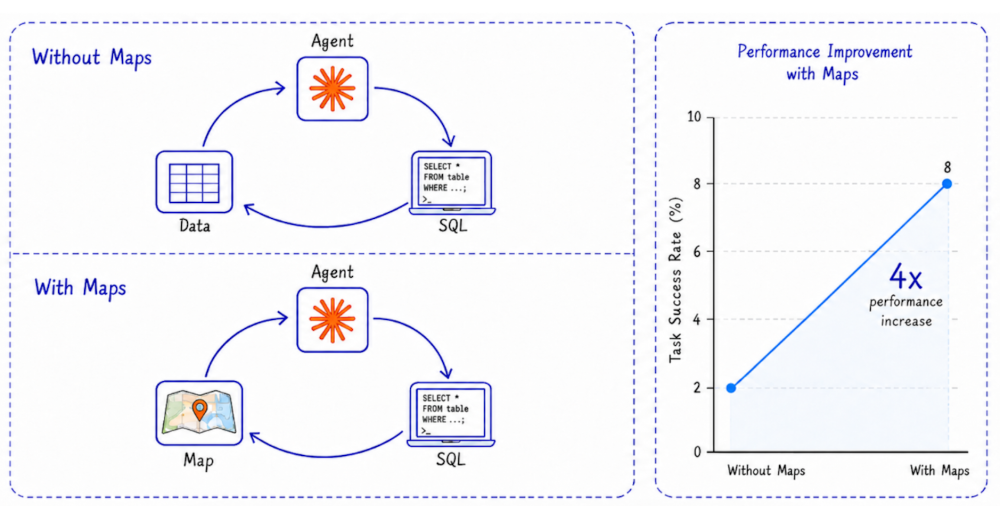
GeoSQL is an open-source skill that transforms AI assistants like Claude, Codex, and GitHub Copilot into geospatial analytics agents. It works entirely locally or self-hosted without requiring a SaaS account, and supports major data platforms including PostGIS, BigQuery, Snowflake, and Wherobots.

GitHub_dekart_xyz_geosql_Turn_Claude_Codex_into_geospatial_analytics_agent_364c7720_2_chosen.png

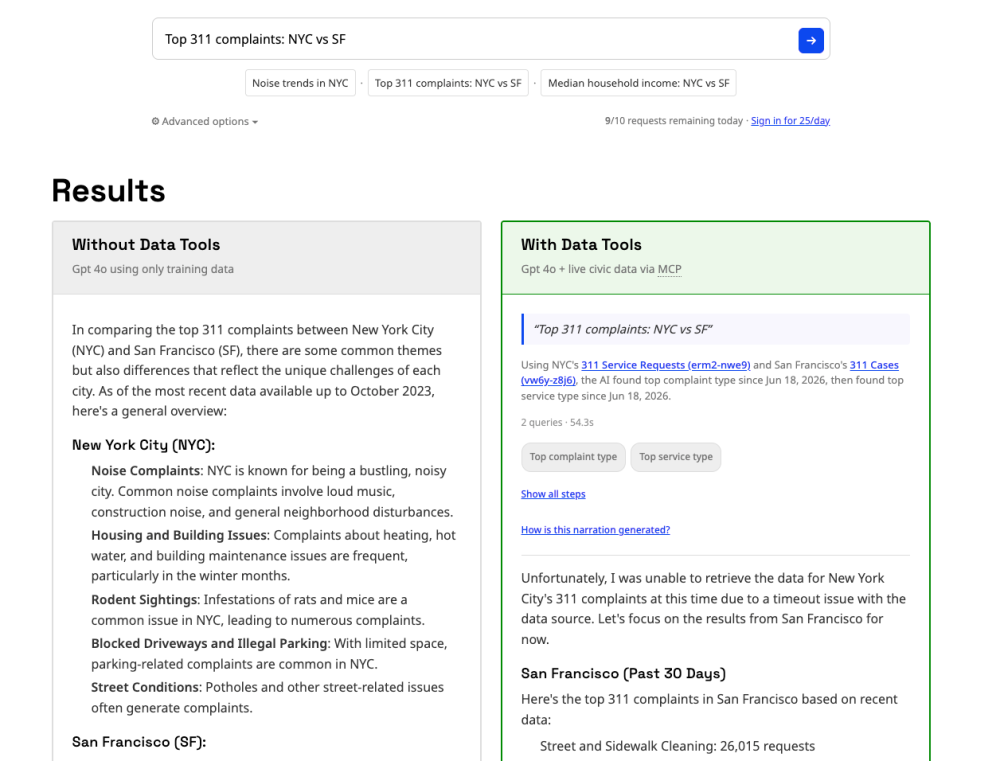
Civic AI Tools

Civic AI Tools is a demonstration platform showing how AI can interact with municipal open data portals while maintaining transparency and verification. It is the civic reference implementation of Typed Standards, an open protocol that ensures AI-generated answers can be independently verified.

Screenshot_2026_07_18_at_12_05_24_uploaded.png

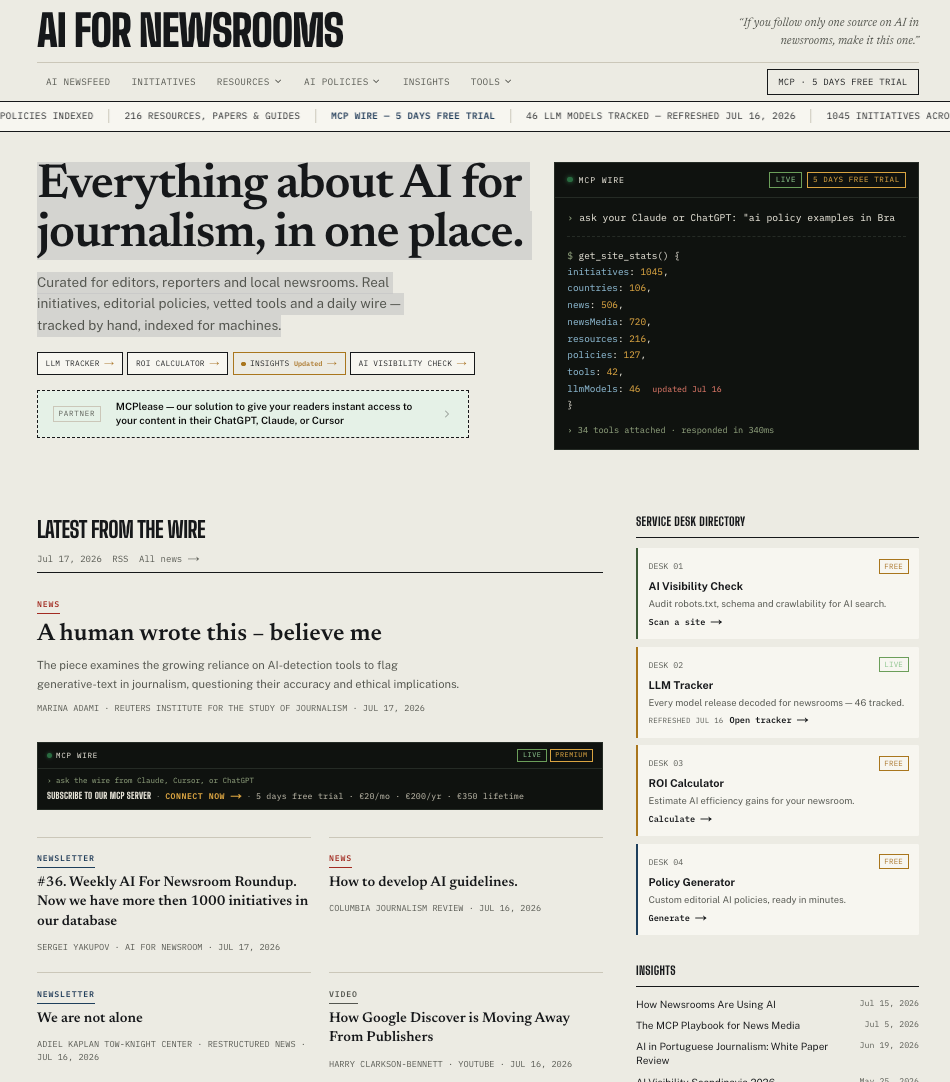
AI for Newsroom

"Everything about AI for journalism, in one place. Curated for editors, reporters and local newsrooms. Real initiatives, editorial policies, vetted tools and a daily wire — tracked by hand, indexed for machines." (via web curios)

Screenshot_2026_07_18_at_12_05_57_uploaded.png

Data Analysis Journeys

An online book providing data analysis practical tutorials designed to help students practice wrangling, visualisation, and analysis skills in a less structured environment than traditional textbooks.

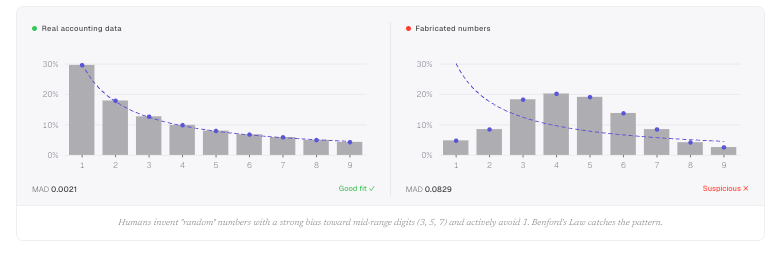
Benford's Law: The Strange Law That Catches Financial Fraudsters

Benford's Law captures a counterintuitive statistical phenomenon: in real-world datasets, the digit 1 appears as the first digit approximately 30% of the time, not the expected 11%. This phenomenon was first observed by Simon Newcomb in 1881.

Screenshot_2026_07_18_at_12_12_44_uploaded.png

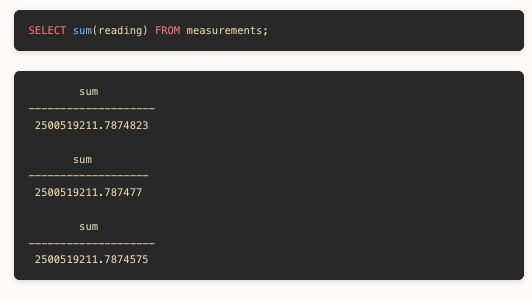
Same rows, different SUM

This article explores a surprising PostgreSQL behavior where running the same SUM() query on floating-point data returns different results across multiple executions. "This is not a Postgres bug, and it is not specific to Postgres. It is what happens when floating-point arithmetic meets parallel aggregation."

Screenshot_2026_07_18_at_12_15_01_uploaded.png

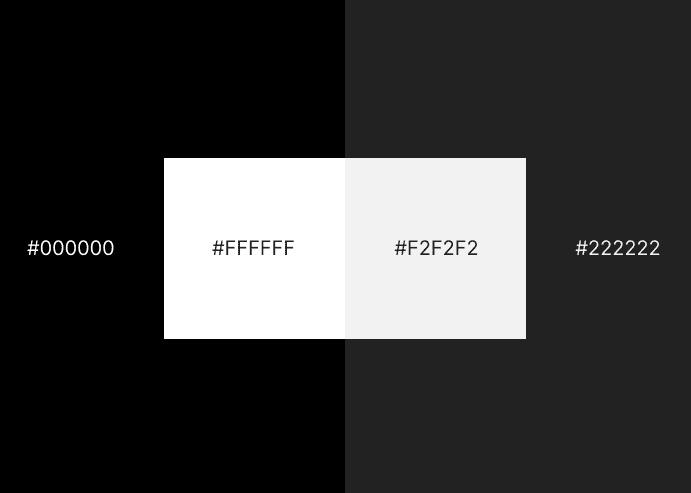
Visual design rules you can safely follow every time

"You do not have to follow these rules every time. If you have a good reason to break any of them, do. But they are safe to follow every time."

Screenshot_2026_07_18_at_12_20_06_uploaded.png

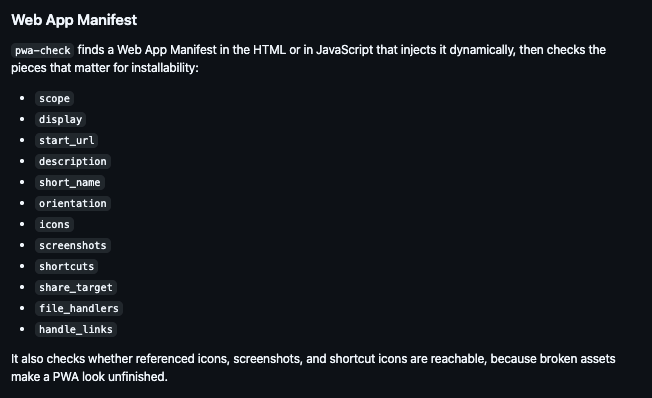
pwa-check

"Is your web app actually ready to be installed, work offline, and behave like a real PWA? Let pwa-check check your app for you. It scans the HTML, manifest, scripts, and service worker, then points straight at the gaps that will hurt installability or offline behavior."

Screenshot_2026_07_18_at_12_20_47_uploaded.png

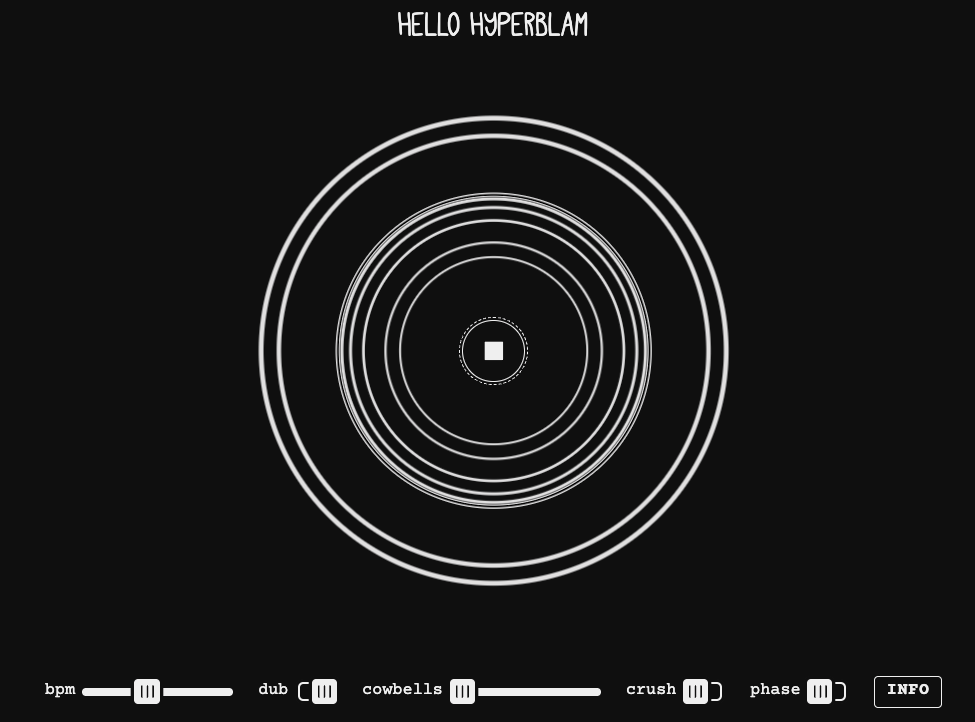
Hyperblam

HYPERBLAM is a declarative music creation tool that allows users to make music using HTML without writing JavaScript. It's built as a declarative implementation of the Web Audio API, and it is completely dependency-free.

Screenshot_2026_07_18_at_12_21_46_uploaded.png

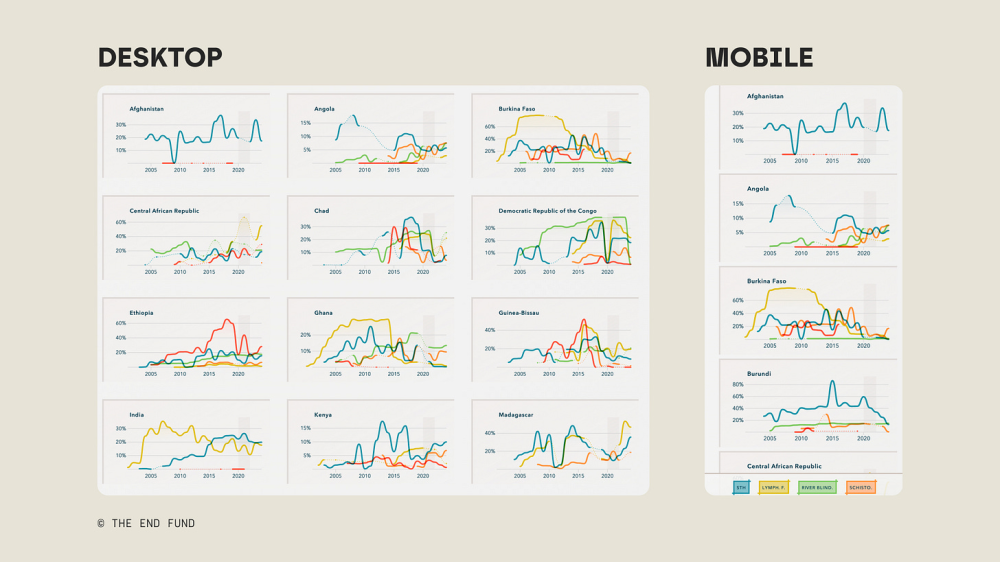
Flip, slice, trim

Evelina Parrou suggests some "creative ways of adapting your charts to mobile".

Flip_slice_trim_80152a9f_5_chosen.png

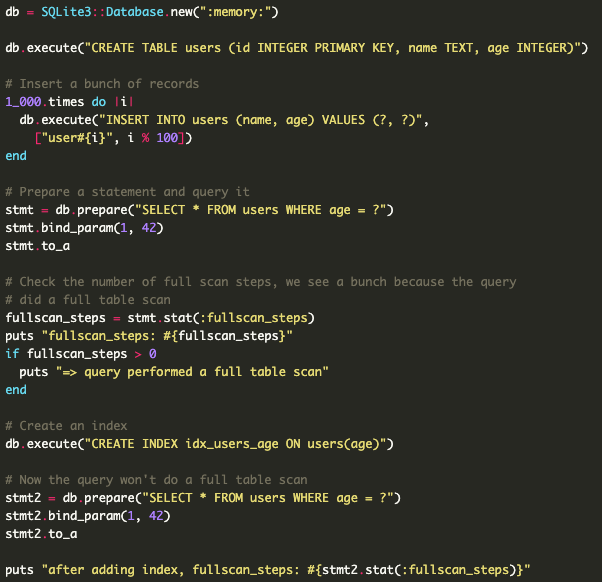
Detecting Full Table Scans With SQLite

This article discusses a method for detecting full table scans in SQLite databases.

Screenshot_2026_07_18_at_12_22_55_uploaded.png

Guide to data tools landscape for developers

"Found yourself on a data project and have no idea what they all are talking about? Feel excluded from all the fun discussions in the office kitchen? If only there were a humongous guide going over all the concepts and buzzwords..." Written by a developer who joined Deepnote without data background, it covers the complete data lifecycle: extraction, transformation, loading, and consumption.

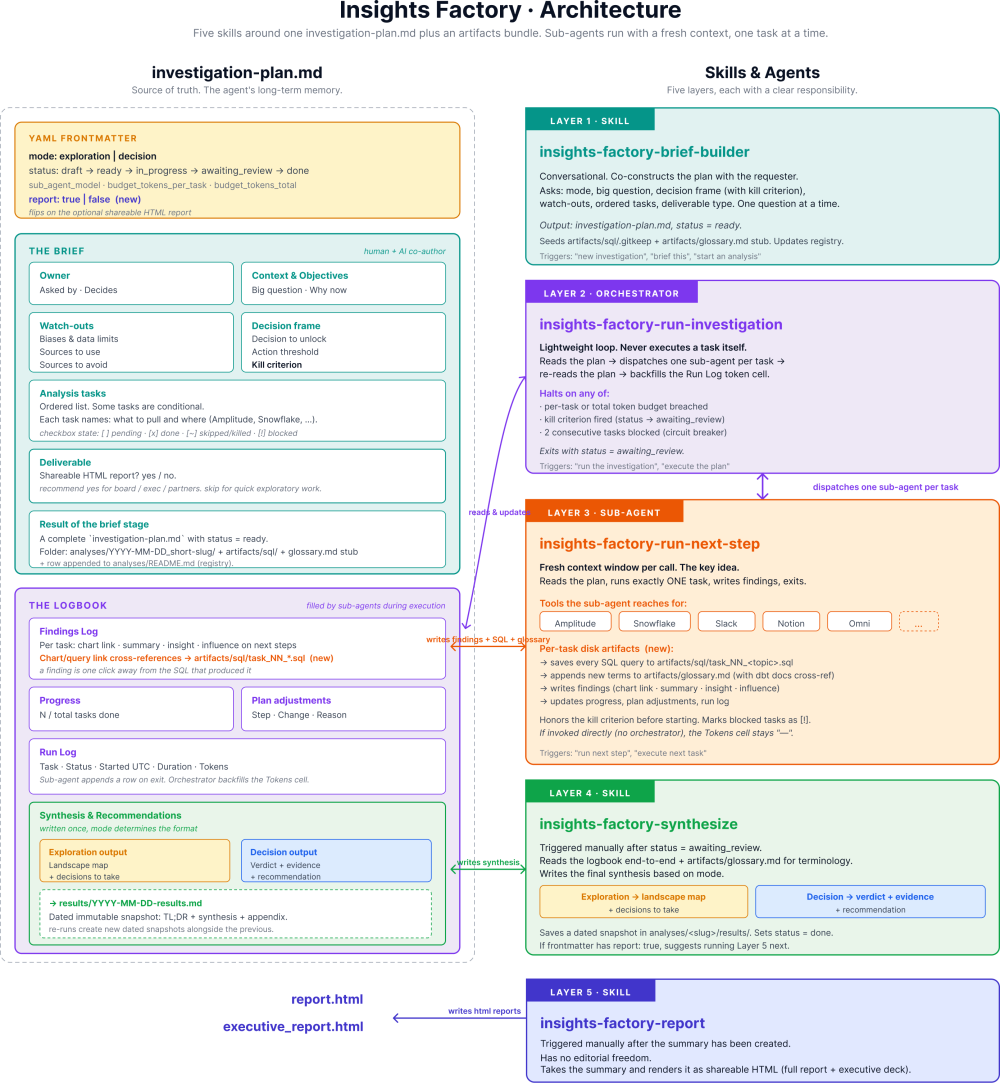
The Insights Factory: how we run deep data investigations with LLM agents

"How Photoroom's data team turns one hard question into hundreds of small, auditable queries, run by agents and kept honest by a human."

The_Insights_Factory_how_we_run_deep_data_investigations_with_LLM_agents_3283ff39_8_chosen.png

NaN, the not-a-number number that isn't NaN

"NaN is the only value in the whole of JavaScript that isn’t equal to itself", and other interesting oddities.

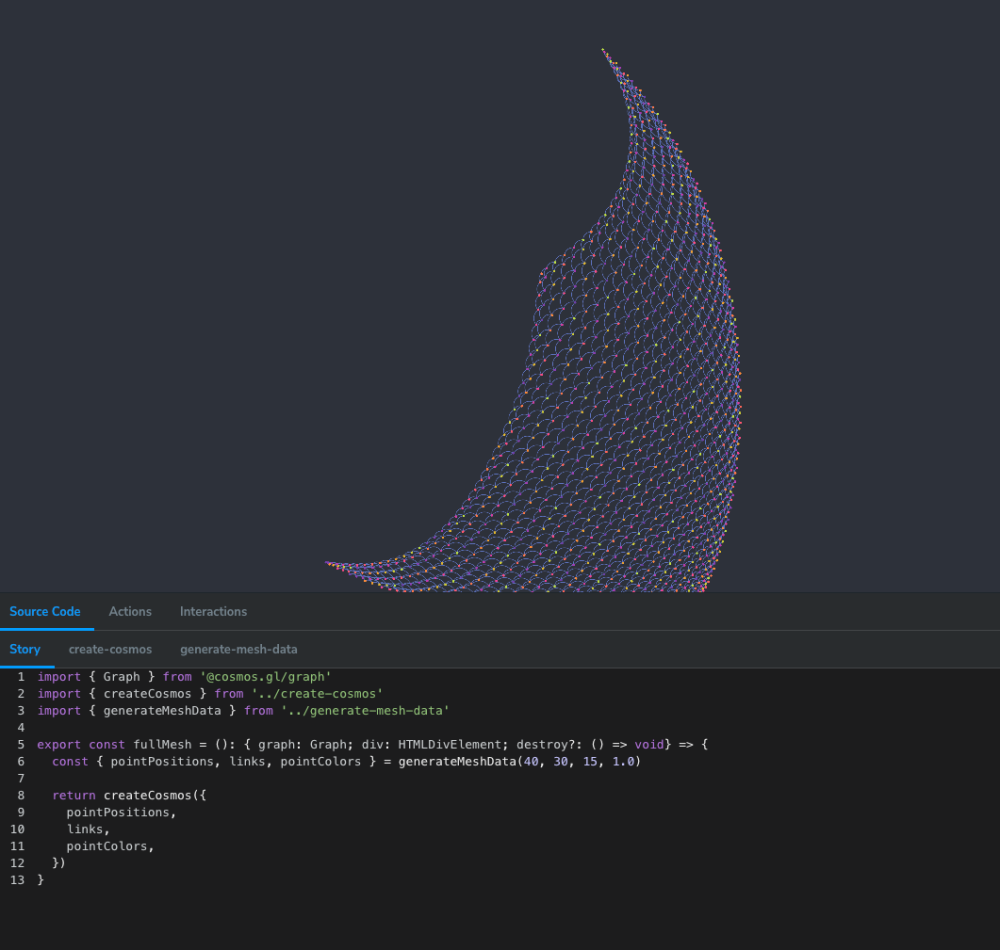
cosmos.gl

Cosmos.gl is "a high-performance WebGL library for visualizing network graphs and machine learning embeddings."

Screenshot_2026_07_18_at_12_30_29_uploaded.png

Show HN: I implemented a neural network in SQL

Interesting story and comments.

Data Thinking

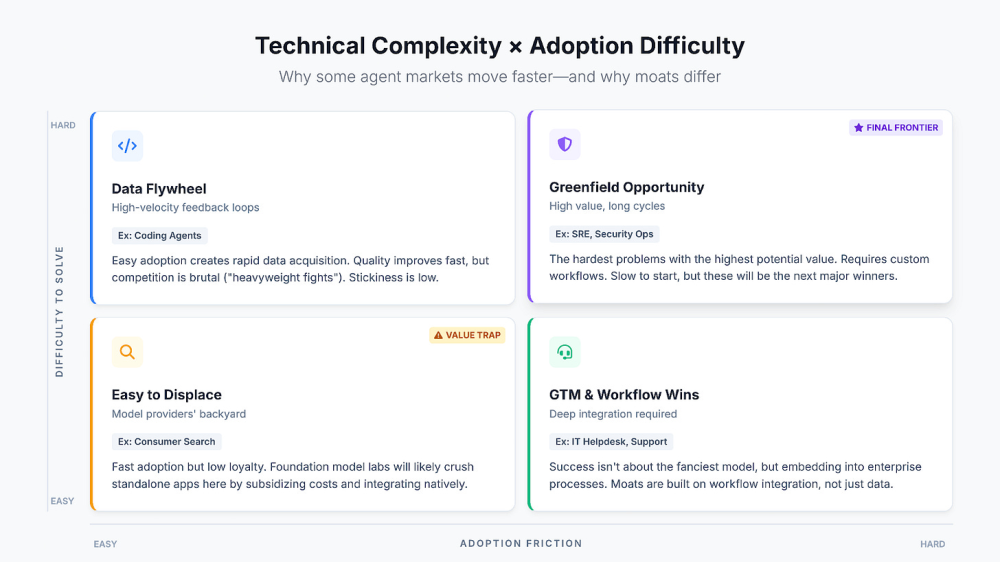
Data is your only moat

An article on why AI agent development has progressed unevenly across different use cases. It also introduces a framework based on two dimensions: technical complexity and ease of adoption.

Data_is_your_only_moat_399424db_4_chosen.png

The Salience of Data

It's proprietary data access, rather than compute power or talent, that will be the primary competitive moat for AI companies over the next 3-5 years, argues this article.

Dataviz, Data Analysis, & Interactive

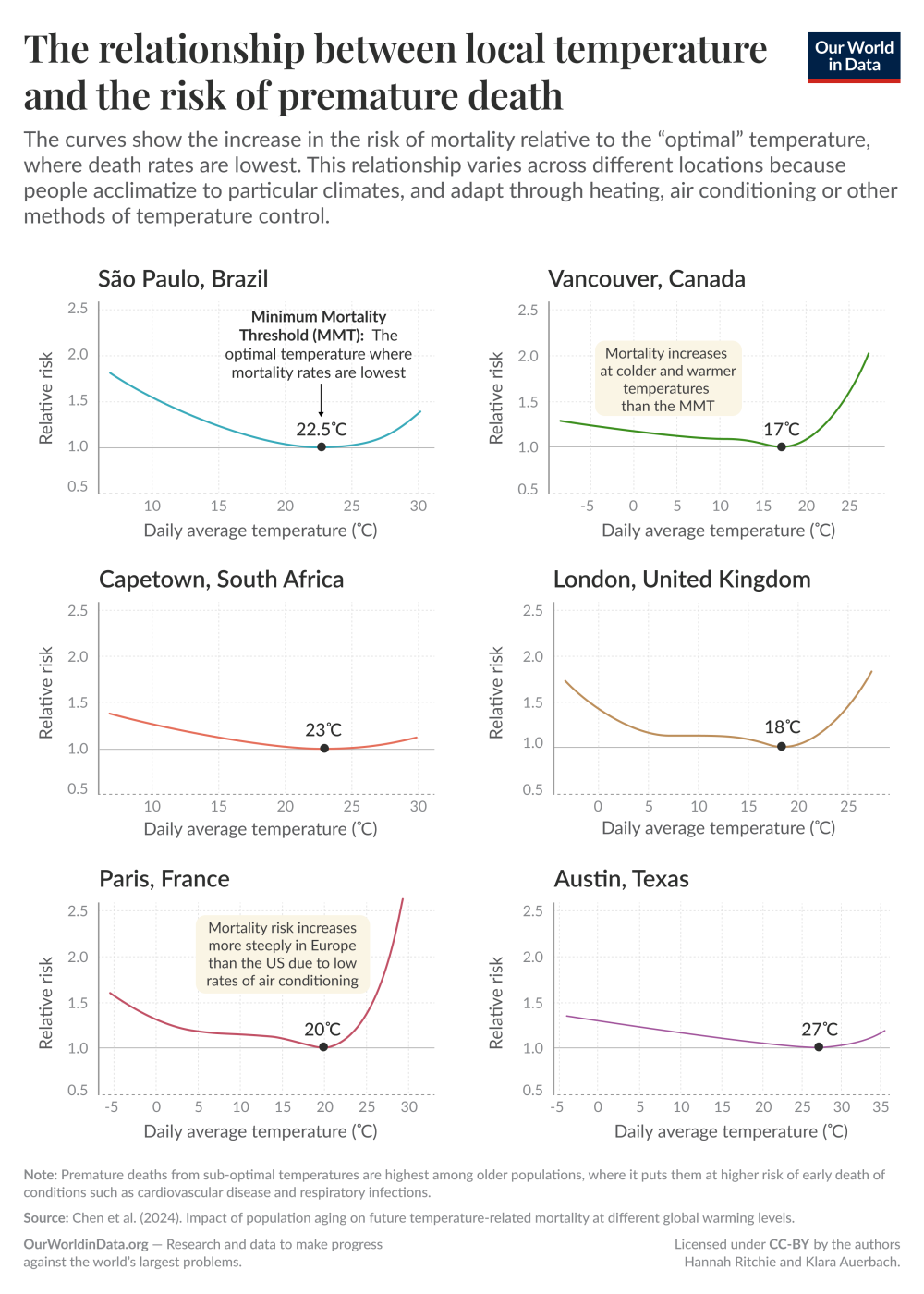
How many people die from extreme temperatures, and how this could change in the future: Part one

"Cold deaths vastly outnumber heat-related ones, but mostly due to “moderate” rather than extremely cold conditions." The mortality-temperature relationship forms a U-shaped curve with an optimal "Goldilocks" temperature varying by region based on local adaptation and acclimatisation. Paris and London show steep mortality increases at high temperatures due to limited air conditioning, while cities like Tokyo and Austin, with widespread cooling systems, show lower heat-related risks. This demonstrates humanity's capacity to adapt to different temperatures, which will be crucial for coping with climate change.

How_many_people_die_from_extreme_temperatures_and_how_this_could_change_in_the_future_Part_one_a7eec584_2_chosen.png

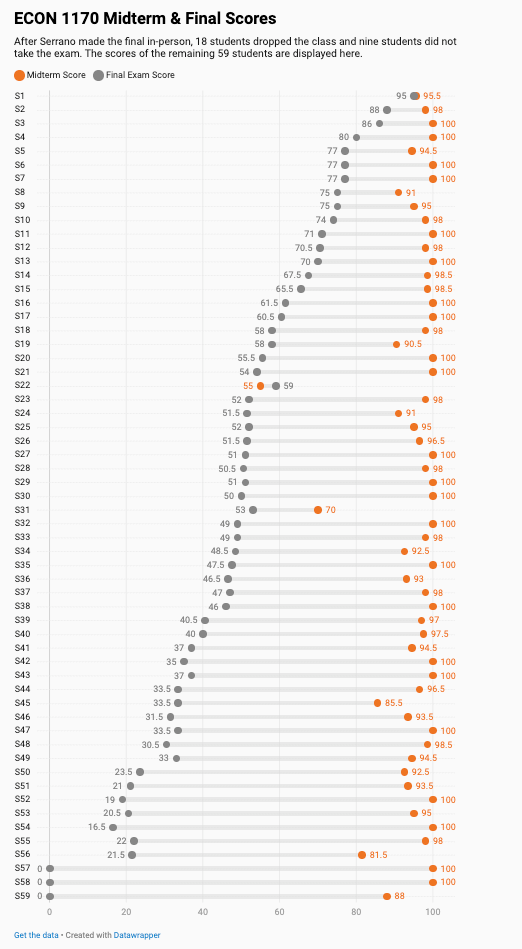
Brown Professor Suspects Majority of His Class Used AI to Cheat

Brown University economics professor Roberto Serrano allowed students to take a midterm exam at home following safety concerns after a December campus shooting. In his welfare economics class, enrolment tripled to 86 students, and the average midterm score was 96 percent, way above the historical 65-80 percent range. Suspecting AI-assisted cheating, Serrano tested responses through ChatGPT and found matching answers with "kind of correct, but very off and with a very convoluted style" that weren't human-written. He made the final exam in-person, resulting in 18 students dropping the class and an average score plummeting to 48.6 percent. Great chart!

Screenshot_2026_07_18_at_12_37_54_uploaded.png

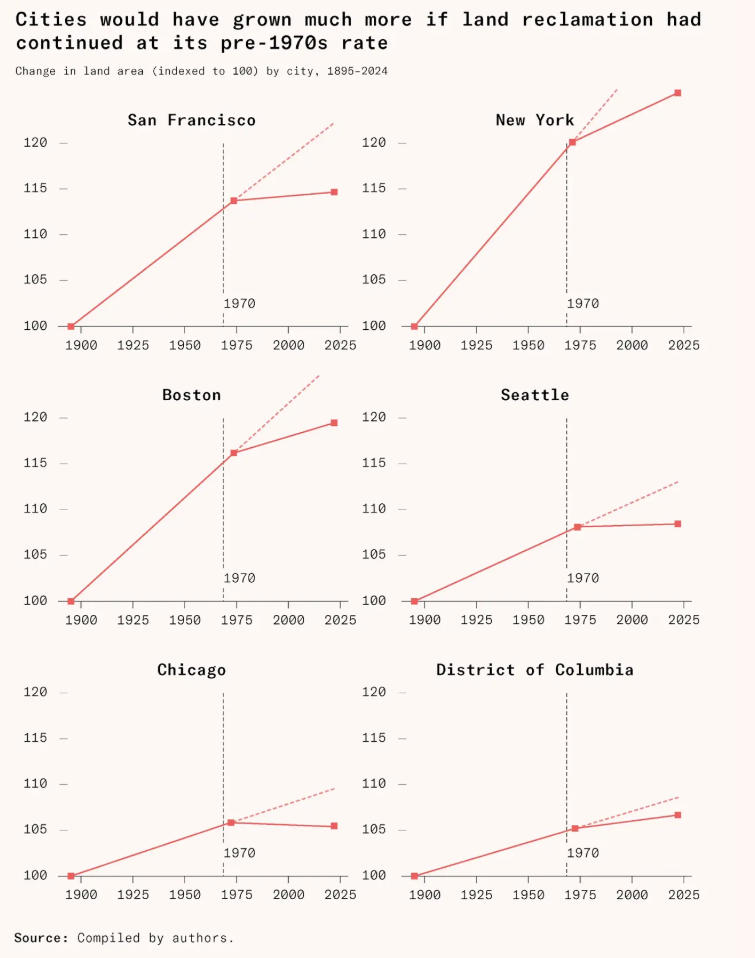
Why San Francisco isn’t bigger

Works in Progress: "Large swaths of America’s cities were originally underwater. We stopped half a century ago, but there is plenty more land left to take."

Screenshot_2026_07_18_at_12_40_52_uploaded.png

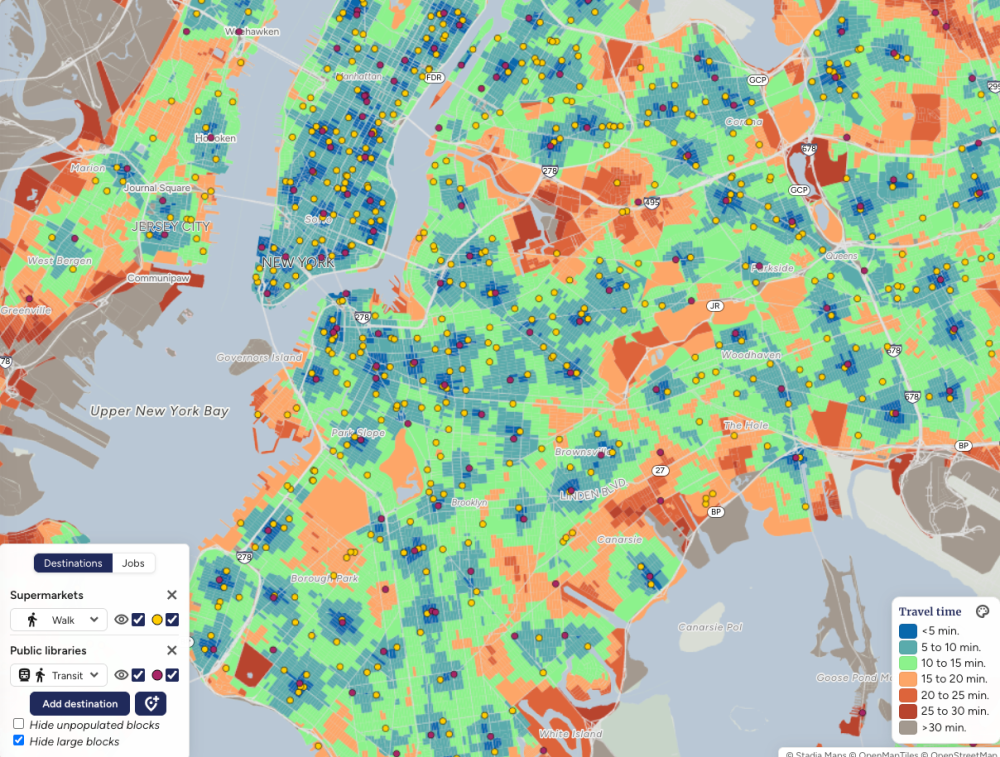
Close.city

"Close is a travel time map of the United States", mostly focussed on walkability.
Also see the announcement on LinedIn.

Screenshot_2026_07_18_at_12_42_33_uploaded.png

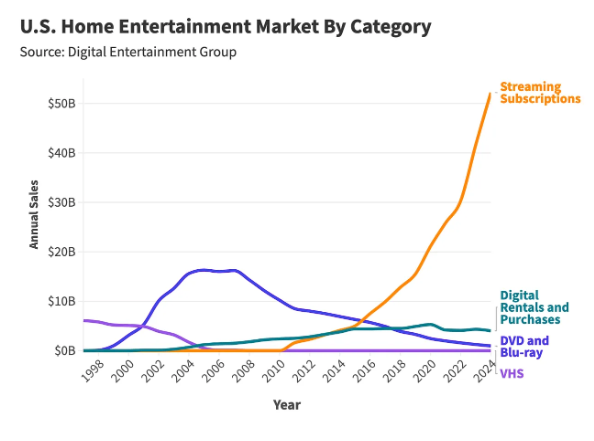
Why We Stopped Going to the Movies

Daniel Parris (Stat Significant): "we’ll examine the relationship between theatrical moviegoing and streaming activity, estimate how much money Hollywood is leaving on the table, and explain why theaters remain the smartest way to launch a film."

Screenshot_2026_07_18_at_12_43_46_uploaded.png

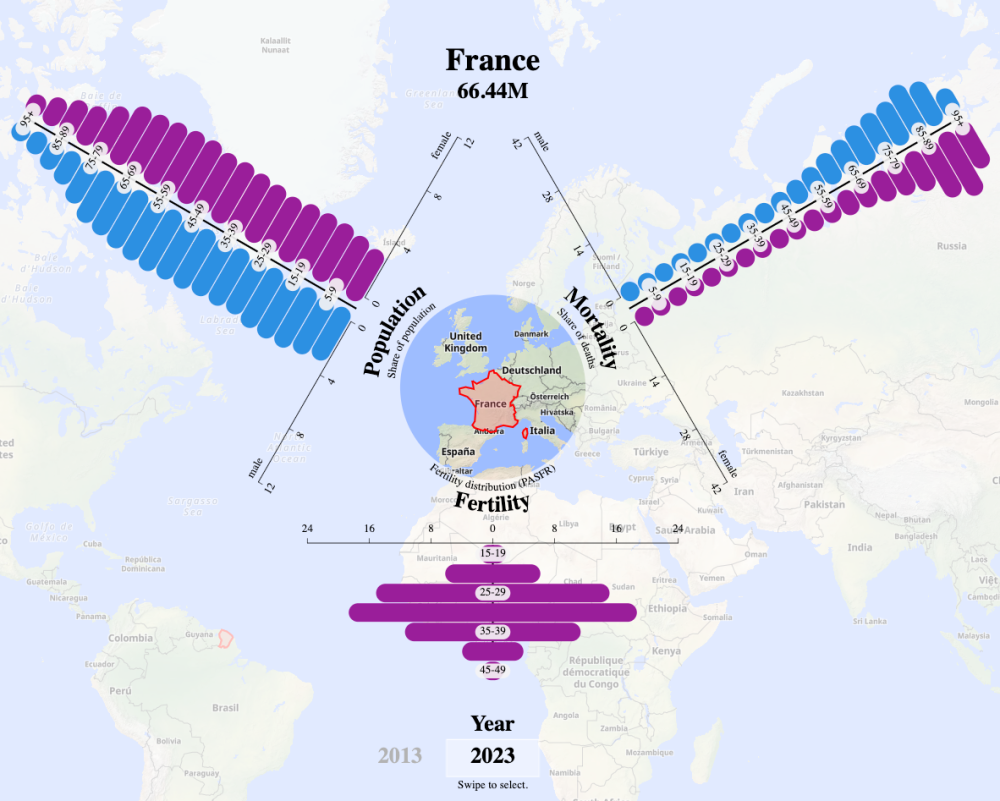
Demographic Profiles, 1953–2023

An innovative interactive visualisation mapping global demographic change across seven decades. It uses the Visquill library.

Screenshot_2026_07_18_at_12_44_43_uploaded.png

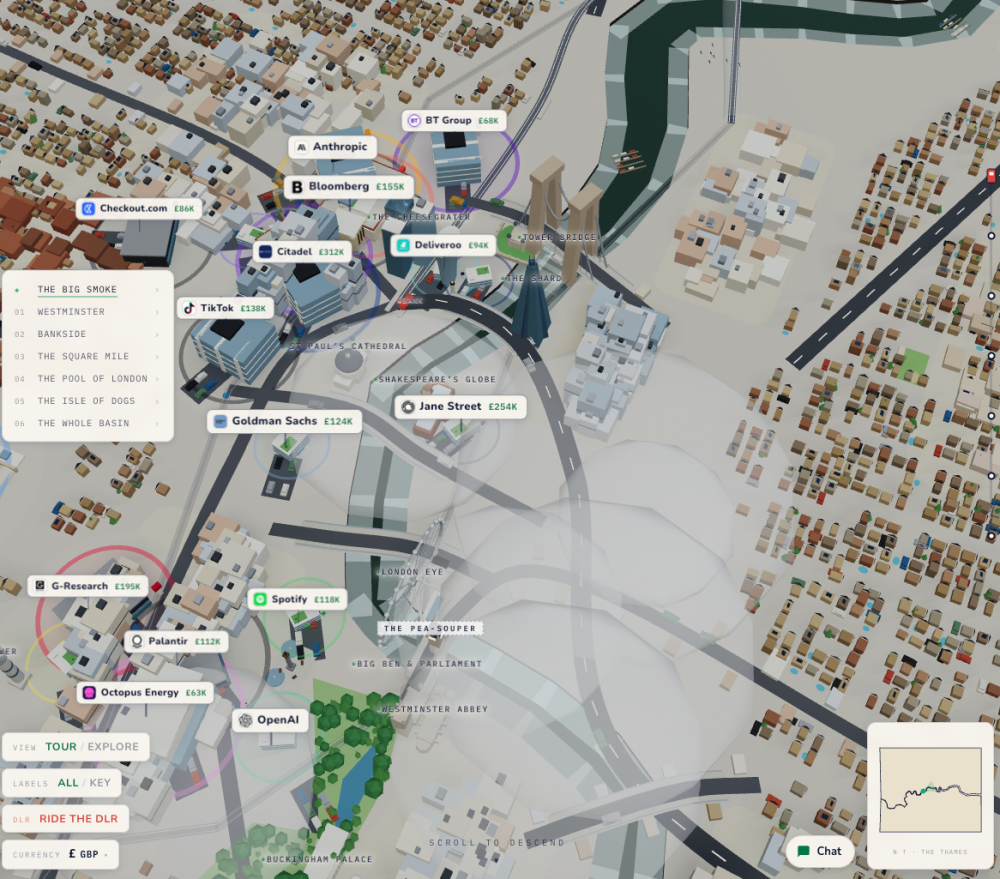
The Big Smoke — a living atlas of London · Levels.fyi

"The Big Smoke" is an interactive WebGL-based 3D map of various world cities (here we see London) created by Levels.fyi, the salary comparison platform. (via Daniele Bottillo)

Screenshot_2026_07_18_at_12_46_24_uploaded.png

AI

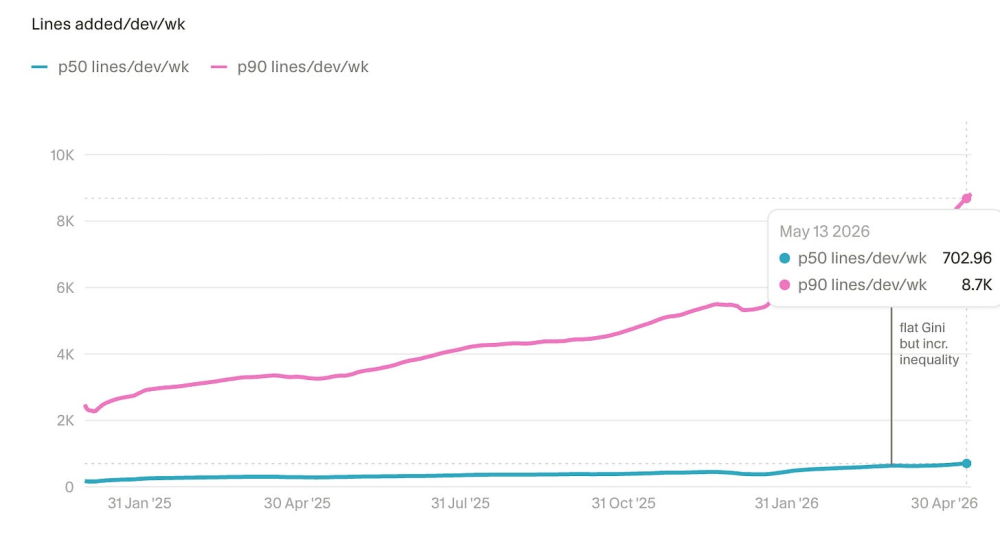
The Pulse: Interesting AI coding stats from Cursor

The Pragmatic Engineer reports on the recently released Cursor usage data. Power users at the 90th percentile generate approximately 9,000 lines of code weekly compared to 700 for median users, while the top 1% produces an astonishing 30-40,000 lines per week. 90% of token usage involves input tokens (i.e. reading existing codebases) rather than generating output.

The_Pulse_Interesting_AI_coding_stats_from_Cursor_60ccec2c_5_chosen.png

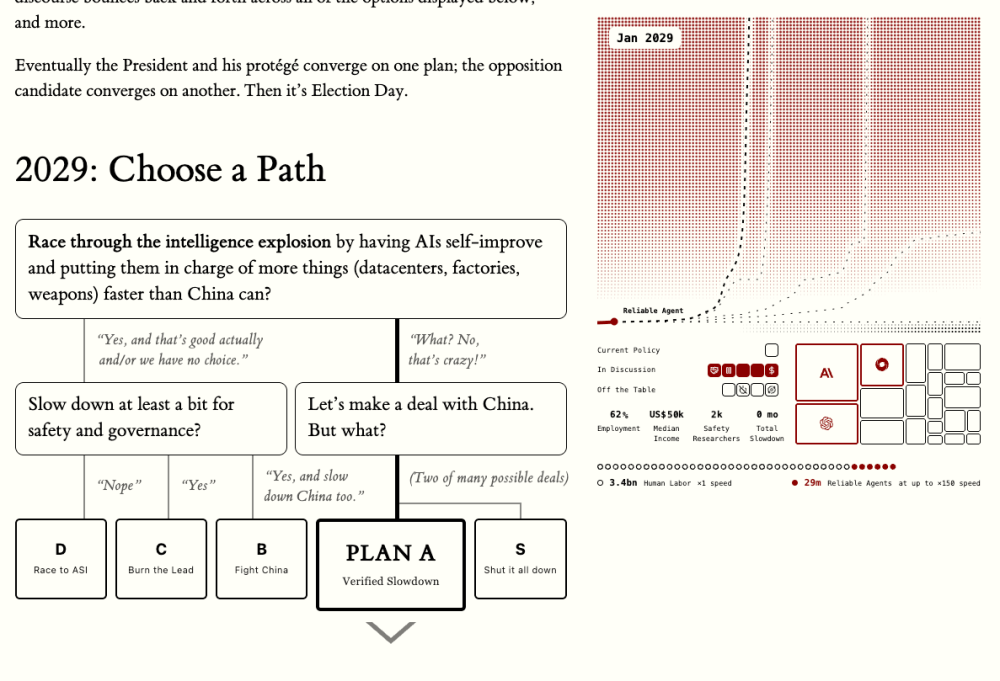
AI 2040: Plan A

A follow up from the authors of AI 2027. "Plan A" is a policy recommendation for avoiding AI-driven existential catastrophe by delaying superintelligence development until 2040. A lot of doomerism, but some interesting thoughts and pretty interactive charts.

Screenshot_2026_07_18_at_12_48_55_uploaded.png

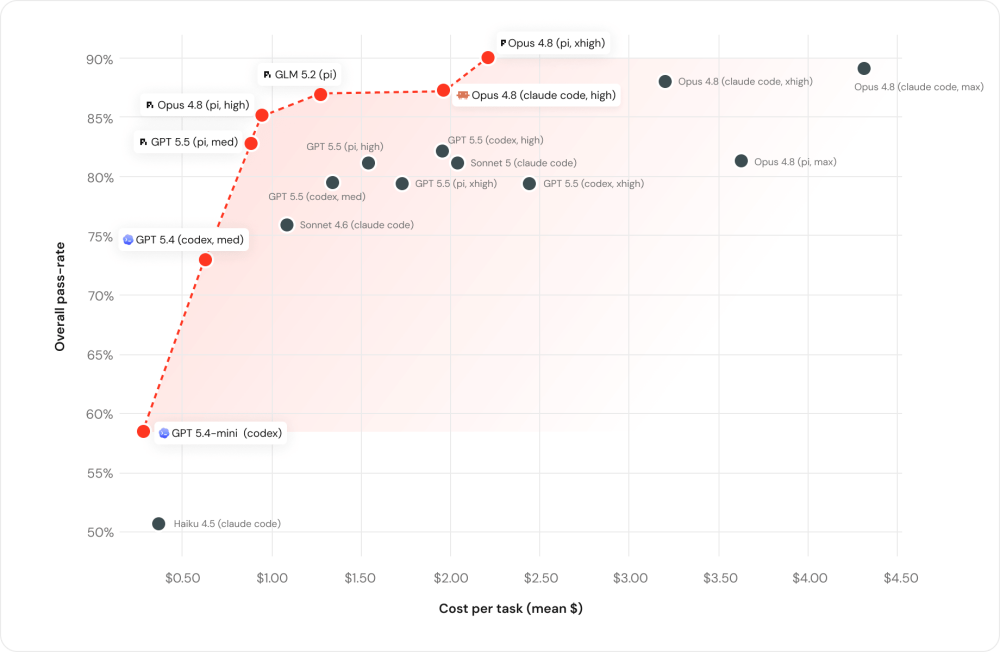
Benchmarking Coding Agents on Databricks' Multi-Million Line Codebase

Databricks created an internal benchmark to evaluate AI coding agents on real engineering tasks. This article presents the results.

Benchmarking_Coding_Agents_on_Databricks_Multi_Million_Line_Codebase_7fe83f18_1_chosen.png

I love LLMs, I hate hype

The author expresses enthusiasm for AI progress while criticising the hype surrounding it. "What I don’t like is two things. One, this constant bullshit about some window closing, or the perpetual underclass, or falling hopelessly behind. This is negative valence hype, not only is it not true, it’s mostly designed to make you feel bad about yourself and move to shitty San Francisco where everything really does suck like how these people claim.
And two, this strawman jump from, oh hey, it’s a fancy autocomplete, smart compiler, better search engine, to it’s gonna like own the whole light cone bro like if you aren’t in SF and at the right parties there’s gonna be like a flash of light in the sky one day and you’re not even gonna know what happened but everything just Changed. I’ll bet you everything I have that this doesn’t happen. The people perpetuating this are terrible people, but the justice is that this is how they feel inside all the time themselves.
"

A Hitchhiker's Guide to AI

"I’ve been asked on multiple occasions to produce a blog post covering programming with LLMs from A-Z. In this post I’ll discuss all the most important terms and definitions as well as a multitude of DOs and DONT’s with LLMs and writing code."

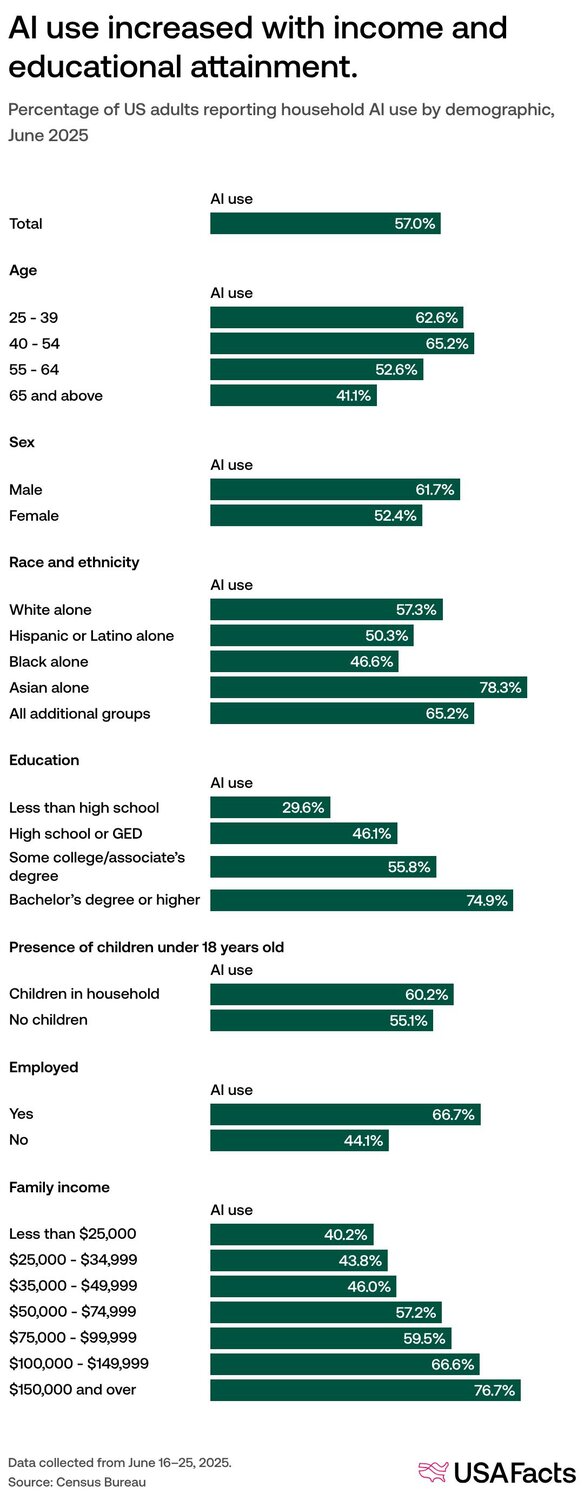
How many Americans are using AI — and how? | USAFacts

USAFacts: "35% of American households are using AI to find information. 14% of people trust that information."

How_many_Americans_are_using_AI_and_how_USAFacts_d17cc8f8_2_chosen.png

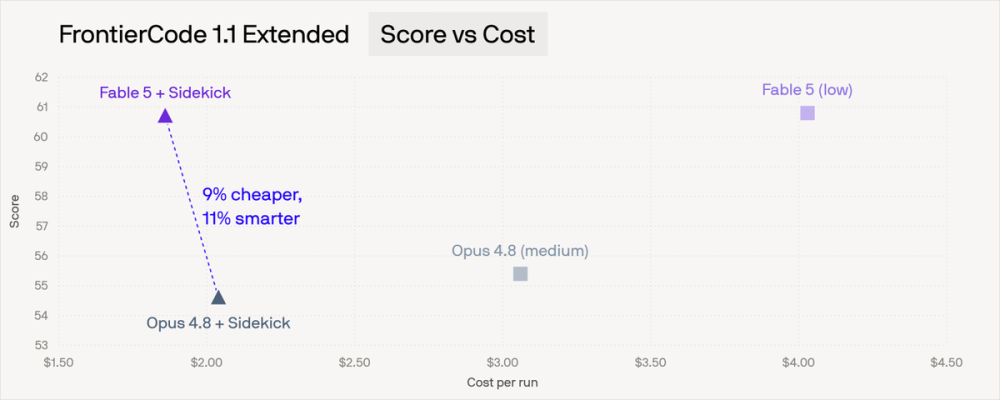
Making Fable Cheaper Than Opus

This X post announces a counterintuitive cost optimisation achievement, with the poster reporting that replacing Opus 4.8 with Fable 5 reduced operational costs by implementing a new "Fusion architecture".

Making_Fable_Cheaper_Than_Opus_811ae21f_3_chosen.png

What will be left for us to work on?

Prof Arvind Narayanan (recently become well known for his newsletter "AI as Normal Technology") gave a keynote address at the ICML 2026 conference. He presents three core arguments: First, the "AI as Normal Technology" framework remains useful for understanding AI's impacts unless a discontinuity like recursive self-improvement occurs. Second, no laboratory milestone will suddenly render everyone unemployed. Third, jobs will transform radically, requiring significant adaptation over decades. This article shows slides and write-up.

GLM 5.2 and the coming AI margin collapse (part 1) - Martin Alderson

Martin Alderson takes a look at how the open-source GLM 5.2 model threatens the business model of frontier AI labs like OpenAI and Anthropic. It's the first part in a 2-article series.

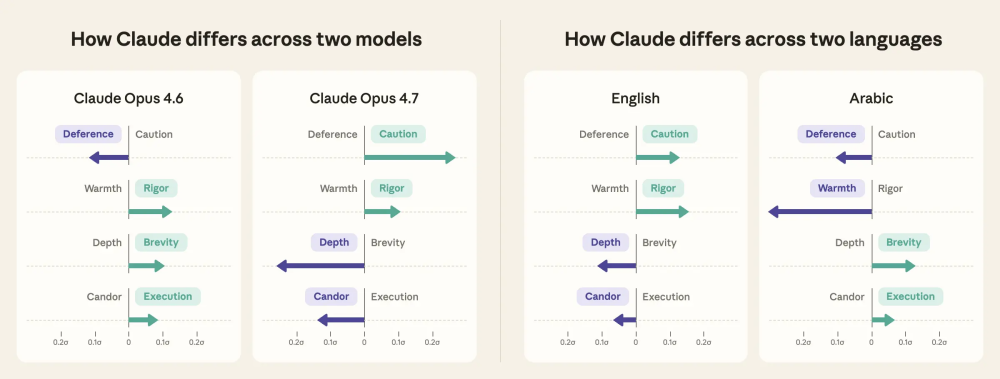
Claude's values across models and languages

Anthropic researchers analysed how Claude AI expresses values across different models and languages.

Claude_s_values_across_models_and_languages_b26b0925_2_chosen.png

DID YOU LIKE THIS ISSUE?

Buy Me A Coffee

You're receiving this email because you subscribed to Quantum of Sollazzo, a weekly newsletter covering all things data, written by Giuseppe Sollazzo (@puntofisso). If you have a product or service to promote and want to support this newsletter, you can sponsor an issue.

quantum of sollazzo is also supported by Andy Redwood’s proofreading – if you need high-quality copy editing or proofreading, check out Proof Red. Oh, and he also makes motion graphics animations about climate change.

Logo for ProofRed

The Quantum of Sollazzo grove now has 40 trees. It helps managing this newsletter's carbon footprint. Check it out at Trees for Life.

Quantum of Sollazzo. · The data newsletter by Giuseppe Sollazzo

(c) 2012-2026 Giuseppe Sollazzo · London · UK

Unsubscribe

Don't miss what's next. Subscribe to quantum of sollazzo:
← Newer preview 668: quantum of sollazzo Older → 666: quantum of sollazzo
Share this email:
Share on Facebook Share on Twitter Share on LinkedIn Share on Hacker News Share on Reddit Share via email Share on Mastodon
Powered by Buttondown, the easiest way to start and grow your newsletter.