
666: quantum of sollazzo
Hello, reader!
Quantum #665 had an open rate of 48% and a click rate of 14%.
The most clicked link was POLITICO's UK poll of polls.
On Tuesday I was invited on a panel about AI in the real world, and it was good fun. It was run by Fabio Ardossi of The House of AI, and hosted by the Italian Chamber of Commerce in London, an organisation I had never engaged with before – it was interesting to see a mixture of Italians and others discuss about AI :-)
We discussed the misconceptions that executive leaders have about becoming AI-ready. The biggest – everyone on the panel agreed was that it's a technology problem.
Of course, tech is an aspect of the problem, and that includes cost. But the reality is that AI is a tool in the arsenal of problem-solvers. Which means that without being problem-first, applying user-centric design, involving service designers, we're gonna be left with yet another big IT spend on activities that are not quite aligned with the business outcomes. I say this as a keen techie, someone who spends his free time trying the most recent models. We don't necessarily need that, but a good look at user needs, with a strong awareness of AI capability (and problems, including, once again costs). In my work at HMRC I'm working on strengthening our approach to modelling benefits and creating evaluation frameworks that are able to really measure what we're doing, at pace, allowing for a fail-fast-and-pivot culture.
Needless to say, not all organisations need to be AI makers. The approach I'm supporting in my day job, though, is to be fast followers: trialling new tech fast, as cheaply as possible, and making our own calls on what should stick and why. This type of work doesn't need world experts in machine learning, but people with a strong tech background who, however, focus on product building to respond to user needs. It also needs accepting that not all problems are best addressed using AI.
The other important aspect is, especially for us in public service, responsibility and accountability. We can only function, as public organisations, if we maintain the public's trust. The tax service in the UK is trust-based (obviously there are compliance checks, etc, but the core of it is that we trust taxpayers to honestly tell us how much they made and help them calculate how much they owe). So I'm a big fan of the g-word: governance. But you know what? Governance should not be equal to hurdles, delays, neverending processes. Good governance can be fast. I keep telling the story of NHS Resolution, an organisation I worked with when I led the NHS AI Skunkworks: it took 3 weeks for all the sign-offs in terms of data protection, ethics, security, etc. Why? Because working with data about really serious situation is part of their DNA. Their data maturity is high, and therefore their governance can pick up and deal with comfortably with risk and benefit.
So the key lessons from the panel were:
1) work on culture & responsibility: building leadership, governance, skills, and trust to scale AI responsibly, in the understanding that this is about increasing data (and digital) maturity before scaling can be possible.
2) having a clear strategy to adoption, where AI ambition is turned into embedded capabilities that transform organisations and empower the workforce, one step at a time.
3) understanding value creation, and address the financing question accordingly: measure, measure, measure!
666 is famously the Number of the Beast, but also a number with fascinating properties.
'till next week,
Giuseppe
Topical
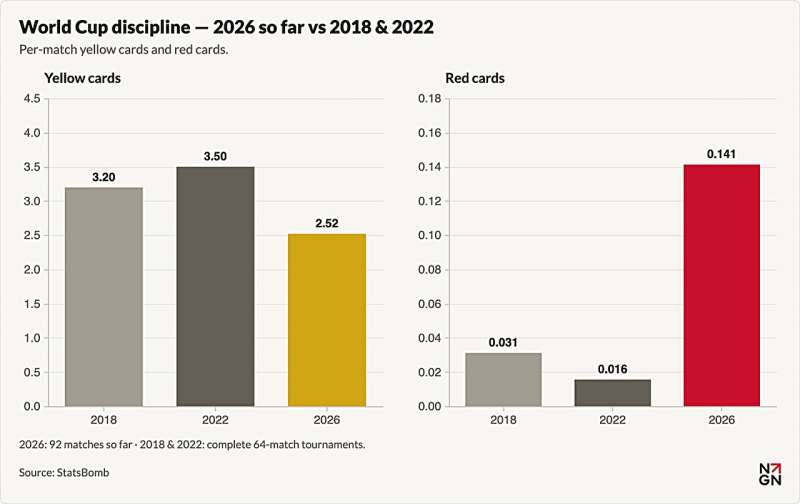
Red cards have more than tripled since the last World Cup, data show
Red cards at the 2026 World Cup have increased compared with past World Cups, according to Northeastern University's NetSI Sport research group. The increase is attributed to several factors: improved VAR technology, and stricter FIFA rules.
Jane Street depends on all sorts of messy, real-world data to understand financial markets and the global economy: think world news, decades of weather patterns, deidentified credit card spending, or packet captures of stock exchange market data feeds.
We're hiring Data Engineers to turn datasets like these into reliable inputs for trading. Working closely with our researchers, you'll evaluate unfamiliar datasets, build robust ELT pipelines, develop deep domain expertise, and decide what's worth exploring next.
The job requires a mix of engineering, data analysis, and product sense. If you love the detective work of investigating a weird dataset and figuring out what it actually means, we want to hear from you. No financial background is necessary.
We have openings in New York, London, and Hong Kong.

Tools & Tutorials
Dither Image Online
"Free, Fast, and Real-Time Dither Image Generator. Transform Your Photos with Instant Retro and Pixel Art Effects."

Agentic test processes, LLM benchmarks, and other notes on agentic coding from Galapagos Island
The author describes extensive experience using AI coding agents since late 2024, focusing on testing methodologies and LLM performance. The article details how LLM-generated fuzzers quickly find real bugs despite poor coverage, and how proper testing workflows are essential when agents generate hundreds of PRs daily.
Coordinator pattern: big models for planning, small models for execution
This is a Jupyter notebook file from Anthropic's Claude Cookbooks repository on GitHub, specifically focused on managed agents using a "plan big, execute small" approach for CMAs (Claude Managed Agents).
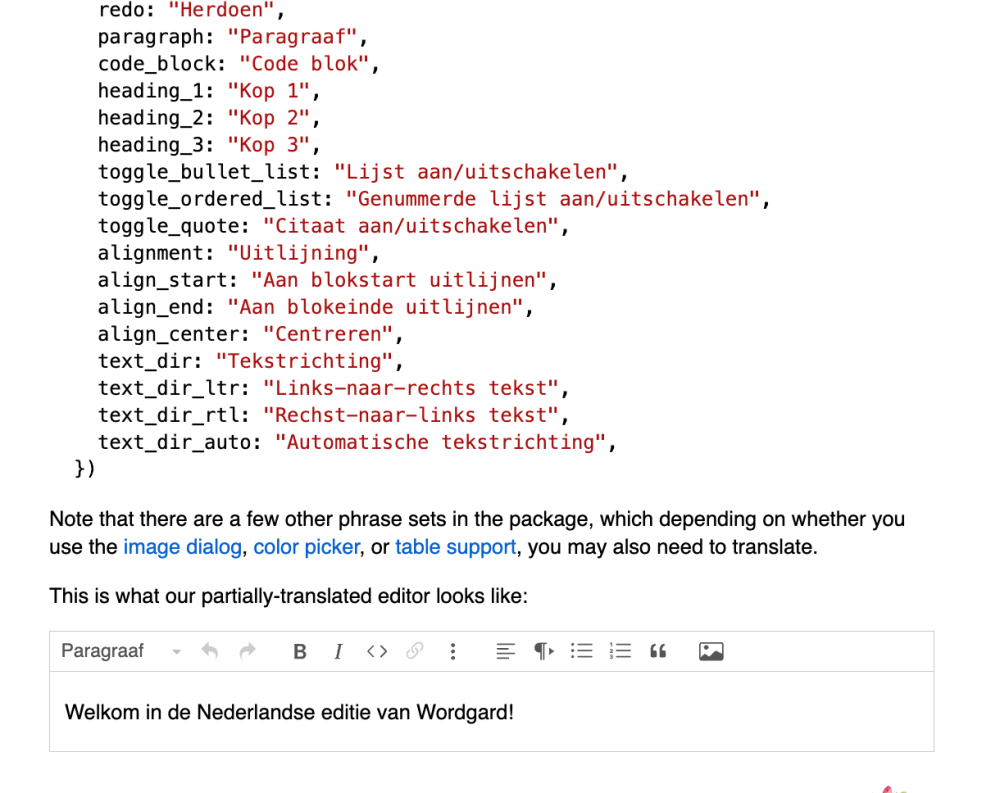
Wordgard
Wordgard is an open-source JavaScript library that provides an in-browser rich-text editor. Unlike free-form HTML editors, Wordgard is a semantic rich text editor system where developers maintain precise control over supported content types. Its main feature is a carefully designed programming interface suitable for building customised editors.
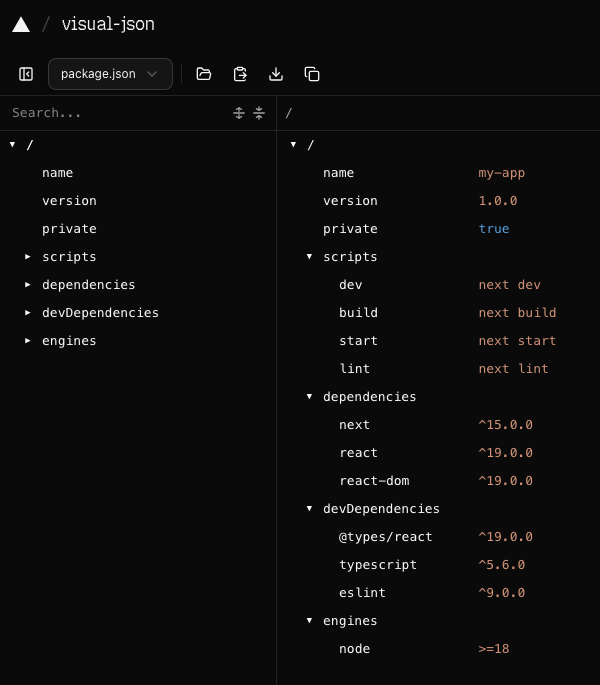
visual-json
An interactive JSON editor, attempting to make JSON editing more intuitive and human-friendly through visual representation and interactive navigation.
Dataviz, Data Analysis, & Interactive
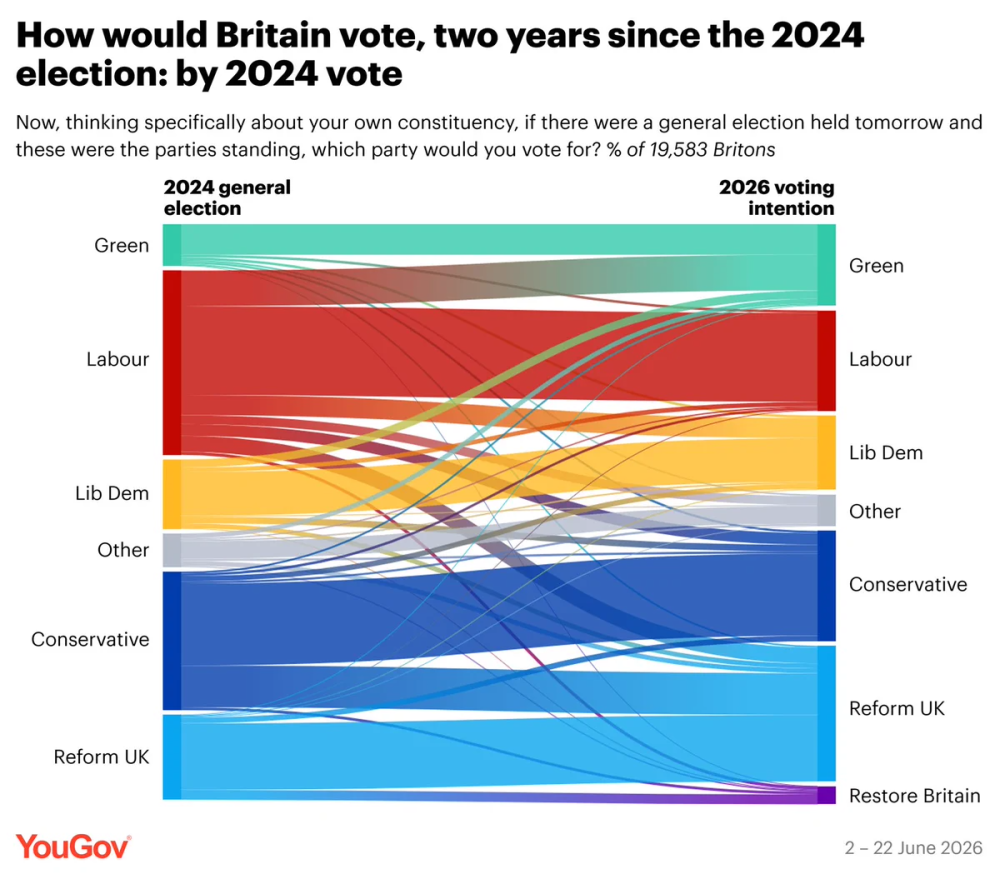
YouGov on X: Two years since the general election study
YouGov has an interesting analysis of vote transfers between parties, according to polling. The link points to a well-illustrated X thread, but the full write-up is here. (via Peter Wood)
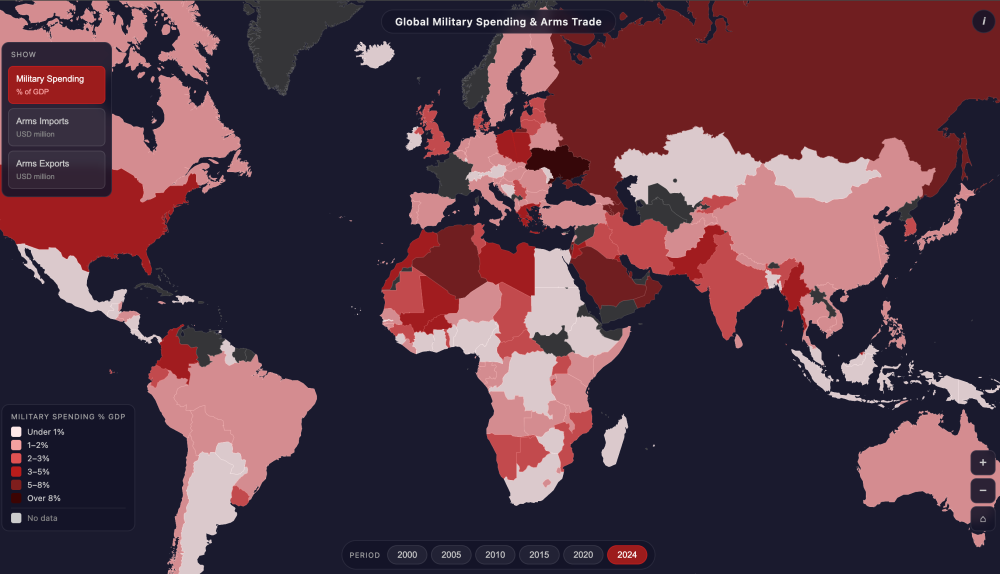
Global Military Spending & Arms Trade
Steven Feldman's latest attempt at vibe-coding maps is this interactive map that visualises the global arms landscape across 167 countries, over six five-year periods from 1996 to 2024.
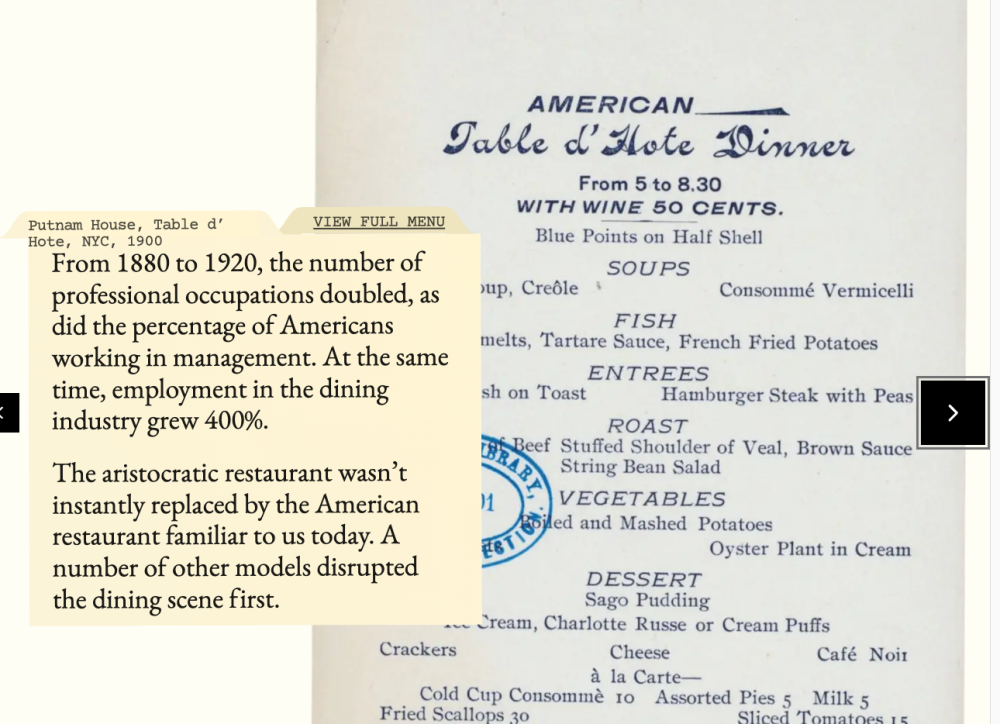
What do America's earliest restaurant menus teach us about America?
The Pudding takes a look at the New York Public Library's Buttolph Collection of menus, dated 1880-1920.
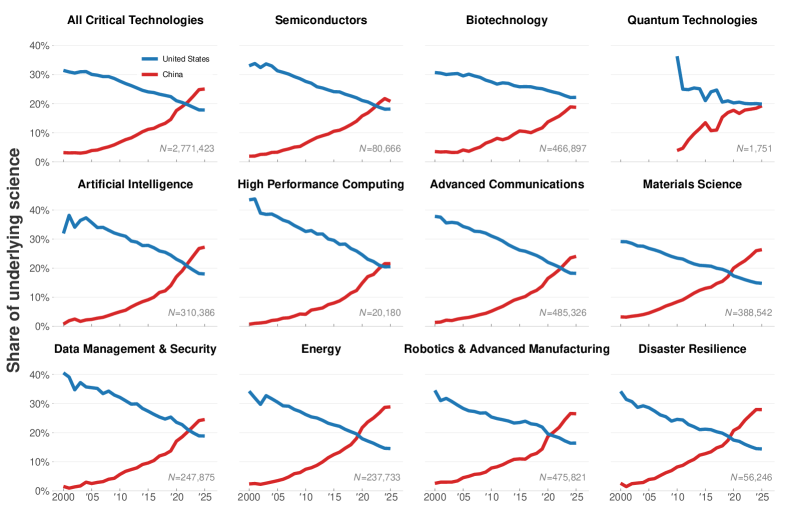
The Growing Self-Reliance of Chinese Innovation
Academic paper klaxon: "U.S. policy increasingly seeks to slow China’s technological rise by restricting its access to American science, on the assumption that Chinese innovation depends on U.S. science. Linking the full corpus of Chinese invention patents to the global scientific literature, we show that this dependence has fallen in recent years: the share of the China-produced science behind Chinese patents rose from 1% in 2000 to 26% in 2025, overtaking the U.S. share in 2021. As China’s reliance on U.S.-produced science fades, policies restricting access fall out of alignment with the U.S.’ actual strategic position."
It's got some pretty good charts.
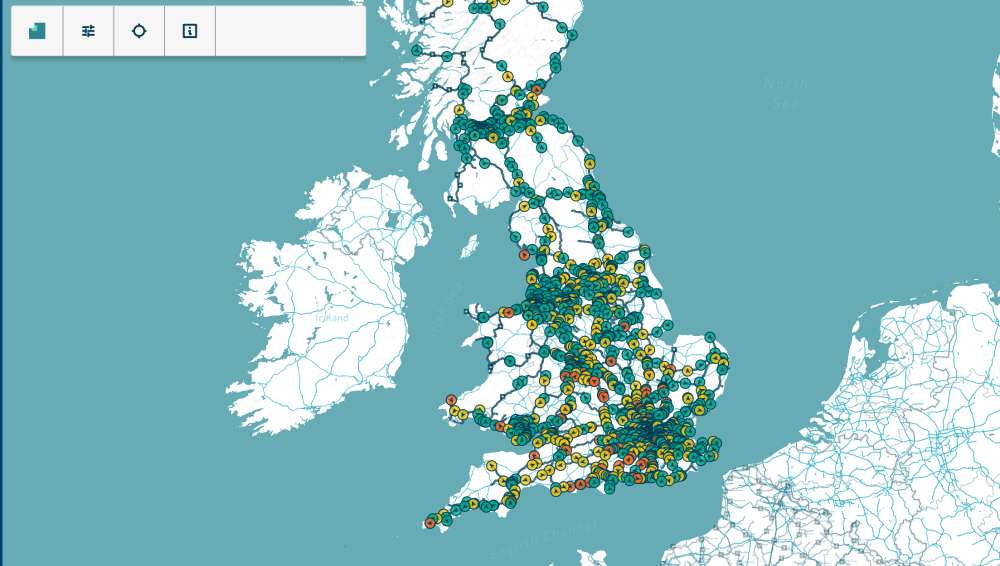
Signalbox
A brilliant live train map.
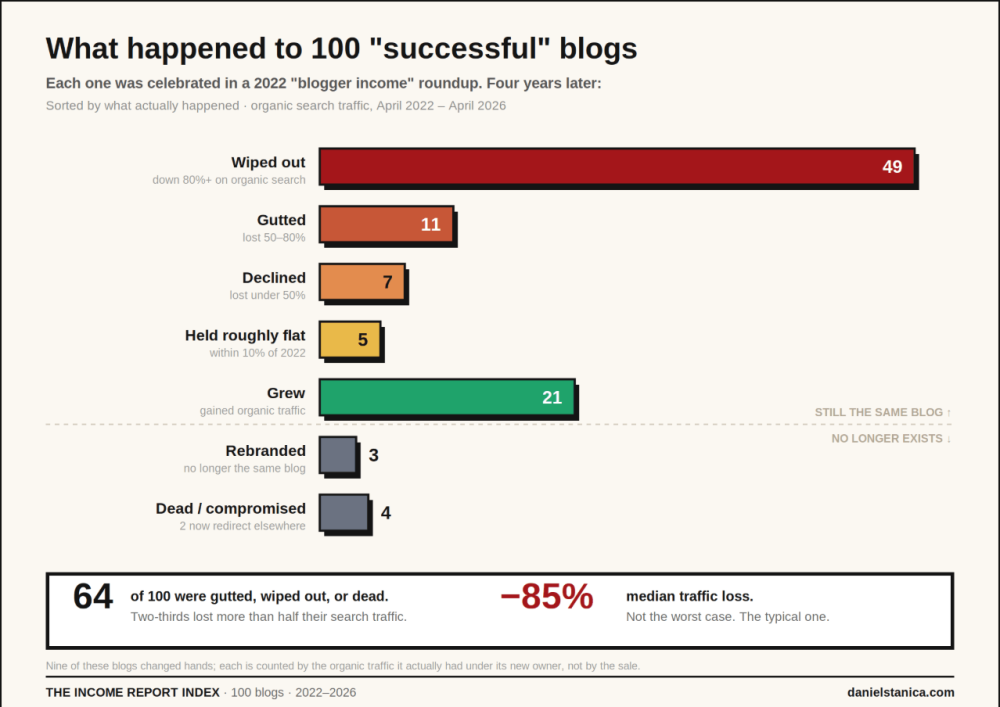
The Great Blogging Collapse: What Happened to 100 Successful Blogs? [Study]
Daniel Stanica: "I tracked 100 once-successful blogs over four years to understand what happened after Google's Helpful Content Updates and the rise of AI Overviews. The results were striking: the median blog lost 85% of its organic traffic, while only 21 continued to grow. This study reveals the patterns behind the winners, the losers, and what it takes to build a blog that can survive in 2026."
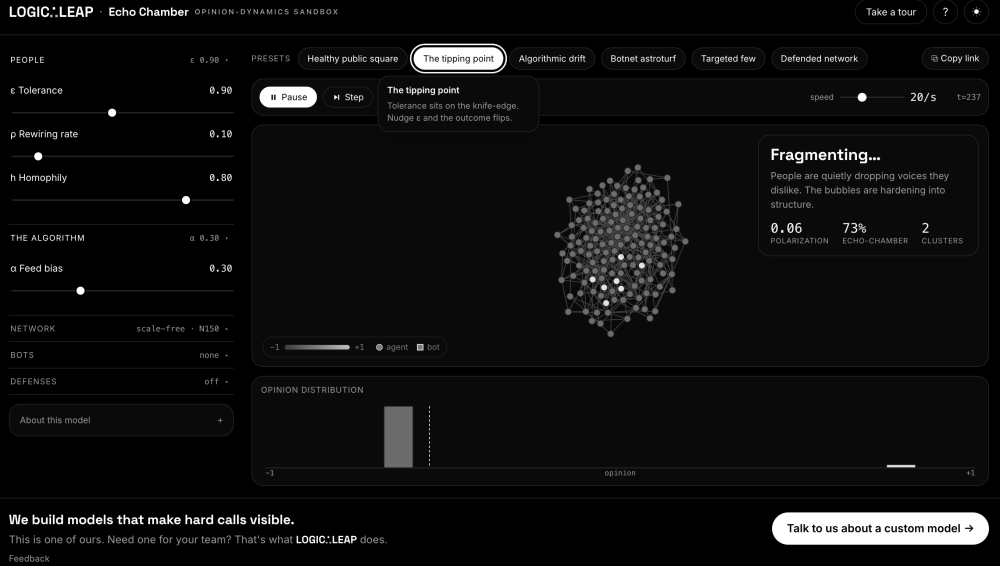
Echo Chamber: how bubbles form, and how to break them
This is absolutely brilliant – an interactive web app that allows users to explore how echo chambers develop and spread.
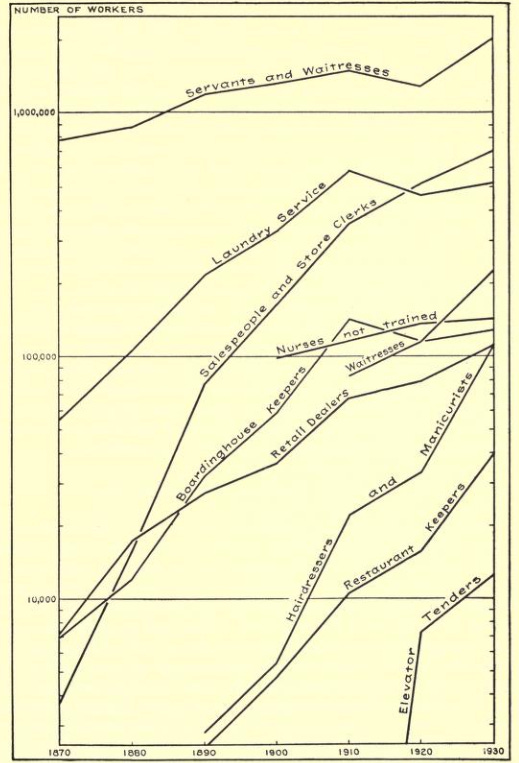
America, 1926: What a Forgotten 100-Year-Old Report Says About Who We Are
Derek Thompson discusses "Recent Social Trends," a rather obscure 1,500-page government report from 1929 that analysed American life in the 1920s. With a lot of vintage charts.
AI
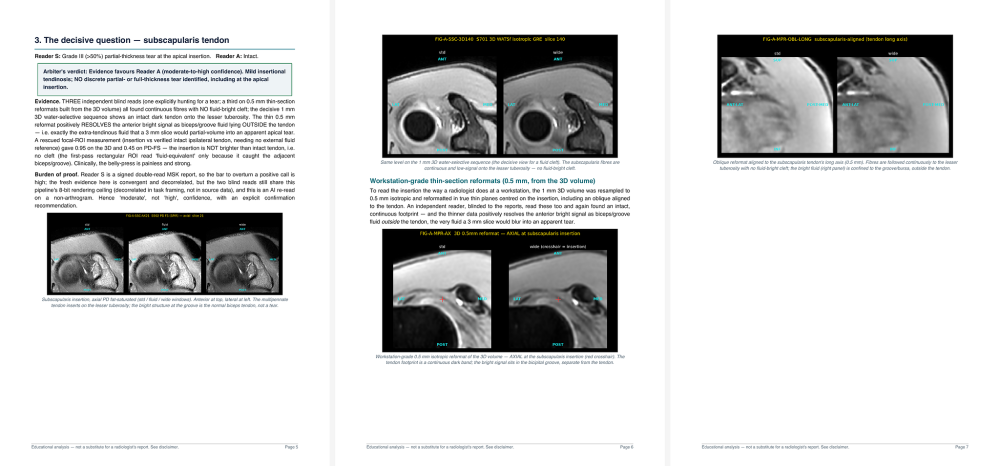
Using Opus 4.8 to get a second opinion on an MRI and where it leaves me
Antoine Finkelstein describes using Claude Opus 4.8 to analyse his shoulder MRI results after experiencing pain and receiving treatment at a clinic. While GPT 5.5 Pro flagged problematic treatments, Opus 4.8 analysis of the raw DICOM MRI files suggested there was no tear at all. A follow-up confirmed the AI's assessment with "moderate-to-high confidence." Who to trust?
Where's the holistic AI productivity data?
Rachel Andrew writes about her skeptic take on AI productivity gains, and notes a lack of rigorous measurement of AI's actual costs and benefits. Which interestingly, is part of my current job...
A Field Guide to Fable: Finding Your Unknowns
X post by Anthropic engineer Thariq Shihipar, reflecting on his experience working with Claude Fable 5.
"Working with Claude Fable 5 keeps re-teaching me an old lesson: the map is not the territory.
The map, a representation of the work to be done, is my prompts and skills and context, it’s what I give Claude. The territory is where the work needs to happen, the codebase, the real world, its actual constraints."
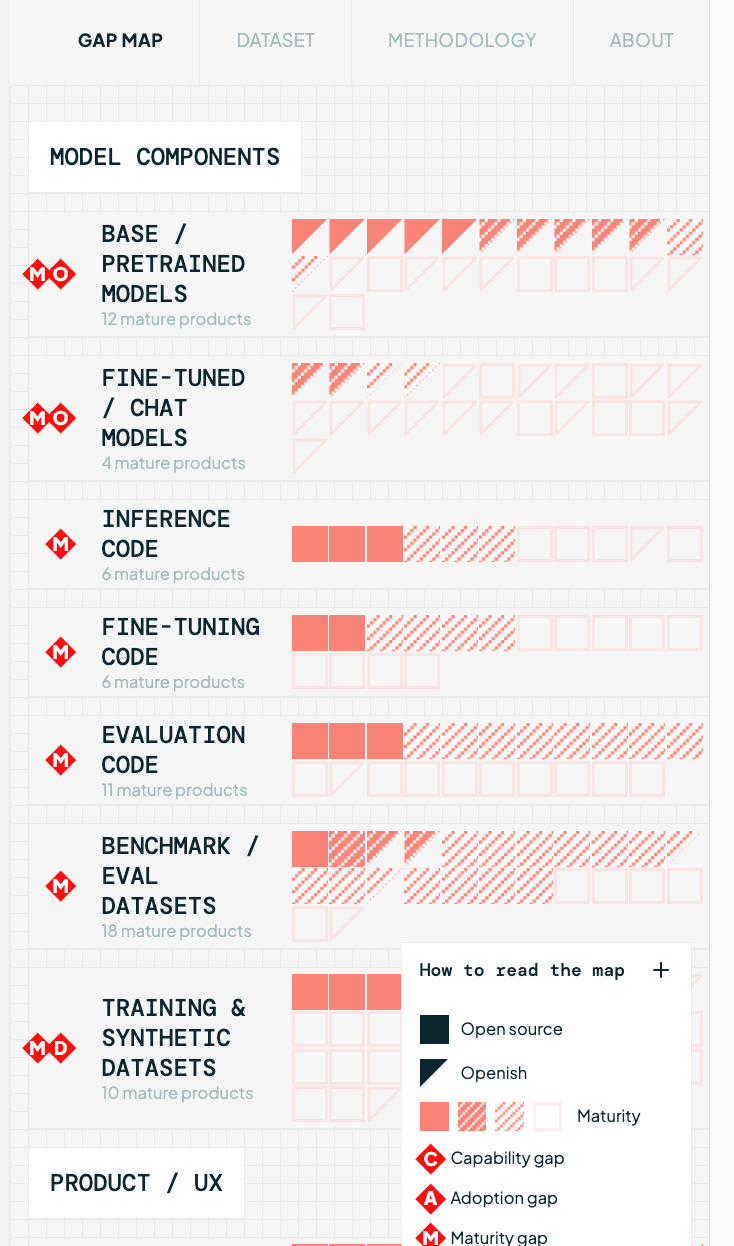
Open Source AI Gap Map
Current AI aims to build a "*public option for AI that is open, auditable, and in service of people over profit. However, the open source AI stack has gaps. Now, together, we can close them."
The project has so far evaluated over 24,626 AI projects spanning the entire stack.
Slopfix
Slopfix is a human-run service that refactors AI-generated codebases that have become unmaintainable. In other words, after you replace developers with AI, then you use developers to fix AI...
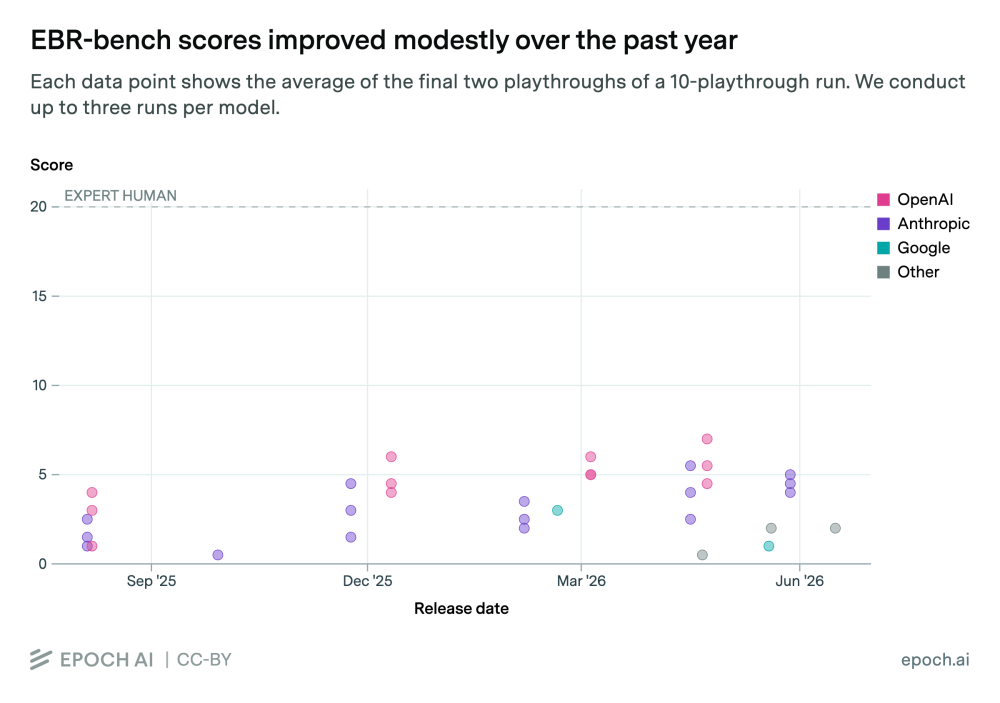
AI doesn't get better at this board game with practice
Epoch AI's latest benchmark (EBR-bench), suggest that AI systems are not great at learning from experience. The benchmark is, rather cleverly, a complex board game.
AMA – Ask Me Anything! Submit a question via this anonymous Google form. I'll select a few every 4-5 weeks and answer them on here :-) Don't be shy!

The Quantum of Sollazzo grove now has 40 trees. It helps managing this newsletter's carbon footprint. Check it out at Trees for Life.
'till next week,
Giuseppe @puntofisso.bsky.social