
660: quantum of sollazzo
Hello, reader!
Quantum #659 had an open rate of 47% and a click rate of 11%.
The most clicked link was the FiveThirtyEightIndex archive.
'till next week,
Giuseppe
Topical
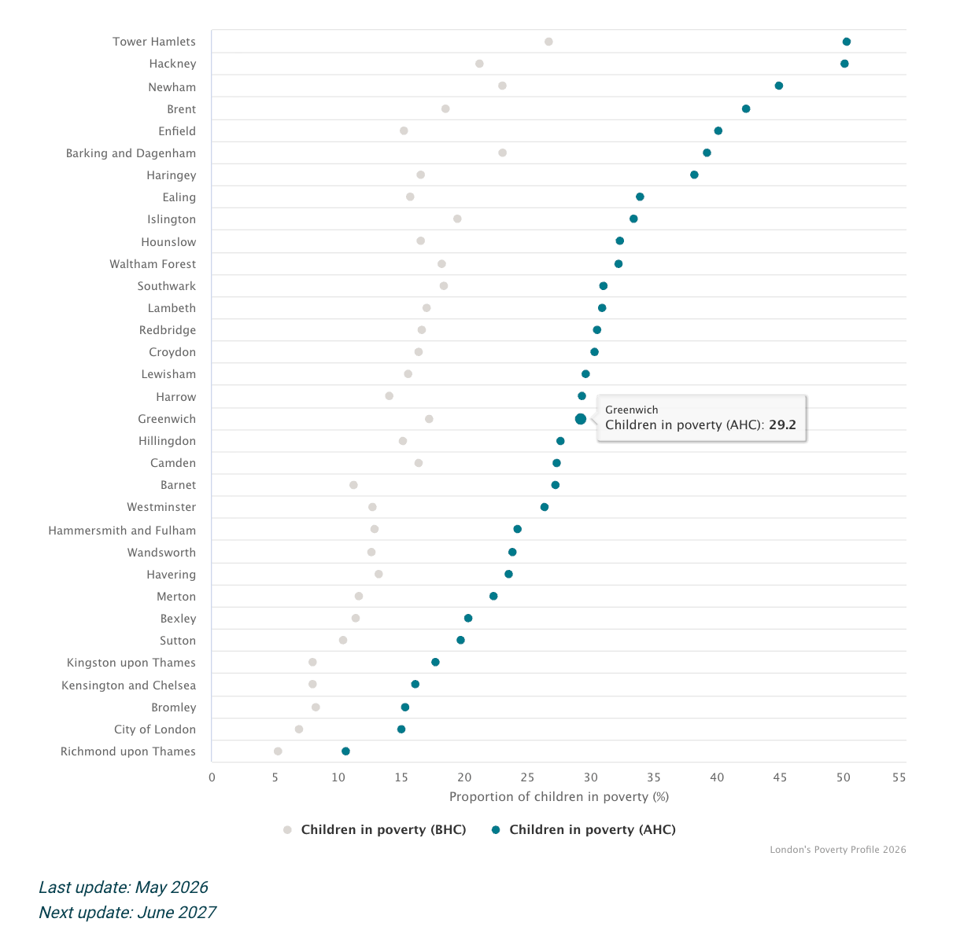
Children in poverty before and after housing costs
The disparity in child poverty in London is rather stark, geographically. The Trust for London reports on this with an interactive chart.
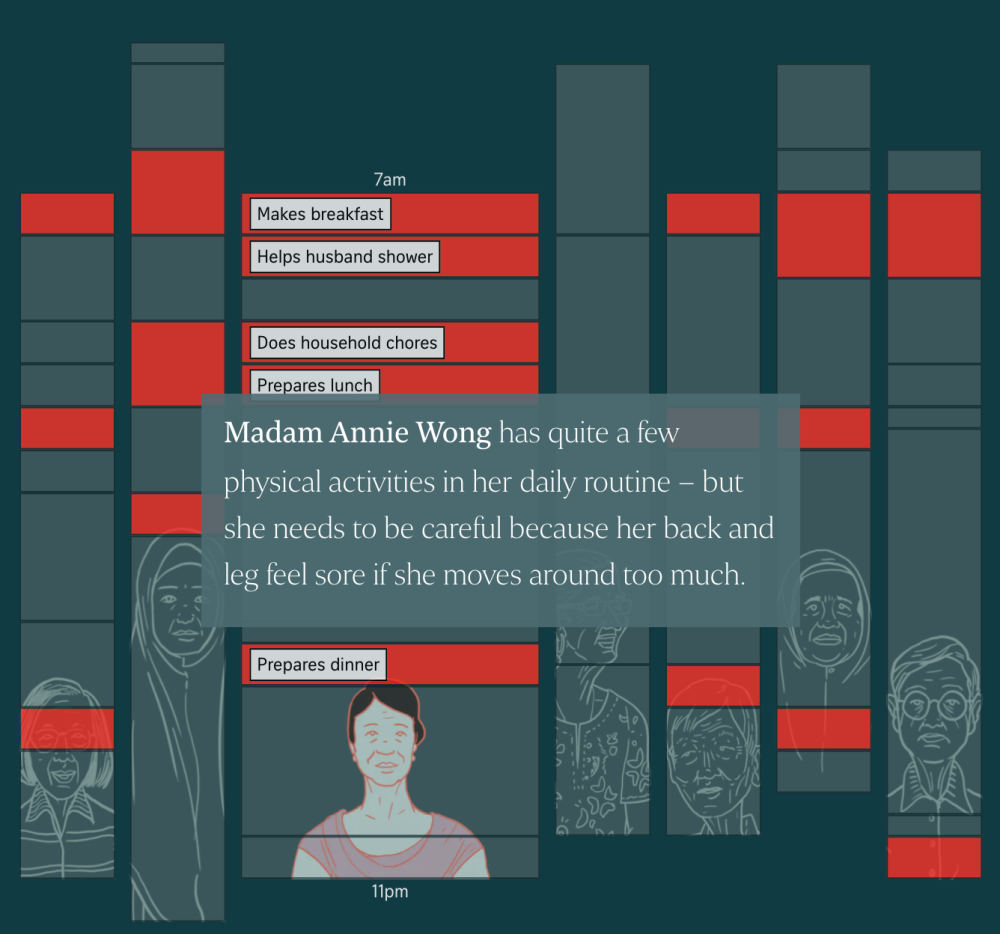
Seniors caring for seniors: What caregiving looks like in a super-aged society
"Singapore is projected to become a super-aged society in 2026, where at least 21 per cent of the population is aged 65 or older. By 2030, about one in four Singaporeans will be in this age group."
Brain food, delivered daily
Every day we analyze thousands of articles and send you only the best, tailored to your interests. Loved by 505,869 curious minds. Subscribe.


Tools & Tutorials
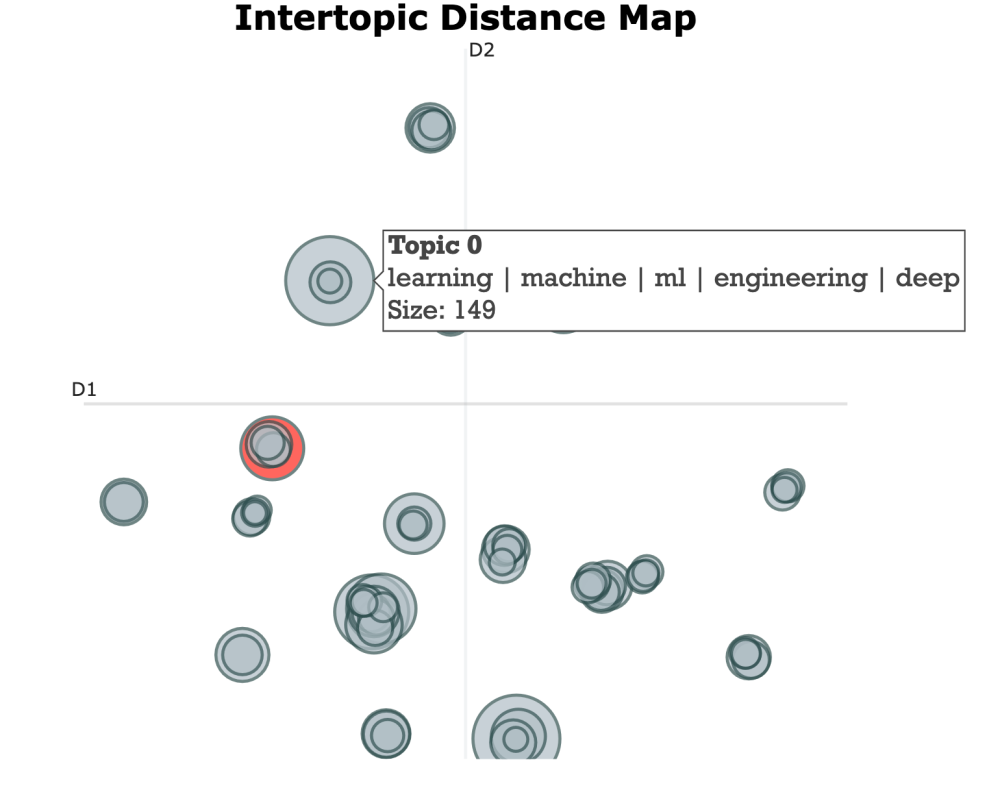
Tagging my blog posts with BERTopic and LLMs
Vicki Boykis: "I recently added tags to my blog using BERTopic and a mix of LLMs.". It's interesting to read this as it's sort-of similar to the approach I used for my Eurovision data analysis. She reports she previously attempted this in 2023 using Mistral 7B but faced constraints with context windows and prompting difficulties.
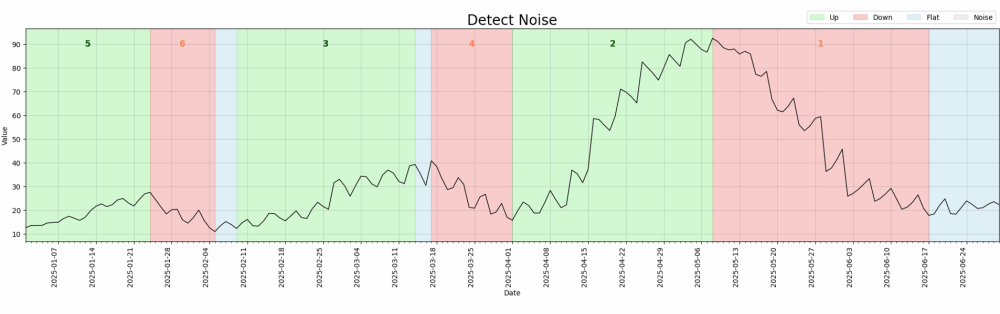
pytrendy
"PyTrendy is a robust solution for identifying and analyzing trends in time series. Unlike other trend detection packages, it is robust to noisy & flat segments, and handles for gradual & abrupt trend cases with a high precision. It aims to be the best package for trend detection in python."
json4u
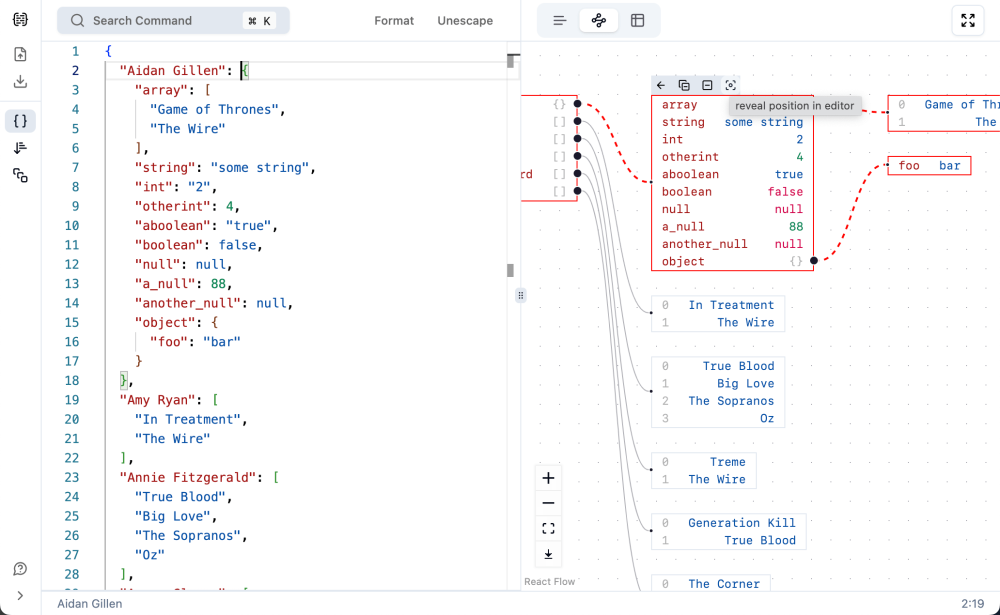
JSON For You is an open-source JSON visualization and processing tool.
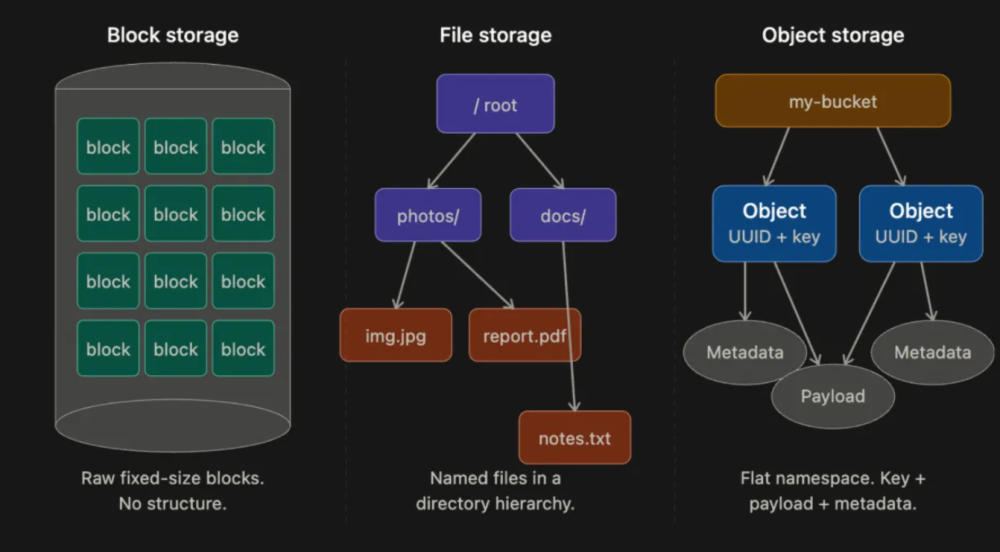
Design S3 Object Storage Like a Senior Engineer
"Object storage isn’t just “upload a file, get a URL back.” That’s true for a small side project. It stops being true when you’re storing 100 trillion objects like AWS S3 does today."
An in-depth look at object storage.
"We’re going to build this from scratch. We’ll start with what object storage actually is and how it differs from other storage systems, then work through requirements, capacity estimation, the high-level architecture, data persistence on disk, durability strategies, metadata design, object versioning, large file uploads, and garbage collection. At each step, we’ll explain the why behind each decision."
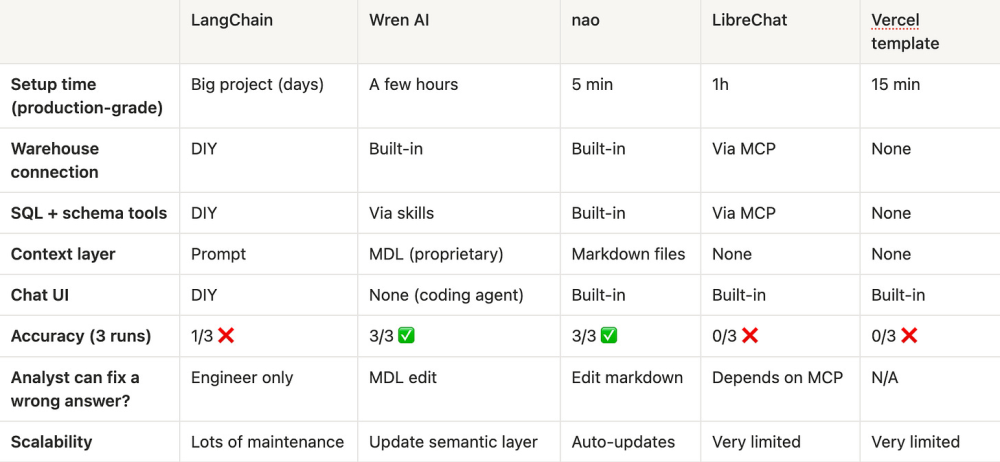
I battletested 5 open source analytics agents
"So the real question isn’t “which agent should we buy?” but “which open-source framework should we build on?” To answer it, I picked five projects that cover the range of what’s actually out there today: LangChain, Wren AI, nao, LibreChat, and Vercel’s knowledge-agent-template."
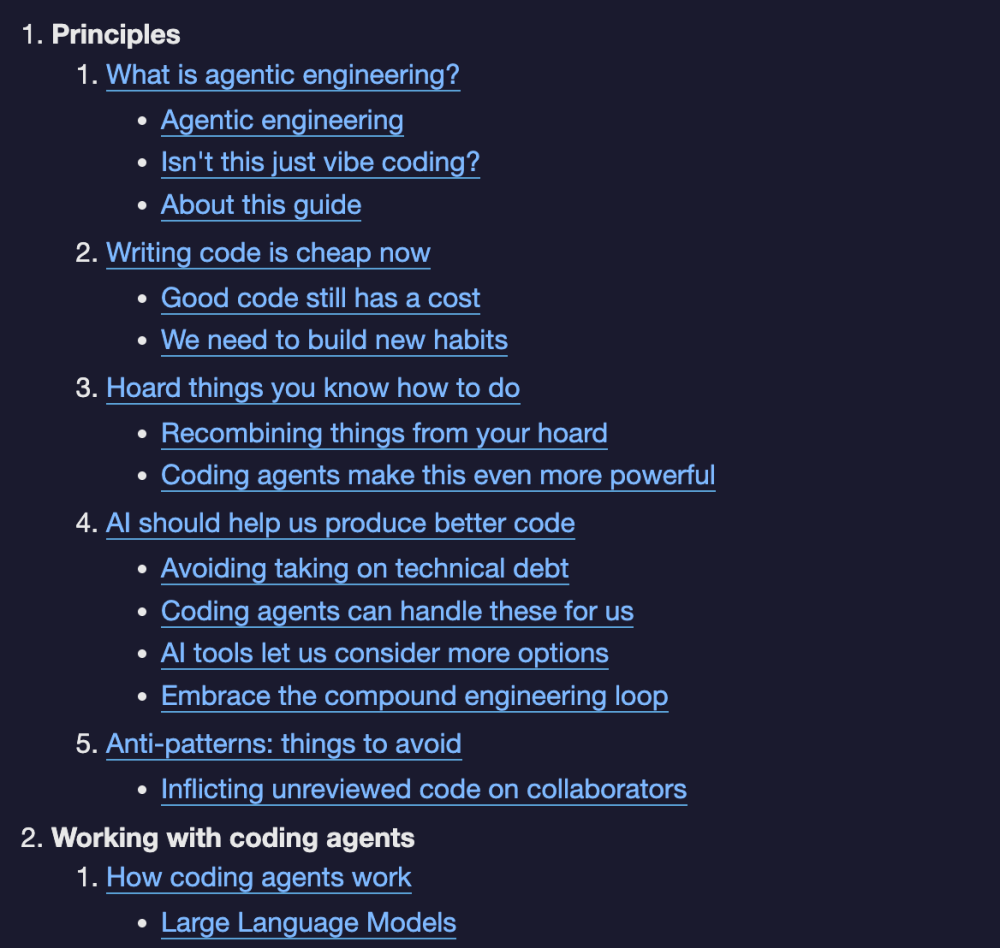
Agentic Engineering Patterns
Simon Willison's guide to work effectively with AI coding agents like Claude Code and OpenAI Codex.
Data Thinking
Of Hammers and Nails: What AI Can and Cannot Do for a Data Analyst
Adam Cassar: "The LLMs are genuinely useful. They are also given more credit than they're due."
How long is a piece of string? On the inherent uncertainty of rivers
A brilliant take on how to calculate a river's length. It's not trivial. "The issue at the root of this particular row involves the knotty question of where a river starts. The source of the Nile has traditionally been given as Lake Victoria, a body of water the size of Ireland that lies between Kenya, Uganda and Tanzania. The lake’s northern edge, where the water rumbles down Ripon Falls and begins its long journey to the Med, has often been described as the point that lake becomes river. The problem is that it’s very obviously no such thing."
There are multiple hurdles: determining which tributary represents the true source, deciding where a river ends and the sea begins, accounting for deltas and changing courses, and the coastline paradox affecting measurement scale.
Dataviz, Data Analysis, & Interactive
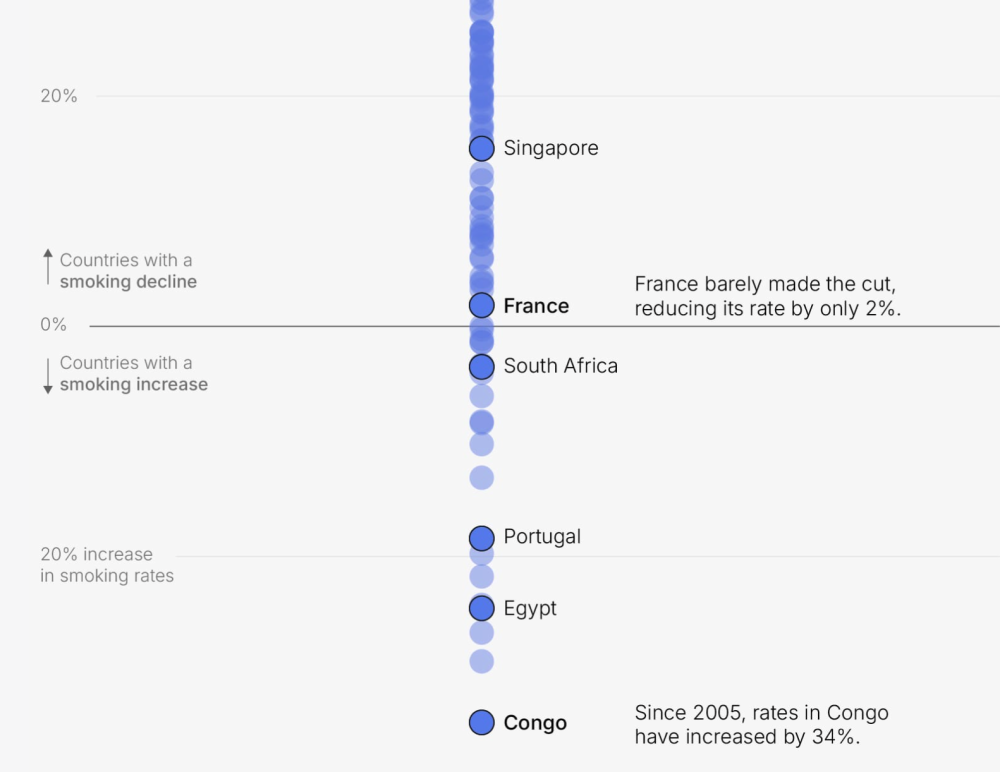
Huh. Apparently we can just end smoking.
Amanda Shendruk looks at the way the UK has passed the new age-related smoking ban, and compares smoking trends around the world.
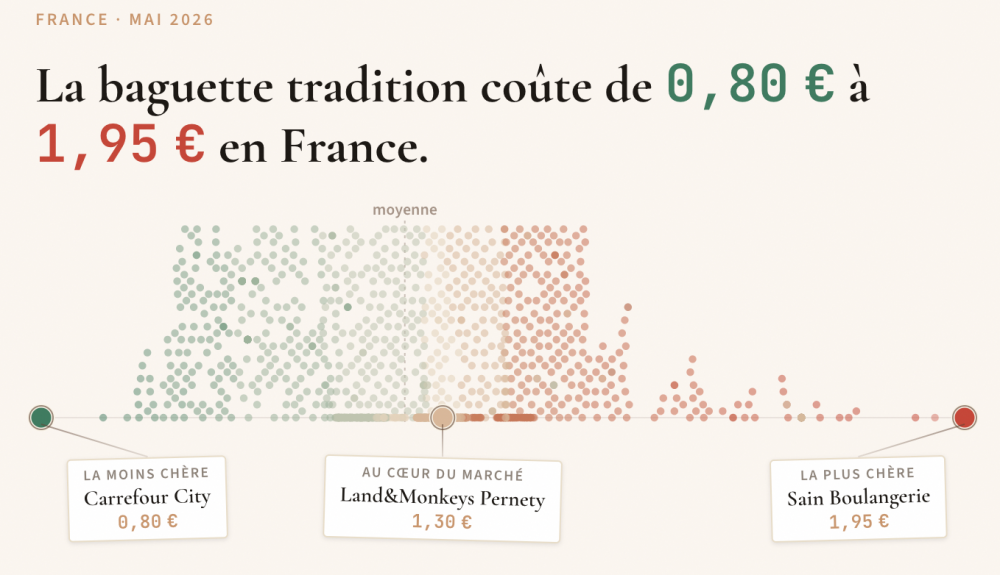
Le Baguette Index
These developers have built an AI agent, called Brigitte, to call 5,173 boulangeries in 148 French towns to survey baguette prices (it doesn't get more stereotypically French than this, does it?), then visualised the results.
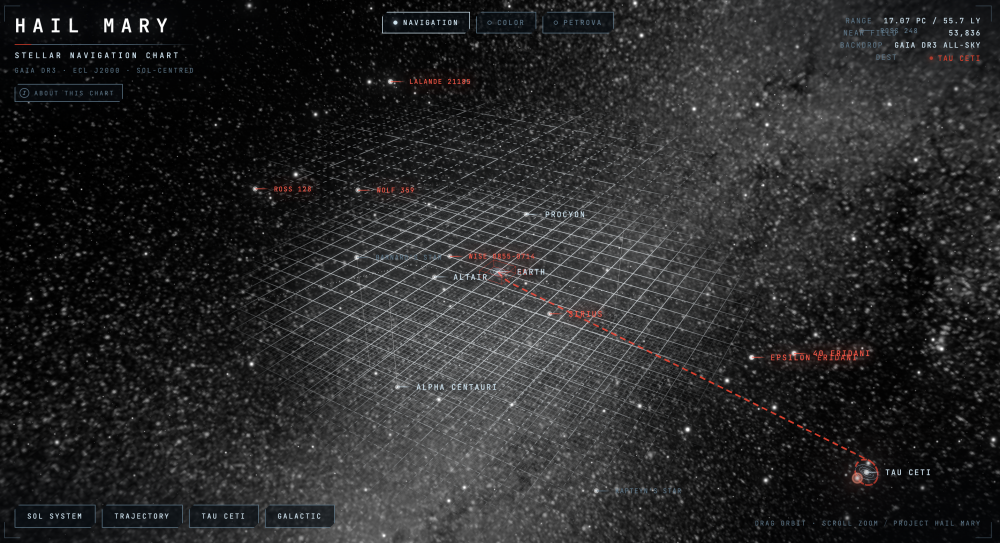
Hail Mary - Star Map
This is a "recreation of the in-ship map inspired by the one in the wonderful movie Project Hail Mary. This project uses the GAIA DR3 star survey which mapped over 1.8 billion stars in our neighborhood of the Milky Way along with numerous measurements for most of them like star color, spectra, proper motion, and more."
Prison Map
Prison Map is a visual project by Josh Begley, who is a graduate student at NYU's Interactive Telecommunications program. It presents satellite imagery of correctional facilities across the United States. "What does it mean to have 5,000 or 6,000 people locked up in the same place? What do these carceral spaces look like?" The webpage displays roughly 700 of the best images, representing 14% of the total dataset.

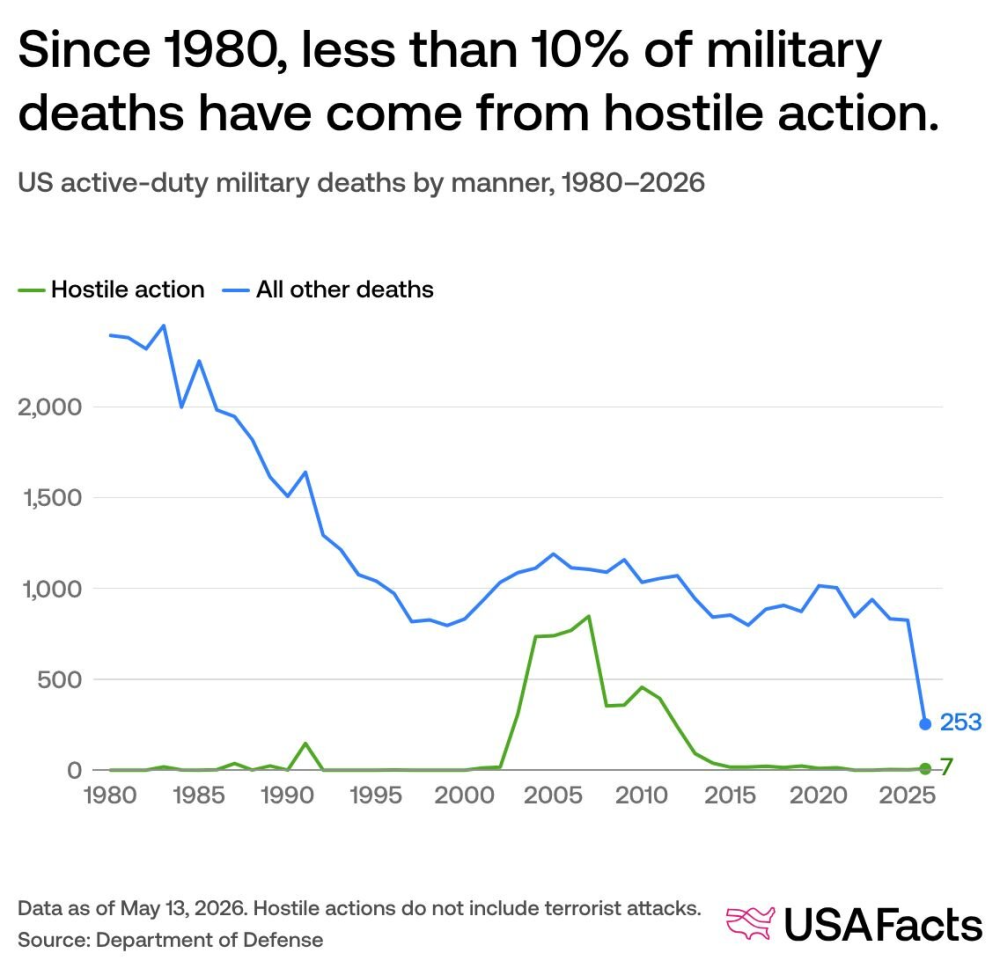
How many people have died in the US military, and how?
USAFacts reports on some sad statistics: "Over 80% of active-duty military deaths since 1980 have come from accidents, illness, and suicides."
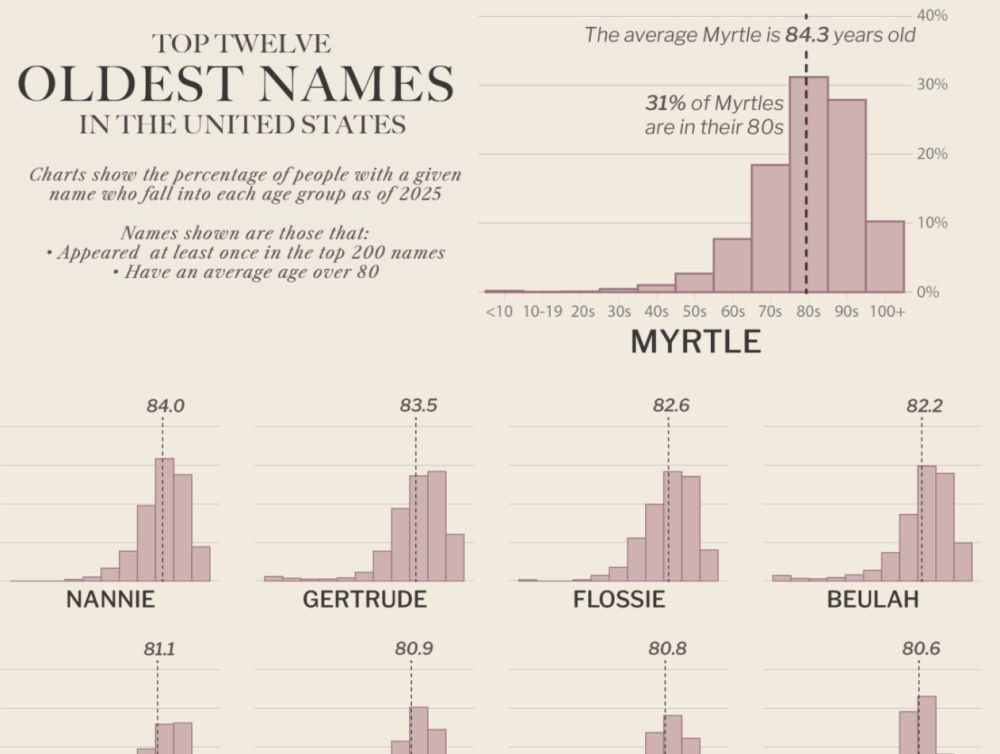
What’s the oldest name in the U.S.?
Erin Davis looks at the distribution of names by age. "To be clear, by “oldest name” I mean a name belonging to old people, not a name that is itself very old."
AI
Im going back to writing code by hand
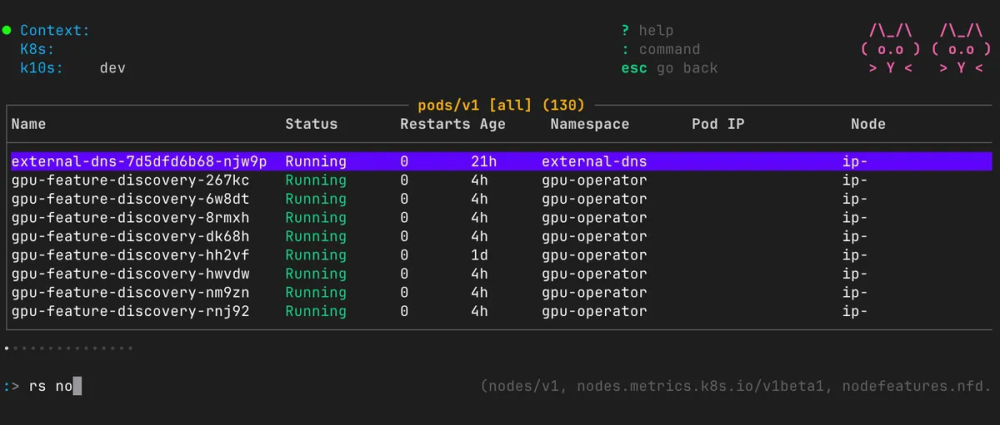
"This started as an investigation or rather a question: "How far I can get with building a piece of software by keeping myself completely out of the loop"." The dev here chronicles building k10s, a GPU-aware Kubernetes dashboard, over seven months using AI-assisted "vibe-coding" with Claude.
The last six months in LLMs in five minutes
Simon Willison presented a five-minute lightning talk at PyCon US 2026 summarizing six months of LLM developments. This post contains the slides one by one and text, but here's an audience-filmed video too.
Where are the vibecoded Photoshops?
"A month ago I shipped SoulPlayer, a 25,000-parameter transformer running on a stock Commodore 64, written in 6502 assembly, verified by a ninety-test harness with four bit-identical reference implementations. It hit Hacker News, got covered by Adafruit, reached a few thousand readers with a long tail of replies.
A subset of those replies, some on HN, on Reddit, in DMs, in private channels, were variations of: "this is just vibecoded slop." "You didn't really build this." "AI did the work, you took the credit."
This essay is about that accusation. Not about whether AI is good or bad. Not about whether AI can or can't replace Photoshop. About the social weapon the word "vibecoded" has become when deployed against anyone who admits using AI in their workflow."
Interestingly, I experienced the same thing with my Eurovision data analysis, and most criticism didn't even try to engage with the question "what did you use an LLM for".
Project Glasswing: An initial update
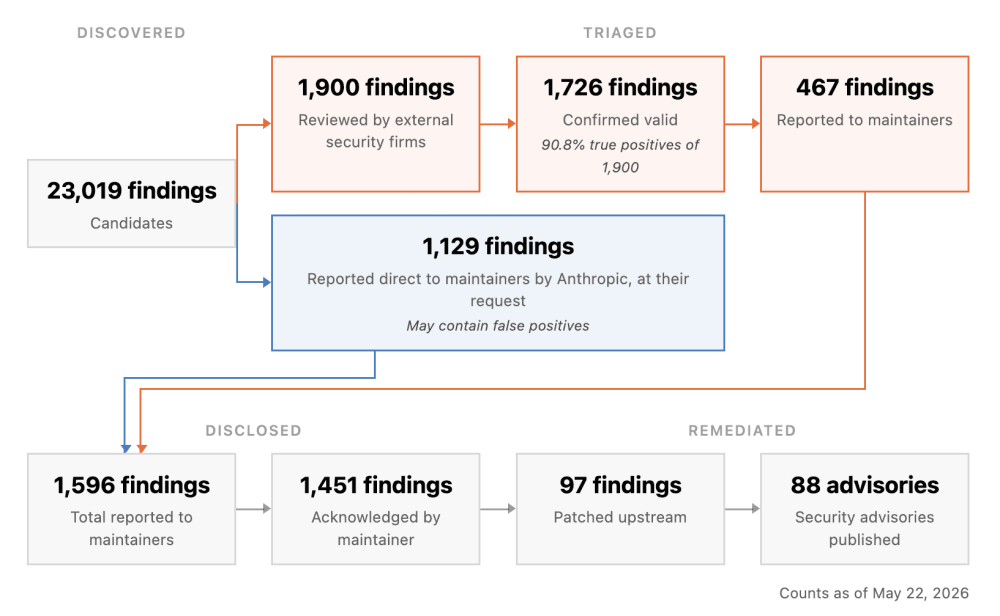
Anthropic's own update on their security-focussed Project Glasswing, allowing a select group of organisations to test Claude Mythos.
AI is doing something weird to Science
Alejandro Piad Morffis looks at what he calls "the loop", an iterative process where AI proposes candidates, rigorous verifiers filter them, and humans curate the results. The article centres on four examples (Claude's Cycles with Donald Knuth, Terence Tao's work with Lean, AlphaFold, and DeepMind's GNoME materials discovery), and suggests that neither the replacement narrative (AI replaces scientists) nor the stochastic parrot dismissal (AI is just autocomplete) accurately captures what's happening.
AI eats the world (Spring update)
Benedict Evans' regular presentation on AI got a 2026 Spring update.
Choosing to Stay Human
"If you go to your favorite social media site, you will find it full of posts that start to look suspiciously similar to each other".
Ethan Mollick looks at the cost of using AI to replace human cognitive effort as opposed to using it as a tool.
I think Anthropic and OpenAI have found product-market fit
Sorry for yet another Simon Willison link, but oh the guy is good at this :) Here he argues that he's convinced that Anthropic and OpenAI have achieved genuine product-market fit through enterprise coding agents (not consumer subscriptions), noting that both companies eliminated steep enterprise discounts and switched to API-based pricing that charges companies the same rates as individual API users.
OpenAI's math breakthrough played to AI's strengths
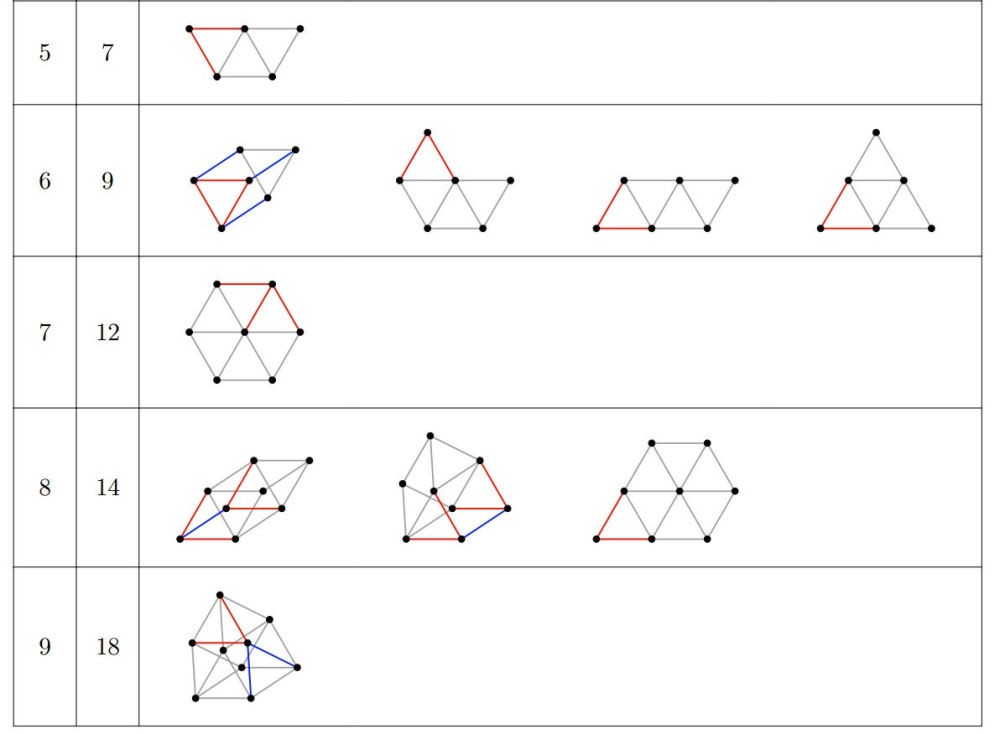
Kai Williams looks at OpenAI's recent announcement that its AI model disproved the Erdős unit distance conjecture. This is a famous 80-year-old problem in discrete geometry, for which the AI found a more efficient arrangement of points than Erdős's grid-based construction. The blog post argues that this isn't as radical as it sounds, as it's based on combining existing approaches (something that AI obviously excels at).
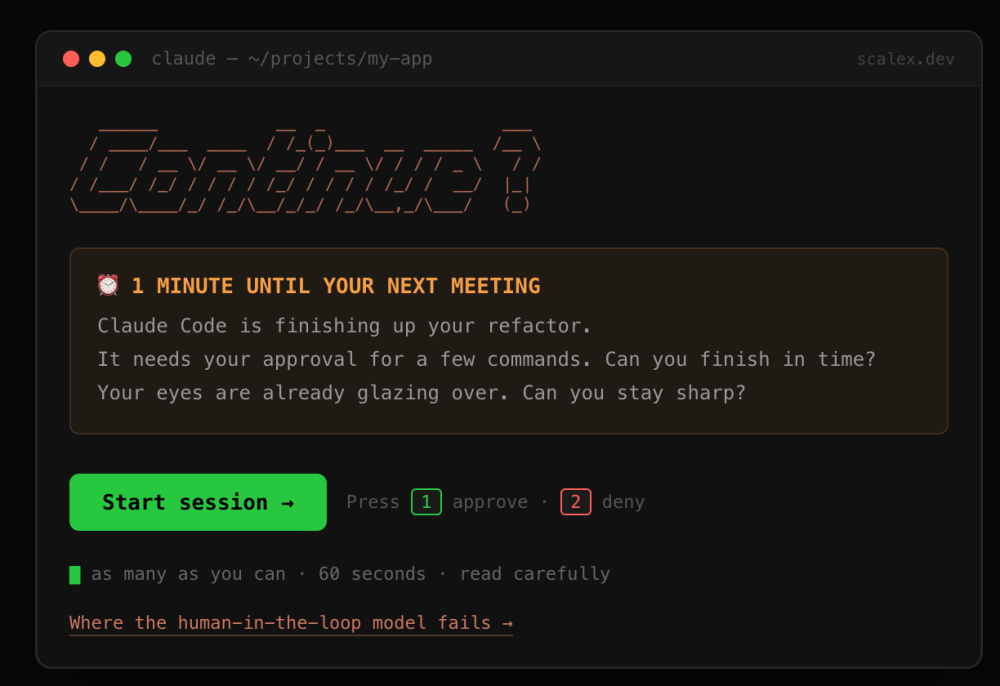
Continue? Y/N — How carefully do you read AI commands?
A game to explore agentic prompt permission fatigue, with all the risks that this entails. Also see the related blog post.
AMA – Ask Me Anything! Submit a question via this anonymous Google form. I'll select a few every 4-5 weeks and answer them on here :-) Don't be shy!

The Quantum of Sollazzo grove now has 40 trees. It helps managing this newsletter's carbon footprint. Check it out at Trees for Life.
'till next week,
Giuseppe @puntofisso.bsky.social