
659: quantum of sollazzo
Hello, reader!
Quantum #658 had an open rate of 45% and a click rate of 9%.
The most clicked link was the brilliant Learn AI Layer by Layer tutorial.
'till next week,
Giuseppe
Topical
From Toxic Supply Chains in Africa to Baltic Sabotage to Stolen Children in Syria: 10 Data Projects Win 2026 Sigma Awards
The Global Investigative Journalism Network has announced the 2026 Sigma Awards winners, honouring ten outstanding data-driven journalism projects from ten countries. Selected from 543 entries across 84 countries by a 17-member jury, the winning projects demonstrate remarkable diversity in format and subject matter. Prize Committee convenor Gina Chua praised the entries, stating they demonstrate "how much and how wide the practice of data journalism has spread globally, and how much that has powered important and groundbreaking coverage."

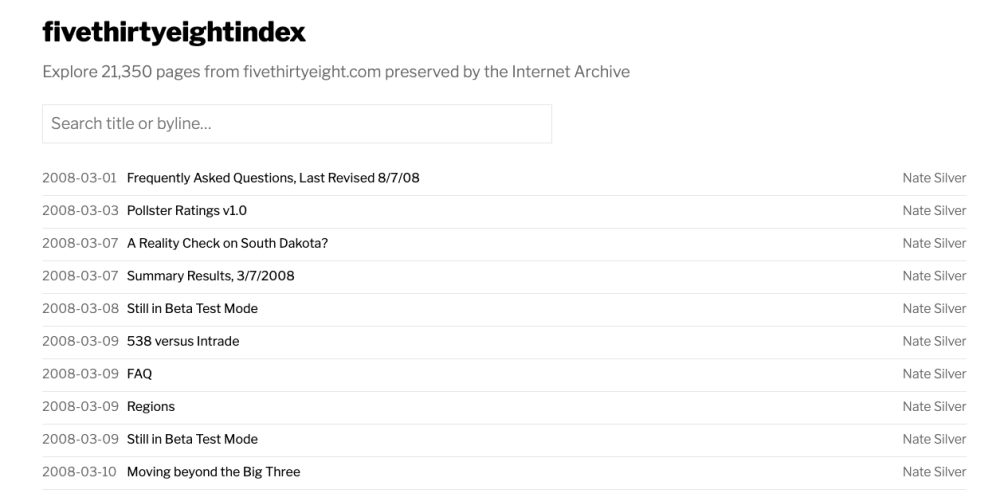
fivethirtyeight index
Not long after buying FiveThirtyEight, Disney decided to close the analysis website with little notice. Its archive, though, was still available on the Internet Archive. This website has managed to create an index of all the archived content.
Geologists on the silver screen—the sequel
"As geologists, our interest is piqued when geological processes—with varying degrees of accuracy—are portrayed in movies and especially when a geologist unexpectedly appears on screen, even in a minor role. More than a decade ago, during a coffee break, we started talking about movies that feature geologists. We counted a dozen different movies and began to wonder: how is our profession portrayed in the popular mass media?"
Brain food, delivered daily
Every day we analyze thousands of articles and send you only the best, tailored to your interests. Loved by 505,869 curious minds. Subscribe.


Tools & Tutorials
15-Minute Cities: Leveraging Software and Location Intelligence to Reimagine Urban Mobility
This is from 2024, but came up again in Luis' own newsletter (which I recommend). The article explores the concept of the 15-minute city by using OSMnx to understand infrastructure.

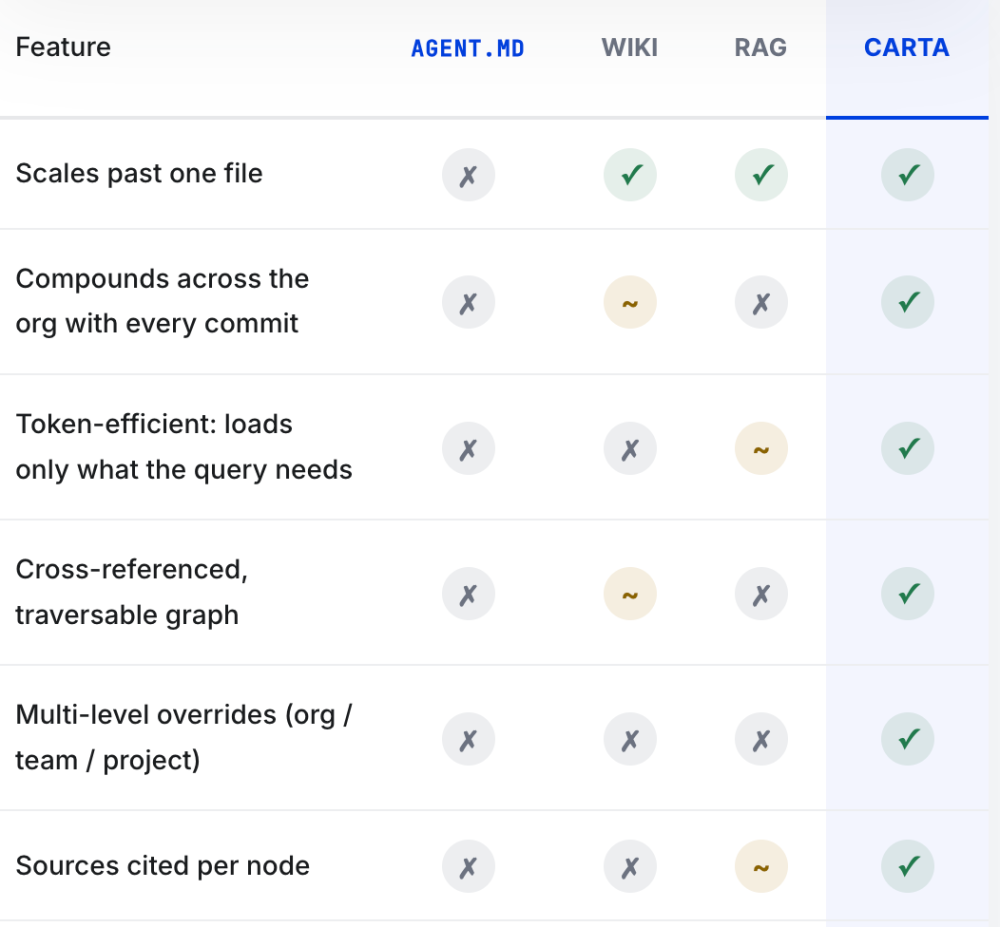
Carta: A curated architectural reference for your team and your coding agents
Carta is an open source architectural knowledge graph designed to guide coding agents through a team's software-building practices. It addresses a critical gap: "Out of the box, your coding agent doesn't know how your team builds software."
turbovec
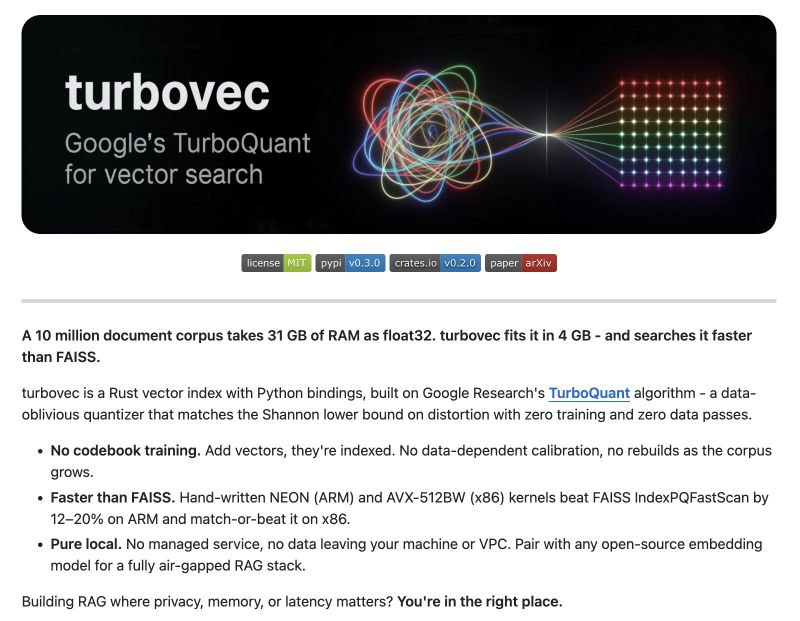
Turbovec is "a vector index built on TurboQuant, written in Rust with Python bindings". It's a Rust implementation of Google's ICLR 2026 vector quantisation paper. The technology reduces memory requirements for Retrieval-Augmented Generation (RAG) systems, compressing a 10-million-document corpus from 31GB down to just 4GB of RAM, making it feasible to run on a laptop.
Build the hard parts of Node.js
NodeBook is an online Node.js learning resource. It's free on the web, but versions of it can be purchased. The labs emphasize hands-on development: "Build hard Node.js systems from scratch".

How I use LLMs as a staff engineer in 2026
Sean Goedecke updates his previous article from 2024 with new thoughts.
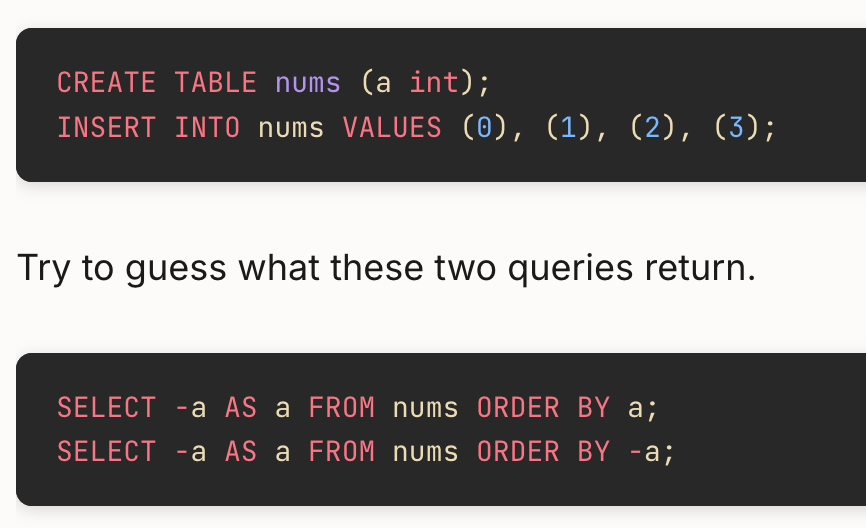
Welcome to ORDER BY jungle
An exploration of the (somewhat surprising) complexity of SQL's ORDER BY clause.
The Joys of Free Cloudflare
Dean Markwick suggests you can get a lot done with Cloudlare's free tier. Also worth noting: "I'm not sure how I ended up on Cloudflare but the fact you can use things without entering any payment details reassures me that I won't lose my house if one of these things gets popular."
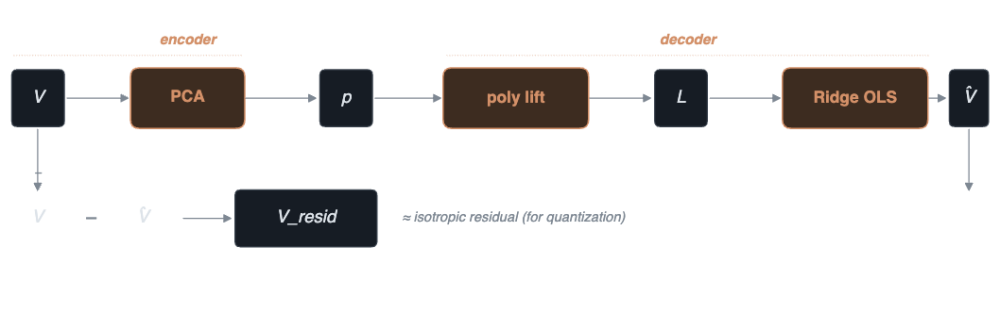
Polynomial autoencoder
This post presents a closed-form method for compressing neural network embeddings that combine PCA encoding with a quadratic polynomial decoder. "The most direct way to compress an embedding (other than quantization) is to fit PCA on the corpus and keep the top-d eigenvectors. It works, but PCA is a linear projection, and neural-network embeddings on the sphere are structurally nonlinear — the well-known cone effect in transformers. Some of the variance lives in a nonlinear tail that a linear decoder can’t reach. This post is about a closed-form way to add a quadratic decoder on top of PCA, to capture part of that nonlinear tail."
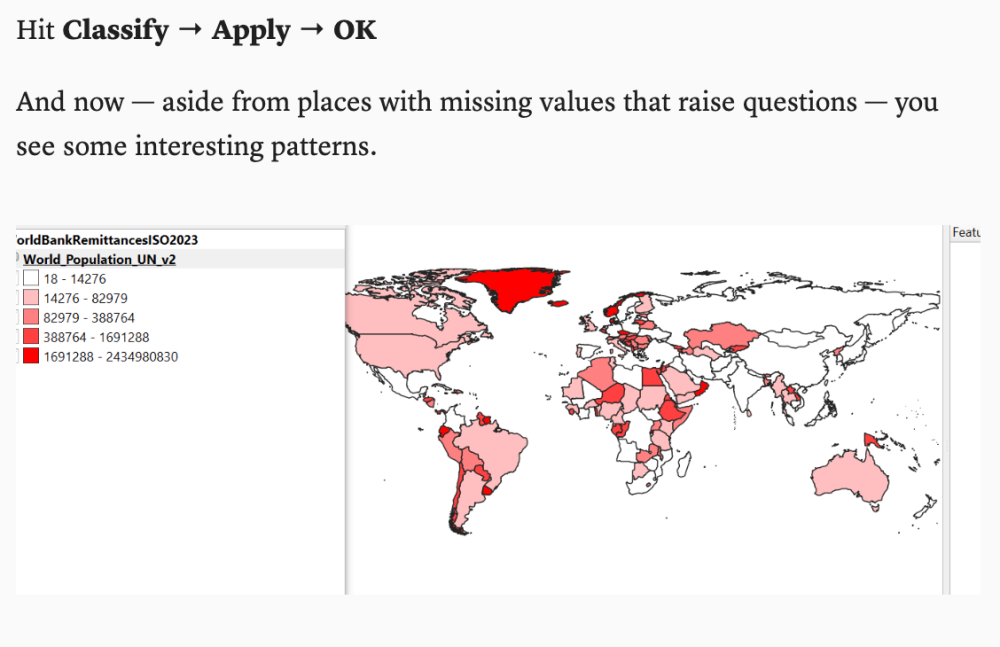
Guide to Mapping Analysis Using QGIS
By Andy Lehren and Kuek Ser Kuang Keng for the Global Investigative Journalism Network, this is a QGIS tutorial. "By the end, you will be able to:
Use QGIS to analyze maps and data.
Understand the key parts of the program for everyday investigative work.
Know how to import data and maps.
Work with several different maps, so you can learn different tools for different reporting scenarios that are common.
Learn how to join data using intersects and more."
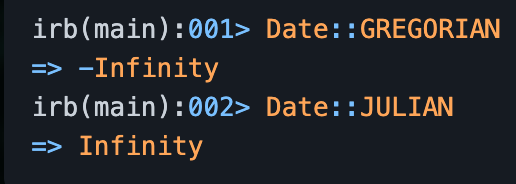
What is Date::ITALY?
"Upon visiting the documentation for class Date, I was greeted by a few other unusual sounding constants, including ENGLAND, GREGORIAN, and JULIAN. What do the docs have to say about these?"
SVG Studio
SVG Studio is a free, browser-based animation editor that transforms static SVG files into smooth keyframe animations.

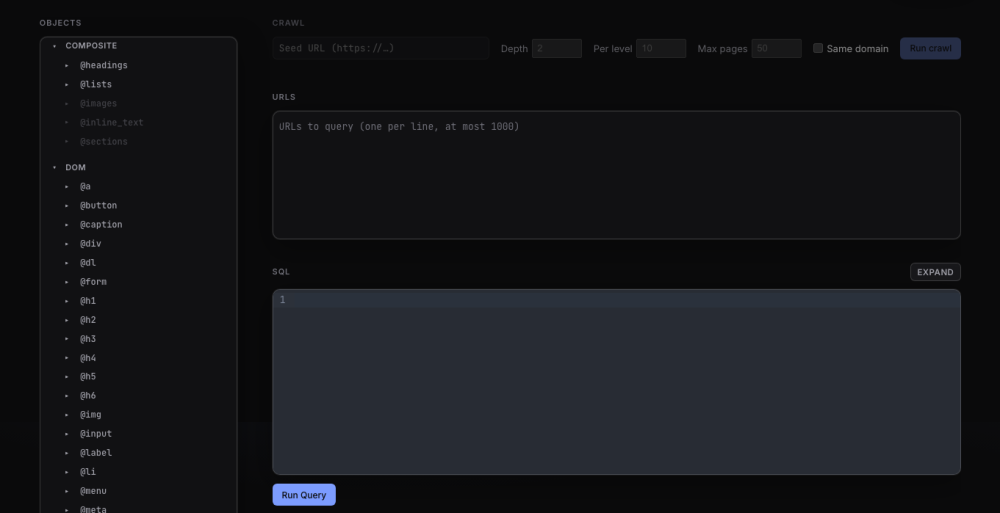
SiteRows
This website is a web-based SQL database and web crawling tool: "Query any website with SQL ... no scraping code required. ... Enter URL(s) → write a query → get structured data → automate via API when needed." It does require registration, but it's a pretty interesting approach.
Data Thinking
The Burden of Demonstrating Statistical Validity of Clusters
"Patient clustering, often described as the finding of new phenotypes, is being used with increasing frequency in the medical literature. Most of the applications of clustering of observations are not well thought out, not even considering whether observation clustering aligns with the clinical goals. And the resulting clusters are not validated even in a statistical way. This article describes some of the challenges of observation clustering, and challenges researchers to carefully check that found clusters are compact and contain the important statistical information in the variables on which clustering is based."
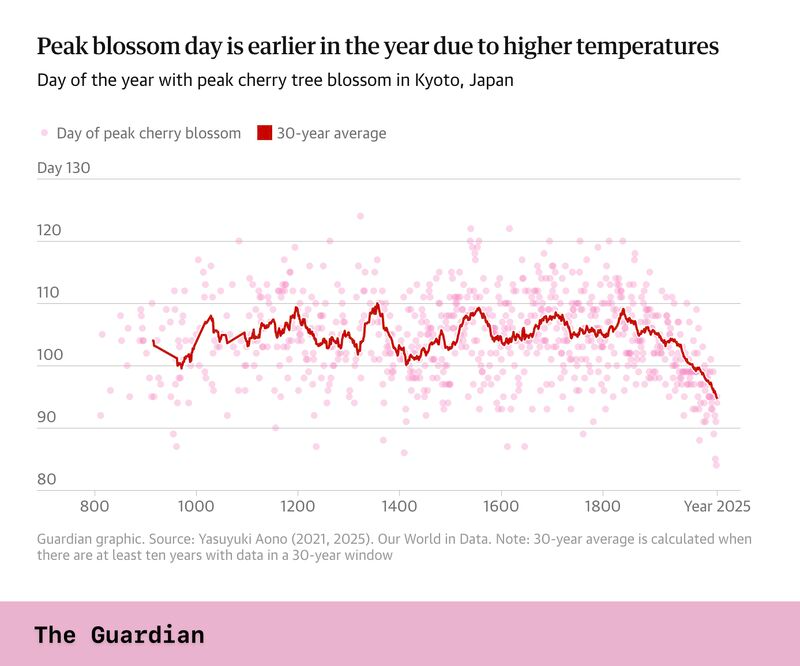
Is time going up or down in a chart?
Lisa Charlotte Muth explores a data visualisation question sparked by tracking cherry blossom peak dates in Kyoto. Previously covered in the Guardian and The New York Times, and based on Our World in Data's initial research, Lisa's analysis asks: do we share a universal understanding of temporal direction on the y-axis, or can designers choose orientations strategically to emphasise different narratives and impressions?
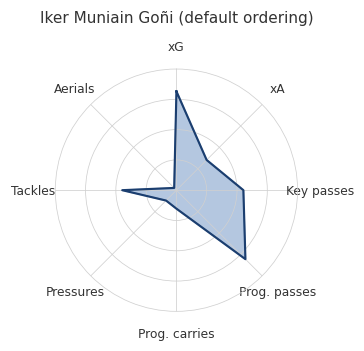
Football Radar Charts Are Misleading, A Better Way to Visualize Player Data
This article critiques radar plots, ubiquitous in football analytics, suggesting that they are fundamentally flawed because of: 1) the arbitrary ordering of metrics creates misleading spatial relationships; 2) the radial encoding distorts perception by amplifying high values adjacent to other high values while suppressing isolated weak points; and 3) they compare non-adjacent metrics that require mentally taxing visual rotation.
Dataviz, Data Analysis, & Interactive
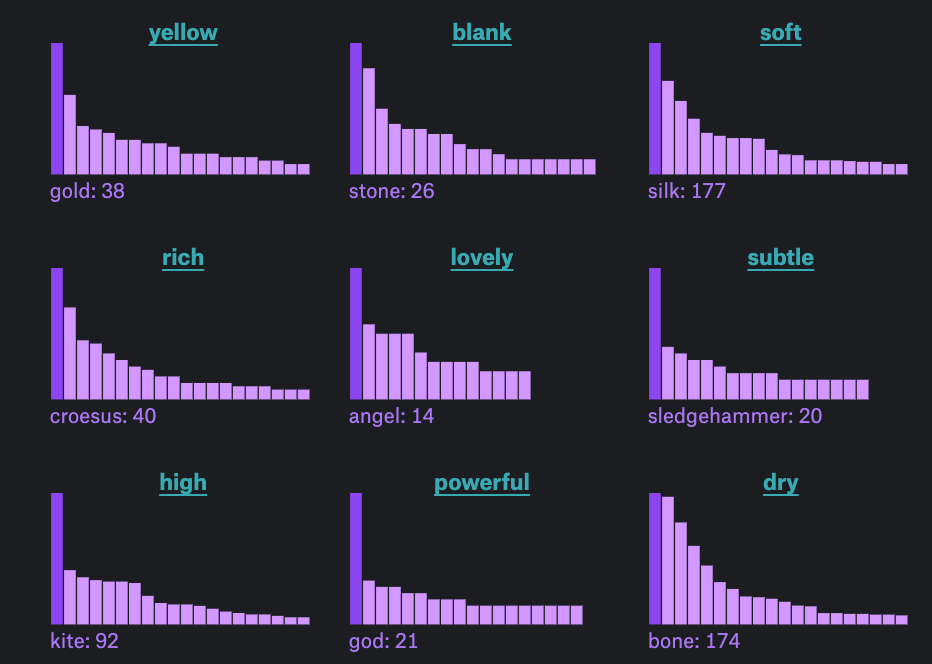
Comparisons as Predictable as the Sunrise
Another amazing analysis by The Pudding. This data visualisation project analyzes 200,000 similes extracted from popular fiction books, focusing specifically on the "as _ as _ " structure (e,g. "as dry as a bone"). The analysis examines the top 500 most common adjectives and their paired nouns, revealing distinct patterns in figurative language.
The Basket and the Booza
Lauren Leek returns to her well-thought out, data-driven essays. This time she looks at London's declining number of independent restaurants, and compares this to the opposite trend that Sidney is experiencing.
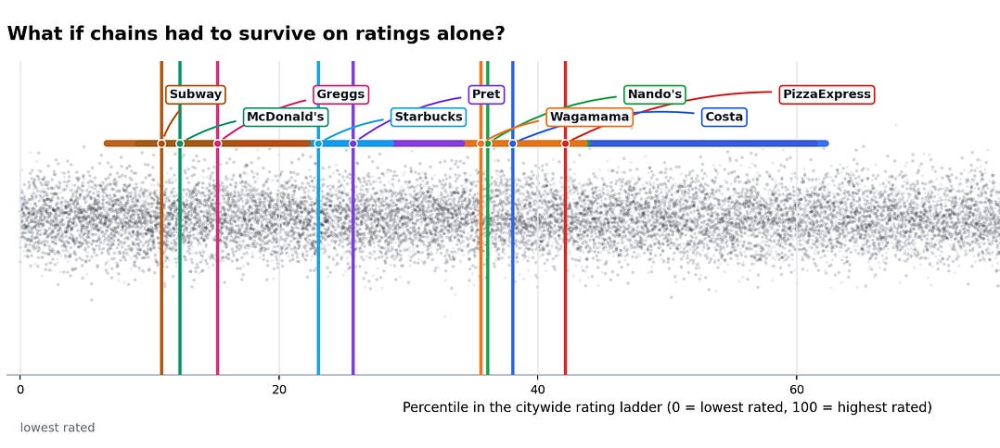
How Diamonds are Made?
A visual exploration of the history of diamonds, diamond mining, and cutting.
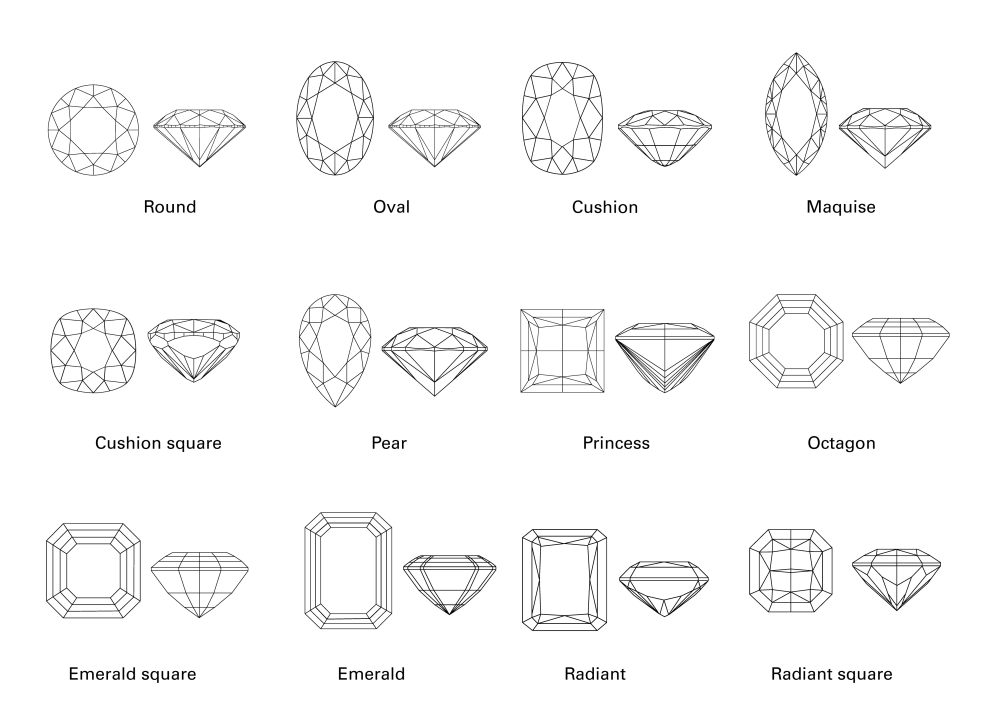
Attenborough at 100 — A Nature Documentary Archive
Soph Warnes celebrates Sir David Attenborough's 100th birthday by presenting a comprehensive, searchable archive of his entire career in nature documentary filmmaking. The partly LLM-coded archive contains nearly 5,000 episodes.

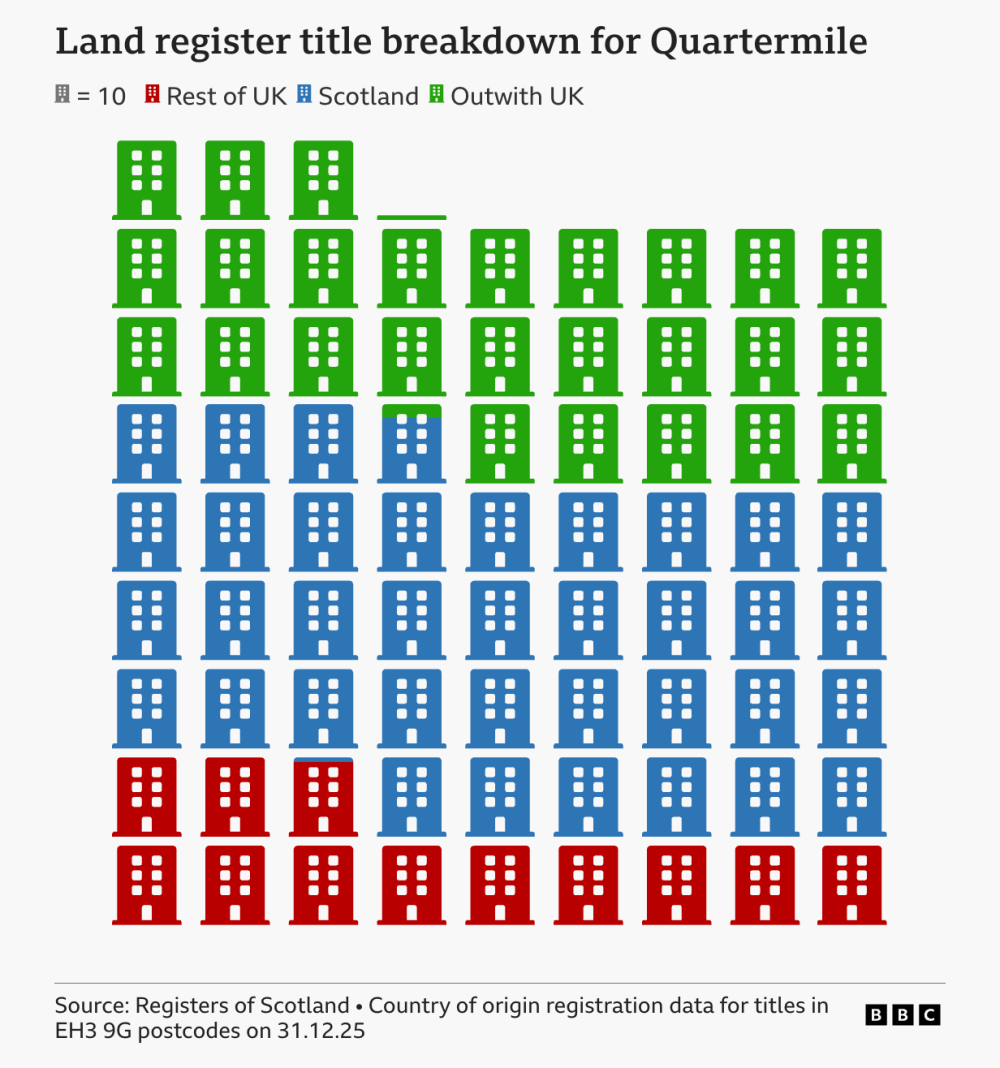
Redesigning a BBC News Land Register Data Visualization
Kelsey Pearson: "I came across a BBC News article (link in the comments) and found the graphic chosen to represent the breakdown of land register titles in Quartermile overwhelming (so many houses, windows, and doors). So I redesigned it, coming up with a few different ways to display the same data just with slightly differentmeanings and takeaways."
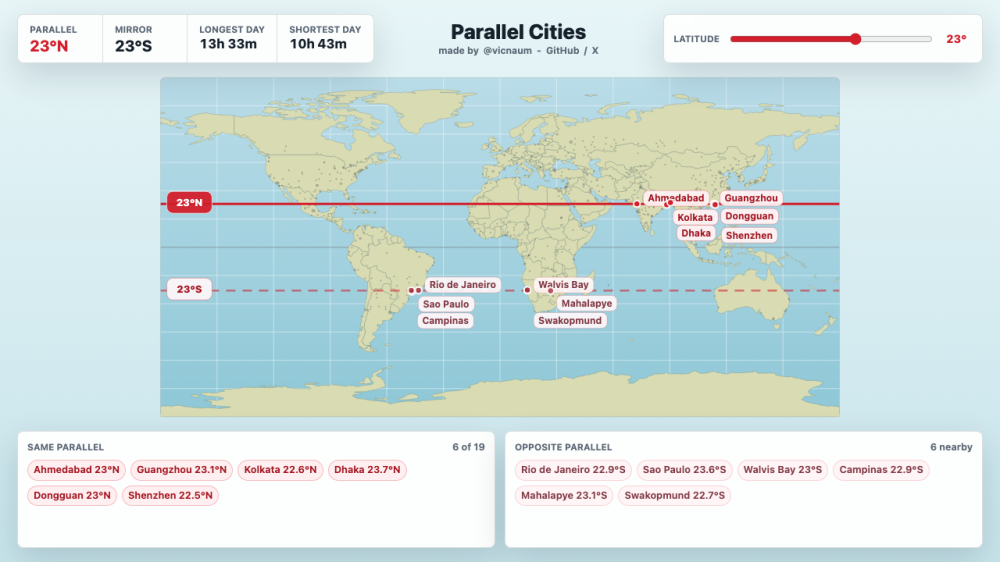
Parallel Cities
An interactive web application that allows users to explore cities located at the same latitude or opposite (mirror) latitudes on Earth. I'm slightly troubled by the fact it's missing Ushuhaia.
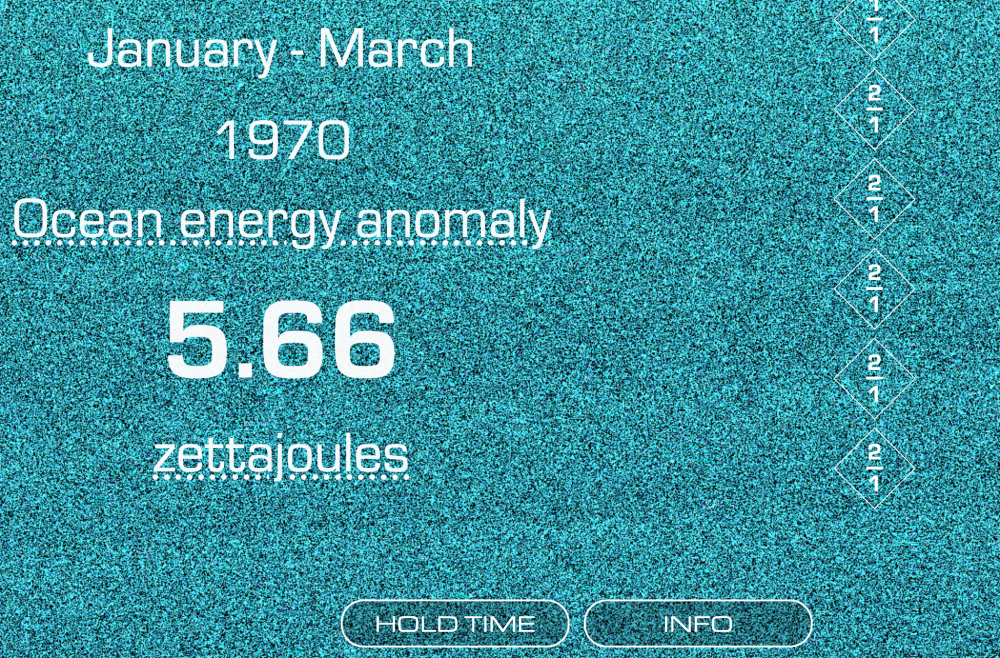
The Sound of Ocean Heat Energy
This is a data sonification of ocean heat content from 1970 to 2025, transforming scientific measurements into sound.
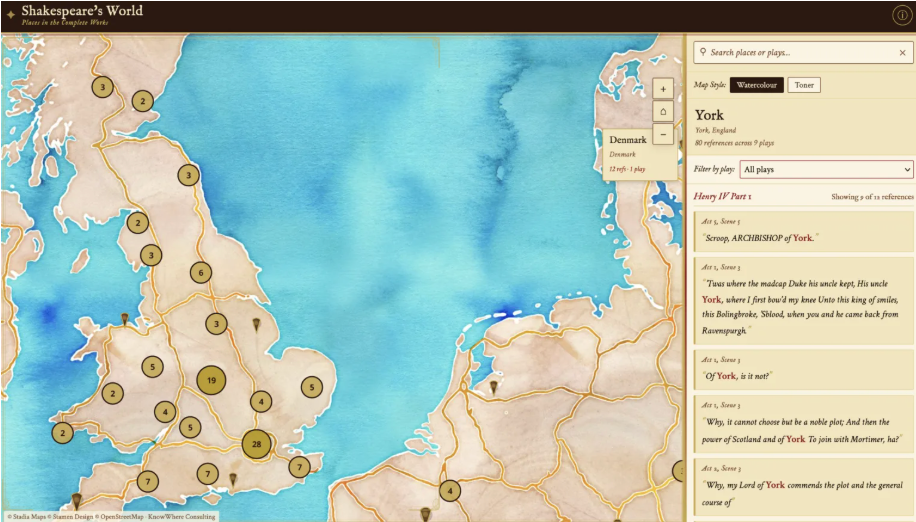
Shakespeare’s World – I thought this would be simple, but...
Stephen Feldman's latest look at vibe-coding maps turned out to be harder than previous attempts. "As I tested, I kept discovering glitches in the data which I had to work through with a combination of python scripts, courtesy of Claude, and manual edits which were easier than solving edge cases in a script. The funniest of errors was Maidenhead – spaCy identified it as a place with 14 references but when I looked at the quotes they were all Shakespeare referring to virginity rather than a place!"
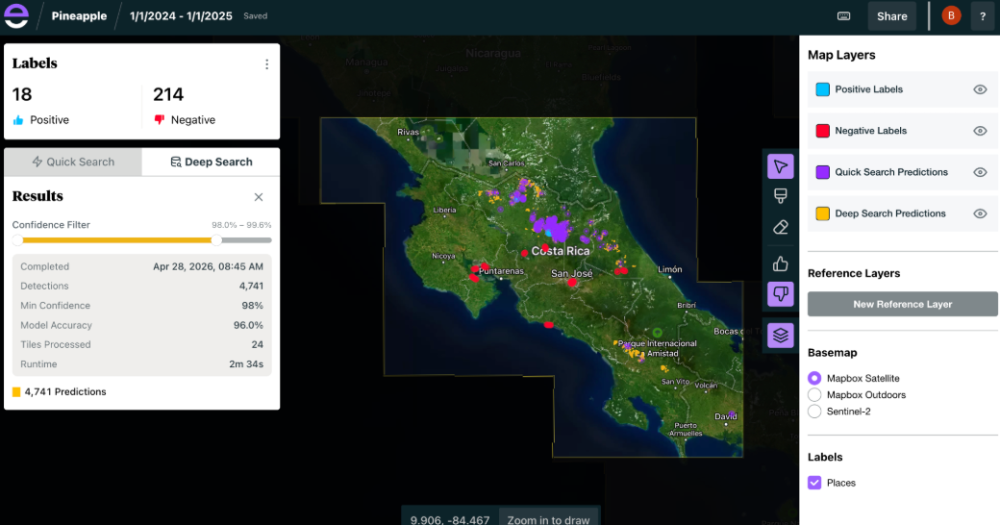
Mapping the planet with Earth Index is now open to everyone
Earth Index is an AI-powered satellite imagery mapping tool. This blog posts announces why it's being made openly available (albeit behind a signup form).
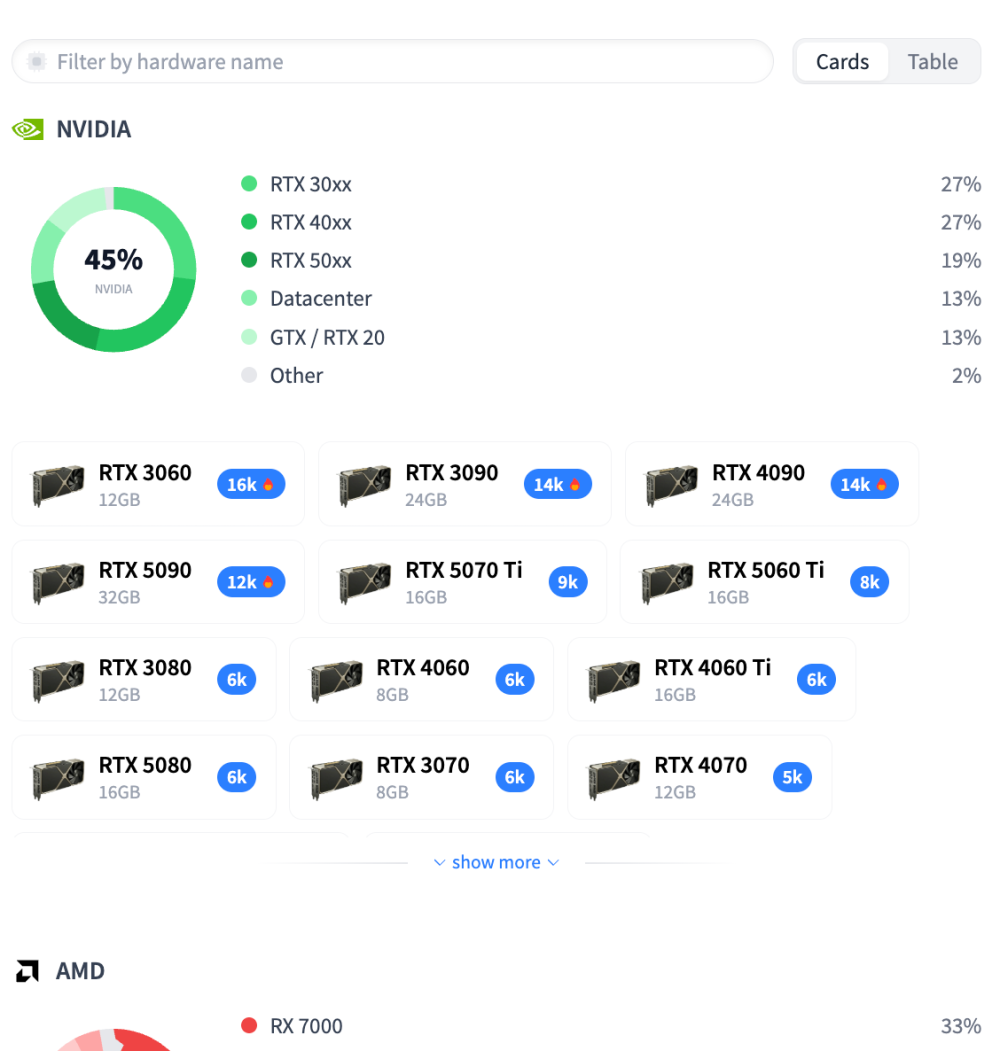
Hardware – Hugging Face
Hugging Face have released a comprehensive, interactive survey of hardware owned and used by the community for machine learning and AI development. The data reveals the GPU landscape is dominated by NVIDIA, representing 45% of all hardware, with RTX 30xx and RTX 40xx series each comprising 27% of NVIDIA cards.
(via Sylvain Lesage)
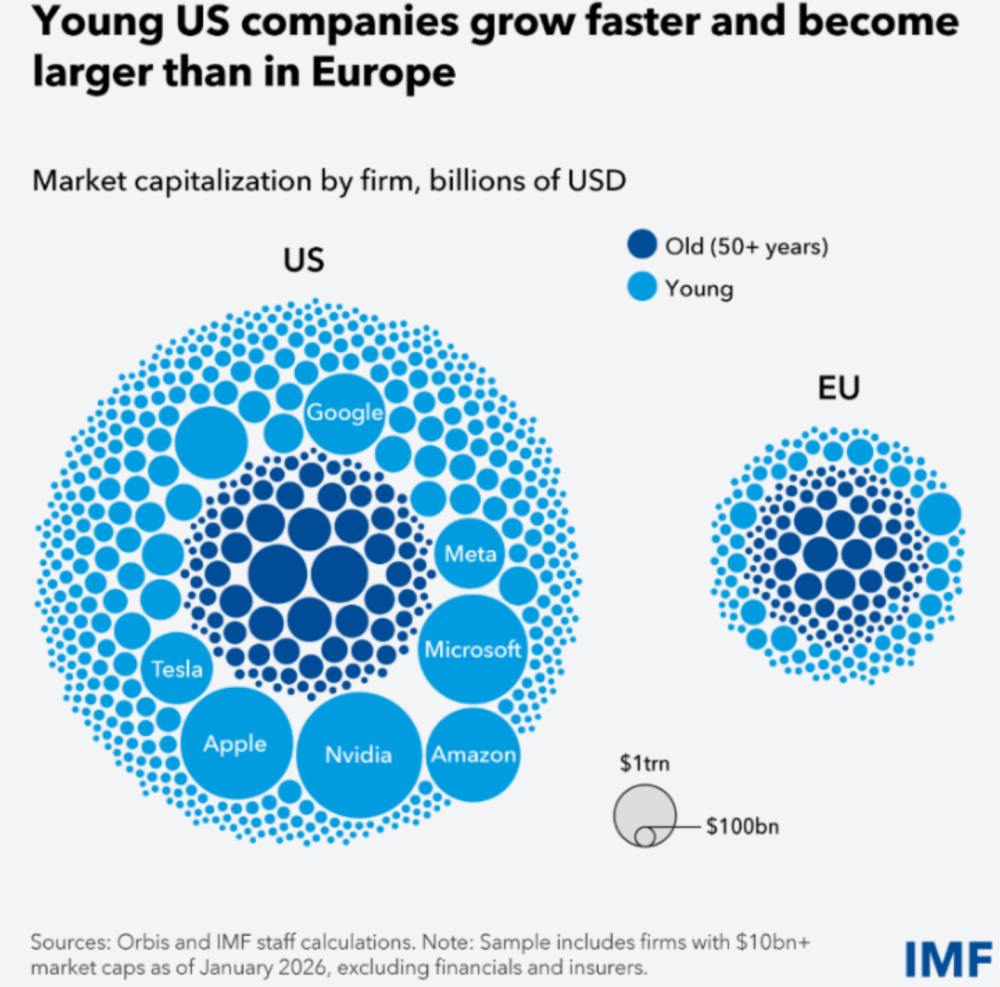
Europe’s startup problem
"... is not mainly “too much regulation." That matters, but the bigger problem is capital scale."
(via Peter Wood)
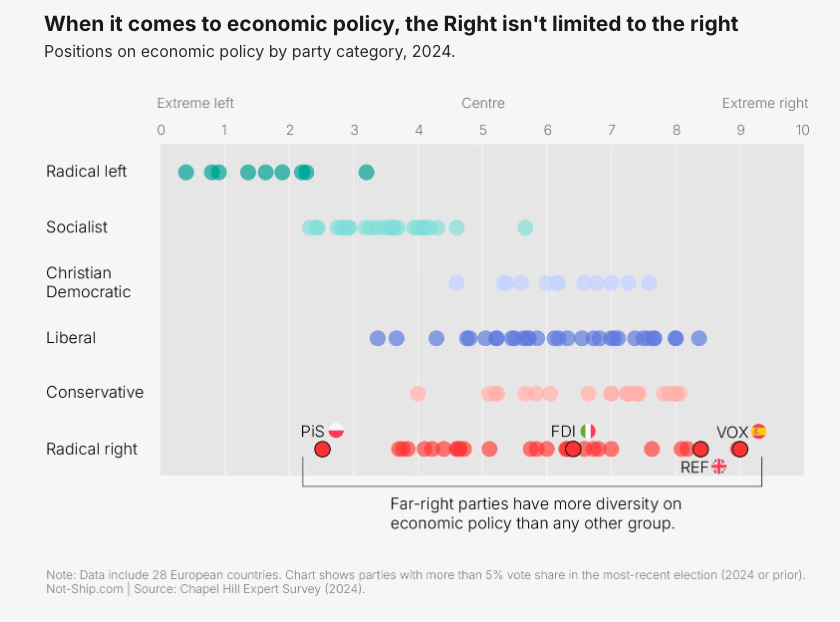
What unites the right?
Amanda Shendruk has run an interesting analysis of party-political positions in France, showing some peculiar patterns about what "left" and "right" mean in practice.
AI
The Epoch Brief - May 15, 2026
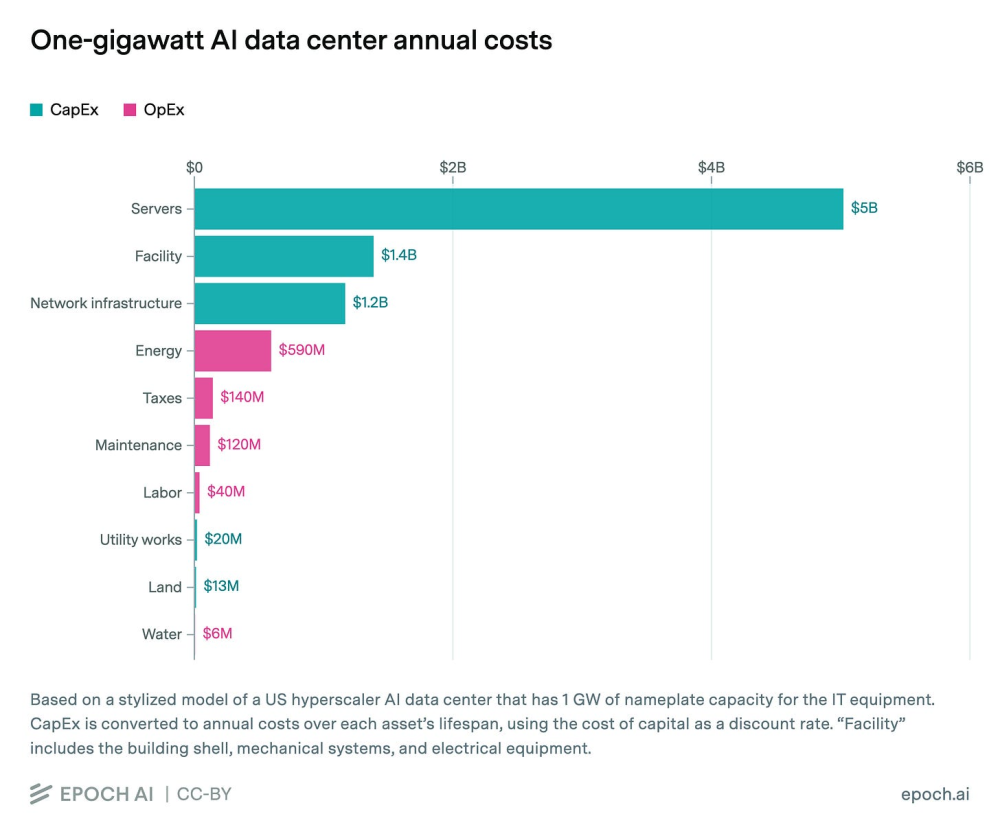
This edition of the Epoch Brief has quite a bit of interesting insight, including three key findings about AI infrastructure and talent. First, servers account for 60% of the total cost of operating a one-gigawatt AI data center in the US. Second, analysis of Anthropic's Claude models shows performance variations across domains, overperforming in software engineering benchmarks but underperforming in maths (relative to their general capability scores). Third, as we covered in Quantum #658, the growing compensation gap among AI researchers.
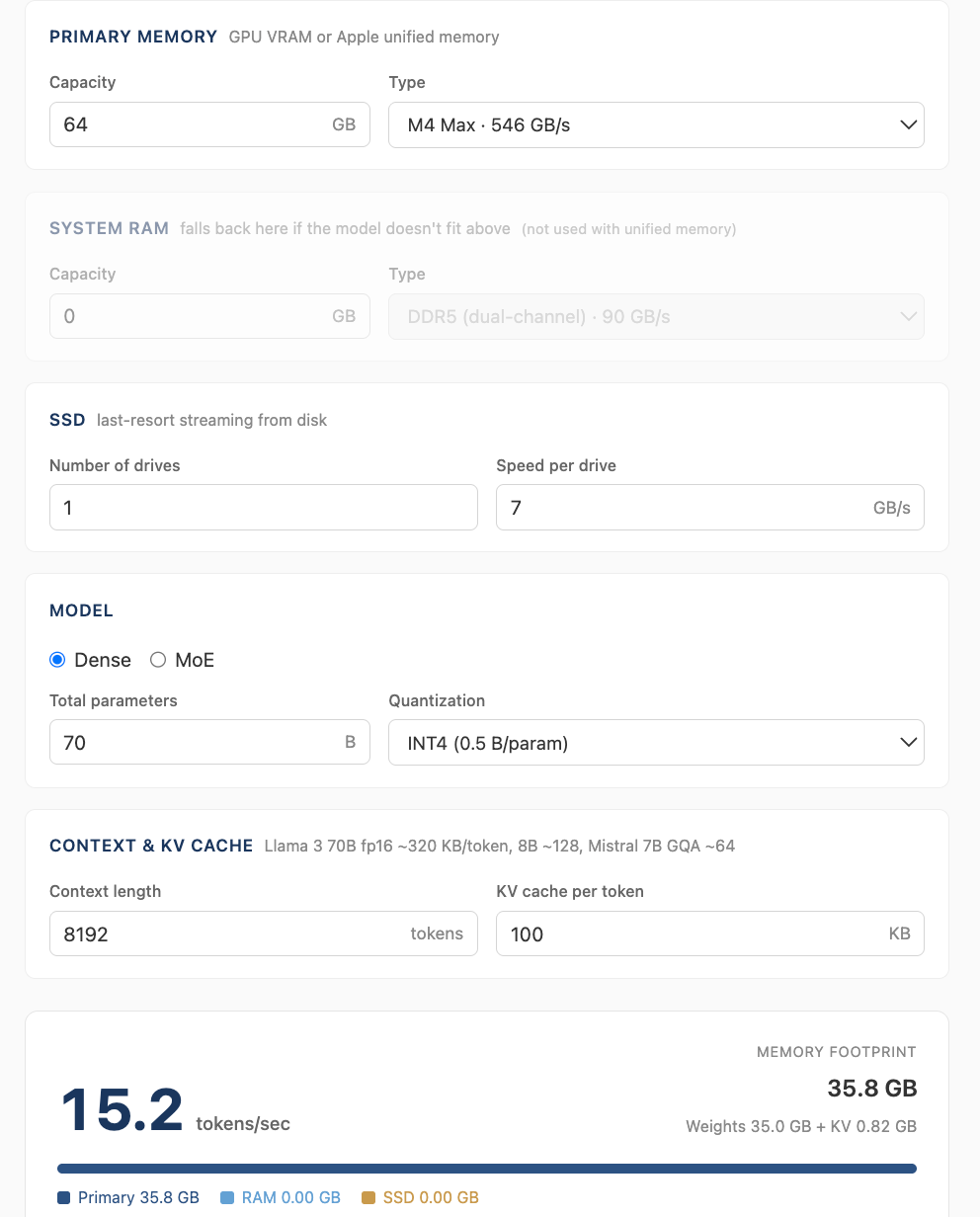
Local LLM speed calculator
Martin Alderson has created a calculator tool that estimates tokens per second based on hardware specifications, model size, and quantization level.
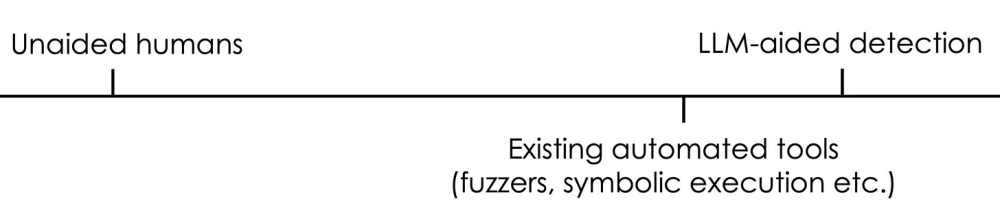
Project Glasswing: what Mythos showed us
As part of Project Glasswing, Cloudflare tested Anthropic's Mythos Preview, a security-focused LLM, against over fifty of their own code repositories. Mythos Preview demonstrated capabilities resembling "the work of a senior researcher rather than the output of an automated scanner" through iterative testing and hypothesis refinement. However, the team found that simply pointing the model at repositories produced poor results.
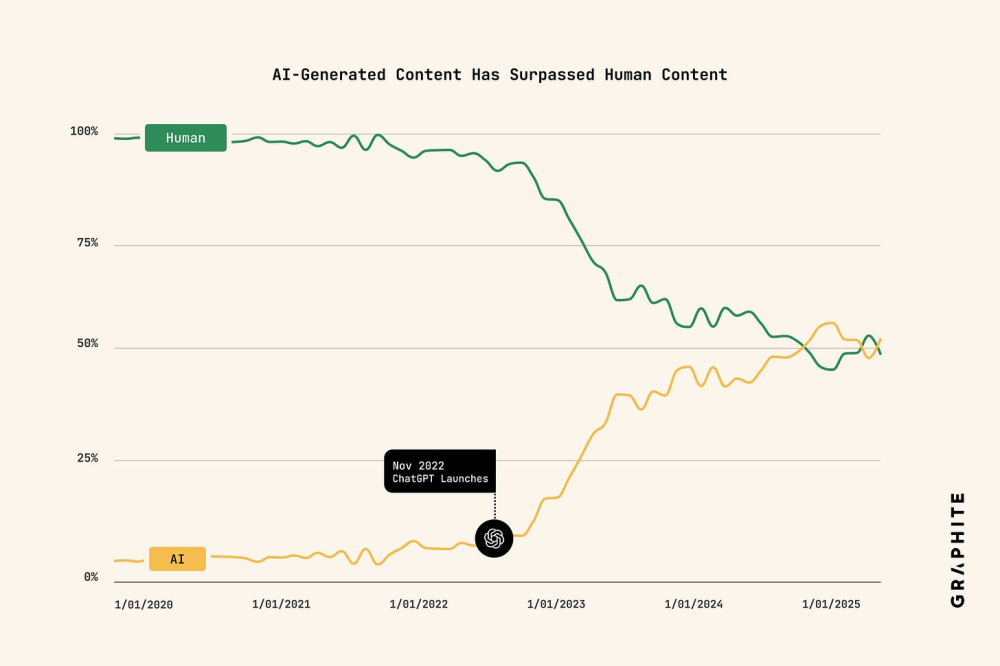
How Much of the Internet Is AI Slop?
Daniel Parris (Stat Significant) examines the rapid proliferation of AI-generated content, following ChatGPT's November 2022 launch.
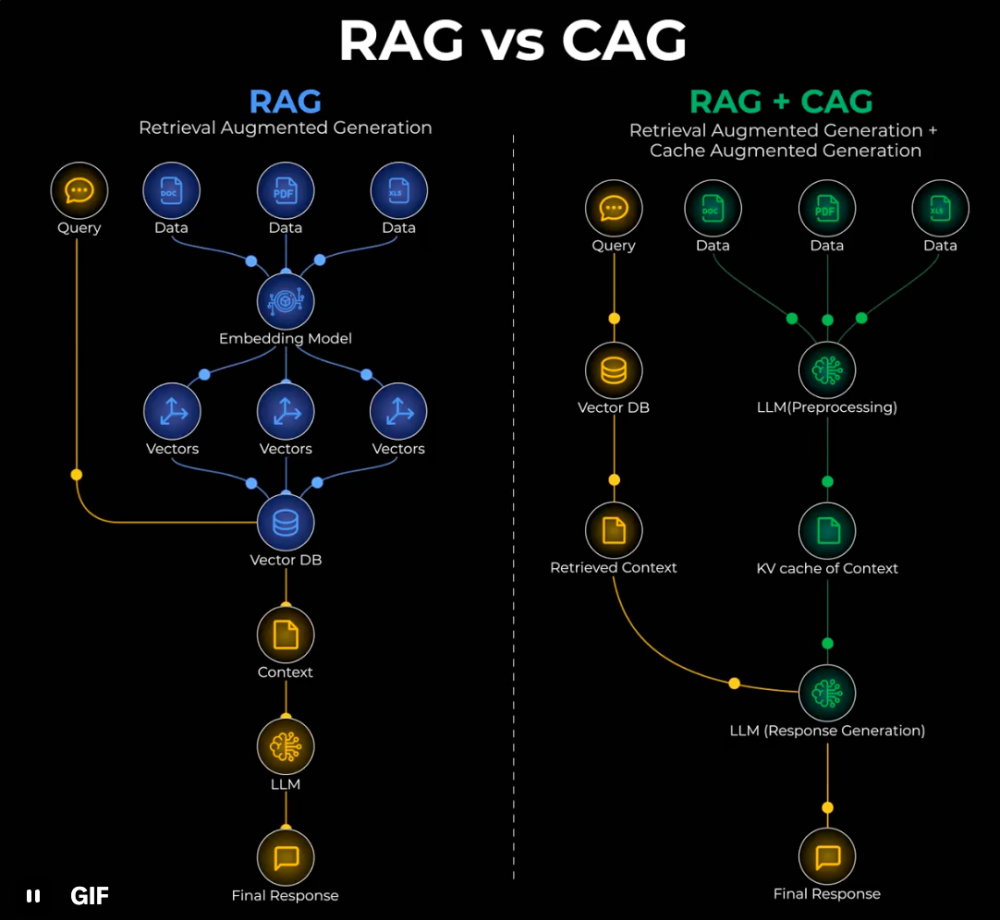
RAG vs. CAG, clearly explained!
"RAG is great, but it has a major problem: Every query hits the vector DB. Even for static information that hasn't changed in months. This is expensive, slow, and unnecessary. Cache-Augmented Generation (CAG) addresses this issue by enabling the model to "remember" static information directly in its key-value (KV) memory. In fact, you can combine RAG and CAG for the best of both worlds."
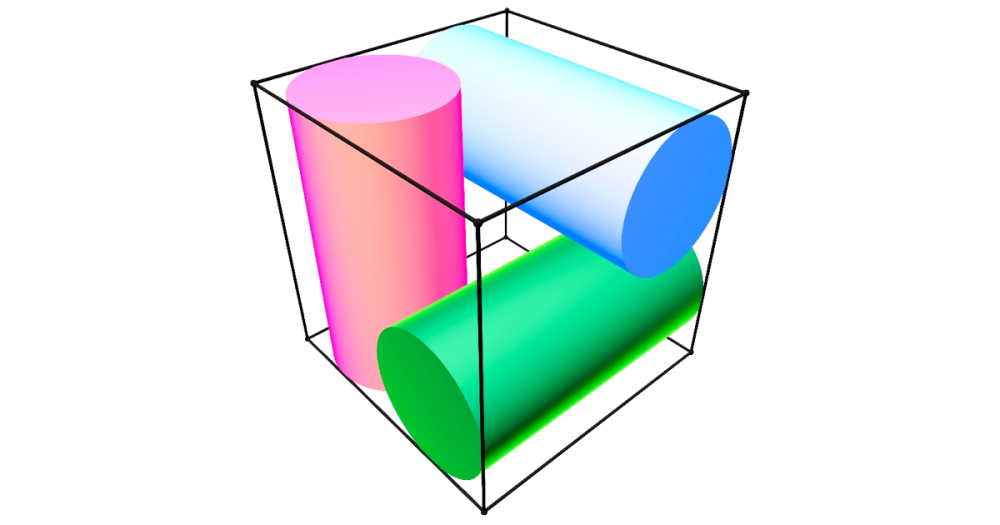
The Three-Cylinders Problem
" When AI Models Choose Beauty Over Truth". This blog post examines how four frontier AI models—Gemini 3.1 Pro, Grok-4.20, Claude 4.6 Opus, and Chat-GPT 5.4 Pro—handle a geometry problem involving three cylinders packed into a cube.
Do AI Risks Require Extraordinary Government Intervention?
Kapoor and Narayanan respond to Derek Thompson's criticism of their "AI as Normal Technology" framework. They acknowledge resilience requires difficult, polycentric governance rather than unilateral executive action, but argue it's more effective than non-proliferation efforts that will inevitably erode as AI capabilities spread.
Also, some commentary on this here.
AMA – Ask Me Anything! Submit a question via this anonymous Google form. I'll select a few every 4-5 weeks and answer them on here :-) Don't be shy!

The Quantum of Sollazzo grove now has 40 trees. It helps managing this newsletter's carbon footprint. Check it out at Trees for Life.
'till next week,
Giuseppe @puntofisso.bsky.social