What your alarm accounts are actually worth
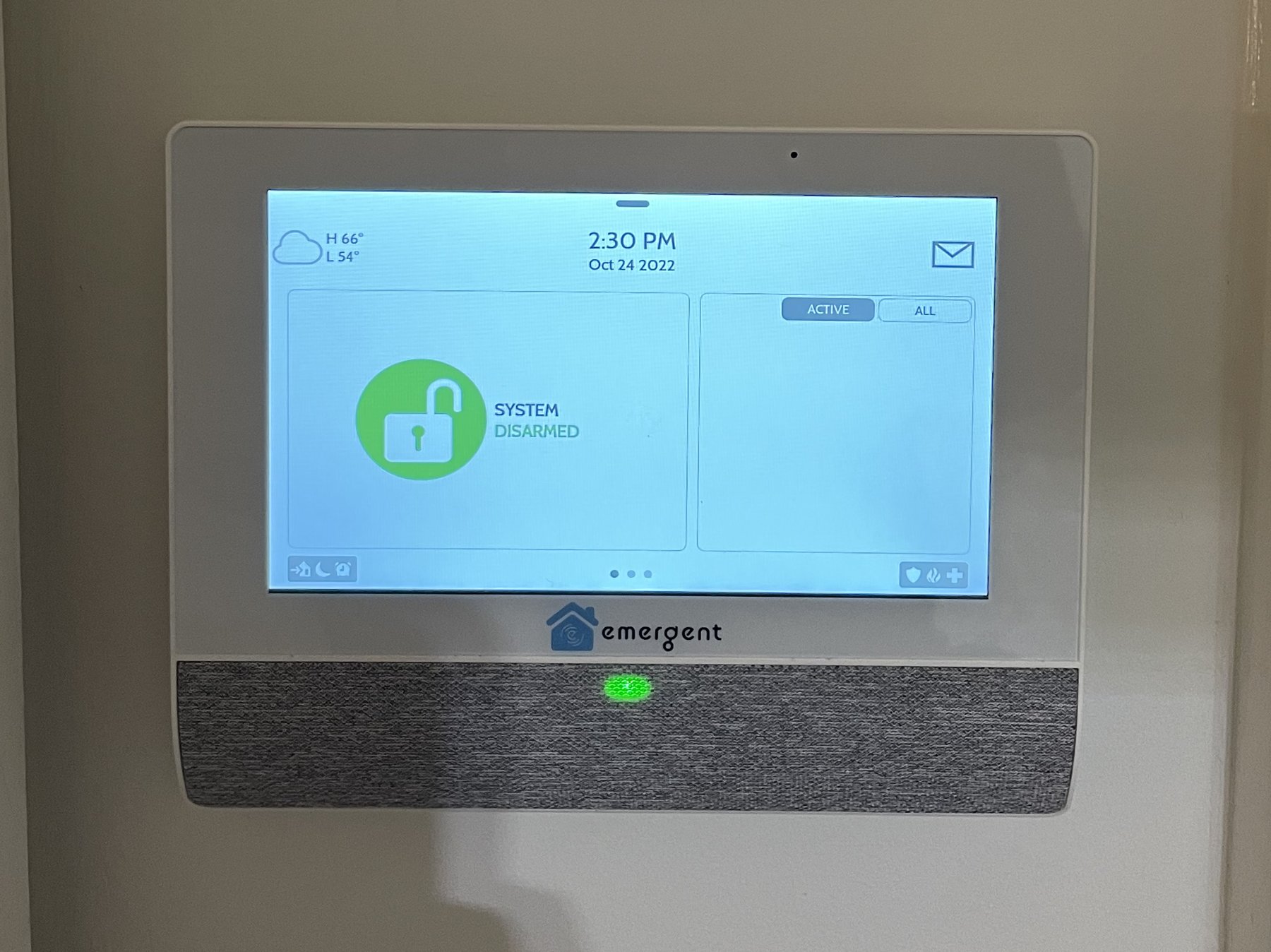
The part that generates the monthly bill. Not the part that makes it an asset.
The industry math on this is well known: a recurring monitoring account is generally valued somewhere around 25 to 35 times net monthly recurring revenue. Most installers are sitting on a sellable asset without realizing it, and pricing their business as though the accounts on their books are worth nothing more than the next invoice. I believed that too, until I actually tried to sell mine.
I had roughly 30 monitored accounts. My own estimate, going in, was that they'd land somewhere around 15 to 20 times RMR — lower than the industry range, but still real money. The deal died almost immediately, and not over price. It died because none of my customers were under contract.
Without a contract, a buyer isn't looking at an asset. They're looking at a customer relationship that could end the day after the sale closes, with no recourse. In the language buyers use, I didn't have "paper" to sell. 30 real, paying accounts, and none of it counted, because there was nothing enforceable backing the relationship. On top of that, only about a third of those accounts were actually on central monitoring, which cut into the value further. And without a contract, I wasn't just holding a smaller asset — I was holding more liability than a company whose customers had signed on, because there was nothing limiting what I was on the hook for if something went wrong.
Even if the contract issue hadn't killed the deal outright, the underlying dollar value was already compromised. The prices those customers were paying were the same low prices I'd set when the business was brand new — the same pricing decision that undercut the market to win it, and that I later had to live with for years. So the accounts weren't just unsellable for lack of paperwork. The revenue they represented had been discounted from day one, by a decision made before I understood what these accounts would eventually need to be worth.
Some dealers build their whole business around this math from the start — put accounts on the books purely to sell the portfolio later, and structure everything, contracts included, around that exit. Other dealers do very little outbound marketing at all and grow almost entirely by acquiring other dealers' accounts. I was neither. I never looked at my customers as an asset with a price tag attached, and if I'm honest, that was probably a mistake in hindsight. My thinking was that the day I started selling off accounts was the day I was exiting the industry, and I was never trying to exit. Trying to sell wasn't about leaving the business. It was a cash flow exercise, a way to find out what the accounts were actually worth if I needed to lean on them. It turned out the answer was: not much, because I'd never built them to be sold.
If I were advising someone building this kind of business today — whether or not they ever plan to sell — here's what I'd tell them before they get 5 years in and find out the hard way:
- Get every customer on a real contract from day one, no exceptions.
- Use industry-standard contract language, not something improvised, so it actually protects you on reliability, liability, and what happens when the customer wants to cancel.
- Put your customers on central monitoring wherever possible. It isn't just a service quality question — it materially affects what your accounts are worth if you ever want to sell.
Read this on the web · You're getting this because you subscribed to Pull Schedule.