The math on 10 TV mounts a day
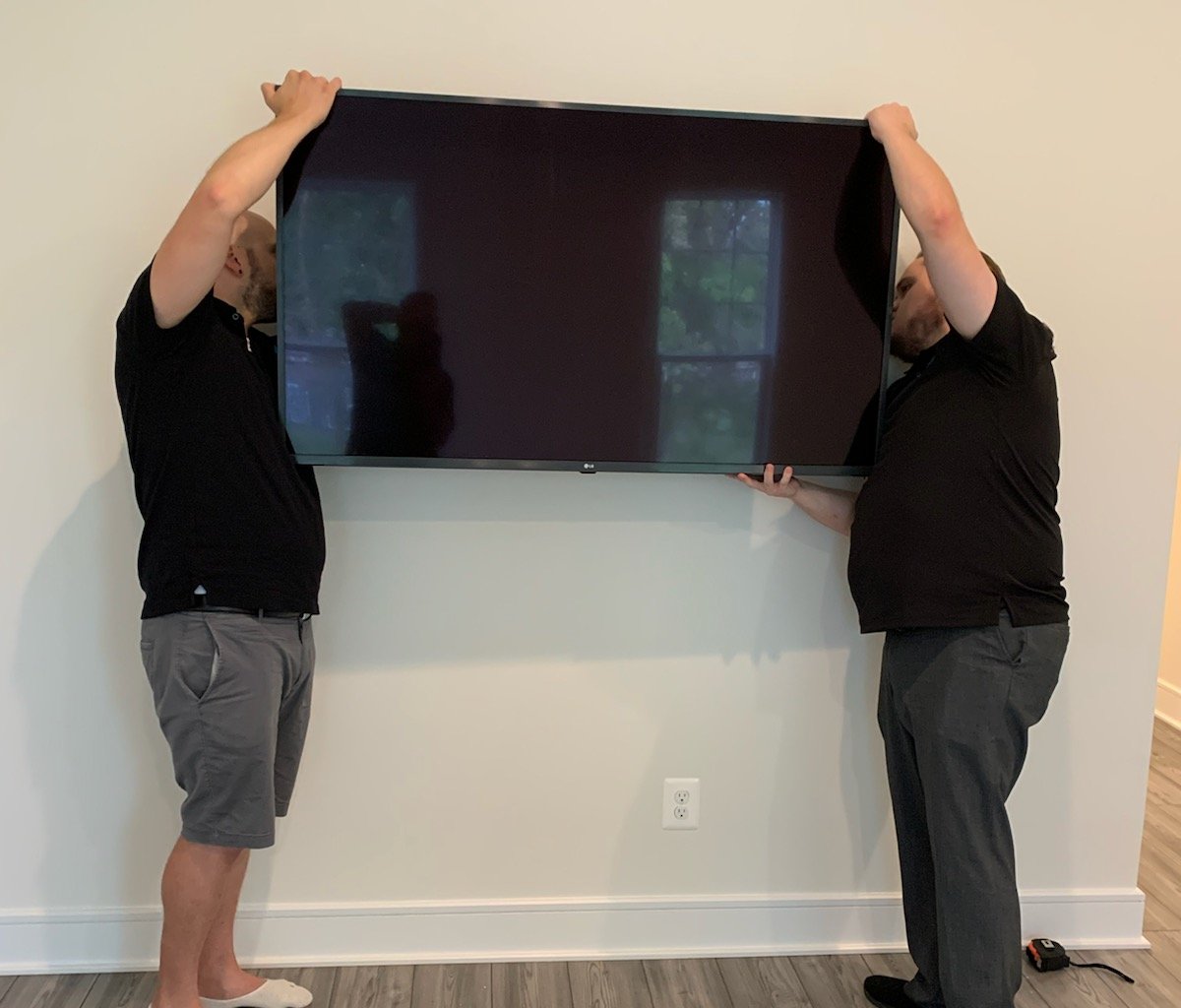
Most of them take 2 people. That is the whole problem with the math.
We started TV mounting at $150 a job, specifically to undercut what the big box stores were charging — Geek Squad was at $199. We expected that to be the ceiling. We were wrong about that, and wrong in a way that taught us something bigger.
We walked the price up over time: $200, then $250, then $300, then $400 for a Samsung Frame TV with the One Connect box fished into the wall. We fully expected demand to drop off somewhere along the way. Lead platforms had already shown us that labor-intensive, commodity-feeling services like TV mounting were a race to the bottom, and we assumed raising our price would just push us out of that race entirely.
It didn't. Demand stayed basically flat from $150 all the way to $400. The reason wasn't that price didn't matter to homeowners in general — it was that the clients paying our higher prices were mostly people who'd worked with us before and already knew the quality of the install. We never missed a stud, never cut a hole we didn't need to, and did TVs over stone fireplaces and outdoor TVs into all kinds of material that a lot of installers wouldn't touch. That reputation is what let the price move without the demand moving.
But the price was never really the problem. Even before we got to $400 a job, we'd already figured out the business didn't work. Today's TVs are heavy, or awkward, or too thin to handle alone, and a lot of installs need 2 people. Once you add two-person labor and drive time into the actual cost, the math doesn't clear — even at $400 a mount — unless you're doing several of them in the same house on the same trip. One TV at $400 isn't a good job. 5 TVs at $400 in one house is a great day.
Run that out and the arithmetic gets ugly. To pay the bills on TV mounting alone, we'd have needed something like 10 mounts a day, 7 days a week. And we were 2 people driving in from 2 different states to meet on site, so a lot of the day was gone before anybody picked up a drill.
The other assumption we had going in was that TV mounting would be a foot in the door to bigger work. That one turned out to be true, just not in the way we expected. The most direct next step was a soundbar under the mount — TVs have gotten so thin that even when they sound fine, it's software tricking your ear, not real output, and once you point that out, people want to fix it. But it didn't stop there. TV mounts led to home security systems, home automation, universal remotes, full theater builds, and networking and Wi-Fi work. The gateway theory held up. It just opened onto a much wider hallway than "bigger TVs and better speakers."
Read this on the web · You're getting this because you subscribed to Pull Schedule.