#### PerformanceNewsletter
|
#### Issue 44
|
|
#### Editor’s Note
One of the challenges of performance is that, **often,** **people who create for the web do not experience it at its worst**. Let’s not kid ourselves—we use fast connections, expensive laptops and state-of-the-art smartphones.
We dub slowness as edge case because we rarely experience it. It feels foreign. Time to not only develop a strong sense of empathy but also, make the sub-par performance so visible, it simply cannot be missed.
— Karolina
|
|
|
|
#### case study

## How Netflix uses the new generation of images
With WebP (announced ten years ago) still feeling like the bleeding edge of image formats, it might be hard to follow new developments in that space. The team over at Netflix Technology Blog explains their trials with a newly specified, performant type—**AV1 Image File Format (AVIF)**. Fascinating read and data.
[]()[AVIF for Next-Generation Image Coding →](https://netflixtechblog.com/avif-for-next-generation-image-coding-b1d75675fe4)
#### article
## Quantify the impact of performance on revenue
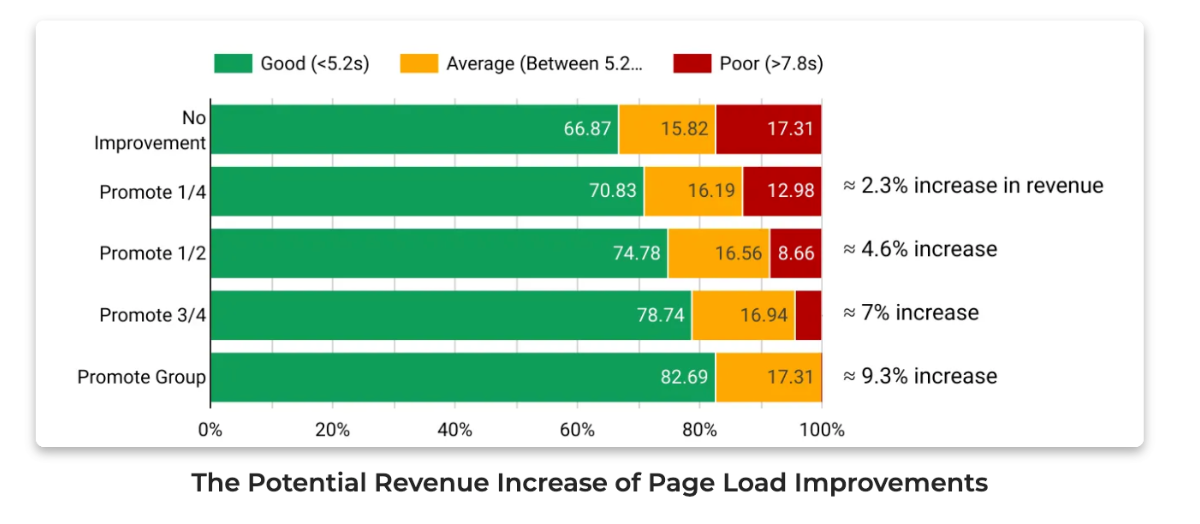
In his article, [CP Clermont](https://twitter.com/cpclermont) outlines how he measured the impact of performance on ALDO’s revenue. Figuring out those specific numbers is the holy grail, especially when user experience is a spectrum, and not all performance improvements are easy fixes.
[]()[The Impact of Web Performance →](https://simplified.dev/performance/impact-of-web-performance)
#### article

## Lint performance directly in the browser
In his article, [Tim Kadlec](https://twitter.com/tkadlec) explains a new spec already available in specific browsers behind flags dubbed **Feature-Policy**. Feature Policy allows to opt-in or out of certain features, effectively providing a prominently visible linting method for performance. A very interesting way of making performance bottlenecks hard to miss.
[]()[In-Browser Performance Linting With Feature Policies →](https://timkadlec.com/remembers/2020-02-20-in-browser-performance-linting-with-feature-policies/)
#### tools
## Run Lighthouse in Firefox
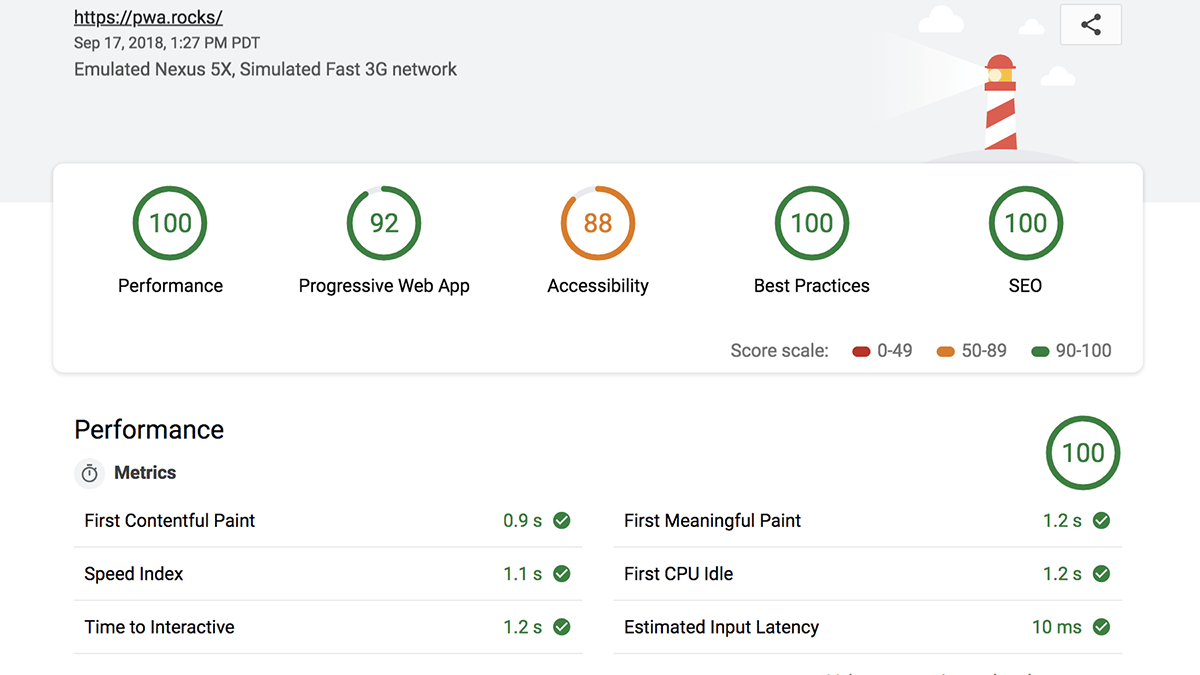
Since its inception, Lighthouse was only available as an extension in Chrome. Rejoice, Firefox users! Lighthouse Firefox add-on is now out, breaking the Google hegemony a little bit and opening up the ecosystem of performance tooling to a more diverse browser spectrum.
[]()[Google Lighthouse Firefox add-on →](https://addons.mozilla.org/en-US/firefox/addon/google-lighthouse/)
#### case study
## How UberEats rebuilt their architecture for speed
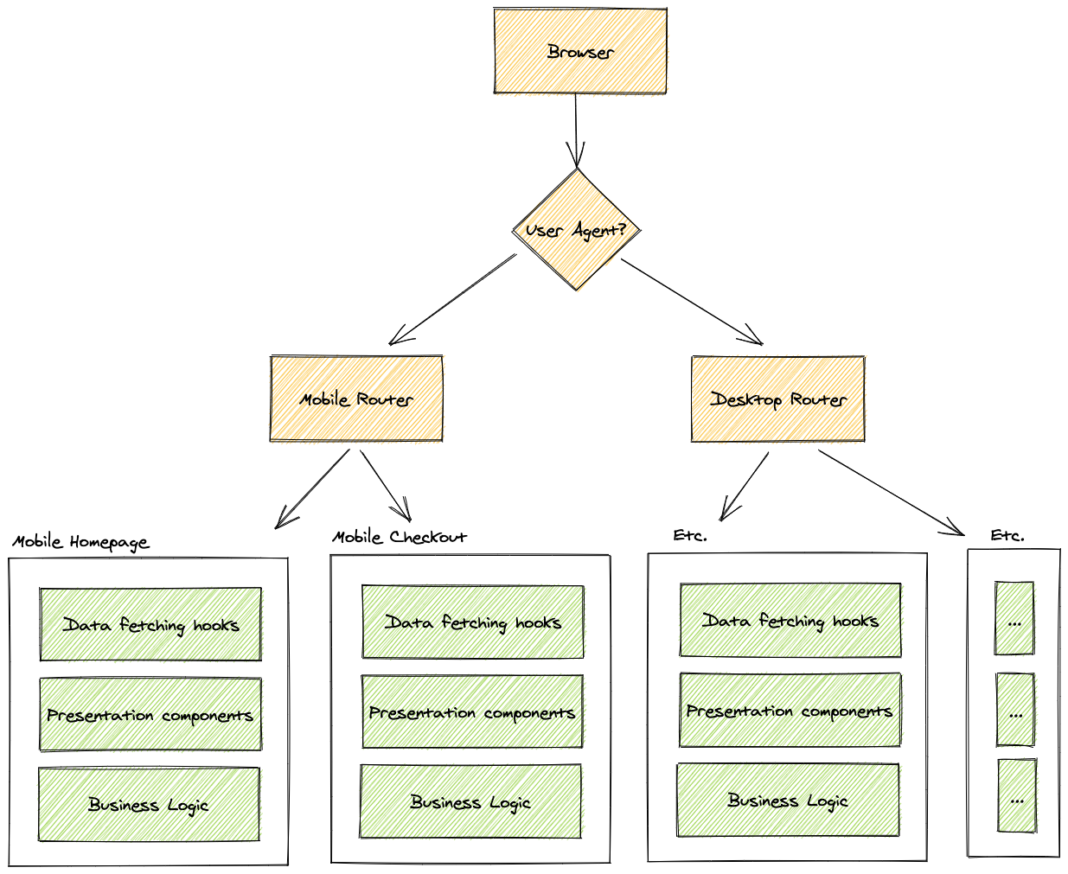
[Chris Lewis](https://twitter.com/chrislewis_aus) and [Brendan Dean](https://www.linkedin.com/in/brendandean/) explain how they rewrote UberEats with the focus on performant architecture. They outline several strategies including shipping separate bundles, orchestrating long-running asynchronous tasks as well as benefits and drawbacks of Server-side rendering.
[]()[How We Improved the Performance and Developer Experience of UberEats.com →](https://eng.uber.com/uber-eats-com-web-app-rewrite/)
#### video
## Find performance issues in your Rails app
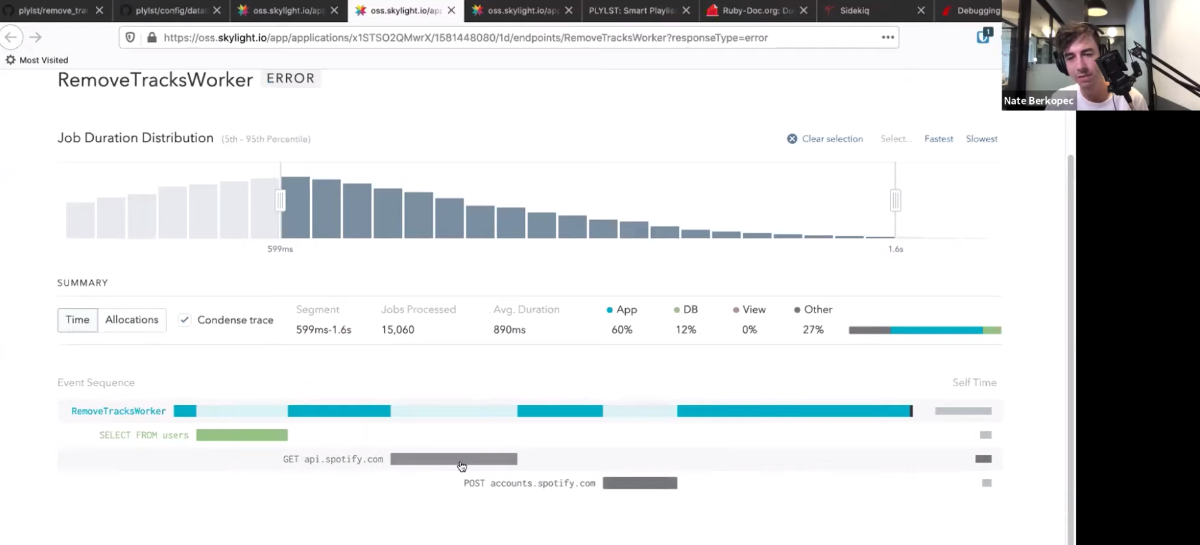
[Josh Pigford](https://twitter.com/Shpigford) and [Nate Berkopec](https://twitter.com/nateberkopec) sit down for a video call to debug Rails-related performance issues. If you’re interested in how to discover and, more importantly, fix speed issues with your Rails app, this will be an hour well spent.
[]()[Ruby on Rails Performance Teardown →](https://www.youtube.com/watch?v=-5W1aNZ4nHY)
|
|
####
Spread the word about perf.email
We’d love to see more people reading
[perf.email](https://perf.email/); if you’d
like to help—forward this email to a friend, tweet, or
shout from a rooftop. It goes a long way. ✌🏻
|
|