#### tools
## Test performance in GitHub Pull Requests
Performance monitoring platforms mostly notify of performance regressions *after* they have been shipped to your customers. At this point, your users already see a degraded experience. Change your monitoring mindset and discover bottlenecks **before** your audience does.
[]()[See Performance Issues Before They Reach Your Customers →](https://calibreapp.com/blog/track-performance-in-pull-requests)
#### article
## See how the web fails on slow networks
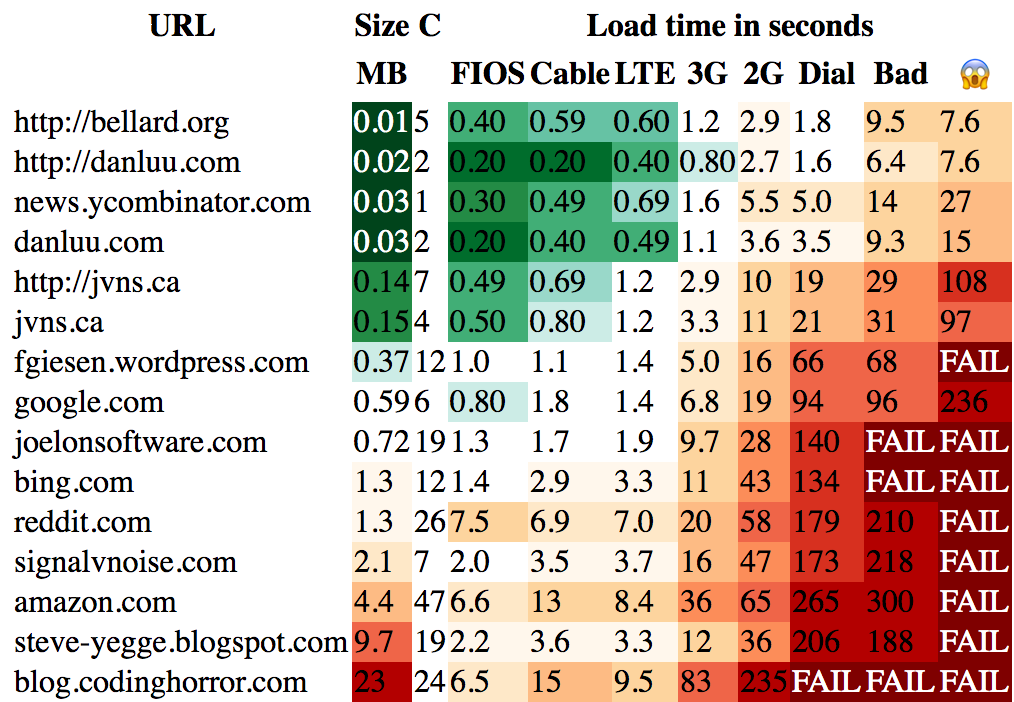
In his article, [Dan Luu](https://twitter.com/danluu) highlights how agonising (or simply impossible) it might be to use the web on slower connections. While we might think the dial-up times are long gone, half of Americans still don’t use the internet on broadband speeds, not mentioning countries with emerging economies.
[]()[Web bloat →](http://danluu.com/web-bloat/)
#### Tools
## Track compressed file size in Pull Requests
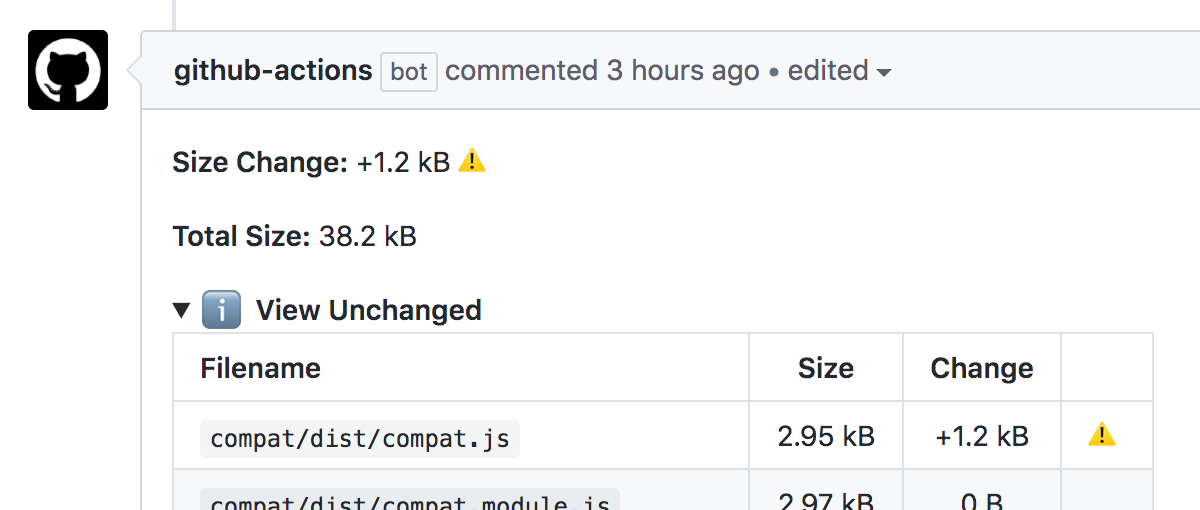
GitHub Actions are becoming increasingly useful in improving and maintaining web performance. Compressed Size Action will report changes on compressed file sizes in your Pull Requests, so you can make sure not to cross set thresholds and budgets.
[]()[Compressed Size Action →](https://github.com/marketplace/actions/compressed-size-action)
#### tools
## Reduce the size of your Angular bundle
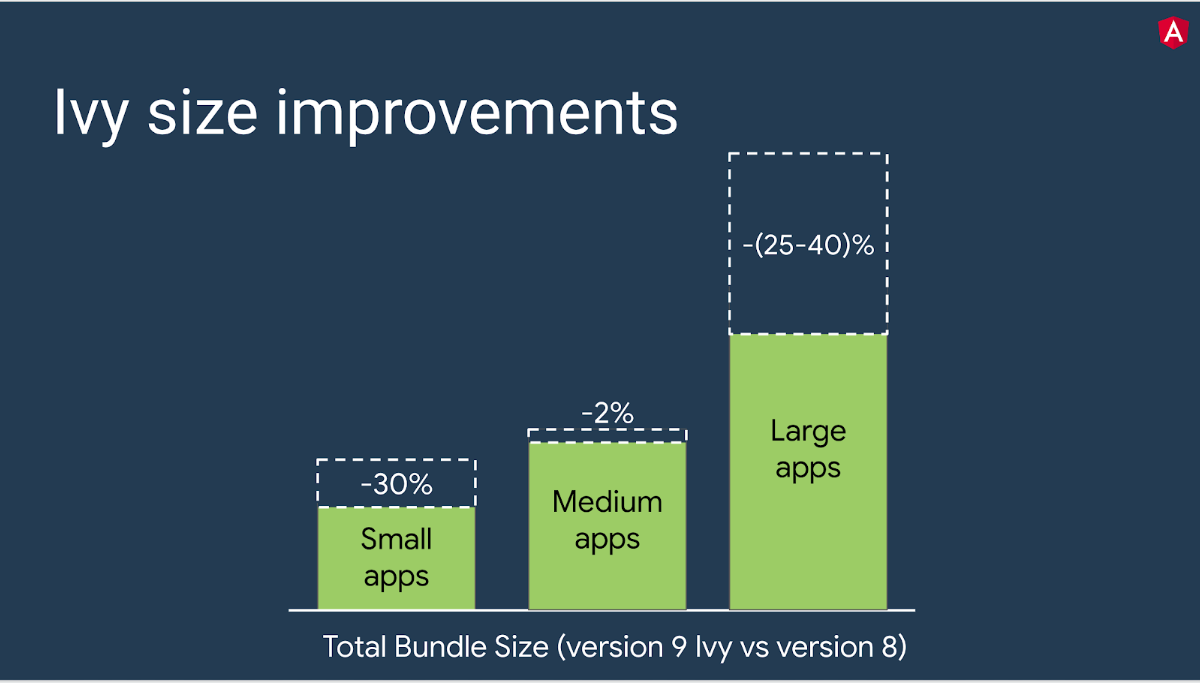
Good news for those using Angular—with awaited 9.0 release come numerous improvements, especially in the performance space. Ivy leverages tree-shaking to avoid the all too common scenario of large bundles filled with unused code, making your bundles much smaller.
[]()[Version 9 of Angular Now Available — Project Ivy has arrived →](https://blog.angular.io/version-9-of-angular-now-available-project-ivy-has-arrived-23c97b63cfa3)
#### new in calibre
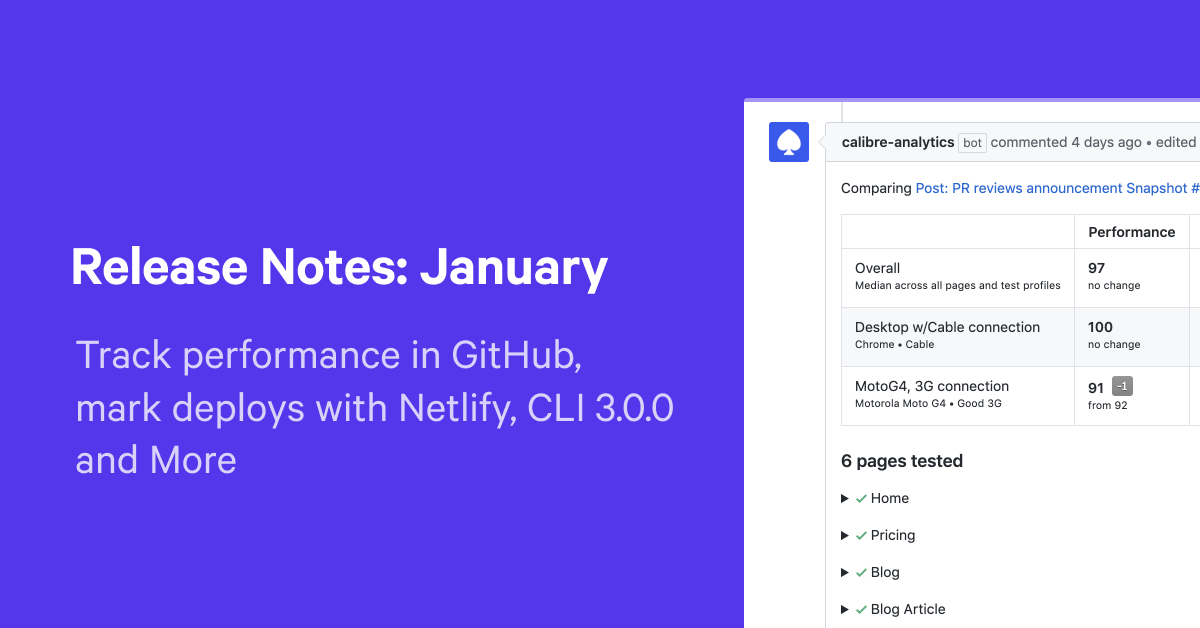
## What Calibre released last month
📚 **Release Notes: January**
Here’s our monthly roundup of what was released in January: Tracking performance in Pull Requests, Netlify deployments integration, CLI 3.0.0 and more.
**🆕 Pull Request Reviews** allow you to monitor performance directly in GitHub Pull Requests. That way, you can notice potential regressions and bugs **before they reach your customers**. Pair your production monitoring with pre-release checks to ensure maximum coverage.
[]()