͏ ͏ ͏ ͏ ͏ ͏ ͏ ͏ ͏ ͏ ͏ ͏ ͏ ͏ ͏ ͏ ͏ ͏ ͏ ͏ ͏ ͏ ͏ ͏ ͏ ͏ ͏ ͏ ͏ ͏ ͏ ͏ ͏ ͏ ͏ ͏ ͏ ͏ ͏ ͏ ͏ ͏ ͏ ͏ ͏ ͏ ͏ ͏ ͏ ͏ ͏ ͏ ͏
͏ ͏ ͏ ͏ ͏ ͏ ͏ ͏ ͏ ͏ ͏ ͏ ͏ ͏ ͏ ͏ ͏ ͏ ͏ ͏ ͏ ͏ ͏ ͏ ͏ ͏ ͏ ͏ ͏ ͏ ͏ ͏ ͏ ͏ ͏ ͏ ͏ ͏ ͏ ͏ ͏ ͏ ͏ ͏ ͏ ͏ ͏ ͏ ͏ ͏ ͏ ͏ ͏ ͏ ͏ ͏ ͏ ͏ ͏ ͏ ͏ ͏ ͏ ͏ ͏ ͏ ͏
|
#### Editor’s note
|
|
|
It feels like there’s never been so much movement in web performance metrics. New ones appear as an experiment, to later on become recommended as “must track”. All of this experimentation, observation and gathering feedback are as much as principles of creating new metrics, as they are of performance work as well.
New ways to measure help us quantify and focus on critical aspects of user experience. The difficult task of creating new metrics enables, hopefully, creating a better web. If you are a part of this process—I’m grateful for your work!
|
|
|
|
|
Karolina
|
|
|
|
|
|
|
|
|
####
What’s Performance newsletter?
|
|
|
|
Performance Newsletter is a fortnightly mailing by [Calibre](https://calibreapp.com), featuring web performance tools, talks and resources.
Don’t worry—we don’t spam. If you’d like to leave, [unsubscribe]() at any time. Suggest content [here. ](mailto:[email protected])
|
|
|
|
|
|
|
|
|
|
|
|
|
|
# Articles
|
|

|
|
|
|
 |
|
|
|
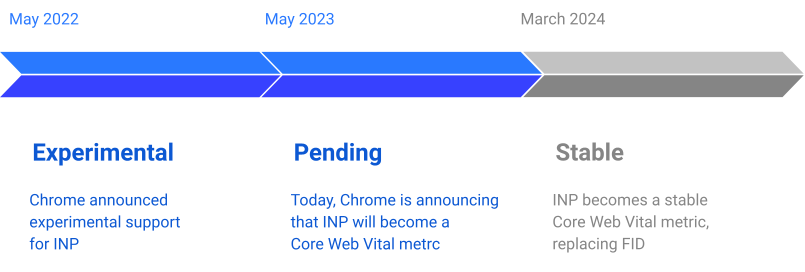
### [Introducing INP to Core Web Vitals](https://developers.google.com/search/blog/2023/05/introducing-inp)
|
|
|
|
[Martin Splitt](https://50linesofco.de/)
|
|
The time has come—Interaction to Next Paint is going to officially become a Core Web Vital, replacing First Input Delay. Here’s everything you have to know.
|
|
|
|
|
|
 |
|
|
|
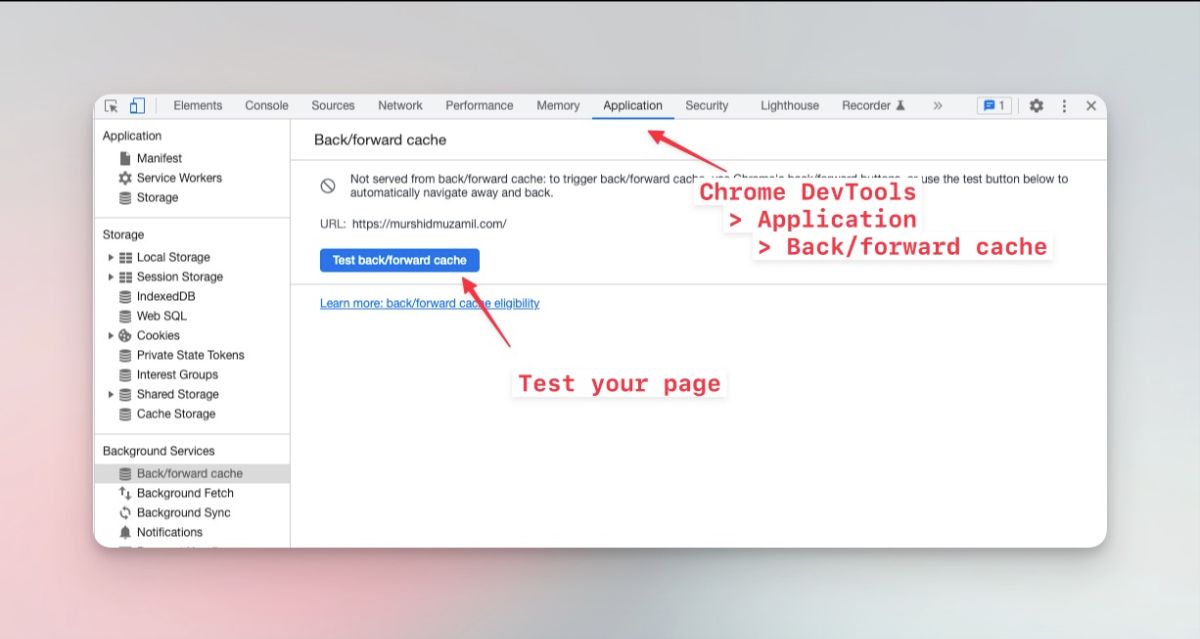
### [Back Forward cache: what you need to know](https://murshidmuzamil.com/blog/bfcache-what-you-need-to-know/)
|
|
|
|
[Murshid Muzamil](https://murshidmuzamil.com/)
|
|
Back/forward cache (bfcache) allows pages to be restored from memory after the user has navigated away from them, but then come back. Learn its benefits, limitations, and test if your site is eligible.
|
|
|
|
|
|
 |
|
|
|
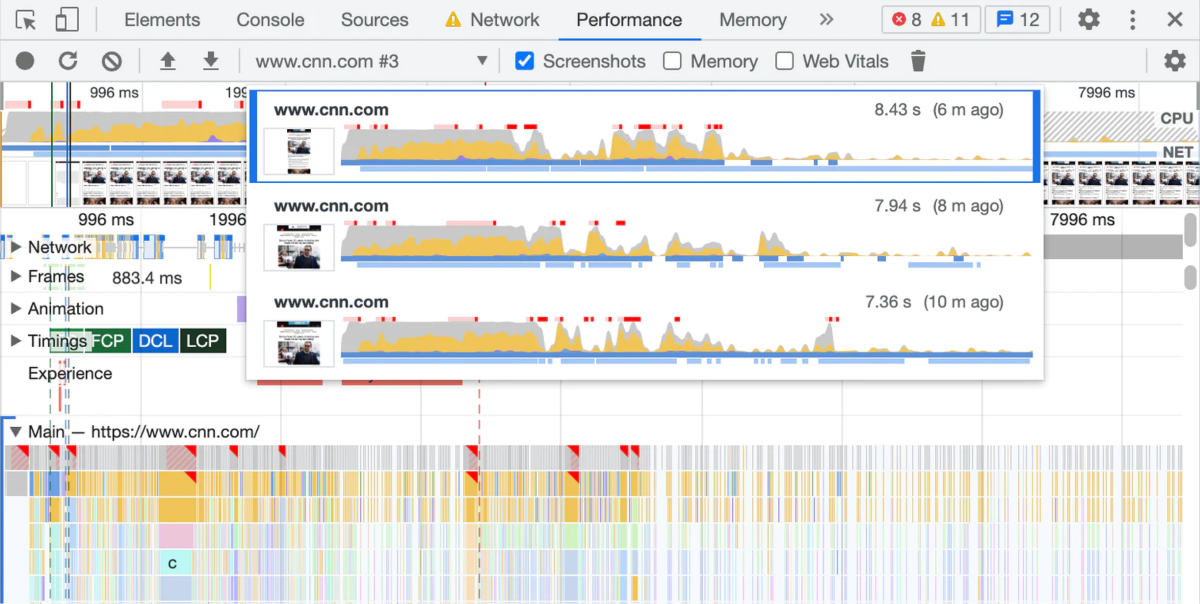
### [3 ways to find your worst JavaScript offenders for page load](https://performance.shopify.com/blogs/blog/3-ways-to-find-your-worst-javascript-offenders-for-page-load)
|
|
|
|
[Sia Karamalegos](https://sia.codes/)
|
|
JavaScript is the most costly asset in terms of performance. Use these tools and strategies to quickly identify the biggest causes of UX issues.
|
|
|
|
|
|
 |
|
|
|
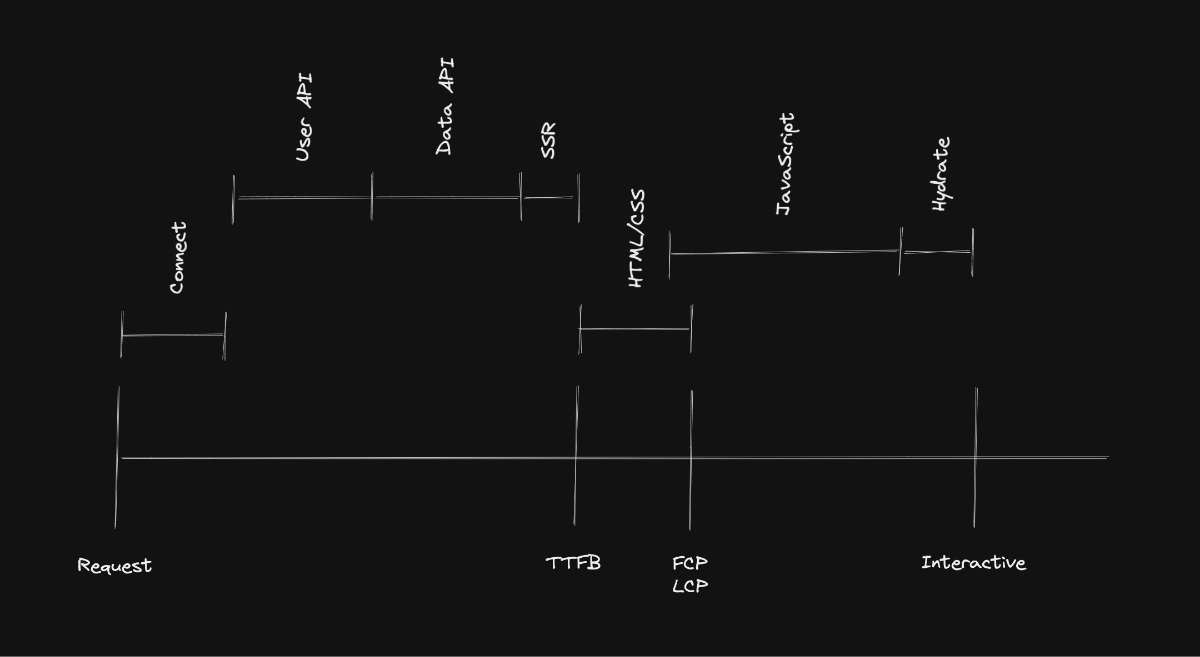
### [The evolution of React rendering architectures & web performance](https://www.iamtk.co/the-evolution-of-react-rendering-architectures-and-web-performance)
|
|
|
|
[Leandro TK](https://www.iamtk.co/)
|
|
Find out how different rendering architectures work—from Client-Side Rendering (CSR) to Server-Side Rendering (SSR), and Streaming SSR in React—and what’s their impact on web performance.
|
|
|
|
|
|
|
|
|
|
|
|
|
# Courses, Talks & Podcasts
|
|

|
|
|
|
 |
|
|
|
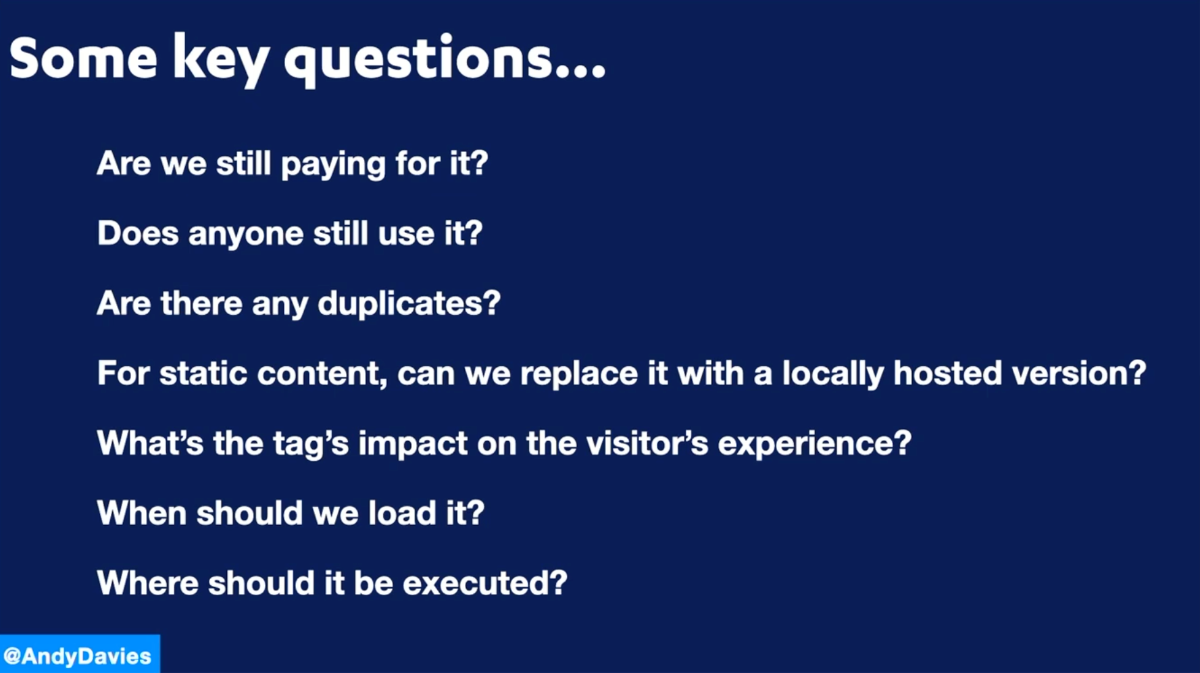
### [Taming the speed impact of 3rd-party tags](https://www.youtube.com/watch?v=q3M4he-QxCA&ab_channel=WeLoveSpeed)
|
|
|
|
[Andy Davies](https://andydavies.me/)
|
|
If you are involved with managing sites and third-party tags, in this talk you can learn how to reduce their impact on user experience.
|
|
|
|
|
|
|
|