͏ ͏ ͏ ͏ ͏ ͏ ͏ ͏ ͏ ͏ ͏ ͏ ͏ ͏ ͏ ͏ ͏ ͏ ͏ ͏ ͏ ͏ ͏ ͏ ͏ ͏ ͏ ͏ ͏ ͏ ͏ ͏ ͏ ͏ ͏ ͏ ͏ ͏ ͏ ͏ ͏ ͏ ͏ ͏ ͏ ͏ ͏ ͏ ͏ ͏ ͏ ͏ ͏ ͏ ͏ ͏ ͏ ͏ ͏ ͏ ͏ ͏ ͏ ͏ ͏ ͏ ͏ ͏ ͏ ͏ ͏ ͏ ͏ ͏ ͏ ͏ ͏ ͏ ͏ ͏ ͏ ͏ ͏ ͏ ͏ ͏ ͏ ͏ ͏ ͏ ͏ ͏ ͏ ͏ ͏ ͏ ͏ ͏ ͏ ͏ ͏ ͏ ͏ ͏ ͏ ͏ ͏ ͏ ͏ ͏ ͏ ͏ ͏ ͏ ͏ ͏ ͏ ͏ ͏ ͏
|
#### Editor’s note
|
| |
|
Faster frameworks, bundlers and tools are here. But can they guarantee our sites and apps remain fast?
As apps and sites grow, even the fastest frameworks and tools eventually will become slower, whether on the sheer amount of assets, their execution, or third party tooling.
It’s excellent to choose tools and technology based on their impact on web performance (and wider user experience), but we can’t entirely rely on speed to remain in the same place.
We can start with a good baseline, but **we have to monitor and actively maintain it.**
|
| |
|
|
Karolina
|
| |
| |
|
|
|
|
#### What’s Performance newsletter?
|
| |
|
Performance Newsletter is a fortnightly mailing by [Calibre](https://calibreapp.com), featuring web performance tools, talks and resources.
Don’t worry—we don’t spam. If you’d like to leave, [unsubscribe]() at any time. Suggest content [here](mailto:[email protected]).
|
|
|
| |
|
| |
|
|
|
| |
|
# Articles
|
|

|
|
| |
 |
| |
|
### [Next.js Performance: Making a Fast Framework Even Faster](https://calibreapp.com/blog/nextjs-performance)
|
| |
|
[Ben Schwarz](https://twitter.com/benschwarz)
|
|
Next.js is known for prioritising speed and developer experience. But even a fast framework can become slower as a codebase grows. Learn about Next.js features that improve web performance!
|
|
|
| |
|
 |
| |
|
### [Have Core Web Vitals made the web faster?](https://calendar.perfplanet.com/2021/have-core-web-vitals-made-the-web-faster/)
|
| |
|
[Barry Pollard](https://twitter.com/tunetheweb)
|
|
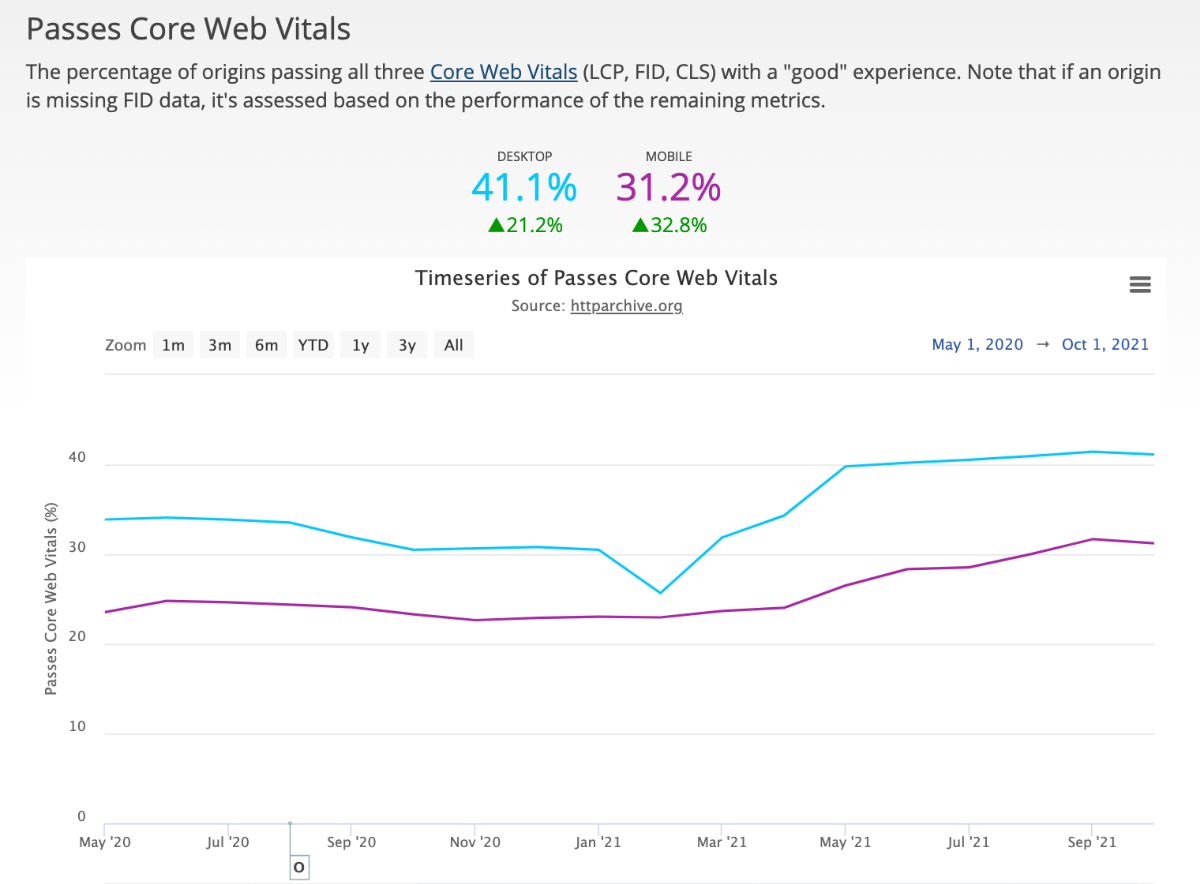
Core Web Vitals are still new, and some are now calculated differently. But has the Google nudge to care about speed result in real impact? The answer isn’t straightforward.
|
|
|
| |
|
 |
| |
|
### [The Case of the Seemingly Innocuous Change That Wrecked My Web Performance](https://justinribeiro.com/chronicle/2021/11/22/the-case-of-the-seemingly-innocuous-change-that-wrecked-my-web-performance/)
|
| |
|
[Justin Ribeiro](https://twitter.com/justinribeiro)
|
|
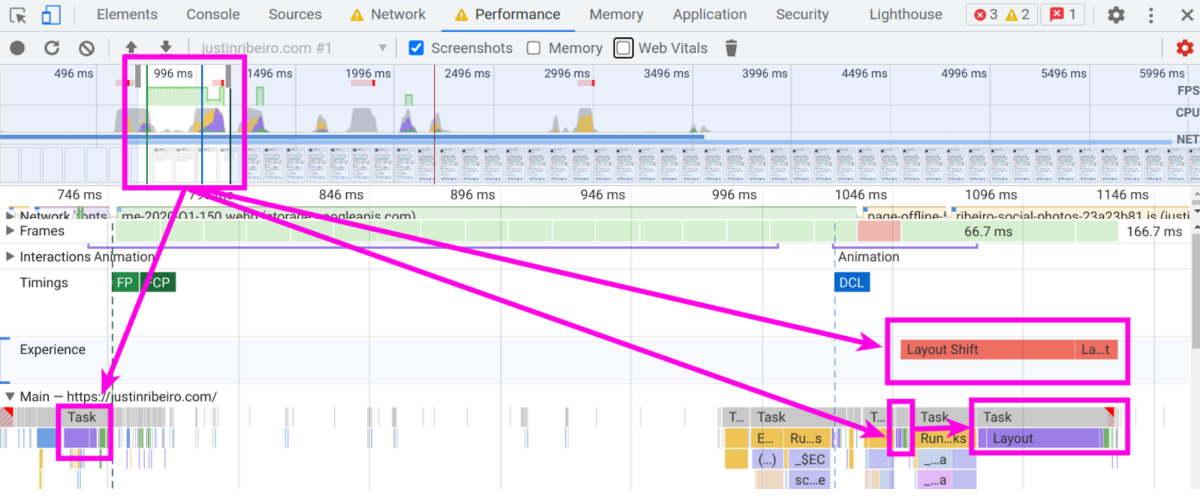
Metric shifts can be innocuous—even attributed to collection variability. But if we don’t inspect, we can’t know. Here’s a reason why you should always keep an eye on changes.
|
|
|
| |
|
|
|
|
|
| |
|
# Tools
|
|

|
|
| |
 |
| |
|
### [Bun: Fast JavaScript and CSS bundler](https://bun.sh/)
|
| |
|
[Jarred Sumner](https://twitter.com/jarredsumner)
|
|
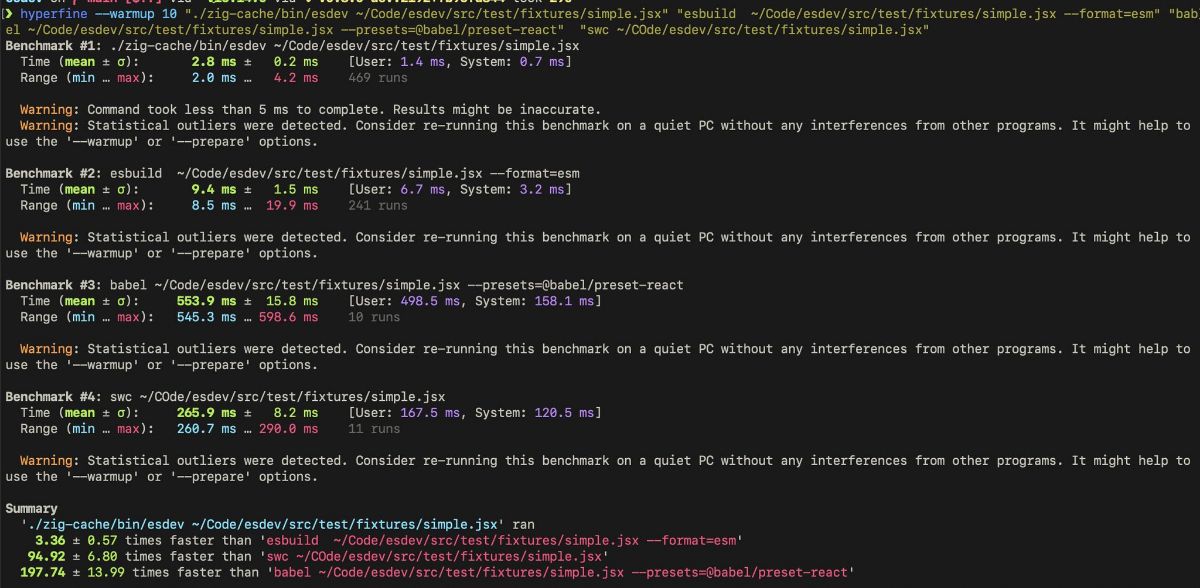
The bundler space is heating up! While Bun might still be early days, it’s worth watching. It brings faster JSX transpilation than Babel, SWC and esbuild.
|
|
|
| |
|
|
|
|
|
| |
|
# Browsers
|
|

|
|
| |
 |
| |
|
### [Record, replay and measure user flows](https://developer.chrome.com/docs/devtools/recorder/)
|
| |
|
[Jecelyn Yeen](https://twitter.com/jecelynyeen)
|
|
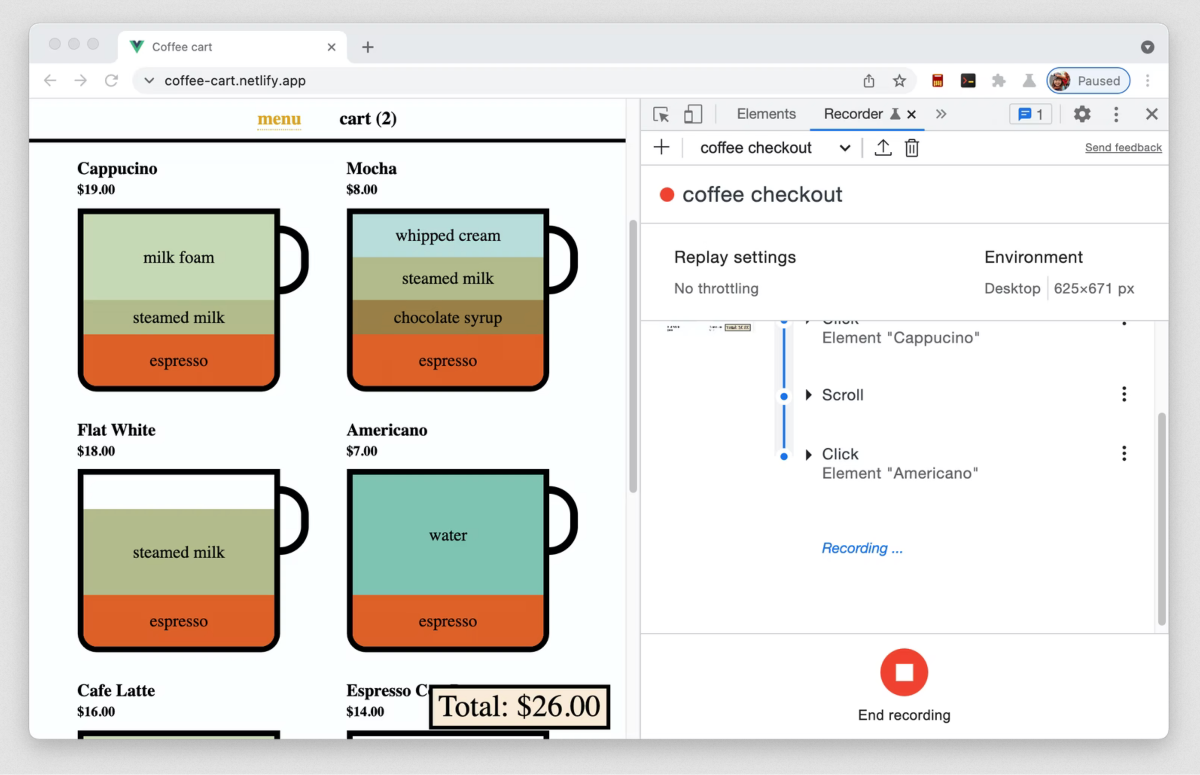
In the last issue, we mentioned the new Lighthouse User Flows API. You can also set up, and measure flows directly in the Chrome browser with the Recorder panel!
|
|
|
| |
|
|
|
| |
|
# New in Calibre
|
|

|
|
| |
 |
|
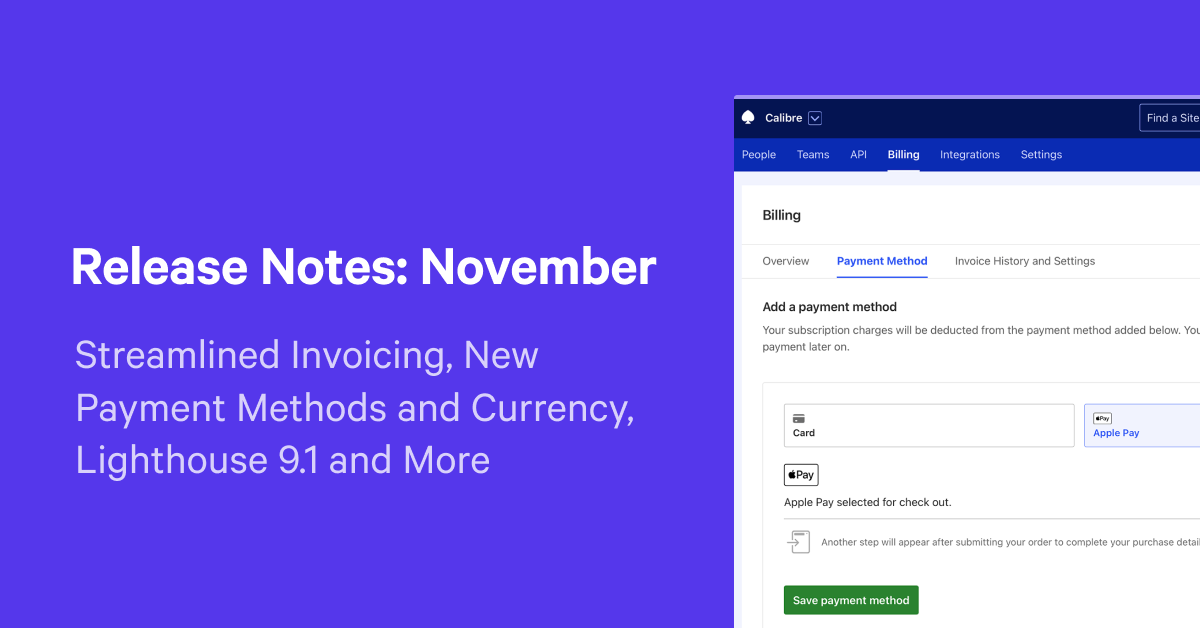
### [Release Notes: November](https://calibreapp.com/blog/release-notes-nov-2021)
|
|
Here’s our monthly roundup of what was released in November: Streamlined invoices, new payment methods, Lighthouse 9.1 and more.
|
|
|
| |
|
|