The Ocean Isn’t Wide Enough
The rise of cheap, ubiquitous drones and the future of warfare
Today marks the 100th day of the absolutely pointless American war on Iran.
I used to pride myself on not bringing my work computer home. Because of the war I am now required to bring it home every day, just in case we have to go remote. Last month it went on vacation with me and took up a healthy chunk of my 7kg baggage allowance.
After spending seven weeks teaching remotely earlier this year, and after seeing the now exhausting cycle of rumored peace deals followed by US escalation and Iranian retaliation, the entire region is deeply weary. US foreign policy isn’t something we watch on cable news—it’s like that spinning Gravitron ride at the fair. And since February 28 it feels like someone puked on the ride and it’s tumbling around with all of us.
On Wednesday, we got an alert that the US attacked Qeshm Island in Iran. Iran responded by launching drones at Bahrain and Kuwait. One of the drones hit a passenger terminal at KWI, killing one, injuring sixty, and leading to the closing of airspace in the country.
Subscribe nowWe created this world.
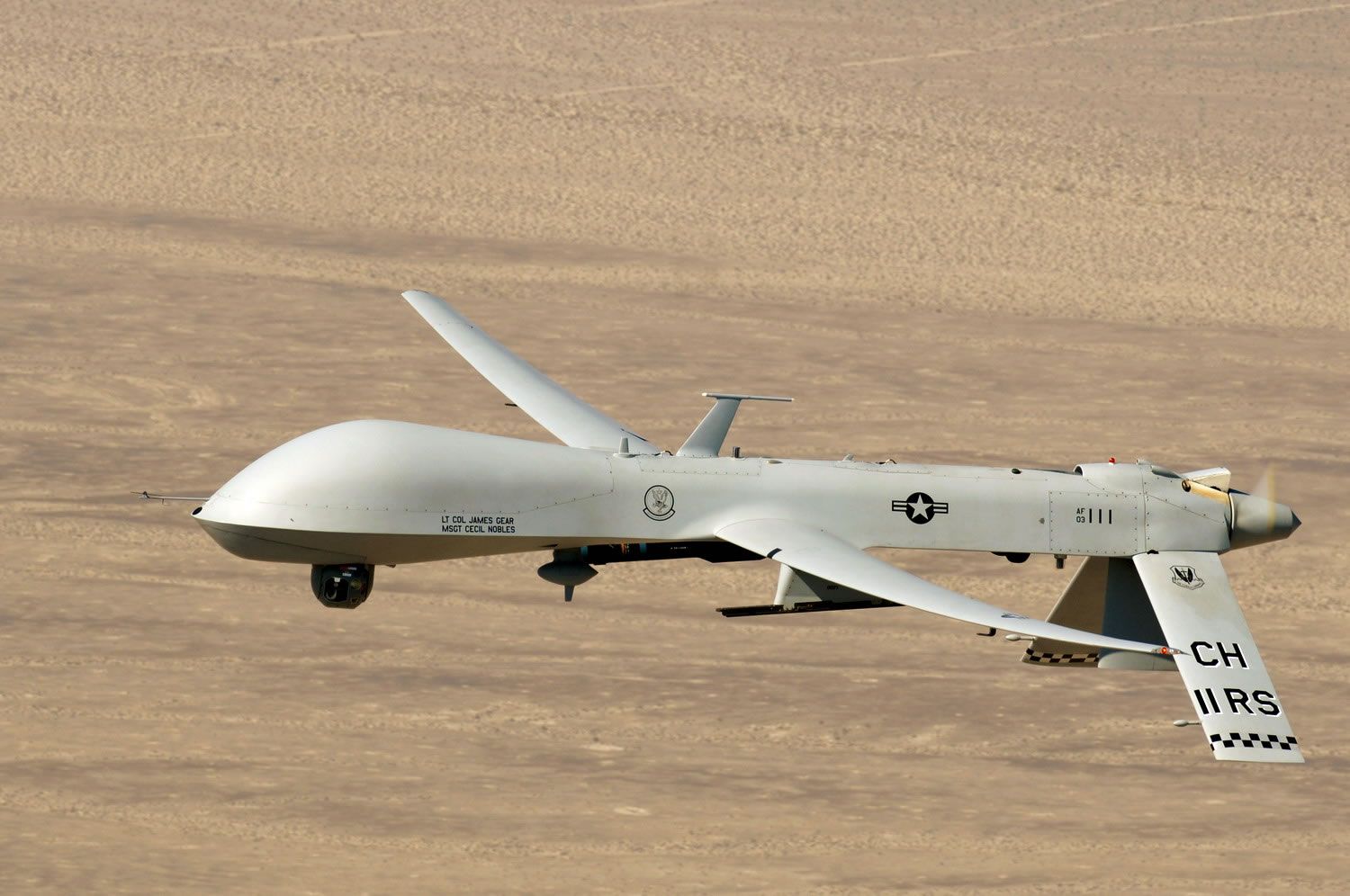
After 9/11, the US embraced drone warfare with remarkable enthusiasm. Drones promised precision. They promised fewer US casualties. They were pitched as a cleaner form of war.
Presidents could authorize strikes in countries most Americans couldn't find on a map. The public rarely saw the aftermath. Both parties embraced drone warfare when they were in power and quietly criticized the other party for it when in the minority. The strikes became so routine they barely garnered media coverage or headlines in the US.
The people living beneath the drones had no say in the matter, nor did they receive due process. Individuals could be placed on secret kill lists, targeted thousands of miles from any declared battlefield, and executed without ever being charged with a crime, presented evidence against them, or given an opportunity to defend themselves. Whatever one thinks about the specific targets, it represented an extraordinary assertion of state power: the ability to act as investigator, prosecutor, judge, jury, and executioner all at once.
According to a report from the The Bureau of Investigative Journalism, during our decade plus post-9/11 tantrum, the US conducted something in the neighborhood of 14,000 drone strikes across Pakistan, Yemen, Somalia, Iraq, Syria, and Afghanistan, killing as many as 16,000 people.
Over time, targeted killing became normalized.
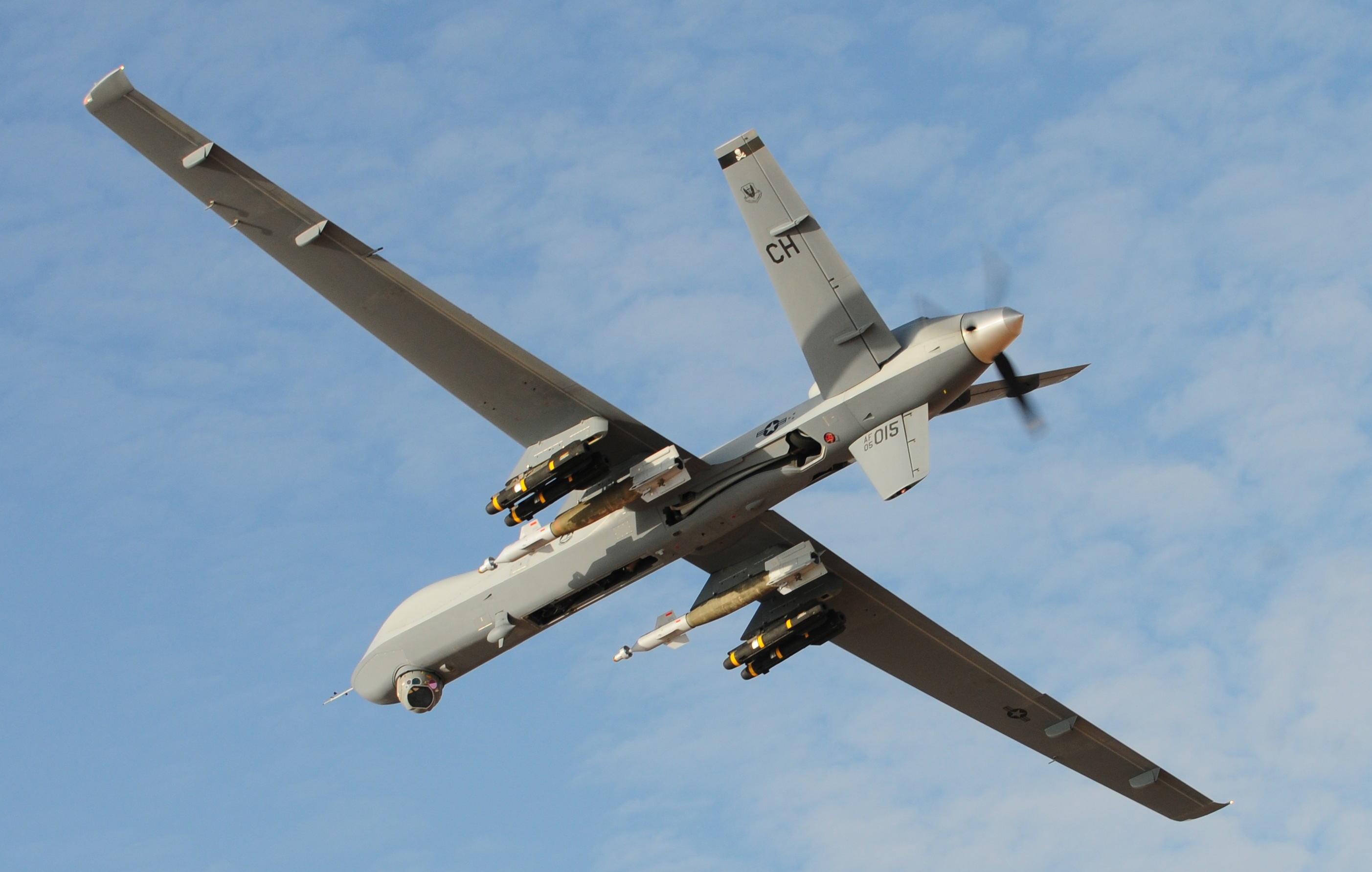
But the problem with normalizing a weapon is that eventually other people get one. For nearly two decades, the US enjoyed and liberally used its enormous technological advantage. That advantage is gone. The war in Ukraine has demonstrated just how completely drone warfare has been democratized and drones have been described as the “New Kings of Combat.” The video below features Ukrainian drone pilots who spend their days hunting Russian troops and armor with first person view (FPV) and fiber optic drones.
Since the full scale invasion of Ukraine in February 2022, FPV drones costing less than a Nintendo Switch have been destroying tanks and armored vehicles. In some instances, the drones are so cheap Ukrainian drone operators can send one for each member of an enemy platoon. There are gruesome videos of these one-on-one drone attacks floating around the internet.
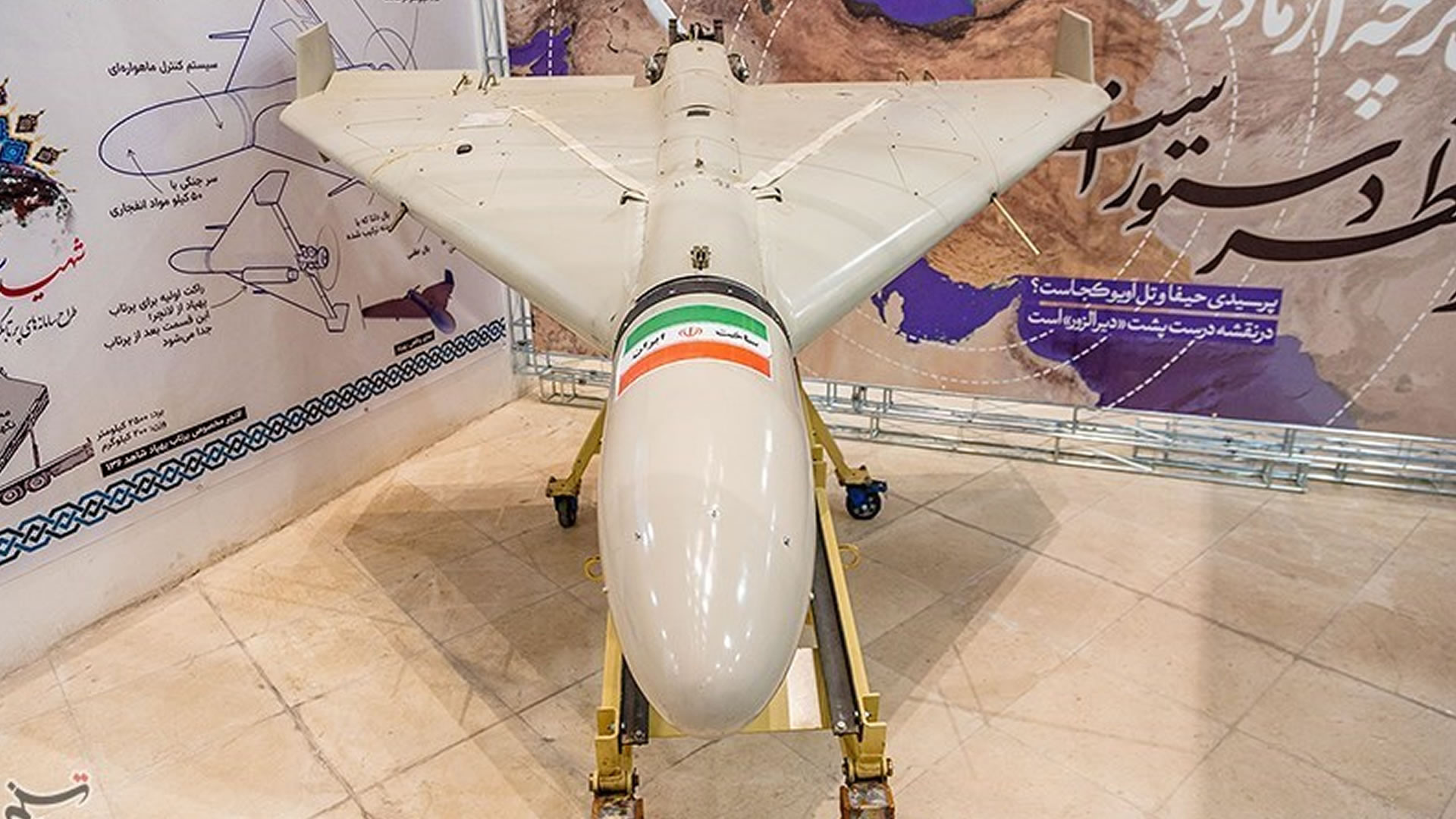
The Russian forces have their own fleet of drones. Many of theirs are the same Shahed one-way model that Iran flung more than 2,000 of at the UAE earlier this year.
Entire military doctrines are being rewritten in real time.
The US spent years asserting a right to conduct drone strikes wherever it deemed necessary. Russia, Iran, Israel, Ukraine, Turkey, non-state actors, and eventually countless others have taken note.
The result is a world increasingly populated by permanent low-grade drone wars.
A drone costing a few hundred dollars can kill a person.
A drone costing a few thousand can shut down an airport.
A swarm can disrupt shipping lanes or key energy infrastructure.
The economics are absurd. The instability is worse.
Iran has fought the US to a stalemate and depleted much of the country’s air defense missile inventory using $30,000 drones. What lessons are other actors taking from this American misadventure? If Iran can befuddle the US like this, imagine the conversations among the generals in Beijing about potential naval encounters in the South China Sea.
Americans still tend to think of war as something that happens elsewhere. That assumption was largely true throughout the twentieth century. Europe destroyed itself twice in world wars while the US benefited from the protection afforded by two oceans. Geography gave Americans a sense of security that much of the world never enjoyed.
Drones will erode that advantage.
The distances are shorter. The barriers to entry are lower. The actors are more numerous.
While I was back in the States with mom last month, I saw this story about the FBI spending millions of dollars on surveillance drones to secure the areas around stadiums during this summer’s World Cup. Federal authorities plan to use drones both for aerial surveillance and to help enforce temporary no-fly zones around match venues. The objective is straightforward: identify unauthorized drones before they can approach crowds, disrupt airspace, or potentially be used as weapons. The fact that this is now considered a necessary security measure says a great deal about how quickly cheap, widely available drone technology has changed the landscape.
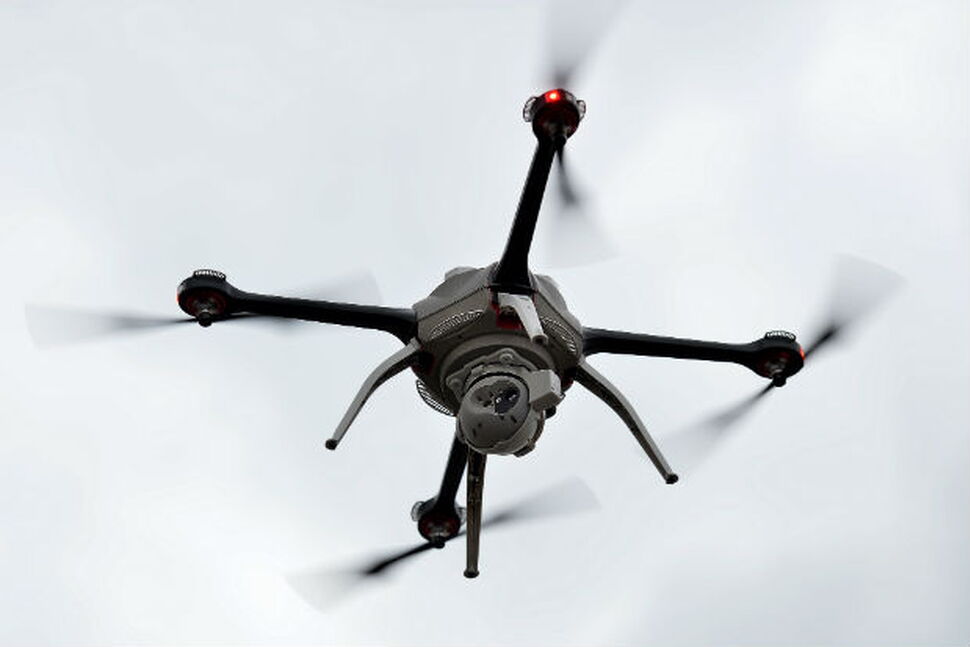
Given the size of the US and the accessibility of drone technology, significant drone attacks will inevitably occur on American soil.
When they do, politicians and pundits will act shocked.
They shouldn't be. To be clear, I am not wishing for these things to happen, but we've been doing a lot of sowing; reaping is inevitable.
For decades, the US argued that the ability to strike adversaries anywhere on earth was a legitimate exercise of power. The rest of the world was always going to draw the same conclusions from that example.
The oceans that protected the country throughout the last century are still there, but they’re not as wide as they used to be.