October 2026 Updates
Enterprise adoption of AI, permanent capital structures, Shakespeare
I broke my glasses, re-order the last ones I had
Was a real message sent to Instinct. No other context was needed. It went ahead and ordered them, and they’re a day or two away.
If You Build It, They Won't Come
Consumer adoption is strongest in two areas:
- Chat-based surfaces (https://chatgpt.com/)
- Messaging surfaces (https://instinct.com/)
WhatsApp and iMessage-based surfaces are capturing my attention. They are wildly easier to use than anything else for the consumer use cases I need. I’m already in iMessage all day long, so it’s a simple tap-tap to start a new conversation.
I never opened a new app or learned a single command. I texted the agents the way I'd text a friend and waited for them to figure it out. They came to me, not the other way around.

But company-wide adoption faces a different challenge. The use cases aren’t “order something off of Amazon for me,” but are cross-functional, context-dependent, and often touch sensitive information. When you are coordinating between finance collecting receivables and account managers calling their clients, you can't try to introduce a new system.
If your colleagues are already using Microsoft Teams and Salesforce daily, then to maximize adoption, use Microsoft Teams and Salesforce over introducing a new tool they have to learn.
Your employees won't learn a new app either. They'll message the AI like a coworker, or they won't use it.
Investment Structures Should Amplify Advantages
“The first thing people who have control do is tilt the playing field. Maybe the majority of wealth is accumulated because of tilted playing fields.”
- Ed Thorp
We are all about finding unique advantages at Third South, and pushing those hard. The structure we build around that advantage matters, but matters less than asking if you have an advantage in the first place.
We can be patient. We know how to create value in companies through deploying AI. We have backgrounds in managing engineering teams and factories. This essay is my rumination about why it makes sense to match your unique advantages to a permanent investment structure, and when it doesn't.
One of September's adventures was visiting Staunton’s American Shakespeare Center. The theatre is a faithful recreation of Shakespeare’s Blackfriars Theatre, his original indoor playhouse. His company performed there from 1608 to 1642, when the English Civil War closed all the theatres.
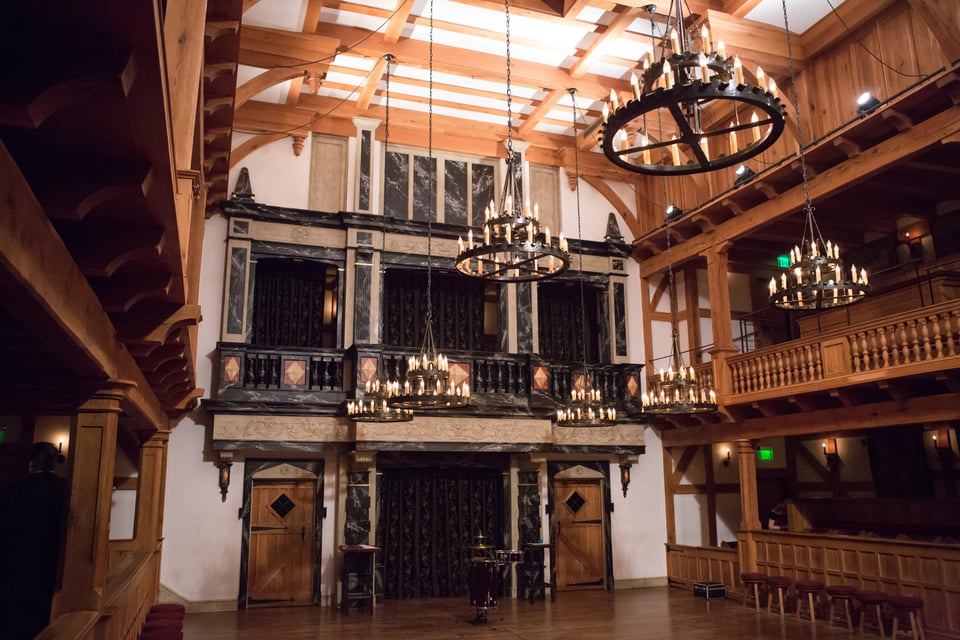
Throughout The Tempest, I was thinking about the clever structures introduced as well as the constraints imposed by centuries-old technology. How can you mess with the audience's field of view using lighting, tall structures, and more to show if somebody is looking down or looking to another actor? How does always-on lighting change what you can and can't do? Why did they choose certain points to have the actors interact with us, the audience, and neglect it in other places where I would have expected it?
Best,
Myles

