
The Best Fiction of 2025
The best fiction of 2025, from "The Wayfinder" to "We Do Not Part."
This newsletter is free to the public, and appears infrequently due to my chronic illnesses. If you would like to support me, you can subscribe to my podcast's Patreon here. Although I'm on leave, this still helps. Otherwise, feel free to send me a couple bucks through Ko-fi.
It’s been a very tiring couple of months, so here is my Best Fiction of 2025 list, entirely too late to help anyone with their Christmas shopping. I hope this list inspires you to pick up some of these books next year.
I’m not going to say much up top because this is long enough as it is. I’ll just say that, of course there are plenty of 2025 releases I haven’t read and still want to, some on my shelves at home and some I haven’t got a hold of yet. But I have to think that I’ve read more new books this year than almost anybody in the world, which sounds absurd but I really think is probably true. I’m not going to tell you the number because it will sound unhinged. All I can say is: when you can’t leave your house and have literally nothing else to do with your time, and watching things on screens gives you a headache, it’s amazing how much reading you can get done. This makes me pooh-pooh concerns about attention span and phones, etc, even though I know this is a very real problem for a lot of people. Look: if you practice and put your mind to it, you can read a book and not look at social media. It’s possible. I did it and I technically have a brain injury. Good luck and godspeed.
A nonfiction list will be coming soon, definitely after Christmas and hopefully before the new year. The book titles link to Bookshop.org, and if you buy “from” my “shop,” your purchases will support me.
Happy holidays, everyone.
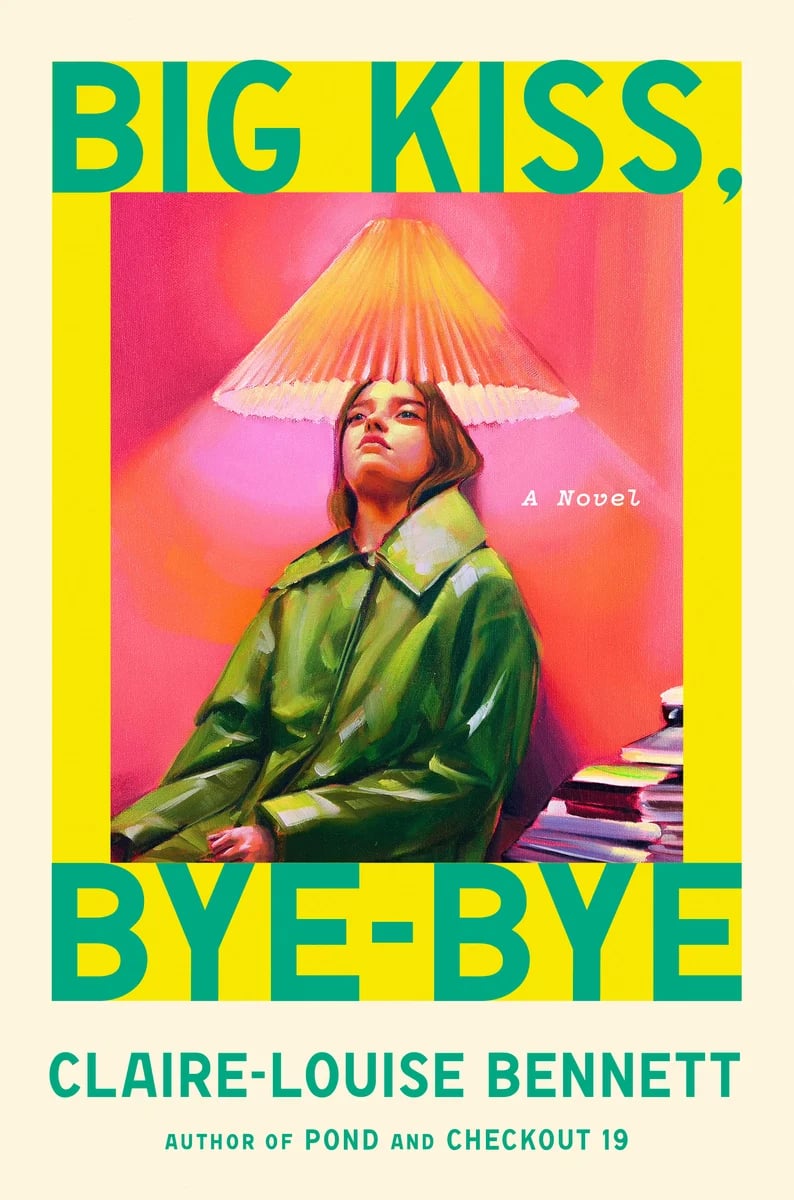
Big Kiss, Bye-Bye, Claire-Louise Bennett
As you can see from many of the other titles on this list, I am partial to long novels with fairly conventional structures: as I often said as a toddler, “I like ‘listic.” (I.e., realistic. Yes, I was the sort of toddler who had opinions about styles of art.) Yet perhaps for this reason, I am especially dazzled by authors who can experiment with form audaciously and successfully. Big Kiss, Bye-Bye was the most astounding work of experimental fiction I read this year, and it captivated me from its first page. While perhaps not as flashily “different” as some other experimental works, Bennett’s commitment to depicting her protagonist’s consciousness as realistically as possible is remarkable. She captures the fragmentary nature of inner speech, as well as the way that so many of us feel doubt or ambivalence in social interactions, and even repeats anecdotes in a way that readers will recognize from daily life: who among us hasn’t lingered on certain interactions, or told friends stories more than once without realizing it?
The content of the book is as thought-provoking as its presentation. The unnamed narrator has broken off a relationship with a much older man, Xavier, and some of her memories of their affair present him in an unimpressive, if not exactly unsavory, light: it’s clear he’s enjoyed having a much younger mistress, and enjoys maintaining the fiction of being much richer than she is (even when this is no longer the case). The narrator is increasingly ambivalent about their relationship, but can’t quite let him go, initiating email communication and resenting him when he tells her he’d rather not be in contact. This isn’t a #MeToo novel, or a straightforward condemnation of Xavier; the narrator has also participated in this relationship. And, in keeping with the novel’s structure, her feelings about it aren’t resolved by the end of the book: instead, life (and inner life) simply carries on.
*
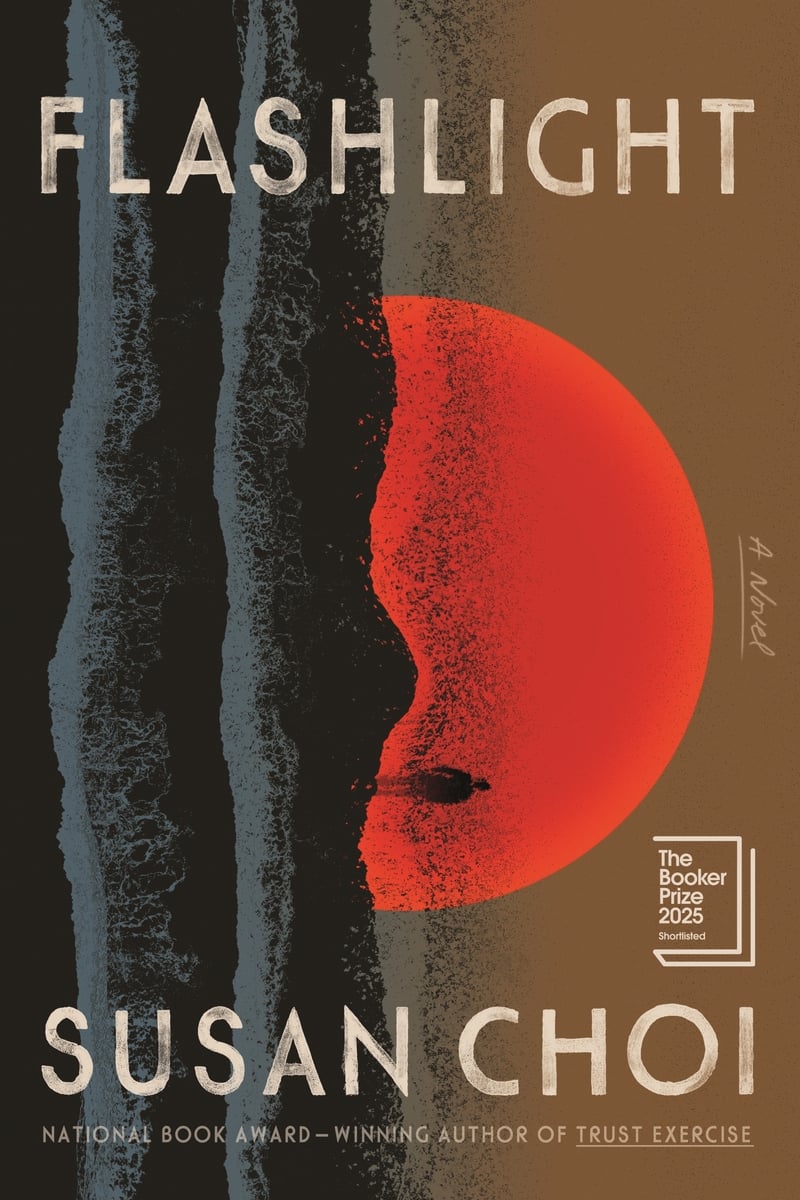
Flashlight, Susan Choi. Read my interview here.
I was converted to Susan Choi after reading Trust Exercise in 2019, perhaps still my favorite “#MeToo novel” (per the above), though as Choi herself has said, it was mostly written before #MeToo happened. That book is still my favorite of hers, but I relished getting to submerge myself in Flashlight, a vastly different kind of novel. Where Trust Exercise is structurally experimental, Flashlight is in many ways a straightforward family saga, albeit one that skips over long periods of time (and important events in the characters’ lives) in provocative ways.
I first encountered Flashlight through the short story of the same name in The New Yorker, which I taught to one of my mentees and so had read multiple times. It was one of my favorite pieces of short fiction of recent years, and yet I wasn’t disappointed by the vast novel that sprung from its relatively few pages. Flashlight encompasses both the particular story of a family (one that in many way mirrors Choi’s own, as we discussed in our interview), and takes on large geopolitical questions that very obviously go beyond the realms of autobiographical fiction. Though the book is not especially plotty, Choi delivers a few moments of discovery so sensationally I was riveted by that plot, compelled to keep reading furiously across the book’s hundreds of pages. But my real investment was in the characters, who are stunningly real, and whose relationships evade easy catharsis or cliché. Louisa, the child of the family in question, never satisfactorily resolves her relationship with her mother Anne; her relationship with her half-brother is similarly strained. Yet these people remain in each other’s lives, as families tend to do. I was particularly moved by Choi’s depiction of Anne’s MS, a disease that her own mother lives with. The character is specific, her illness vivid and detailed, and totally without clichés of triumph, inspiration, or any of that nonsense.
*
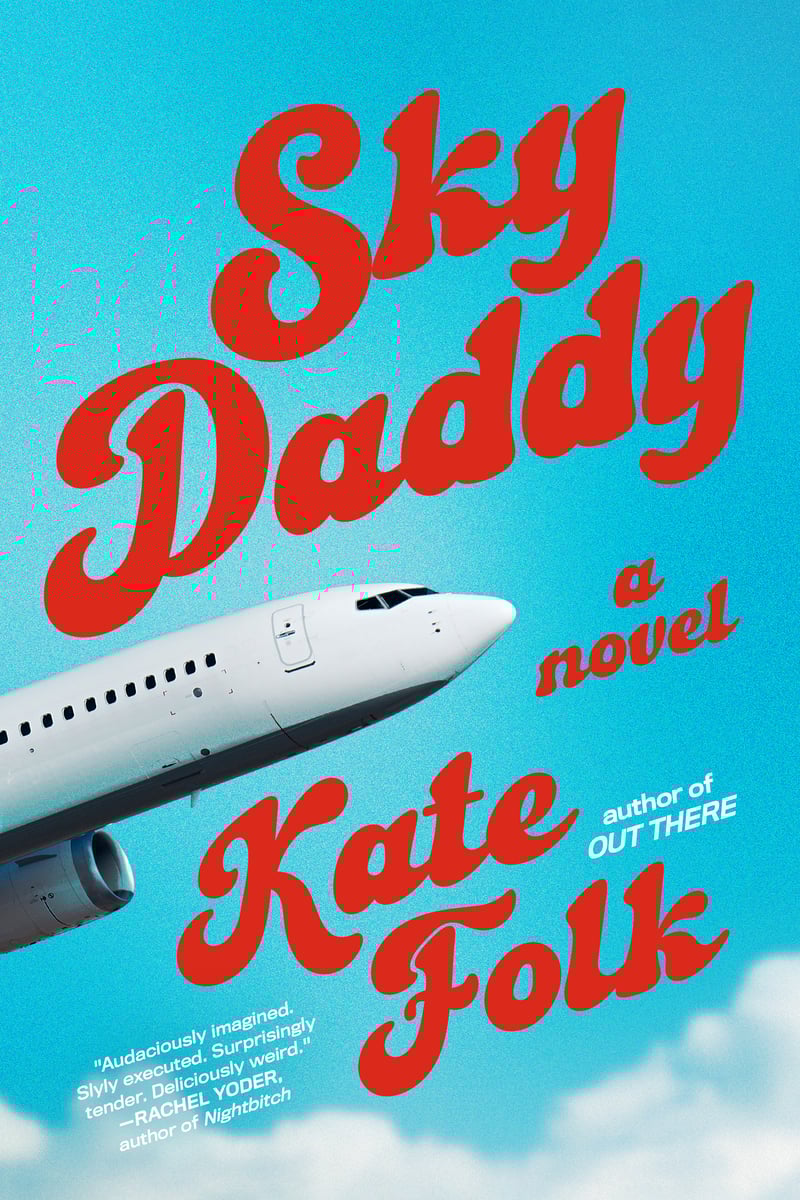
Sky Daddy, Kate Folk
I interviewed Kate Folk in 2022, about her debut short story collection Out There. My editor at Bustle, where I worked at the time, was kind enough to indulge me, after I read the galley of that book and went positively feral in my enthusiasm for Folk’s strange short stories. I was especially taken with the stories that bookend the collection, which focus on “blots,” physical manifestations of dating app bots who trick real women into divulging their personal data (or fail to do so, in the case of the wonderful Roger, an early-stage blot who fools no one).
Sky Daddy is not speculative but has the same spirit as Out There: it is deeply weird yet also deeply human, as saccharine as that sounds. The perfectly named Linda, who works as a content moderator for a Facebook-type website, is in love with airplanes: both erotically fixated on them and sincerely romantically besotted with them, she dreams of consummating her love in a plane crash (though she won’t take steps to make this happen). At meet-ups with her one friend’s group of friends, where the women share vision boards, she initially shows them only pictures of planes, then learns to diversify to blend in.
Sky Daddy is deeply, majestically weird, but it works because it’s also not a very unusual story: Linda is a strange person, who fails to fit in with the people around her. There are many ways to read this, though Folk clearly isn’t trying to build an exact allegory (and the book would fail if she were). Linda certainly seems neurodivergent, and obviously her unconventional sexual appetites can be read as a stand-in for queerness: her mother wants her to have a normal boyfriend, and when she does try to date a (human, male) pilot for a while, she’s performing a role that gives her no pleasure. Linda’s problem is not that she (really) loves planes but that she has no one to confide in, and is therefore alone, making her blossoming friendship with the aggressively normal Karina all the more moving.
*
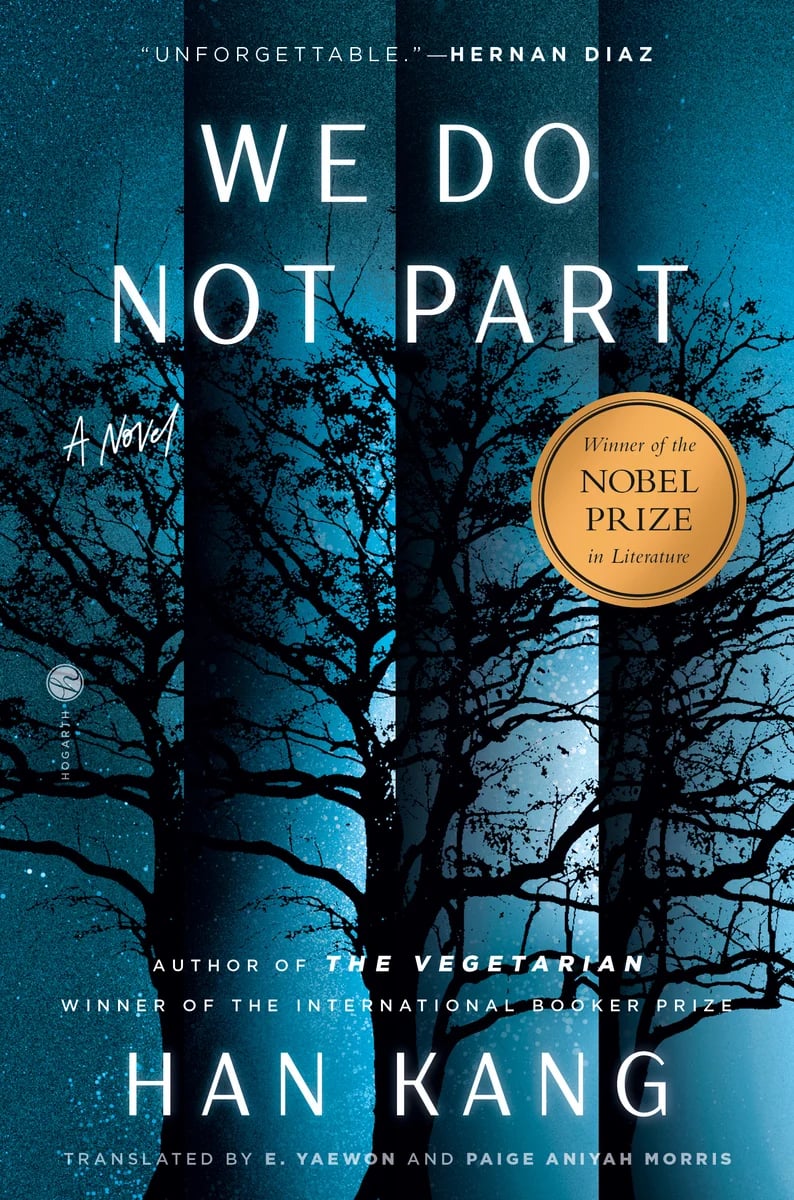
We Do Not Part, Han Kang, trans. e. yaewon & Paige Aniyah Morris
I happened to read this just before Han won the Nobel Prize for Literature last year, and I was so awed by it that I was ecstatic over her win despite never having previously read her work. (I’ve since read The Vegetarian, a remarkable book in many ways, but I still prefer We Do Not Part.) I was most struck, reading this, by how skillfully Han wedded the two-part structure of her novel, which focuses on individual personalities, with her larger interrogation of historical atrocities perpetrated by the South Korean government (with help from American troops).
On the surface, We Do Not Part focuses on the relationship between two old friends, Kyungha and Inseon. After Inseon, a sculptor, badly injures herself, she asks Kyungha to travel to her home on remote Jeju Island to take care of her pet bird. There is a blizzard, and when Kyungha arrives the bird is already dead. The story’s relationship with reality is never entirely clear: did Kyungha actually die on her way to Inseon’s house? Is the bird, which later mysteriously appears alive again, dead or alive or both or neither? Han has tapped into a symbolic register of storytelling, one that hit me in a deep emotional place that is hard to articulate. This symbolic register stands in for the massacre at Jeju with which the book is really concerned, but it isn’t exactly an allegory: the characters consider this event in explicit terms. Han’s ability to fuse these two registers, the symbolic and the historical, is the reason she won the Nobel, and it would be a fool’s errand to try to “understand” every specific detail of this novel or the way it makes the reader feel. The achievement is in the feeling it conveys.
*
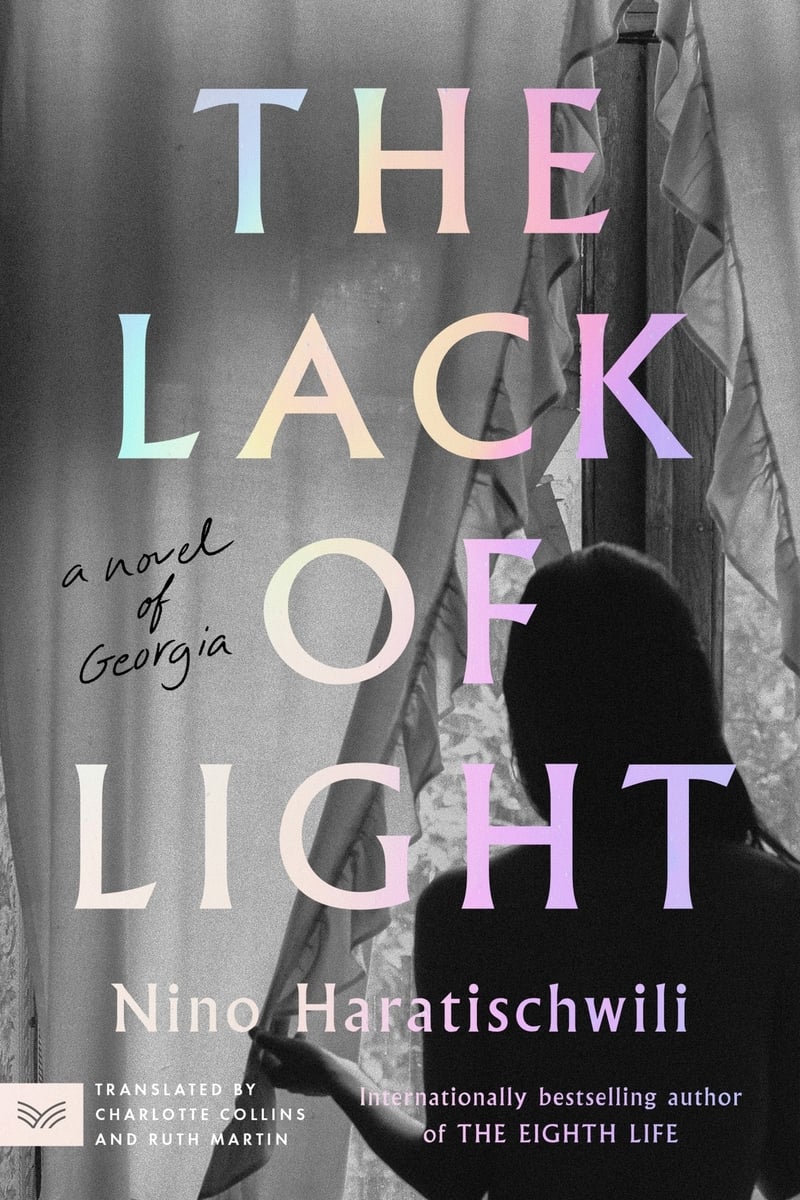
The Lack of Light, Nino Haratischwili, trans. Charlotte Collins & Ruth Martin. Read my interview here.
This is the first big chunky novel, working in many classical modes, of my list, and it’s one I’ve recommended to countless people this year. The Lack of Light has been compared (by its publisher and others) to Elena Ferrante’s Neapolitan quartet, a comparison I could tell irked author Nino Haratischwili when I mentioned it to her in our interview. That’s understandable—who wants to be compared to one of publishing’s biggest success stories of the century?—but the parallels to Ferrante’s novels are clear. This huge book is a bildungsroman, focusing not on a pair of friends but on four young women, and as in Ferrante, these girls have to navigate how to deal with hyper-masculine men who are entangled with organized crime and therefore exist in direct proximity to incredible violence.
Yet there are also significant differences. Set in Haratischwili’s native Georgia (though written in German), The Lack of Light is a vivid recreation of the post-Soviet moment in Georgia, depicting a society that is collapsing due to a total lack of order, and the violent men who take advantage of that vacuum. Yet as she shows, these men are often chewed up by the world they’ve helped usher in, if not exactly create: as a result of violence, feuds, and rampant drug use. These men treat girls and women, whether they’re their sisters or their lovers, as possessions to be hoarded. The four women in this book learn to adapt to this honor culture, with its warped rules and expectations, differently: by succumbing to it, defying it, or trying to work within its bounds. As Haratischwili shows over the course of her 700-plus-page novel, it takes a lot to break free of these expectations.
*
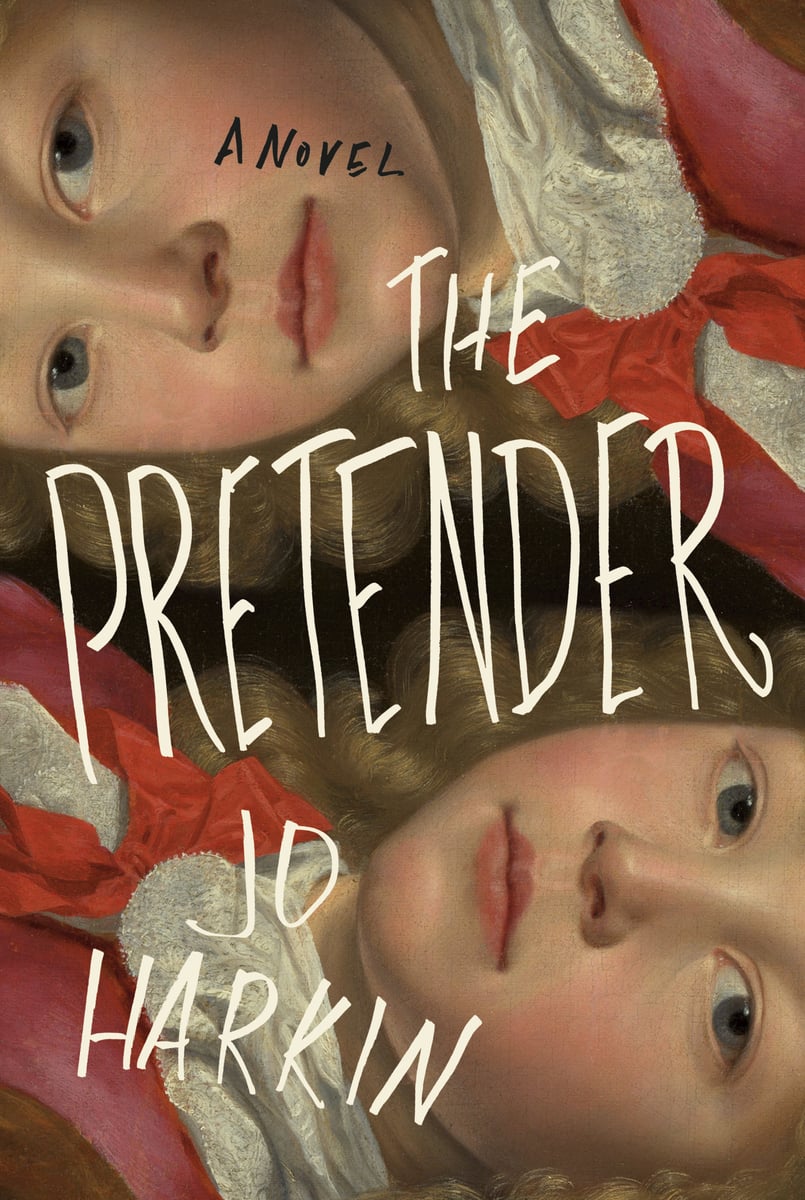
The Pretender, Jo Harkin
The most rewarding reading experience I had this year was (re)reading Hilary Mantel’s Thomas Cromwell trilogy. I embarked on that project after reading The Pretender, but Mantel’s novels were constantly on my mind as I read Harkin’s novel, which fictionalizes the life of one of the pretenders to the throne in the wake of Henry VII’s ascension, a young boy who was supposedly the son of the now-dead Duke of Clarence (and brother to the two boys killed by Richard III in the tower of London). Having been raised by a farmer in the countryside, it’s never clear, to this boy or to the reader, whether he really was an heir to the throne before the Tudors took over, or whether he’s just a random kid who happens to look enough like the dead duke to pass as his son. Over the course of the novel, he’s taken from Oxford to Burgundy to Ireland, where he’s groomed by adults who want to use him for their own purposes. As he grows up, he loses his naïveté and enchantment with adventure, becoming as calcified and cynical as the nobility surrounding him. (I haven’t identified him by name here because his name keeps changing as his position changes over the course of the novel, illustrating how malleable his identity becomes.)
No novels can live up to Mantel’s work, and Harkin’s approach is markedly different: she writes in the first person, seamlessly blending period language with more current, casual slang and vulgarity. And where Mantel mastered the history of the people she wrote about, Harkin’s historical episode is much less documented, and her subject becomes the impossibility of really knowing what has happened in the past. The narrator initially believes (and is enamored of) the stories in the Morte d’Arthur, among other texts; later he loses belief in any written history. Ultimately I was swept up in and enchanted by this novel, which shows that a great writer can take on material that comes very close to the greatest books of recent times and still do something fresh and thrilling with it.
*
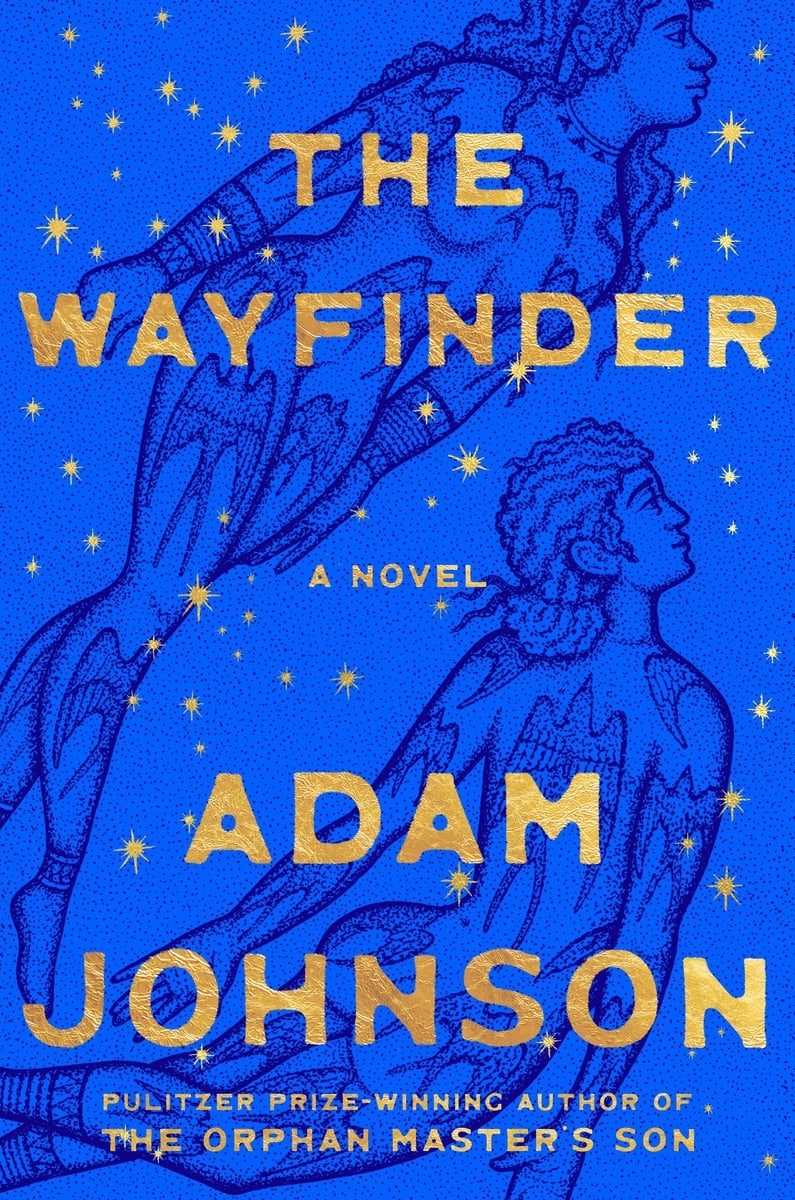
The Wayfinder, Adam Johnson. (Interview forthcoming.)
I read Johnson’s Pulitzer-winning novel, The Orphan Master’s Son, earlier this year, as preparation for interviewing Susan Choi about Flashlight, since that novel is set partially in North Korea. I’d had the book on my shelf for years and had meant to read it ever since it won the Pulitzer, and I was so glad to finally do so: it is a mind-boggling achievement, an incredible act of imagination and storytelling prowess. The Wayfinder is less sardonic and less structurally tricky, but it, too, takes place in a setting inaccessible to modern readers—ancient Polynesia, mainly Tonga—and, like The Orphan Master’s Son, it balances these foreign settings with more traditional, Western forms of storytelling, specifically the Hero’s Journey, to create addictive and immersive reading experiences.
It’s hard to talk about The Wayfinder without explaining the plot: this novel is over 700 pages long and full of event, plus it’s set in a world whose customs are alien to us. So I’ll focus on plot, but rest assured that this novel is as gripping, as moving, and as transporting as any you’ve read in recent years. The Wayfinder progresses in alternating sections: one, in the “present,” set on a remote island inhabited by a small tribe that is rapidly running out of food. The narrator of this section, a young woman named Kōrero, is the tribe’s storyteller-in-training, and is intrigued by two young men who arrive by boat, carrying human bones with them. These imperious young men are two of the heirs of the throne of Tonga, and in the book’s other half, we see them and their older brother, Lolohea, cope with the pressures (and privileges) of their position in a country defined by imperial war. After their uncle, the violent and unnerving warrior ‘Aho, returns with his son and the bones of his wife, the royal family’s complacent attitude toward the war, which has provided the spoils upon which they live so comfortably, is challenged, ultimately leading to the disaster that brings the two sets of characters together.
*
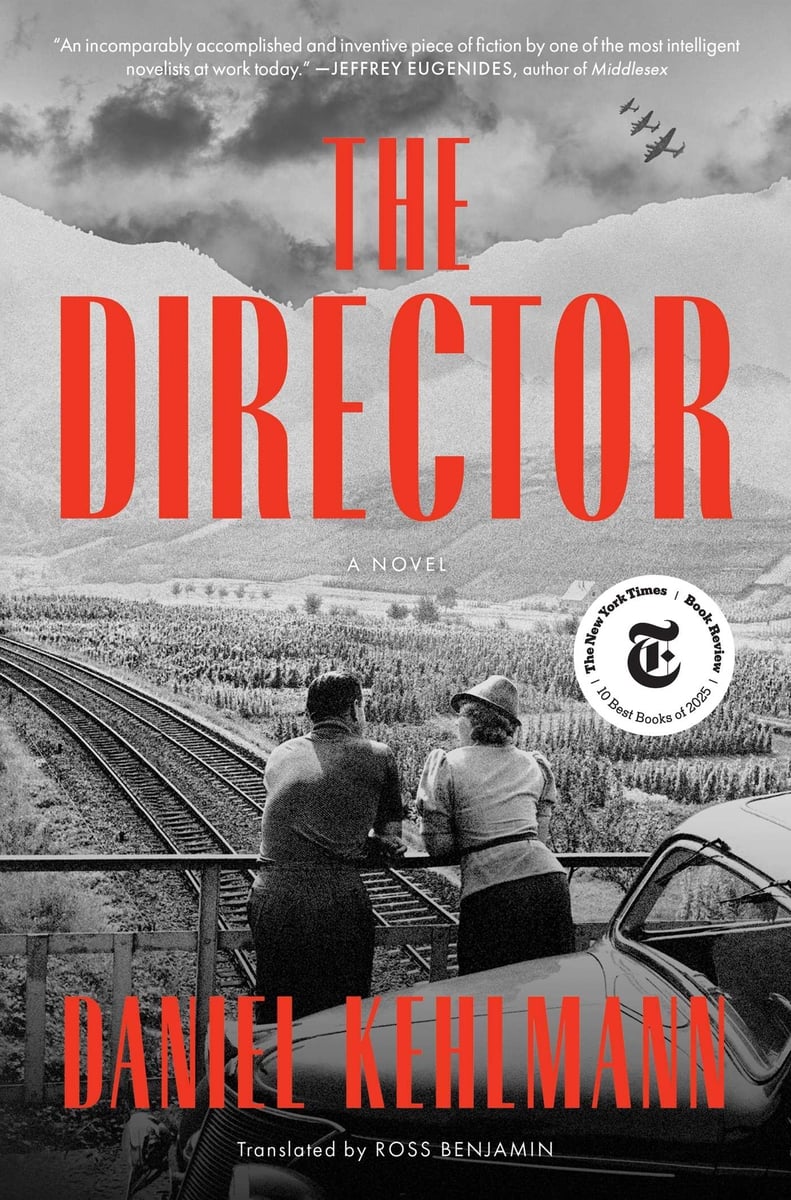
The Director, Daniel Kehlmann, trans. Ross Benjamin
Despite my gushing praise of Jo Harkin’s novel, and even more so Hilary Mantel’s work, I’m often leery when novelists tackle real-life figures. The Tudors are distant enough that they feel like fair game, but there are lots of other dreadful examples. I’m not at home right now, so I can’t pull this book off the shelf to quote it, but I always think of Edward St Aubyn’s prickly Booker Prize satire, Lost for Words, in which he makes fun of historical novels in which the characters all miraculously meet the most famous and important historical figures of the period (I believe the fake book he’s making fun of in that section is about Shakespeare—Hamnet, shots fired!). Obviously, though, there are authors who can pull of this trick: Mantel very much included, but also Daniel Kehlmann, who routinely shapes his books around real-life people, in this case the (mostly silent) film director G.W. Pabst, whose untimely return to his native Germany after an unsuccessful sojourn in Hollywood resulted in him being an official Nazi artist.
Kehlmann takes certain liberties with Pabst’s life, as he outlines in his author’s note (most notably by creating a son who didn’t exist). By drawing on the real-life figure while also making things up, he’s able to probe the psychology of a collaborator with incredible acuity. The book is composed of chapters told from the points of views of different characters, including Pabst, so the reader not only has access to his self-justifications (and the terrifying bullying of Goebbels, which reminds us that Pabst isn’t simply doing this for kicks), but also how his increasingly blinkered focus on his art above all else affects his tormented wife, how others (including P.G. Wodehouse, another person in a strange position of collaboration) react to him and his art, and how great his ultimate moral violations are. This would be a great novel in any era, but it is especially chilling in 2025, in the American context (as the Kennedy Center is renamed the “Trump-Kennedy Center”) and the context of the genocide in Gaza. Though neither of these situations are a direct parallel for the total dictatorship of Nazi Germany, Kehlmann’s novel encourages us to think about what our own red lines are, and the ways we go along with the increasingly horrific status quo.
*
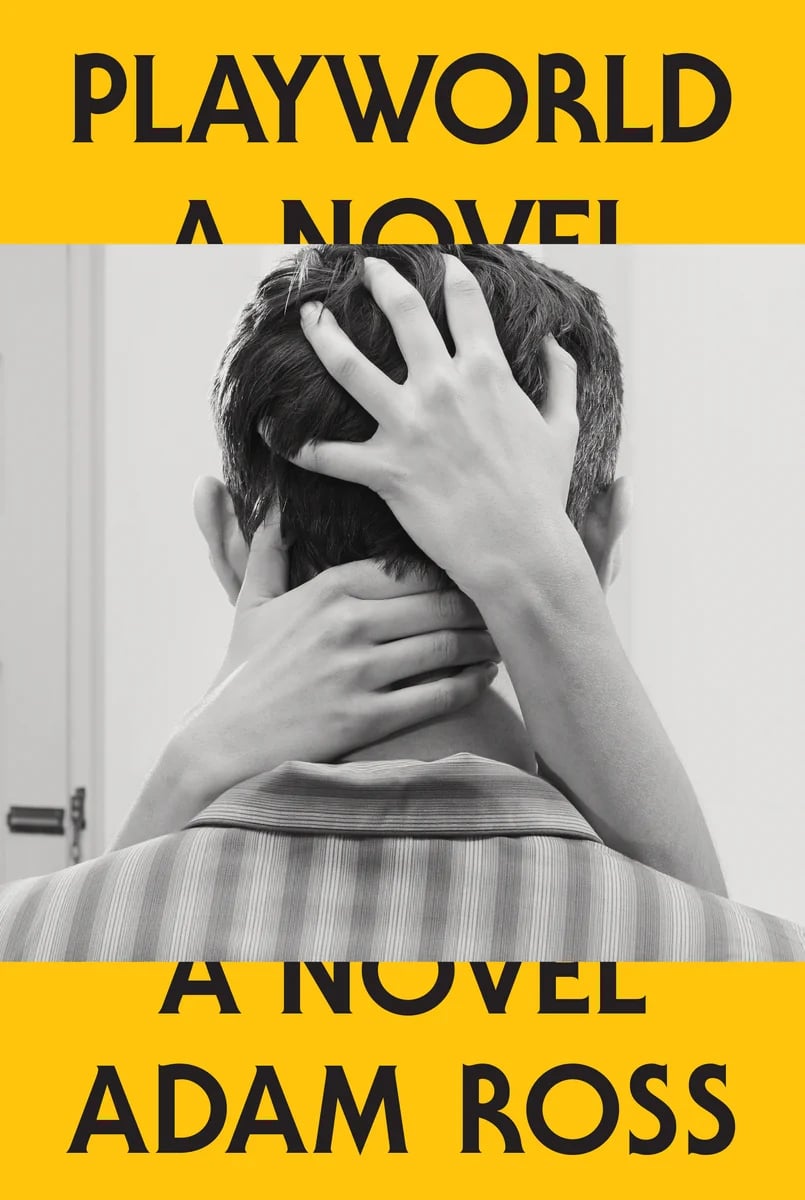
Playworld, Adam Ross. Read my interview here.
I read Playworld at the end of last summer (as in, 2024!), largely because I liked the cover, was drawn in by the length (as I’ve said, I like a long book), and the book’s publicist was so in love with it. (Publicists: sometimes your emails do work.) After I finished, I thought to myself, that’s going to be the best book of 2025, and I was right.1
As I said to Adam at some point, I’m not exactly sure why Playworld made such a strong impression on me, aside from the fact that it’s an extraordinarily well-written book. I don’t need to feel a personal connection to a novel to love it; I don’t have anything to do, personally, with the content of We Do Not Part, for instance. Yet I felt a strong sense of recognition reading Playworld, in reaction to its narrator, Griffin Hurt, a teenage boy living in New York City as 1979 turns into 1980. Griffin’s life bears no resemblance to mine: I grew up in a boring suburb, unlike Griffin I was not a child actor (these parts of the novel are especially funny), I didn’t go to private school, I didn’t participate in any sport (Griffin wrestles). Most important, unlike Griffin, I (thankfully) wasn’t groomed by an adult and didn’t wind up having a sexual relationship with that person.
(Part of the accomplishment of this novel is how clear Ross is about this relationship. Naomi, the adult in question, is not presented as a villain; she’s a three-dimensional, sometimes sympathetic character. At the same time, what she’s doing to Griffin, and how he adapts to cope with it, is undeniably monstrous. A friend recently told me she hadn’t been able to get through the book because she’d found this too upsetting. I obviously didn’t have this problem, but it’s a testament to the writing that the relationship is so disturbing despite the perpetrator never being shown as a cartoon villain.)
Yet I responded very intensely to this book, in a very personal way; I felt some kind of kinship with Griffin that I still can’t exactly explain to you or to myself. Ultimately, I think this is what makes fiction so powerful. Certainly, it can be validating to read novels where specific (difficult) elements of our lives are reflected back to us with verisimilitude. But great novels can reach our deepest emotions in completely indirect ways. People are complex, and stories find a way of articulating something about our experience despite not superficially having anything to do with that experience. In the case of Playworld, I think this is possible because Ross articulates Griffin’s inner life with such incredible specificity and care. Griffin is often dissociated from his own feelings, but even though this novel is written in the first person, Ross is able to render what he is thinking and feeling, and how that dissociation manifests, with extraordinary accuracy. This reflected something mysterious back at me, but it also made me feel protective of Griffin, and love him in the way I always want to feel about fictional characters but rarely do because they don’t feel quite real enough, or full enough. The experience of getting to live with someone who did feel so real, for so many pages, was the best (new book) reading experience I had this year, even if it technically happened in 2024.
*

Women, Seated, Zhang Yueran. Read my review here.
Women, Seated is the first in a new initiative of Chinese fiction in translation from imprint Riverhead. I’ve been particularly interested in writing and reporting from China in recent years—it is, after all, one of the largest countries in the world—and read plenty of great books that have come out of that country, but this is my favorite to date. Unlike so many other books on this list, Zhang’s novel is short and taut, taking place over a number of days as a family’s life falls apart. The family’s nanny, Yu Ling, had planned to kidnap her young charge for a ransom, but when the family patriarch is arrested for corruption, she finds herself instead in charge of the house and of the boy.
I won’t go on too much about this book as I’ve already written about it for Jezebel (see link above). But it has stayed with me ever since I read it earlier in the year, for Zhang’s command of her characters (Kuan Kuan, the boy, is as realistic a child as I’ve encountered in recent fiction), the ethical reversals of the story (going from kidnapping back to caretaking, and the complexities of emotion when money is involved in that caretaking), and her ability to convey so much in such a relatively short package. It’s a book of incredible depth, one that offers no easy answers to the questions of class differences, the position of women in society, and finally, love for children that don’t belong to us.
Debuts
We Pretty Pieces of Flesh, Colwill Brown, telling the nineties childhoods of three girls in dialect, and the experiences of one with ME/CFS as an adult.
Dark Like Under, Alice Chadwick, one day in the lives of students and teachers at a grammar school in England the day after a teacher has died.
Songs of No Provenance, Lydi Conklin, a slyly funny tale of a female indie folk singer who, fearing online cancellation, flees her life to teach at a summer camp for teenagers.
Bad Nature, Ariel Courage, a road trip novel in which a dying woman sets out to murder her father and picks up a pacifist drifter along the way. Read my review here.
Small Ceremonies, Kyle Edwards, a generous story of indigenous Canadians in Winnipeg, focusing on teenagers who play on a losing ice hockey team.
Great Black Hope, Rob Franklin, cleverly weaving together the War on Drugs and the lives of the Black elite.
Mendell Station, J. B. Hwang, in which a Christian woman loses her faith after her friend’s death, and finds purpose working for the post office during the first year of COVID.
Dwelling, Emily Hunt Kivel, a fairy tale in which a woman, evicted from her home, makes a new life in a magical town in Texas and becomes a shoemaker.
Woodworking, Emily St. James, a warm exploration of the experiences of two trans women in South Dakota: a teenager and her teacher who’s yet to come onut.
Endling, Maria Reva, telling the story of the war in Ukraine through a snail biologist, men on bride tours, and feminist activists.
The Slip, Lucas Schaefer, a bravura performance featuring a slew of unforgettable characters, from misfit Nathaniel Rothstein, the teenager whose 1998 disappearance sparks the novel, to the teenager X, who’s struggling with his gender identity before terms like “gender identity” went mainstream.
Lion, Sonya Walger, an impressionistic, autofictional recounting of the author’s relationship with her rarely present father.
*
Historical Fiction
Dusk, Robbie Arnott, a tense historical Western, presumably set in Tasmania, about two siblings on the edge of society who set out to capture a mountain lion for a bounty.
The Californians, Brian Castleberry, a generation-spanning family saga that encompasses old Hollywood, the New York art scene of the 1980s, and the present-day climate crisis.
How to Dodge a Cannonball, Dennard Dayle, an absurdist Civil War-era satire focusing on a clueless white soldier who finds himself stationed in a Black unit of the Union Army.
Victorian Psycho, Virginia Feito, a bloody revision of novels like Jane Eyre, featuring a governess with no morals to speak of, and a penchant for murder.
Isola, Allegra Goodman, a survivalist tale set in the 1500s off the coast of Canada, in which a French noblewoman is abandoned by her cruel guardian, along with her lover and loyal nurse, as the guardian hopes to steal his fortune for himself.
Helm, Sarah Hall, weaving many historical narratives together, all focusing on how people from the earliest civilizations to the present dealt with the Helm wind over the Pennines in England, complete with a Puckish, personified Helm that darts through the pages.
The Land in Winter, Andrew Miller, a quiet novel examining the fault lines in two marriages set in England in the Big Freeze of 1963.
State of Emergency, Jeremy Tiang, examining the effects of Singapore’s fight against leftist movements on multiple generations from the mid-20th century to the present.
Mutual Interest, Olivia Wolfgang-Smith, turning the fin-de-siècle novel on its head by foregrounding queer characters, especially Vivian Lesperance, who makes a marriage of convenience to a gay businessman that allows her to realize her ambitions.
*
Literature in Translation
Attacking Earth and Sun, Matthieu Belezi, trans. Laura Vergnaud, an experimental depiction, using collective voice and avoiding punctuation, of the brutal French colonization of Algeria.
Eternal Summer, Franziska Gänsler, trans. Imogen Taylor, set in Germany during wild fire season, a hotelier and mysterious a woman and young child are thrown together as the heat rises and ash falls.
Deep Breath, Rita Halász, a kaleidoscopic account of a woman’s attempt to put her life back together after enduring an abusive marriage.
Hunchback, Saou Ichikawa, trans. Polly Barton. A pathbreaking, structurally daring, novel told from the point of view of a disabled woman curious about sex and frustrated with the limitations of her life. Read my review here.
Swallows, Natsuo Kirino, trans. Lisa Hofmann-Kuroda, examining women’s relationship to sex, fertility, motherhood, and relationships in Japan through a woman who is asked to be a surrogate for a wealthy couple.
Mothers, Brenda Lozano, trans. Heather Cleary, in which a young girl from a wealthy family is kidnapped in Mexico, following her mother and another mother from a less wealthy background.
The Summer House, Masashi Matsuie, trans. Margaret Mitsutani, a contemplative novel reflecting on the narrator’s experience at a prestigious architecture firm in Japan in the 1980s.
Darkenbloom, Evan Menasse, trans. Charlotte Collins, a darkly funny story, in which most members of small Austrian town choose to forget their role in the Holocaust, and a few others force them to remember.
Playing Wolf, Zuzana Ríhová, trans. Alex Zucker, an unnerving recreation of Red Riding Hood in the form of a horror novel set in a rural Czech town, featuring ominous natives, a young boy with learning disabilities, and parents who can’t agree on how to live their lives.
Our City That Year, Geetanjali Shree, trans. Daisy Rockwell, exploring the growing tensions between Hindu and Muslim intellectuals in India in the 1990s.
House of Day, House of Night, Olga Tokarczuk, trans. Antonia Lloyd-Jones, a collage novel set in the Polish woods, collecting “historical” and often supernatural episodes, in particular the story of a Renaissance-era monk of indeterminate gender.
Girl, 1983, Linn Ullmann, trans. Martin Aitken, an autofictional account of Ullmann’s experiences as a teenager as a model who was exploited by older men in the 1980s.
*
Mysteries and Thrillers
Bat Eater and Other Names for Cora Zheng, Kylie Lee Baker, cleverly tackling anti-Asian racism during early COVID in a story that features a serial killer and the supernatural.
Old Soul, Susan Barker, spanning continents and centuries, characters encounter a human-shaped monster who can destroy them but can’t be killed. Read my interview here.
The Unveiling, Quan Barry, in which a Black woman goes on an Antarctic cruise to scout locations for a film, the group loses touch with civilization, and reality starts to collapse.
Perspective(s), Laurent Binet, trans. Sam Taylor, a glorious tongue-in-cheek murder mystery set amongst great artists of history in Renaissance-into-Baroque era Florence.
The Savage, Noble Death of Babs Dionne, Ron Currie, a no-nonsense noir in which the children of a female crime boss in small-town Maine try to extricate themselves from the mess she’s created.
What About the Bodies, Ken Jaworowski, smart and fast-paced, featuring a trio of engaging narrators including an unusually well-written autistic character.
The Fire Concerto, Sarah Landenwich, featuring a young woman who was once a piano prodigy and is drawn back into that world after the death of her teacher, which brings up mysteries involving her ancestor, a great composer who was killed by a pupil.
Notes on Surviving the Fire, Christine Murphy, a campus novel that uses the techniques of crime fiction to probe the moral obligations of rape survivors to stunning effect. Read my review here.
The Doorman, Chris Pavone, cleverly intertwining the unhappy lives and shady dealings of the ultra-rich with the more tangible troubles of Chicky, the doorman of their building.
The Understudy, Morgan Richter, a riff on All About Eve set in the world of indie opera, with a lot more bloodshed.
The Art of a Lie, Laura Shepherd-Robinson, a winking tale of 18th century London, in which a widow must evade the law and winds up being courted by a gentleman who isn’t all he seems.
Vantage Point, Sara Sligar, using deepfakes to show how easily even the ultra-rich can be terrorized, which creates conflict between victim Clara and her ambitious brother Teddy, who worries the videos will affect his campaign for Senate.
Big Bad Wool, Leonie Swann, trans. Amy Bojang, the delightful sequel to Swann’s Three Bags Full, which finds her flock of sheep in Europe, worried about a werewolf, and trying to work out how to interact with goats.
*
Short Stories
Good and Evil and Other Stories, Samanta Schweblin, trans. Megan McDowell, slippery tales that twist reality, often using animals, including an exceptional story about a child who becomes unable to speak after an accident.
Where Are You Really From, Elaine Hsieh Chou, an eclectic collection that sometimes flirts with speculative fiction, often focuses on Asian American characters with unusual immigration stories, and features a delicious doppelgänger tale.
Code Noir, Canisia Lubrin, an expansive experimental collection of stories tied to the Code noir, French laws that dictated enslavement.
Stag Dance, Torrey Peters, using genre to subvert conventional ideas about sexual identity, most thrillingly in the title story set in the old west.
Long Distance, Aysegül Savas, showing off Savas’s careful, often distant prose style, which sneaks in immense emotional effect despite the coolness of its surface.
The Dilemmas of Working Women, Fumio Yamamoto, trans. Brian Bergstrom, a Japanese sensation finally appearing in English, focusing on the complex lives of women who don’t conform to social norms.
*
And the rest
Audition, Pip Adam, a thrilling experimental novel featuring giants and a spaceship voyage that critiques mass incarceration. Read my interview here.
Audition, Katie Kitamura, using Kitamura’s pristine and sometimes opaque prose to explore art and the decision whether or not to have children, in a two-part novel of ideas.
Seduction Theory, Emily Adrian, a winking campus novel that skewers MFA students and their horny (and self-obsessed) professors.
We Love You Bunny, Mona Awad, a gonzo sequel to her hit Bunny, taking that book’s ideas about fantasy, sex, and sexual fantasies to greater heights. Read my review here.
The Loneliness of Sonia and Sunny, Kiran Desai, a lush epic of India and America that shines most brightly in its perfect sentences, its perfect secondary characters, and its acute understanding of women’s lives in India.
Helen of Nowhere, Mackenna Goodman, a brief but immersive experimental novel made up of monologues, exploring masculinity, the academy, and storytelling.
Theory & Practice, Michelle de Kretser, an autofictional account of literary academia in Melbourne in the 1980s, as the Sri Lankan-Australian protagonist struggles with her love of Virginia Woolf and tries to embody her feminist theory in the practice of life.
Bad Bad Girl, Gish Jen, beautifully and heartbreakingly excavating the novelist’s relationship with her mother in the wake of her mother’s death.
Counting Backwards, Binnie Kirschenbaum, a brutally honest account of living with a partner developing Lewy Body Dementia, from the loss of companionship to the financial burdens of care.
Will There Ever Be Another You, Patricia Lockwood, richly evoking the experience of Long COVID with her inimitable voice and vivid observations. Read my review here.
Friends of the Museum, Heather McGowan, a rollicking saga set over the course of one day in a New York museum, as the staff deal with budgetary problems, impending health disasters, divorce, fraud, and a looming gala in the evening.
Nesting, Roisín O’Donnell, a bracing and tense account of an Irish woman who flees her abusive relationship with her small children in tow. Read my interview here.
The Capital of Dreams, Heather O’Neill, a fairy tale for adults, complete with talking goose, set in a war-torn Europe reminiscent of WWII, following a young girl who’s alienated from her mother.
State Champ, Hilary Plum, a visceral first-person chronicle of a secretary at an abortion clinic who chooses to go on hunger strike after the clinic’s doctor is arrested.
Dream State, Eric Puchner, a family epic set across generations in Montana, encompassing climate change, addiction, and dementia.
Goddess Complex, Sanjena Sathian, a delightfully funny Gothic novel, set between America and India, exploring the pressures placed on women to have children.
The Ten Year Affair, Erin Somers, a witty millennial novel of marriage, in which a young mother moves upstate and finds herself fantasizing about having an affair with a neighbor.
Parallel Lines, Edward St Aubyn, a messy but astonishingly empathetic portrait of a schizophrenic man and the messy family he’s discovered in middle age. Read my review here.
Flesh, David Szalay, the cool, compulsively readable tale of Istvan, an emotionally repressed Hungarian man who climbs the ranks of London social life, but is never far from violence.
Stone Yard Devotional, Charlotte Wood, an astonishingly rich portrait of the inner life of a woman who joins a small Australian convent despite her lack of religion, and encounters a haunting figure from her past.
*
Odds and Ends
There’s No Turning Back, Alba de Céspedes (1938), the first English translation of one of Céspedes’s early novels, which shocked Italian audiences at the time for its candid portrayal of the sex lives of female college students in Rome.
The Ha-Ha, Jennifer Dawson (1961), a reissue of a vivid account of life in a psychiatric institution in England before patient consent was required for admission; the book Sylvia Plath was reading when she died by suicide.
I Am Clarence, Elaine Kraf (1969), a reissue of an astonishing novel (one in a series of Kraf’s novels, being reissued by Modern Classics) about a young mother taking care of an intellectually disabled son and struggling to cope with his care; one of the best novels tackling disability I’ve read in a long time.
Helen of Troy, 1993, Maria Zoccola, a marvelous poetry collection drawing on Greek mythology (and specifically engaging with earlier translations of The Odyssey) that places Helen of Troy in rural Tennessee in the nineties.
Disclaimer: I interviewed Adam Ross last December (see above), and have since begun conducting interview for The Sewanee Review. Only the interview with Susan Choi has run, but three more are in process and will run next year. That said, I read the book before meeting Adam (as you can tell from this timeline), and in my opinion, it’s actually much more embarrassing to write gushing things about a novel written by, effectively, your boss than a stranger. If so moved, I could have given this a one sentence summary (as per the many books listed below) and called it a day. The novel is that good. Writing this is making me cringe. Please make this cringe good for something and read the book. ↩
