Building Bright Futures Through Quality Education
A bright future is rarely the result of luck alone; it is usually built through daily experiences that shape how a child thinks, interacts, and responds to challenges. Quality education is not just about finishing a syllabus, but about building habits of curiosity, resilience, and responsibility. When children feel seen and supported, they develop confidence to attempt difficult tasks and the patience to improve through practice.
Foundations That Outlast Any Exam
A strong start is created through consistent routines, caring relationships, and learning activities that feel meaningful to the child. Families exploring schools often focus on results, yet the deeper value lies in how children learn to manage attention, ask questions, and collaborate. When comparing campuses and teaching styles, parents often narrow their shortlist to schools that feel steady, caring, and well-organized. For families, the next step is to enroll at Chitrakoota Kaushalya. Even so, it’s worth taking a final look at classroom practices, student guidance, and how progress is communicated so the fit remains strong beyond the first few months.
What Quality Looks Like in Daily School Life
Quality is visible in small details: clear expectations, respectful communication, and teachers who guide without shaming. A well-run classroom makes learning predictable enough to feel safe, but flexible enough to allow creativity and student voice. It also balances academics with social development, ensuring children learn how to listen, negotiate, and recover from mistakes. When classrooms value thoughtful effort, students are more likely to take intellectual risks and persist when concepts feel difficult.

Teachers Who Build Capability, Not Dependence
Great teachers do more than explain content; they help students become capable learners. They model how to approach a problem, how to break tasks into steps, and how to reflect on errors without fear. Over time, students learn to plan their own work and ask for support in constructive ways. Strong teaching also includes noticing the quiet child who hesitates to speak, the fast learner who needs deeper challenges, and the struggling learner who needs a different pathway, not a lower ceiling.
Learning Environments That Spark Motivation
Motivation grows when children experience progress and feel a sense of ownership. Classrooms that include hands-on materials, real-world connections, and varied ways to demonstrate learning make it easier for students to find entry points into a topic. Libraries, labs, art spaces, and outdoor areas can become powerful learning tools when they are integrated into everyday instruction rather than treated as occasional rewards. When the school culture celebrates improvement and genuine effort, students begin to associate learning with possibility rather than pressure.
Skills That Shape Life Beyond School
Education becomes truly valuable when it cultivates transferable skills: critical thinking, communication, teamwork, and emotional regulation. Students who learn to summarize ideas clearly, present respectfully, and handle disagreement without hostility are better prepared for higher studies and work. They also become better community members, able to empathize and contribute. These strengths are not built through lectures alone; they grow through discussion, reflection, and repeated opportunities to practice responsibility in age-appropriate ways.
Starting Early, Building Strong
Early years learning can influence everything that follows, especially self-control, language development, and comfort with structured routines. Many families notice the early education benefits when children become more independent with simple tasks, more expressive with feelings, and more willing to engage in group activities. The key is a pace that respects development, offering challenges without overwhelming the child. A thoughtful early program also supports parents with communication, guidance, and realistic expectations, creating a consistent bridge between home and school.
Thoughtful Use of Technology and New Methods
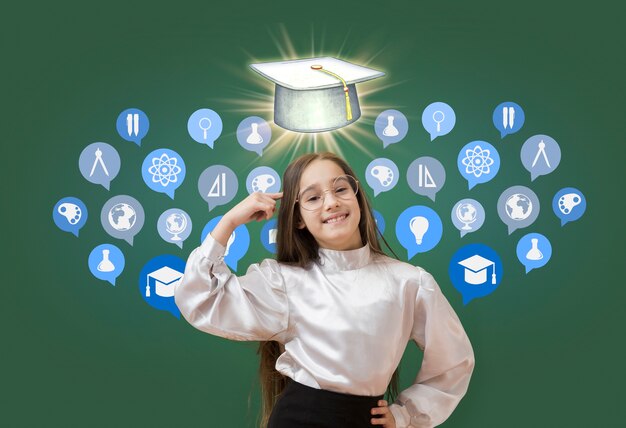
Technology can widen access to information and provide fresh ways to practice concepts, but it should serve learning goals rather than distract from them. A balanced approach might include interactive simulations for science, collaborative writing tools, or creative projects that combine research with presentation. When used wisely, modern education can strengthen engagement and provide pathways for different learning styles, especially when teachers remain the central guides. The best systems also teach digital responsibility, such as evaluating sources, protecting privacy, and staying focused amid online noise.
Partnerships Between School and Home
A child’s progress accelerates when adults work together with shared priorities. Families can support learning through predictable sleep, healthy routines, and simple conversations about what happened in class. Schools can help by offering clear feedback, transparent expectations, and timely support before struggles become discouraging. When communication is respectful and regular, children sense alignment, which reduces anxiety and builds stability. A strong partnership also respects the child’s individuality, ensuring they are not compared unfairly to others but guided toward personal growth.
Conclusion
Quality education is a long-term investment in how a child thinks, relates to others, and responds to adversity. The most meaningful outcomes come from environments that combine strong teaching, supportive relationships, and purposeful learning experiences that make students feel capable. When children are guided with consistency and care, they develop the confidence to learn independently and the character to use their skills wisely, creating a foundation for a future filled with opportunity.