9 Ways the Best Primary School in Bangalore Shapes Young Minds
Discover 9 ways the best primary school in Bangalore nurtures academics, creativity, values, and confidence to shape well-rounded young minds.
Choosing where a child begins school is one of the most important decisions a parent makes. Those early years shape not just academic ability but confidence, character, and curiosity for life. In a city like Bangalore, with no shortage of options, it helps to know what truly separates an ordinary school from one that shapes young minds. Here are nine ways the right primary school makes that difference.
1. Building a Strong Academic Foundation
Rather than rushing through syllabi, a good primary school helps children genuinely understand concepts in language, math, and science. This concept-first approach reduces exam anxiety and replaces rote memorization with curiosity, so children trust their own reasoning instead of fearing wrong answers.
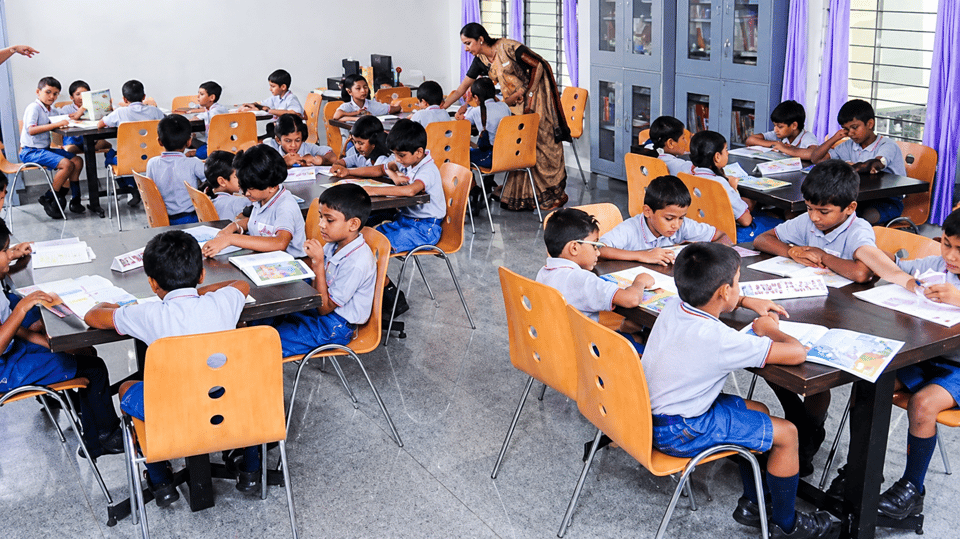
Parents seeking this grounded start often research schools carefully before deciding where to enroll at Chitrakoota Kaushalya or similar institutions known for blending structured academics with room to explore. That early groundwork shapes how comfortably children handle mistakes throughout their schooling years.
2. Encouraging Curiosity Through Experiential Learning
Children absorb more when they touch, build, and question rather than simply listen. Experiential learning turns abstract ideas into something tangible: a science lesson becomes a small experiment, a math concept becomes a hands-on puzzle. This makes lessons memorable and meaningful.
More importantly, it teaches children to ask their own questions instead of waiting for answers. Over time, this nurtures independent thinkers comfortable exploring problems from multiple angles, a habit that helps far beyond the classroom.
3. Supporting Emotional and Social Growth
Academic ability is only part of development. A nurturing school pays equal attention to how children manage emotions and form friendships. Teachers trained in child psychology notice when a student is struggling, even before it shows up in grades.
Group activities and guided play give children safe spaces to practice empathy and patience, skills absorbed through daily interactions rather than textbooks. Children who feel emotionally secure participate more freely and take healthy academic risks.
4. Nurturing Talent Through Sports and Physical Activity
Sports such as basketball, swimming, and skating teach coordination, discipline, and teamwork in ways no classroom lesson can. A missed goal becomes a small lesson in resilience, and regular movement improves concentration once children return to their desks.
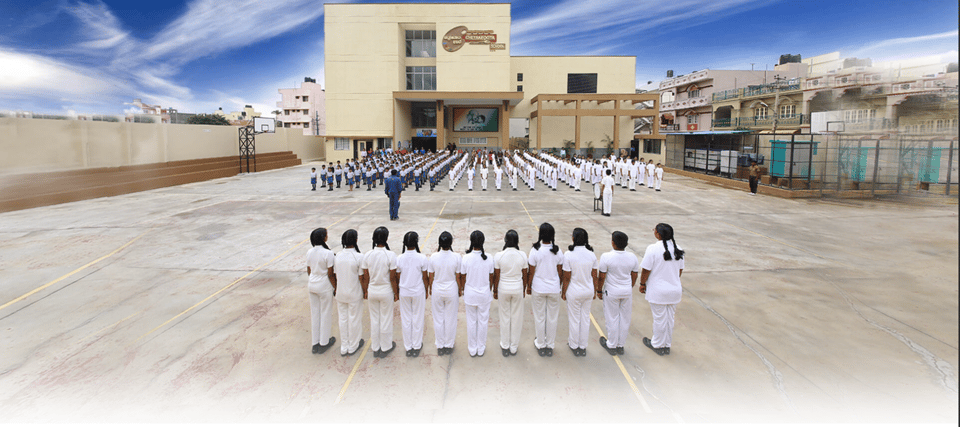
Beyond fitness, team sports quietly teach children to win graciously, lose without giving up, and support teammates still learning a skill. These lessons in character often matter as much as the physical benefits themselves.
5. Cultivating Creativity Through Art and Performance
Every child expresses themselves differently, and creative subjects give them that outlet. Music, art, and theatre let children explore ideas that don't fit neatly into words. A shy student might find their voice through painting or performing on stage for the first time.
These experiences also build patience, since visible improvement in art or music takes repeated practice. Children learn that skill develops gradually, a lesson that extends well beyond the art room and often becomes a lasting source of confidence.
6. Preparing Children with Future-Ready Skills
Today's world asks more of young learners than strong grades alone. A forward-looking school builds skills such as communication, problem-solving, and adaptability from an early age, aligning closely with the National Education Policy's focus on practical, real-world learning over memorization.
Children exposed to this kind of teaching connect classroom concepts to everyday situations, making learning feel purposeful rather than abstract. By the time they reach higher grades, they carry a practical toolkit for navigating unfamiliar challenges, not just academic knowledge.
7. Creating a Safe and Well-Designed Learning Environment
A school's physical environment shapes a child's comfort and focus more than many parents realize. Spacious, well-ventilated classrooms and thoughtfully designed activity areas reduce distractions and help children concentrate rather than feel cramped or uneasy.
Safety measures such as monitored premises and careful transport arrangements give parents peace of mind while children are away from home. A calm, well-structured campus becomes an extension of the classroom, quietly reinforcing the discipline and respect teachers work to instill daily.
8. Building Strong Partnerships Between School and Family
No school operates in isolation, and the best ones treat communication with parents as essential. Regular updates and transparent feedback let families stay involved in a child's progress rather than learning about challenges only once they've grown serious.
This partnership reinforces lessons learned at school within the home, creating consistency that benefits development overall. When parents and teachers work from the same page, children receive clearer guidance, and trust between families and educators grows stronger over time.
9. Instilling Values That Shape Character
Perhaps the most lasting contribution a school makes is shaping character. Values such as integrity, gratitude, and cooperation are woven into daily interactions rather than taught as isolated lessons, absorbed by watching how teachers treat one another and resolve conflicts.
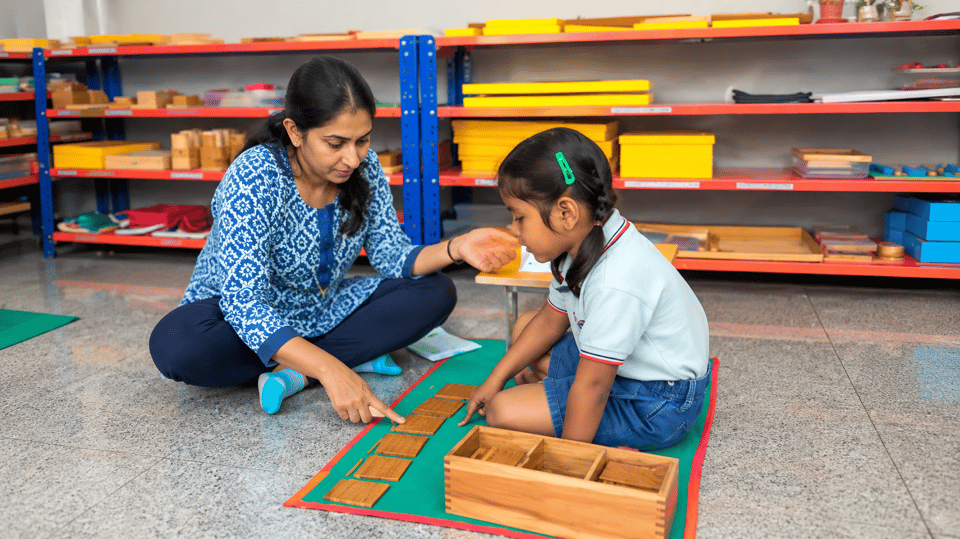
A values-driven environment helps children see themselves as part of a larger community where their actions matter to those around them. These early lessons often outlast specific facts learned in class, shaping how a child treats others for years to come.
Conclusion
A good primary school's impact reaches far beyond report cards and test scores. From building academic confidence to nurturing resilience, creativity, and strong values, the right early environment shapes children into well-rounded individuals ready to take on the world. For parents in Bangalore weighing their options, it is worth looking beyond rankings and brochures to the everyday experiences that truly define growth: how children are taught, cared for, and encouraged to become their best selves. A school that gets these fundamentals right prepares children not just for the next grade, but for life.