Books, first half of 2026
I’m a few months late with this, but here are some books I read between January 1 and June 30, 2026. These are not all of the books I read during that time, but they are the ones that stood out, the ones that moved me, inspired my own writing, or stayed with me long after the last page.
Year of the Tiger: An Activist’s Life by Alice Wong
Alice Wong was a disability scholar and activist who passed away in late 2025. Year of the Tiger is a collection of her writings over her many years of advocacy and good troublemaking. Reading it in the wake of her death was a reminder of the incredible spirit that the world lost, and a reminder that disability justice is everything and should be included in every struggle. Fascism always begins by categorizing certain bodies as “defective,” “weak,” “lazy,” and then othering those bodies as unworthy of inclusion in society, as a pathological threat to be contained or expelled. Alice Wong’s work is essential to understanding a social model of disability.
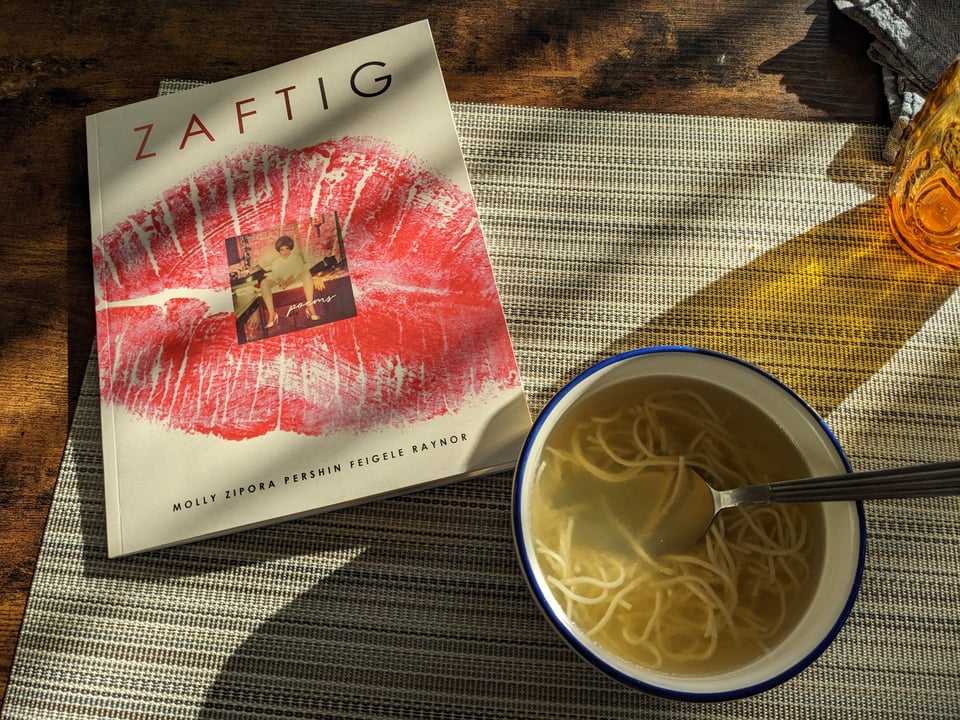
Zaftig by Molly Zipora Pershin Feigele Raynor
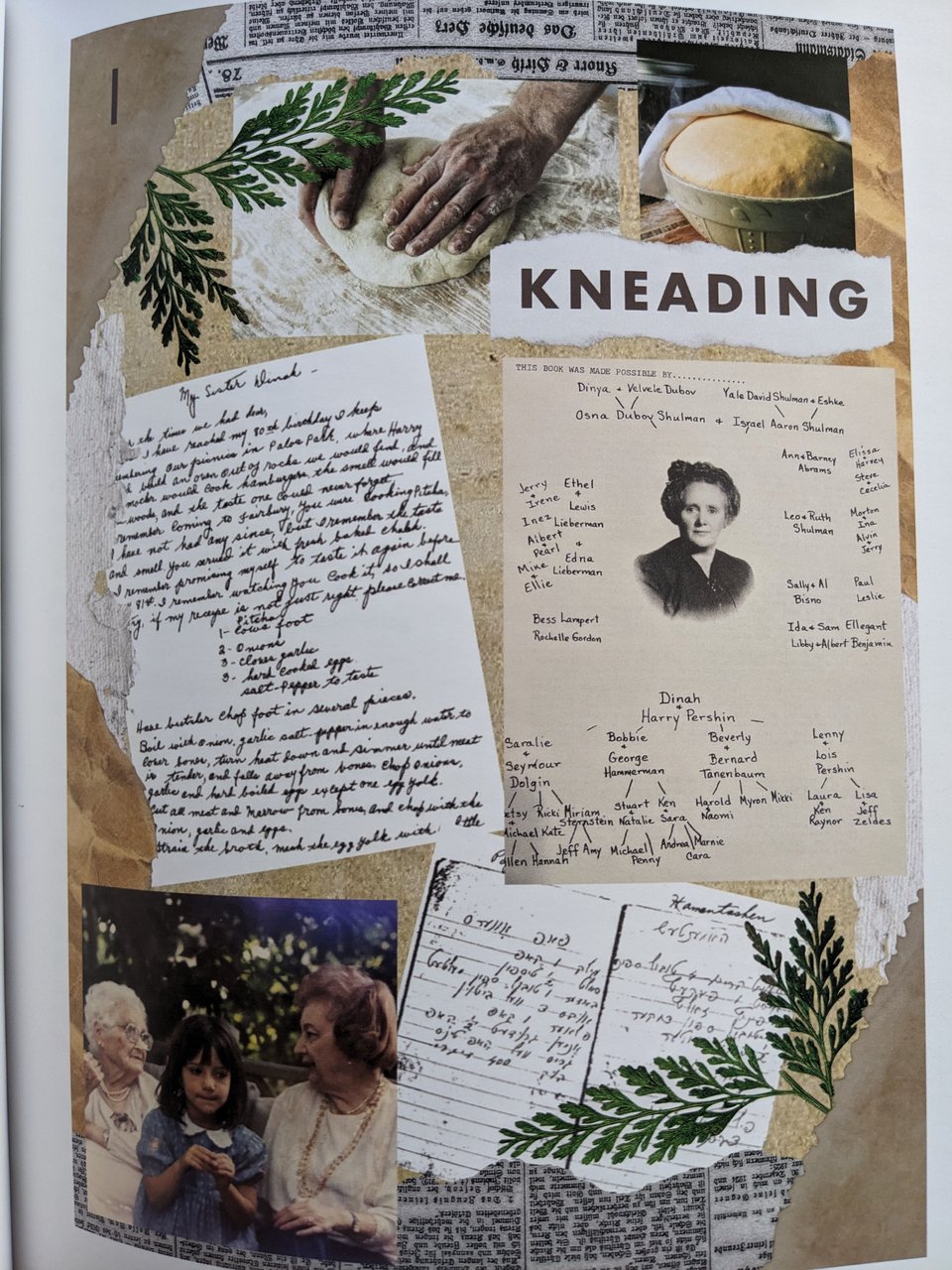
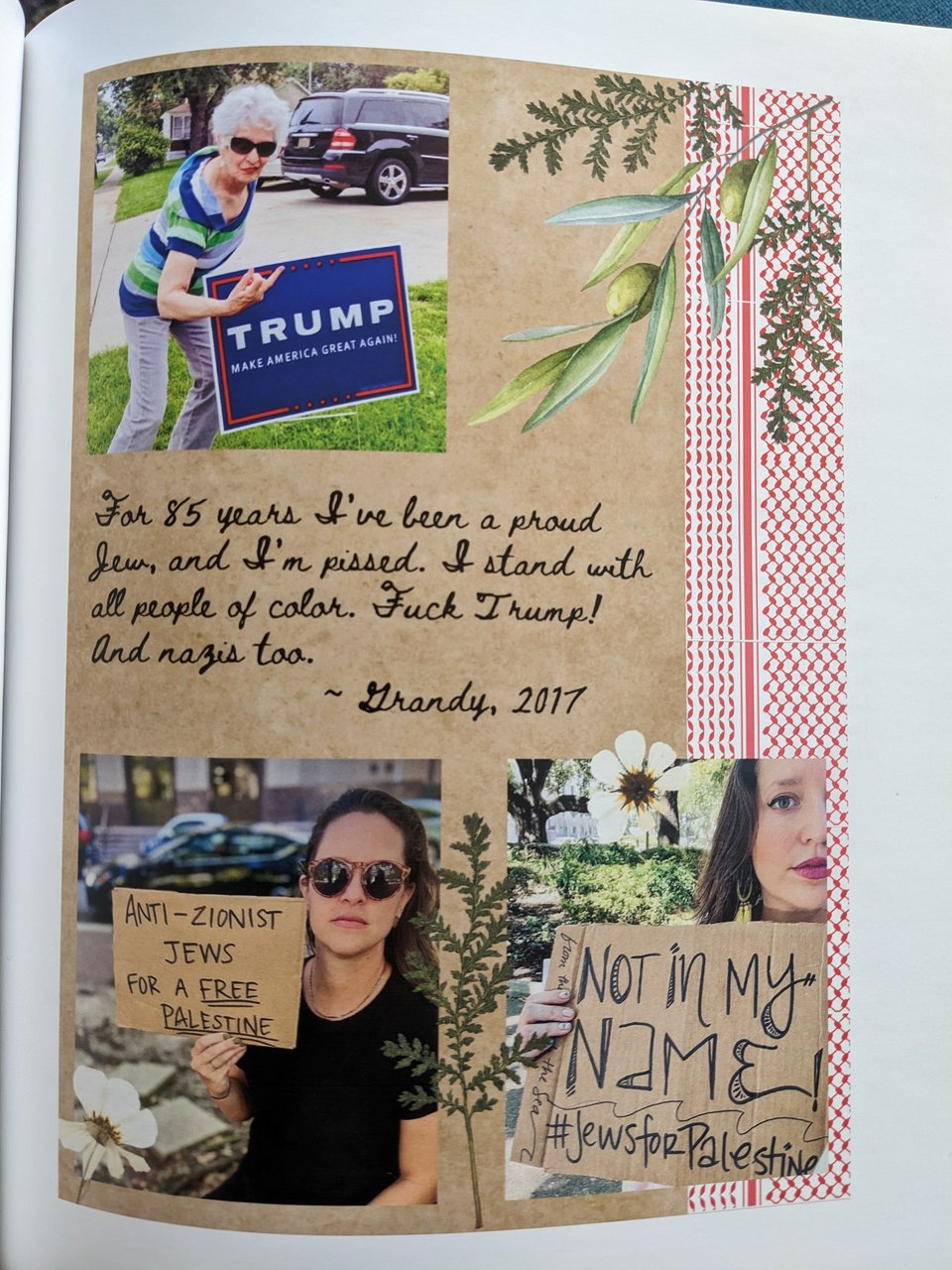
A juicy chapbook rich in textural food imagery, aromas and flavors. A love letter to the Jewish matriarchs on both sides of Raynor’s family and her queer chosen kin. Odes to the soft, round bodies that made her and fed her own soft body. This book is passionately anti-zionist, tender, and worshipful of the intergenerational familial relationships between women. The poems are accompanied by full-color collages of family photos, handwritten challah recipes, and botanical illustrations of olive leaves and ferns.
What a Time to Be Alive by Jade Chang
A warmhearted novel about an accidental Instagram influencer who reluctantly starts a spiritual self-help cult of sorts while still feeling unmoored and flailing in her own life. This is one of the better novels that deals with the weirdness of social media, and readers will be taken in by the protagonist, Lola Gold.
Bluff by Danez Smith
Reading this book during the siege of Minneapolis felt heavy. Smith’s first poetry book in five years is an uncomfortable grappling with the dissonance of being a celebrated Black poet in predominantly white literary institutions while Black people continue to be imprisoned and killed by white supremacist America every year. The poems are mournful, rageful, celebratory, contemplative, by turns lyrical and prosaic. I loved the inventiveness of this collection, especially the visual forms. A haunting example is “the end of guns” which incorporates cut up photos of Tamir Rice and Kyle Rittenhouse and text from Audre Lorde’s essay “Poetry is not a luxury.” Another poem, “rondo” is an elegy to the historically Black neighborhood in St. Paul that was sliced in half by the construction of I-94, displacing hundreds of people and Black-owned businesses. Rather than a lineated poem, “rondo” is a visual poem illustrated by a three-inch thick black bar that cuts across both pages like the interstate bifurcating a community.
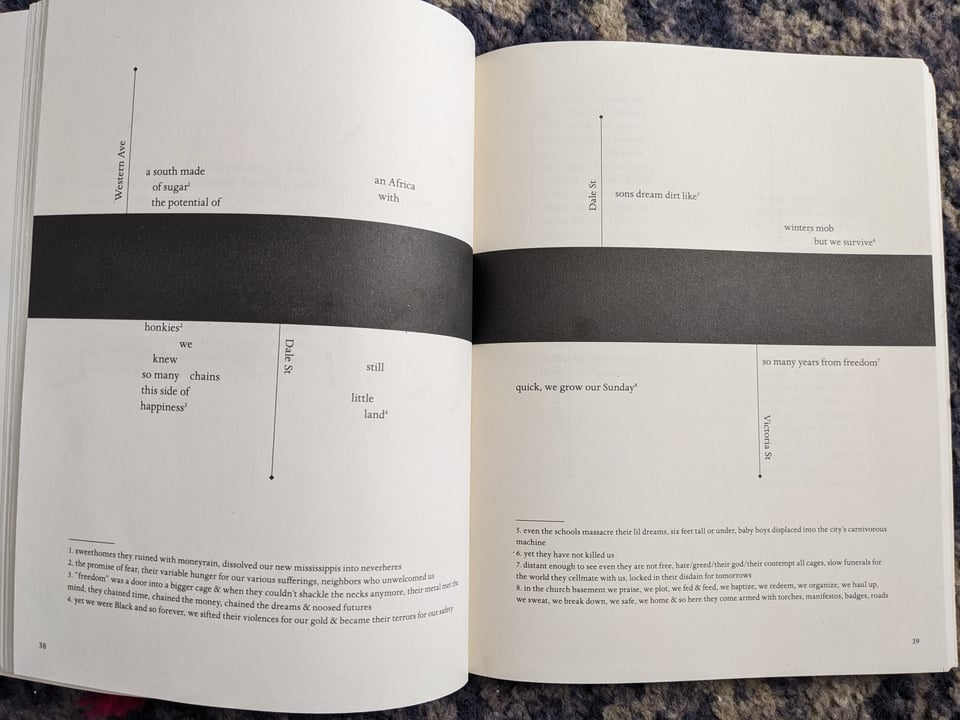
The poem “METRO” is a QR code the size of an entire page, which takes the reader to an online PDF of the piece itself, a visual poem reminiscent of Douglas Kearney’s work, with text in all directions intercut by Twin Cities area codes in gigantic fonts. Following that is an announcement to the reader that they’ve arrived at the “b-sides” of the book — the poems that were cut from the final draft. I will read anything Danez Smith writes.
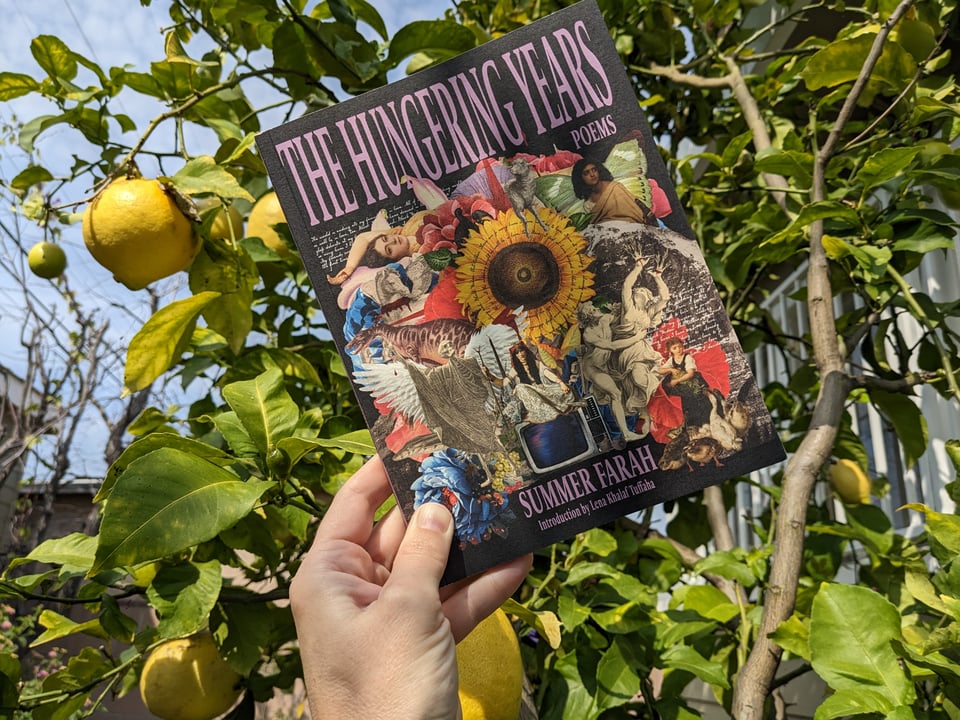
The Hungering Years by Summer Farah
A beautiful collection of poems. Farah’s speaker writes in conversation with everything from Lebanese poet Etel Adnan to pop star Carly Rae Jepsen to the 2000s WB hit Supernatural to the history of Palestinian exile. There’s a youthful tenderness and vulnerability in these poems, as Farah is utterly unabashed in her obsessions and yearnings. My favorite poem is Portrait of Me as Bread Baking in Jerusalem. This is also the book that introduced me to the burning haibun form, invented by torrin a. greathouse—-a prose poem, followed by an erasure of that prose poem, followed by a haiku of that erasure. Farah’s choice of this form for poems about the ethnic cleansing of Palestinian villages feels painfully appropriate and adds an extra sense of devastating loss.
Focail na mBan: Women’s Words by Manchán Magan
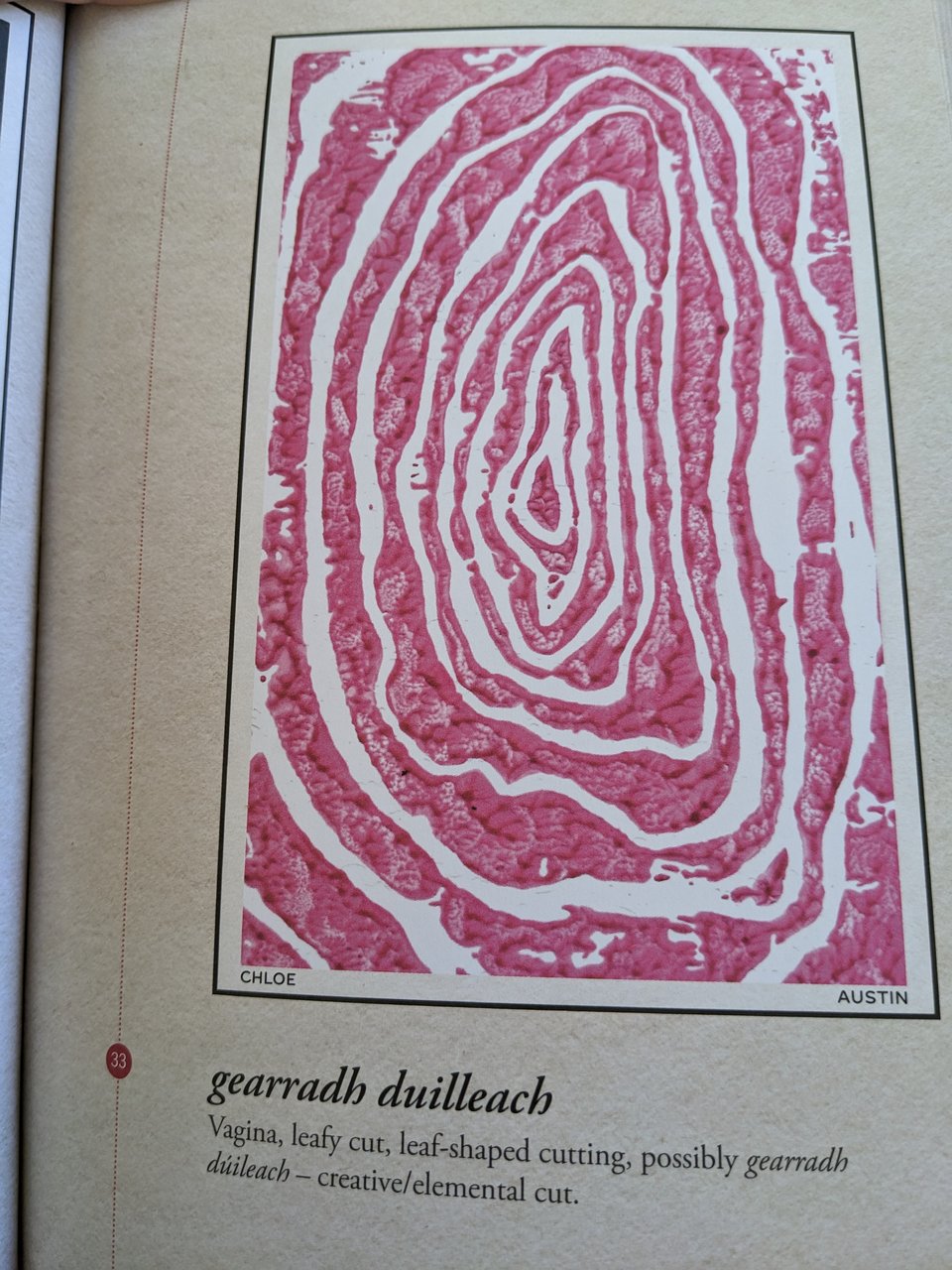
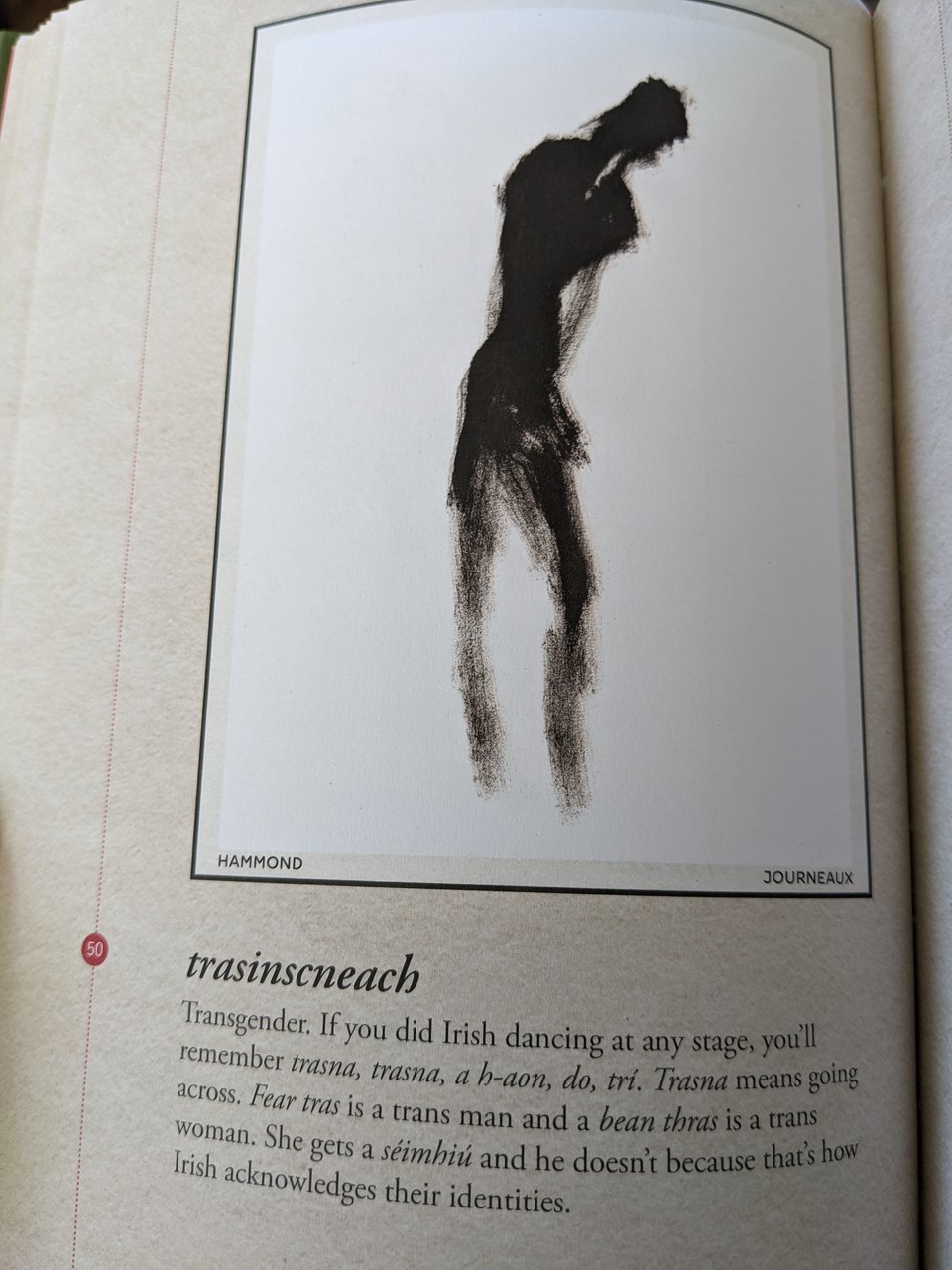
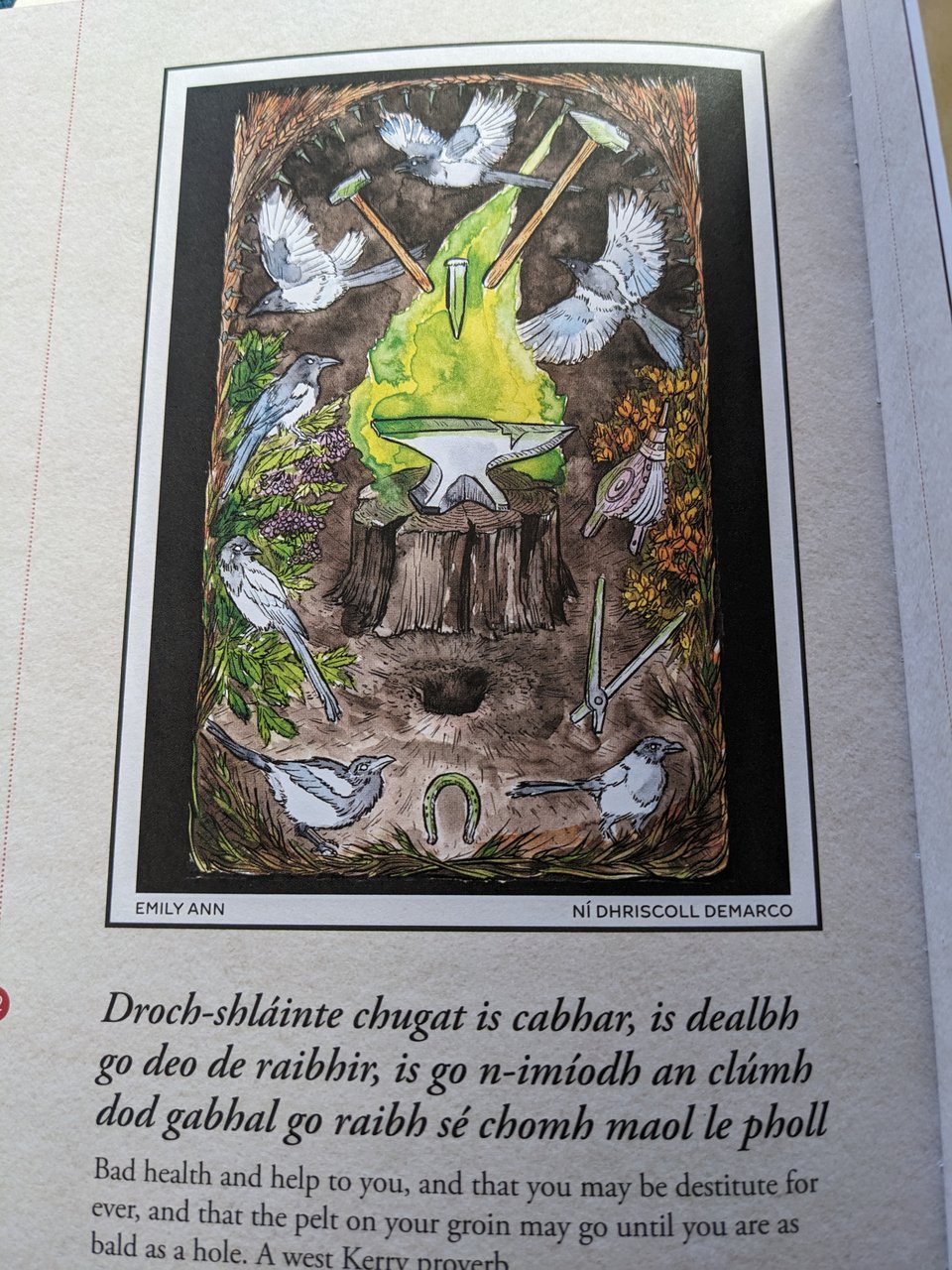
This book caught my eye on the shelves of North Figueroa used bookshop in Highland Park. I was expecting a nice little collection of poetry by women. To my surprise, delight, and slight bewilderment, I opened it to find that it’s actually a coffee table book of Irish words for vaginas, vulvas, menstruation, and other feminine sex-related terms. Each page features one word in Irish and its definition, coupled with abstract and suggestively impressionistic illustrations.
Let the Poets Govern by Camonghne Felix
I wrote about this book here.
Having People Over: A Modern Guide to Planning, Throwing, and Attending Every Type of Party by Chelsea Fagan
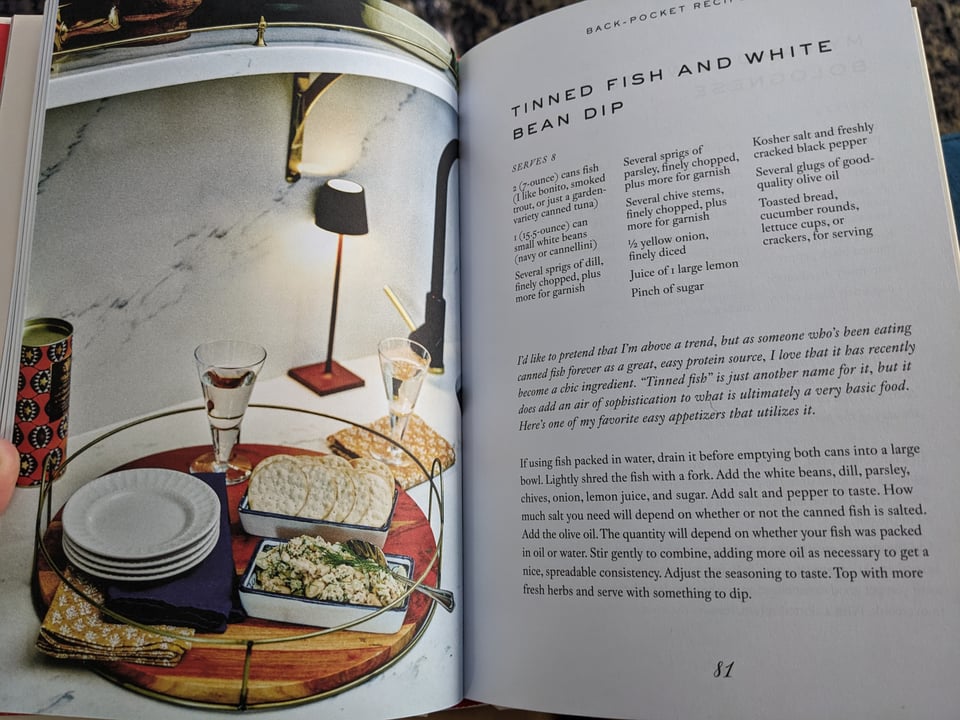
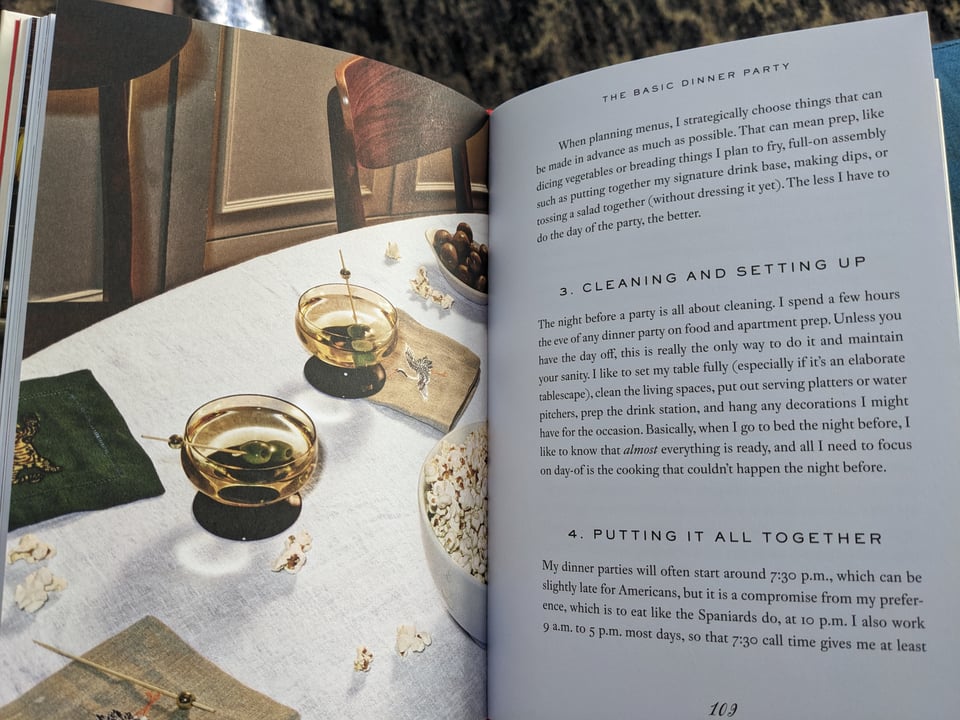
This is a charming primer on hosting gatherings on any budget. There are practical tips on what to always stock in your kitchen and how to prepare for a cocktail party, as well as deeper musings on how to make friends as an adult and be a good community member. As someone who loves inviting people into my home, as someone who can assemble an excellent cheese tray, I found this book to be made for me.
Raw Dog: The Naked Truth About Hot Dogs by Jamie Loftus
A wacky travelogue meets cultural culinary history lesson. Loftus travels across the country, sampling the regional hot dog fare at each stop. Readers travel with her to overhyped tourist traps, drive-up stands in flyover country, newly-renovated contemporary spots serving gourmet twists on the classic in gentrified neighborhoods, and no-frills joints peopled by New Jersey locals who may or may not be in the mob. Along the way, you’ll learn the history of the hot dog, which, like many American foods, is the history of immigrants. You’ll also be told, in unsparing detail, how the sausage gets made, so to speak, the exact kind of animal cruelty tactics and anti-worker policies that go into making cheap fast meat; politically, you’ll emerge further left than wherever you were on the first page. There are a few too many references to diarrhea. By the end, you’ll either crave a hot dog with mustard and relish or never want to look at one again.
Terror Counter by Fargo Nissim Tbakhi
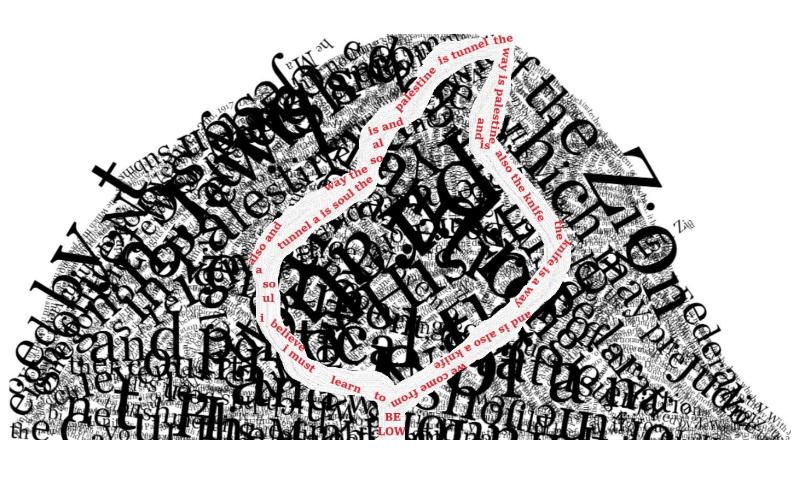
Tbakhi is a queer Palestinian writer and performance artist who invents and re-imagines poetic forms in this collection. Some excerpts from the collection are available to read online at Mizna and Action Books. One especially striking form, a Tbakhi original, is the Gazan Tunnel, a visual poem that takes imperialist or settler documents, like The Balfour Declaration, cuts them up and collages them into a Dada-ist newspaper jumble, then runs them through with physical erasures in the shape of curving and looping “tunnels.” In this way, Palestinian resistance is illustrated as a carving away and destabilizing of the texts that legislated and cemented Palestinian dispossession. If these archival texts are foundational to the settler colony’s violence, the Gazan Tunnel poetic form troubles the foundation, weakens it.
Read This When Things Fall Apart: Letters to Activists in Crisis, edited by Kelly Hayes
A collection of letters written by activists from various movements, from reproductive justice to abolition to sex worker organizing to the fight against ICE and DHS. Each letter has the title format of “Read this if . . .” Some of the examples are:
“If you’re witnessing the unthinkable” (by Eman Abdelhadi)
“If you are panicking about collapse” (by Chris Begley)
“If you are overwhelmed by attacks on reproductive autonomy” (by Renee Bracey Sherman)
“If injustice has alienated you from your community” (by Maya Schenwar)
“If you want to fight Big Tech” (by Brian Merchant)
“If you’re hurting and want to find your people” (by Ash Williams)
The letters offer hope, empathy, connection, and lessons in the continued struggle for collective liberation.
I hope some of these books piqued your interest. Please buy them from bookshop.org if you prefer online ordering, or request them at your local independent bookstore or library. I don’t think any of these authors like Jeff Bezos.
I’d love to hear what you’ve read and loved this year!


Add a comment: