Warsaw, Gdańsk, Starzyna with Fergie

I arrived in Warsaw/Warszawa (var-shar-va) a day before Fergus. We were here to see his great auntie and uncle, who live in Warszawa but spend summers near their old family home on the Belarusian border. Fergus is a quarter Polish through his grandmother on his dad’s side who was one of the Polish children of Pahiatua, New Zealand’s first refugees from WW2. We had both visited Poland before, separately, but that was over a decade ago and I was excited to be experiencing a part of his heritage with him.
When I stepped off the train from Wrocław, the first thing I noticed was how much more diverse Warszawa was than anywhere else I’d been in Poland. There were not only white people on the billboards, for a start, and there were lots of people of colour walking around looking pretty local. Secondly, my idea of Warsaw as a grey post-communism city was clearly out of date. It’s a modern metropolis with sleek skyscrapers and futuristic buildings alongside grand gothic architecture. Basically everywhere was accessible by bike on wide separated cycleways with many green spaces. A surprising thought crossed my mind, “Heck, I could live here” - which is not a thought I often have about places!
Warszawa, capital of Poland
On that first evening, I was welcomed by Ferg’s elderly great (distant) uncle, Jurek. We went out for an evening coffee and a brief impromptu walking tour through the historic Royal Route. He pointed out each building, peppered with anecdotes from his own lived experience of Poland’s recent tumultuous history. Surrounded by the spectacular buildings, it was hard to believe that they are reconstructions.
During WW2, over 80% of the city was destroyed. Imagining 80% of the houses and buildings in my city or region (and everyone in it) being bombed to oblivion makes the statistics of war feel much more tragic - and peace much more fragile. Poland is a country that really remembers its history, and is much closer to today’s geopolitics.
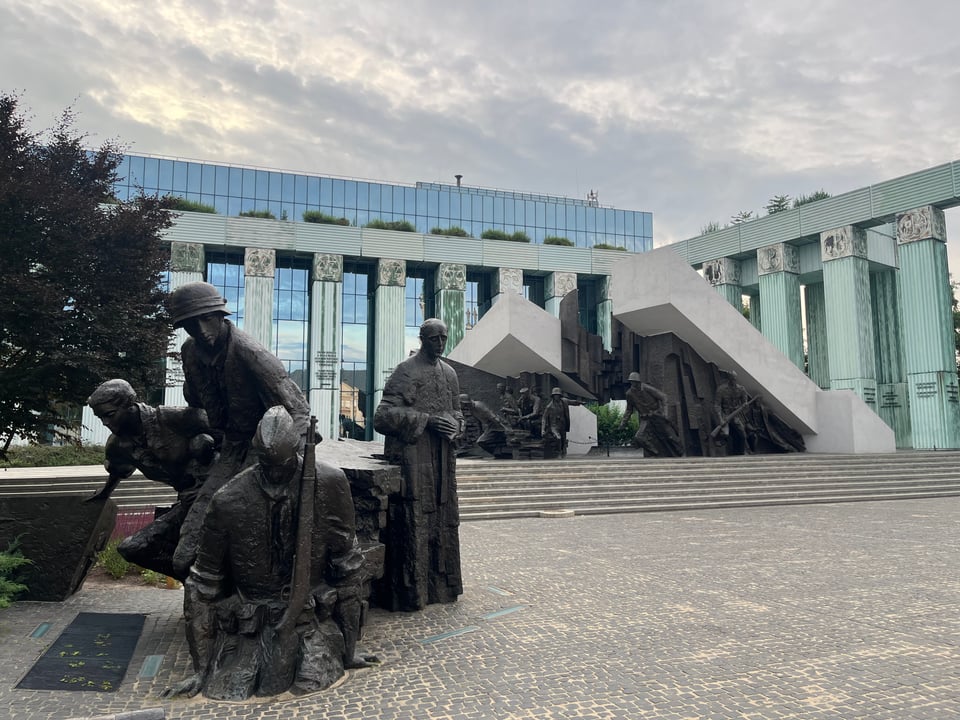
Fergus arrived the day after, but was sick for the first two days. Between lounging, reading, and recuperating, I ventured out to sample milk bars (communist-era cafeterias that serve affordable Polish meals) for pierogi to bring back. I also visited a couple of the literal dozens of museums in the city (one that I missed which I really wanted to go to was POLIN the museum of Polish Jews - will be top of the list next time!).
The Neon Museum
I don’t think I’d ever really thought consciously about neon signs, but this niche museum used them as a vignette of Poland’s post-WW2 history.
Today, neon signs might have connotations of consumerism. However, neon signs were mainstream long before capitalism as we know it today. After the dark shadow of Stalinism when anything bright or cheerful was torn down, communist Poland saw “neonisation” as a way to bring modernity and levity back into daily life. Rather than seeing it as a product of capitalism, they called it “socialist advertising”, with state-owned sign companies and neon signs adorning public sector buildings. However, this wasn’t a unanimous view. According to a sign in the museum, one ideologue in the 50s described the neon signs as the visual equivalent of “shrill screams of a hyena” (which, until this museum, I personally would have agreed). But others hoped neons would help Warsaw become a model for a new, modern, socialist city.
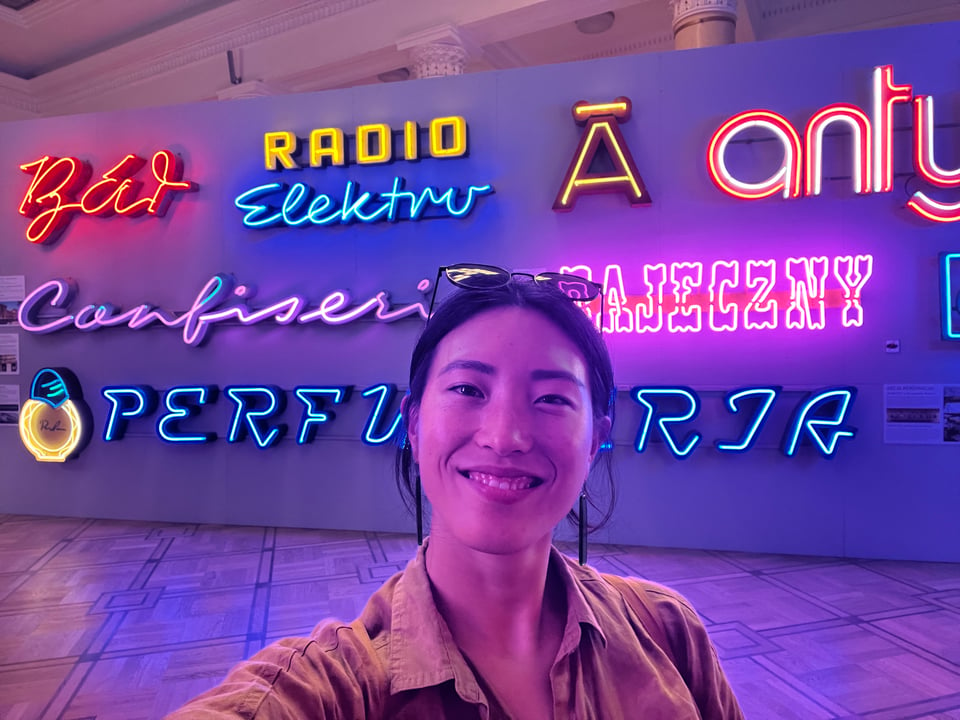
The museum also made the case for neon signs as art, a showcase of graphic design and typography. Neons are quite an investment, and require maintenance. Design requires thoughtful composition, alignment with the architecture of the building, and creativity within the physical limitations of the glass tubes and nature of light. From today's perspective in the era of AI and algorithmic ads, that feels like a refreshing “slower” form of advertising. Many of the artists involved in the “neonisation” of Warsaw were woman from visual arts backgrounds. For them, it was an avenue to use their skills to bring friendliness and wit to the public sphere, during a time of relative creative suppression.
“Neon is an example of how you can decorate a modern city without destroying it” - one of the former neon designers
Neons lit up the communist city until martial law was announced in December 1981, and artistic expression was largely banned. Many signs were switched off to maintain an air of military occupation, giving the city a pallid, deteriorating feel. With the fall of communism in the 90s, the signs, now old and in disrepair from lack of maintenance, were mostly destroyed because they were seen as a relic of communist times and not works of art in and of themselves.
What’s more, the prevailing capitalism of the west did not have (figurative) space for the kind of time-consuming, thoughtful creativity that neon designs require. As the modern advertising industry exploded, entire historic buildings with their beautiful facades were covered in gaudy fabric banners and billboards, the worst of American-style wall-to-wall advertising. It was during this era that many of the dilapidated neon signs were rescued and preserved in this museum.
Nowadays, neon signs are coming back into fashion in Warsaw. They hold appeal both for their nostalgic charm, and also as a nod towards its socialist history - that, if anything, seems to be a sign of Warsaw's confidence in its place as a democratic 21st century city. The museum was a short, illuminating (ha) experience, sitting among the hum and buzz of the signs, regarding the swoopy curves and clever use of light and shadow. Highly recommend for graphic design/typography fans!
Katyn Museum
Fergus’ great grandfather was murdered in the Katyn massacre, a mass execution of Poles during WW2 by the Soviet Union. The Katyn memorial museum was close to our accommodation, and went deep into the leadup, victims, and aftermath of this war crime.
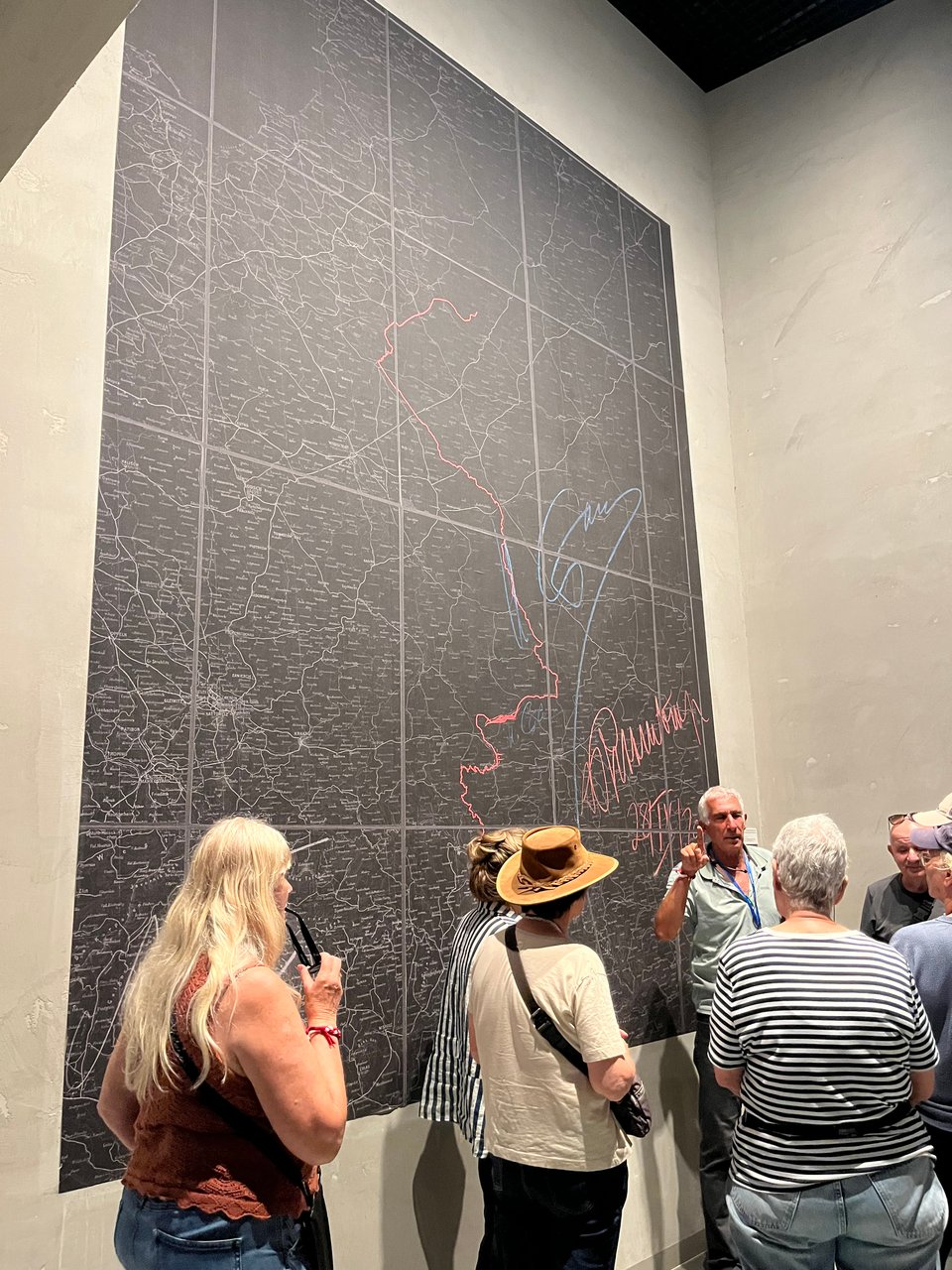
The museum included exhibitions of items found in the death pits. One that I found particularly affecting was this tie, made by one of the captives:
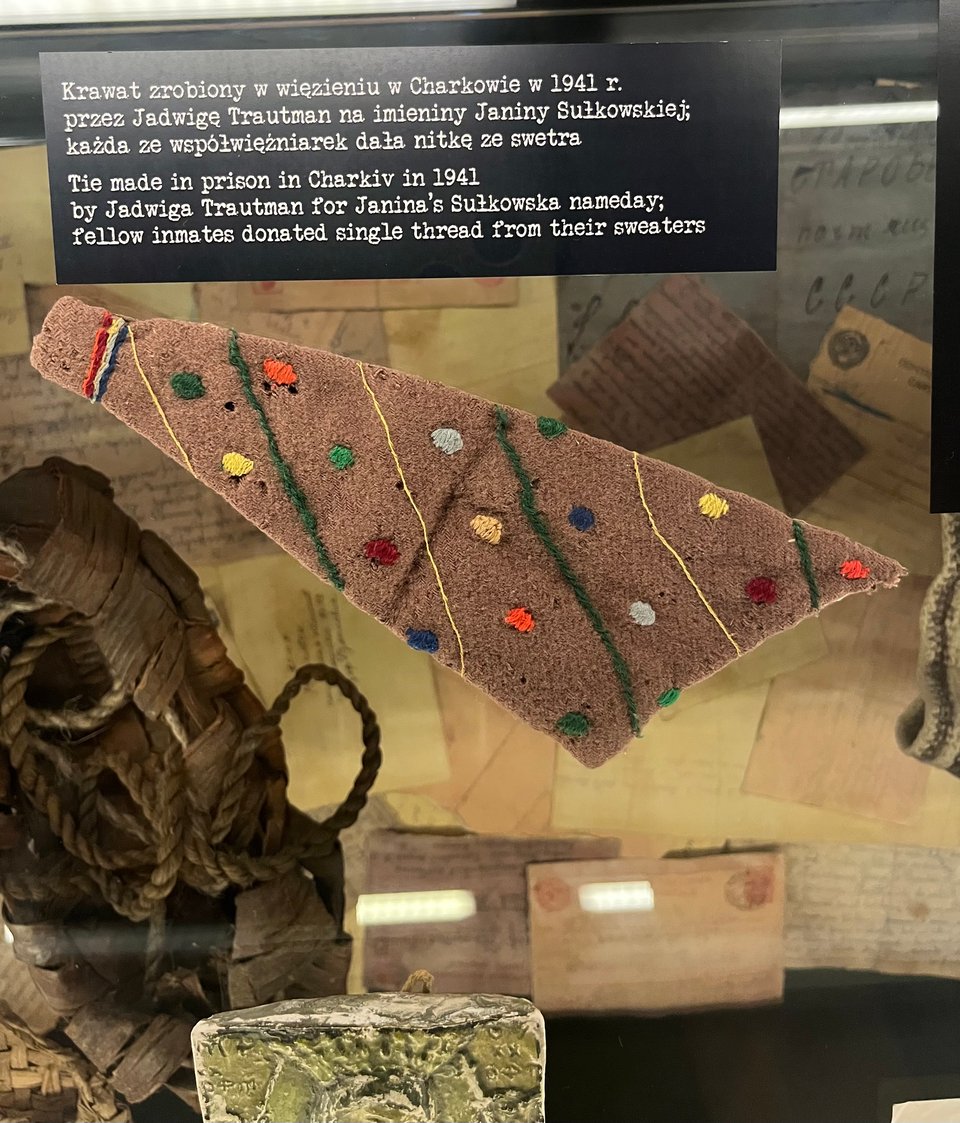
I learnt that it the Nazis, having by this point in the war turned against their former Stalinist allies, who discovered the Katyn graves. They tried to use this evidence as propaganda to improve public opinion of the Third Reich among the Polish population, who they sought to subjugate. The Soviet Union meanwhile were busy denying and spreading their own propaganda, claiming that it was the the Nazis who had done it.
The investigation commissioned by the Nazis was embroiled in the politics of who gets to tell the story. In a bi-partisan move, the Nazis invited people onto the investigation committee who were opposed to Nazi rule, and employed the internationally credible Red Cross for the exhumation and verification of remains. The museum had original copies of Polish language newspapers written by the Nazis with headings like “The Boundless Brutality of Bolsheviks: Soviet Army Massacres Whole Camp of Polish Officers”. The Soviets had their own propaganda pamphlets distributed throughout Poland right up until the 90s “explaining” how the Germans were at fault for the massacre. It was only in the 70s with the distribution of publications from emigrated Polish activists that more Poles came to learn the truth of the Soviet Union’s guilt.
Poles scattered around the world sought in their communities not only to cultivate the memory of their country but also to leave a lasting mark on its difficult history. […] The truth about Katyn, forbidden in the Polish People's Republic [under Soviet occupation] and silenced in the West, appeared on monuments in Adelaide, Toronto, Doylestown, New Jersey, and many others...
What was most shocking to me was that despite the overwhelming evidence of Soviet responsibility, international memorials and monuments for the victims were seen as controversial right up until the fall of the Soviet Union in 1990. For example, the British government banned active duty members from attending the unveiling of a memorial in 1976, fearing a Soviet backlash. A dozen British MPs still showed up; I imagine this is like Green Party MPs showing up to Palestine protests today.
This detail stood out to me because earlier this year, I had written to an Auckland local board in support of an effort to install a peace statue, which was rejected on a similar basis of not wanting to rock relations despite overwhelming evidence. The statue was to memorialise “comfort women”, the victims of Japanese sexual slavery during their occupation of Korea and many other Asia-Pacific countries, including many European women who were prisoners during WW2. The Devonport-Takapuna local board rejected the memorial on the grounds that it was (disappointingly but not surprisingly) opposed by the Japanese government. It seemed a very similar situation to Britain opposing Katyn memorials because the Soviet Union opposed it. After the 90s, Russia did take responsibility for their massacre and some Russians got involved in efforts to commemorate Katyn. Japan still officially denies their military-industrial sexual slavery, and fails to teach this to the Japanese public.
Mulling by the river
With this veritable banquet of food for thought after the two museums, I mulled this all over while biking along the greenway beside Vistula river. Many people were out jogging, cycling, walking, pushing prams and wheelchairs.
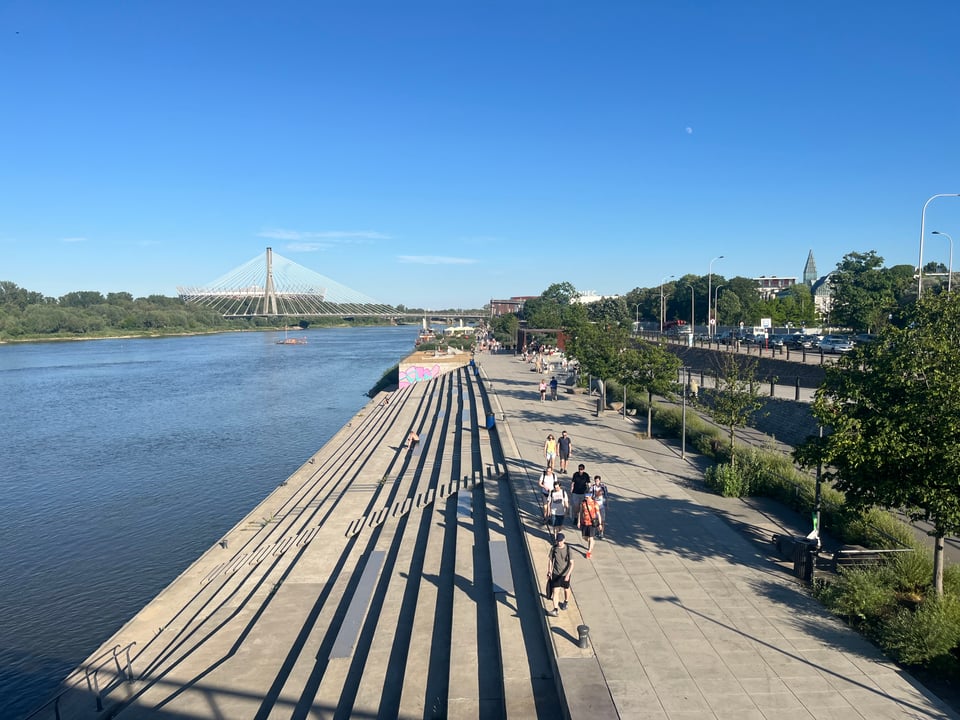
Warsaw is a very bike-friendly city, with excellent cycleways. I had my own bike, but their public bike-rental system is also easy to use. It’s all free, including the e-bikes, for the first 20 minutes which is usually how long it takes to get to most places in the center city, and only a few dollars after that. Their tram is also very convenient for getting around.
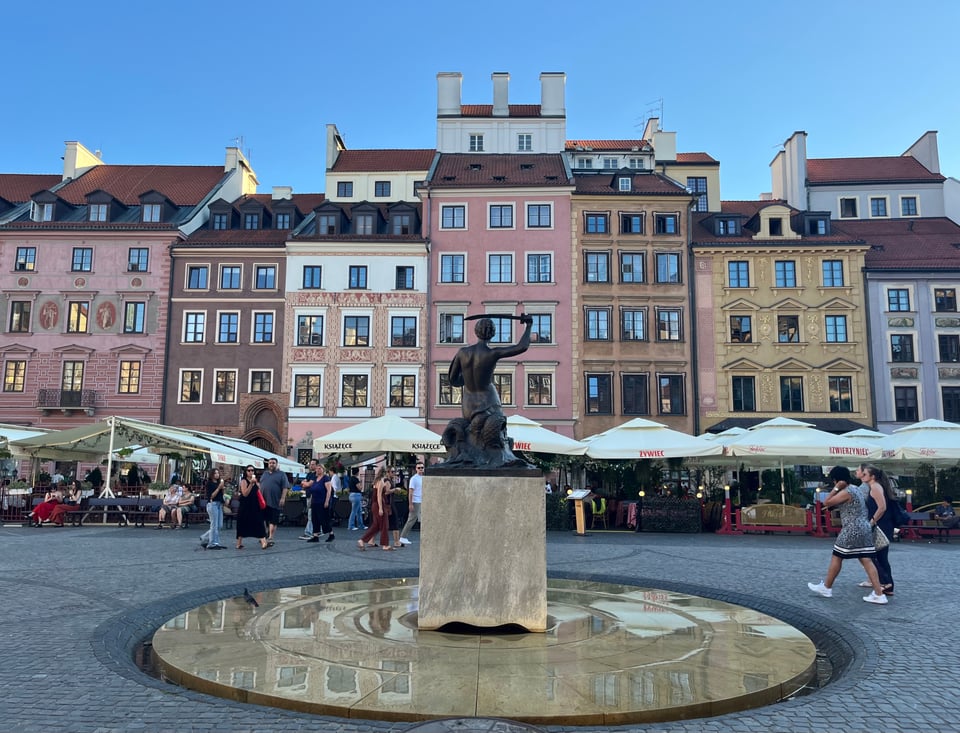
My meandering led me to the main square of the Old Town, with its pretty cobblestone streets and brick castle turrets. Ferg was still sick, so I got takeaway from an Uzbek restaurant to bring back (still on my trying-unfamiliar-cuisines buzz). We enjoyed the spread of qurutob (a kind of salad with strips of bread), manti (dumplings) and lagman (pulled noodles, actually Uyghur cuisine).
After dinner, it was still light and I was itching to see more of the city so I went for bike ride along river again at 10pm-ish. The sunset and the cooler temperature transformed the city, with people sitting around the riverfront drinking, chatting, biking, and walking. I sat on the newly opened pedestrian Magdalena Abakanowicz Bridge watching the stars pop into existence for an hour, read my book while listening to a busker for another hour, then stumbled into an outdoor salsa dance for another hour. While I would have preferred to have done all this with Ferg, I tried to embody Main Character Energy and just enjoy it.

History and stuff at Malbork
We were ready to give it all up and blob in the Warsaw apartment for a week. But we had many recommendations from his Polish relations and they were vigorously opposed to us "only" being in Warsaw (and seeing them in Starzyna), even though I thought it was a perfectly lovely way to spend a week in Poland. The next morning, Fergus was feeling okay to travel, so we got on a train from Warsaw to Malbork, a small town half an hour before the coastal city and tourist hotspot of Gdańsk. The Castle of the Teutonic Order in Malbork is the biggest castle in the world and, as Fergus likes to tease me:
Me: (reads that it’s the biggest castle in the world) Wow, and it’s made of brick! Does that mean it the biggest brick castle in the world?
Fergus: Uh, yes Jenny. It is the biggest castle in the world so it is also the biggest brick castle in the world. It’s also the biggest European castle in the world, the the biggest Teutonic Knights castle in the world, and also the biggest orange castle in the world.

The audio guide was like an immersive Dungeons & Dragons walk-through with sound effects and all. Despite that, and the obvious epic-ness of it all, I was somehow so sleepy that I was literally nodding off on my feet. So I can’t say I remember a lot of the history that was mentioned, which was extensive.

The overall impression was one of stolid functionality, both as a place of defense, and as an ascetic living space for the crusading Teutonic knights who lived there permanently. Bedchambers and dining areas were simple and communal, and the only extravagance in decor was of religious and/or political symbolism. I suppose that does add up to the vibe that a frat of militant monks would go for. Gilded excess, if any, was reserved for St Mary’s Church in the heart of the High Castle (the inner, most protected part of the complex), a breathtaking sanctuary of religious architecture. Fergus had been to Malbork Castle before, but it is still in the process of restoration from extensive WW2 damage. The High Castle had only been completed in 2016, so it was nice to experience a lot of it for the first time together.
Gdańsk
We had convinced Ferg's relatives that we didn't need/want to speed-run both Kraków and Gdańsk since we've both been to Kraków, but I hadn't been to Gdańsk before and I had heard a lot of hype about this city, so I was glad we were able to visit.
After Malbork Castle, we caught a 30 minute train. When I hopped off the train, I could immediately see the appeal. The city is built on the North Sea among canals of the rivers. The sea breeze and the lack of visible skyscrapers gave the place a laid-back, quaint feeling, even though it’s a city of half a million. The architecture was very different, reminding me of other canal cities I'd seen in photos like Amsterdam or Copenhagen. I often forgot that I should still be speaking Polish.
Our two nights here were pretty low-key, with the exception of the two extremely high-key museums we visited (much more on that later). Food was mostly supermarket meals (addicted to the $1 balls of mozzarella), milk bars (cheap traditional cafeteria food from the communist era, their classic tradie’s lunch), and trying various recommended baked goods which were yum but too sweet for us: pączki (jam donut) and jagodzianki (blueberry bun).

Upon strong recommendation from Maja, Ferg’s distant cousin, we prioritised visiting two “must-see” museums. They met and exceeded all expectations - I would now agree that these are the absolute top two things to do when in Gdańsk, possibly Poland, probably in this order:
WW2 museum
European Solidarity Centre
WW2 museum
FYI a lot of really heavy topics here including death, murder, war crimes, rape, starvation, etc.
This huge underground museum is a massive feat of historical communication. 5 hours was not enough! It is an extremely informative, comprehensive, and well-presented journey on WW2 from origins to aftermath. While I was aware of most of the key events, the design of the exhibits and the interviews and artefacts on display were extremely immersive. The language used was at times strongly emotive (bordering on subjective/persuasive language) but overall it is such an excellent curation of history in the city where it all started - Gdańsk is the city where the first shots of WW2 were fired.
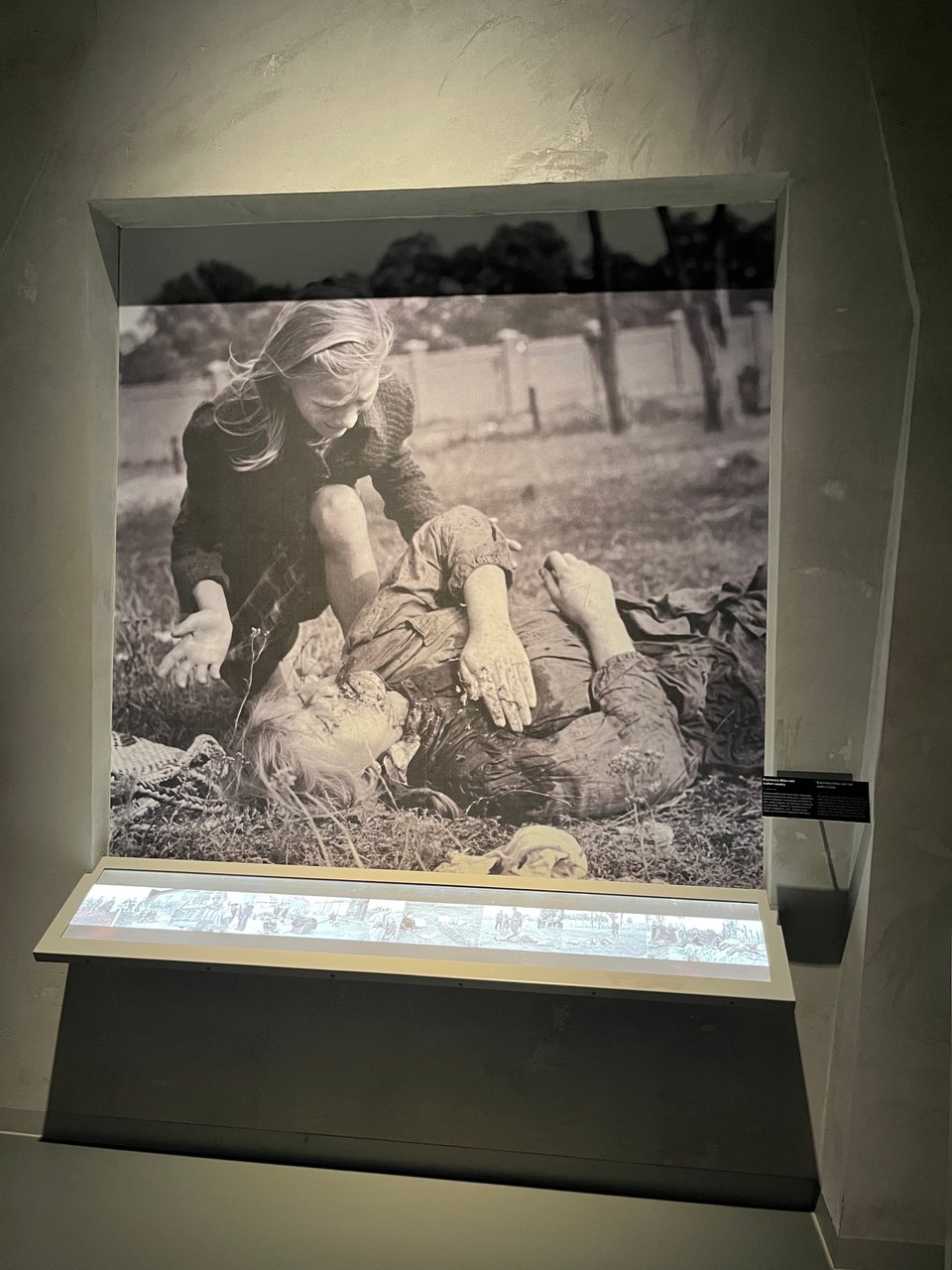
Many of the photos and videos - children crying over dead family members, parents crying over dead children, cities completely reduced to rubble - were so similar to recent news footage that all of us can see from our mobile phones - Gaza, Tehran, Kyiv, Aleppo. It seems crazy that we are inflicting this destruction all over again, with so many common threads, for the same hind-brained reasons: bulldozing homes, killing or forcibly removing millions of families from those homes, building new developments, moving settlers in, hoarding land and resources. The exhibits showed German propaganda about Poles being inferior and incapable of governing a prosperous country as justification for their invasion. This seemed very similar to American and British views of the Middle East or Africa - exploiting/colonising/enslaving/bombing, then saying they can't govern on their own and need "help".
Another common thread is the West’s reluctance to openly condemn, sanction, or really do anything about aggression. Great Britain did nothing during German and Soviet aggression in Eastern Europe, and this meant the war was able to expand until it was at their doorstep. GB and USA are unwilling to do anything to curb (or even halt their funding of) Israeli settler-colonialism and look how that is going as the violence expands to Lebanon, Iran, Syria.
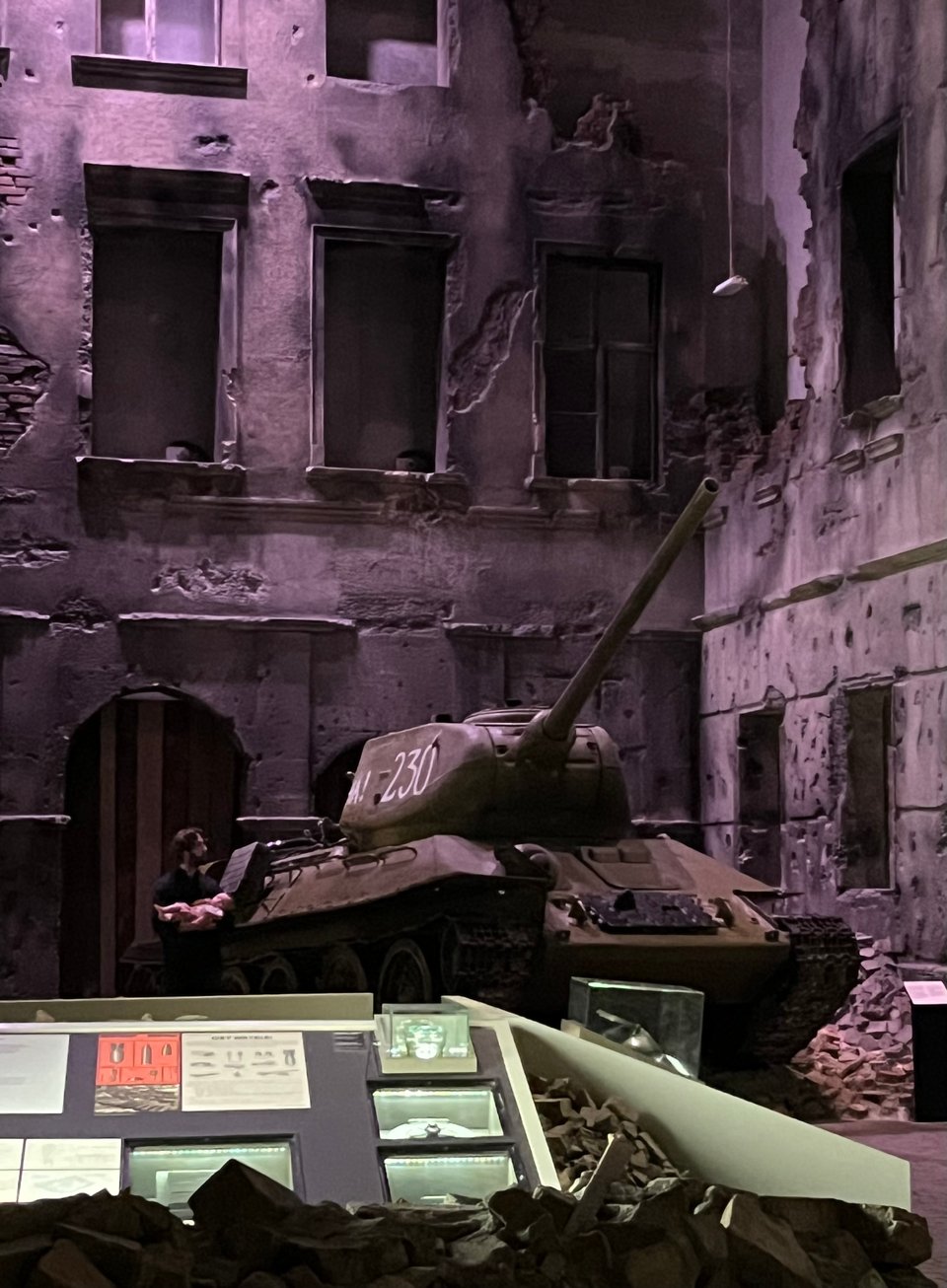
I skimmed through the extensive exhibits of weaponry, tanks, planes etc. which I find not only upsetting but also uninteresting, that we would put so much of our engineering skills and resource towards how to most effectively kill each other. A section that was upsetting but also actually interesting was a dark room with the words of the Articles of War covering a high wall. There was the sound of an orthodox monastic choir chanting for mercy from God in the background. The next room focused on all the ways that the rules of war were broken during WW2, a long list of war crimes committed by all sides.
One focus was on the deliberate starvation of civilians. Particularly appalling was the diary of Tanya Savicheva, a 12 year old girl in Leningrad. It was beseiged by Germans and over a million civilians starved to death. The glass display showed her crayoned diary entries, stating week after week that her sister, grandmother, brother, uncles, and mother had died, in that order. “They are all dead. Only Tanya is left.”
During WW2, there was deliberate starvation all over Europe and Asia. Cutting off essential civilian supplies was a common tactic, even though it is a war crime. This tactic is used by Israel today, forcing starvation on the people who live in the beseiged city of Gaza and opening fire on desperate families heading towards food drops on the rare occasions when supplies are let in.
During WW2, underground resistance couriers risked their lives to report on the terrors like this, that were happening in occupied territories and in Holocaust concentration camps. Today, we have journalists in Gaza literally livestreaming their experiences (until they are targeted and assassinated, another war crime), and yet most people and politicians in the "free" West do nothing. Why must we wait for millions to be starved, displaced, killed, and, if lucky, for their story to survive and be put in a museum, for us to finally agree that what is happening is wrong and must stop?

The museum didn’t skimp on Japan’s role in WW2 and their war crimes either, which are usually glossed over in most WW2 resources I see in the west. Although it was a smaller section, they included mention of the systematic killing of prisoners of war by using them as target practice, “comfort women” (kidnapped sex slaves for Japanese soldiers as mentioned previously), and Unit 731 which used prisoners as medical experiments and to test bioweapons for starting epidemics (link is to Wikipedia page; extremely graphic descriptions). After the war, Americans gave the Japanese scientists and so-called doctors in charge of these experimental units immunity from prosecution in exchange for their research findings. Japan still suppresses public education about this part of their history.
Interestingly, Gdańsk was hosting a conference on the Ukraine war on the same days we were there. There were many international delegates and heavy police presence. It was in the exhibit on the bombing of Hiroshima and Nagasaki that I coincided with four Japanese delegates from the conference (I could tell from the crossed Japanese and Ukraine flag pins on their suit lapels). I wondered how they found the experience. In general I wonder how diplomats think about these things, since it's their whole job to help prevent or end war. I should read some books by them (I'm currently reading On Freedom by Tim Snyder, but I'm very slow going because it's quite heavy).
As I was absorbing all this alongside the many other tourists from all over the world, I wondered how others were interpreting this information. Did they also see connections between these historical events and our world today? In one room while watching some footage behind Fergus and three other young men (two Poles, one American), I wondered if any of us in this room were going into our respective next elections voting for another's oppression. I mean, we know that a huge chunk of Americans support Trump, and a growing portion of Polish voters are supporting alt-right parties. Who would I have been during WW2 - an underground resistance member? A quiet, compliant Nazi enabler? A slave, a concentration camp inmate? - and what role do I play today?
I sometimes think these things in everyday life - does this person believe I don’t belong here? Does that person think my trans friend shouldn’t exist? I try not to think this way, because it feeds the spiralling feedback loop of political polarisation - speculation and suspicion, feeding the us/them mentality. Instead, I try to make conscious effort to focus on the shared experiences and common humanity. Isn’t it great that we’re all in a physical space together - a supermarket, a street, a museum, outside of our algorithms and news feeds and instagram photo spots? Isn’t it great that all of us took a day on our holiday to give our attention (our precious, commoditised attention) to this physical place that's dedicated to learning about the actions of our ancestors?
After this deeply affecting emotional marathon, I thought there would be some call to actions for how we as a global community can take an active part of de-risking repeats of such atrocities. However, there was only an interactive display where you could write your thoughts on a note. I tried not to be judge-y about the banal comments of “why can’t we just be nice to each other???”. Many seemed to feel similarly to how I felt, that we seem to have learnt nothing at all. Ferg and I agreed that the whole thing, this entire World War, felt so reactionary. So little of it looked like strategy, let alone thoughtful decision-making; as if the most destructive event of the 20th century was the result of a free-for-all tit-for-tat land grab from a few delusional men with too much power.
A few days later I read the book Careless People*, a whistleblowing account by a former exec at Facebook (who happens to be a New Zealander) about Facebook’s complicity in everything from the Trump election to the Rohingya genocide. It seems more destructive events are only a finger-twitch away in the hands of these, again, few delusional men with too much power.
*this is my top book rec of the year to date.

Against this backdrop of pessimism, I will remind you dear reader that we have lived through a long peace, which in itself is an achievement. While I don’t know what this new era of climate change and unbridled and hitherto unregulated AI will hold, we have all the ingredients necessary to forge a better path - common humanity, the shared ability for empathy and care, and more cynically, powers of storytelling that could be harnessed cleverly for an even longer peace. I maintain hope that through consistent efforts by citizens in learning, advocating, and being politically engaged, we can escape the worst of what modern warfare could do to this world. Ideally, we don't just escape the worst, but achieve the better. We have the means to transform global society into one of negotiation, diplomacy, and slower, deeper understanding and tolerance, rather than one of reactionary power grabs. This comes with the people - us - wanting and demanding this of from representatives, and holding to account warmongerers.
And now for a change of pace: a literal hip hop dance battle
I was very drawn to the heavy history of Poland, but I needed to balance it out with the energetic, progressive, modern Poland that has been rebuilt from the rubble. Ferg was still taking it easy from being sick, so after the WW2 museum I googled “best night activities in gdansk” and learnt that there was a street dance battle happening at 100cznia (pronounced “sto-chin-nyah”), the old shipyard which has been converted into an outdoor venue. With a banh mi from a container food truck in hand, I let myself get swept away by the enthusiasm of a young crowd cheering on their favourites in this dance battle.
The competition was open to any style of street dance, to be improvised on the spot to whatever the DJ played, with three veteran dancer judges. The final was between:
a) a stockily muscled breakdancer with not only all the typical spinning power moves, but great musicality; he would hit the beat with a sashay of his hips or a pop of his butt in between his acrobatics
b) a curvy woman in her 30s wearing a silk dressing gown over black work pants, who gave the impression of a jaguar with her decisive, almost dignified waacking.
During an intermission, there was a “one move competition” open to the audience. Among fancy one-arm handstands and flips, there was a lanky youth in a Ronaldo shirt who performed a drunken rolly polly. This portion was people’s choice, and he won thanks to the roars of amused beer drinkers.
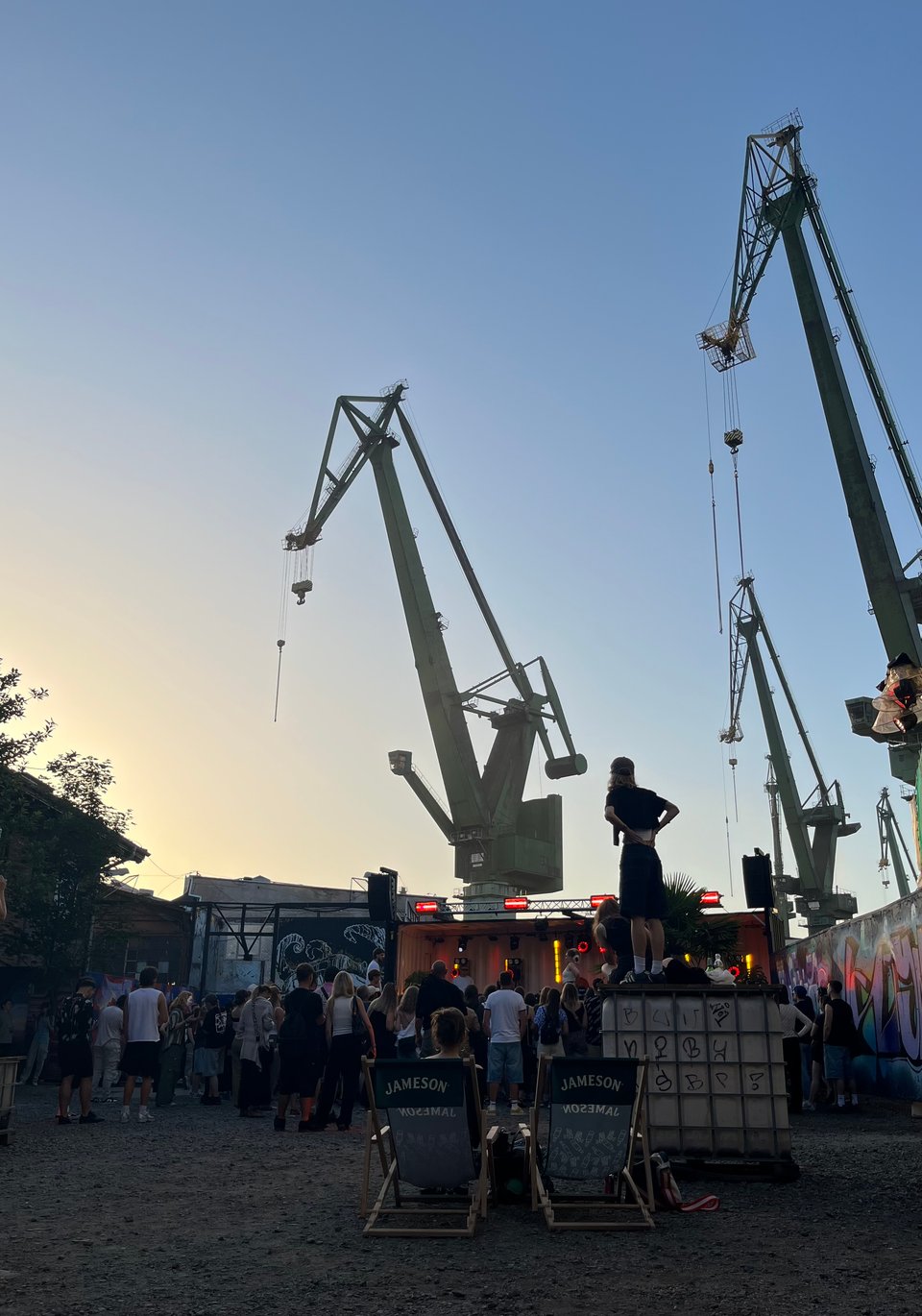
On my way home, I walked through the Old Town which was aglow with fairy lights and tourists. Buskers played fingerstyle guitar and classical violin among the splendid buildings. Norway was playing France in the FIFA, and I was one of many who stood outside various bars watching the game in snippets on their meander down the street.

European Solidarity Centre (Museum #2 in Gdańsk)
This second highly-commended museum illustrates how Gdańsk and Poland were (I learnt) the starting point for the fall of communism in Europe.

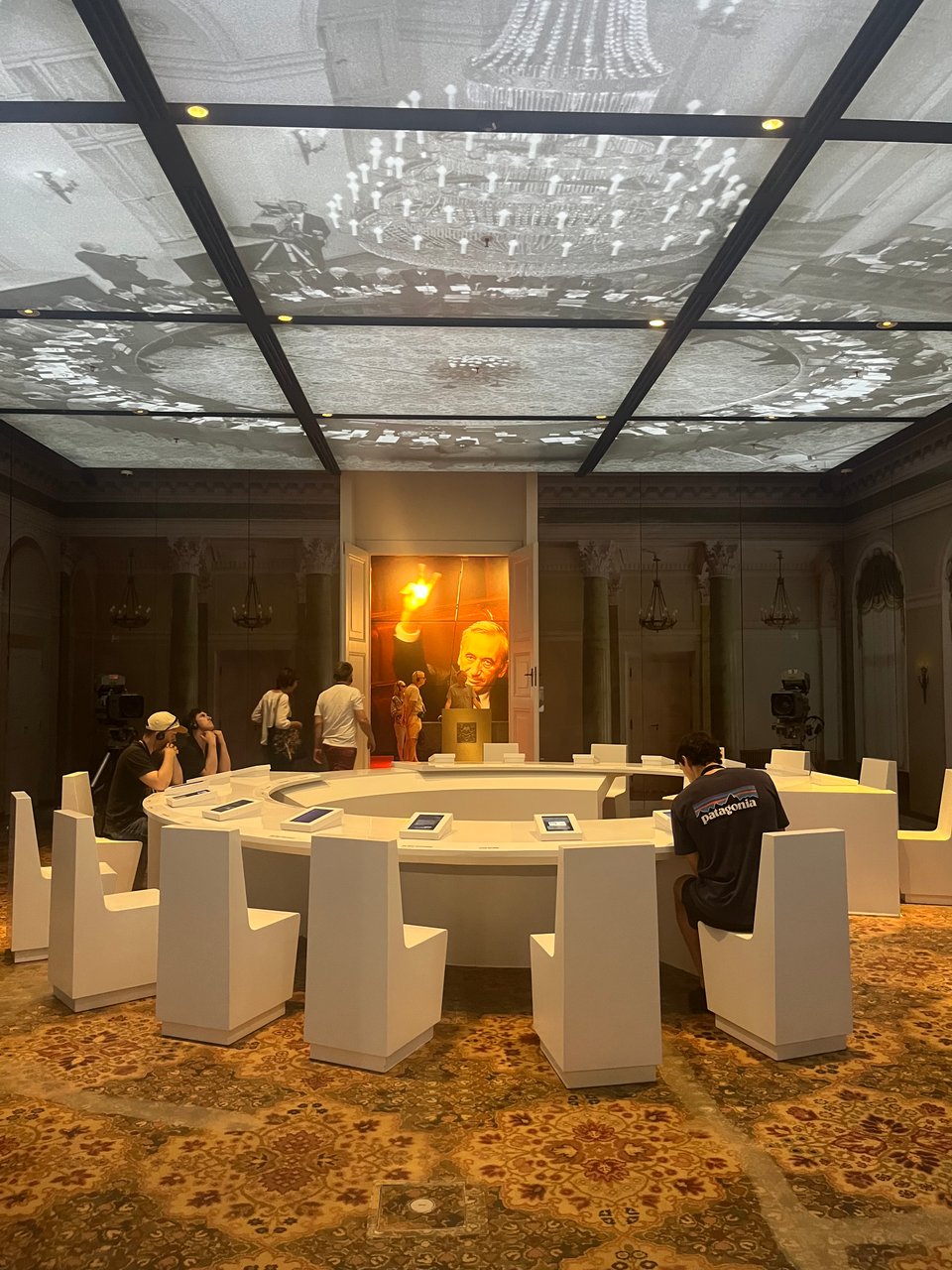
The museum largely centered around the history of Solidarność (Solidarity), a Polish trade union that originated in the Gdańsk shipyard (the same one that had last night's dance battle!). The union survived suppression and violent military crackdown, and eventually succeeded in peaceful negotiations with the then-Soviet-controlled government. They went on to secure Poland’s first free democratic election in 1989. As a party, they formed the first democratic coalition government in 1990, marking the end of military dictatorship in Poland and the beginning of democracy. What was remarkable was that this unravelling of Soviet rule in Poland happened through negotiation and diplomacy; not war.
That first shipyard strike was sparked by the dismissal of Anna Walentynowicz, a crane operator. The similarity with Rosa Parks struck me. Although a small unassuming woman on the outside, Walentynowicz, like Parks, was actually a seasoned activist who was well versed in resistance, negotiation, and how to handle herself during intimidation. She knew the context, knew the accurate measure of her power, and saw the chance to turn a small spark into a movement. Opportunity comes to those who are prepared, and all that.
The exhibition was extensive, and I made some notes on lessons from the historians and veterans of the movement as a separate post.
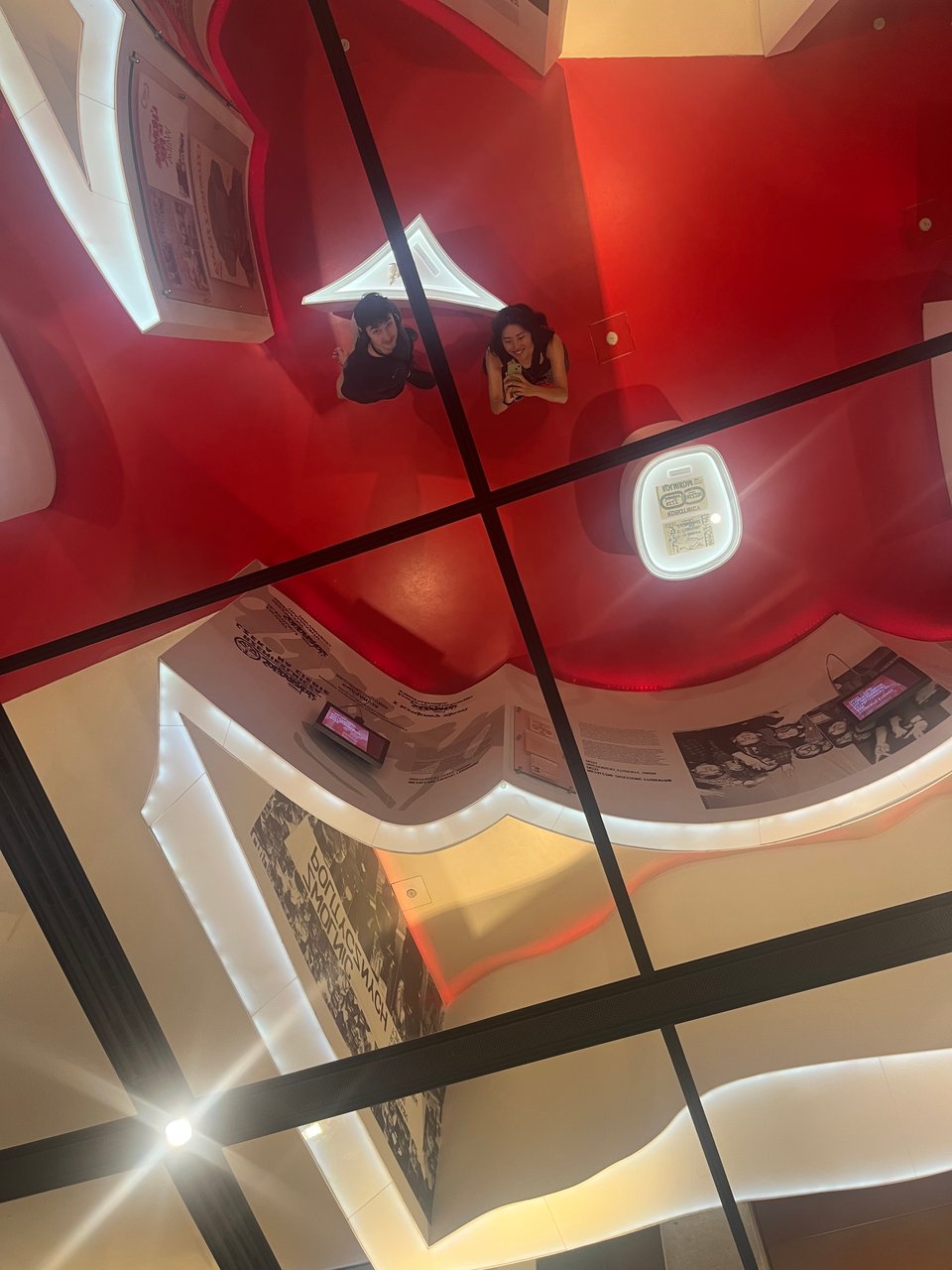
The idea of underground education interested me, as it seems similar to grassroots journalism and public education. E.g. what the government is failing to provide in terms of accurate information, policies, and recommendations on climate change, organisations like Rewiring Aotearoa and Climate Club fill that niche until such a time when we have enough voters among the populace that can vote in a government with science-backed policies. Fortunately, we are not persecuted for this and can do it in public, rather than in hiding.

Solidarność organised itself out of these shipyard strikes, gaining 10 million members in a few years. They had allies all across the country, engaging in acts of passive resistance like laying flowers in the shape of symbols of support, musicians and actors boycotting the censored radio and tv stations and instead playing small shows in homes and churches, Solidarność banners appearing in football stadiums (much like Free Palestine flags being waved by Celtic football fans). Overseas, many countries organised “Solidarity for Solidarność” associations and coordinated aid and demonstrations, maybe like Palestinian Solidarity Network Aotearoa except with big government backing. I’d say these overseas movements were supported by the western governments not because it was the right thing to do, but because it was in their political best interest to undermine Soviet communism (to the point where the CIA donated millions to Solidarność).
Once Solidarność had broken through the military dictatorship and secured a free election, they ran a huge volunteer postering campaign for their new party with much fewer funds than the incumbent party, and won in a landslide. This set the example of a peaceful transition to democracy which many other countries followed, leading to the dissolution of the Soviet Union.
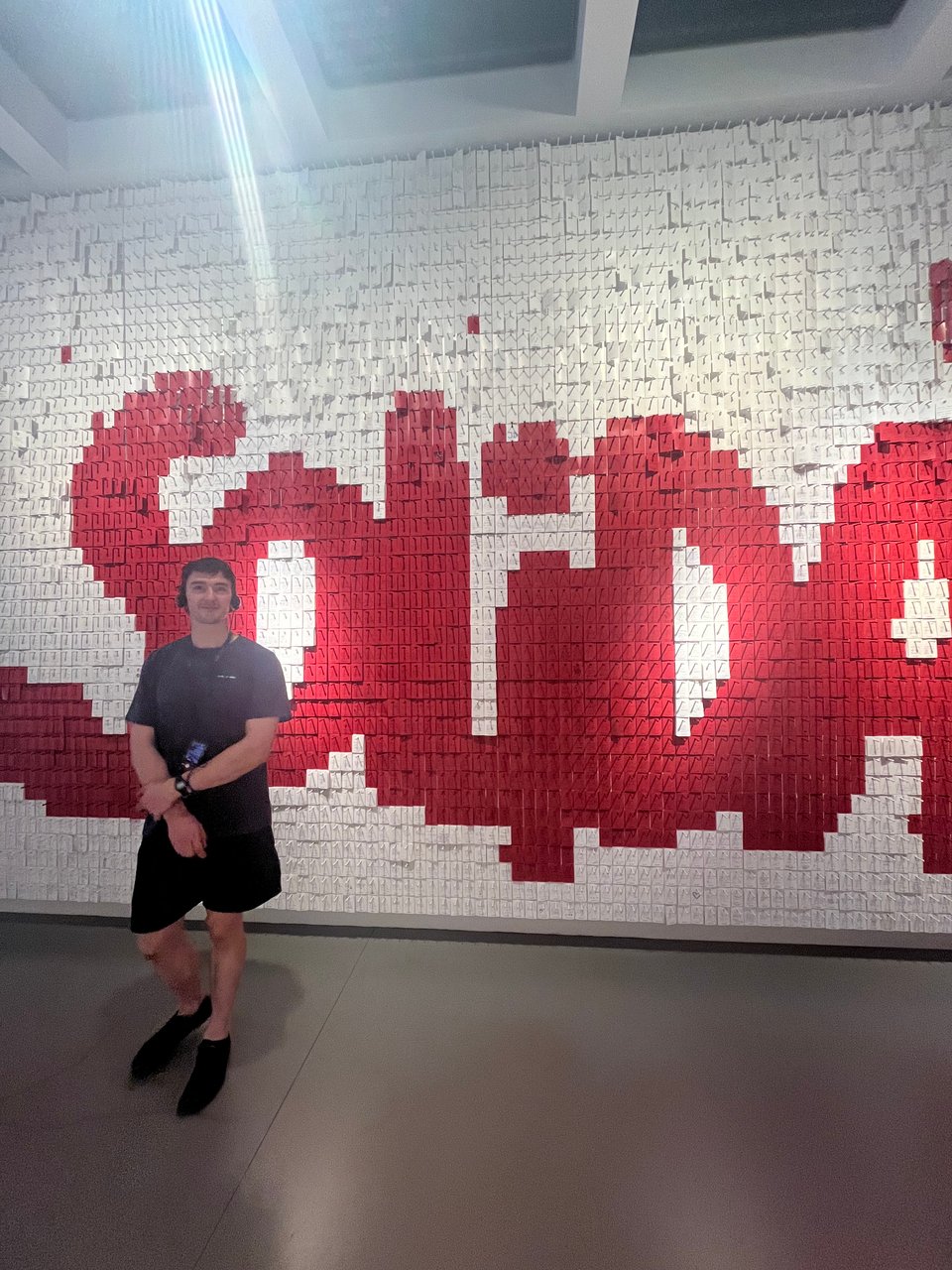
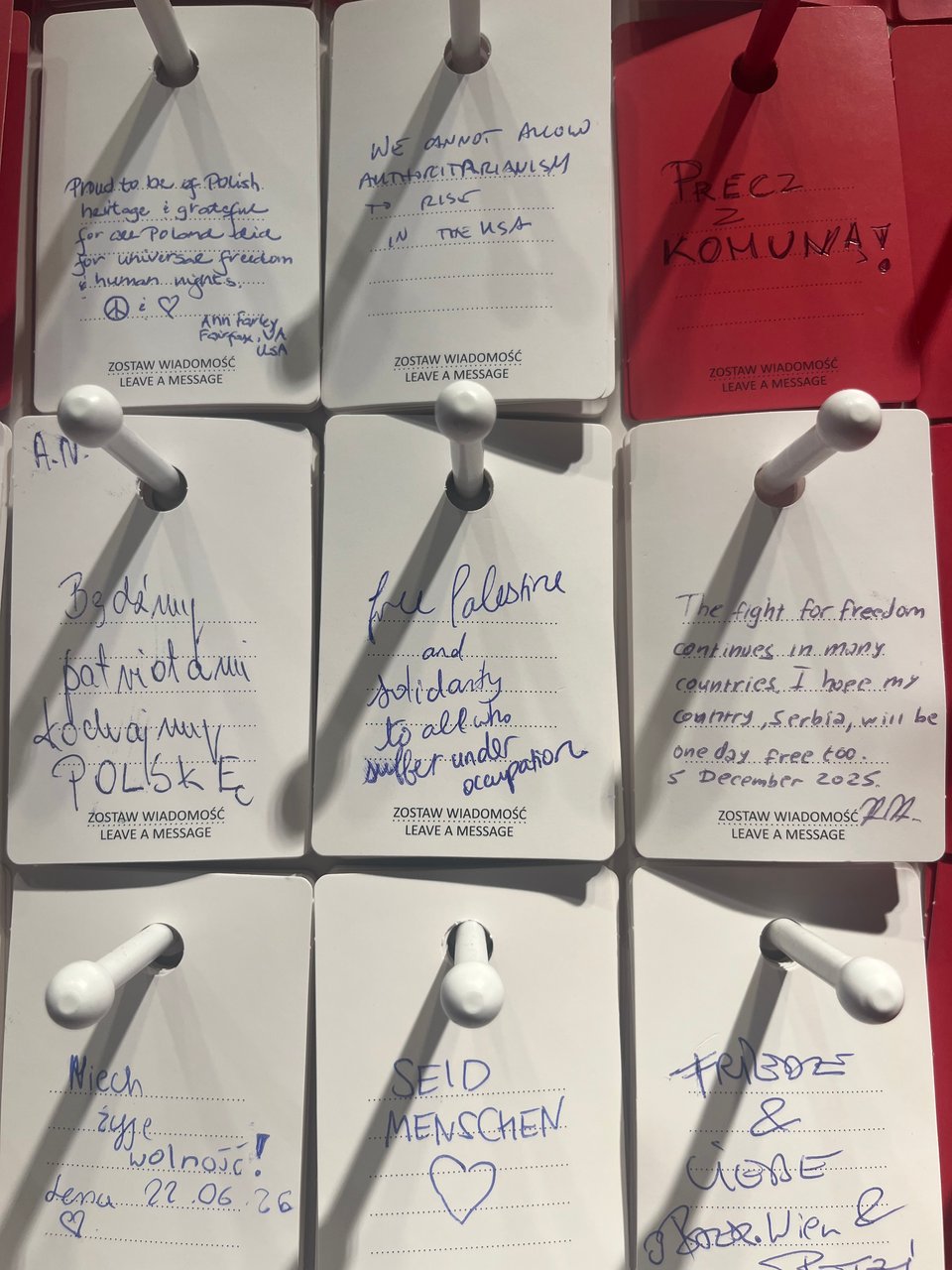
Starzyna
It was a priority for us to visit Ferg's great aunt Malgosia, who was at their house in Starzyna. Her and Jurek live there over the summers, a tiny pretty village like the ones I had been cycling through in lower Silesia, except this one is right on the Belarusian border. It is so close that sometimes our phones would jump forward an hour, switching to Belarusian time.
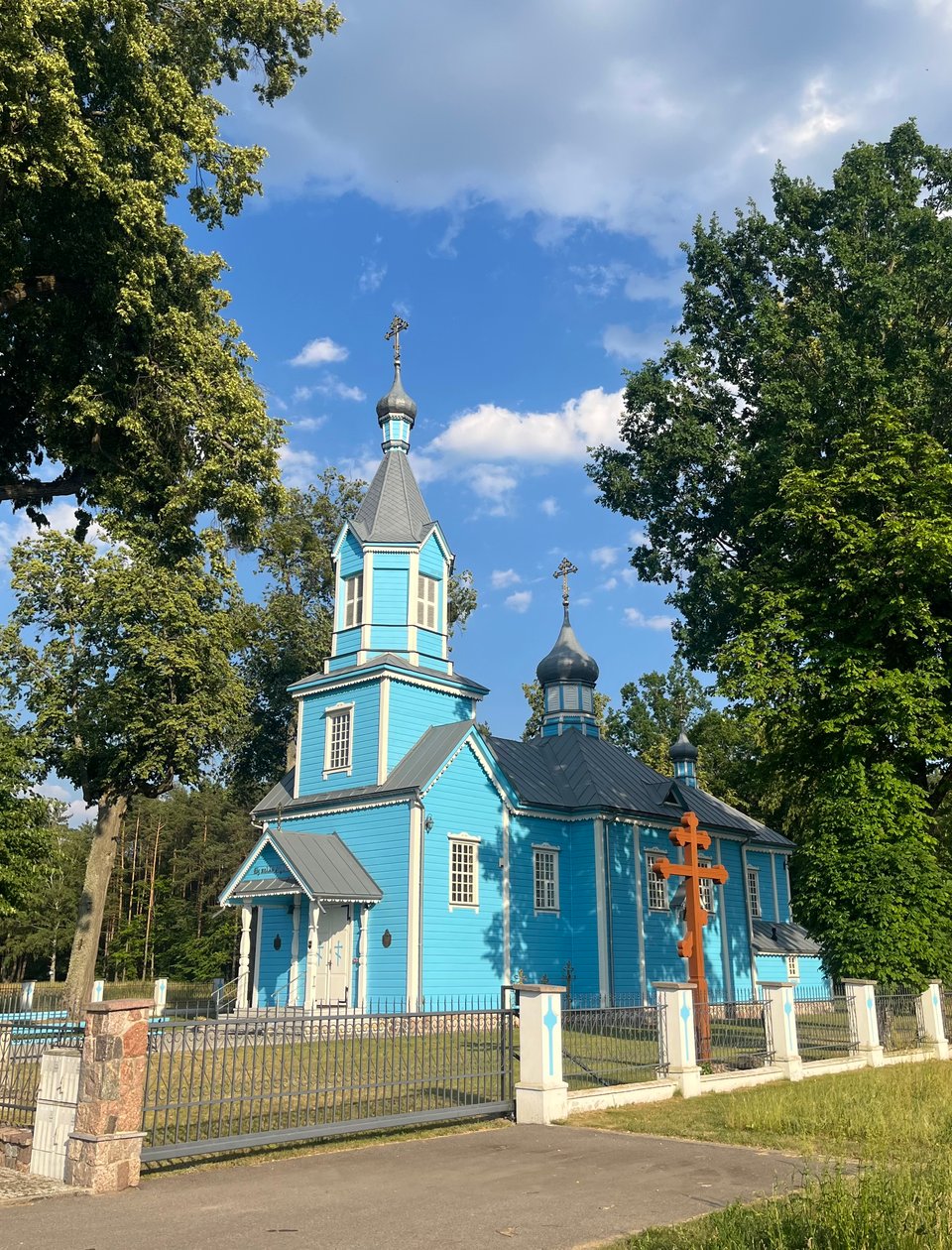
It was a slow, charming, bucolic couple of days. Each morning, we ate a “country breakfast” of veggies from garden and local cheeses. Fergus had got up early and accompanied Malgosia to the farm where he saw the goats and sheep being milked, and bought milk and cheese directly from them. It was a heatwave, but it was a few degrees cooler here near the forest than in the city.

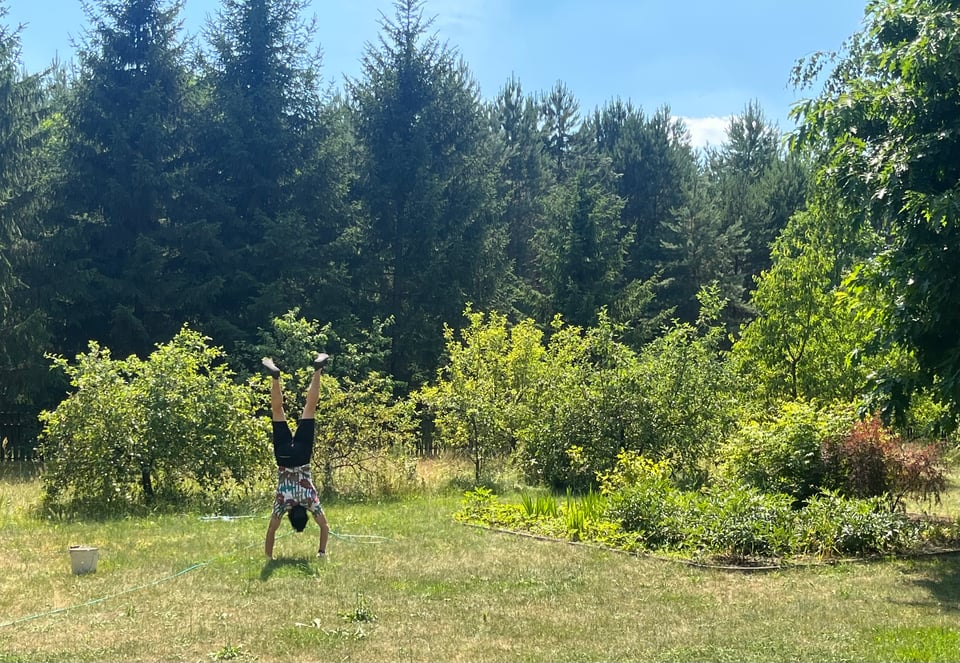
Starzyna is also where Ferg's great-great-grandfather and his family had lived before the various tragedies of war, invasion, and land confiscation. What's left of their estate, an old house and stables in disrepair, still remains surrounded by overgrown forest. We saw their old graves, and met some distant cousins, Malwina and her husband Rafa (unsure of spelling, sorry Rafa!) who are professional architects and builders specialising in heritage buildings - they have taken it on to restore the house. A huge tricky project but it was wonderful to see the progress - it was already liveable enough that their young family would spend summer weekends there!
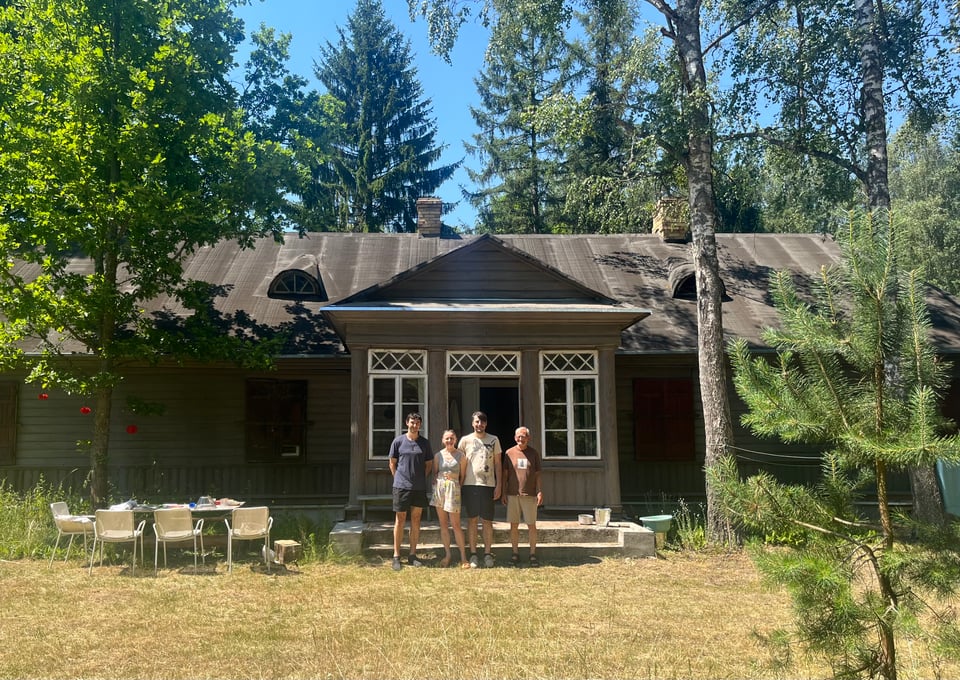
Other things we did in Starzyna:
Ate like tsars at a hotel restaurant called Carska, the former summer residence of a Russian tsar
Walked through Białowieża national park, where the Russian tsar had once built a magnificent palace (now burnt down)
Looked out for roaming European bison (called żubr) but didn’t see any
Went for a run-bike (Ferg running, me biking alongside) saying hi to villagers on front porches and street benches
Saw lots of border police and military vehicles. There had been recent tensions on the border with Belarus with refugees seeking asylum (it is actually a horrible situation). I took my passport with me everywhere, but they only gave us friendly waves. It was a weird feeling knowing how different their reception would be, had I had darker skin.
Visiting this part of Poland had a kind of symmetry - me in rural Poland with Ferg's elderly relatives, like the times Ferg has been in rural Korea with my grandparents. I see a lot of parallels between Poland and Korea, two peoples relentlessly clawed apart by the tug-and-pull of greedy neighbours. Cultures like that have a lot of han (한).
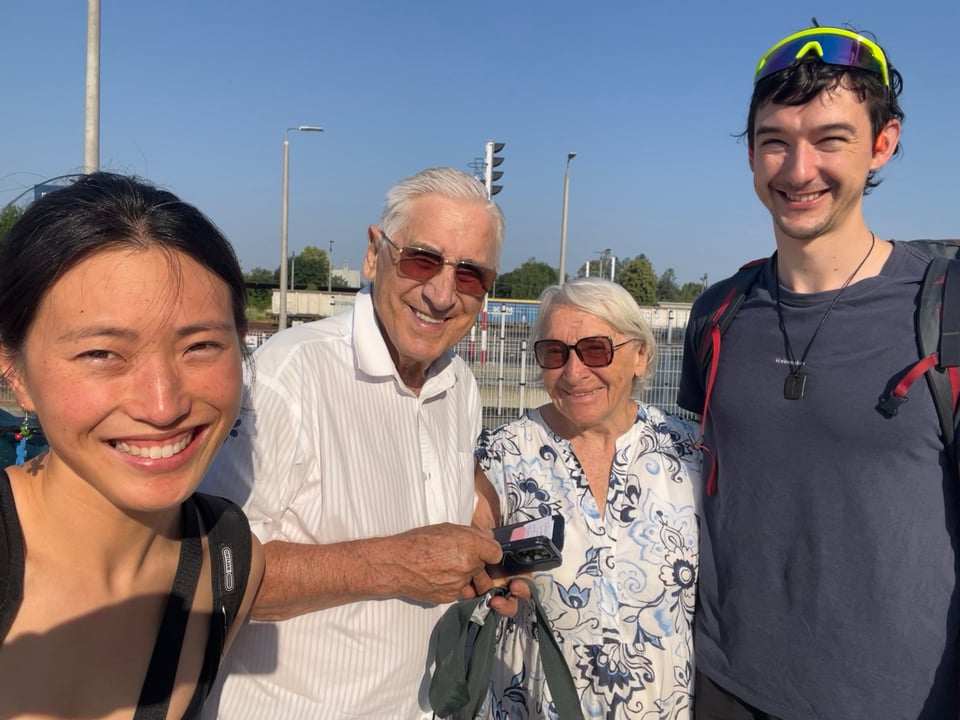
Last view of Warsaw
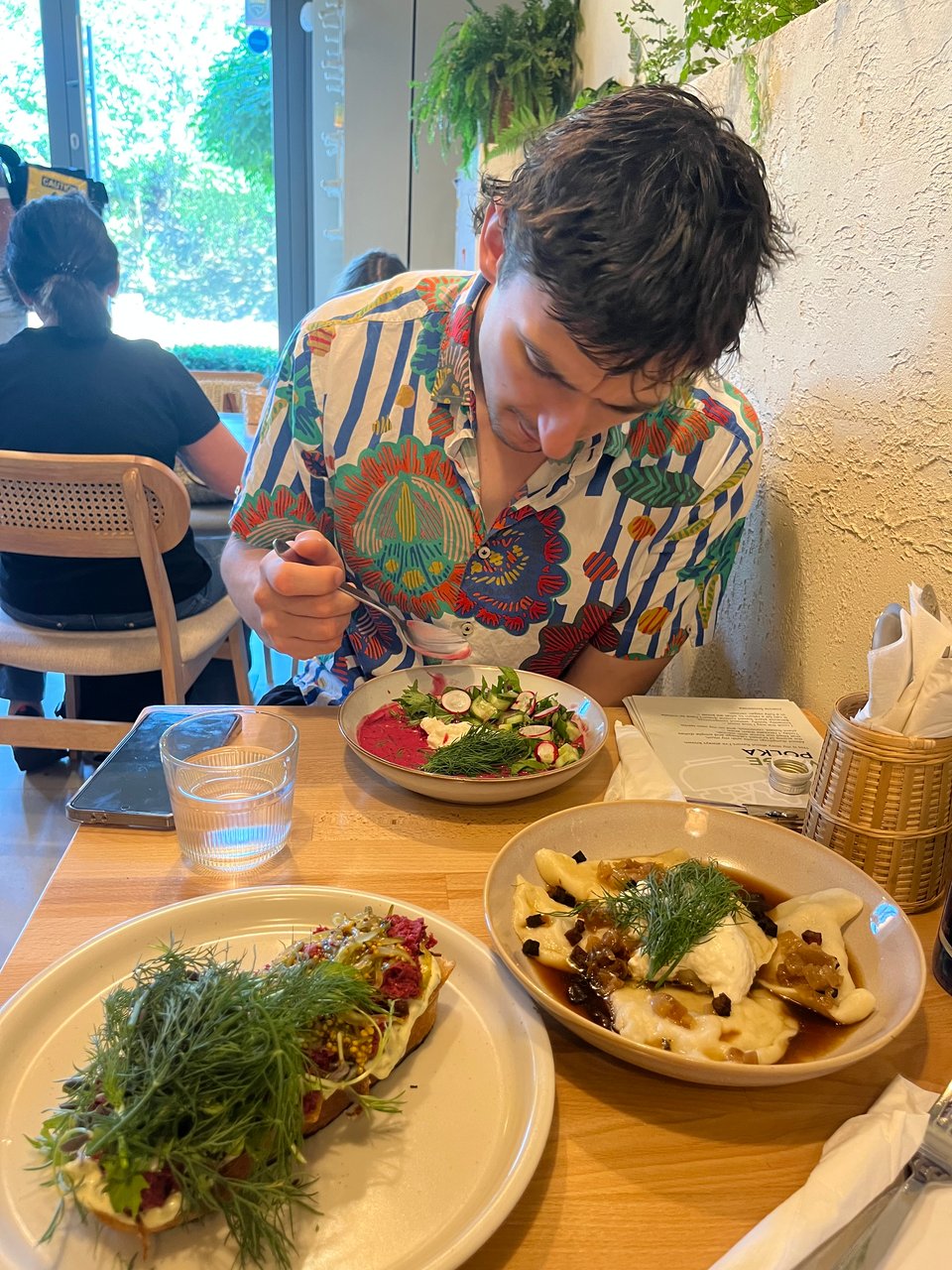
Back in Warsaw, we spent our last day looking for two bike boxes, a terrible way to spend a heatwave (long story on why I felt I needed two). We did find an excellent vegan Polish restaurant for lunch, Wege Polka, which was probably the only reason we didn't divorce right then and there. After eventual success in locating boxes, and a dumpster dive into a skip at a Mitre 10-esque shop for plastic wrap/bubblewrap, Ferg hid in a gym for 4 hours while I cut, sellotaped, and packed the boxes down to Ryanair max size and weight limits, the worst arts and crafts project of my life.
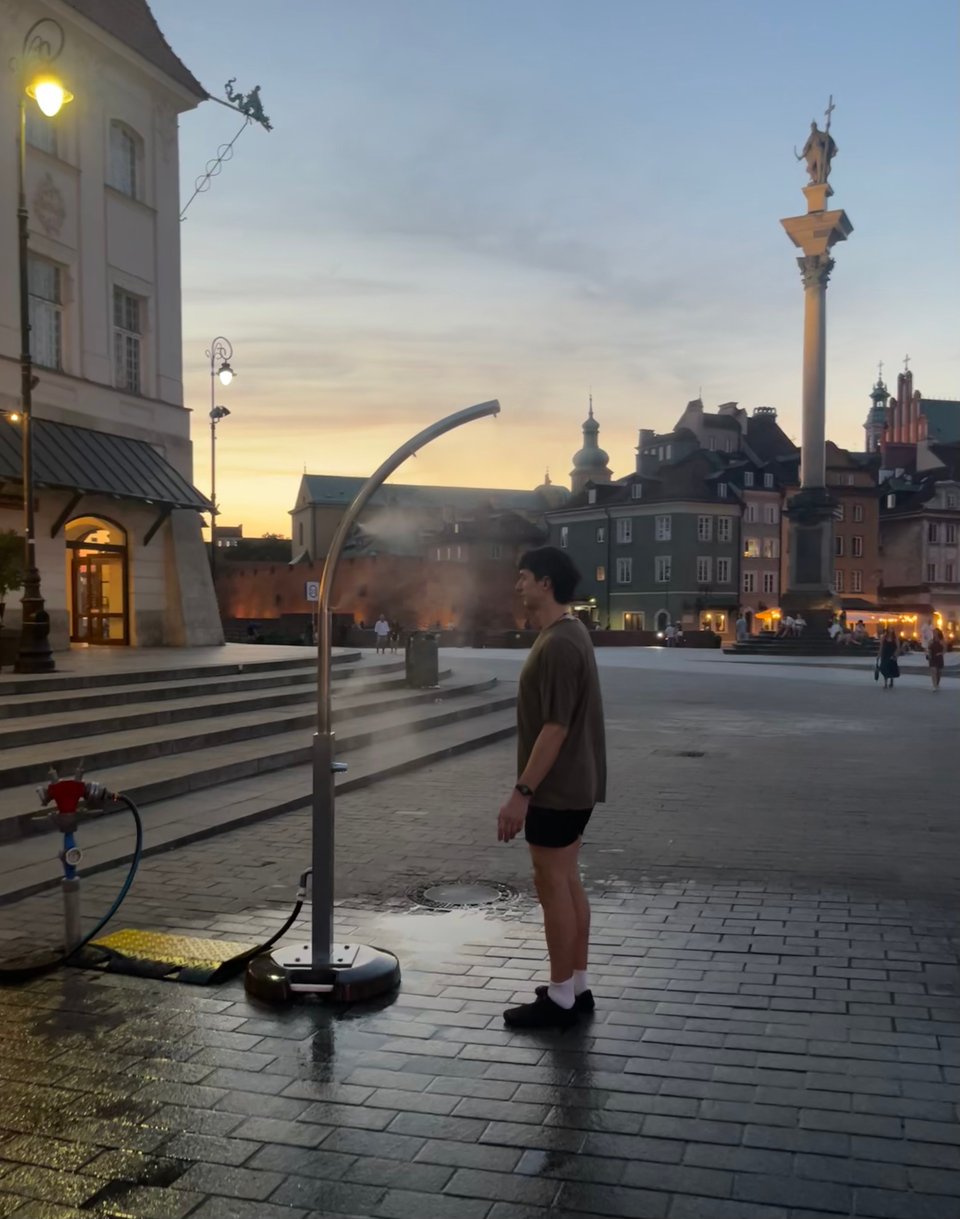
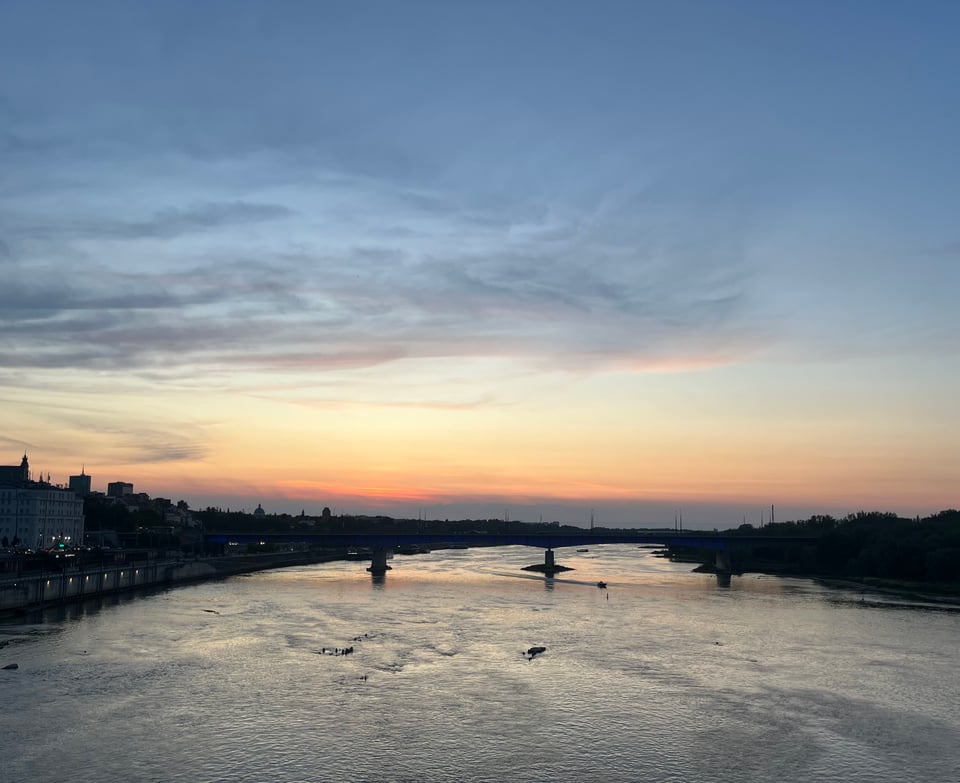
Even though we were exhausted, hot, and testy, we went for a walk along the riverfront to try make the most of our last night. Despite dinner at a ridiculously overpriced tourist restaurant, the golden hour was beautiful and it soothed our frayed nerves, grateful for having this time together here. I thought yet again how much I liked this city.
Reply: