
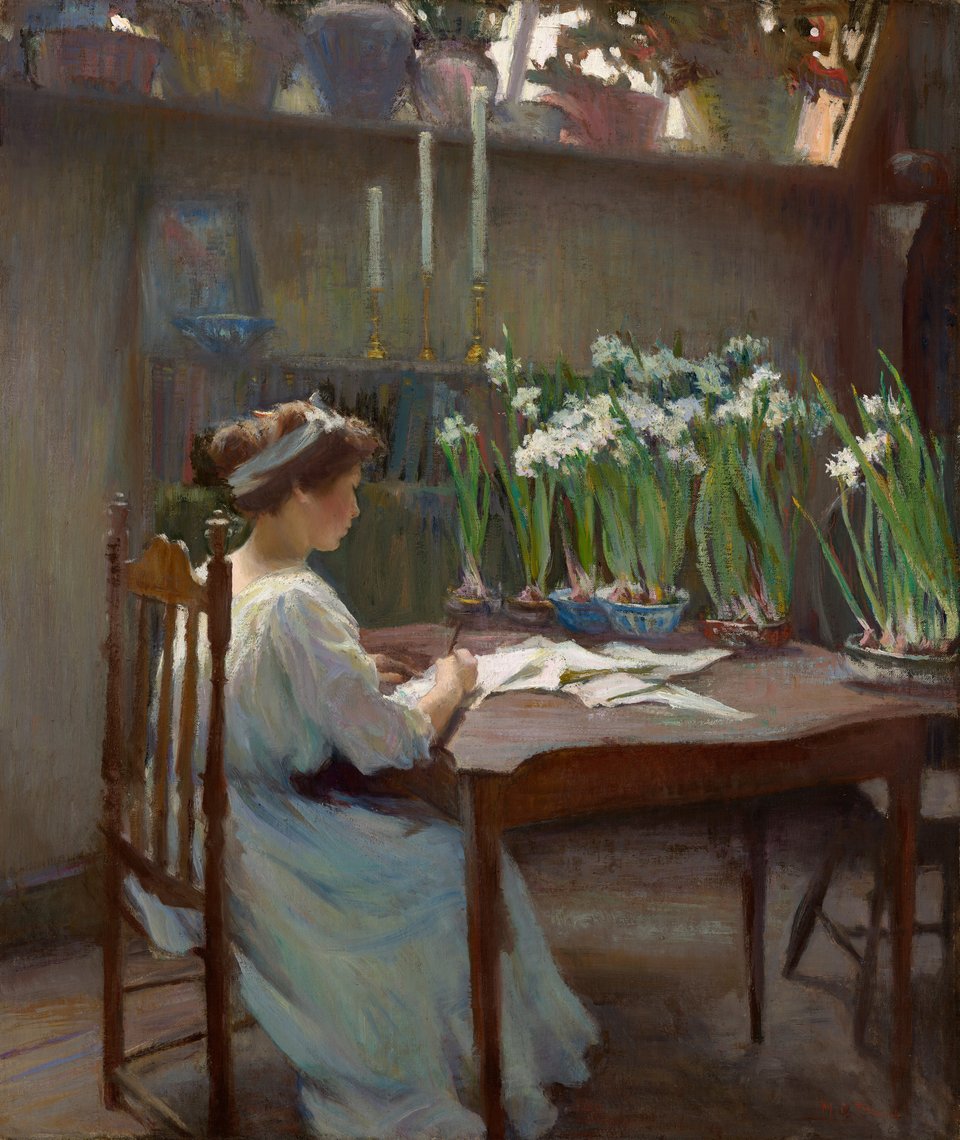
Hello everyone! A short one as I head off for a writing retreat this weekend. I’m enormously lucky to be able to take two days away from other responsibilities; there were times in my life when I wasn’t able to do that, so I don’t take it for granted. When I had a newborn, my partner and I would spell each other off for an hour or two and I’d use my time to go to a coffee shop to write. This winter, I’ve got two weekend-long retreats planned, which is really helpful given my return to a day job.
Herewith, Kate’s six top tips for a a creative retreat if you can manage it — and how to adapt them to a 15-minute version if you can’t.
Get out of town. Being physically distant from the dirty dishes is key. If your retreat is 15 minutes, shut the door and put a sign on it. In the Discworld books, when Granny Weatherwax goes travelling in spirit and leaves her body behind, she has a sign that read “I Ate’nt Dead.” This sign is appropriate for the writing retreat at home: you appear to be present, but you are not, but this is not a reason for anyone to panic.
Go with at least one writing friend. It may seem paradoxical to get away from it all with other people, but the other people are key, at least for me. The presence of another writer working in the same room will save me from checking my email. Plus it’s just nice to hang out with friends. If you can’t borrow a friend physically for your 15-minute version, a Zoom call or text check-in is OK too.
Silence during writing times, but conversation before and after. Having even a few minutes chat with another person who’s also working on a creative project is very energizing.
Fresh air, healthy food, hydration, good sleep, moving the body from time to time. I know, blah blah blah. Annoyingly, it helps.
Something beautiful to look at. For me this weekend, it will be the Ottawa River. It can be a favourite piece of art, a cat, a flower. For the longer-than-15-minute retreats, I also pack a good book.
Know your limits and your pace. I tend to get way, way more done on writing retreats than at any other time, but our creative and mental capacity will not necessarily match the number of hours we have free for writing. It’s partly about energy, but for me it’s mostly about the fact that every paragraph I write is supported by a whole lot of daydreaming. Once my drafting has gone past my daydreaming, it’s like a car outdriving its headlights; I have to stop. On retreat or not, I’ll hit a wall at about 3,000 words per day, if not before. Once I hit that wall, I stop and I take a walk or read my book or chat with any friends who have also hit their walls. Maybe a few hours’ break will allow me to do a little more that day, and maybe not. I do have writer friends who can just keep going (I even have one friend who’s written a novel in three days), but we’re all different. The goal is to make good progress, whatever that looks like for you.
Since March, I’ve been writing more slowly and sporadically than I ever have in my adult life, but it’s OK. Giving myself permission not to write has helped me heal up in some crucial ways, so that giving myself permission to write all weekend feels exciting rather than daunting. I have the most excellent writer friends anyone could wish for, and a laptop that is so close to non-functional for anything internet-related that it’s practically a typewriter (but less noisy, crucially for this situation). See you on the other side.
You just read issue #74 of Kate Heartfield's Newsletter. You can also browse the full archives of this newsletter.