2026-1: How Long You Think that You Can Run that Body Down?
The other week I watched a documentary on Hanoch Levin, one of Israel’s most prominent playwrights. One of the episodes focused on his satirical work, which constituted the initial cause of his fame — in the wake of the 1967 war, he wrote a few plays and satirical cabarets lambasting Israel’s bloodthirsty euphoria and death-for-death’s-sake mindset. As one might expect, these works were not, shall we say, warmly received by the general public; the productions were plagued by formal and informal censorship, the audience accused him of “sabotaging national morale,” and theaters were reluctant to give him work because of the response, prompting him to pursue a more broadly existential, though no less probing, direction. I was less familiar with Levin’s satirical work, so seeing this I was equal parts vindicated and horrified: on one hand, the exact same arguments I make about Israel and its army nowadays, Levin was making sixty years ago; on the other hand… Christ, these arguments have not lost a single bit of their validity, sixty years on. It’s one thing to feel like you’re right, and another thing entirely to feel like you’re right but there’s no hope of anyone doing anything about it.
All of which is to say, my country is at war again, and it feels stupid to talk about anything other than that, but I’ll try.
WHAT I’M WRITING
Comics
So far in 2026 I’ve published three new comics.
The year’s first comic is “Pookie Pooch in ‘What’s for Dinner?’”, which marks both my reunion with Roger Langridge—whom I absolutely adore, and whom I last collaborated with on “A Load Off” in 2024—and, on a more personal note, my first autobio comic. The funny thing is, when I had the idea for the two-track format, the first thing I thought to myself was, Man, this is fun, it’s just a shame I don’t really have anything interesting to talk about in my life… followed by Oh, yeah, there is the one thing. I’ll let the comic speak for the rest of it:
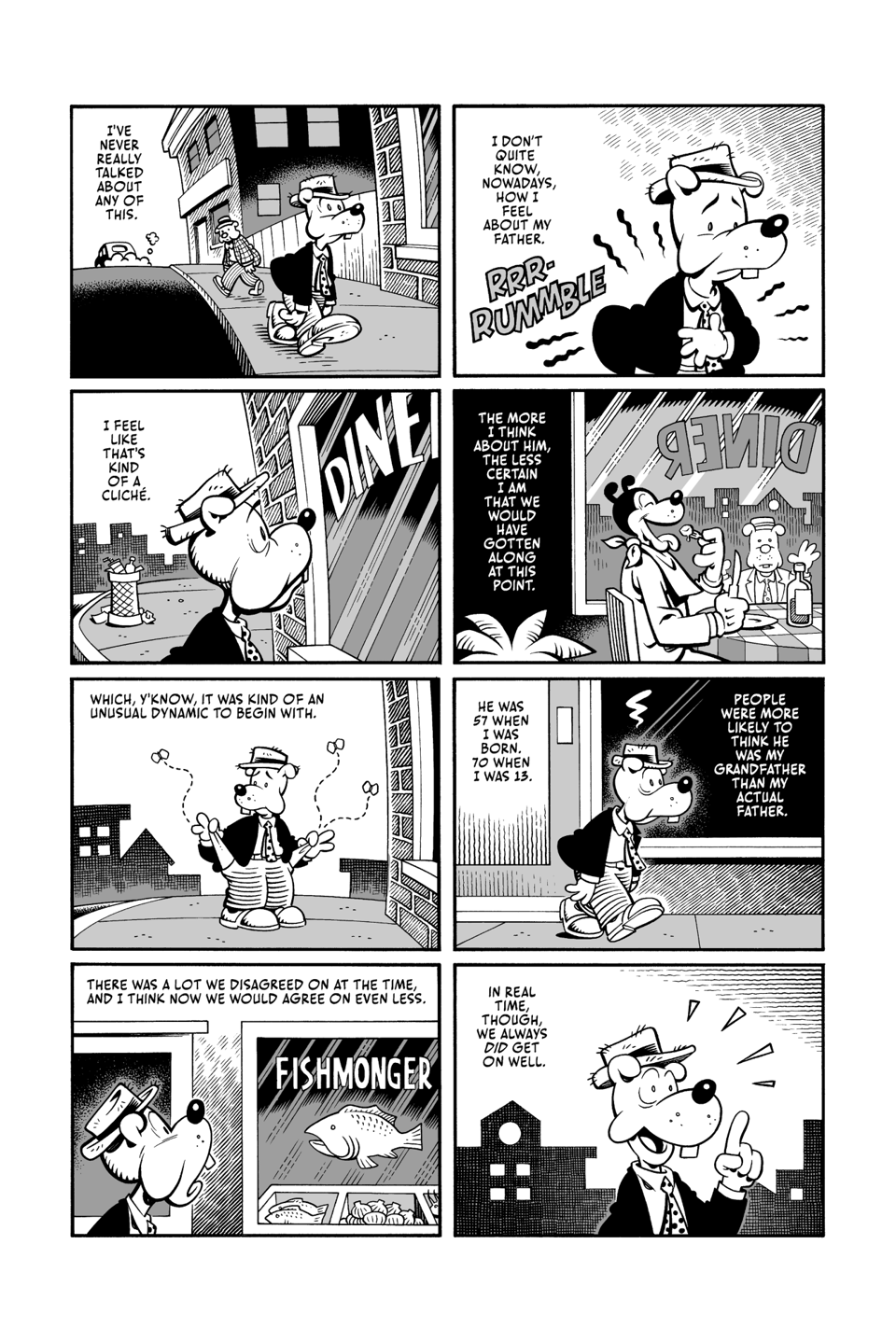
You can read “Pookie Pooch in ‘What’s for Dinner?’” on Bluesky, Instagram, and Itch.
The second comic of the year so far, “Coconino Love Story,” was drawn by the brilliant B. Mure, and features some familiar faces:
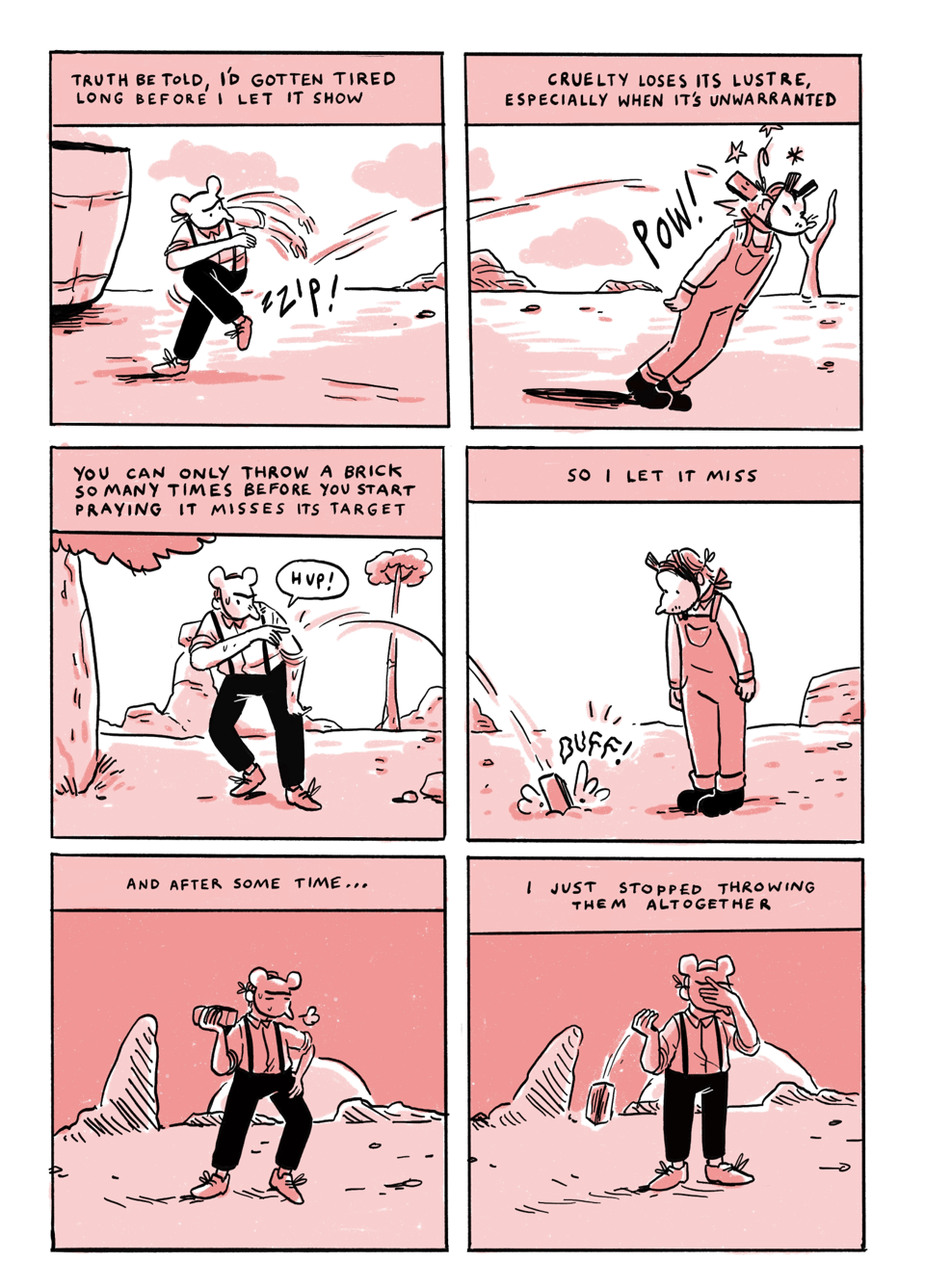
This is kind of a funny one, in the sense that I wrote it with the explicit knowledge that it can be read in two very different ways. On the one hand, there is the straight, these-are-the-characters-this-is-their-story approach; on the other, of course, there is the choice of characters — that the two main characters are borrowed from a comic still lauded for its formal inventiveness and freshness, and are now being written and drawn in a sensibility far closer to the constrained literary immediacy of turn-of-the-millennium comics, giving it more than a whiff of ironic distancing… whether or not this manages to say anything at all, I’ll let the reader decide, mostly because starting to analyze one’s own work is a sign that one might be too far gone.
This one, too, can be found on Bluesky, Instagram, and Itch.
The third comic, “My Former Friends,” is, in essence, an uninterrupted monologue drawn by Paul Jon Milne, whom I’ve wanted to work with for ages. I’ve previously compared Paul to Ted McKeever, so naturally I seized the opportunity to work up a nasty little number with him. Here’s the first page:
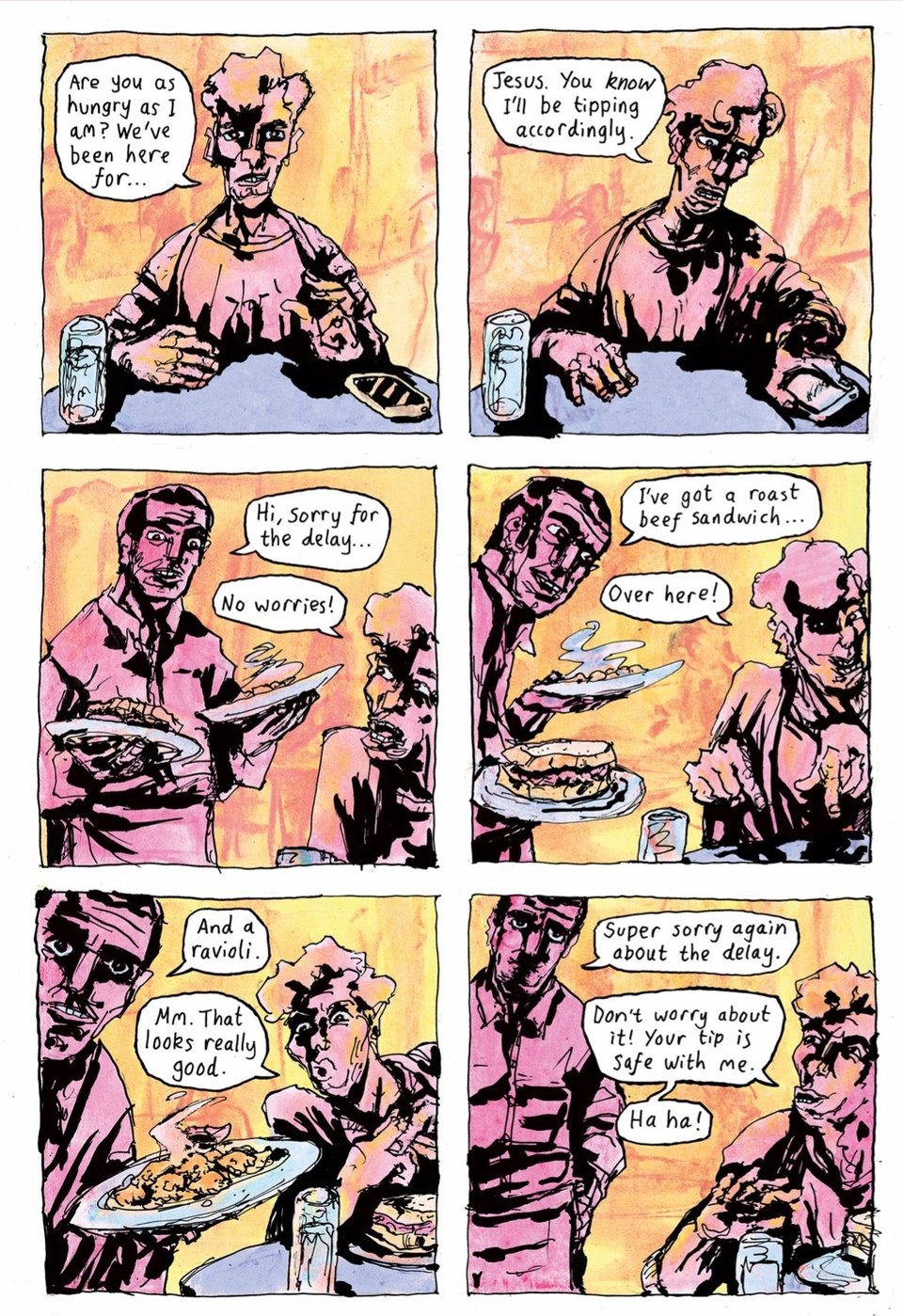
The rest, as always, on Bluesky, Instagram, and Itch.
(Tangent #1: the direct-address monologue is, unintentionally, becoming a recurring conceit for me; you’ll see it in a couple more comics in the foreseeable future. Whether or not that is a ‘tease’ depends on whether you consider that exciting or plain tedious.)
(Tangent #2: I promised myself a while back that once I have about 200 pages of finished comics I’ll start reaching out to publishers about possibly, potentially, putting together a proper collection, as I have neither the logistical wherewithal nor the mental bandwidth to go about self-publishing. As of this writing, I have upwards of 150 pages, with several dozen more on the way soon. That milestone is getting closer and closer. Aah!)
Criticism
Since my last newsletter, I’ve published several pieces of criticism. For TCJ, I wrote about Eike Exner’s Manga: A New History of Japanese Comics (Yale University Press, 2025), a book I found frustrating in its broadness and its tendency to make mention of certain elements without elaborating on them in requisite detail. I also wrote about three comics I picked up at Thought Bubble: In the City by Karl Christian Krumpholz (self-published, ongoing), Mollusc by Nadia Schlosser (self-published, 2025), and Another Way Out by Carol Swain (Dark and Golden, 2025). Of the three, the latter was the highlight, and I got a chance to expand on my very specific approach to lettering dialogue (and how it differs from written dialogue in prose). Slightly outside the normal realm of criticism, I published a roundup of photos from Vision and Labour, the Avery Hill exhibition in Harrogate’s Mercer Art Gallery.
For SOLRAD, I wrote about Takano Fumiko’s Miss Ruki (tr. Alexa Frank, New York Review Comics, 2026), and about the tension between its status as a de facto sitcom, with the status-quo stillness that this implies, versus its seeming desire to progress and develop in plot; I also wrote about Basket by Marie Derambure and Paco Moccand (Lucky Pocket Press, 2025), a book with beautiful cartooning and a frustratingly dull approach to character work, and about Olivier Schrauwen’s minicomic 29,000 Years of Bad Luck (Bries, 2014), which serves as both a contra and a complement to Schrauwen’s later longform work.
Coming up next are pieces on:
The Dead are Awake and Walking by Dave Gibbons (Dark and Golden)
Paul Auster’s New York Trilogy: The Graphic Adaptation by Paul Karasik, Lorenzo Mattotti, and David Mazzucchelli (Pantheon, 2025)
A Drifting Life by Tatsumi Yoshihiro (tr. Taro Nettleton, Drawn & Quarterly, new edition: 2025)
Sethphemera by Seth (Maquina de Aplausos, 2025)
Precious Rubbish by Kayla E. (Fantagraphics, 2025)
WHAT I’M READING
Comics
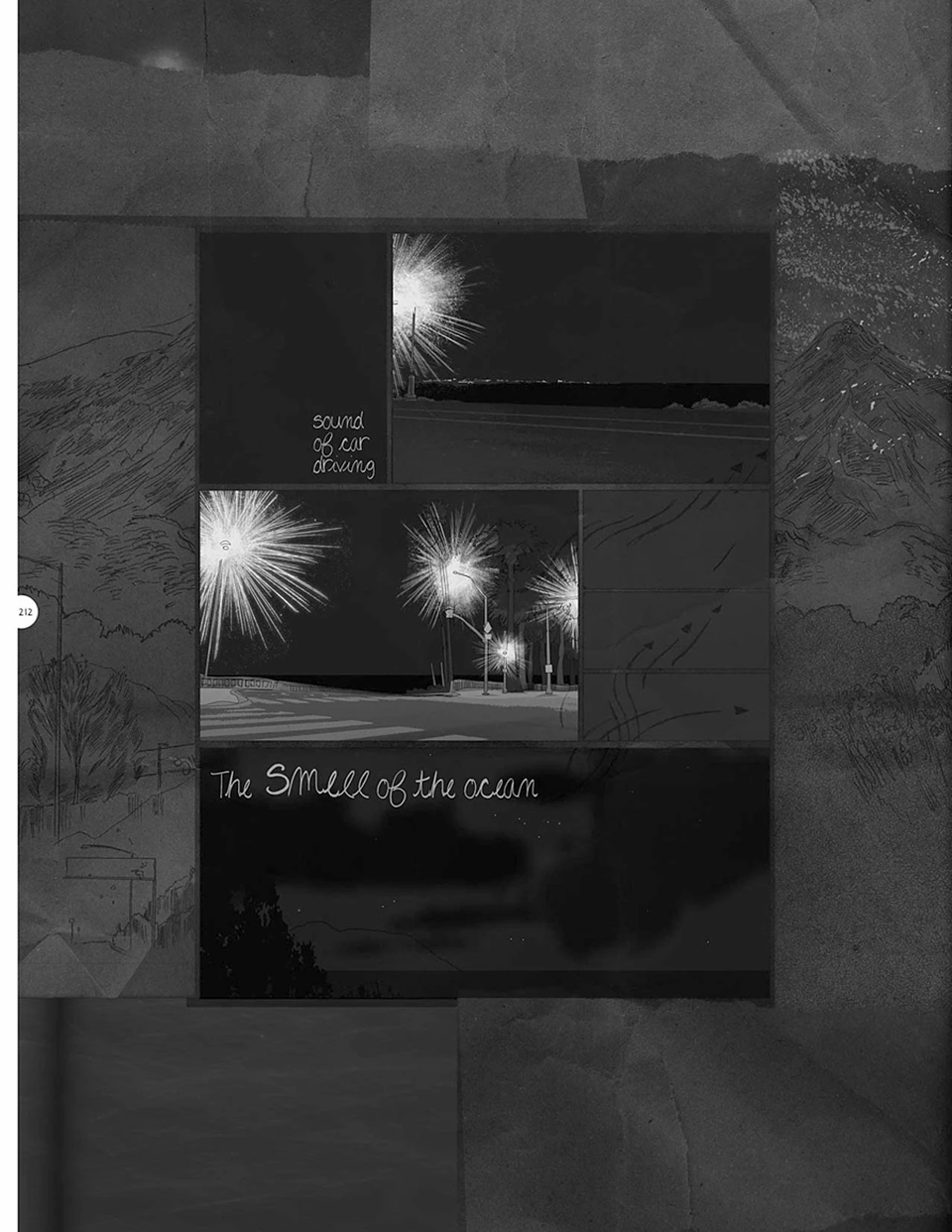
Duncan the Wonder Dog by Adam Hines (AdHouse, 2009)
This is a book I’d been hearing about for ages, ambitious at the time and unlikely to ever be finished nowadays (certainly not in the scope originally envisioned), so when I found an affordable copy I leapt at the opportunity. Still, I don’t think I was prepared for what a thrill of a read it is, even at its partial state. Hines’ cartooning style, on the linework and character work level, is somewhat simple, which he more than compensates for his intricate page layouts and experiential texture and tactility. It’s the sort of book that feels, to me, too big to even start breaking down; it leaves me powerless, and quite in awe.
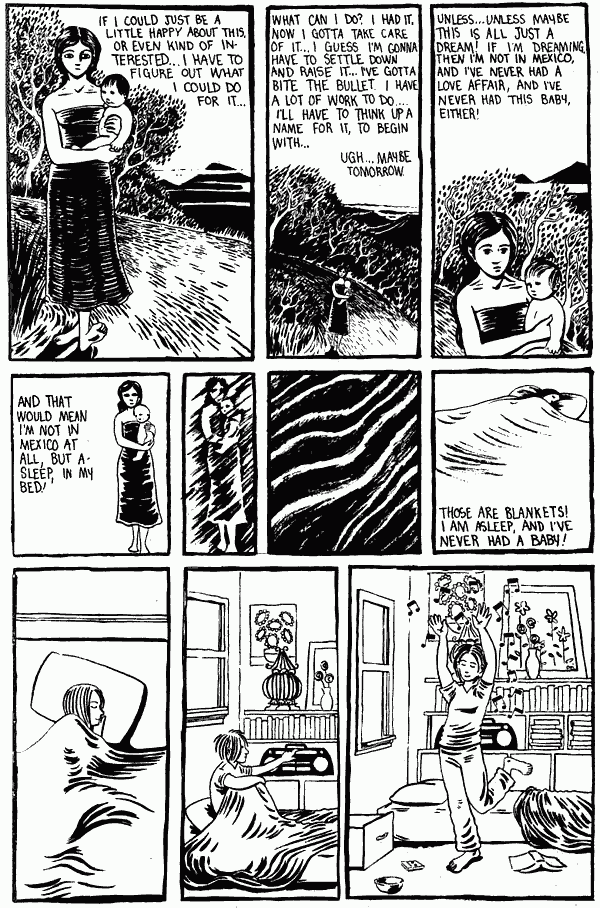
When I’m Old and Other Stories by Gabrielle Bell (Alternative Comics, 2003)
I’m rather fond of Gabrielle Bell, generally, and think she’s one of the strongest crop of the early-2000s ‘literary’ crowd that came up through venues like Mome. At least that’s how I thought of her when I first read her — erudite and strongly thought-through, if somewhat constrained and ‘polite.’ This collection, which I think was her first major release, shows a different side of her — it goes all over the place, from straight fiction to autobio to dream comics to adaptations of D.H. Lawrence and Hermann Hesse, all rather nimbly and intuitively; the cartooning, fairly far from her current vibe (which I’d describe as having the texture of Julie Doucet, but a lot more physically grounded and solid), has an early-newspaper-serial vibe, reminiscent of, say, Harold Gray — flat and spindly, less refined but more energetic. It’s a fun collection, simultaneously protean and cohesive, and I’d recommend seeking it out.
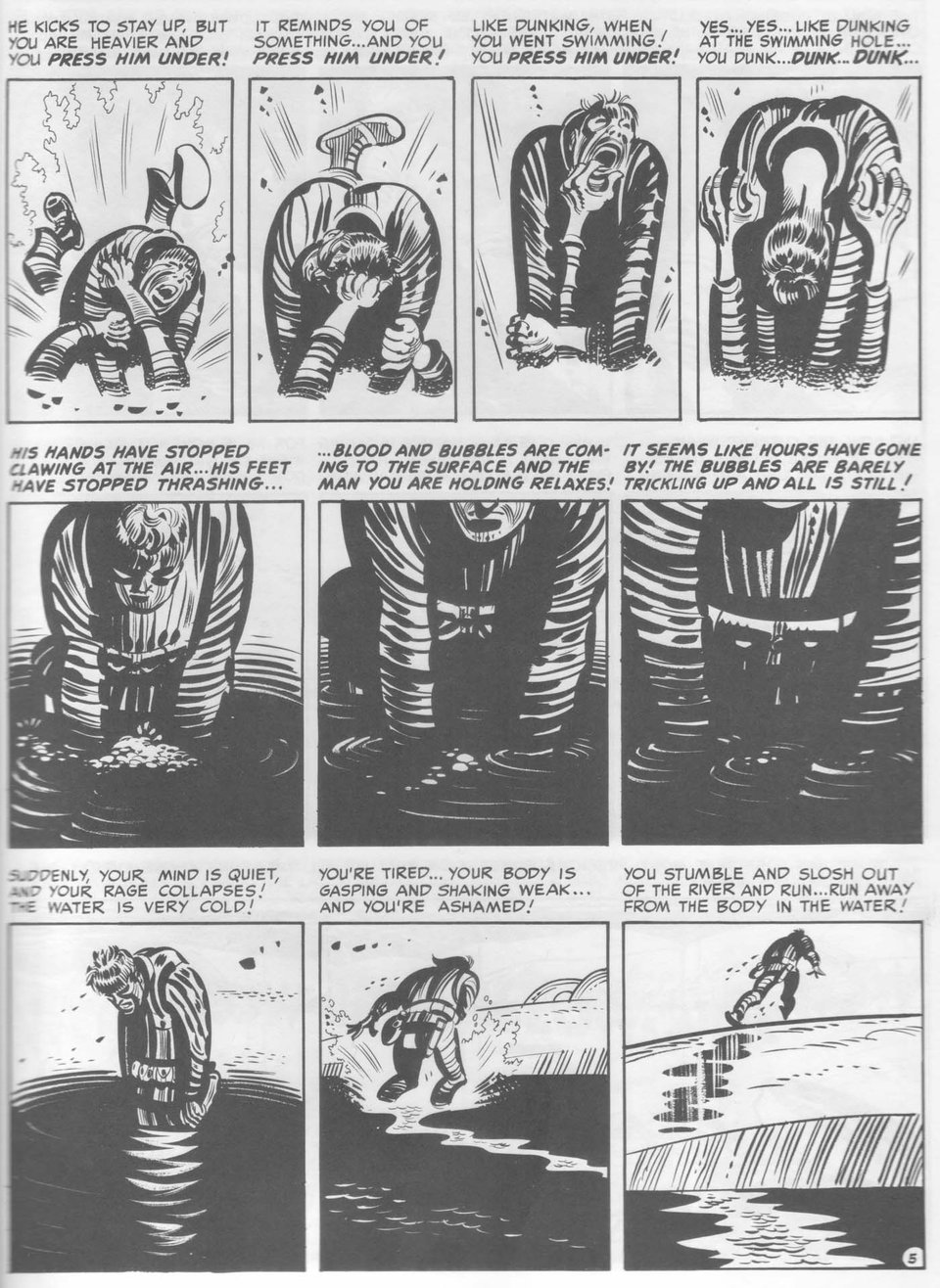
Corpse on the Imjin! and Other Stories by Harvey Kurtzman et al. (Fantagraphics, 2012)
EC Comics are something of a patchy spot, if not outright blind, for me — I’ve read enough to know that there’s some pretty good stuff, and that most of the postmortem veneration of EC stems from a perceived (not unjustifiable) social significance rather than actual overall artistic merit, but by no means am I an expert, and this is the first time I’m reading an EC artist’s work in bulk rather than in bits and pieces. This war-themed collection is roughly half comics Kurtzman wrote and drew himself and half comics he wrote for other artists. The first half I find a lot more exciting, both because I like his art and because, as one of the chief editors, he is one of the people who dictated (and thrived in) the constraints that tripped up most of the other artists. I think Kurtzman is a better rhetorical artist than he is a rhetorician — which is to say, these comics are not likely to convince anyone who disagrees with him, but they’re still powerful illustrations of the core arguments. The Fantagraphics EC collections have been criticized for stripping away the work of the original (mostly women) colorists, but I think Kurtzman in particular takes on a completely different feel in black and white; pieces like the title story and “Rubble” have a frenzied impact to them, with some absolutely gorgeous ink-work (the latter comic, in particular, has a couple of panels which reminded me, unexpectedly, of Lale Westvind). Well worth checking out, I think.
Prose
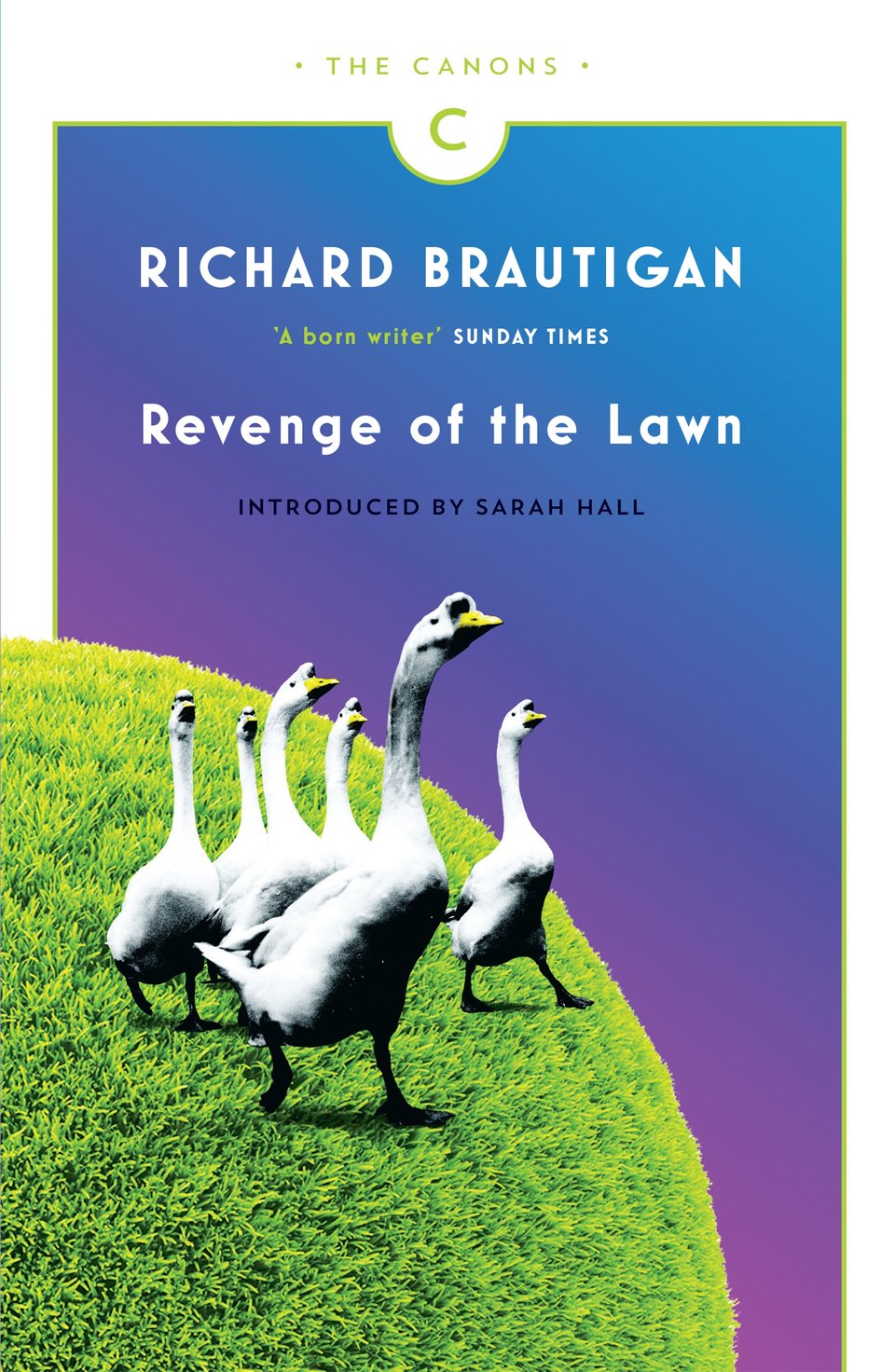
Revenge of the Lawn by Richard Brautigan (1971)
Have I ever written about Brautigan’s “I Was Trying to Describe You to Someone” here? It’s essentially my single favorite bit of prose, the sort of high I have chased in my own writing ever since I read it — very clearly driven by narration rather than plot specifics, but still rich in character. About two years after my first encounter with it, I decided to finally sit down with Revenge of the Lawn, only to find out that, shockingly, every piece in it is about the same level: casual, conversational in a miraculously unforced way, driven by open-ended observation. That Brautigan was a poet is self-evident — every word lands at just the right place, cadence reigning supreme. I think I’ve told at least a dozen different people that they have to read this book since I read it, and I don’t intend to stop.
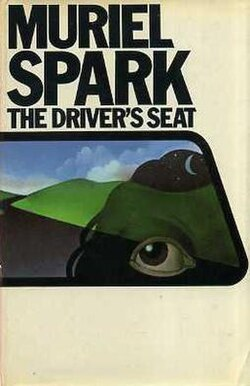
The Driver’s Seat by Muriel Sparks (1970)
Not much to say about this one other than that it’s a moral rollercoaster of a book, constantly keeping its reader trying, and failing, to untangle its power dynamics, with ‘victim’ and ‘perpetrator’ being not a dichotomy so much as a cyclical rotation. Lean and nasty, and one of the sharpest reads I’ve encountered in recent memory.
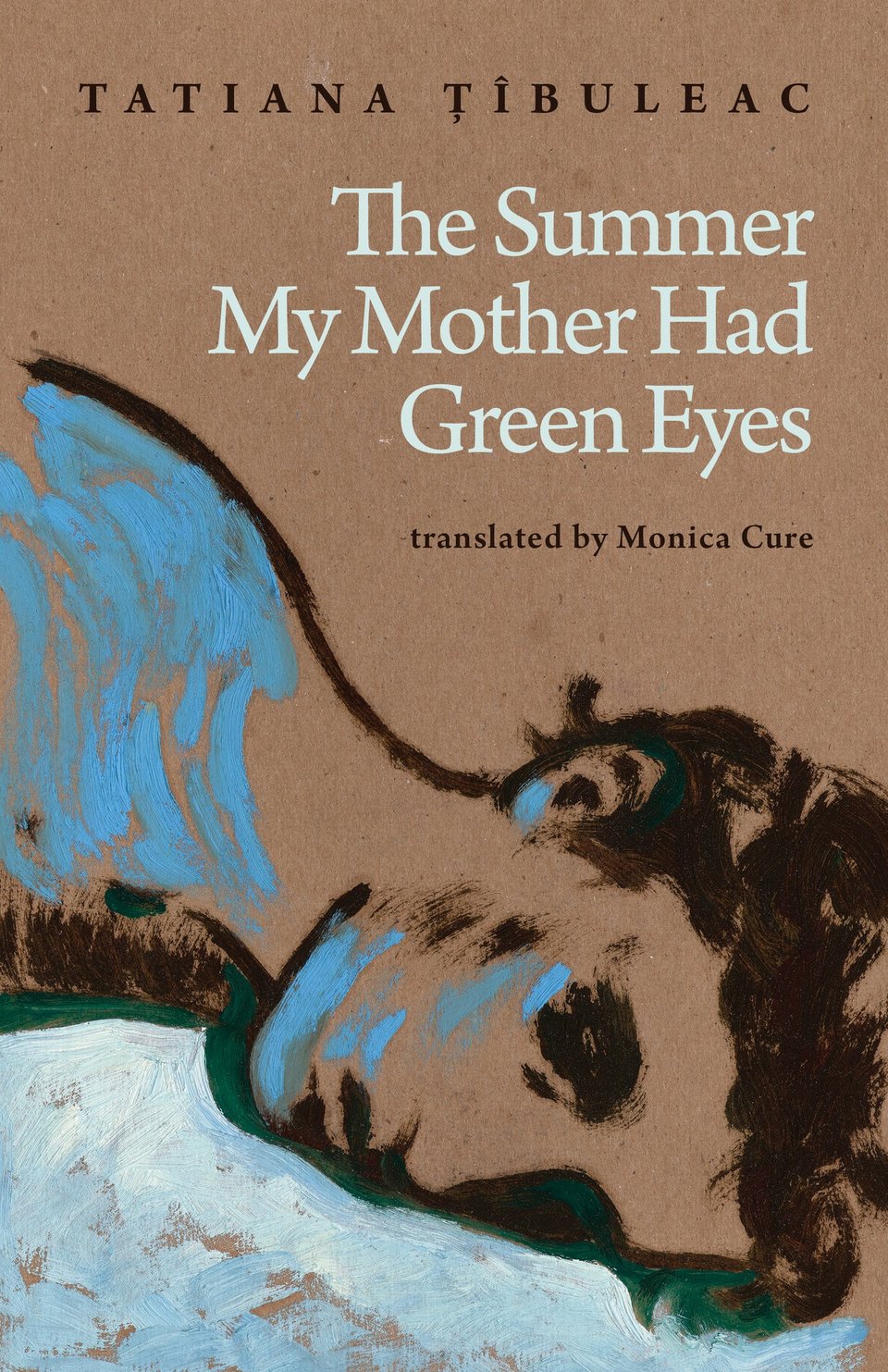
The Summer My Mother Had Green Eyes by Tatiana Țibuleac (2017; Eng. tr. Monica Cure, 2026)
Hmm. It’s been a while since I read The Catcher in the Rye, and I have yet to read Dazai’s No Longer Human, but I suspect this book is in the same wheelhouse, if more extreme in its sensibilities: a mentally ill, disaffected youth, confronted with the emotional reality of the world around him — in this case, learning to view his mother, whom he has hated and looked down on and wished ill upon for years, with empathy and something resembling love. I suspect that the acuity of its starting point—the violence of the protagonist’s thoughts and actions—serves as an inadvertent crutch, starting out at a grotesque absence humanity so as to allow the author to reach that same humanity more easily, but she manages to make it work simply by leaving residue — things never resolve as simply as a a proper “come to Jesus” moment; love is never unsullied.
WHAT I’M WATCHING

Urchin (dir. Harris Dickinson, 2025)
I tend to go into movies—into anything, really—pretty blank; usually I’ll know only a vague premise at best, and more often it’ll be just “here are the people involved and the people who recommended it.” In this case, I went in only knowing Harris Dickinson, and the Letterboxd premise made me assume this would be a more optimistic affair, like life is harder on some people than on others but ultimately things work out. What I got instead is a surprisingly bleak and sharply-observed drama on the ultimately-failed struggle for personal progress, and on powerlessness in the face of one’s own patterns. I found it deeply moving, and it made me want to get Harris Dickinson a copy of Jordan Wellington Lint.
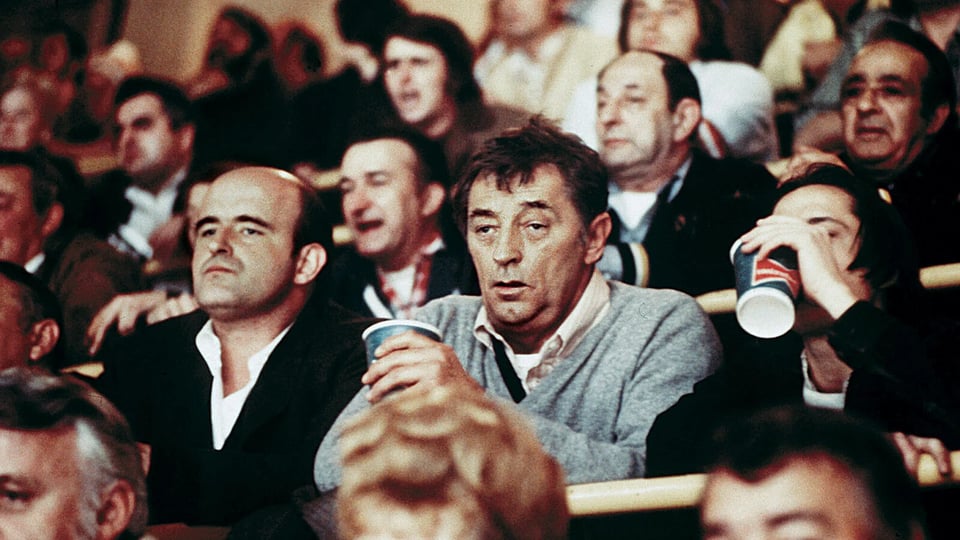
The Friends of Eddie Coyle (dir. Peter Yates, 1973)
While I was watching this it occurred to me that several of my favorite movies fit into the category “the world closes in on a small-time lowlife,” so I’ve started putting together a list. Out of Mitchum’s filmography I’ve basically only seen this and The Night of the Hunter, and while I was watching The Friends of Eddie Coyle I was thinking about the contrast between his characters: in The Night of the Hunter he’s very overtly menacing, whereas Eddie Coyle’s menace stems from, simply put, resignation — he “does what he’s gotta do,” and sometimes that means threatening to beat a guy half to death; he puts people in bad situations because he’s trying to get himself out of one. Always a fun time.
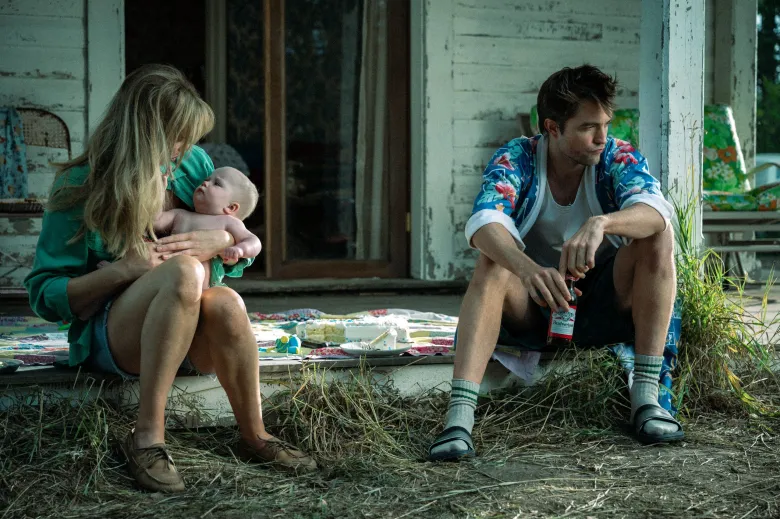
Die My Love (dir. Lynne Ramsay, 2025)
The easy comparison here, I think, is If I Had Legs I’d Kick You, both because the two movies came out around the same time and because they share a central theme: a woman’s gradual collapse under the pressures of her social-domestic role, in the absence of support and understanding. If I Had Legs I’d Kick You didn’t quite hit for me when I watched it, but seeing Die My Love made me appreciate it more, simply because the latter is, frankly stated, worse. Rose Byrne’s character in If I Had Legs I’d Kick You, because of her job and her daughter’s condition, had to be in continuous contact with the world; she had the backdrop of ‘sanity’ (in the societally-conformist sense) to bristle against, making her ultimate inability to conform feel simultaneously tragic and, for lack of a better word, rebellious. Jennifer Lawrence in Die My Love, by contrast, is a writer who doesn’t seem to have any professional obligations; her isolation (her husband is a truck driver often away from home) means the lack of a backdrop, thus making her arc feel arbitrary and unmoored, her emotional/psychological state leaving little room for individual personality. It’s a shame, because the performances themselves are pretty strong, but the performed material is, ultimately, forgettable.
WHAT I’M LISTENING TO
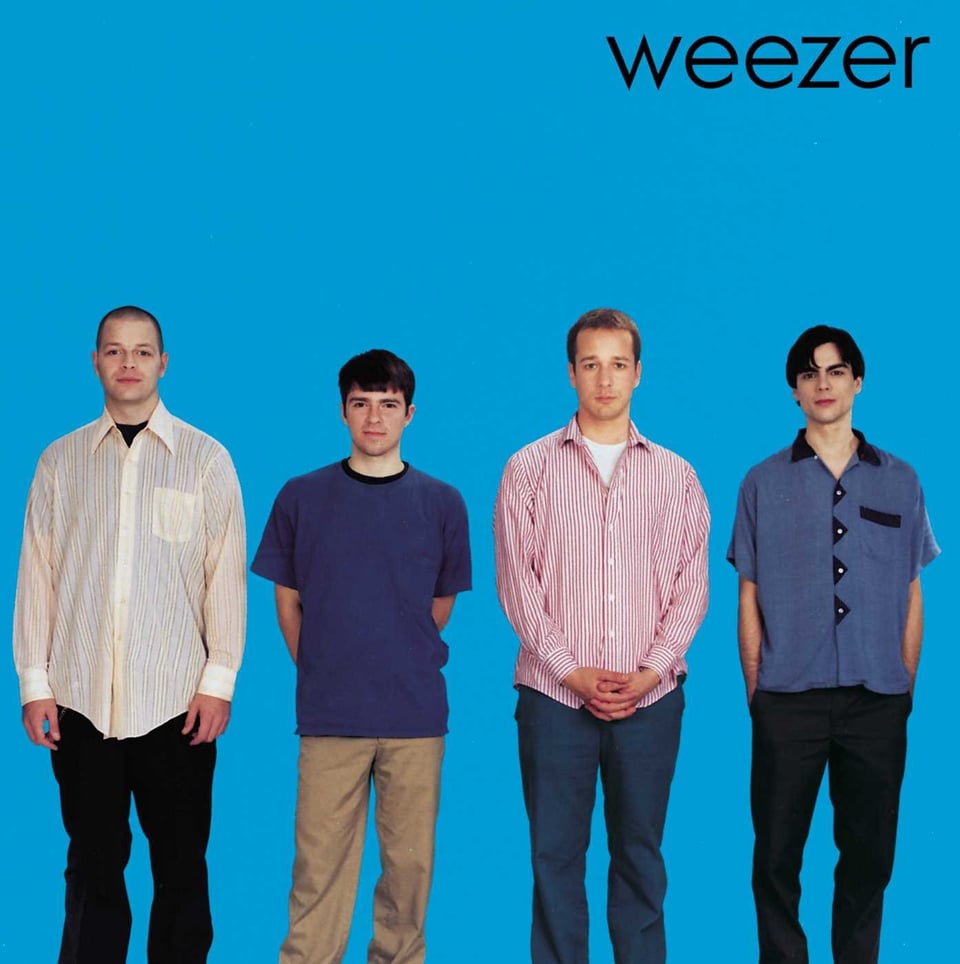
Weezer - self-titled (Blue Album)
Weezer is a band I was kind of resistant to for a long time, based less on the music than on the reputation of being, y’know, creepy loser music. Finally, at the encouragement of a friend I generally trust in matters of music, I decided to give the blue album a shot, and though I could see, from this album, how that reputation was formed (songs like “No One Else” do have that undercurrent, to be sure), a lot of these tracks are just honest-to-God heaters. There’s a couple I don’t care foras much—the prosody on “Buddy Holly” pisses me off sometimes, and “In the Garage” veers into an revelry-of-outsiderdom that I simply don’t find compelling—but stuff like “Surf Rock America” and “Holiday” wins me over thoroughly, and that “Only in Dreams” bassline, my God. Having listened a few times, I couldn’t help but wonder, Man, is this seriously what people love clown on so much?
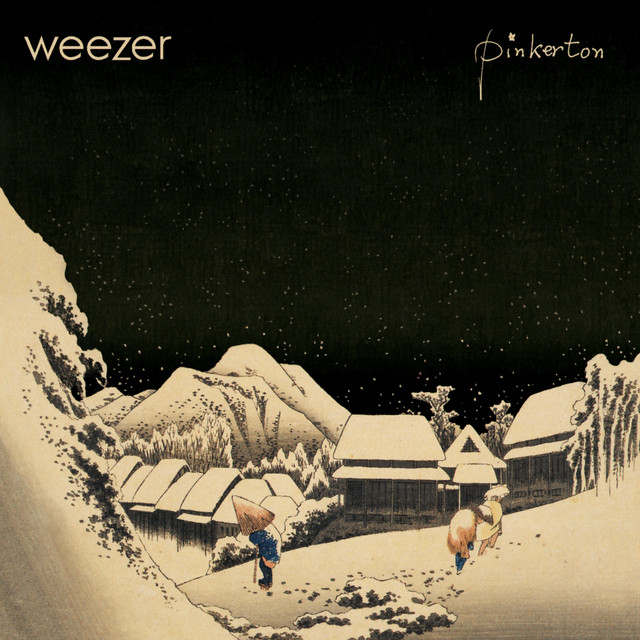
Weezer - Pinkerton
Okay, no, yeah, I get it now. A friend of mine remarked some years ago that “a lot of people mistake being revealing for being revelatory,” which I think is a solid articulation of a certain strain of autobio; it’s a problem you see in a lot of alternative comics as well (Crumb, Joe Matt) — the notion that ‘raw’ confession is so inherently meritorious that it removes the need for art. Pinkerton, while being more immediately ‘interesting’ than the Blue Album on the musical level (i.e. less traditional in song structures), is mostly interesting as a David Foster Wallace-esque thought experiment: Is all self-recrimination merely a preempt for external criticism? Is self-awareness a fiction? &c &c. There are some good songs here, to be sure, and I don’t think the album as a whole is entirely past the point of emotional validity — but filters, sometimes, exist for a reason.
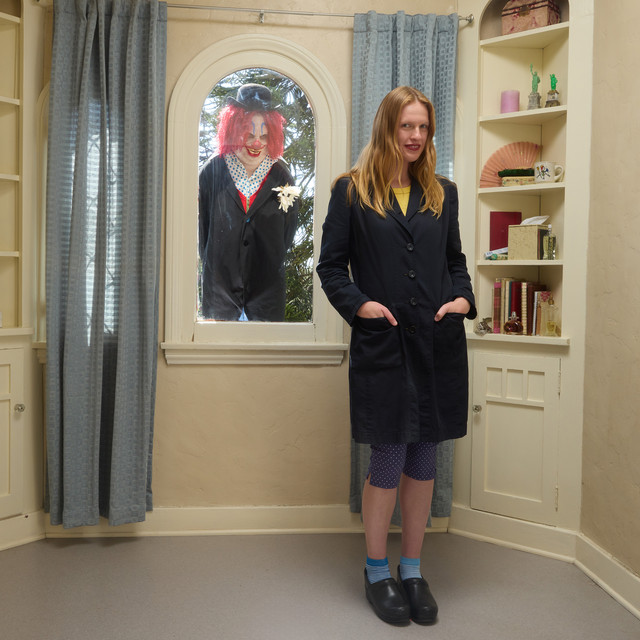
Audrey Hobert - Who’s the Clown?
She’s funny! I like her. I remember seeing people making fun of her “Sue me” performance on one of the late night shows—Fallon, I think—but I’m honestly charmed by her; there’s a clever fantasy-versus-reality play that I think she does very well (“Sex and the city” is a highlight of the album, as is “Bowling alley”), and her willingness to be the butt of the joke is a nice contrast to the faux-beleaguerment of other pop stars du jour that come to mind.
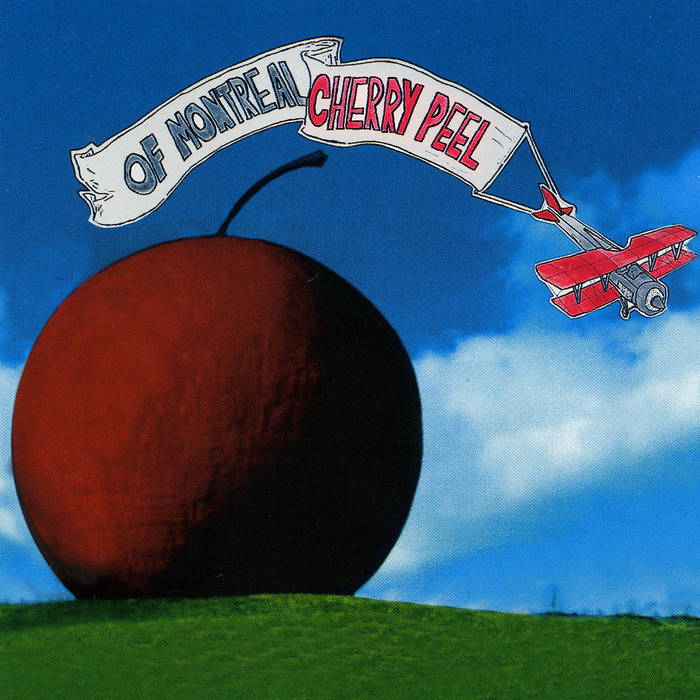
Of Montreal - Cherry Peel
I’ve decided, based on my enjoyment of Neutral Milk Hotel, to finally dive into the rest of the Elephant 6 bands’ discographies, and this is definitely one of the highlights — the recurring motif/sensibility I’m noticing is a call-back to late ‘60s pop (Beatles, Kinks, Beach Boys, Zombies), and I think Cherry Peel finds the balance between ‘60s reivivalism and ‘90s idiosyncrasy. “Baby” and “You’ve Got a Gift,” for instance, are overt in their influences, but then you have “Montreal,” maybe the best breakup song I’ve ever heard, and the delightfully befuddling “Tim I Wish You Were Born a Girl,” which raises the question: should all albums feature a song about being a little bit gay for your best friend? Any and all musicians reading this are encouraged to consider.
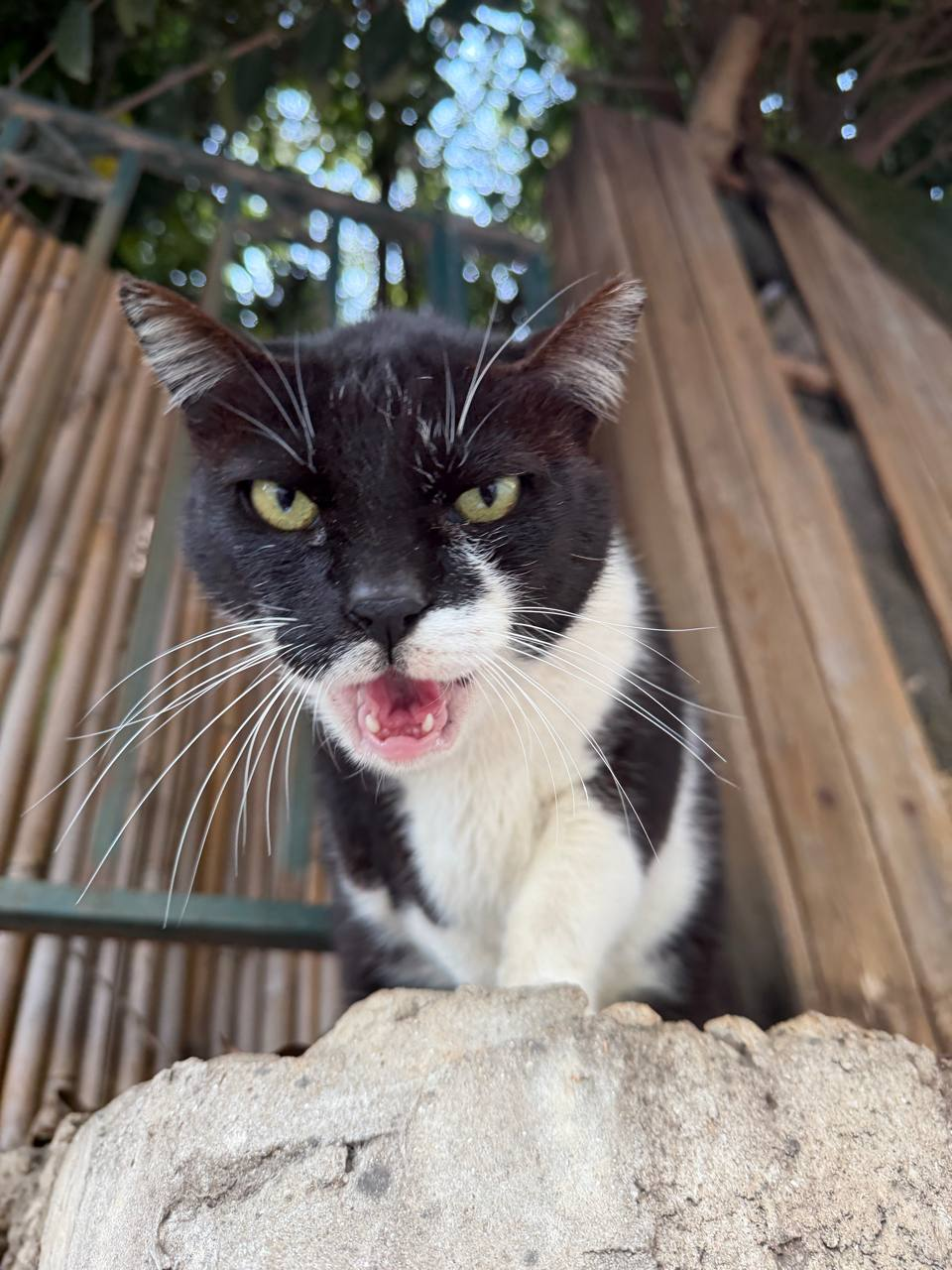
SILLY LITTLE GUY
This installment’s silly little guy is Roundabout the street cat. (I didn’t choose the name, someone wrote it on their crate, which is located next to—you guessed it—a roundabout.) Say hello, Roundabout!
CONCLUSION
Well, team, that’s it from me, I’m pretty sure. Thanks to this evil, idiotic war, I have found myself, for the first time since 2020, essentially unemployed — my projects have been put on hold, and now I am waiting for more work to come in. As such, I am finding myself more frantic than usual, though I’m mindful that some people, thanks to my country, have it much worse. A fallen world, indeed.
For want of a better sign-off, folks, peace be with all of us.
