
Ridiculous Opinions #321
2026-02-21

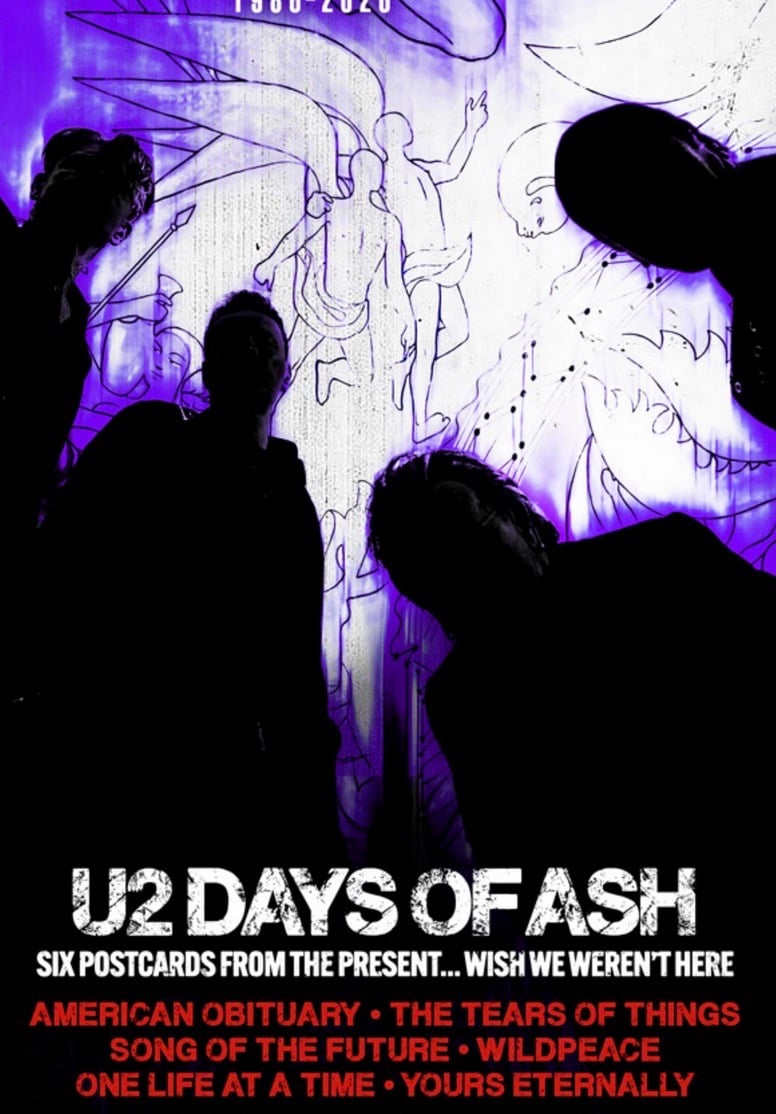
Forgive the “old man” vibes of today’s newsletter, but I have to point out that U2 released a surprise album this week. U2 is my all-time favorite band, but the color of my fandom has changed over the last twenty or so years.
For the longest time, I have felt that U2 had basically sold out. The fire of being a band of poor rock and rollers vanished in the era of multimillionairedom and private jets. Everything that I liked about U2 just seemed to wither away over the years; they no longer sang about things that I related to, they no longer made music that seemed to be born from their bones. They just seemed to be making music in an eternal quest to be as relevant as they were in the late-eighties/early-nineties; stale, overbaked, and kind of sad. Not that there wasn’t any music of theirs that I liked during that time, but the feeling of relating to their message and the excitement of hearing something meaningful was long gone. They spent too long making music and in their attempt to do something to perfection, they baked all the life out of their music. Everything was much too calculated. Everything was stale. Everything was lifeless.
But this week, they released an EP called Days of Ash. They released it without any warning. There was no press, no build-up; they just released it. And alongside the album, they released a digital version of their fanclub magazine called Propaganda, which they haven’t made since the invention of the internet, really. I loved Propaganda in the 90s. It was a slick, well-designed glossy magazine that came with bonuses for those people who were members. I’ll never forget receiving my copy of their fan-club-only release of Melon way back when. It was an album of remixes of their songs, and though there wasn’t a single good one on the album, it was still mine and it was something that not everybody had, which was spectacular and something that true music fans would strive for…exclusivity. In today’s day and age, nothing is exclusive. It’s just out there for everybody. Time and distance are irrelevant on the internet. Everything is available, all the time.
When I saw that the album was released, I was intrigued. The first song was called American Obituary, and when I listened to the song, I realized it was about Renee Good, who was killed in Minneapolis at the beginning of the year by ICE. My first thought was, How could they release a song about someone so quickly? This wasn’t the U2 that I had come to know over the last twenty-five years. They simply did not move that fast.
I was wrong. And I discovered more about the music. As I read through the lyrics and the online copy of Propaganda, I soon came to realize that every song on the album was blatantly political. This was something that U2 had shied away from over the last quarter of a century. The band that I loved in the 90s broadcast uncomfortable moments from the midst of war-torn Sarajevo in the middle of their biggest concerts. The band that I grew to loathe over the last twenty-five years hobnobbed with conservative American lawmakers (Bono) and played everything as middle of the road as they could in an attempt to make everyone love them. Considering all of that, it didn’t seem like they were the type of group to push away any types of fans. They wanted to be loved by everyone. Why would they be political?
Well, the times change, I guess. Every song on the album is a statement about something. It’s an urgent message from a group that borders on being irrelevant in this day and age. But what they’ve done here is actually important, if only for the fact that it awoke some long-dormant feelings in me that I didn’t think were there any more. Perhaps it’s my age and experience that made those feelings go away. Perhaps I have seen too much. But it has been too long since I have thought about some of the things that this album made me think about, which is basically about putting a face behind all of these things that get shuffled away in the morass of information in which we currently live.
The first song is about Renee Good. One Life at a Time is about Awdah Hathaleen, a Palestinian cameraman who worked on last year’s Oscar-winning documentary No Other Land and was killed by Jewish settlers last year in the West Bank. Yours Eternally is written from the perspective of a Ukranian soldier writing a letter home from the front lines. But the song that really affected me is Song of the Future, a song written about both Sarina Esmailzadeh and Jina Mahsa Amini, two women killed in Iran over the last few years.
The song is written about the notion that we can only hope to live up to the ideals that the death of these two women represents. And it really had an impact on me as I listened to not only the lyrics, but also as I learned about two people that I knew absolutely nothing about.
The key here is that I learned something from listening to this album. I went and did some digging to find out what this band was singing about, and when I did such a thing, the music became deeper and infinitely more relevant than I ever imagined it being. And that is the thing that had long been dormant in me since the nineties.
Maybe it was the internet that did it. Perhaps the constant flood of information that filled my brain over the last twenty-five years had made me immune to the story behind the songs, to the personal in relation to the political. Perhaps the point of all of this online information is to make us not think. Bono understands this. One of my favorite lines from American Obituary is:
Could you stop a heart from breaking
By having it not care?
Somehow, we have moved into a world where politics is no longer personal. It’s abstract. I would say that Trump has made it that way, but it’s bigger than that. We have depersonalized everything. It’s about them. It’s not about us.
When I first started listening to U2, way back in 1983, I would pour through the liner notes on their cassettes, which would steer me in directions that that little Oklahoma boy never imagined. They always included information about Amnesty International in their albums. They had tributes to people that I didn’t know and had to learn about. They were trying to make a difference.
The cynical in the world would sit back and say, Yes, Randall…you from your comfortable place in the world talking about the newfound relevance and politics of U2…that’s pretty rich.
Yeah, it is. And fuck you.
We should start caring again. We should have a band teach us how to think about the world again. We should be moved by poetry and music and films. We should not take for granted lives lost or our place in the world or how lucky we are. We should re-enter the community of the world so that something can change. Now more than ever.
So, yeah. U2 awakened something in me this week that I think is pretty powerful.
I wonder what awakens you.
Don't miss what's next. Subscribe to Ridiculous Opinions!:

Add a comment: