The Ed's Up - The Island
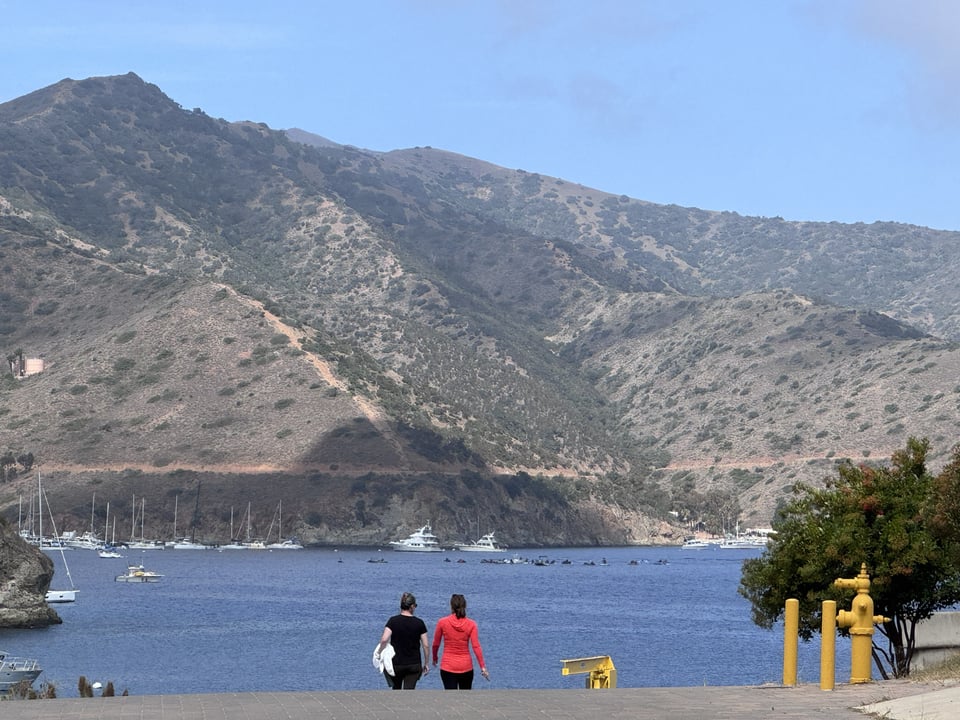
For the last five years, my favorite part of the summer has been spent on Catalina Island, watching my wife Liz Neeley change lives.
In 2002, Liz and her incredible co-conspirator Victoria Fine founded USC’s Storymakers program. Each year, they take a dozen environmental researchers (defined broadly) to the island for a week to teach them the arts of storytelling. I’ve been lucky enough to be part of the program since its beginning, as both its writing instructor and as a gofer for my badass partner and her badass partner. And with the fifth year behind us, I want to explain why the program is so special and why it’s so meaningful to me.
On the first afternoon on the island, Liz unveils the schedule for the week, but the program is so much more than its syllabus. Every part of the experience has been meticulously designed. The boat ride automatically creates the sense of a mythic journey. Separating the cohort from the mainland and putting them up around the same private courtyard makes it easier to disconnect from everyday travails and connect with each other. Dozens of small choices create a summer-camp vibe that encourages playfulness, from storytelling sessions around a firepit to s’mores and Play-Doh. Small rituals that are built into the daily routines emphasize openness and reflectiveness. The various exercises are all carefully constructed and arranged to not only teach new skills but to also move the fellows out of whatever ruts they’re stuck in and into places of creativity, audacity, and imagination.
All of that lives or dies on how game the fellows are. They must trust the process, to embrace the unfamiliar and sometimes weird things they’re asked to do—no spoilers—and to be honest with each other and themselves. Accordingly, Liz, Victoria, and Kathryn Royster, our chief USC liaison, put a lot of thought into assembling the cohorts. They select applicants not just for their accomplishments and ideas but also for what they’d bring to a community. Kindness is prioritized; there is a strict no-assholes policy. Standards are lofty, and this year’s group met them handily. They were geochemists and psychologists, birders and photographers, children of the Rust Belt and the Pacific Northwest. They came with grief and sorrow, open hearts and fierce resolve. They gave me hope at a time when I’m more likely to feel curmudgeonly than hopeful.
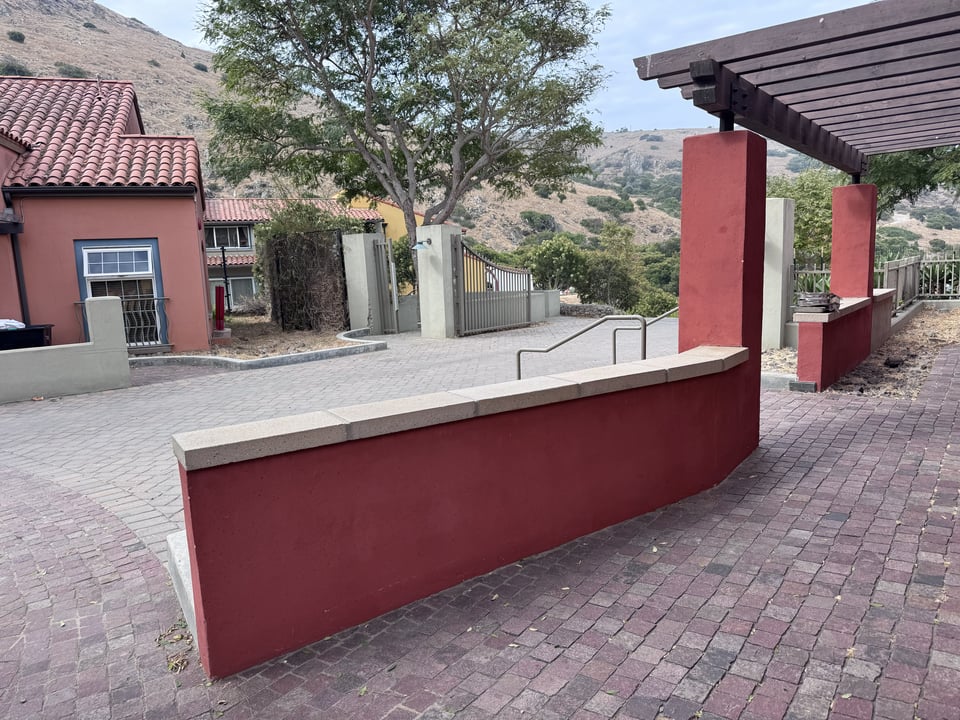
One of the fellows told me her week was “transformative.” Another said he was “free to be bolder than ever.” I’ve heard similar sentiments so often across the program’s five years. Every fellow is tasked with workshopping a single big project, and while some certainly go on to write books or create podcasts, I’ve come to believe that the biggest value of Storymakers isn’t in the tangible products we can point to but the internal shifts that we can’t. People leave the island bolder, steadier, changed. I’m no exception: There’s a short wall outside our main gathering space that I like to sit on, and from which I’ve dreamed up cross-country moves, career pivots, and book titles.
So much crucial work is accomplished one person at a time. No one corners an ER doctor who saves a patient and says, “Great job, but how could you scale that up?” And yet, when it comes to communication or social change, value and success are so often defined quantitatively—more eyeballs, more clicks, more subscriptions. But I strongly believe that in this era of crisis, many of the most important initiatives are high-touch and small-scale, deeply personal and necessarily so. Storymakers succeeds because of all the thought that Liz and Victoria channel toward it, and all the effort that the instructors and Kathryn’s team put into it. It succeeds because Liz takes each individual fellow and showers them with the full force of her belief in humanity and in our capacity to change the world for the better. All for a dozen people at a time—but every year, those dozen people leave strengthened and emboldened, with all the rippling good that does.
The future of Storymakers is uncertain. The program was originally funded for five years and this was the fifth. Partial funding exists for further years, but there’s still a gap we need to fill. I hope we do—and if you are or know of a potential donor, let us know. I’d love to return to the island, to watch Liz and Victoria work their magic for many more years, and to feel my own hope renewed each time.
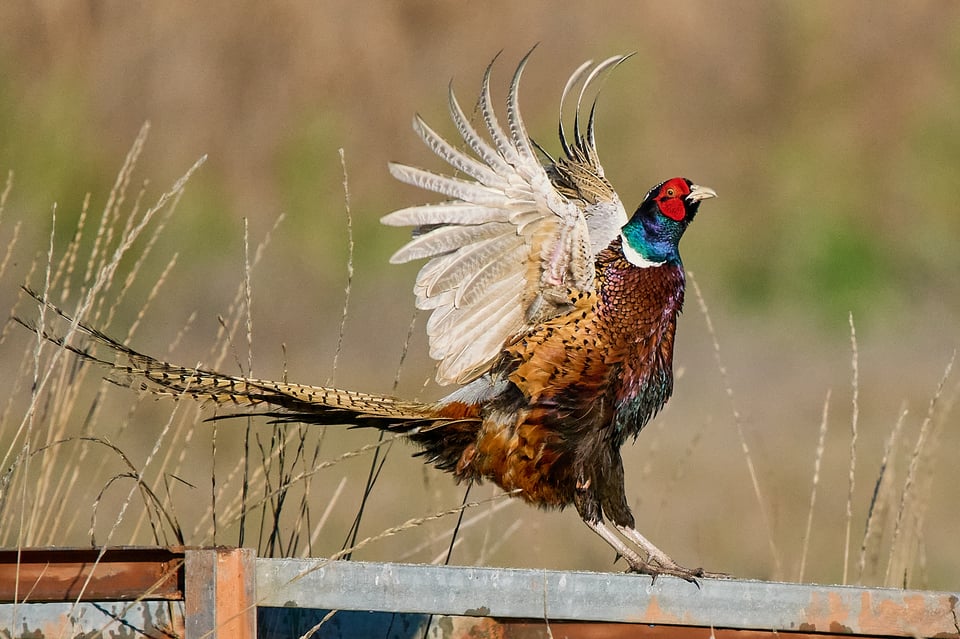
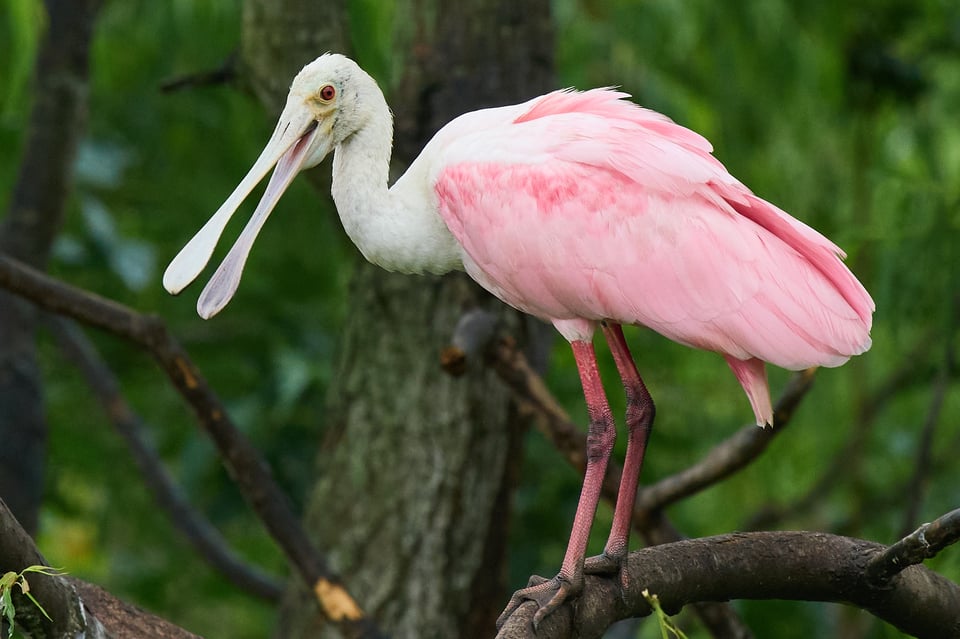
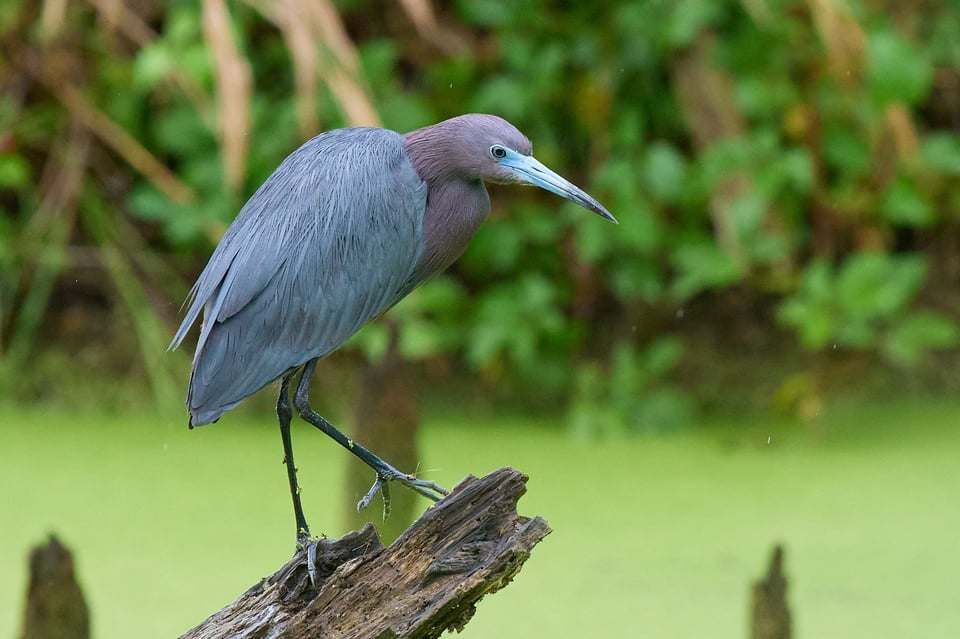
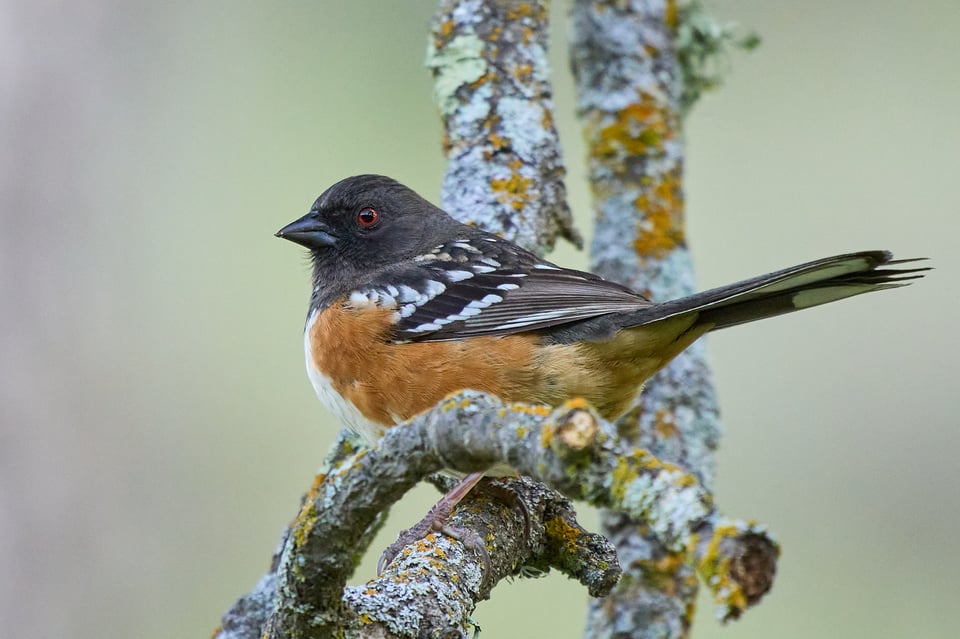
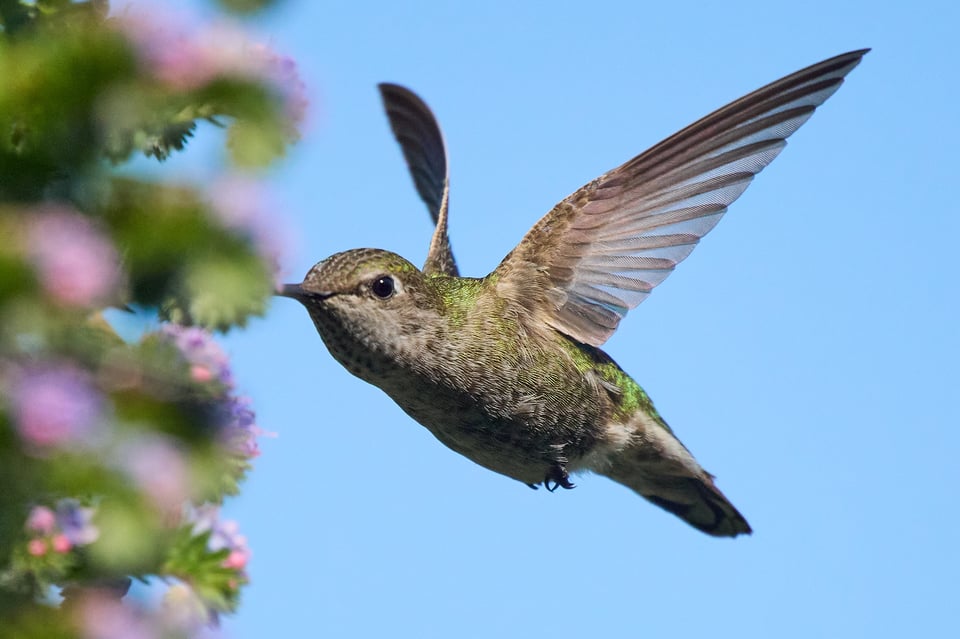
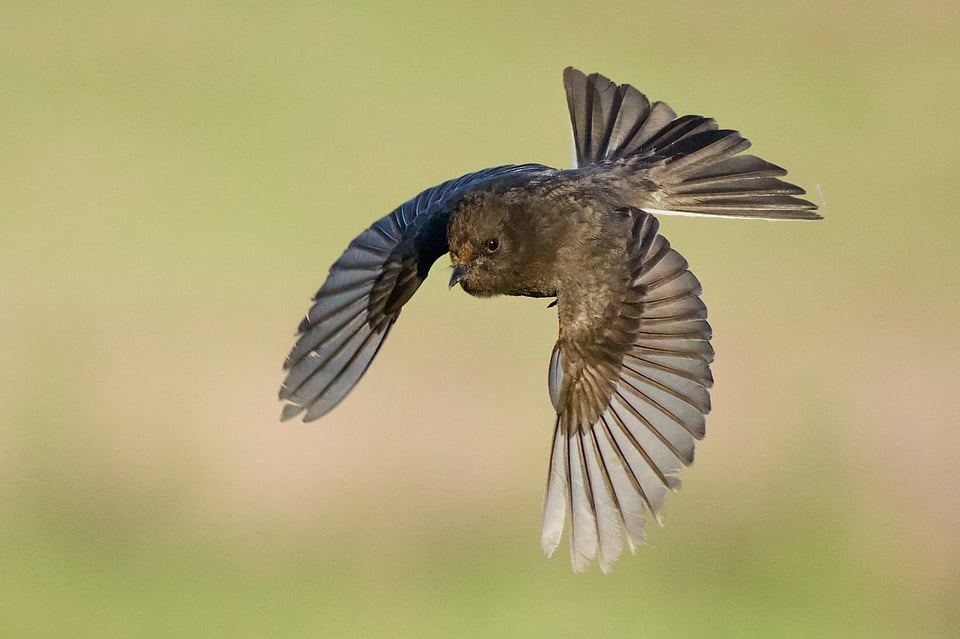
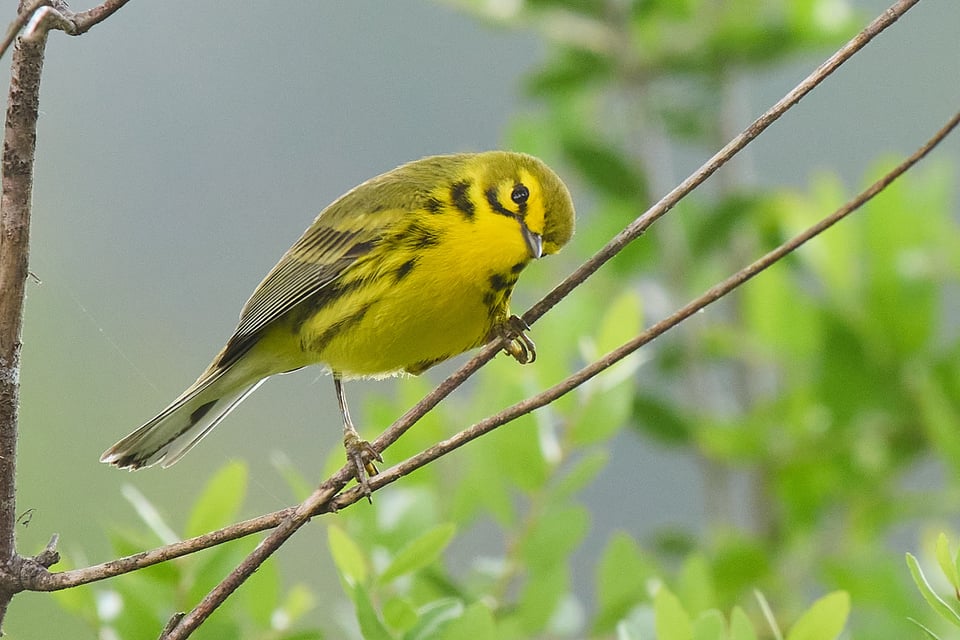
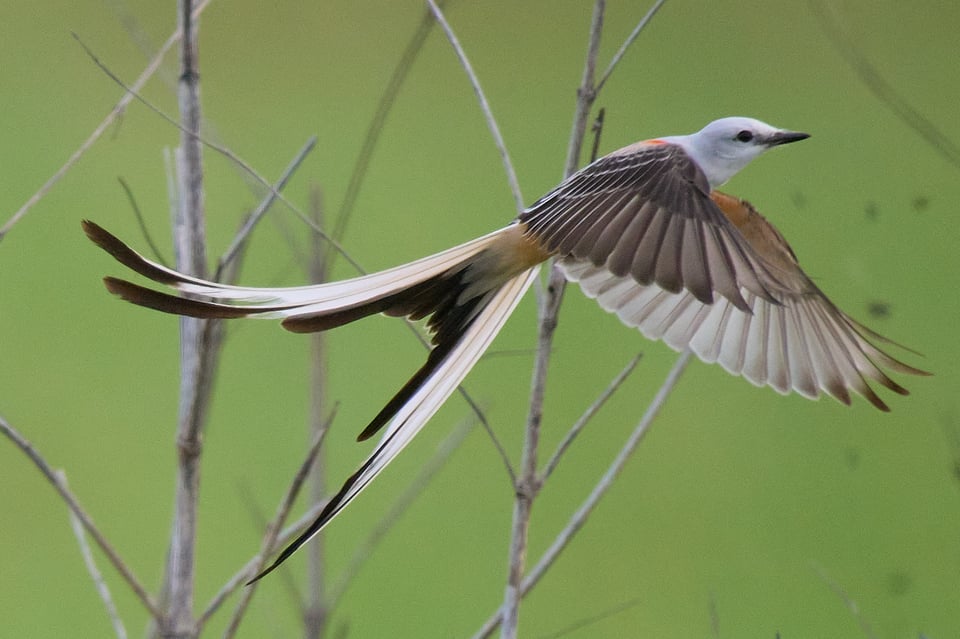
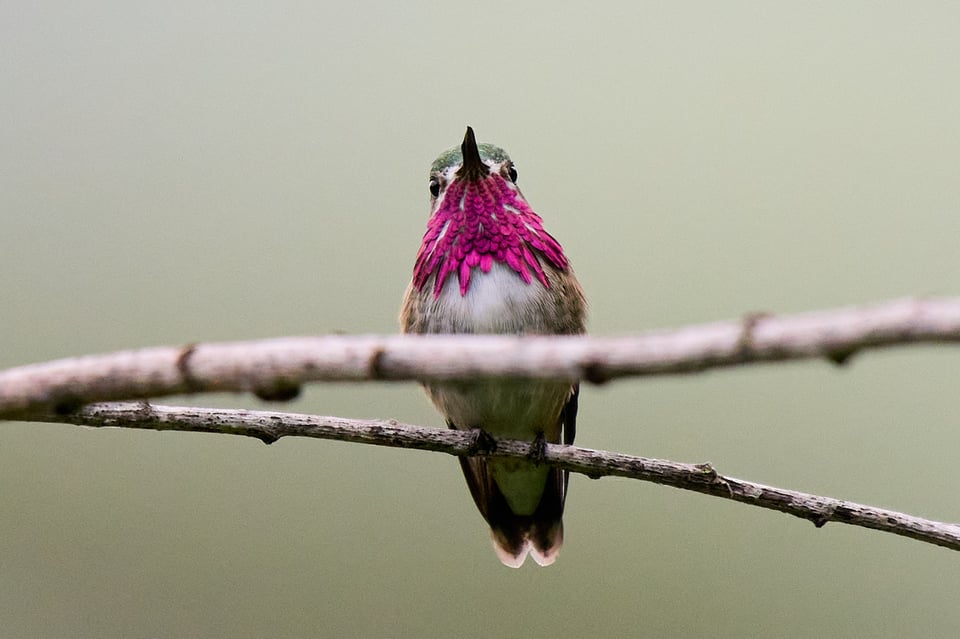
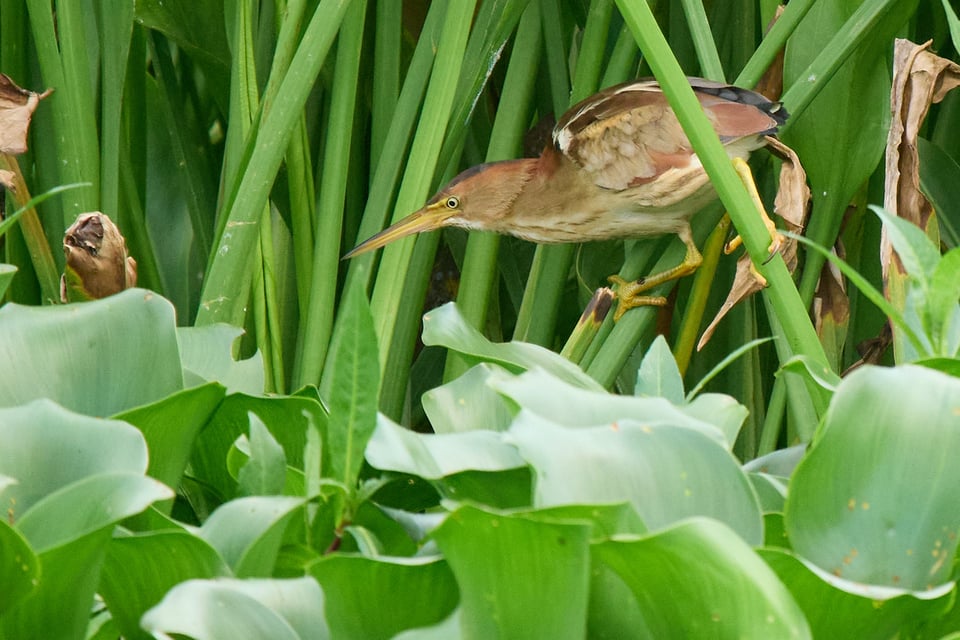
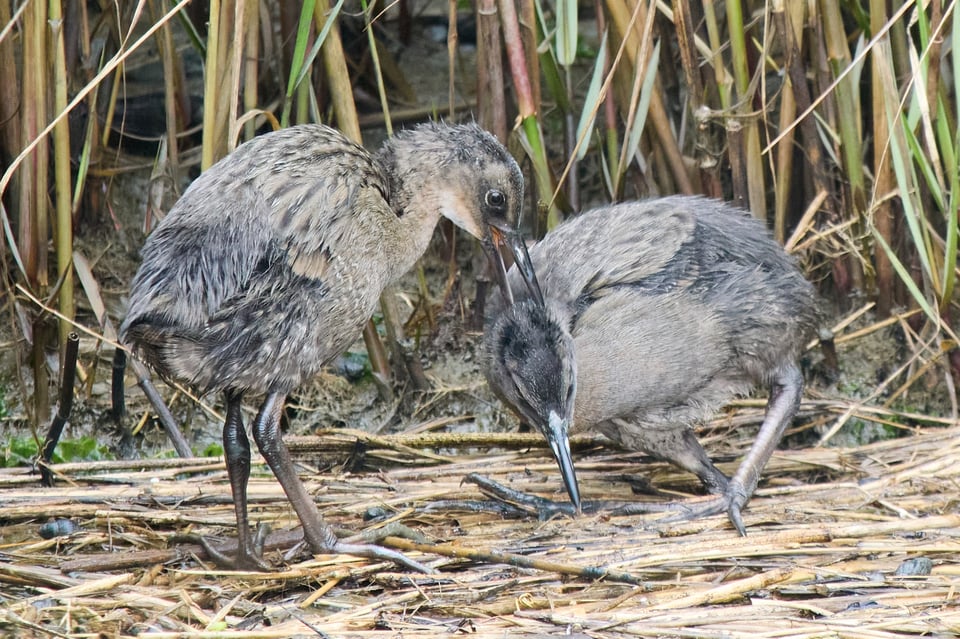
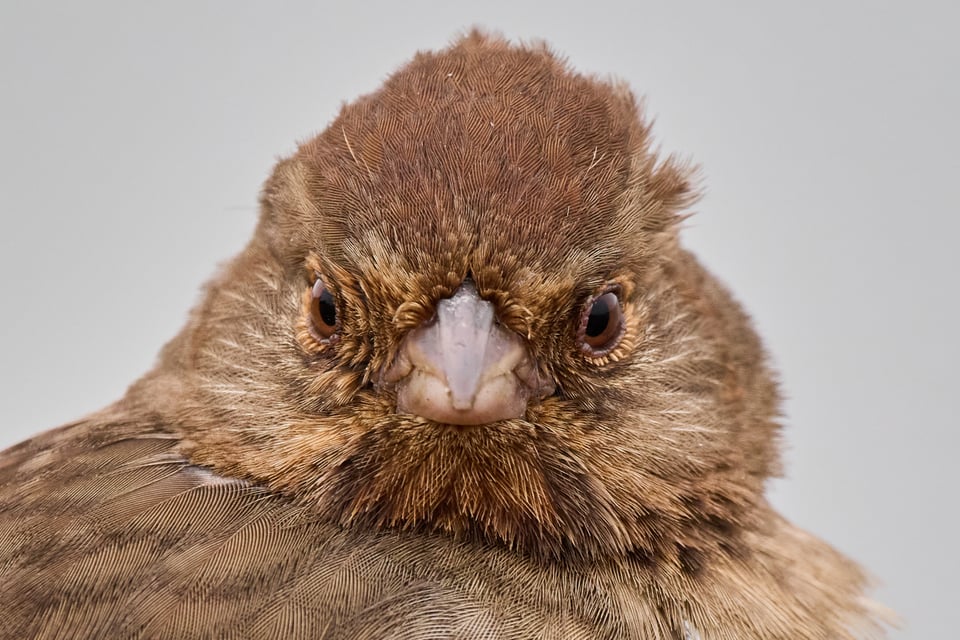
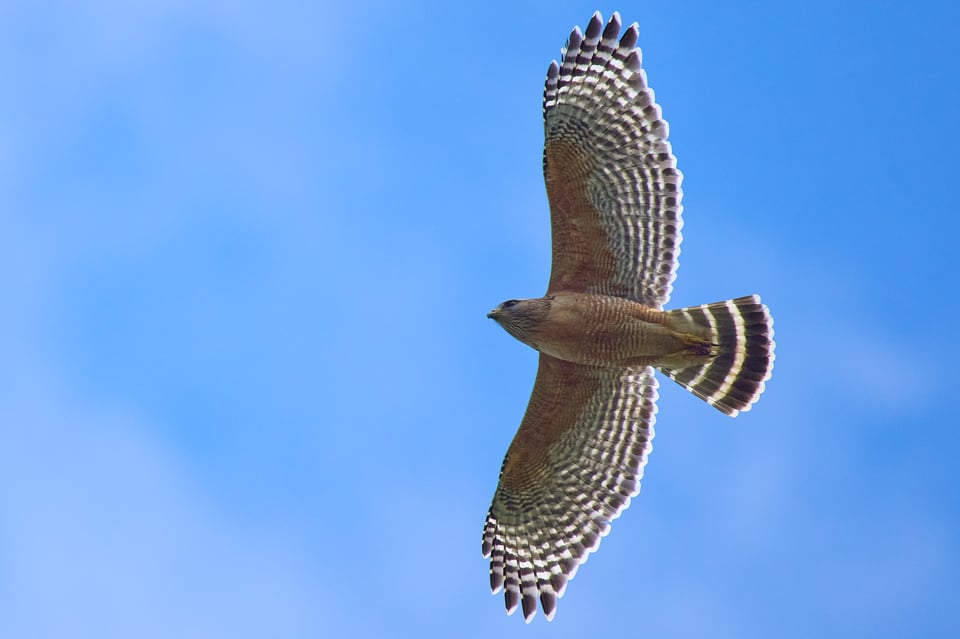
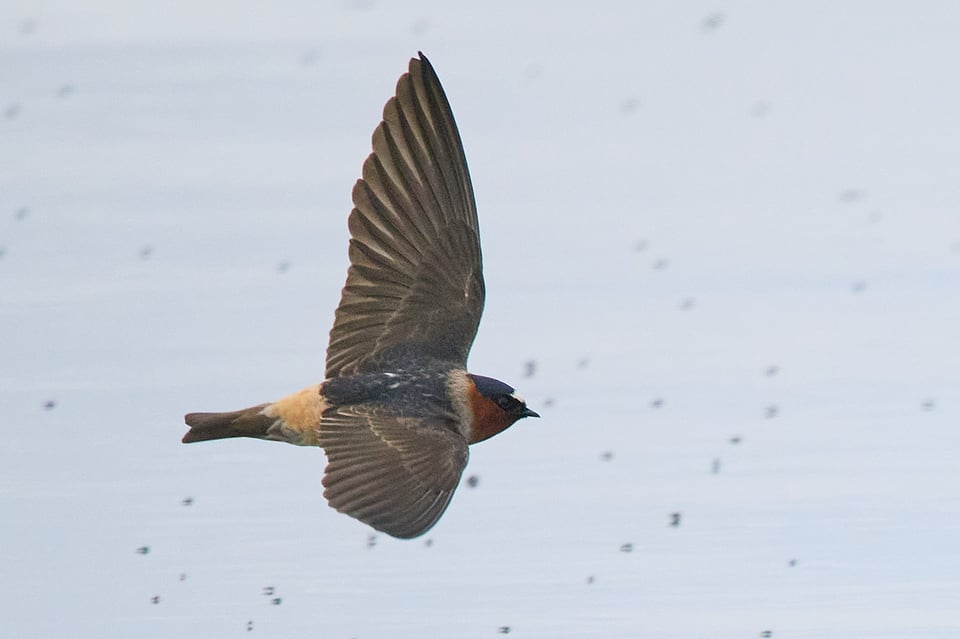
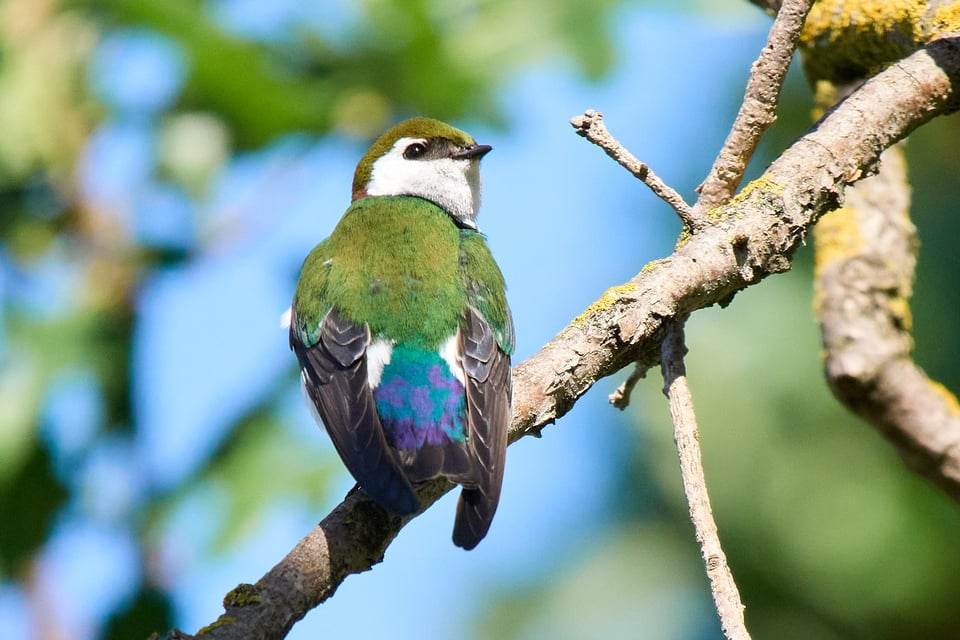
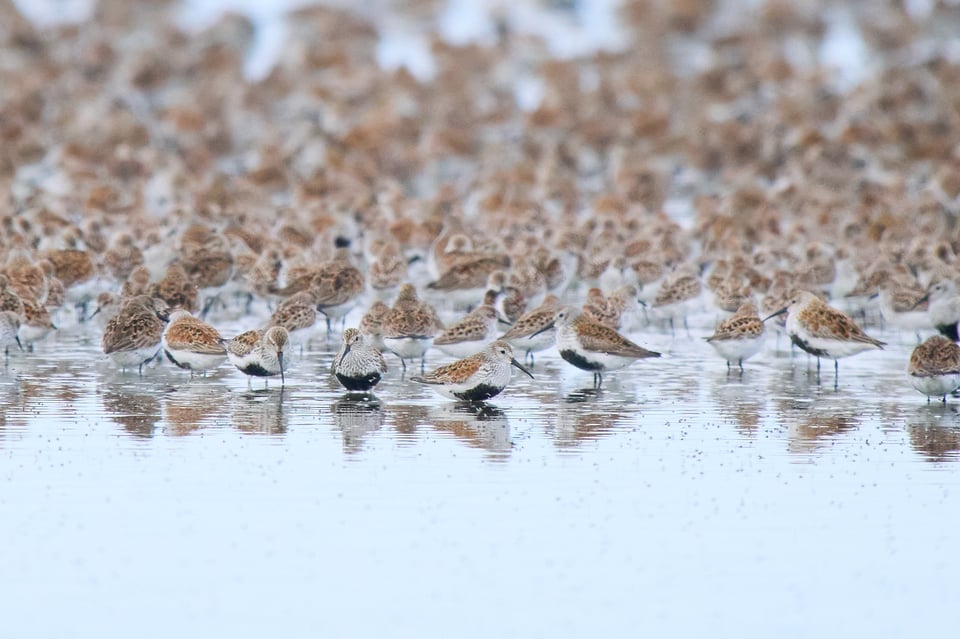
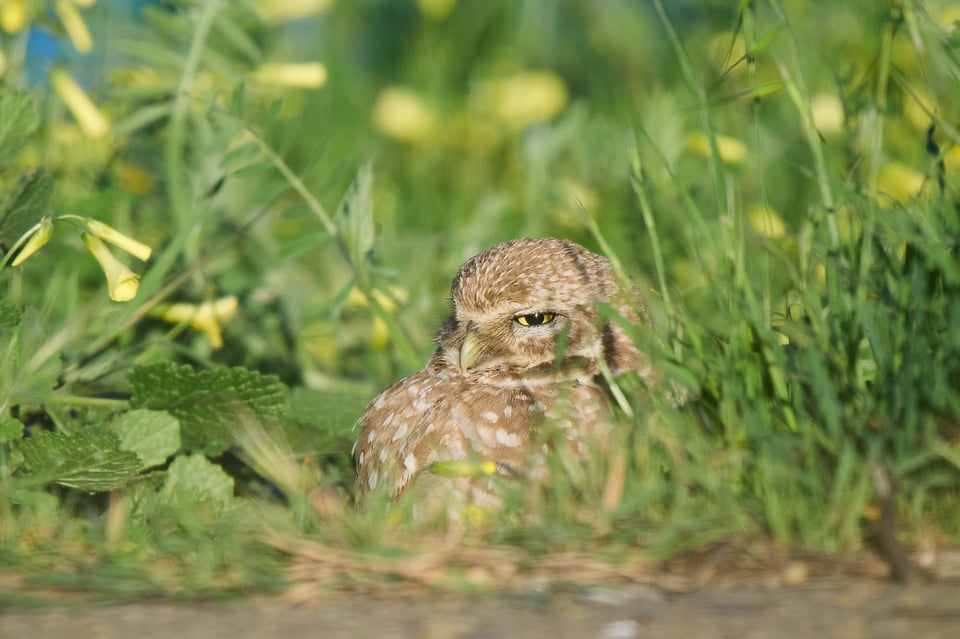
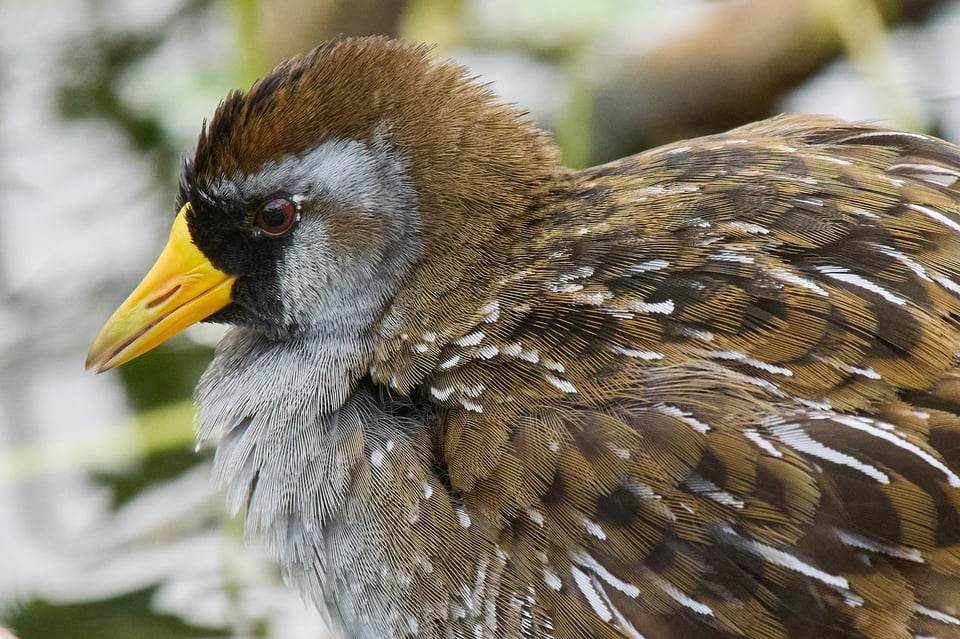
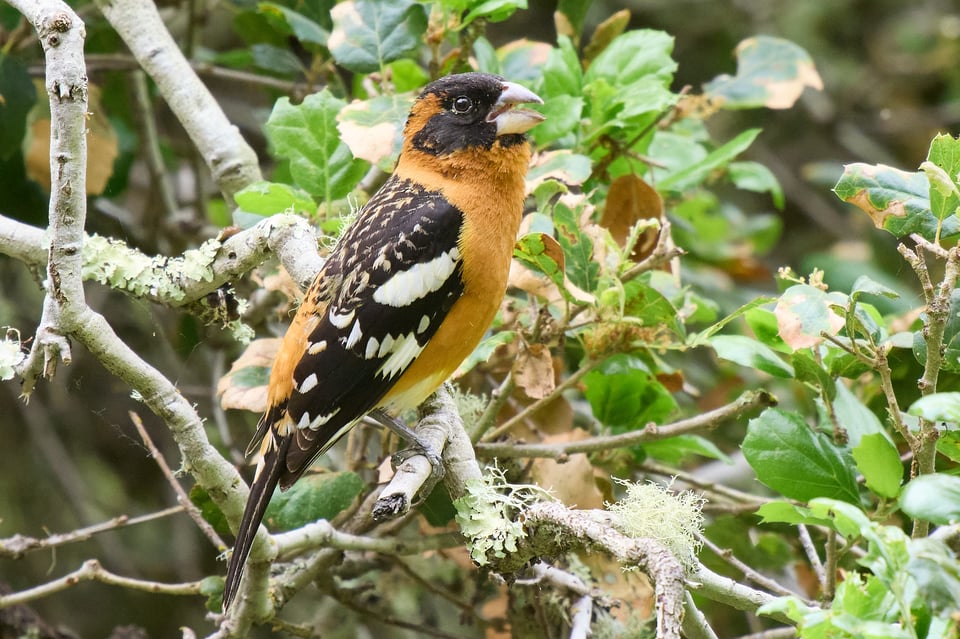
Bird Photos
Book News
Really more a tease than actual news, but Life Beyond Measure is wending its way through the production process. In a few weeks, I should be able to hold the first galley copies and the book will finally be a physical object. And in next month’s newsletter, I’ll have some big announcements to make, including details of publication dates and how to pre-order.
And in the meantime, I have an idea, a plan, and a title for what comes next…
Other Stuff
I’m featured in The Best Science Stories and How they Work—an anthology curated by Siri Carpenter of The Open Notebook. The book contains eleven pieces of longform science writing, each of which is thoughtfully analyzed by another writer. My piece, Fatigue Can Shatter a Person, deals with one of the most debilitating symptoms of long COVID and related illnesses, and is annotated by the incomparable Amy Maxmen—one of the pandemic reporters whom I most respect. I’ve long argued that writers can learn a lot by actively deconstructing the pieces they enjoy to work out what makes them good. This book epitomizes that approach, and I’m delighted to be part of it.
I’m also a guest on Vox’s Unexplainable podcast, talking about the sensory worlds of birds, how they might use Earth’s magnetic field, how little we know about all of that, and why that’s okay. As I understand it, there’s also a video version on Netflix.
Book recommendations
Science writing legend Olivia Judson is about to publish her second book, The Co-Creation, a sweeping history of life, Earth, and the intimate, perpetual dance between the two. It’s a truly spectacular work of scholarship, synthesis, and storytelling; indeed, what narrative could be grander? Judson is willing to go deeper into the weeds than most, but her skills are so sharp that the reader is never lost and always captivated. I think it will stand as a landmark work of science writing.
‘In a different vein, I really enjoyed Emily St John Mandel’s latest novel, Exit Party. It’s a book about doppelgangers, parallel universes, and a future America that variously splintered into warring states or subject to totalitarian surveillance. Perhaps more than anything I’ve read or seen, it perfectly captures that feeling of suddenly finding yourself in a world you don’t recognize and didn’t sign up for. Mandel has said that it’s her best work, and I agree.
Events
17 Sept: University of British Columbia in Vancouver, BC
19 Sept: In conversation with Amy Tan at the Wild Wonder Nature Journaling Conference in The Foster Museum, Palo Alto, CA (and online)
30 Sept: Colorado School of Mines in Golden, CO
2 Oct: Harpeth Hall School in Nashville, TN
That’s it for this month!
As always, this newsletter is free, but you can choose to pay a monthly subscription (at whatever level you set) if you'd like to support my work.
Stay safe.