The Ed's Up - New Dawn
It’s 3.30 a.m. and I am wide awake. I’m visiting my best friend in England, and having crossed 8 time zones, I’m wrestling with an infernal degree of jetlag. In a different time of year, at a different point in my life, this would have been immensely frustrating. But it’s mid-May, and I’m a birder, so instead of tossing and turning, I lie still and wait.
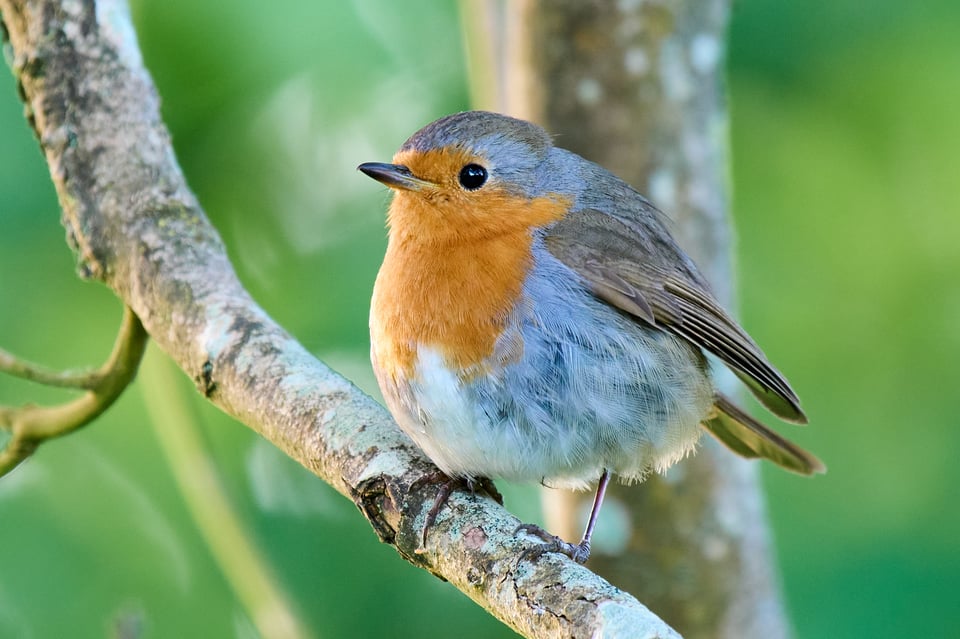
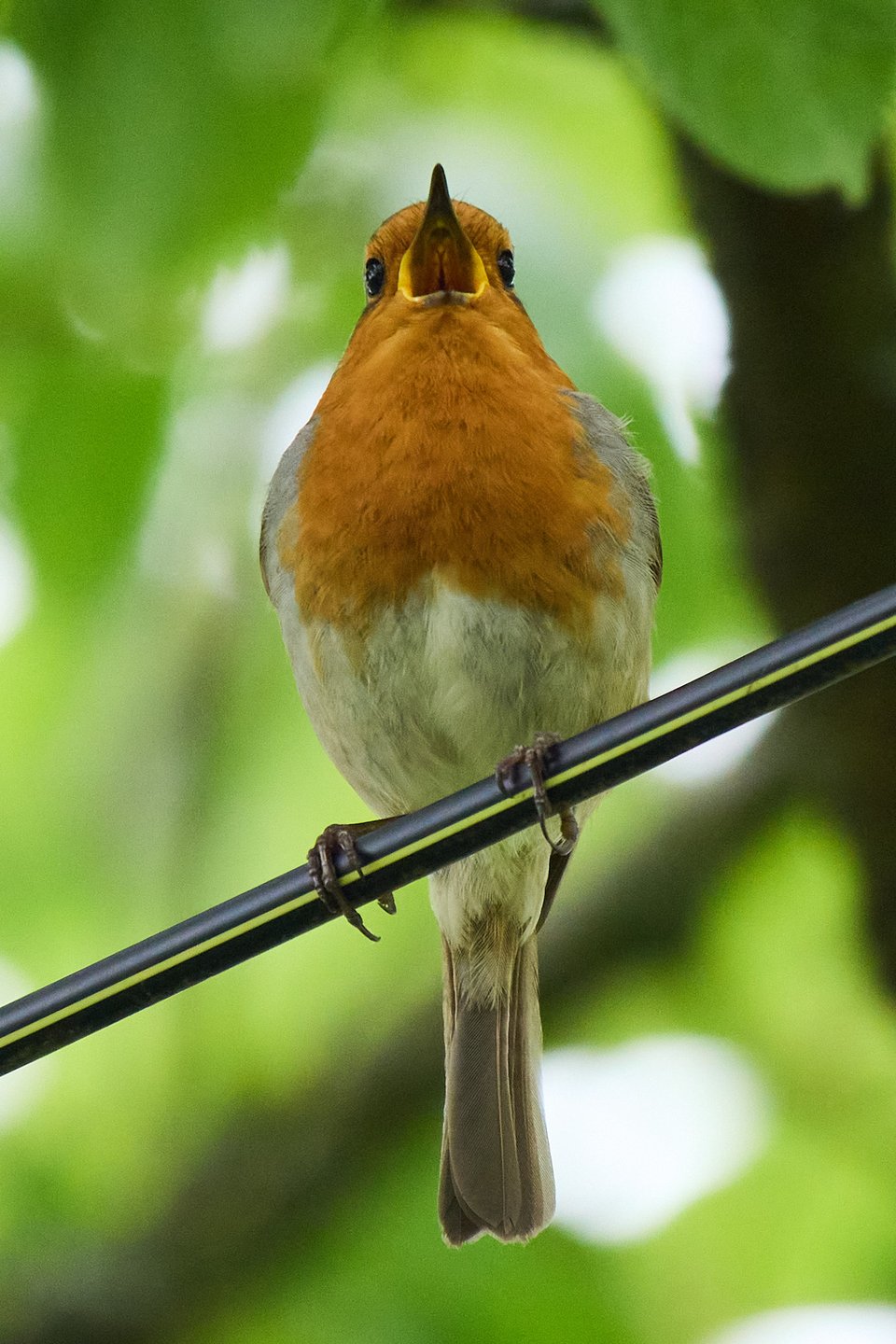
At 4.12 a.m., a robin—the OG European one—starts to sing. A rapid, ever-changing torrent of squeaks, whistles, and trills cascades through the open window.
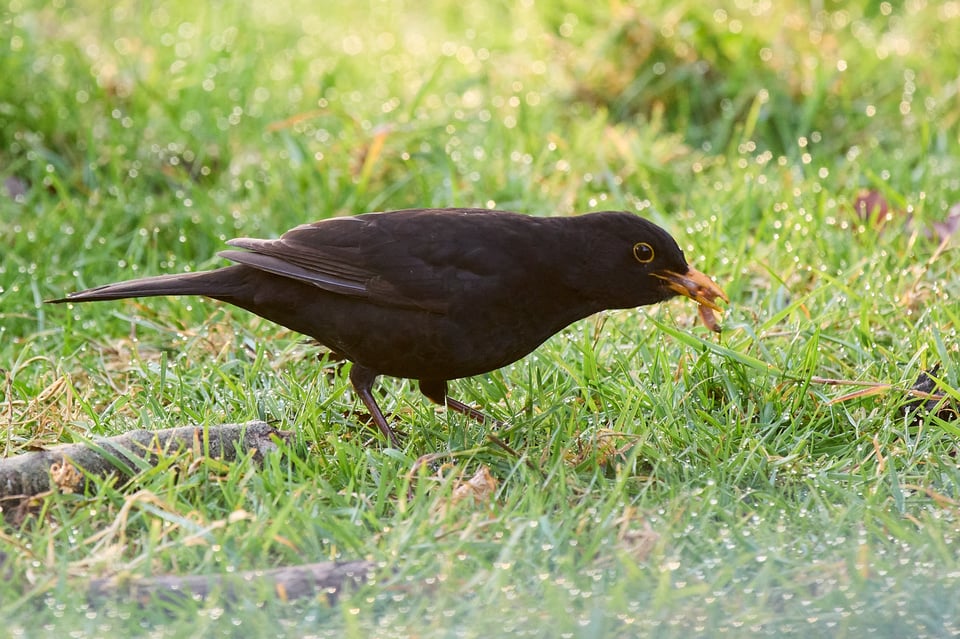
At 4.22 a.m., a Eurasian blackbird complements the robin’s high, frenetic notes with its lower, mellower, fluting voice.
At 4.33 a.m., an entire orchestral section seems to join in, as a single song thrush unleashes a medley of incredibly varied phrases, each repeated four or five times like an American mockingbird.
At 4.38 a.m., I can just about detect the high-pitched song of the blue tit before it’s completely drowned out, a minute later, by a Eurasian wren. A close relative of the Pacific wrens that helped to spark my love of birds in California, the Eurasian species shares the same vocal qualities: Its song is achingly musical, constantly changing in pitch and volume, and very, very loud. The wren doesn’t so much sing as open a portal inside its throat to a dimension of pure, blaring noise.
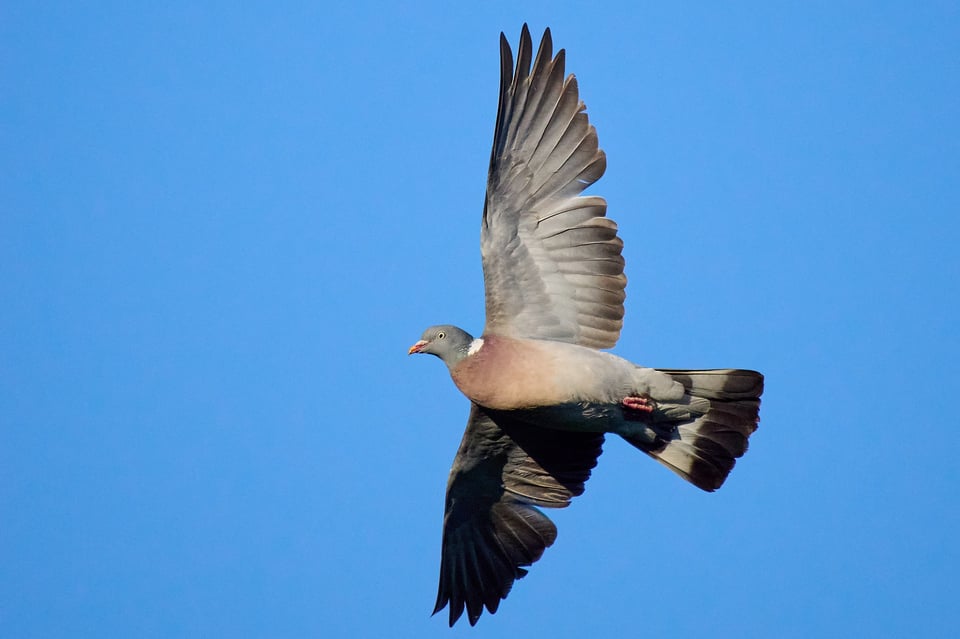
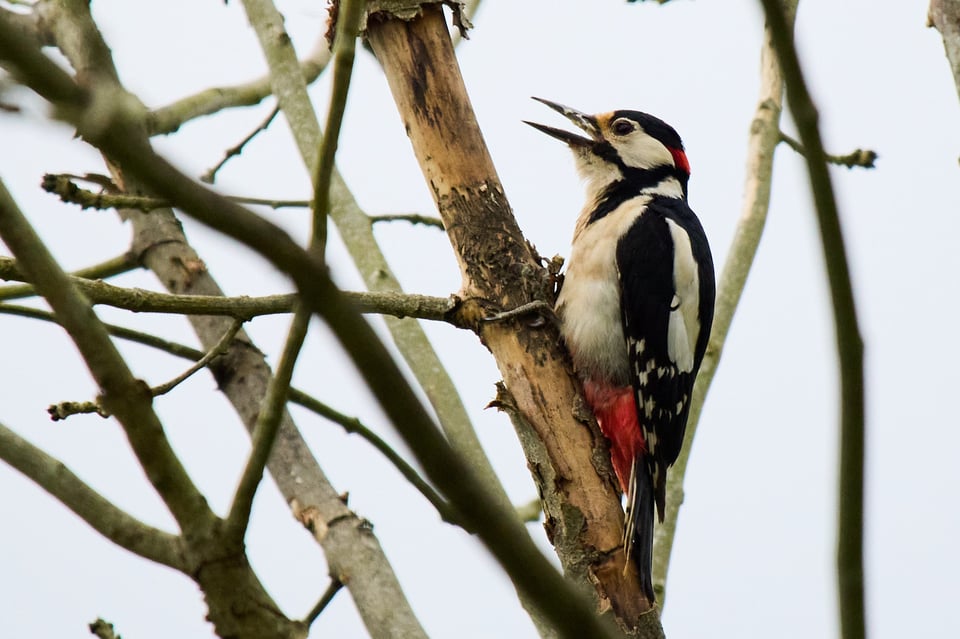
The dawn sky starts to shift from black to blue. All the singers are going off now, together. Accompanying them, a carrion crow caws, a common wood-pigeon coos, and a great spotted woodpecker drums. The collective sound reaches me from the roof immediately over my head, and the garden just outside the open window, and from miles across the mist-blanketed meadows beyond. It pulls on my awareness, stretching it outwards. I’m not just lying in bed, a pinprick in space; instead, per Tolkien, I’m traveling over “a far green county under a swift sunrise.”
This experience is magnificent and new. I’ve stayed in this house many times before. I’ve been awake, jetlagged, in this bed many times before. I lived in England for more than two decades, and yet, I had never previously heard a dawn chorus. Or, perhaps more accurately, I did but never listened to it. Since taking up birding, I’ve been struck by the sheer number of magical experiences that are all around us, all the time, being missed but waiting to be relished.
Bird photos
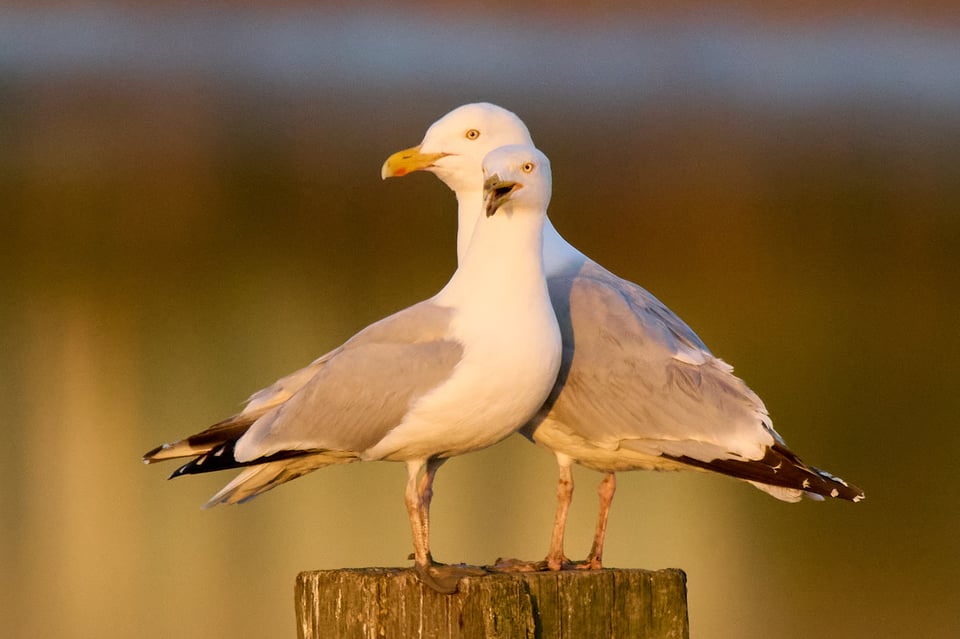
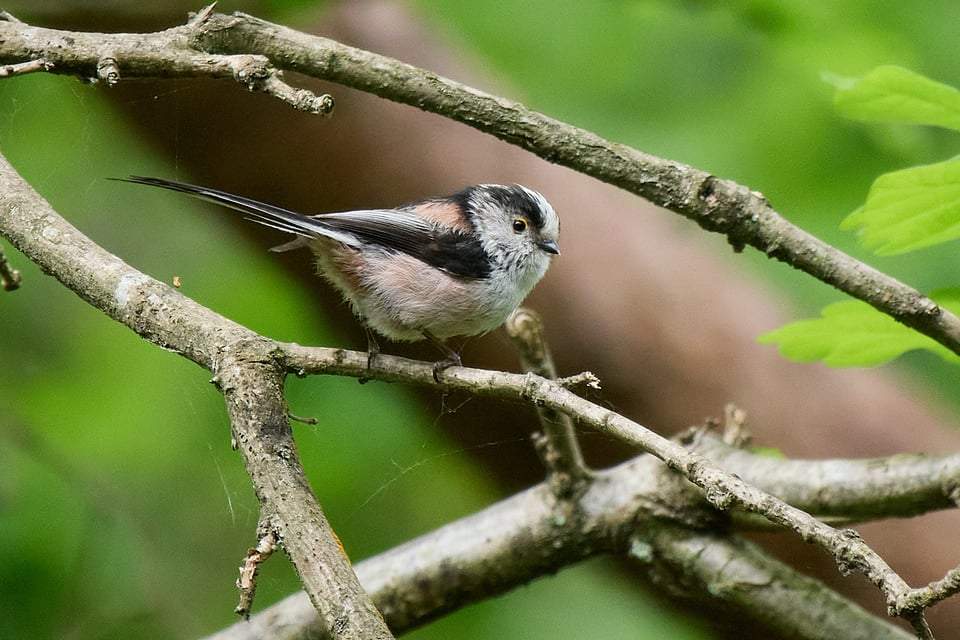
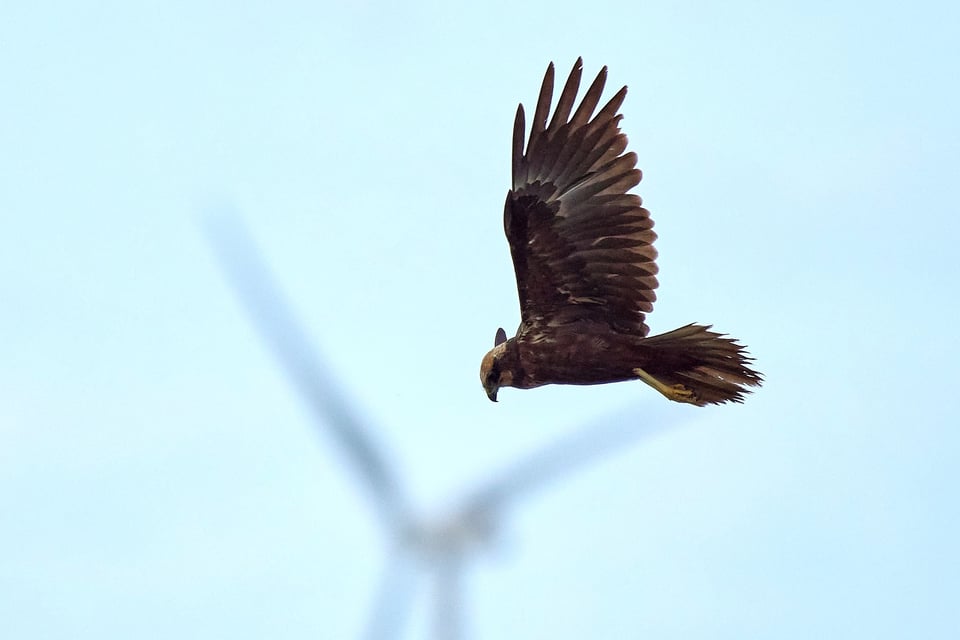
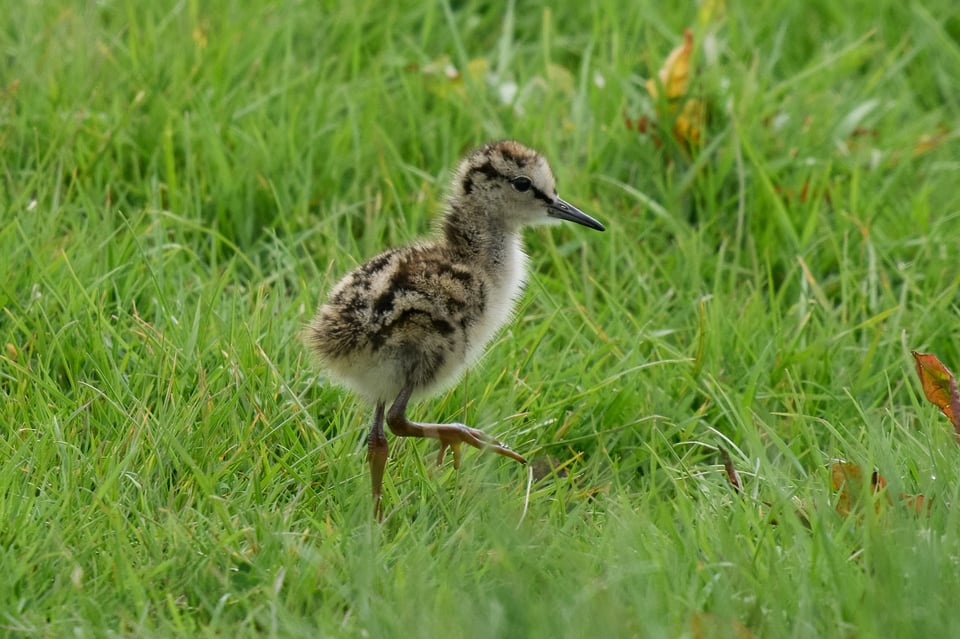
Other Stuff
I made a guest appearance on Life List: a Birding Podcast, a wonderful show about birds, ecotourism, and life, that’s like sitting in a pub with three friends.
The latest edition of Liz’s newsletter Meeting the Moment is especially important. It details the latest move by the current administration to change the course of American science—to “enshrine political preference over peer review, explicitly authorize grant terminations at any time and for any reason, and institute binding government-wide control.” Liz explains what they’re trying to do, and some concrete ways of responding.
You should also listen to Liz’s interview about her newsletter, how she makes sense of what’s happening in science and higher-ed despite the strategic onslaught of information overload, and why she does it.
The Patient-Led Research Collaborative and the RTHM Clinic published a really helpful guide to possible long-COVID treatments, and the evidence supporting each of them thus far.
Scratch is a new newsletter by four writers—Maggie Mertens, Manjula Martin, Latria Graham, and my good friend Rahawa Haile—about the realities of living, working, and surviving as a writer right now.
Book recommendations
The Blue Hours: My Summers and Winter in Antarctica, by Stephanie Krzywonos. An incredible memoir about Krzywonos’s experience as a worker in Antarctica in the wake of her best friend’s death. "Antarctica feels reborn in these pages—unshackled from the tired myths of heroism that have long defined her, resounding with once-silenced voices, and ready for a new era of myth- and meaning-making. Kryzwonos accomplishes all of that with writing so haunting, formidable, and transportive that it’s almost impossible to believe that this masterpiece of a book is her debut. This is a stunning book."
Spawning Season: An Experiment in Queer Parenthood, by Joseph Osmundson. In which Osmundson, a queer scientist, navigates whether to have a child, and all the ways of having one. “What a singular and deeply moving book. In Spawning Season, Joseph Osmundson has birthed a profound meditation on family and food, longing and loss, hope and grief, humans and salmon. In his story, we find a multitude of beautiful, complicated ways of imagining the future-and then working to build one.”
The Creatures’ Guide to Caring: How Animal Parents Teach Us That Humans Were Born to Care. A wonderful tour of the mind-blowing, disgusting, inspiring ways in which animals care for their young. “Reading this book is like sitting at a dinner table with your smartest, funniest friend. Elizabeth Preston’s writing shimmers with wit, charisma, and infectious delight, as she shows how the act of caretaking connects us to the rest of the animal kingdom.”
That’s it for this month!
As always, this newsletter is free, but you can choose to pay a monthly subscription (at whatever level you set) if you'd like to support my work.
Stay safe.