|
Well, hello, and welcome to this week's edition of the eCommercer.
I want to start with something that happened on one of our sites this month. We had a stock problem with one of our best-loved products. People order six at a time, and we simply didn't have enough to fulfil them. So instead of going quiet and hoping nobody noticed, we sent a fairly honest email. We told everyone what had happened, that we'd ship one of the six now, and the other five later, at our expense, so nobody had to go without. Then we braced ourselves.
Sales of that product went bonkers. We've now sold more of it than we ever have. I'm still slightly baffled by it, to be honest, but it lines up almost too neatly with the conversation I had this week.
A £6 elastic band
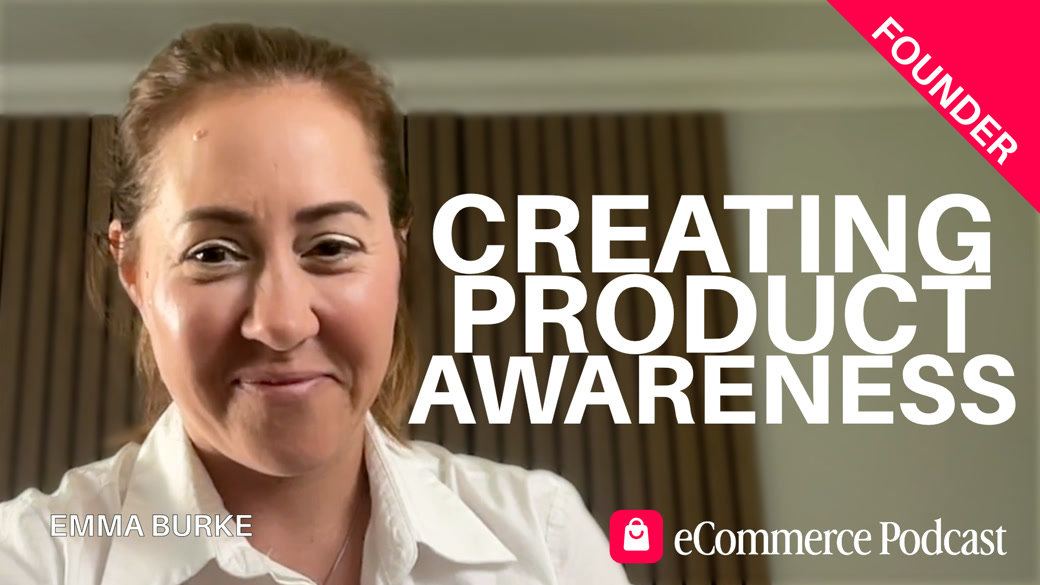
My guest is Emma Burke, the founder and MD of Laceeze. She was on the sidelines of her son's football training, in the wind and the rain and the mud, when she watched a parent loop an elastic band around another boy's boots so his laces wouldn't come undone. Everyone else's kids retied their laces five times a match. His didn't. That was it. That was the whole business. Emma went away and built a product kids would actually wear and parents would actually buy, launched it in 2017 at £6, and it's now sold around the world.
She's never written a business plan in her life. She trained as a vet nurse on £80 a week, built a 60-person cleaning company off the back of a Dorset property boom, then turned a rubber band into a brand. My kind of founder.
What I found genuinely interesting, though, was the marketing problem underneath it. Laceeze solves a problem nobody is searching for. As Emma put it when I pushed her on it:
| | Parents don't go looking for the solution. They don't see, oh, we've tied his shoelaces five times this match, there must be something there.
Emma Burke |
So you can't just buy your way in with ads, because people don't yet know they have the problem. What Emma did instead was build the market by hand. Zero marketing budget, a couple of mums posting on the sidelines, then gifting £9.99 pairs to parent-run kids'-football accounts who'd post and tag them, sometimes for months off a single pair. That's now a proper ambassador programme she's replicating in the US, one manual outreach at a time.
When it goes wrong
What Emma does when things go wrong is what I think most of us underrate.
She told me about a customer who'd left an angry comment on a Facebook ad. They'd never actually contacted Laceeze, they'd just used the ad as the place to vent. Emma pulled them into the DMs, apologised, and sent them some product. Two weeks later that same person asked where they could leave a review. As Emma said, the unhappy ones shout the loudest, and they're also the ones telling you what's actually wrong.
I think she's right, and it matches what I keep seeing. Some of our most loyal customers are people who had a problem with us at some point. The difference was how we treated them in that moment. Going out of your way to fix problems is the secret marketing tool no one talks about. If you want better marketing, go and find everyone who's got a problem with you right now and solve it in an exceptional way, and watch what it does to your business over the next six to twelve months.
That honest stock email I opened with is the same muscle. Telling people the truth, especially when the news isn't great, seems to buy you more goodwill than any clever campaign ever has.
Emma also did the braver version of this. Her first Christmas, the bands started snapping. Rather than risk kids opening duds in their stockings, she pulled the lot at her single biggest selling moment of the year. Gut-wrenching at the time. It almost certainly saved the brand.
We also get into cracking the US (and why brand recognition, not PPC, is the real blocker), the supplier relationship she calls the most important in the business, and her free market-research habit that's a bit like my own. Worth a listen if you've ever had a product people love but can't quite figure out how to make them aware they need it.
|