
Most brands get the sale. Few keep the customer.
The 14 days after purchase are the moment of highest trust. Here's what most brands do with them →

Well, hello, and welcome to this week's edition of the eCommercer.
There's something quietly fascinating about how much energy goes into getting the sale — and how little goes into what comes next.
We agonise over landing pages, ad creatives, and checkout flows. We A/B test our pop-ups and obsess over our conversion rate. And then someone actually buys... and we send them a shipping confirmation. Maybe a 10% discount for a product they haven't even received yet.
I wonder if we've all just accepted this as normal. As if the relationship starts at acquisition and the job is done at checkout. The podcast this week made me question that assumption all over again.
Have a great week, wherever you are in the world. Until next time,
This Week's Episode of the eCommerce Podcast →
The 14-Day Window Most Brands Are Wasting
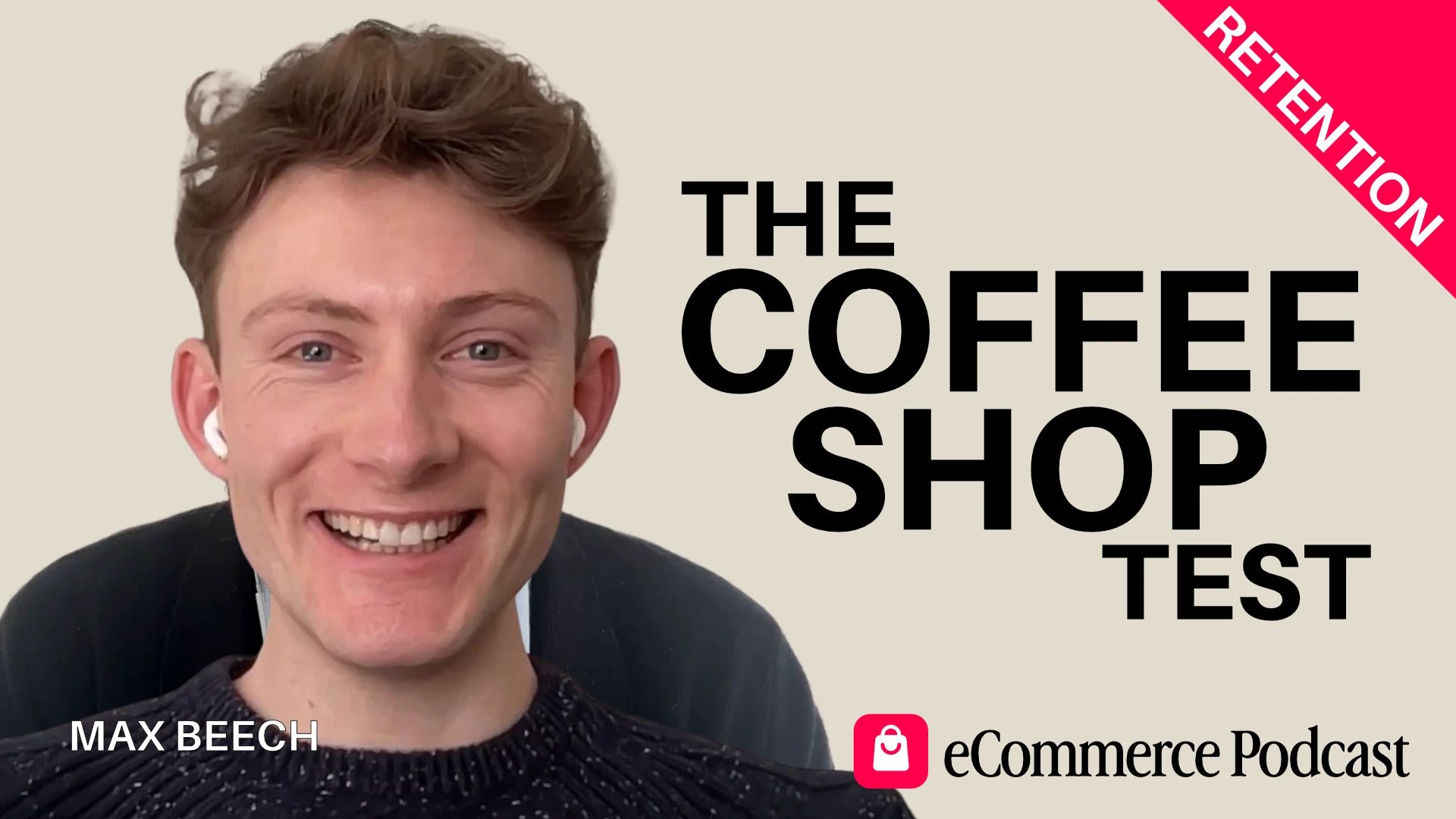
Max Beech spent years building personalisation features at Revolut and Yahoo before founding Athenic. His observation — and it's a sharp one — is that most ecommerce brands know a staggering amount about their customers, yet communicate with them like they know nothing at all.
The specific window he focuses on is the first 14 days after purchase. Most brands either go silent or immediately pivot to selling. Neither works.
"Don't try and sell them anything," Max says. "Everyone's been in that experience where they've been inside a store and that salesperson is just nagging them. It's exactly the same experience that a lot of customers feel when they're online."
The irony is that this 14-day window is the moment of highest trust. The customer just chose you. They handed over their money. They're engaged, paying attention, and genuinely open. And most brands respond with crickets — or a discount code.
Max uses what I like to call “the Coffee Shop Test” to illustrate this. Go into a good coffee shop and everything from the decor to the pastry case to the person at the till is designed to create a considered, inviting experience. Then you pay. And you're directed to a formless queue with no decor, no chairs, no engagement. Just your phone and someone eventually shouting your name.
Ecommerce does exactly the same thing. Beautiful website. Considered product pages. Clever ads. All of it is engineered to get that first purchase. Then the order is placed, and everything goes quiet.
One of the most practically useful points Max raises is about segmentation. Someone buys a pair of running shoes. Most brands put them in the "bought running shoes" bucket and send running content. But why did they actually buy? They might be training for a marathon next week. Or they might have just got a new dog and need comfortable walking shoes. Two completely different customers. Identical purchase.
And how do you find this out? Just ask them. A single post-purchase question — "Why did you buy this?" — gives you more useful data than months of behavioural tracking.
Max's final tip was to open your email platform and look at the last five messages you sent to customers. For each one, ask: Is this about what I want as a brand, or about what they need right now? If the answer is mostly what you want — and it probably is — that's your brief.
Max's Links:
Company: Athenic → getathenic.com
LinkedIn: Connect with Max on LinkedIn
Related Episode →
The Boat That’s Leaking
Something Ken Rapp shared a few months back sits with Max’s idea, and the numbers he opened with are worth revisiting.
Less than 30% of customers ever buy a second time.
In subscriptions, 50% churn within the first 90 days.
We spend all this money to get customers on the boat, and then the boat is leaking.
His framework, which he calls "Doorstep to Delight," breaks the post-purchase period into three distinct phases where a real relationship can actually be built — unboxing, usage, and care. Each stage has different customer needs. Most brands deliberately address none of them.
Ken's five-message rule is one of those things that sounds obvious the moment you hear it, but probably doesn't describe your current setup. For the first five post-purchase messages, no coupons and no review requests. Just value. Help people get the most out of what they bought.
"We have over 90% of the consumers on behalf of dozens of brands still on journeys today, months, quarters, years later," Ken says, "because they really appreciate getting tips and advice and having a connection back to the brand."
There's a vanilla extract story in this episode that will make you immediately think of the equivalent moment in your own business. Worth the listen.
Episode: https://www.ecommerce-podcast.com/stop-losing-customers-after-they-click-buy-now
Be A Guest →
Got an eCommerce business with stories worth sharing?
Come be my guest on the eCommerce Podcast, where I chat with founders about the wins, the disasters, and everything in between. Your story could be the one that helps another founder grow smarter (or avoid your mistakes).