⚡ How Publishers Survive Zero-Click Search: what you need to know
Zero-click searches now approach 60% as AI platforms answer queries directly
October 09, 2026
Zero-click searches now approach 60% as AI platforms answer queries directly
The Deep End
How Publishers Survive Zero-Click Search by Unlocking Proprietary Data
Zero-click searches now approach 60% as AI platforms answer queries directly. This trend destroys traditional web traffic and threatens reader retention. To survive, digital publishers must transform raw proprietary data into hyper-personalized user experiences. This analysis outlines how media brands can leverage trusted data assets to maintain direct customer relationships beyond basic answer engines.
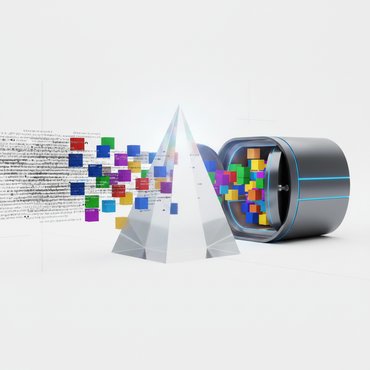
AI search interfaces now swallow web traffic whole. Nearly 60% of Google searches result in zero clicks today. Readers get instant answers without visiting source websites. Publishers must rebuild their value proposition around unique content that algorithms cannot replicate.
UK publisher Which? tackles this shift by unlocking raw testing data directly to users. Their interactive tool Ask Which? delivers personalized recommendations while driving registration. Publishers should package proprietary datasets into interactive experiences instead of fighting search summaries. Trust and custom utility will win back audience ownership.
Key Takeaways:
- Zero-click searches hit 60% because AI engines summarize publisher content directly within search feeds.
- Unlocking proprietary test data allows publishers to deliver hyper-personalized answers that generic AIs lack.
- Package proprietary research into interactive discovery tools to build direct subscriber value.
The Periphery
Why Slow Vision-Driven Development Outlasts Fast AI Software Prototyping
AI tools let developers build software instantly. Rapid code generation cannot replace a clear product vision. Zotero took five years of team collaboration because historians needed time to map complex research workflows. This deliberate process built a platform now serving 20 million users. Learn why patient design creates durable software.
Quick AI code prompts cannot replace deep domain understanding. A group of historians spent five years building Zotero before its 2006 launch. They tested early browser extensions and note tools to solve real research problems. The software gained 60,000 users in its first month because it matched actual workflows.
Key Takeaways:
- Five years of collaborative design allowed Zotero to solve complex research workflows effectively.
- Early adoption reached 60,000 users in month one through direct integration with browser tools.
- Study user behavior before writing code to build software that lasts for decades.
Why Visa and Mastercard Face Fresh $100 Billion Swipe Fee Litigation
Interlocking network rules block competition, driving annual credit card processing fees over $100 billion. A new class-action lawsuit targets Visa, Mastercard, and major banks for inflated fees accrued since 2019. Learn how anti-steering restraints eliminate market pressure on swipe fees and why previous multi-billion-dollar settlements failed to protect merchants from ongoing financial damages.
Visa and Mastercard control American merchant payment processing through rigid fee schedules. A new lawsuit alleges bank cartels extracted $100 billion annually in non-negotiable swipe fees. A San Diego pizzeria filed the class action representing merchants damaged since 2019. Previous settlements left post-2019 merchant losses completely uncompensated.
Key Takeaways:
- Rigid network rules cost merchants over $100 billion annually by blocking competitive payment pricing.
- A previous $5 billion settlement left post-2019 transactions unprotected, triggering new class-action damages lawsuits.
- Audit your credit card processing fees to assess exposure to inflated swipe charges.
Why Short Video Builds Newsroom Audiences But Fails Monetization
Newsrooms post vertical video to reach younger audiences on social platforms. Analysis of 212,904 posts reveals video gets 3.3 times more interaction on Facebook. Yet short-form content fails to generate direct revenue on platforms. Publishers must set clear goals per format and use short clips as traffic funnels rather than standalone revenue streams.
Newsrooms face a tough reality with short video distribution. A study of 100 news brands analyzed 212,904 social posts. Video content earned 3.3 times more interactions on Facebook than text. Yet huge reach rarely converts into direct subscription revenue.
Key Takeaways:
- Video posts generate 3.3 times more engagement on Facebook due to platform algorithm preferences.
- Short clips build brand reach but fail at direct revenue because platforms lack monetization.
- Audit your video pipeline to replace manual transcription with automated AI tools today.
Hedge Fund Guts Local Newsroom Staffing While Hiring AI Executives
Consumer revenue drops of 41% drove Chatham Asset Management to cut 40% of McClatchy's union journalists. Corporate executives muted employee questions while actively hiring directors for their AI content lab. This analysis reveals how hedge fund ownership accelerates newsroom automation at the expense of local reporting. Learn how newsroom unions use contract arbitration to block unvetted AI tools.
McClatchy slashed more than 90 union newsroom jobs across 17 local newspapers. The Idaho Statesman lost 13 of its remaining 22 newsroom staff members in one morning. Communities lose critical local coverage when hedge funds strip local papers to the bone. Meanwhile corporate executives refused to hold town halls or explain the strategic direction.
Key Takeaways:
- McClatchy cut 40% of union staff because consumer revenue dropped by 41% nationwide.
- Hedge fund owners expanded executive AI teams -- replacing local reporters with automated scaling tools.
- Audit your organization's AI editorial guidelines to protect work quality and union contracts.
The Firehose
Publishing and Newsroom Strategies
- How Publishers Turn Generative Engine Optimization Into New Ad Revenue
- How Free Wire Services Are Rebuilding Local Newsroom Distribution Networks
- Why Memes and Humor Are Essential Tools for Modern Newsrooms
- Why Rival UK Publishers Just Joined Forces to Protect Retail Print
AI Agent Workflow Automation
- How Custom AI Agents Streamline Business Workflows and Daily Automation
- How AI Agents Rebuilt a 67-Page Enterprise Website in Three Days
On-Device Machine Learning
- How Whistle Fits On-Device Speech Recognition Into 16.9 Megabytes
- How Small Local Machine Learning Models Eliminate Unwanted Political Spam
AI Misuse and Deception
- How Fake News Outlets Farm AI Coverage for US Visa Approvals
- How AI Image Generators Fabricate Artist Signatures to Mimic Authenticity