💡 Why purpose, not features, inspires product visions
Discover how to create product visions that truly resonate and drive innovation.
July 18, 2026
AI is rewriting codebases, obliterating organic search traffic, and undermining trust with perfect fake photos. Meanwhile, product teams are still trying to figure out how to build things that matter, and advertising is suddenly remembering that 'trust' might be a good thing to have around.
The Deep End
Crafting Product Visions: Purpose Motivates, Features Fail to Inspire
Most product visions fail. They list features, not purpose. An inspiring vision pulls teams forward. This analysis reveals how purpose-driven statements motivate action. Learn to create visions that resonate, foster alignment, and ensure long-term product success by focusing on positive impact.

Many product visions fall flat. They describe what a product does. They miss its ultimate why. Steve Jobs famously noted, "The vision pulls you." Only a purpose-driven vision inspires teams. It creates a meaningful purpose for their work.
Focus on the positive change your product delivers. For example, empower people to create software at the speed of thought. This purpose generates significant motivation. It transcends features that constantly change. It acts as a stable North Star for your entire product lifecycle. Teams need this clarity.
Key Takeaways:
- Most product visions fail to inspire because they focus on features, not purpose.
- A product's ultimate positive impact motivates teams more than solution descriptions.
- Co-create vision with stakeholders and team members for strong alignment.
The Periphery
Maintaining Code Ownership: Why LLM-Generated Code Demands New Reviews
AI codes fast. This speed reduces developer familiarity. You lose intuitive understanding of the codebase. That creates future maintenance and debugging nightmares. This analysis explains how LLMs degrade code ownership and offers five concrete strategies. Learn to keep your expertise sharp and validate AI's output proactively. Stop sacrificing control for speed.
LLMs write code at incredible speeds. This efficiency comes at a cost. Developers lose their intuitive understanding of the codebase. This gap makes debugging harder. It also prevents informed future development. For example, a bug fixed last month with human-written code often requires minor adjustments. With LLM code, developers must re-learn entire sections from scratch. This creates significant operational drag over time.
Key Takeaways:
- LLM-generated code erodes developer intuition, creating future maintenance burdens.
- Passive acceptance of AI code risks deep ownership loss and reduces future guidance quality.
- Proactively review LLM outputs: generate explainers, explore changes, and make small edits.
SEO Leads Plummet: Repurpose Content for Social Channels
Google's AI Overviews drastically reduce organic search traffic. Ranking first now delivers 58% fewer clicks. This shift forces businesses to rethink content strategy. Learn how to repurpose existing SEO assets for social platforms. Maximize content ROI by building a 'repurposing factory' focused on zero-click content and community engagement.
Founders see major SEO lead drops. Businesses previously relied on Google. AI Overviews now answer 55% of search queries. This makes traditional SEO less effective. Content value shifts from discovery to direct connection.
Key Takeaways:
- Google AI Overviews cut organic traffic, making SEO less reliable.
- Repurpose established content into social-first formats for new reach.
- Implement a content repurposing workflow to maximize current asset value.
AI Rewrites Codebase in Days, Devastates Open Source Project Funding
A decade-old programming language just saw its flagship product's 10,000 lines of code rewritten by AI in 11 days. This analysis shows how AI's rapid code generation capabilities threaten open-source sustainability. It explores the immediate financial impact and future implications for developer communities.
AI now rewrites entire codebases at unprecedented speeds. One programming language, Zig, spent ten years proving its production readiness. Its key product, 'Bun,' ran on millions of machines. Then AI agents rewrote Bun's entire codebase in just eleven days.
Key Takeaways:
- AI rapidly rewrites established codebases, disrupting traditional development timelines.
- Major open-source projects face immediate funding cuts as AI replicates their work.
- Assess your project's AI vulnerability if its value relies on human-written code.
AI Photos Create Reader Distrust: Prioritize Authentic Visuals
AI-generated profile photos undermine reader trust. They create cognitive dissonance when real-life appearances differ. Authentic, imperfect visuals build stronger connections. This analysis reveals how AI perfection backfires and outlines why genuine self-representation is critical for writers. Discover strategies to foster trust through visual honesty and avoid digital misrepresentation pitfalls.
Writers frequently use AI images for profile photos and social media. This creates a disconnect with their audience. AI-generated perfection often feels hollow to readers. They prefer authentic, even imperfect, images that foster real human connection. Distrust arises when an AI visual doesn't match the actual person.
Key Takeaways:
- AI-generated profile photos can create reader confusion and erode trust.
- Authentic, imperfect images foster stronger human connection than polished AI visuals.
- Prioritize current, genuine self-representation to build a credible author platform.
The Firehose
AI Development & Application
- Generative AI Structures Complex Information into Actionable Learning Paths
- Agentic Analytics: AI Agents Transform Data Investigations at Photoroom
- Agent Harnesses: Make AI Behavior Understandable, Auditable, and Editable
- Build AI from First Principles: No Frameworks, Just Math
Audience & Product Strategy
- Fandoms Demand Interactive Worlds, Not Just More Content
- Build Products That Elevate Users, Not Just Engage Them
- Niche Content Wins: How Hyper-Focused Newsletters Build Profitable Audiences
- Maximized Customer Census Surveys Drive Evidence-Based Marketing Growth
Media & Data Insights
- Advertising Rexamines Trust as Foundation for Growth and Profit
- Digital News Report 2026: Exploring A Decade of Survey Data
- Dow Jones Unlocks Prosumer Insights by Fusing B2B Data and B2C Reporting
Worth Exploring
- Why AI Threatens Core American Values and Democratic Society
- Master Creative Skills: Separate Technical Proficiency from Ideational Genius
The Unintended Consequence
Navigating AI Dissonance: Why Developers Use LLMs Despite Major Flaws
Developers face a real dilemma. LLMs generate "slop" code and ethical concerns abound. Yet, these tools accelerate workflows dramatically. This report decodes the paradox of using LLMs while acknowledging their flaws, showing how top engineers leverage AI and mitigate risks, turning a 10-minute task into a 30-second prompt.
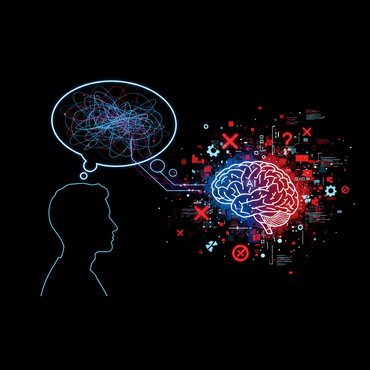
Many developers feel a deep, unsettling dissonance. They understand LLM critics are often right. AI models raise ethical flags, produce low-quality output, and consume vast resources. For example, open-source projects now auto-close LLM-generated pull requests due to overwhelming "slop." Yet, these same developers still rely heavily on AI to boost their daily output. They admit using tools like Claude Code routinely.
The real power of LLMs lies in amplification, not replacement. They make existing thoughts sharper, not create new ones. High-quality human input yields high-quality AI-assisted output. Low-quality input yields merely fast slop. The article details specific techniques, like the "grill-me" method. This forces the LLM to question assumptions relentlessly, clarifying human intentions. This approach converts a ten-line coding task into a detailed, human-guided process. It creates trust where independent operation cannot.
Key Takeaways:
- Most LLM critiques are valid: models produce low-quality content and raise ethical issues.
- Developers experience significant dissonance, acknowledging LLM flaws yet using them daily.
- Implement structured LLM interaction patterns to ensure high-quality, human-validated output.