Art and Science Can Come Together After All
I write about how art and science can intersect in ways we may not always expect.
When you have an interest in both art and science, like I do, it can be challenging to find where the two fields intersect. I’ve been pondering on how my artistic work experience and passions can connect with my scientific studies in health. Fortunately, I’ve come across some information that shows art and science can come together after all!
In fact, there’s a fast-growing field in health called “arts in health”. It’s all about how the arts can contribute to our well-being. Many experienced health professionals talk about how a well-rounded physician should have a background in both the sciences and the humanities. Art helps a health professional see situations in multi-dimensional ways, instead of just relying on the data and science alone.
And art itself can be such a therapeutic activity in health. Art therapy is one way health and art intertwine. Through making art, patients can express their emotions, work through their fears and difficulties, and feel a sense of purpose through the creative act.
I remember reading a book a few years ago about how people with mental illness were often able to create extraordinary art. Their pieces would challenge our ideas of logic and order, and they showed that art often exists beyond our limitations and boundaries for it. Some of those works by patients even became famous in their own right, such as the surreal drawings and paintings of Friedrich Schröder Sonnenstern.
How Science and Art Come Together
Now that I think about it, I may have always had an interest in putting together science and art. I’ve had ideas about combining a research project with artistic pieces before, such as with the Black Astroscience concept. It was an idea I made about studying Black people’s spiritual experiences and connection with the cosmos, but I realized it could also be an art form. With my background in Afrofuturism, it didn’t feel weird to me at all to combine the two.
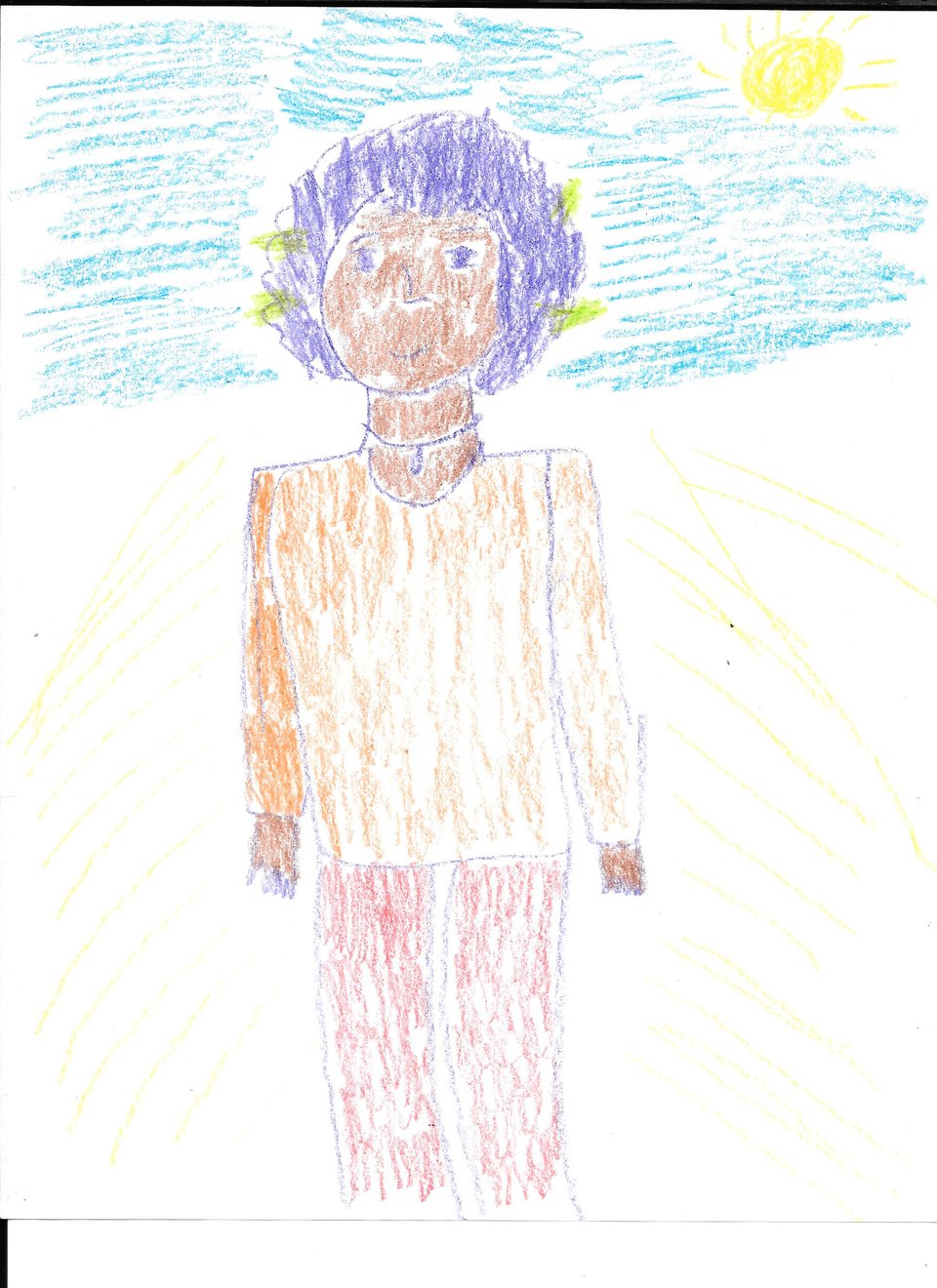
Another way I would often intertwine science and art was through my sci-fi writings and drawings. When I learned about a fascinating scientific concept, such as parallel universes, neurologically different minds, and the possibility of extraterrestrial life, I would often dive straight into writing or drawing about these things.
Many great artists of the past combined both science and the arts, instead of having a clear line between them. One example is Leonardo da Vinci, who had a deep interest in both drawing and researching human anatomy. His inventive mind also created plans and ideas for technologies that didn’t exist yet.
Another example is George Washington Carver. Although he’s most well-known for his scientific and agricultural work, he was also a passionate painter. A few of his paintings are still around, and he often made nature scenes.
Yet another example is Marianne North, who created paintings that documented tropical plant specimens. Her work was a cross between science and art, because her paintings would capture the history and features of specific plants. Other researchers, such as Charles Darwin, often referred to North’s paintings to support their own theories on evolutionary development.
When I see these examples, I realize that science and art don’t have to be mutually exclusive. It’s giving me so many ideas of how I can combine my interest in art with the world of health science and research.
In fact, one of the ideas I have for the future is a simple research study on how the creative arts benefit a person’s mental and emotional well-being. If you’re interested in taking part in this study when I create it, let me know! You can reply to this email, or reach out to me when I get it started.
Anyway, from all that I’ve seen, art and science can go hand in hand. After all, science takes a creative side, too. Asking interesting research questions, inventing new tools, or finding imaginative solutions to problems are areas of science that overlap with artistic skills.
This is why instead of just focusing on STEM or art alone, many cultures are beginning to realize that we ought to value both areas. There’s no need to devalue the humanities or dismiss the science. Both of them can be fascinating and creative ways to explore our world.
Resources
These are some resources I used to write this newsletter entry. You can check them out if you want to see more parallels between science and art.
The University of Arizona. (2025, April 21). Health sciences colleges merge art and humanities with science. https://healthsciences.arizona.edu/connect/stories/health-sciences-colleges-merge-art-and-humanities-science
EBSCO. (2026). The STEAMy relationship between art and science. https://about.ebsco.com/blogs/ebscopost/steamy-relationship-between-art-and-science
You just read issue #15 of Creative Destiny. You can also browse the full archives of this newsletter.
