
The Dead Internet Almanac Dispatch: Week of June 8
Weekly dispatch from The Dead Internet Almanac
The Dead Internet Almanac Dispatch: Week of June 8
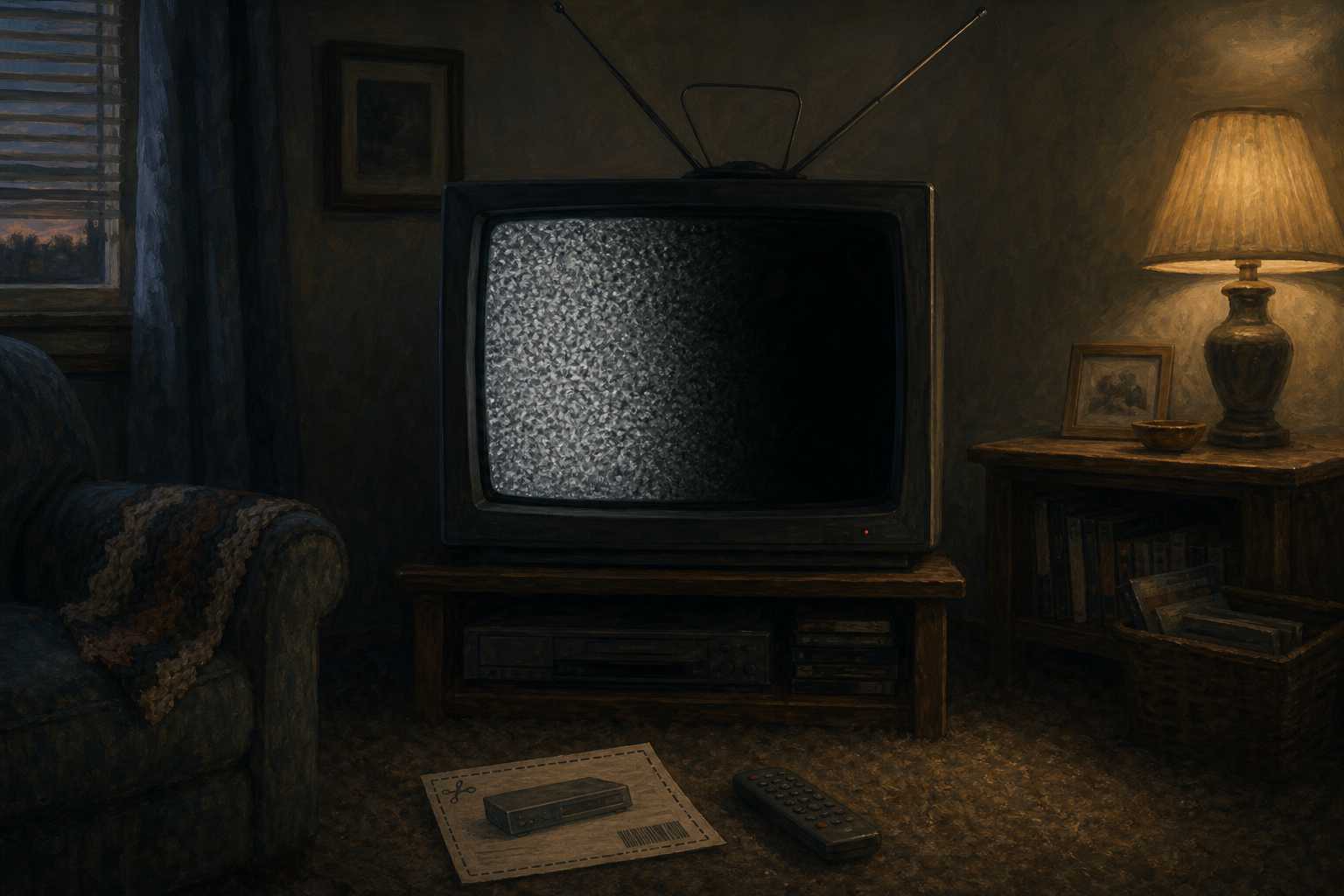
This week was about systems that promised to make the web, games, phones, and television feel simpler, then left behind stranger artifacts than anyone planned. A personal homepage toolkit became server plumbing. Apple tried selling the cloud in a box, then tried handing iPhone developers a browser-shaped doorway. Duke Nukem Forever finally escaped the joke cycle. And on Friday, analog television taught us that even bad reception had a kind of personality. The through-line is not failure so much as translation: messy human habits being pushed through cleaner machines, and something tactile getting lost in the upgrade.
Start Here
📺 June 12: When Television Lost Its Snow
Start with the week’s most legible ghost: the 2009 analog TV switch-off. It is about policy and spectrum, yes, but also about the emotional grammar of broken signals. Analog failed gradually. Digital failed like a door closing.
Also in the Almanac
🛠️ $HOME/public_html and the Language That Took Over the Web
The early web’s little chores, counters, forms, guestbooks, log files, became the seedbed for PHP.
☁️ June 9: MobileMe, the Cloud You Could Buy in a Box
A retail-box cloud service from the exact moment Apple was learning that invisible infrastructure could still arrive with very visible dents.
🎮 June 10: Fourteen Years Later, the Joke Booted Up
Duke Nukem Forever finally became playable, which meant one of the internet’s longest-running punchlines had to become an ordinary product.
📱 June 11: The Sweet Solution Nobody Wanted
Before the App Store hardened into a civilization, Apple offered developers Safari, standards, and a very polished version of “please build around the walls.”
Now in Audio
🎧 June 3: The MMO That Asked Forty People to Suffer Beautifully
Listen instead: Podcast episode
🎧 The Day Every Hard Drive Became a Record Store
Listen instead: Podcast episode
From the Cache
- The old
fingercommand made a user’s.planfile feel like a tiny status page before status pages had a product manager. - Veronica, the Gopher search system, is a reminder that discovery once meant crawling menus, not just ranking pages.
- ANSI art packs carried scene identity in filenames, release notes, and terminal color codes, a whole social layer compressed into text-mode distribution.
On the Desk
A file format born at CompuServe is waiting to become the tiny looping body language of the web. An old gaming Zone opens into lobbies, subscriptions, usernames, and the moment online play started sounding like a service plan. Firefox turns a browser release into a participation ritual, complete with pledges, badges, and a crowd trying to be counted. Later in the week, little Mii apartment lives and a pre-Xbox Halo future pull the archive toward stranger rooms: domestic avatars, Macworld footage, and the platform dreams that changed owners mid-sentence.
Forward this to one person who remembers when the web felt handmade.