
The Dead Internet Almanac Dispatch: Week of June 15
Weekly dispatch from The Dead Internet Almanac
The Dead Internet Almanac Dispatch: Week of June 15
This week kept circling the moment when the web learned to count people: downloads, lobbies, avatars, formats, platform loyalties. A tiny image standard built for slow connections became the web’s looped body language. Microsoft’s game rooms started sounding like a subscription business. Firefox turned a browser release into a crowd event with badges and record-keeping. Nintendo filled apartments with needy little faces. Bungie tried to explain, in FAQ form, why Halo’s future had suddenly moved into Microsoft’s orbit. The archive is full of old machines asking a very modern question: who is here, and what can we make them do together?
Start Here
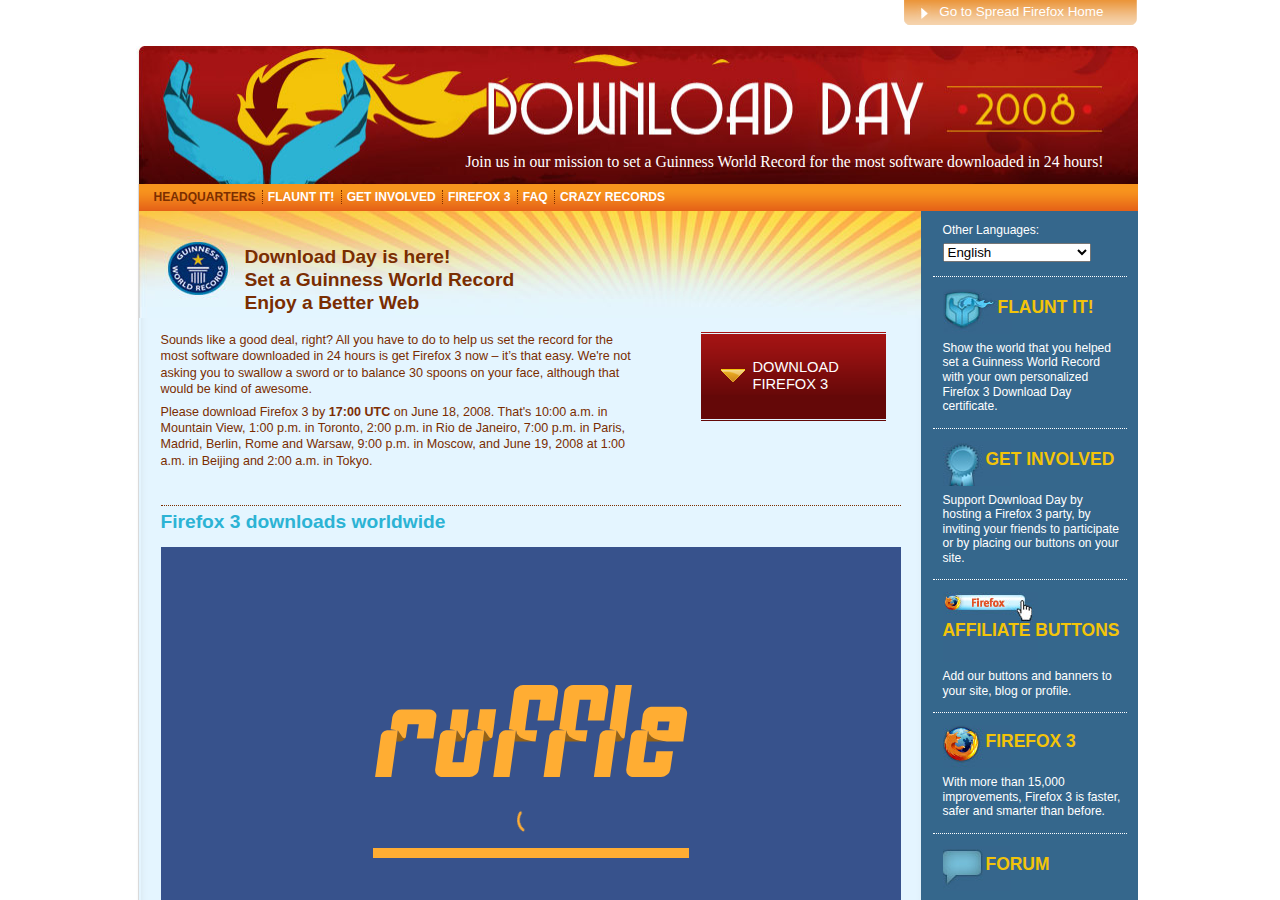
🦊 Eight Million Clicks for Firefox 3
Start with the browser release that became a participation ritual. Firefox 3 was software, but Download Day turned it into a public headcount: pledges, maps, counters, and millions of people trying to make an open-web moment visible before the platform era hardened around them.
Also in the Almanac
🖼️ A File Format Built for Waiting Became the Web's Smallest Theater
GIF87a began as a practical CompuServe format for getting images through slow pipes, then became one of the web’s most expressive little containers.
🎲 June 16: A Free Game Lobby Learned to Charge Admission
The Microsoft Internet Gaming Zone shows online play becoming less like a room you wandered into and more like a service tier with a front desk.
🏢 Inside Nintendo's Needy Mii Apartment
Tomodachi Collection turned tiny rooms, copied faces, hunger bubbles, gossip, and errands into a handheld social machine.
🪐 June 19: The FAQ That Pulled Halo Into Xbox Orbit
Bungie’s acquisition FAQ is a fossil of the instant Halo stopped being a Macworld curiosity and started becoming Xbox mythology.
Now in Audio
🎧 June 10: Fourteen Years Later, the Joke Booted Up
Listen instead: Podcast episode
📺 June 12: When Television Lost Its Snow
Listen instead: Podcast episode
From the Cache
- The
robots.txtfile is a tiny politeness treaty from an older web: plain text at the front door, asking crawlers to behave before crawling became an industry. - Hotline servers mixed chat, file libraries, news posts, and user handles into little private ports of call, halfway between a BBS and a pirate-radio clubhouse.
- The Webring navigation bar was once a social map in miniature: previous, next, random, list, and the belief that related pages could hold hands.
On the Desk
A shareware upload becomes a doorway, then a maze where bad ping, brown stone, and homemade servers teach players how internet combat feels. An almost-empty front page starts acting inhabited before the crowd arrives, a small link machine practicing the gestures of a future conversation archive. A beige desktop tries to sew the web into the operating system itself, making local folders and online pages feel like neighboring rooms. Then the archive moves from interfaces to law, where the messy young web asks whether it gets to stay strange.
Forward this to one person who remembers when the web felt handmade.