
The Dead Internet Almanac Dispatch: Week of July 20
Weekly dispatch from The Dead Internet Almanac
The Dead Internet Almanac Dispatch: Week of July 20
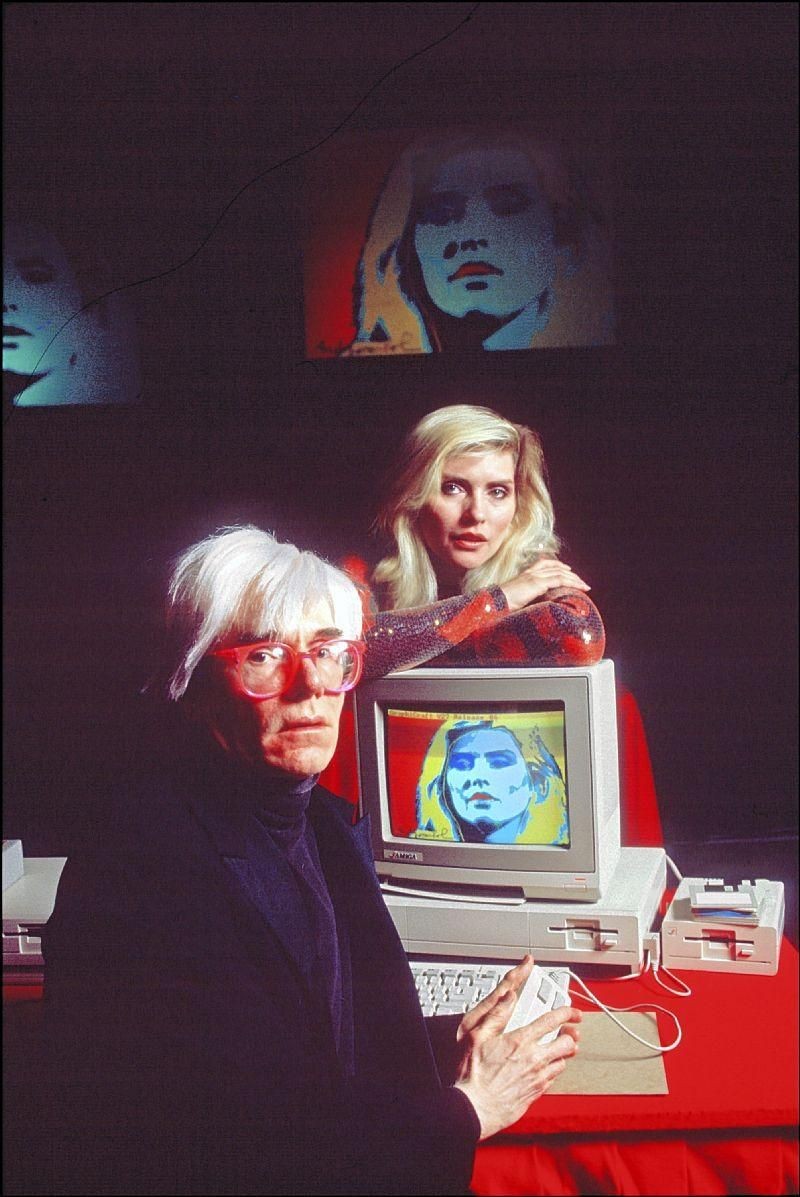
This week was about systems that wanted the future to arrive through a very particular doorway. A hidden switch inside a famous game forced retailers and ratings boards to argue with code left on a disc. Nintendo asked players to bend toward a red tabletop visor. Microsoft tried to fold rival buddy lists into one sign-in. Commodore put Andy Warhol on stage with an Amiga and made the home computer look less like office equipment. Google Play Games closed the week by showing how even casual phone games could be haunted by a social network nobody had asked to carry around.
Start Here
🎨 July 23: A Pop Artist Took the Mouse
Start with the Amiga launch because it gives the whole week its clearest image: a product demo briefly turning into a cultural demo. Warhol, Debbie Harry, a theater stage, and a machine built for color and sound all made the same argument. The computer was no longer only a thing that calculated. It could perform.
Also in the Almanac
☕ July 20: A Hidden Switch Became an Adults Only Game
Hot Coffee turned disabled code into a public crisis, making a game rating feel less like a label on a box and more like a legal argument about what software contains.
🔴 July 21: Nintendo Asked Players to Lean Into the Future
Virtual Boy sold depth as a posture: red light, tabletop stand, private tunnel, and the uneasy feeling that the future had asked for your neck before your imagination.
💬 July 22: At Midnight, the Buddy List Picked a Fight
MSN Messenger arrived with the promise of one contact list and immediately reopened the old question of whether online presence should be portable, proprietary, or fought over in protocol traces.
🎮 July 24: A Game Hub Haunted by Circles
Google Play Games looked like a tidy Android achievement hub, but its launch-era friend graph carried the ghost of Google Plus into leaderboards, saves, and casual mobile play.
Now in Audio
🪱 July 13: Searchlights on Port 80
Listen instead: Podcast episode
🦎 AOL Cut Netscape Loose. Mozilla Kept Walking.
Listen instead: Podcast episode
From the Cache
- Old Shockwave splash screens often treated loading as part of the show, with progress bars, tiny loops, and plugin warnings acting like a lobby before the web page began.
- Web rings left a physical-feeling trail through the internet: previous, next, random, join, a little navigation strip that made strangers' pages feel like doors in the same hallway.
- The earliest browser bookmark files were personal maps in plain clothing, full of renamed links, dead directories, and private categories that outlived the sites they pointed toward.
On the Desk
A rushed operating-system deal waits inside a plain prompt, where compatibility, floppies, and a local hardware company's survival math start to look like empire-building in miniature. A Flash tower-defense favorite brings the browser-game era back through pathing, waves, upgrades, and the small miracle of a game you could recommend by sending a link. A console modem network opens another kind of lobby, with retail displays, usernames, rankings, and the strange intimacy of multiplayer before broadband became ordinary. The week closes near newer infrastructure: a genesis block full of smart-contract ambition, then the quiet disappearance of Microsoft's old Internet Games rooms.
Forward this to one person who remembers when the web felt handmade.