

I am really not excited about using AI to write code, but it seems to be difficult to avoid. On my blog, I detailed a bit more about why I’m going to write more about AI.
I’ve not yet decided where this mailing list fits in - I’m going to continue to try to keep this as shorter thoughts and not just a repost of my blog entries.
As such, let’s talk about table saws.
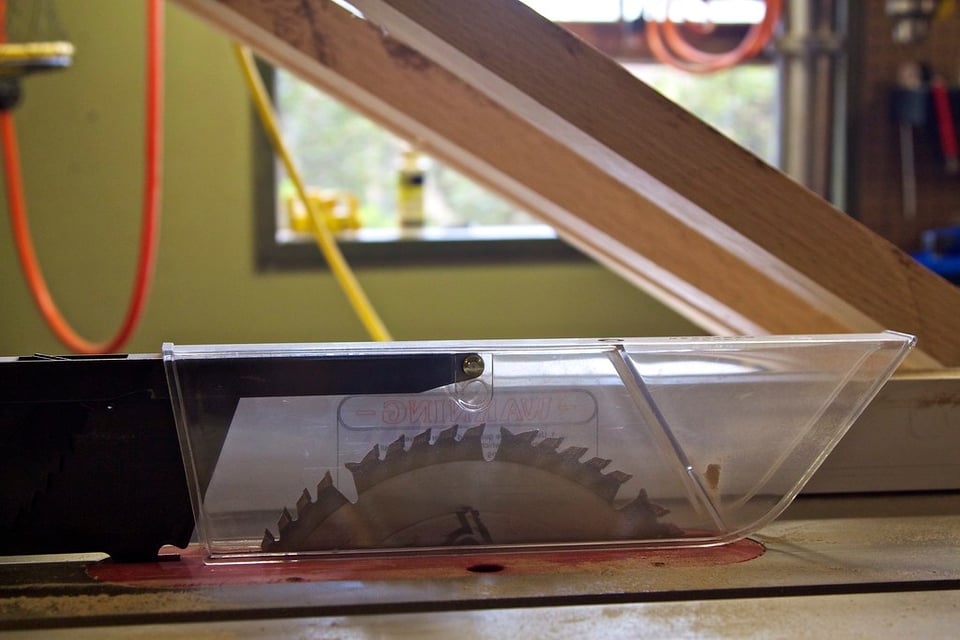
A table saw is essentially a metal table with a blade stuck out of it spinning at 3,450 RPM. It's primarily used to "rip" boards, which is to say, cut them lengthwise. You can also use it to "crosscut" boards, i.e. cut them across their grain to shorten a board.
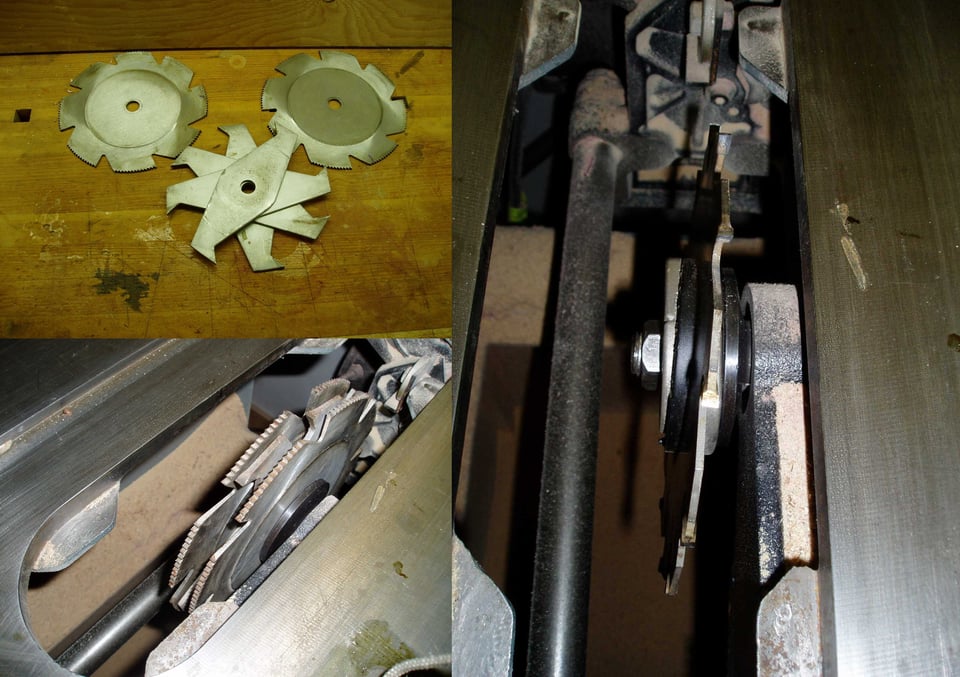
A common use for a table saw is to cut a "dado" which is a fixed-depth notch in a piece of wood that another piece goes into. They are very common in bookshelves - each shelf fits inside dados on the sides of the bookshelf. You can cut them more expediently by stacking a whole bunch of blades on top of each other, called a "dado stack":
No matter how you have it set up, these saws are dangerous. If you make a mistake, you can lose a finger (or worse). The blade spins toward you, so there's a real possibility that, every time you use it, the piece of wood you just cut will be launched toward you at many miles per hour.
A much safer way to cut a dado is by hand, using a hand saw, a chisel, and a specialty plane called a router plane
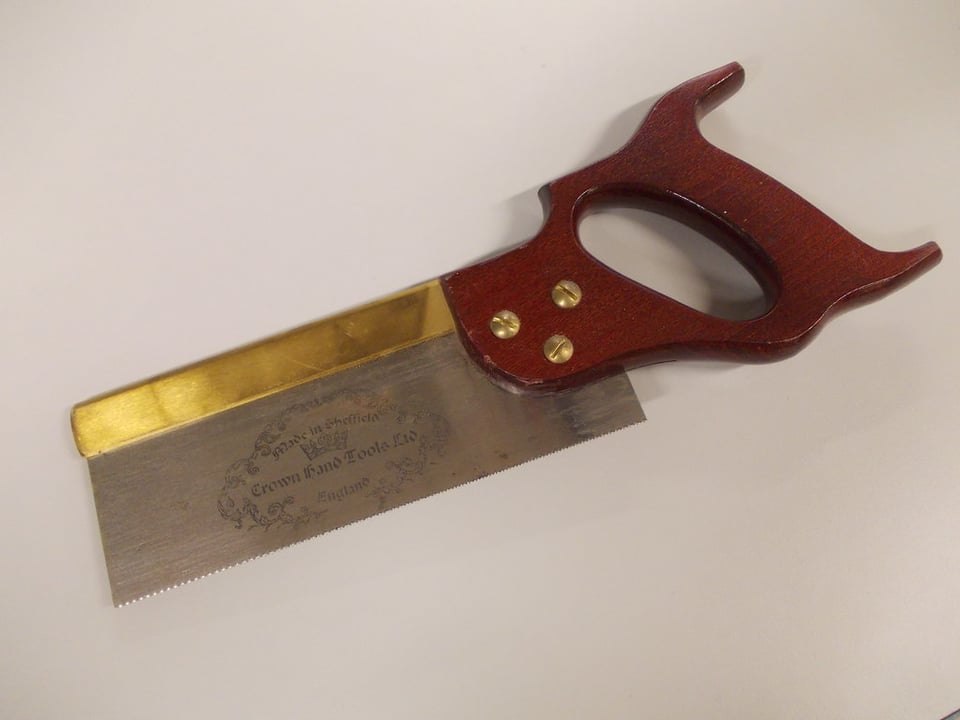
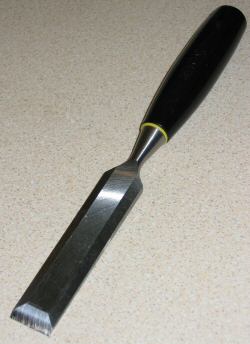
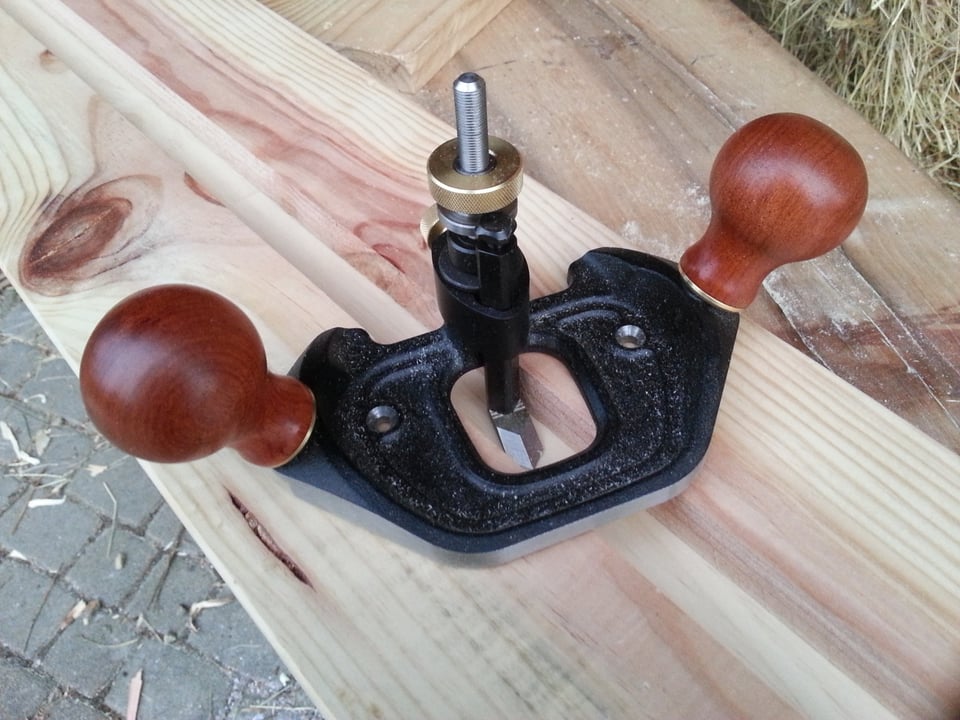
While you can still hurt yourself using these tools, it's more likely to be a small cut that a band-aid can quickly repair. You won't have a life-altering experience cutting dados with hand tools. But, it takes a lot longer, and it's more difficult to be precise. It also takes a long time to learn how to do it at all, much less to become good enough to do it quickly and consistently.
Yet, even the most experienced hand tool woodworker isn't going to cut a dado in the 2 seconds it takes to do it with a table saw.
These days, furniture that's made using dados is made using machines like the table saw. While the operators of such equipment may have been trained in hand tool woodworking, it's unlikely they are well-practiced or do it frequently at their job.
To a consumer of furniture, there's not much difference in a bookshelf mad with machine-cut dados vs one where the dados were cut by hand. Most people won't even care if it was made with real wood, much less if the joinery was done by hand instead of a machine.
People still learn to do joinery by hand, and you can definitely get furniture made with hand tools today. Such furniture is quite expensive. Most practitioners have a very long backlog, meaning you can't get something quickly. If you buy custom furniture or even mass-produced furniture made out of real wood, it's likely that all joinery has been done with power tools.
To the practitioner who is making the furniture, however, the difference between using power tools and hand tools could not be more stark. As mentioned, they are capable of seriously hurting someone when misused. They are loud. They spew microscopic dust in the air which must be vacuumed away before you inhale it, as it can eventually cause cancer.
Hand tools have none of these issues. You aren't likely to lose a finger using a chisel. Planes don't spew dust into the air. And, not only are these tools extremely quiet, some of the sounds they make can be quite relaxing. The in-the-moment experience is just far more pleasant than using power tools.
But, even after years of practice and mastery, hand tools are far slower than power tools—at least at common types of woodworking.
I hope you enjoyed this post about AI-based code generators. A less allegoric version is on my blog.
Image credits:
"Chisel" by The original uploader was Dflock at English Wikipedia. is licensed under CC BY-SA 3.0. To view a copy of this license, visit
https://creativecommons.org/licenses/by-sa/3.0/?ref=openverse.
"Dovetail Saw" by MrMilburn is licensed under CC BY 2.0. To view a copy of this license, visit
https://creativecommons.org/licenses/by/2.0/?ref=openverse.
"Dadosets" by Luigi Zanasi is licensed under CC BY-SA 2.0. To view a copy of this license, visit
https://creativecommons.org/licenses/by-sa/2.0/ca/deed.en/?ref=openverse.
"Veritas router plane" by Alexmadon is licensed under CC BY-SA 3.0. To view a copy of this license, visit
https://creativecommons.org/licenses/by-sa/3.0/?ref=openverse.
"Table Saw" by BarelyFitz is licensed under CC BY 2.0. To view a copy of this license, visit
https://creativecommons.org/licenses/by/2.0/?ref=openverse.
You just read issue #22 of Sustainable Development and More. You can also browse the full archives of this newsletter.